How this guide was researched: This guide synthesizes lab testing data and editorial findings from Forbes Vetted (13-tester panel across 18 models), CNET (T90 lab measurements), Consumer Reports, RTINGS.com, House Beautiful, HouseFresh, Yahoo Health, airpurifier.guru, airpurifierfirst.com, and ClinicAdvisor community reviews. Trusted Buyer Report has not conducted independent hands-on testing of the products mentioned. Sources are linked inline throughout.
This article was drafted with AI assistance and fact-checked by our editorial team before publishing. We may earn a commission if you purchase through links on this page, at no additional cost to you. Rankings are finalized before affiliate links are applied. Read our full methodology →
TL;DR — Best Air Purifier by Situation
| Your Situation | Top Pick | Why |
|---|---|---|
| Best overall | Rabbit Air A3 | 6-layer customizable filtration, quietest operation, smart — Forbes Vetted #1 |
| Allergies, medium room | Levoit Core 400S | Forbes Vetted best for allergies; Wi-Fi; accessible price |
| Allergies, large room | Coway Airmega 450 | CADR 450 (pollen), covers 3,285 sq ft; Energy Star |
| Allergies, open-concept | Alen Breathesmart 75i | AAFA certified; 5 ACH in 600 sq ft; Forbes-recommended |
| Pets (dander + odor + hair) | Levoit Core 300-P or 400S-P | 3-stage; pet-specific filter configs; smart version available |
| Pets, low-maintenance | Shark NeverChange Air Purifier MAX | 4-stage; extended filter life; covers dander, odor, hair |
| Small room / bedroom | Levoit Vital 200S | Quiet low-speed; right CADR for bedrooms; best value-to-performance |
| Small room, budget | AirFanta 3Pro | Strong filtration at lowest price; some smart-feature trade-offs |
| Large room (600+ sq ft) | Coway Airmega ProX | Consumer Reports #1 for extra-large rooms; high and low speed |
| Large room, washable filters | NuWave OxyPure | Washable Bio-Guard + steel mesh; 20-year component life |
| Smoke / VOCs | Austin Air HealthMate | Serious carbon mass; covers 1,500 sq ft; wildfire-grade |
| Smoke + fine particles | IQAir HealthPro Plus | HyperHEPA to 0.003 microns; Swiss-made; premium tier |
| Budget overall value | Coway Airmega AP-1512HH Mighty | ClinicAdvisor's personal pick for allergy homes on a budget |
| Budget large room | Coway Airmega 200M2 | RTINGS-rated; 414 m³/hr PM1.0 CADR; 380 sq ft at max fan |
The single most common buying mistake: choosing based on the room-size claim on the box. That number is almost always calculated at 2 air changes per hour — half the recommended rate. Read on to find out how to calculate the right CADR for your actual room.
Why Indoor Air Quality Is Worse Than You Think — and Why It Matters
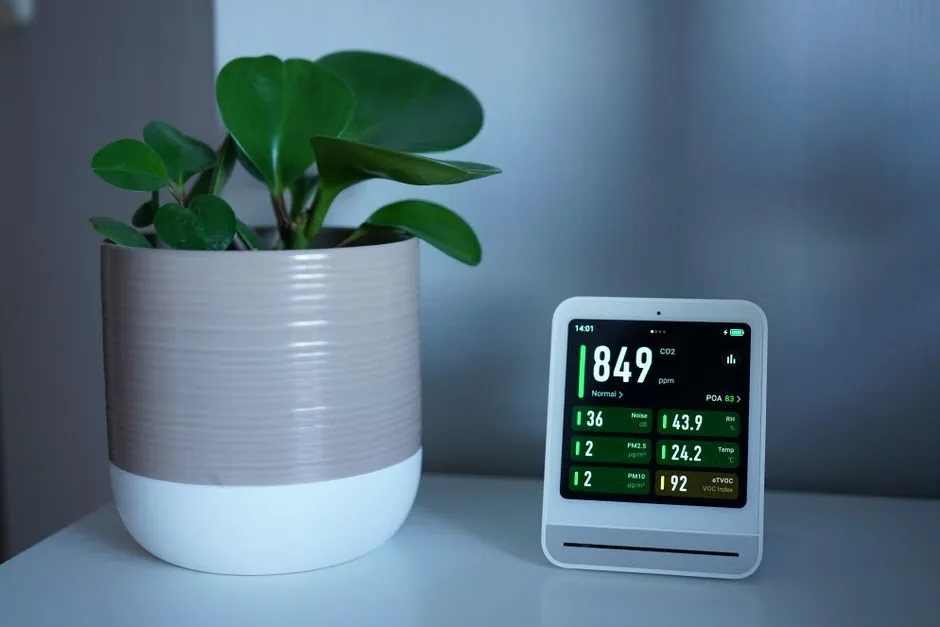
Here is the stat that reframes this purchase: according to Consumer Reports, Americans spend roughly 90% of their lives indoors. And according to the U.S. Environmental Protection Agency, indoor air can be two to five times more polluted than outdoor air.
The air inside a typical home contains dust mites, pollen tracked in from outside, pet dander, mold spores, volatile organic compounds (VOCs) from household cleaners and furniture, cooking byproducts including nitrogen dioxide, and ultrafine particles from candles, printers, and gas stoves. None of these are visible to the naked eye. None announce themselves until symptoms appear.
An air purifier is an active device — it draws air in, passes it through filtration media, and returns cleaner air to the room. For people with allergies, asthma, or sensitivity to smoke and odors, a well-matched purifier can make a meaningful difference. House Beautiful tester Hadley Mendelsohn reported a noticeable reduction in allergy symptoms after running a properly filtered purifier, noting it tackled pollen, pet dander, nitrogen dioxide, and VOCs simultaneously.
Even without diagnosed conditions, the case for clean indoor air is strong. Polaris Market Research found HEPA filters held a 40% revenue share of the air purifier market in 2025 — a reflection of real consumer experience with measurable particle reduction, not just marketing momentum.
The Most Important Number Nobody Talks About: Air Changes Per Hour (ACH)
The room-size claim printed on an air purifier's box is one of the most misleading numbers in consumer appliances. Manufacturers typically calculate coverage area at 2 air changes per hour (ACH) — the bare minimum, not the recommended rate. ACH measures how many times a purifier cycles the full air volume of a room through its filter in one hour.
The AHAM (Association of Home Appliance Manufacturers) recommends:
- 4.8 ACH for general allergen control
- 8 ACH for smoke, VOCs, or severe respiratory conditions
Here is how that changes the math: a purifier claiming 400 sq ft of coverage at 2 ACH actually delivers meaningful filtration in about 160–200 sq ft at the 4.8 ACH standard. That gap explains why so many buyers feel their purifier "isn't doing anything" — because at their actual room size, it isn't.
How to calculate the CADR you actually need:
Room sq ft × ceiling height (ft) = air volume (cu ft)
Air volume × ACH target ÷ 60 = CADR needed (CFM)
Example: 300 sq ft bedroom, 8 ft ceilings, 4.8 ACH target:
300 × 8 = 2,400 cu ft → 2,400 × 4.8 ÷ 60 = 192 CFM CADR needed
A purifier with a CADR of 100 CFM will not meet that target, regardless of what the box claims. Two tested small-room models on airpurifierfirst.com show real-world coverage of 219–236 sq ft at the 4.8 ACH standard — honest numbers that align with what a typical bedroom needs, and considerably less than the 400+ sq ft their packaging might suggest.
Always look for AHAM-certified CADR scores. A purifier without published CADR is a purifier whose real-world performance you cannot independently verify.
How HEPA Filtration Actually Works — and Why "HEPA-Type" Is Not the Same Thing
A true HEPA filter is rated to capture at least 99.97% of airborne particles 0.3 microns or larger. This is a physical performance standard, not a marketing label. The 0.3-micron threshold is actually the hardest particle size for mechanical filters to trap — both larger and smaller particles are captured at even higher efficiency. That means a genuine HEPA filter performs better across the full particle-size spectrum than its headline number suggests.
Not all "HEPA" products meet that standard. The IKEA Förnuftig, for example, is designed to capture PM2.5 particles (2.5 microns and above), not the 0.3-micron HEPA standard, and tested poorly compared with true-HEPA small-space purifiers in a 200 sq ft room. Terms like "HEPA-type" or "HEPA-style" are marketing language — they do not meet the 99.97% standard.
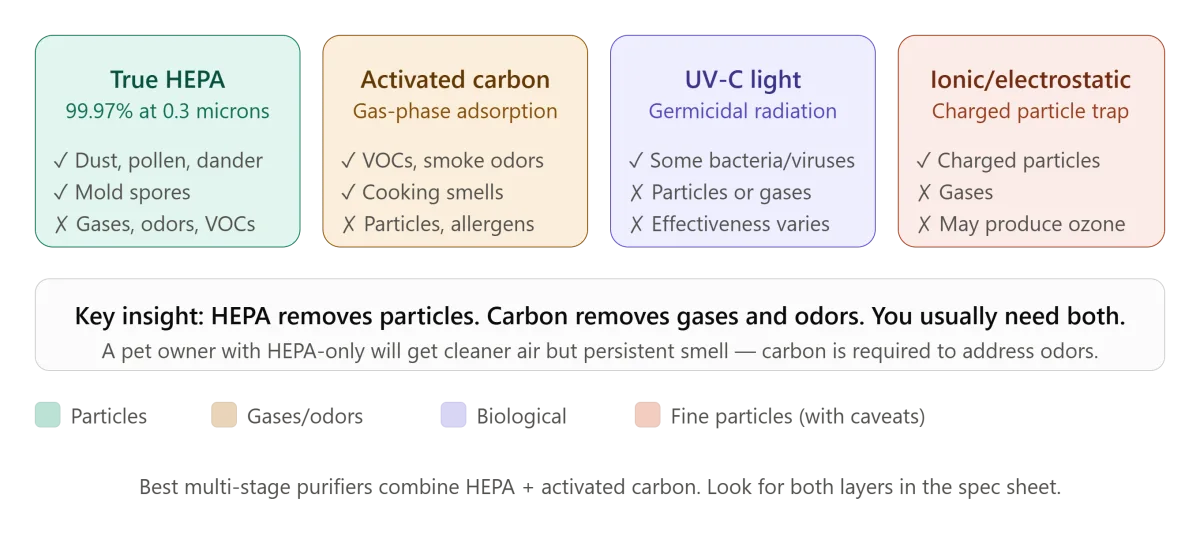
The four main filtration technologies compared:
| Technology | What It Captures | What It Cannot Handle |
|---|---|---|
| True HEPA | Dust, pollen, pet dander, mold spores, particles ≥0.3 microns | Gases, odors, VOCs, smoke compounds |
| Activated Carbon | VOCs, smoke odors, chemical gases, cooking smells | Particulate matter, allergens |
| UV-C Light | Some bacteria and viruses (when exposure time is sufficient) | Particles, gases — effectiveness varies widely |
| Ionic/Electrostatic | Charged particles, some fine particulate | Gases; may produce trace ozone as a byproduct |
The key insight for buyers: HEPA removes particles; carbon removes gases and odors. You usually need both. A pet owner who buys a HEPA-only purifier will get cleaner air but persistent smell — because the technology was never designed to solve that problem. A kitchen-focused purifier without carbon will remove dust but not cooking odors or VOCs.
Some purifiers go further. The IQAir HealthPro Plus uses HyperHEPA technology rated to trap particles down to 0.003 microns, per airpurifier.guru — relevant for wildfire smoke, bacteria, and viruses that fall below the conventional HEPA cutoff. Blueair's HEPASilent technology adds electrostatic charging before the mechanical filter, allowing less-dense filter media that delivers more airflow at lower fan speeds — quieter operation without sacrificing particle capture, as Blueair explains.
How to Choose Before You Look at Any Model
Work through these five steps first. They apply regardless of brand.
Step 1 — Measure your room. Length × width = square footage. Note your ceiling height (standard is 8 ft; taller ceilings increase required CADR).
Step 2 — Identify your primary problem. General dust and pollen → HEPA is sufficient. Pet odor → you need activated carbon. Smoke or VOCs → you need substantial carbon mass, not a thin carbon layer. Multiple problems → look for multi-stage filtration covering all of them.
Step 3 — Calculate your CADR target. Use the formula above (room volume × 4.8 ÷ 60). Match to AHAM-certified CADR for dust, pollen, and smoke separately.
Step 4 — Check noise at low speed. Consumer Reports found the best purifiers remove particles effectively at any speed. The worst struggle even at maximum and produce significant noise. A purifier that only works at full volume is not a practical bedroom unit. For reference, RTINGS.com measured the NuWave OxyPure at 32.3 dBA at lowest speed and 63.2 dBA at highest — that wide range is the real variable for overnight use.
Step 5 — Calculate 3-year total cost. Add filter replacement costs and estimated energy draw over 36 months. Budget purifiers with short-lived, expensive filters often cost more long-term than pricier units with longer-lasting media. HouseFresh testing found a 12-month filter lifespan for one tested model; factor that into your annual budget before comparing sticker prices.
One placement note that beats most spec upgrades: Position the purifier near the primary pollutant source — a pet's sleeping area, a window facing a garden during pollen season, a kitchen. Wirecutter also recommends at least 12 inches of clearance from walls and furniture. Tucking a unit into a corner significantly reduces effective coverage area. And always remove the plastic filter wrappers before first use — a purifier running with sealed filters delivers zero filtration, a surprisingly common setup error.
Best Air Purifiers for Allergies: Three Situations, Three Different Picks
Allergy sufferers are the largest segment of air purifier buyers, and the right model depends heavily on room size, layout, and budget. These three cover the main scenarios.
Best for Allergies in Medium Rooms: Levoit Core 400S
Forbes Vetted named the Levoit Core 400S the best air purifier for allergies in 2026 after testing 18 models with a 13-person panel, and House Beautiful editors who tested it in their own homes named it their best overall pick. It uses three-stage filtration (pre-filter, HEPA, activated carbon), is Wi-Fi enabled via the VeSync platform, and supports Google Assistant and Amazon Alexa. For allergy sufferers in standard bedrooms and medium-sized living spaces, it offers strong performance at an accessible price relative to premium alternatives.
Best for Allergies in Large Rooms: Coway Airmega 450
Yahoo Health tested and ranked the Coway Airmega 450 as the best air purifier for allergies in 2026. The numbers justify that ranking: three-stage filtration (pre-filter, HEPA, activated carbon), smoke CADR of 439 CFM, dust CADR of 445 CFM, pollen CADR of 450 CFM, and coverage up to 3,285 sq ft. It is also Energy Star certified. For allergy sufferers in larger homes or open-plan apartments who want a single unit to handle a substantial area, these specifications are difficult to match at a comparable price.
Best for Allergies in Open-Concept Spaces: Alen Breathesmart 75i
If your home combines kitchen, dining, and living areas in a single open space, the Alen Breathesmart 75i is the pick to beat. According to Forbes Vetted, it cycles through 600 sq ft every 12 minutes — nearly five air changes per hour in a large room, meeting the AHAM standard that most purifiers fall short of. It also carries the AAFA Asthma and Allergy Friendly certification from the Asthma and Allergy Foundation of America, one of the most rigorous independent standards in this category and one of the few purifiers on the market to carry it. Forbes recommends it specifically for open-concept living areas, spacious bedrooms, and basements.
Best Air Purifiers for Pet Owners: Dander, Odor, and Hair Are Three Separate Problems
Pet owners often discover, after buying a purifier, that their model solves one problem while leaving two others untouched. The three problems are fundamentally different:
- Pet dander is a particle problem → HEPA filtration addresses it
- Pet odor is a chemical problem (volatile organic compounds) → activated carbon adsorbs it; HEPA does not
- Pet hair clogs fine filters quickly → a washable pre-filter intercepts hair before it reaches the HEPA layer, extending filter life and lowering replacement costs
Any purifier you consider for a pet household should have all three stages: pre-filter, HEPA, and activated carbon.
Levoit Core 300-P and Core 400S-P
The Levoit Core 300-P was named best air purifier for pets by Forbes Vetted and offers four different filter configurations including pet-specific options — giving you the flexibility to prioritize dander capture or odor control based on your situation. The Core 400S-P is the smart-enabled version with Wi-Fi and real-time air quality monitoring, recommended by both ClinicAdvisor and House Beautiful for tech-forward pet households.
Winix 5500-2
The Winix 5500-2 is highlighted by ClinicAdvisor specifically for its odor control alongside HEPA filtration. If persistent pet smell is your primary complaint — not just dander — the Winix 5500-2's carbon stage makes a tangible difference that HEPA-only units cannot replicate. It is the most targeted recommendation for households where odor is the dominant complaint.
Shark NeverChange Air Purifier MAX
For pet owners who want minimal ongoing maintenance, Yahoo Health reviewed the Shark NeverChange Air Purifier MAX as a standout low-maintenance option. Its four-stage system includes a pre-filter, a dedicated pet particle barrier, an activated carbon layer, and a HEPA filter — covering all three pet-related air quality problems. The "NeverChange" branding refers to extended filter life, reducing the frequency and cost of replacements. It also appears in the budget section below for the same reason: low upfront cost, lower ongoing cost than most alternatives.
Blueair Blue Pure 211i Max for Multi-Pet Homes
For households with multiple pets or larger open-concept spaces, ClinicAdvisor recommends the Blueair Blue Pure 211i Max for its combination of large-room CADR and pet-friendly performance. It is specifically noted as best for open rooms, pet homes, dust, and pollen — a practical all-rounder when coverage beyond a single room is the constraint.
Best Air Purifiers by Room Size
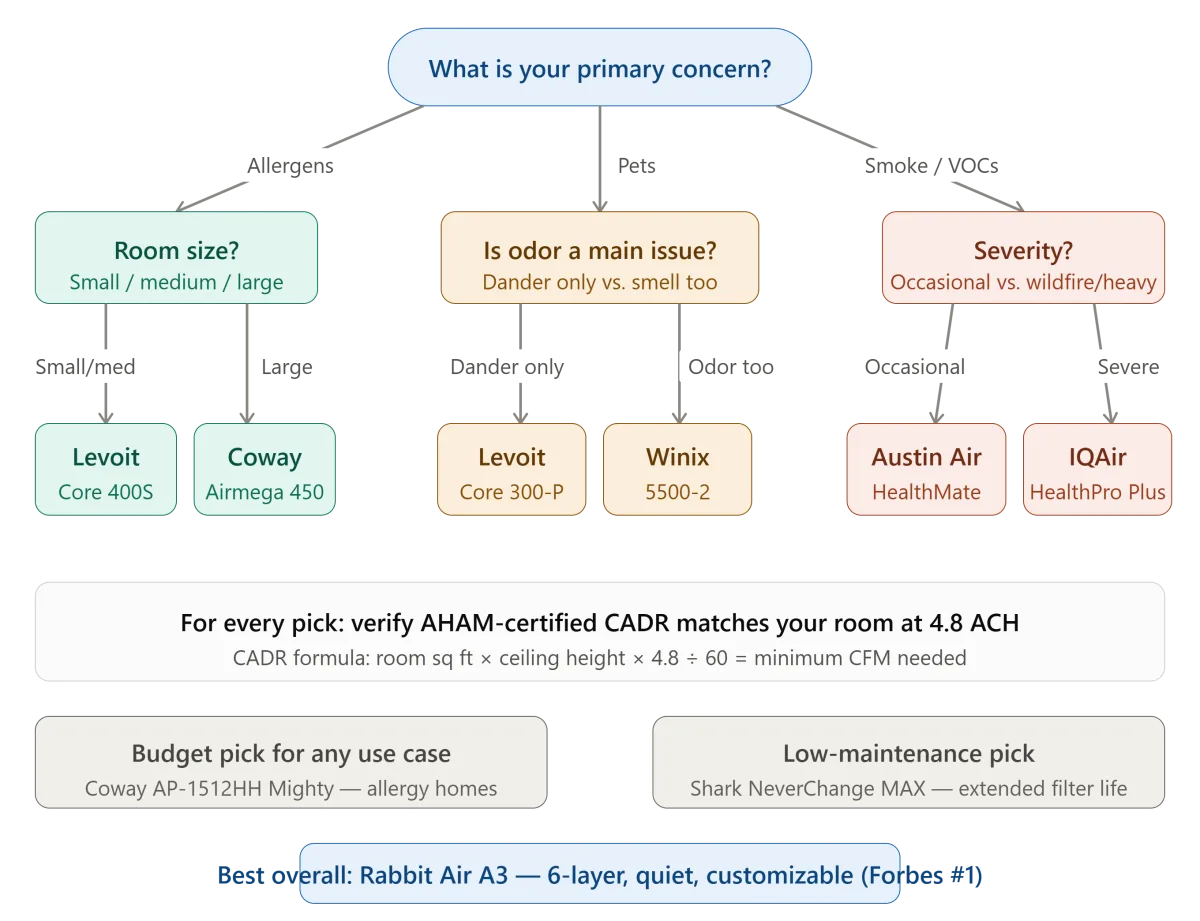
Small Rooms — Under 300 Square Feet (Bedrooms, Home Offices, Nurseries)
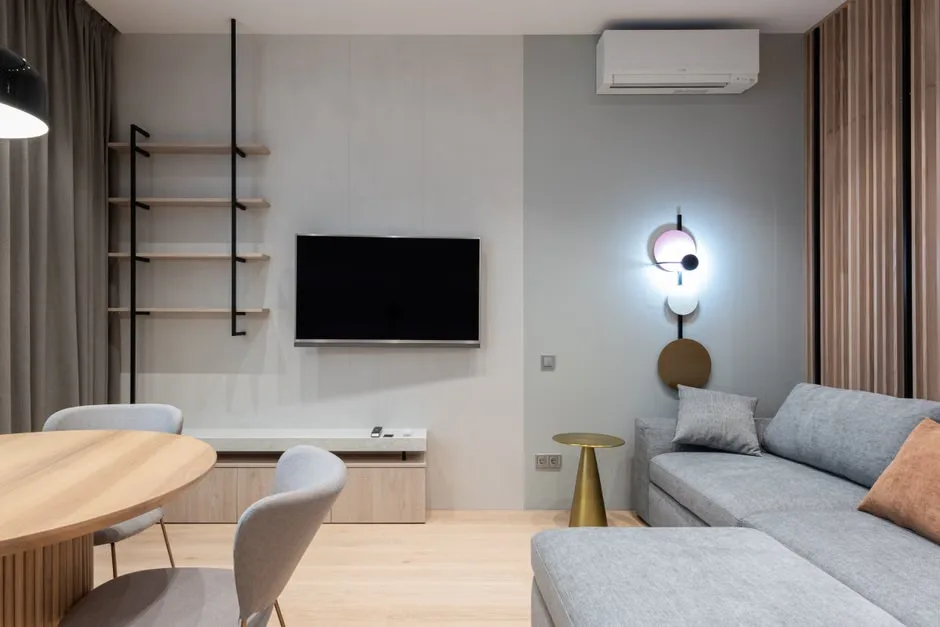
Small rooms are the most common use case, and noise at low fan speed is the most important variable here. A unit running overnight in a bedroom needs to be quiet enough not to disrupt sleep while still cycling air at 4.8 ACH.
Best for most people: Levoit Vital 200S. This is the top recommendation for the majority of small-room buyers. It balances CADR, noise at low speed, and price in a way few competitors match at this tier. Its filtration is well-matched to typical bedroom dimensions, and its low-speed decibels are genuinely practical for overnight use.
Best value: AirFanta 3Pro. For budget-conscious buyers who need strong particle removal without the smart features, the AirFanta 3Pro delivers meaningful filtration at a price below most comparable models. The trade-off is in build quality and app integration, not core performance.
Portable option: airpurifier.guru highlights a compact HEPA H13 unit covering up to 500 sq ft with dual intake and an easy-carry design. The short power cord limits outlet placement, but the room-to-room portability makes it a practical alternative to buying separate fixed units for multiple spaces.
When comparing small-room models, always use the 4.8 ACH coverage figures — not the box claim. Tested models on airpurifierfirst.com show real-world coverage of 219–236 sq ft at the AHAM standard, which aligns with what a typical bedroom actually needs.
Medium Rooms — 300 to 600 Square Feet (Living Rooms, Open-Plan Kitchens, Master Bedrooms)
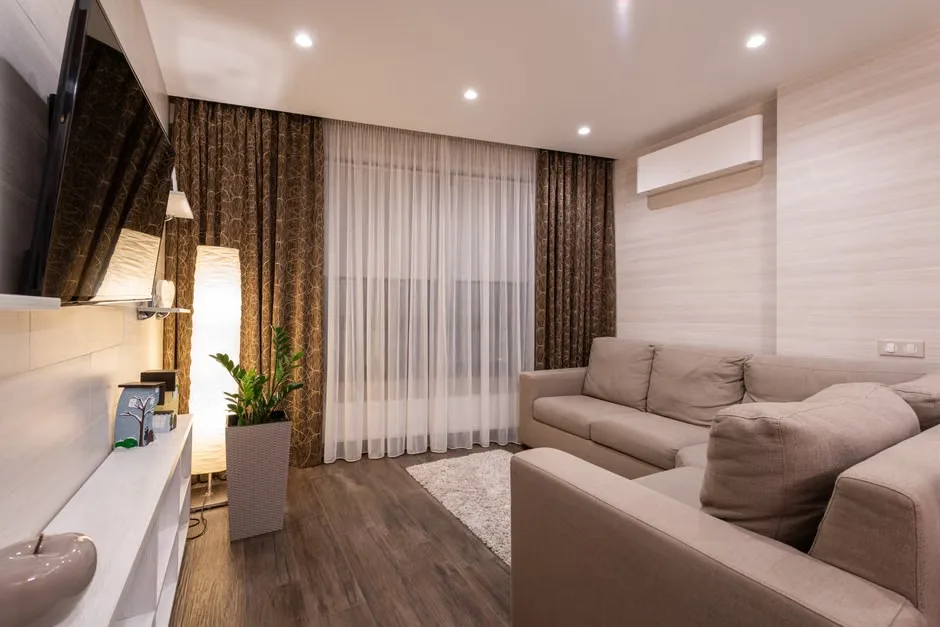
Medium rooms present the widest variety of air quality challenges. Living rooms, open-plan kitchens, and master bedrooms converge cooking odors, pet dander, and general allergens in a single space. A purifier adequate for a small bedroom will underperform here — the CADR requirements increase substantially, and the combination of particle and gas-phase pollutants means HEPA alone is rarely sufficient.
Best pick: Rabbit Air A3. Forbes Vetted named the Rabbit Air A3 both best overall and best smart air purifier for allergies in 2026, after their 13-person testing panel evaluated 18 models. Its six-layer customizable filtration system lets you configure the filter type based on your dominant pollutant — pet dander, cooking odors, or chemical VOCs. That level of specificity is unusual at any price tier. It is also wall-mountable (saves floor space), ultra-quiet in operation (practical in bedrooms and nurseries), and connects via Wi-Fi and Bluetooth with a companion app. The honest trade-off: a premium price and higher filter replacement costs than budget alternatives.
Strong runner-up: Blueair Blue Pure 311i+ Max. Consumer Reports highlights the Blueair Blue Pure 311i+ Max as a strong performer in this size range. Its HEPASilent technology delivers effective filtration at lower fan speeds than conventional HEPA designs — quieter operation in living spaces where noise is more noticeable than in a closed bedroom.
Customizable option: Mila Air Purifier. House Beautiful notes the Mila's configurable filter system and end-table footprint suits larger spaces or empty corners. The caveat: some cleaning modes are notably loud, which limits usefulness in noise-sensitive environments.
For medium rooms, always prioritize activated carbon in addition to HEPA. HouseFresh tested a model with a bonded cylindrical HEPA filter combined with pelleted activated carbon, achieving an AHAM PM2.5 CADR of 378 CFM for dust and a top-speed PM1 CADR of 352 CFM — numbers that comfortably cover a 528 sq ft room at 5 ACH. Energy draw at typical operating speeds also matters: that same model draws 17 watts at Speed 2 and 33 watts at Speed 3, which is meaningful for electricity costs across a full year of continuous operation.
Large Rooms — Over 600 Square Feet (Great Rooms, Combined Living/Dining, Loft Apartments)
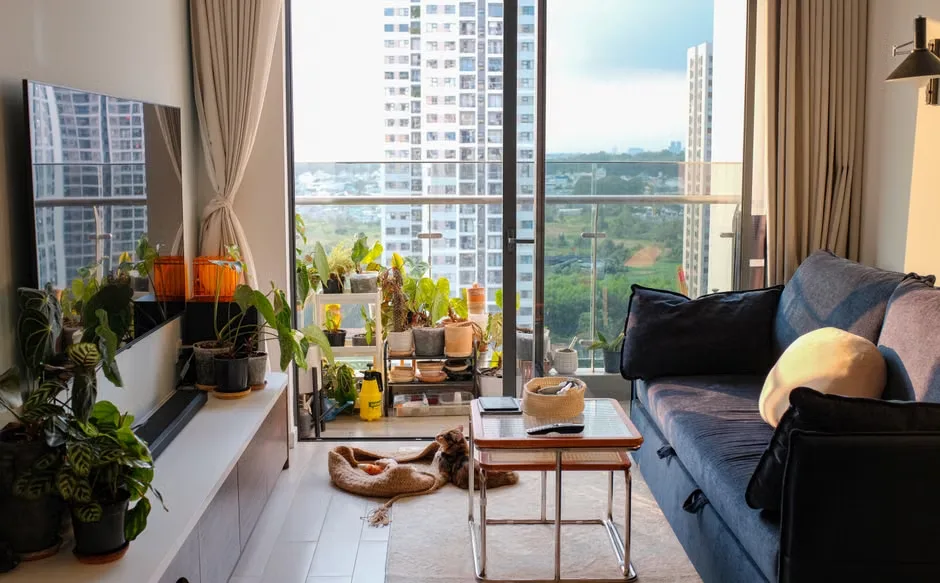
Large open spaces demand high CADR ratings and robust build quality. Undersizing is the most common and most expensive mistake in this category. The marketing problem here is particularly acute: a purifier claiming 800 sq ft coverage may only deliver meaningful filtration in a 160–200 sq ft space at the 4.8 ACH standard.
Best large-room pick: Coway Airmega ProX. Consumer Reports rates the Coway Airmega ProX as the best performer for extra-large rooms in 2026. It delivers the best performance on both high and low fan speeds in their testing, excelling at clearing dust, pollen, and smoke. It includes a certified HEPA filter, an activated carbon filter, and a washable pre-filter for larger pollutants including pet hair. One honest limitation: at 50 pounds, it is the heaviest unit in Consumer Reports' roundup — this is not a purifier you will move between rooms.
Best for fastest particle removal: Coway Airmega 400S. CNET's 2026 lab testing measured the Coway Airmega 400S achieving a T90 (time to remove 90% of airborne particles) of just 21 seconds at highest fan speed — the fastest particle removal in their 2026 testing. If speed of air quality improvement matters (for example, quickly clearing air during high-pollen periods), the 400S's T90 is its standout metric.
Best for low-maintenance washable filters: NuWave OxyPure. For buyers prioritizing long-term maintenance costs alongside large-space coverage, RTINGS.com highlights the NuWave OxyPure. Its Bio-Guard filters (mold, viruses, bacteria), stainless steel mesh pre-filter, and washable components are all rated for a 20-year lifespan with periodic washing. Only the HEPA/activated carbon filter requires annual replacement. The noise range — 32.3 dBA at lowest to 63.2 dBA at highest — means you will want lower speeds during occupied periods.
Best for large spaces with allergy focus: Alen Breathesmart 45i. A 2026 expert video review found the Alen Breathesmart 45i delivers a CADR of 245 CFM, covering rooms up to 800 sq ft — a practical option for large bedrooms, living rooms, and open-plan apartments where the ProX's 50-pound weight is a concern.
Smart home integration for large rooms: Levoit Core 600S. RTINGS.com rates the Levoit Core 600S as a strong tested option for buyers who prioritize connected features. It pairs with the VeSync app for real-time air quality monitoring and filter alerts, supports Google Assistant and Amazon Alexa voice control, and its CADR substantially exceeds the Core 400S — the right step-up when room size is the primary constraint.
Best Air Purifiers for Smoke, Odors, and VOCs
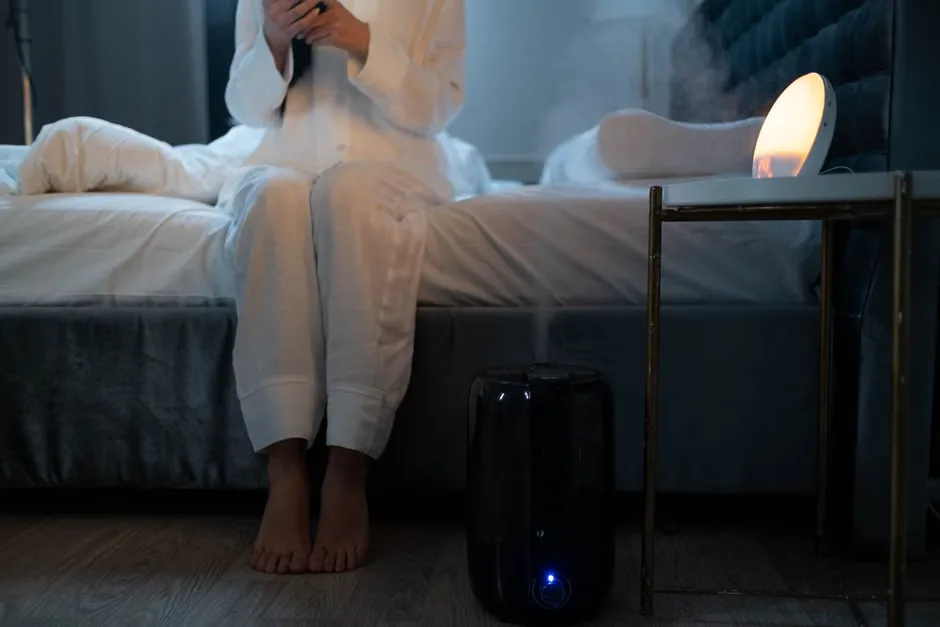
Smoke and chemical VOCs require a fundamentally different filtration approach than standard allergen removal. HEPA alone will not solve a smoke problem — the gaseous compounds in smoke pass straight through mechanical filters. You need substantial activated carbon mass, and the amount of carbon matters: a thin carbon layer will saturate quickly and stop working within weeks, not months.
Austin Air HealthMate — Best for Smoke and Odors
The Austin Air HealthMate is the top recommendation for smoke, VOCs, and persistent odors. According to airpurifier.guru, it combines a serious-mass carbon filter with HEPA filtration, covers up to 1,500 sq ft, captures particles down to 0.3 microns, and removes VOCs and smoke through a carbon capacity in a different class from typical consumer purifiers. The solid steel housing is built for durability — this is a workhorse, not a design statement. For wildfire smoke, heavy cooking odors, or chemical off-gassing from new furniture or renovation materials, the HealthMate's carbon mass is the relevant differentiator.
IQAir HealthPro Plus — Best for Smoke and Fine Particles
When particle size matters — and in wildfire smoke, it does, because particles can be extremely fine — the IQAir HealthPro Plus offers HyperHEPA filtration rated to 0.003 microns, covers up to 1,125 sq ft, and is Swiss-made with premium build quality, per airpurifier.guru. It is a significant investment, but for severe smoke environments or households with serious respiratory conditions, the extended filtration range justifies the cost.
Shark HP232 Air Purifier Max — Best Efficient Smoke Performer
CNET's 2026 lab testing awarded the Shark HP232 Air Purifier Max for fastest particle removal at low fan speed — a T90 of 1 minute and 17 seconds at low speed — and noted it as the cheapest unit to run for energy efficiency. For buyers who want effective air cleaning without a high energy bill, the Shark HP232 is worth considering alongside the premium smoke-focused options above.
Budget and Low-Maintenance Picks
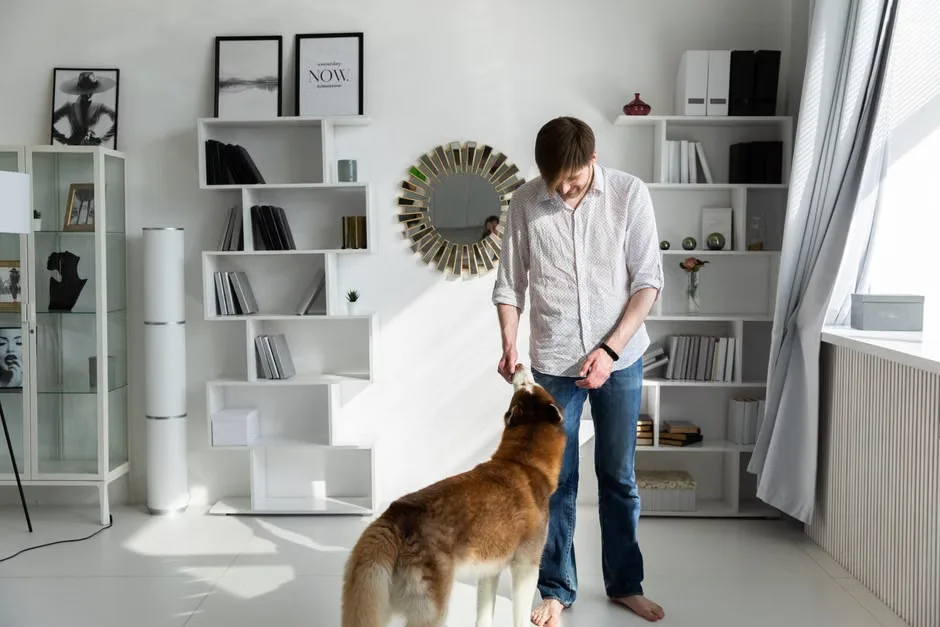
Budget does not have to mean compromised performance. Several well-tested models deliver genuine results at accessible price points.
Best budget overall: Coway Airmega AP-1512HH Mighty. The ClinicAdvisor community names this their personal pick for most allergy homes where budget is a primary constraint. It is widely considered the benchmark for affordable HEPA performance and has a long track record of reliable owner reviews.
Best budget medium room: Clorox Medium Room Air Purifier. Forbes Vetted named it best value air purifier for 2026 — a straightforward, no-frills option for medium rooms where smart features are not a priority.
Best budget large room: Coway Airmega 200M2. RTINGS.com rates this as the best budget large-room air purifier, with a measured PM1.0 CADR of 414 m³/hr (243 CFM) and a recommended room size of 380 sq ft at max fan speed. It scores 7.9 for pets and 7.7 for bedroom use in RTINGS.com's testing framework — solid performance for a budget-tier unit.
Best low-maintenance: Shark NeverChange Air Purifier MAX. Already noted in the pet section, the Shark NeverChange applies equally here. Its extended filter life reduces the frequency and cost of replacements — the place where budget purifiers typically become expensive over time despite low upfront prices.
One important long-term cost note: filter replacement costs and annual energy draw over 36 months often exceed the upfront price of budget models. Always factor in the total cost of ownership before comparing sticker prices.
The Decision Table: Match Your Situation to the Right Model
| Your Primary Need | Room Size | Recommended Model | Key Reason |
|---|---|---|---|
| General dust, allergens | Small (<300 sq ft) | Levoit Vital 200S | Quiet; right CADR for bedrooms; best value-to-performance |
| General dust, allergens | Small, budget | AirFanta 3Pro | Lowest price for meaningful HEPA filtration |
| Allergies (pollen, dust, mold) | Medium (~300–600 sq ft) | Levoit Core 400S | Forbes Vetted #1 for allergies; smart controls |
| Allergies, open-concept | Large open space | Alen Breathesmart 75i | AAFA certified; 5 ACH in 600 sq ft |
| Allergies, large home | Extra-large (up to 3,285 sq ft) | Coway Airmega 450 | Highest pollen CADR (450 CFM); Energy Star |
| Best all-around | Medium, premium | Rabbit Air A3 | Forbes #1 overall; customizable; wall-mountable; quietest |
| Pets (dander + odor + hair) | Small-medium | Levoit Core 300-P | Forbes best for pets; 4 filter configs |
| Pets (smart + dander) | Medium | Levoit Core 400S-P | Smart version; Wi-Fi; pet-focused HEPA |
| Pets (odor focus) | Medium | Winix 5500-2 | Strong carbon stage; targeted for smell |
| Pets (low maintenance) | Any | Shark NeverChange MAX | Extended filter life; 4-stage coverage |
| Pets (multi-pet, open room) | Large | Blueair Blue Pure 211i Max | Large CADR; pet + dust + pollen all-rounder |
| Large room coverage | Large (600+ sq ft) | Coway Airmega ProX | Consumer Reports #1 extra-large; best high + low speed |
| Large room, fastest cleanup | Large | Coway Airmega 400S | CNET #1 T90: 21 sec at high speed |
| Large room, washable filters | Large | NuWave OxyPure | 20-yr component life; serious low-maintenance value |
| Smoke, VOCs, odors | Any | Austin Air HealthMate | Serious carbon mass; covers 1,500 sq ft |
| Smoke + fine particles | Large/severe | IQAir HealthPro Plus | HyperHEPA to 0.003 microns; wildfire-grade |
| Budget overall | Medium | Coway AP-1512HH Mighty | Community-proven; benchmark affordable HEPA |
| Budget large room | Large | Coway Airmega 200M2 | RTINGS-rated; 414 m³/hr CADR; 380 sq ft at max |
Frequently Asked Questions
What does CADR mean, and why does it matter more than coverage area?
CADR (Clean Air Delivery Rate) measures how many cubic feet of clean air a purifier produces per minute, with separate scores for dust, pollen, and smoke. Coverage area claims on packaging are typically calculated at 2 ACH — half the AHAM-recommended rate of 4.8 ACH. CADR lets you calculate actual performance at the recommended rate for your specific room dimensions, making it a far more reliable comparison metric than any coverage claim on a box.
What is the difference between true HEPA and "HEPA-type"?
True HEPA captures at least 99.97% of airborne particles 0.3 microns or larger — a physical performance standard. "HEPA-type," "HEPA-style," and similar terms are marketing labels that do not meet that standard. If the filter specification doesn't say "true HEPA" or reference the 99.97%/0.3-micron rating, it is not the same technology.
Will an air purifier remove pet odor?
Only partially, if it lacks activated carbon. HEPA filtration removes pet dander (a particle) effectively but does not capture odor molecules (gases and VOCs). For pet odor, you need activated carbon in addition to HEPA. Look for multi-stage purifiers that explicitly include both a HEPA layer and an activated carbon layer.
How often should I replace HEPA filters?
Most manufacturers recommend every 6–12 months, depending on usage and air quality conditions. Units in homes with pets, smokers, or high dust loads will need replacement toward the shorter end of that range. A washable pre-filter extends main filter life by intercepting large particles before they reach the HEPA layer — factor filter replacement cost into your total cost of ownership calculation.
Where should I place an air purifier for best results?
Wirecutter recommends at least 12 inches of clearance from walls and furniture, ideally near the primary pollutant source (a pet's sleeping area, a pollen-prone window, a kitchen). Tucking a purifier into a corner against a wall significantly reduces its effective coverage area. One purifier per room is the most effective approach — purifiers work best in a contiguous, unobstructed space.
Can one air purifier clean my whole house?
No. Air purifiers are designed to clean the air in a single contiguous, unobstructed room. Running one unit in a living room while bedroom doors are closed provides little benefit to the bedrooms. For a multi-room home, the practical options are either multiple units (one per room) or moving a single unit between rooms.
Is an air purifier worth it if I don't have allergies?
Potentially. The main case is cooking byproducts (nitrogen dioxide, fine particulate from gas stoves), VOCs from cleaning products and new furniture, and general dust reduction. House Beautiful's tester who reported improvement was not specifically an allergy sufferer — the results were broad. If you live in an area with air quality issues, near a high-traffic road, or in a home with new construction materials, the case is stronger.
Bottom Line: The Decision in Three Steps
- Measure first. Calculate the CADR you actually need (room volume × 4.8 ÷ 60 = CFM required). Ignore box coverage claims.
- Match filter type to your problem. Particles only → HEPA. Odors or gases → HEPA + activated carbon. Both → get both.
- Pick from the decision table. The right model is the one with AHAM-certified CADR that meets your room's target, runs quietly enough for your space, and fits your 3-year total cost (filters + energy).
The Rabbit Air A3 covers the most ground for most buyers willing to pay for it. The Levoit Core 400S is the sweet spot for allergies in a medium room. The Coway Airmega ProX is the performance benchmark for large spaces. Everything else in the table above is the right call for a specific situation.
Reviewed by the Trusted Buyer Report editorial team. This article was drafted with AI assistance and fact-checked before publishing. We may earn a commission from purchases made through links on this page. Full disclosure →