How this guide was researched: We aggregated data from Runner's World 2026 testing, RunRepeat lab scores, YouGov's 2026 U.S. fashion brand rankings (via Sporting Goods Intelligence), Wirecutter, GQ's 2026 Sneaker Survey, and Vogue/Teen Vogue trend coverage. We did not personally test these shoes. We may earn a commission from purchases made through links on this page. Drafted with AI assistance, fact-checked editorially. How we review →
Quick Answer: Nike, Adidas, or New Balance?
Stop here if you're in a hurry. Here's the verdict by use case:
- Best for running performance: Adidas Adizero Evo SL (Best Overall, Runner's World 2026) / Nike Vomero Plus (Best for Long Runs) / New Balance Ellipse v1 (Best Value)
- Best for everyday lifestyle and fashion: Adidas Samba/Gazelle for low-profile retro — Nike VaporMax Plus for futuristic silhouettes — New Balance 530/9060 for consistent editorial credibility
- Best if you have wide feet: New Balance — the only brand of the three that systematically offers multiple width options
- Best value for money: New Balance and Adidas both outperform Nike on value-per-dollar perception. Nike carries the largest brand premium (~26-point gap between quality score and value score per YouGov 2026)
- Best for Gen Z brand recognition: Nike (55.4% consideration rate), then Adidas (47.3%), then New Balance
The rest of this guide explains the evidence behind each of those verdicts — and helps you find the specific model that fits your foot, budget, and use case.
The 2026 Sneaker Market: Why These Three Brands Are Harder to Separate Than Ever
Most people carry a mental shorthand: Nike = performance prestige, Adidas = trend credibility, New Balance = practical durability. That framework made rough sense a decade ago. It no longer reflects the actual product landscape.
According to Sporting Goods Intelligence's reporting on YouGov's 2026 U.S. fashion brand rankings, Nike posts a quality net score of 47.8 — second only to Levi's. New Balance scores 43.6 and Adidas 43.5. Three points separate the bottom two from the top. When brands cluster that tightly on perceived quality, you're no longer choosing between good and mediocre. You're choosing between different strengths.
The value picture tells a more useful story. Nike's value-for-money score sits at 21.6 — a gap of roughly 26 points versus its quality score of 47.8. Adidas shows a narrower split: quality 43.5, value 26.7 — about 17 points apart. New Balance delivers the strongest ratio at its price points, with the Ellipse v1 named Best Value running shoe by Runner's World. That means you're paying the least brand premium at New Balance, the most at Nike, with Adidas sitting in between.
Among dedicated runners, fragmentation is even more striking. A 2026 survey reported by Running Shoes Statistics shows Asics leading at 16%, Brooks at 15%, Nike and Saucony tied at 12%, Hoka at 9%, Adidas at 8%, and New Balance at 7%. Nike and Adidas are mid-pack among serious runners — strong brands, but not the dominant choices for people who run for performance rather than style.
Bottom line on the market context: All three brands now make genuinely competitive shoes. Brand loyalty alone is a poor buying heuristic in 2026. Use case, foot shape, and specific model matter more than brand name.
Nike in 2026: The Brand Premium Is Real — So Is the Performance
What Nike does best
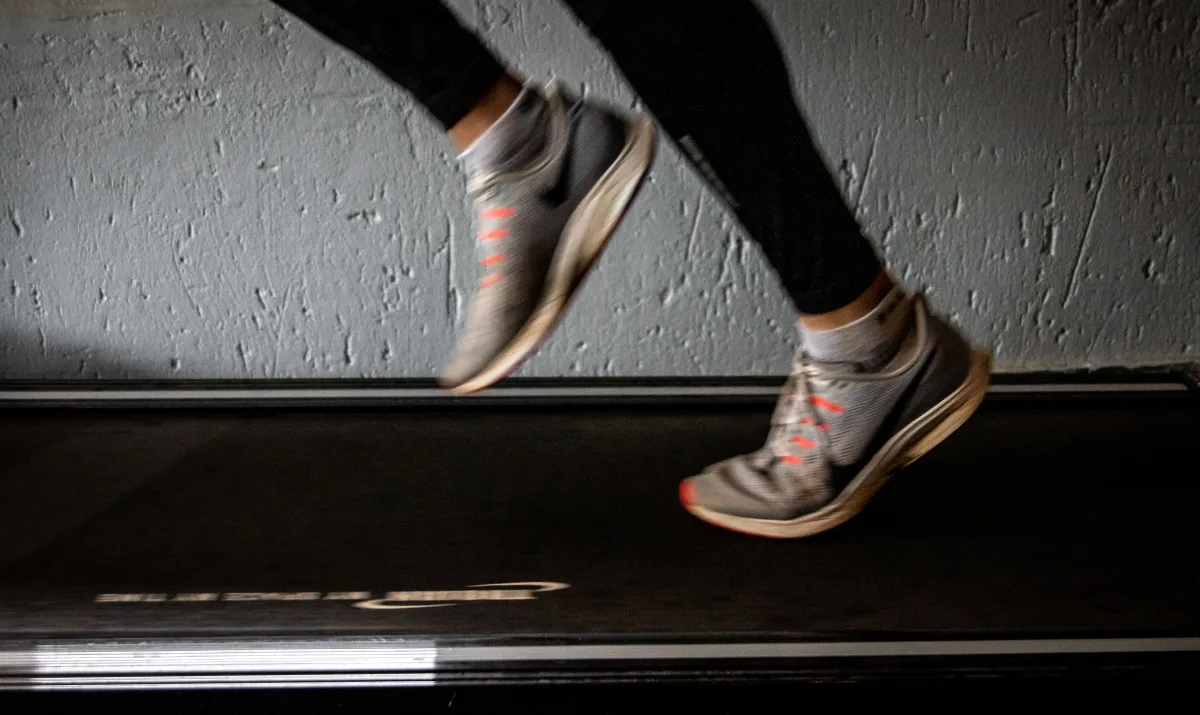
Nike's strongest story in 2026 is the performance-to-lifestyle crossover. The Vomero 5, V2K Run, and Vomero Premium are all being worn on city streets by people who have never run a mile in them. According to GQ's 2026 Sneaker Survey, Nike has "the most juice" heading into the year — one expert described its running-to-lifestyle narrative as "a gift."
On pure performance, the results are strong at the top end. Runner's World 2026 named the Nike Vomero Plus Best for Long Runs. Testers specifically praised the foam upgrade over the Vomero 18, which had "almost too much cushion" in prior ReactX form — the Vomero Plus corrects weight and comfort together.
For lifestyle buyers, RunRepeat gives the Nike Air VaporMax Plus an audience score of 94 — the highest of any futuristic silhouette tested across all three brands. The Air Max 95 is also experiencing a cultural revival in 2026, with Teen Vogue's Spring 2026 sneaker trend coverage positioning it as potentially the most popular silhouette in the classic dad sneaker category.
Nike's ZoomX-based race shoes continue to set a high bar for pure speed feel. As AdStellar's 2026 Nike vs Adidas analysis puts it: "Nike usually gives a more lively ride" — the company frames its footwear around snap, speed, and forward momentum, which translates well to both race-day marketing and everyday cultural cache.
What Nike doesn't do well
The value gap is real and documented. A 26-point spread between quality perception (47.8) and value perception (21.6) per YouGov means buyers knowingly or unknowingly pay a brand premium. Among dedicated runners in preference surveys, Nike ranks behind Asics, Brooks, and Saucony. The brand's lifestyle momentum is real, but it's not driven by pure performance metrics.
Best Nike models in 2026
| Use Case | Model | Why It's Worth Considering |
|---|---|---|
| Long-distance running | Vomero Plus | Best for Long Runs per Runner's World 2026 |
| Everyday lifestyle | Air VaporMax Plus | RunRepeat audience score: 94 |
| Fashion / trend | V2K Run / Vomero 5 | Leading the running-to-lifestyle crossover |
| Daily training | Pegasus 42 | Reliable mileage workhorse with full-length Air Zoom |
Nike fits you if: You're a Prime subscriber for cultural recognition, you want the highest-scoring long-run cushioning, or you're following the futuristic silhouette trend for Spring 2026.
Adidas in 2026: The Retro Lifestyle King Has a Genuine Performance Story Now
What Adidas does best
Adidas enters 2026 operating two distinct identities simultaneously — and both are working.
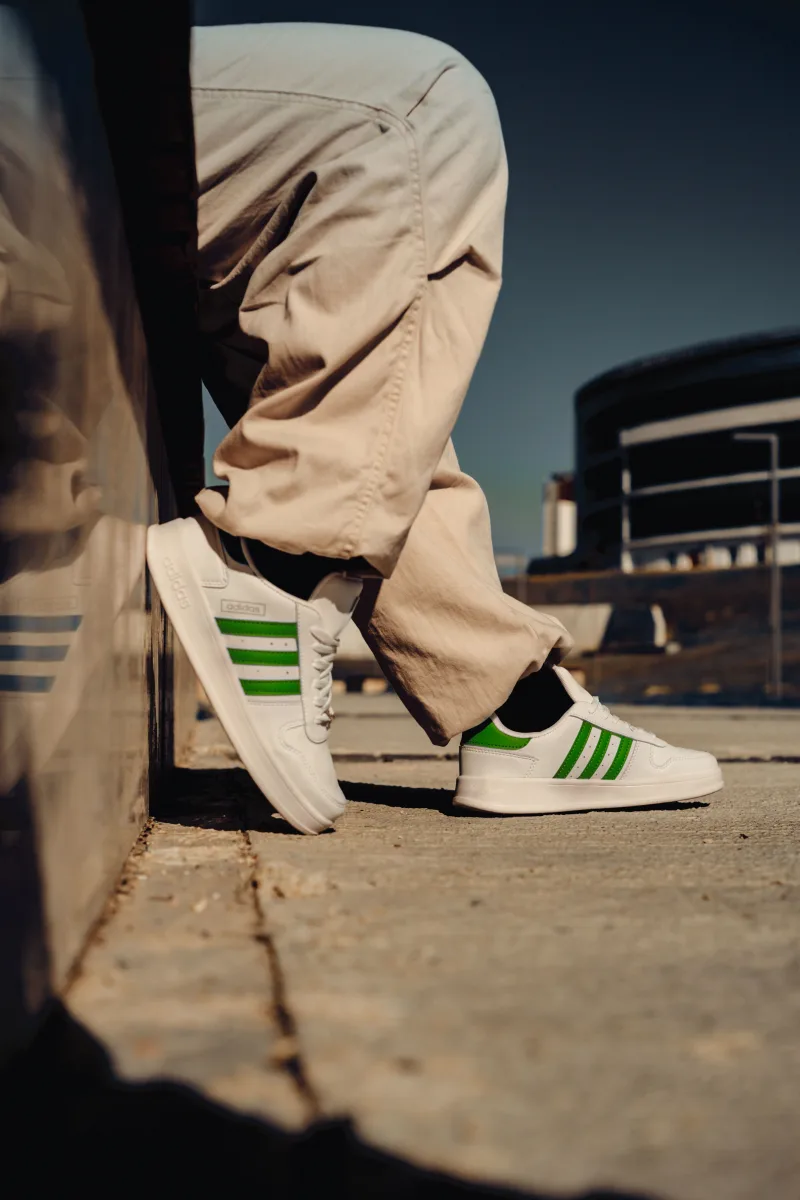
On the lifestyle side, the Samba, Gazelle, SL72, and BW Army continue to dominate global street style. These aren't new — Adidas is executing a retro-runner playbook that leverages decades of heritage into contemporary relevance. The brand's fashion credibility in this space is more concentrated than Nike's (fewer silhouettes, higher visibility per silhouette) but also more dependent on those specific models staying in rotation.
On the performance side, the Adidas Adizero Evo SL is the brand's most credible running story in years. Runner's World 2026 named it Best Overall running shoe — ahead of both Nike and New Balance entries in that category. RunRepeat's lab testing confirms the Evo SL's Lightstrike Pro midsole posts energy return scores of 74.3% (heel) and 70.3% (forefoot) — both above average for the category. For context, 65%+ is considered great.
The value proposition is also better than Nike's. A 17-point gap between quality (43.5) and value (26.7) versus Nike's 26-point gap means Adidas buyers feel they're getting closer to what they pay for. For buyers who want cultural weight without the steepest brand premium, Adidas sits in a more defensible position.
Spring 2026 brings Adidas into the metallic trend, too. Vogue's Spring 2026 sneaker coverage features the Adidas Paris sneaker as a key entry in the silver and high-shine category alongside New Balance. The Adidas Ozelia earned an audience score of 92 on RunRepeat in the futuristic sneaker category.
What Adidas doesn't do well
Fashion credibility is disproportionately concentrated in a small set of retro silhouettes. Quality net score (43.5) trails Nike (47.8) meaningfully. Outside the Adizero line, Adidas performance running presence is thin.
As AdStellar's analysis notes, Adidas "aims for a smoother rebound and a cushioned underfoot feel" — which appeals to comfort-focused buyers but can feel less exciting for runners chasing a fast, aggressive ride.
Best Adidas models in 2026
| Use Case | Model | Why It's Worth Considering |
|---|---|---|
| Running — Best Overall | Adizero Evo SL | #1 per Runner's World 2026; 74.3% energy return |
| Retro lifestyle | Samba / Gazelle / SL72 | Dominant global street style — still at peak visibility |
| Futuristic lifestyle | Ozelia | RunRepeat audience score: 92 |
| Spring 2026 metallic trend | Adidas Paris | Featured in Vogue Spring 2026 trend coverage |
Adidas fits you if: You run seriously and want the best-tested all-around running shoe of 2026, or you want the most consistent retro lifestyle silhouette with global recognition.
New Balance in 2026: Function-First Credibility That Fashion Finally Caught Up To
What New Balance does best
New Balance has over 100 years of manufacturing history, and that longevity shows consistently in independent testing. RunRepeat, which has lab-tested a wide range of models, notes the brand's sneakers "hardly ever receive hate or negative comments about their quality or durability." That's a pattern across independent reviews that's hard to manufacture.
Runner's World 2026 named the New Balance Ellipse v1 Best Value running shoe — not just the cheapest, but genuinely good at a lower price. That's a more meaningful claim than "affordable."
In fashion, New Balance earned its credibility through product, not hype cycles. Who What Wear's 2026 trending trainer brands list states that you'd be hard-pressed to find a fashion editor without at least one New Balance style. The 530, 327, 9060, and 740 all sell out consistently. The New Balance 9060 earned an audience score of 93 on RunRepeat in the futuristic sneaker category — second only to the Nike Air VaporMax Plus (94). The New Balance RC42 appeared in Vogue's Spring 2026 metallic trend coverage alongside the Adidas Paris.
Wirecutter's 2026 fashion sneaker review praised the New Balance 471 for springy EVA midsoles and true-to-size fit.
The most underrated New Balance advantage: multiple width options. Nike and Adidas largely ignore width as a design variable. New Balance systematically offers multiple widths across many models — 2E, 4E for wide feet, B/AA for narrow. If you've ever put on a Nike and found the toe box crushing your foot, or if you have bunions, a wider midfoot, or simply prefer more room, New Balance is the only brand of these three that addresses this as a first-order design priority.
What New Balance doesn't do well
Lower brand consideration scores than Nike and Adidas among Gen Z (third place by a meaningful margin in both cohorts). Aesthetic can feel less exciting than Nike or Adidas for trend-driven buyers. Fewer crossover performance-to-lifestyle silhouettes than Nike in 2026 specifically.
Best New Balance models in 2026
| Use Case | Model | Why It's Worth Considering |
|---|---|---|
| Running — Best Value | Ellipse v1 | Runner's World 2026 Best Value; genuine performance at lower price |
| Lifestyle / fashion standard | 530 / 327 / 740 | Consistently stocking out; strong fashion editorial presence |
| Futuristic silhouette | 9060 | RunRepeat audience score: 93; second only to Nike VaporMax |
| Spring 2026 metallic trend | RC42 | Featured in Vogue Spring 2026 trend coverage |
| Wide-foot option | Multiple (via width sizing) | Only brand of three with systematic 2E/4E width options |
New Balance fits you if: You have a wide or non-standard foot, you want the best build quality-to-price ratio, or you want fashion credibility without depending on a single hype cycle.
Head-to-Head by Use Case
Which brand wins for running performance?

The Runner's World 2026 category breakdown gives the clearest answer available:
- Best Overall: Adidas Adizero Evo SL
- Best for Long Runs: Nike Vomero Plus
- Best Value: New Balance Ellipse v1
There is no single winner. The right choice depends on what you're optimizing for.
If you're training for a marathon or logging serious weekly mileage, the Adizero Evo SL's independent performance credentials are the strongest of the three. If cushioning on long weekend runs is the priority, the Vomero Plus foam upgrade makes it the most comfortable sustained-run option. If budget is a constraint or you're new to running, the Ellipse v1 delivers real performance without the premium price.
One important context check: In the broader running preference survey from Running Shoes Statistics, dedicated runners rank Asics (16%) and Brooks (15%) ahead of all three brands in this comparison. Nike (12%) and Adidas (8%) are mid-pack. This isn't evidence that Nike or Adidas make inferior shoes — it means the serious running community has different priorities, and brands like Asics and Brooks have built deeper credibility in that segment specifically. If you're a high-mileage runner, it's worth looking beyond these three brands too.
Which brand wins for everyday style and fashion credibility?
Retro lifestyle: Adidas. The Samba and Gazelle are the most visible sneakers in global street style right now. If you want a shoe that reads as fashion-aware without effort, the Adidas retro lineup is the safest bet.
Cultural momentum / futuristic silhouettes: Nike. The Vomero 5 and V2K Run are being worn as fashion items by people who follow sneaker culture closely. The VaporMax Plus (audience score: 94) leads the futuristic category per RunRepeat. The air chamber aesthetic and shox styles are specifically trending for Spring 2026, per Teen Vogue.
Durable editorial credibility: New Balance. The 530, 327, 9060, and 740 consistently appear in fashion editorial without depending on a single collaboration or hype moment. The 9060 (audience score: 93) competes directly with Nike's best lifestyle silhouettes. For buyers who want fashion credibility without the volatility of hype cycles, New Balance is the most stable long-term choice.
Spring 2026 metallic trend: Both Adidas (Paris) and New Balance (RC42) have key entries per Vogue's trend coverage.
Which brand offers the best value for money?
This is the question most sneaker comparisons avoid because it requires acknowledging that one of the world's most recognized brands charges a significant premium for its name.
Per YouGov's 2026 brand data via Sporting Goods Intelligence:
| Brand | Quality Score | Value Score | Gap |
|---|---|---|---|
| Nike | 47.8 | 21.6 | 26.2 points |
| Adidas | 43.5 | 26.7 | 16.8 points |
| New Balance | 43.6 | ~comparable | Strongest ratio at lower price points |
Nike's quality score is the highest — you are getting the most perceived quality. But the value gap means you're also paying the most for the brand name itself. Adidas is a better deal per quality point. New Balance, evidenced by the Ellipse v1 winning Best Value from Runner's World, delivers the most performance per dollar at entry and mid-range price points.
Practical implication: Under $120, New Balance and Adidas both offer models that independent testers rate as genuinely good. Nike's strongest models tend to cluster at higher price points, and the brand premium is embedded at every tier.
Fit Guide: Which Brand Runs True to Size?
This is the section most comparison articles skip — but fit is the single most important factor in sneaker satisfaction.
Nike generally fits true to size in running models (Vomero, Pegasus) but can run narrow, especially in the toe box. If you're between sizes, go half-up. The knit uppers on lifestyle models (V2K Run, Vomero 5) prioritize a contained, locked-in feel.
Adidas lifestyle silhouettes (Samba, Gazelle) are known to run slightly small — going half-up is common advice in buyer reviews. The Adizero Evo SL runs true to size for most, but has a snug forefoot.
New Balance is the most size-inclusive brand of the three. True-to-size fit across most running models, with explicit width options (B, D, 2E, 4E) on many styles. If you've had consistent fit problems with Nike or Adidas, trying a New Balance D or 2E in your normal size is worth doing before assuming you need a larger shoe.
Sneaker Longevity: How Many Miles Do These Shoes Last?
A typical running shoe lasts 300–500 miles of running use before the midsole compresses enough to affect performance. Lifestyle use extends that significantly but degrades aesthetics faster (scuffs, crease marks on leather panels).
Nike: ZoomX foam in race shoes degrades faster under high-volume training (the Alphafly line is widely noted for ~50–100 race miles of peak performance). Daily trainers like the Pegasus 42 are built for sustained mileage and last well into the 400–500 mile range for recreational runners.
Adidas: The Lightstrike Pro foam in the Adizero Evo SL is more durable than the previous Evo 1 specifically. Continental rubber outsoles on many Adidas models offer above-average wet-traction durability. Boost foam in older lifestyle models (Ultraboost) is well-documented for long wear life.
New Balance: RunRepeat's pattern of "hardly ever receiving negative durability comments" is a real signal. Fresh Foam and ABZORB midsoles in workhorse trainers hold up well through sustained use. The Ellipse v1's value recommendation implies durability appropriate for the price point.
Final Decision Framework
Use this to stop second-guessing and make the call:
You run regularly:
- High mileage / marathon training → Adidas Adizero Evo SL (Runner's World Best Overall 2026)
- Long weekend runs, cushioning priority → Nike Vomero Plus (Runner's World Best for Long Runs 2026)
- Budget-conscious or beginner → New Balance Ellipse v1 (Runner's World Best Value 2026)
- Consider also: Asics and Brooks if you're a serious runner — they lead dedicated-runner preference surveys
You want a lifestyle sneaker:
- Retro / low-profile / street cred → Adidas Samba, Gazelle, or SL72
- Futuristic / air-cushion aesthetic → Nike Air VaporMax Plus (RunRepeat: 94) or V2K Run
- Editorial credibility without hype cycles → New Balance 9060 (RunRepeat: 93), 530, or 327
- Spring 2026 metallic trend → Adidas Paris or New Balance RC42 (both in Vogue trend coverage)
You have wide feet or sizing concerns:
- New Balance — no other brand of these three systematically offers 2E/4E width options
You're most price-sensitive:
- New Balance entry/mid-range → narrowest quality-to-value gap of the three
- Avoid Nike if the main goal is performance per dollar — you're paying for the brand name
You care about brand recognition and resale:
- Nike leads among Gen Z (55.4%) and Millennials (53.6%) per YouGov 2026. Stronger resale market, broader social recognition. The premium has a rational basis for this use case.
Frequently Asked Questions
Is Nike better than Adidas for everyday sneakers in 2026? It depends on what you mean by "better." Nike has stronger cultural momentum and the highest quality perception score (47.8 vs 43.5). But Adidas has a narrower quality-to-value gap, and its retro silhouettes (Samba, Gazelle) are more consistently present in global street style right now. For everyday wear where you want people to notice the shoe, Adidas retro is arguably the stronger pick in 2026.
Which sneaker brand is best for wide feet? New Balance is the clear answer. It's the only brand of these three that systematically manufactures shoes in multiple widths (B, D, 2E, 4E) across a wide range of models. Nike and Adidas largely treat width as an afterthought.
Are New Balance sneakers as stylish as Nike or Adidas in 2026? Yes — and that's a recent development earned through product quality rather than hype. The New Balance 9060 scores 93/100 on RunRepeat's audience score (Nike VaporMax Plus scores 94). The 530, 327, and 740 consistently appear in fashion editorial. Who What Wear's 2026 trending trainer list notes you'd be hard-pressed to find a fashion editor without at least one New Balance style.
Which brand is best for running — Nike, Adidas, or New Balance? In 2026, Adidas takes Best Overall (Adizero Evo SL), Nike takes Best for Long Runs (Vomero Plus), and New Balance takes Best Value (Ellipse v1) per Runner's World. There is no single answer — it depends on what you're optimizing for. Also worth noting: among dedicated runners, Asics (16%) and Brooks (15%) are the most preferred brands in preference surveys ahead of all three.
Is Adidas Samba still popular in 2026? Yes. The Samba, Gazelle, and SL72 remain among the most visible sneakers in global street style. Multiple trend analyses and independent fashion sources confirm these silhouettes are still at peak cultural visibility with no sign of significant decline heading into mid-2026.
What's the best Nike sneaker to buy in 2026? For running: Nike Vomero Plus (Runner's World Best for Long Runs). For lifestyle/fashion: Nike Air VaporMax Plus (RunRepeat audience score: 94) or the V2K Run for trend-forward buyers. For daily training mileage: Nike Pegasus 42.
We may earn a commission from purchases made through links on this page, at no extra cost to you. Affiliate relationships do not influence our editorial recommendations. Full disclosure →