Reviewed by the Trusted Buyer Report editorial team. This guide is based on manufacturer specifications, independent test data from Wirecutter, Vortex Radar, Car and Driver, and DashCamTalk, and aggregated verified buyer feedback. It does not reflect hands-on testing by Trusted Buyer Report. We may earn a commission when you use our links. Full disclosure →
Quick verdict: For most everyday drivers, the Viofo A229 Pro is the best choice — it earned Wirecutter's top pick after testing 61 cameras, and it delivers the best license plate legibility across varied conditions. If your top priority is parking protection or 360° remote monitoring, see the dedicated sections below for the Vueroid S1 4K Infinite and 70mai Omni X800.
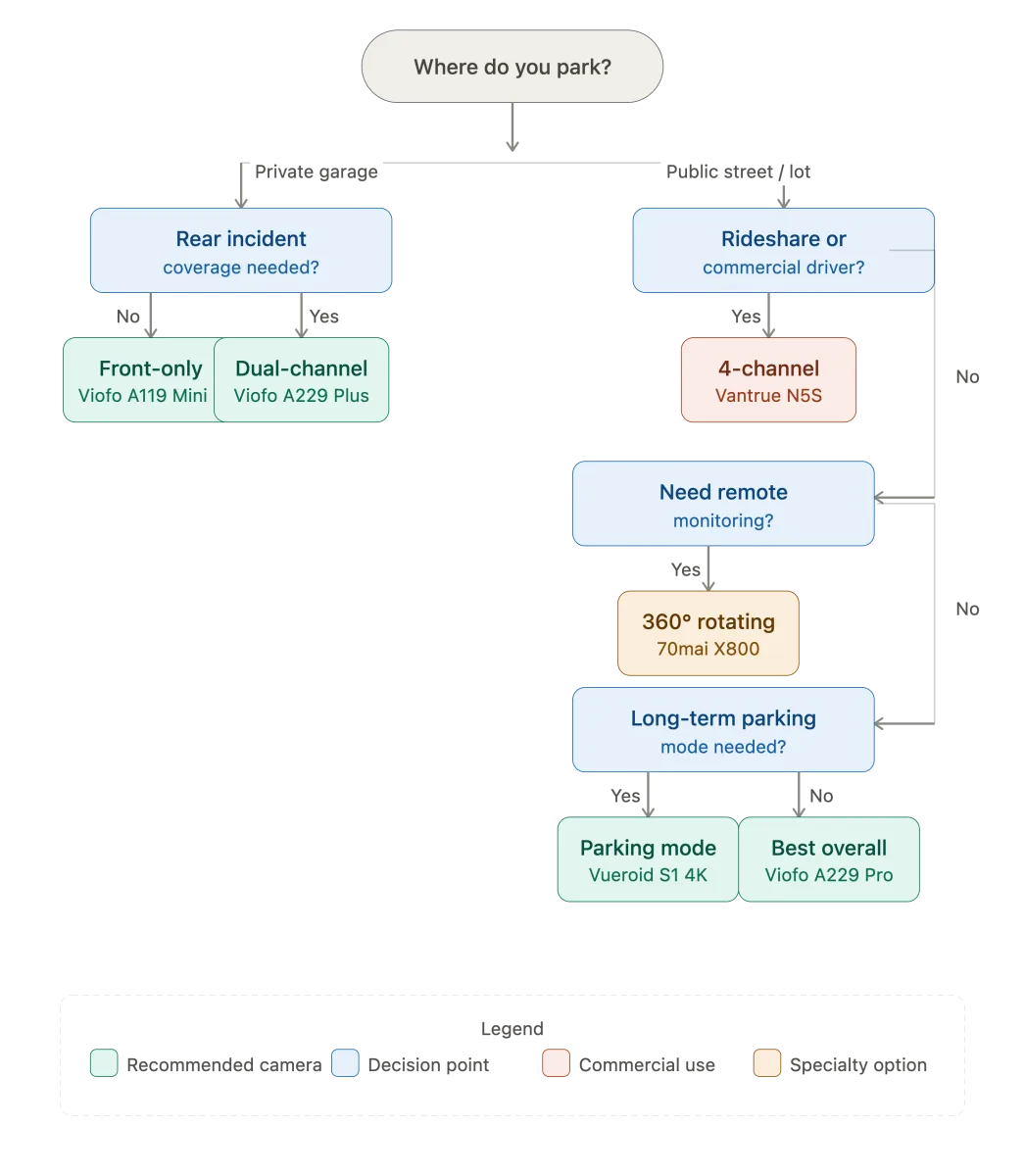
TL;DR — 5 things to know before you buy:
- Choosing the wrong configuration (front vs. dual vs. 360°) is the costliest mistake — pick camera type before you compare models.
- Resolution alone doesn't determine footage quality. Sensor type (Sony STARVIS 2 / IMX678) matters more, especially at night.
- If you park outside regularly, a front-only camera leaves you unprotected from rear and side hits. Dual-channel is the practical minimum.
- Budget cameras are fine for daytime commutes if you park in a private garage. They fail reliably at night and in long-term parking.
- 360° cameras split into two very different technologies: motorized rotating (remote monitoring) vs. fisheye panoramic (simultaneous all-angle). Don't confuse them.
Why Most People Buy the Wrong Dash Cam
Here's a fact that surprises first-time buyers: rear-end collisions are among the most common vehicle accidents, yet the vast majority of entry-level cameras only cover what's in front of you.
According to Consumer Reports, a properly chosen dash cam can document exactly what happens before, during, and after an incident — footage that can dispute speeding tickets, support insurance claims, and hold up in legal proceedings, potentially saving thousands of dollars. But only if the camera was covering the right angle when the incident happened.
The single most common mistake: choosing a camera type that doesn't match your actual driving and parking situation. A commuter who parks on a busy city street every night buys a front-only camera because it ranked highest in search results. A rideshare driver buys a standard dual-channel setup without realizing interior coverage is what protects them from passenger disputes.
The framework that works: decide on configuration first, then evaluate sensors and features, then compare models within your chosen category. This guide follows exactly that sequence.
If you're also evaluating your broader automotive protection — tires, insurance, or a potential vehicle purchase — our Automotive Buyer's Guide 2026 covers how dash cam footage intersects with insurance claims and vehicle protection decisions.
Camera Type: Front-Only, Dual-Channel, or 360° — Which Do You Need?
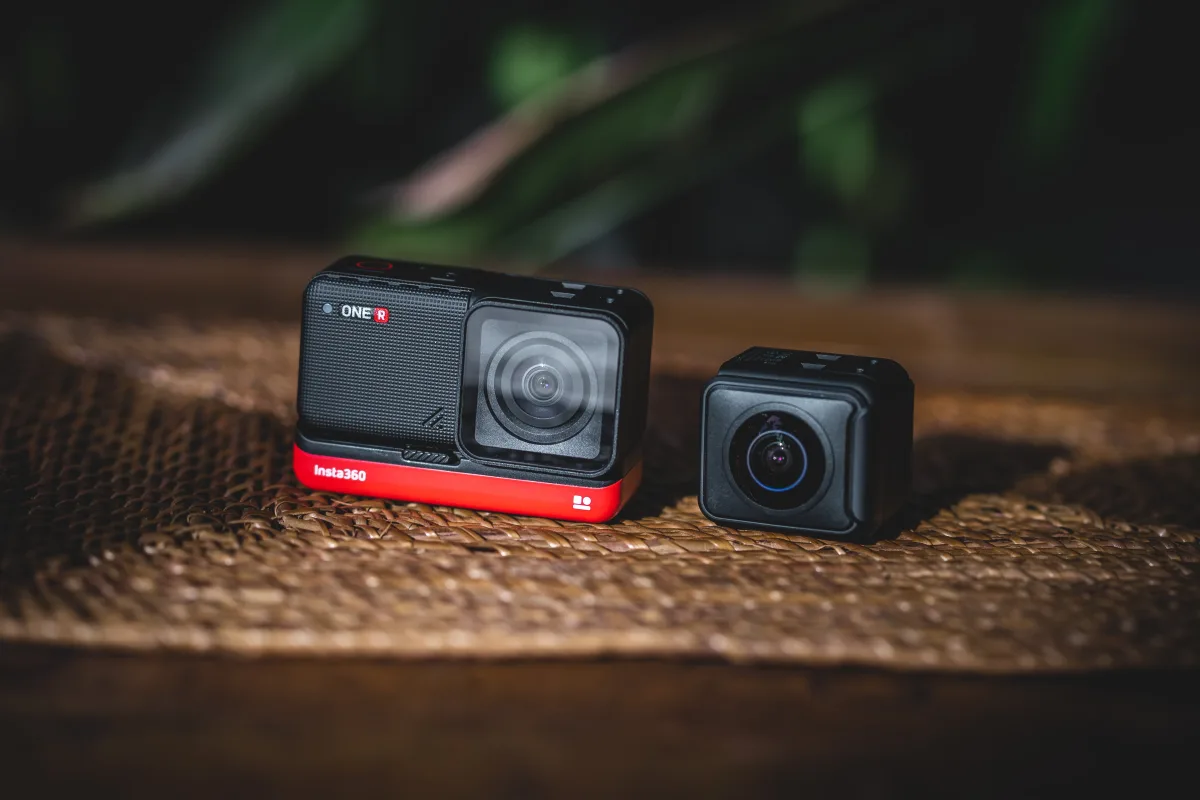
There are three main configurations. Each serves a meaningfully different use case, and choosing the wrong one is a setup cost, not a spec problem.
Front-Only Cameras
The right choice if you park in a private garage, drive infrequently, or are working with a tight budget. It captures forward collisions and road incidents — but leaves you completely unprotected if someone rear-ends you at a stoplight or clips your parked car from behind.
For urban commuters and street parkers, this is a significant coverage gap. Don't default to front-only because it's cheaper if you're exposed on the rear.
Dual-Channel (Front + Rear) — The Recommended Minimum for Most Drivers
The Reddit r/Dashcam community consistently places the $100–$200 dual-channel tier as the best value range for everyday drivers: "if you park outside or commute daily, don't skip dual cams." This configuration covers the most common collision scenarios from both directions and eliminates the parked-car blind spot that front-only cameras miss entirely.
Most drivers who think they need a front-only camera actually need a dual-channel — the rear footage is precisely what gets used most often in insurance disputes.
Three-Channel and Four-Channel Setups
Adding a third or fourth camera introduces interior or side coverage. The primary audience here is rideshare and commercial drivers. DashCamTalk identifies the Vantrue N5S as the leading four-channel option, using four Sony STARVIS 2 sensors with dual interior cameras — purpose-built for rideshare drivers where passenger disputes require interior documentation.
Interior cameras also catch parking lot side-angle hits that neither front nor rear cameras see — an underrated use case for anyone who parks in high-traffic lots regularly.
360° Cameras: Two Very Different Technologies
Here's where buyers frequently get burned: the term "360°" covers two fundamentally different products.
- Motorized rotating lens (like the 70mai Omni X800): does not record all directions simultaneously. Instead, you rotate the camera remotely via app. Best for remote monitoring.
- Fisheye panoramic lens (like the Vantrue E360): records all angles simultaneously, but introduces fisheye distortion that can make precise distance estimation harder in footage.
Both cost more than a well-specified dual-channel camera that would serve most drivers better. The decision criteria for each are covered in detail in the 360° section below.
What Actually Determines Footage Quality: Sensors, Resolution, and Night Performance
Resolution tiers in 2026 span 1080p, 2K (1440p), and 4K. A reasonable floor is 1080p — but resolution alone doesn't determine whether footage is usable as evidence. The sensor is what matters.
Why Sony STARVIS 2 Changes the Equation
Sony STARVIS 2 sensors, particularly the IMX678 variant, represent the current benchmark for low-light and motion clarity. Cameras like the RedTiger F77 and 70mai T800 use the IMX678 on both front and rear channels, producing notably better image quality than cameras with generic sensors at the same advertised resolution.
The difference is most visible where it matters most: tunnels, oncoming headlights, and dawn-or-dusk driving — exactly the conditions where license plate legibility determines whether footage is useful as evidence.
The Real-World Quality Test: License Plate Legibility
Wirecutter has researched over 400 dash cam models and tested 61 hands-on since 2013, using identical real-world driving conditions across months of evaluation. Their benchmark for video quality: license plate legibility, not resolution numbers. Their top pick, the Viofo A229 Pro, earned its designation specifically because it provides the best chance of reading another car's plate across the widest range of conditions.
That's the standard worth measuring against when comparing specs.
HDR/WDR Processing and Bitrate
HDR (High Dynamic Range) addresses the exposure challenge in high-contrast scenes — a camera without effective HDR will either blow out a bright sky or leave the road in shadow. For practical evidence use, this matters significantly.
Bitrate is the third underappreciated variable. High resolution recorded at a low bitrate produces heavily compressed footage that loses fine detail — exactly what you need to identify a vehicle color at night. The Viofo A329S records 4K front footage at a high bitrate, a meaningful differentiator from budget 4K cameras that use aggressive compression.
If you're also in the market for a GPS navigation system that complements your dash cam setup, see our Best Car GPS Navigation Systems 2026 guide — some standalone units now integrate with select dash cam models for unified incident logging.
Best Dash Cams in 2026: Full Comparison Table
| Camera | Category | Key Strength | Primary Trade-off | Sensor |
|---|---|---|---|---|
| Viofo A229 Pro | Best for Most Drivers | Best tested license plate legibility | Less interior camera flexibility than A329S | Sony STARVIS 2 (both channels) |
| Viofo A329S | Best Overall / Most Flexible | 4K high-bitrate front + modular camera system | Higher price; flexibility only valuable if you need it | Sony STARVIS 2 |
| Vueroid S1 4K Infinite | Best for Parking Mode | Long-term parking endurance + heat tolerance | Requires hardwire kit; specialized use case | [CITATION NEEDED: confirm sensor] |
| 70mai 4K Omni X800 | Best 360° / Remote Monitoring | Motorized rotation, best-in-class cloud app | Does not record all directions simultaneously | [CITATION NEEDED: confirm sensor] |
| Vantrue E360 Panoramic | Best Panoramic Coverage | Simultaneous all-angle recording | Fisheye distortion; higher cost | [CITATION NEEDED: confirm sensor] |
| Vantrue N5S | Best for Rideshare / Commercial | Four Sony STARVIS 2 sensors, dual interior | Complex install; no HDR on front channel | Sony STARVIS 2 (x4) |
| Viofo A229 Plus | Best Budget Dual-Channel | Front + rear at accessible price | Older sensor vs. A229 Pro | Gen 1 STARVIS |
| Viofo A119 Mini 2 | Best Budget Front-Only | Compact, discreet, cost-effective | No rear coverage; limited parking mode | Standard sensor |
Best Overall Dash Cam 2026: Viofo A229 Pro
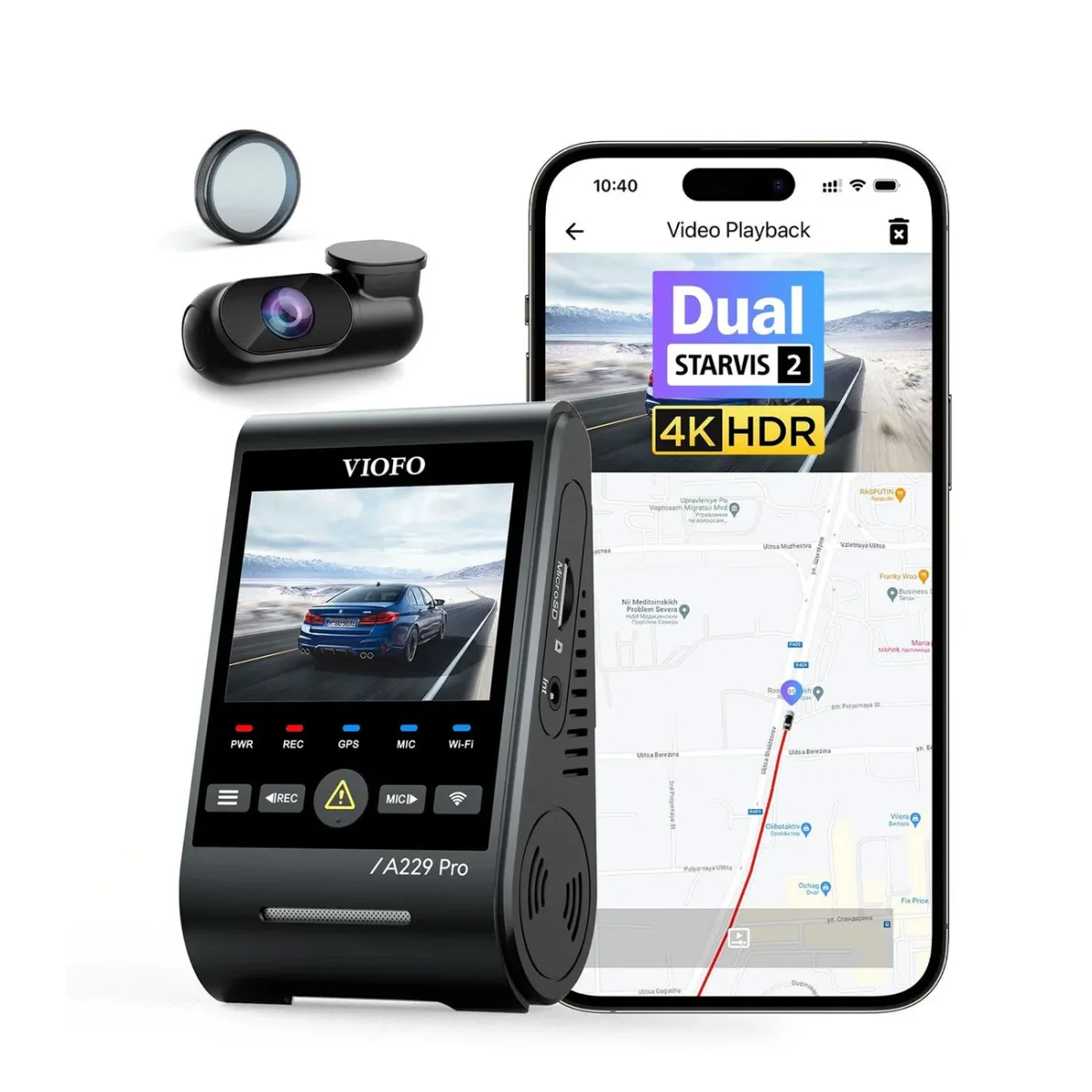
Bottom line: The A229 Pro is the best-tested dash cam for everyday drivers — Wirecutter's top pick after the most rigorous documented testing methodology in the category.
After researching over 400 models and hands-on testing 61 cameras since 2013, Wirecutter's conclusion was specific: the A229 Pro gives drivers the best chance of capturing usable license plate footage across the widest range of real-world conditions. That's an evidence-based claim, not marketing copy.
Key specs:
- 4K front, 2K rear
- Sony STARVIS 2 sensors on both channels (not just the front — most competitors cut corners on the rear)
- 5GHz Wi-Fi for faster footage transfer
- GPS for speed and location logging
- Up to 512GB microSD support
- Available in 1-, 2-, and 3-channel configurations via modular system
The modular point matters. You can start with a front-only setup and add a rear or interior camera later without replacing the main unit — a meaningful cost consideration if you're not sure whether you need rear coverage yet.
Best for: Everyday commuters who want the best-tested license plate legibility, easy setup, and a proven track record from independent testing.
Trade-off: Slightly less interior camera flexibility than the A329S. If you need a wide interior camera for a van or rideshare vehicle, the A329S handles that configuration better.
Best Dash Cam for Maximum Flexibility: Viofo A329S
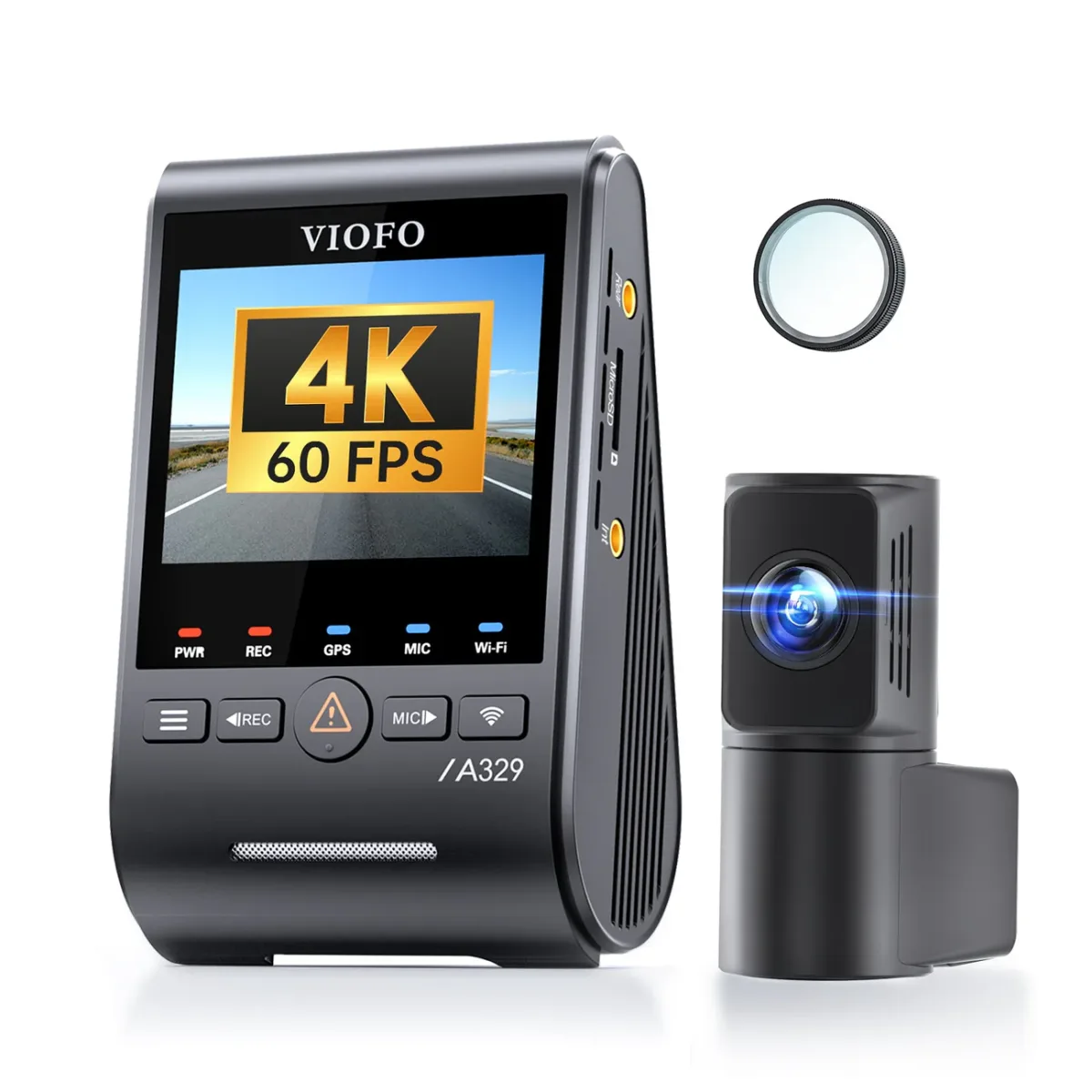
Bottom line: The A329S is the top all-around pick for drivers who need the highest front video quality and the ability to configure cameras for their specific vehicle type.
Vortex Radar's tested and ranked guide calls the A329S out for "sharp 4K video quality and flexible rear, interior, and exterior camera options." The key differentiator: you can pair it with a 2K rear camera, a wide interior camera, or an exterior rear camera depending on your vehicle and use case — all on the same main unit.
Viofo's modular design allows adding cameras later without replacing the main unit. Parking mode on the A329S is a core feature, not an afterthought — Vortex Radar specifically calls it out as part of what makes this the best all-around pick, not just best-in-video-quality.
Best for: Drivers who want the highest front video quality available and need flexibility to configure rear or interior cameras to their specific vehicle type — including vans, SUVs, or anyone who might add interior coverage later.
Trade-off: Higher price than the A229 Pro. The additional camera flexibility only adds value if you actually need it.
Best Dash Cam for Parking Mode: Vueroid S1 4K Infinite
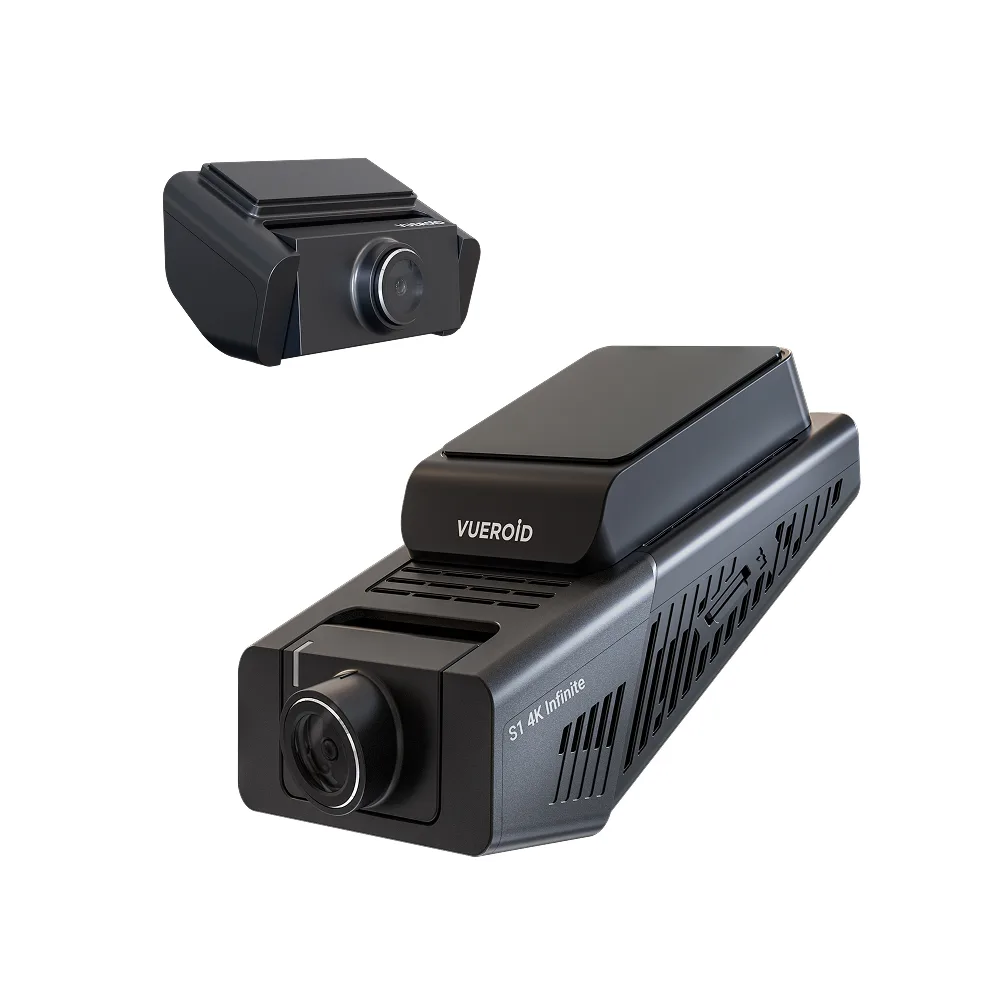
Bottom line: If your vehicle sits on a public street overnight or at an airport for days, the Vueroid S1 4K Infinite is purpose-built for this use case in a way most cameras aren't.
Parking mode is the most underserved feature category in mainstream dash cam coverage. Vortex Radar designates the Vueroid S1 4K Infinite as the top pick for long-term parking recording, citing its combination of top-tier video quality, improved parking endurance, and high heat tolerance.
Here's why heat tolerance is more than a footnote: a parked car in direct sunlight can reach interior temperatures well above 140°F. Most cameras are rated for operating temperatures that sound adequate on paper but degrade in practice under sustained heat — leading to shutdowns, corrupted footage, or hardware failure exactly when you need the camera running.
Installation note: Long-term parking recording requires power when the vehicle is off. Budget for a hardwire kit connected to the vehicle's fuse box, or a dedicated external battery pack — factor this into your total cost.
Best for: Urban street parkers, airport travelers, and anyone who needs reliable unattended recording for extended periods.
Trade-off: Specialized use case. If parking mode isn't a priority, the A229 Pro or A329S offer better all-around value.
Best 360° Dash Cams 2026: 70mai Omni X800 vs. Vantrue E360 Panoramic
Neither 360° option is the right choice for a driver who simply wants reliable front and rear coverage at a reasonable price. Both serve specific needs — and both cost more than a well-specified dual-channel camera.
70mai 4K Omni X800: Best for Remote Monitoring
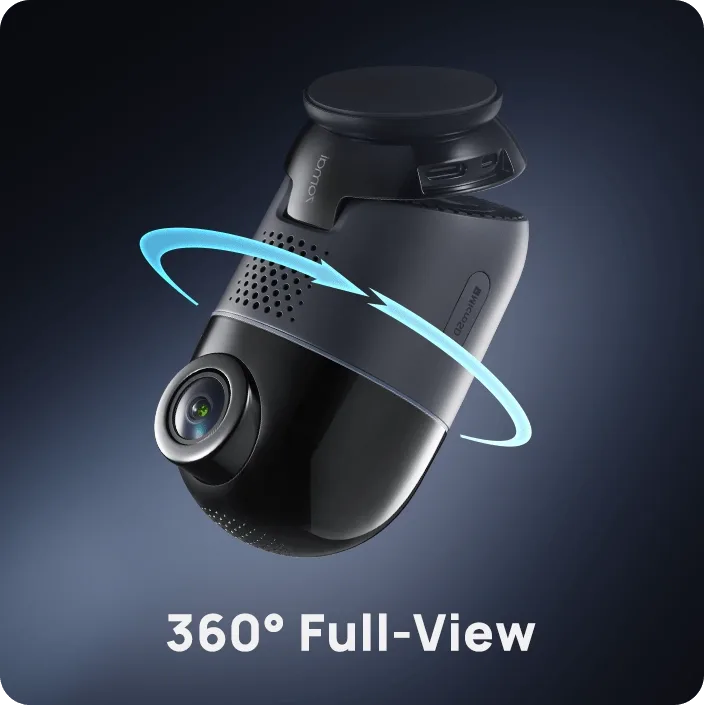
The 70mai Omni X800 uses a motorized rotating lens — it does not record all directions simultaneously. Instead, you rotate the camera remotely via the app to view any direction around the vehicle. DashCamTalk describes it as having "one of the best cloud implementations and app experiences available, making it perfect for remote monitoring."
Per Car and Driver, the X800 records 4K (3840×2160) up front with 360° rotating field of view, paired with a 1080p (1920×1080) rear camera at 130°. Parking features include collision detection, AI motion detection, time-lapse recording, and Lumi Vision parking. Buffered emergency recording captures footage from 10 seconds to 3 minutes before a collision and 30 seconds after.
The use case that justifies the premium: Checking on your parked vehicle from your phone, rotating the view to see what triggered a motion alert, and reviewing footage without physically accessing the car.
Vantrue E360 Panoramic: Best for Simultaneous Coverage
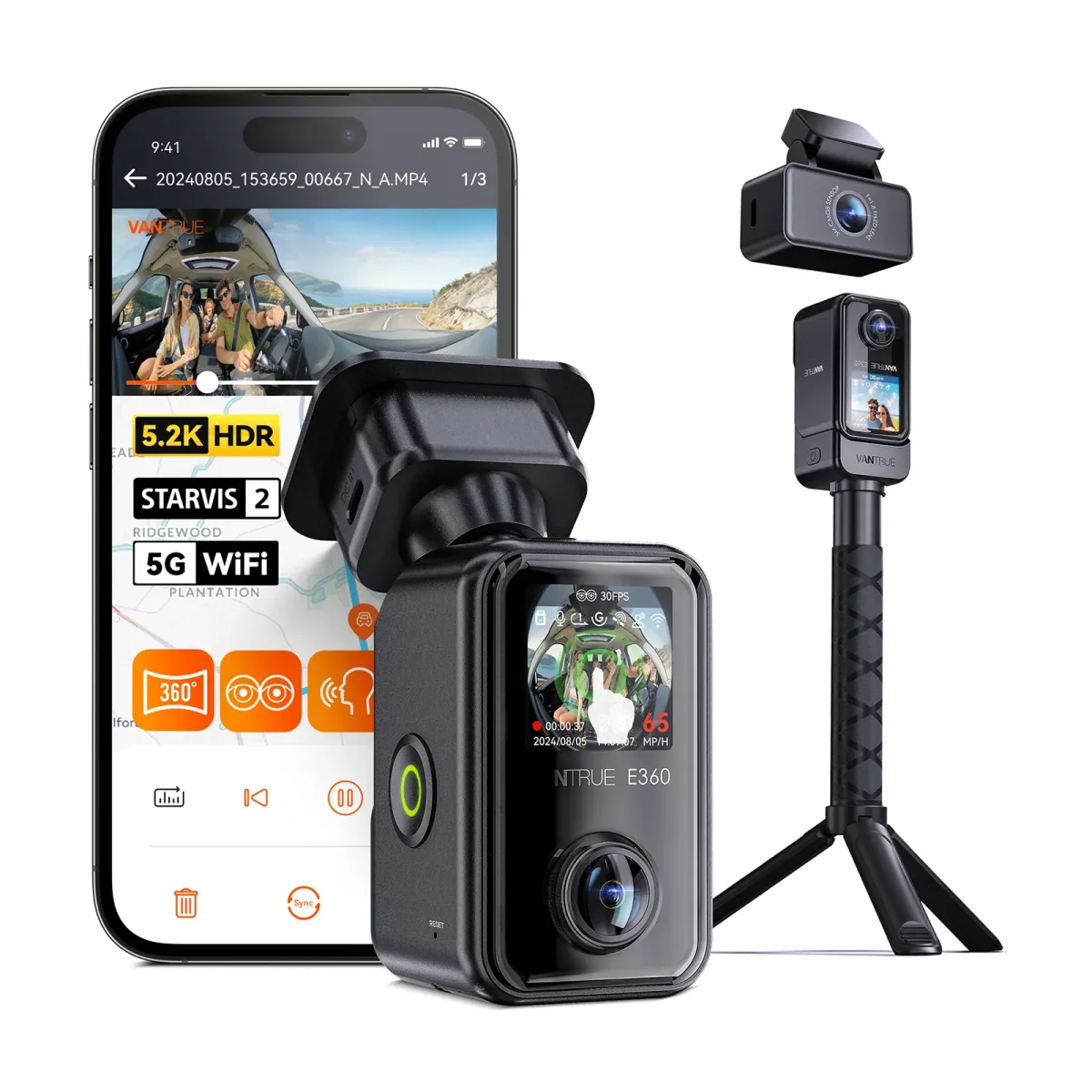
The Vantrue E360 uses a wide fisheye lens for simultaneous all-angle recording rather than rotating to a single direction. Car and Driver includes it as a tested option for drivers who want continuous panoramic recording. The trade-off: fisheye distortion can make precise distance estimation harder in footage, and the price is higher than a standard dual-channel setup.
Which 360° camera is right for you?
- Choose the 70mai X800 if remote monitoring and cloud features are your primary goals.
- Choose the Vantrue E360 if you need continuous simultaneous all-angle recording and can live with fisheye distortion.
- Choose neither if you primarily want reliable front/rear driving coverage — a well-specified dual-channel camera does that better and costs less.
Best Budget Dash Cams 2026: Under $150
Budget cameras involve real trade-offs, but they don't have to mean unusable footage. The key is understanding which features get cut at lower price points.
Where budget cameras cut corners: night performance, parking mode reliability, sensor generation, and app features. Daytime footage quality is often adequate. If you drive during daylight hours and park in a reasonably safe location, a well-chosen budget camera works fine.
Where budget cameras consistently fail: commuting in low-light conditions, long-term unattended parking on public streets.
Best Budget Front-Only: Viofo A119 Mini 2
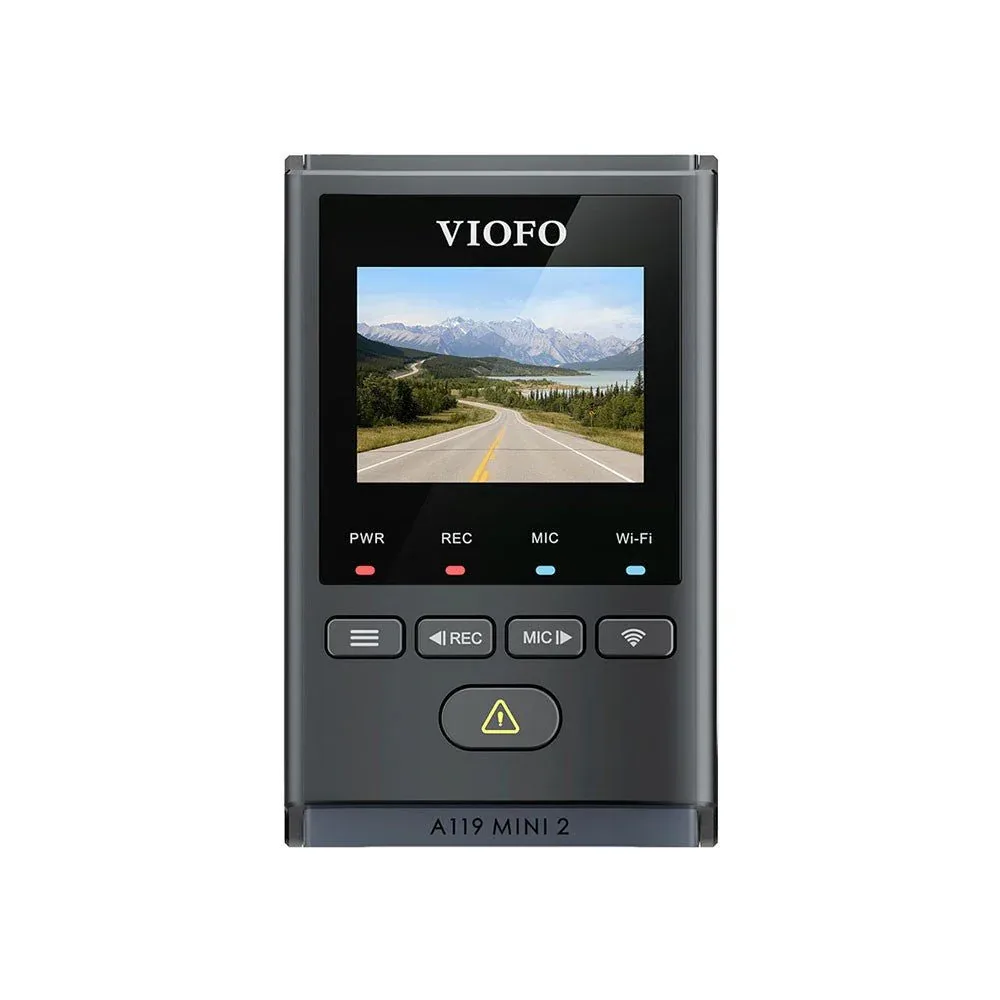
Vortex Radar names the Viofo A119 Mini 2 as the top budget front-only pick. Its compact form factor allows discreet positioning behind the rearview mirror. If you park in a private garage and primarily want forward incident documentation, this is capable and cost-effective.
Best Budget Dual-Channel: Viofo A229 Plus
Vortex Radar describes the Viofo A229 Plus as "the sweet spot" for dual-channel buyers who don't need the A229 Pro's sensor quality. The Reddit r/Dashcam community also flags the 70mai A800S and Viofo A129 Plus Duo as strong $100–$200 options for balanced front and rear protection without overthinking the decision.
For Rideshare & Commercial Drivers: Vantrue N5S (Best 4-Channel)
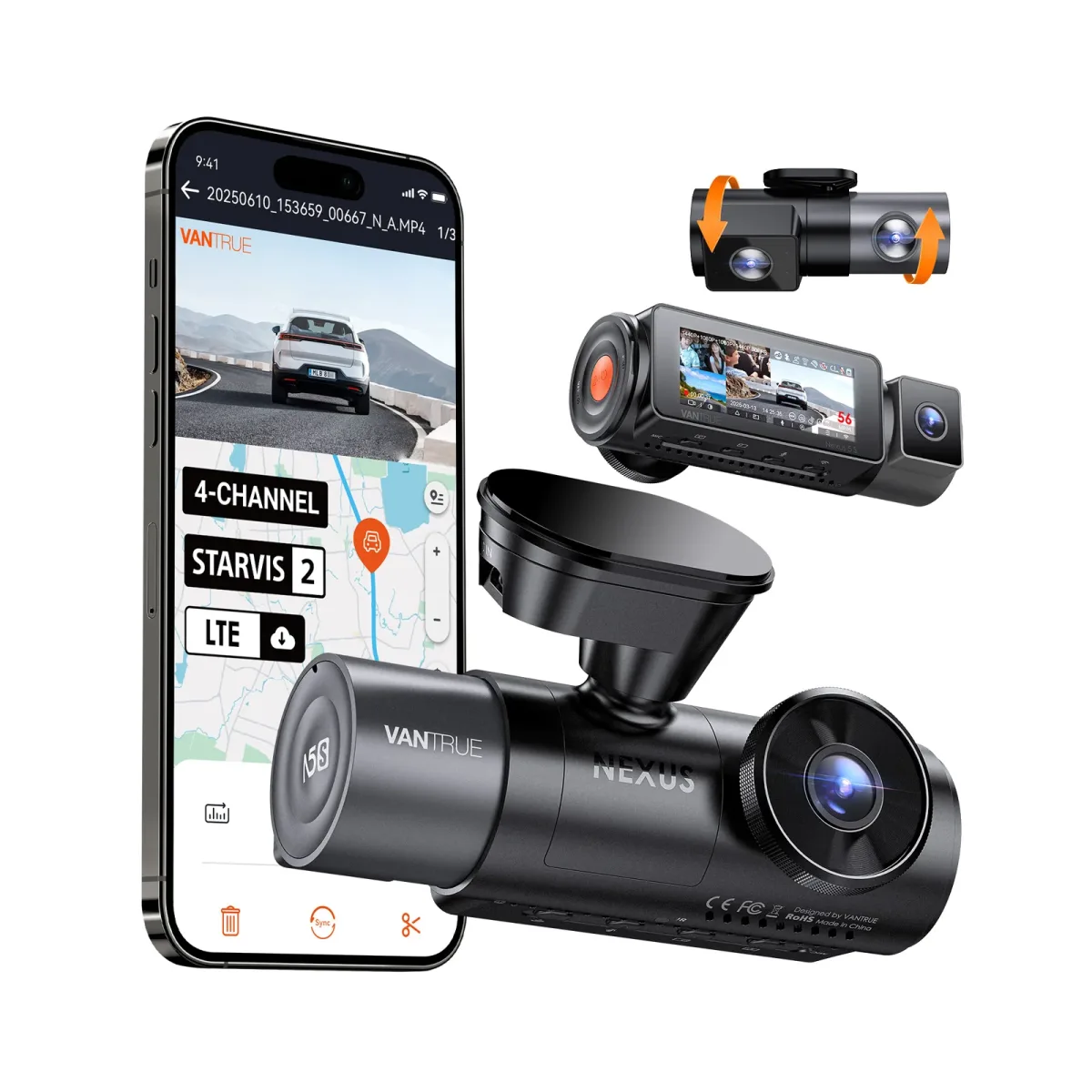
If you're a rideshare driver or commercial operator, standard dual-channel setups don't cover the interior — which is exactly where passenger disputes and liability claims originate.
DashCamTalk identifies the Vantrue N5S as the leading four-channel option, using four Sony STARVIS 2 sensors with dual interior cameras. DashCamTalk notes it's "ideal for rideshare drivers or commercial" use where passenger disputes require interior documentation.
Trade-off: No HDR on the front channel, which is a meaningful gap for night driving; complex installation relative to plug-and-play cameras.
Frequently Asked Questions
What is the best dash cam in 2026?
For most drivers, the Viofo A229 Pro is the best overall choice — Wirecutter's top pick after testing over 400 models, with the strongest license plate legibility across varied conditions. If you need maximum camera configuration flexibility, the Viofo A329S is the top all-around pick per Vortex Radar. These aren't the same camera, and the right choice depends on whether you prioritize proven real-world legibility or flexible camera pairing.
Do I need a front and rear dash cam?
If you park on a public street, commute in traffic regularly, or have ever had a parking lot incident, yes — a dual-channel setup is the practical minimum. Rear-end collisions are among the most frequent vehicle accidents, and a front-only camera provides zero coverage if you're struck from behind while stopped at a light or while parked.
Does resolution matter for dash cams?
Less than most buyers assume. A 4K camera with a poor sensor and no HDR will produce worse night footage than a well-tuned 2K camera with a Sony STARVIS 2 sensor. The practical test is license plate legibility in low light — that depends far more on sensor quality and bitrate than on resolution numbers.
What is a Sony STARVIS 2 sensor, and why does it matter?
Sony STARVIS 2 is Sony's current benchmark image sensor for low-light performance. The IMX678 variant, used in cameras like the Viofo A229 Pro and RedTiger F77, captures significantly more light per pixel than generic sensors, producing cleaner footage in tunnels, at night, and in high-contrast conditions. For dash cam use, it's the most meaningful single hardware differentiator within a given resolution tier.
What's the difference between a 360° dash cam and a regular dual-channel?
A regular dual-channel records front and rear simultaneously using two fixed lenses. A "360° dash cam" means one of two things: a motorized rotating camera (like the 70mai X800) that points in one direction at a time but can be rotated via app, or a fisheye panoramic camera (like the Vantrue E360) that captures all angles simultaneously but with distortion. Neither is a straight upgrade from dual-channel — they serve specific use cases at a higher price point.
How does parking mode work, and do I need it?
Parking mode keeps the camera recording (or on motion standby) when your vehicle is off. It requires either a hardwire kit connected to the vehicle's fuse box or an external battery pack — the camera can't run on a standard memory card. If you park on a public street overnight, at an airport, or anywhere your car sits unattended for hours, parking mode is worth the added setup cost. If you park in a private garage, it's unnecessary.
Is a dash cam legal in all states?
Dash cams are legal in all 50 states, but there are variations in windshield mounting restrictions. Some states limit where you can place objects on your windshield — the standard safe zone is behind the rearview mirror, which is why compact designs like the A119 Mini 2 exist. Audio recording laws vary by state: some require one-party consent, others two-party. If you're recording conversations inside the vehicle, check your state's wiretapping law. [CITATION NEEDED: link to updated state-by-state legal resource]
How We Researched This Guide
This guide is based on manufacturer specifications, independent test data from Wirecutter (61 cameras tested), Vortex Radar, Car and Driver, and DashCamTalk, and aggregated verified buyer feedback from Reddit r/Dashcam. It does not reflect hands-on testing by Trusted Buyer Report. All product rankings reflect editorial assessment of publicly available, cited test data — no payment was accepted for inclusion or positioning. Read our full methodology →
Related Reading
Exploring broader automotive purchases? These guides cover adjacent decisions:
- Automotive Buyer's Guide 2026 — How to evaluate automotive tech purchases including how dash cam footage intersects with insurance claims.
- Best Car GPS Navigation Systems 2026 — Standalone GPS units vs. smartphone integration, including models that pair with select dash cams.
- Best Radar Detectors 2026 — If you're building out a full in-car safety and awareness setup, radar detectors work alongside dash cams in many configurations.
- Best Jump Starters & Emergency Car Kits 2026 — Complete your emergency preparedness kit alongside your dash cam.
- Best Auto Tools for DIY Mechanics 2026 — If you're hardwiring your dash cam yourself, this guide covers the tools worth having on hand.
We may earn a commission when you use our links to make a purchase, at no additional cost to you. This helps fund this independent site. Our editorial recommendations are completed before any affiliate link is applied and are never influenced by commercial relationships. This article was drafted with AI assistance and fact-checked by our editorial team before publishing. Affiliate disclosure → · AI ethics policy →