
The Misconception Most Sephora Shoppers Start With
Many shoppers assume that spending more at Sephora automatically means getting more back. The logic seems straightforward: reach Rouge status, unlock the best rewards, and the loyalty program pays for itself. That assumption is wrong — and it's costing high-spending members real money. A Rouge member who crossed the ?,000 annual spend threshold in 2025 and expected proportionally better value than a free Insider member will likely find that the gap between tiers is narrower than the gap in required spending. According to CheckThat.ai's 2026 Sephora review analysis, Rouge members are among the most vocal complainants about reward value — not occasional shoppers, but the retailer's highest spenders.
This article maps the full picture: what Sephora actually stocks, how the loyalty tiers work in practice, where the shopping experience genuinely delivers, and where documented problems should make you cautious. If you're deciding how much of your beauty budget to route through Sephora in 2026, this is the breakdown that most reviews skip.
What Sephora Actually Is in 2026: Scale, Selection, and Market Position

Sephora is a global prestige beauty retailer operating across physical stores and digital platforms. It is not a specialty shop focused on one category — it carries approximately 340 brands spanning makeup, skincare, fragrance, and haircare, according to CheckThat.ai (2026). That breadth is the foundation of its market position: one shopping session can cover a full beauty routine across multiple categories and price points.
The detail that matters most for understanding Sephora's competitive position is exclusivity. Roughly 50% of the products it sells are available only at Sephora, meaning they cannot be purchased at Ulta, department stores, or most brand websites. This is not a marketing claim — it's a structural lock-in. Brands like Rare Beauty and Fenty Beauty built their retail presence largely through Sephora exclusivity arrangements, which means if you want those products in person, Sephora is often your only option.
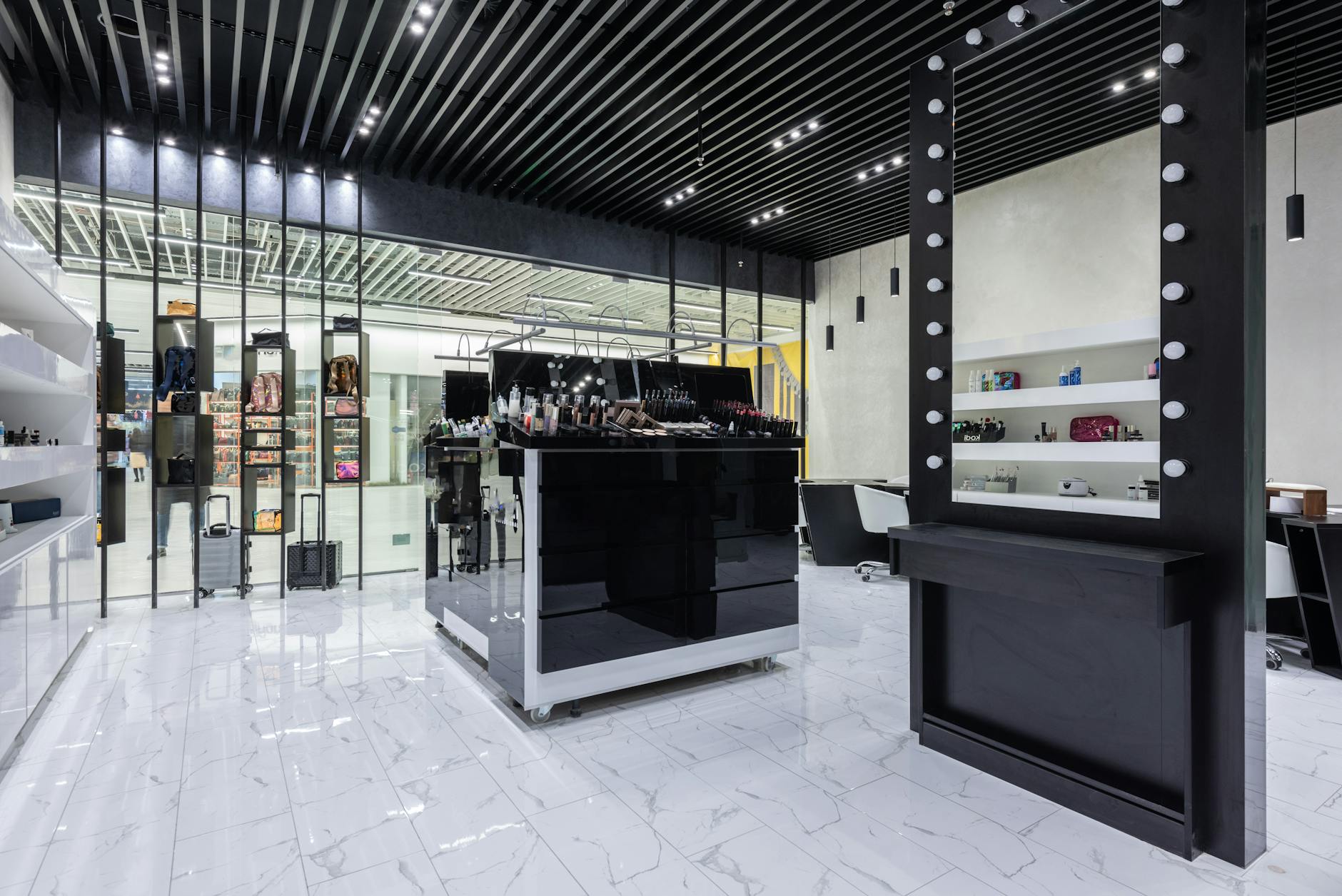
The in-store format reinforces this position. Unlike traditional department store beauty counters — where brand-employed staff control product access and steer you toward their specific line — Sephora uses an open-sell format. You can pick up, test, and compare products from competing brands without any staff intervention. That freedom to browse is genuinely different from the counter experience, and it's one reason the physical stores remain relevant even as online shopping dominates. In the US, Sephora has also expanded its physical reach through shop-in-shop locations inside Kohl's stores, making it accessible in markets where standalone locations don't exist.
For shoppers building or refining a beauty routine across multiple categories, this combination of breadth, exclusivity, and open-access format makes Sephora a logical starting point. Understanding that context is essential before evaluating whether its loyalty program and shopping experience actually deliver on the promise — and if you want to situate Sephora within a broader framework of smart retail spending, The Ultimate US Shopping & Money-Saving Guide 2026 provides useful context on how to evaluate loyalty programs across major US retailers.
New Product Launches in 2026: What's Genuinely Worth Attention
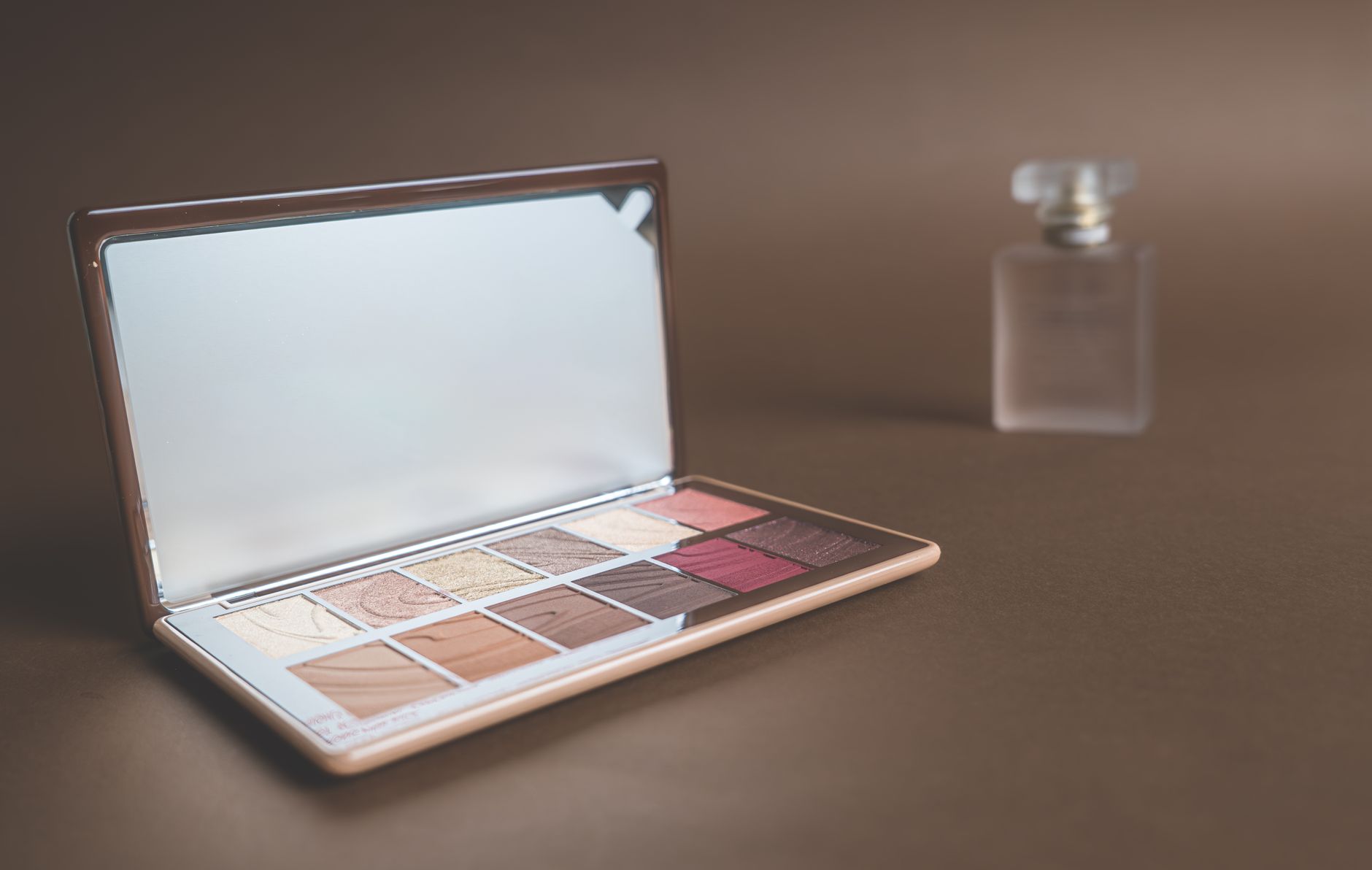
The early 2026 product calendar at Sephora has been heavy on skincare-makeup hybrids — products that deliver cosmetic results while incorporating active skincare ingredients. This is not a new trend, but the formulations have become more sophisticated. The Sarah Creel Face Flex Correct Instant Under Eye Brightener, highlighted in a Spring 2026 YouTube review, is a representative example: it combines optical brighteners with caffeine, green tea, hyaluronic acid, and aloe — and it's formulated specifically for women over 40, a demographic that prestige beauty has historically underserved. The product sits in a growing category of launches designed for mature or dry skin rather than the generic "all skin types" positioning that dominated earlier years.
Who What Wear UK's January 2026 roundup identified 16 notable new Sephora launches at the start of the year, including fragrance designed for travel and setting sprays formulated to hold makeup in urban, high-pollution environments. These lifestyle-oriented products reflect a shift in how Sephora's brand partners are positioning new launches — less about universal appeal, more about specific use cases and environments.
The under-? segment is worth flagging separately. The same Spring 2026 YouTube review highlighted more than 15 new products priced under ? that reviewers found genuinely competitive with higher-priced alternatives. This matters for shoppers who associate Sephora primarily with luxury price points — the accessible tier of new launches is real and growing.
Marie Claire's 2026 Spring Savings Event coverage identified LED masks and deeply moisturizing skincare as standout categories during the sale — products that represent a higher initial investment but where the savings event discount makes the math more reasonable. If you're considering a high-ticket skincare device, timing that purchase to a savings event is one of the clearest ways to extract value from the loyalty program.
Beauty Insider Loyalty Program: How the Tiers Actually Work

The Beauty Insider program has three tiers with distinct spend thresholds and benefits. Understanding the mechanics before you start spending is more useful than discovering them after you've already crossed a threshold.
- Insider: Free to join, no minimum spend. Earns points on every purchase, receives a birthday gift, and gets access to savings events with 10% off during promotional windows.
- VIB (Very Important Beauty): Requires ? in annual spend. Unlocks 15% off during savings events and enhanced redemption options.
- Rouge: Requires ?,000 in annual spend. Provides 20% off during savings events, earliest sale access, and the highest redemption tier.
Points earned on purchases can be redeemed for product samples, travel-size items, full-size products, exclusive experiences, and cash-equivalent discounts. According to Happy Rewards' 2026 loyalty program case study, members drive approximately 80% of all Sephora sales transactions — a figure that demonstrates how deeply the program shapes purchasing behavior across the customer base.
The Spring 2026 savings event illustrates the tier structure in practice. According to Marie Claire, Rouge members accessed the April 2026 sale first with 20% off, VIB members gained access on April 14 with 15% off, and Insiders also joined on April 14 with 10% off. The sale ran through April 20. That early access window for Rouge is real but narrow — in practice, popular products don't sell out in the days between Rouge and VIB access for most categories.
One design feature worth understanding: points flexibility. Members choose when and how to redeem their points, with no forced expiration pressure during active membership. This is a deliberate program design that increases the sense of control, though it also means many members accumulate points without redeeming them — a dynamic that benefits Sephora's balance sheet more than the member's beauty cabinet.
46 Million Members: Why the Program Grows Even When Members Complain

The Beauty Insider program surpassed 46 million members in North America as of 2026, according to Forbes and confirmed by Rivo.io's program breakdown. That growth continues even as documented dissatisfaction among high-spending members persists. Understanding why explains a lot about how the program is actually designed to function.
Birthday gifts are the most-loved benefit by a significant margin. The 2026 lineup featured products from Dr. Dennis Gross, Glossier, Tower 28 Beauty, and Dae — brands with genuine prestige value, not generic filler. According to Forbes, these low-cost perks generate strong loyalty ROI because the emotional impact of receiving a curated gift far exceeds the cost to Sephora of providing it. A birthday gift creates a positive brand moment that a discount percentage cannot replicate.
Gamification has become a meaningful growth lever. Approximately 30% of Beauty Insider members now engage with gamified challenges and missions — shopping-adjacent activities that earn bonus points or unlock perks. Forbes reported this figure in February 2026, noting it represents rapid adoption since the features launched. These mechanics keep members engaged between purchases and drive new sign-ups who might not otherwise create an account.
Experiential rewards — masterclasses, brand events, early product access — drive a substantial share of program engagement, according to Rivo.io. These benefits create emotional attachment that straightforward discounting cannot match. The program's growth despite member complaints reflects a deliberate architecture: the free Insider tier is attractive enough to drive sign-ups, the birthday gift creates annual positive reinforcement, and the gamified features keep members active. Whether any individual member gets good value is a separate question from whether the program succeeds at scale — and at 46 million members generating 80% of sales, it clearly does succeed at scale.
Is the Rouge Tier Worth ?,000 a Year? An Honest Assessment
This is the question most Sephora coverage avoids. The honest answer is: it depends on how you shop, and for many members, the math doesn't work.
CheckThat.ai's 2026 review analysis documents significant dissatisfaction among Rouge members specifically — people who have already committed the ?,000 spend and expected commensurate benefits. The core problem is that Rouge benefits are largely the same category of perks as lower tiers: samples, birthday gifts, and savings event access. The differences are incremental, not transformational. A 20% savings event discount versus 15% for VIB is a 5-percentage-point difference — on a ? purchase, that's ?. Reaching Rouge requires spending ? more than VIB annually to unlock that additional ? in savings on a single purchase.
The calculation shifts if you're a frequent, high-volume shopper across many categories who consistently times large purchases to savings events. In that scenario, the 20% discount applied across multiple high-ticket items during two annual sales events can represent meaningful savings. Sephora's leadership confirmed to Forbes that the 2026 savings events were the company's most successful ever — which suggests many Rouge members do find the events valuable enough to concentrate their spending there.
Where Rouge clearly underdelivers is for members who reach the threshold through consistent everyday spending rather than strategic event purchasing. If you spend ?,000 across the year on routine replenishments — skincare staples, mascara, foundation — without concentrating purchases at sales events, the incremental Rouge benefits over VIB are minimal. The Loyalty Program Trends 2026 report found that promotional discounts are steadily losing relevance as a loyalty lever, with experience-based rewards showing stronger retention impact. Sephora's experiential Rouge perks — events, masterclasses — are the strongest differentiators, but their availability varies by location and is not guaranteed year-round.
The practical framework: if you would spend ?,000 at Sephora anyway because of the exclusive brands you buy, Rouge status is a reasonable bonus. If you're considering increasing your Sephora spend specifically to reach Rouge, the incremental value rarely justifies the incremental cost.
The In-Store and Online Shopping Experience: What Works Well
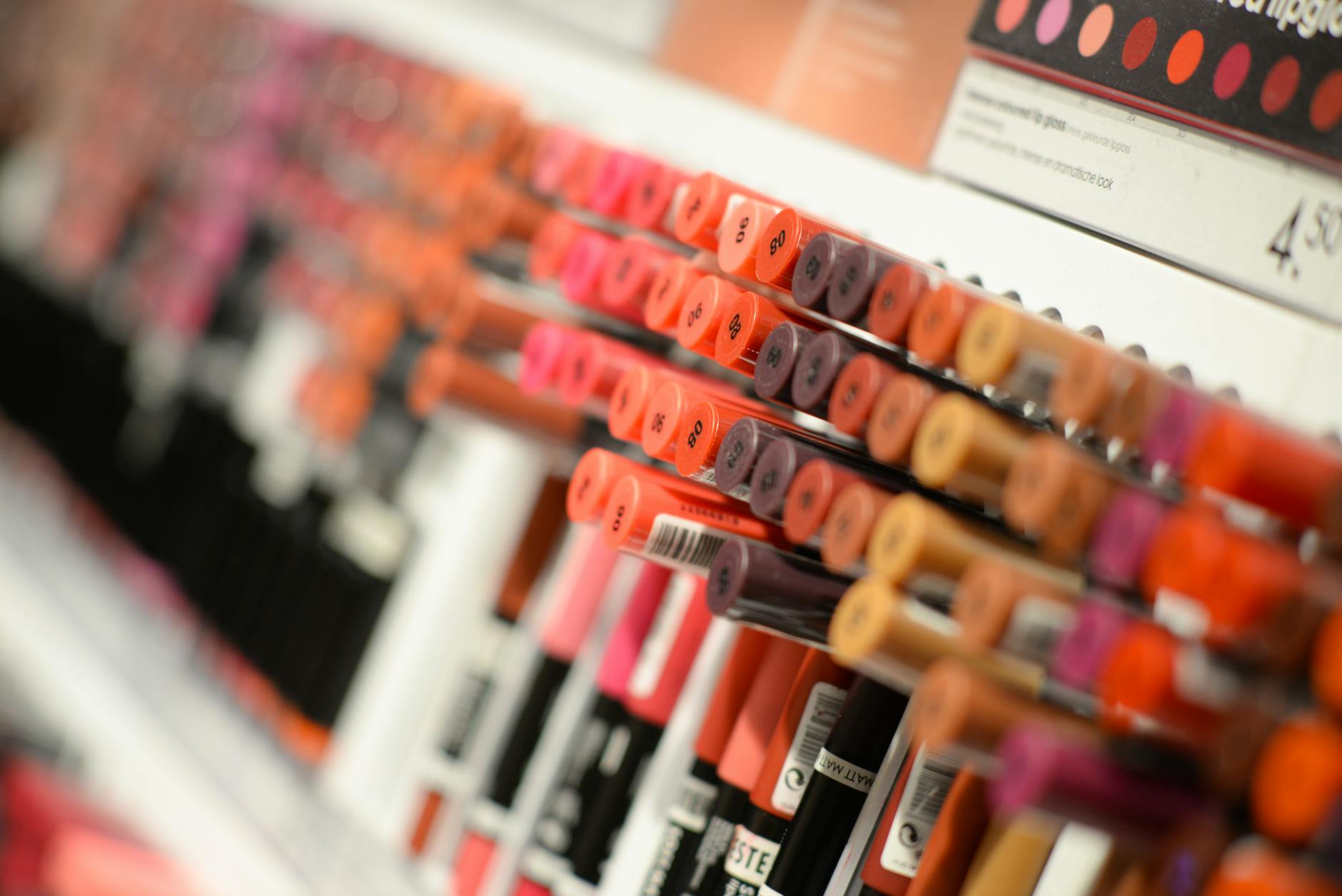
Sephora's open-sell store format remains its most defensible competitive advantage. Walking into a Sephora store and being able to pick up, swatch, and compare products from 10 different brands without a sales pitch is genuinely different from the department store experience. For foundation matching, fragrance sampling, or evaluating skincare textures, the physical store is a useful tool even for shoppers who ultimately buy online.
The mobile app adds meaningful functionality beyond a standard e-commerce interface. Virtual try-on features allow you to preview foundation shades, lip colors, and eye products on your own face using your phone camera. This is practically useful for online purchases where you can't swatch in person — it reduces the likelihood of buying a shade that doesn't work and then navigating a return. According to CheckThat.ai, the app's user-friendly design and virtual try-on capability are among the most consistently praised aspects of the Sephora experience.
Omnichannel options — buy online, pick up in store (BOPIS) and same-day delivery — address a genuine need. If you realize the night before an event that you need a specific product, ordering for next-day pickup or same-day delivery through Sephora is a realistic solution. The personalized product recommendations generated from your purchase history and skin profile data are also useful in practice, particularly for discovering new products in categories where you've already established preferences.
Known Problems: Gift Card Fraud, Order Issues, and Customer Service Gaps

This is the section most Sephora reviews omit. The problems documented here are real, recurring, and worth knowing before you make high-value purchases or use gift cards.
The most serious issue is a systemic gift card fraud crisis. An NBC News investigation documented cases where Sephora gift cards were drained before recipients could use them — the card value was stolen between purchase and redemption. This is not an isolated incident; CheckThat.ai's 2026 analysis identifies it as a documented pattern. The practical implication: if you receive a Sephora gift card, redeem it promptly rather than storing the value for later use. If you're purchasing a gift card for someone else, consider whether a different gifting format might carry less risk.
Redemption failures — points or gift card balances not applying correctly at checkout — are a separate but related complaint. These occur both in-store and online, and resolving them requires contacting customer service. That process is where the second major problem emerges: extended response times. International customers in particular report significant delays — sometimes weeks — when trying to resolve order problems. Communication about order issues is inconsistent; customers frequently report having to initiate follow-up themselves rather than receiving proactive updates.
These problems don't affect every transaction, but they're frequent enough to warrant precautions. For large purchases, using a credit card with purchase protection provides a dispute resolution backstop that Sephora's own customer service process may not reliably offer. Keeping records of your points balance and order confirmations is basic but useful protection if a redemption fails.
How Sephora's Product Mix Compares to Competitors in 2026
Sephora's strongest competitive argument is breadth and exclusivity together. Carrying approximately 340 brands, with roughly 50% of products unavailable elsewhere, means that for certain products, Sephora is simply the only retail option. That's not a loyalty program benefit — it's a product access reality.
For non-exclusive brands, the price comparison looks different. Sephora rarely offers the lowest price on products available at multiple retailers. Ulta Beauty, department store beauty counters, and brand direct-to-consumer sites often have price parity, and sometimes better deals — particularly when brands run their own promotions. Ulta's loyalty program offers cash-back points redeemable on any purchase without restrictions, which many shoppers find more straightforwardly valuable than Sephora's sample-and-experience model. If you primarily buy one or two brands that sell direct-to-consumer, you may find better bundle deals or loyalty perks going directly to the brand.
The scenario where Sephora clearly wins: you want to shop multiple brands in a single session, you're interested in discovery and trying new products, and at least some of what you buy is Sephora-exclusive. The scenario where Sephora is less compelling: you've identified your routine products, they're available at multiple retailers, and you want straightforward cash-back value from your loyalty spend.
Gamification and the Future of Beauty Loyalty: What Sephora Is Testing
Sephora's gamified loyalty features represent the most significant structural change to the Beauty Insider program in recent years. Members can now complete challenges and missions — activities beyond simple purchases — to earn bonus points or unlock perks. According to Forbes, approximately 30% of the 46 million member base now engages with these features, a rapid adoption rate that signals genuine member interest rather than passive awareness.
The broader industry context is relevant here. The Loyalty Program Trends 2026 report found that gamification and experience-based rewards are increasingly viewed as more reliable drivers of retention and customer lifetime value than discount-led incentives, particularly as promotional offers show diminishing returns as a loyalty lever. Sephora's move toward gamification aligns with this industry shift — and it suggests the program will continue evolving away from straightforward discount structures toward engagement-based mechanics.
For members who engage with these features, gamification can provide meaningful bonus value without requiring additional spend. For members who prefer a simple earn-and-redeem model, the increasing complexity of the program may feel like friction rather than benefit. Knowing which type of loyalty member you are helps you decide how much energy to invest in the program's newer features.
Frequently Asked Questions
Is Beauty Insider free to join?
Yes. The base Insider tier requires no annual spend and no membership fee. You earn points from your first purchase and receive a birthday gift during your birth month. The free tier also provides access to savings events with 10% off during promotional windows.
How much do you need to spend to reach VIB or Rouge?
VIB requires ? in annual spend; Rouge requires ?,000. These thresholds reset annually. According to Forbes (2026), the spend thresholds have remained consistent, though the value of benefits at each tier has been a source of ongoing member debate.
What is the Sephora gift card fraud issue?
An NBC News investigation documented cases where Sephora gift cards were drained of their value before the intended recipient could use them. CheckThat.ai's 2026 analysis identifies this as a systemic rather than isolated problem. The safest approach is to redeem gift cards promptly after receiving them.
Does Sephora price match with other retailers?
Sephora does not have a broad price-match policy. For non-exclusive products, prices at Ulta, department stores, and brand websites are frequently comparable, and sometimes lower during brand-specific promotions. Sephora's savings events are the primary mechanism for discounted pricing.
Are Sephora's new 2026 product launches available in all stores?
Not always. New launches are often available online before physical stores receive inventory, and some products are online-exclusive. BOPIS is available for products in stock at your local store, but newly launched items may require online ordering initially.
How do Sephora's loyalty tiers compare to Ulta's?
Ulta's Ultamate Rewards program offers cash-back points redeemable on any purchase, which many members find more immediately useful than Sephora's sample-and-experience redemption model. Sephora's program offers stronger experiential perks and access to exclusive brands, but the redemption value for everyday shoppers is more variable.