
You've found a coat you love at Nordstrom. It's ?, it fits well in the store, but you're not sure how it'll hold up after a few wears — or whether the color works with your wardrobe once you get it home. The price is real, the uncertainty is real, and the question you're actually asking isn't "Is this coat good?" It's "What happens if I'm wrong?" That question points directly at Nordstrom's return policy, which is either its greatest competitive advantage or one of retail's most misunderstood promises, depending on where you shop within the Nordstrom family of stores.
This review covers what Nordstrom's return policy actually means in practice in 2026, how product quality holds up across price tiers, how Nordstrom Rack compares as a separate shopping destination, and whether the overall value proposition justifies the price premium over competitors. No vague praise — just a structured breakdown you can use to make a smarter purchase decision.
Nordstrom vs. Nordstrom Rack Return Policy: The Key Differences at a Glance

The single most common source of confusion about Nordstrom's return policy is that shoppers treat Nordstrom and Nordstrom Rack as interchangeable. They are not. The two banners operate under fundamentally different return rules, and mixing them up can cost you a refund.
| Policy Element | Nordstrom Flagship | Nordstrom Rack |
|---|---|---|
| Return time limit | No strict deadline — case by case | 30 days from purchase |
| Condition requirement | Good condition; worn items assessed individually | Unworn, original condition, tags attached |
| Receipt required? | Recommended but not mandatory | Required or strongly advised |
| After deadline | Still evaluated — may be accepted | May be denied or issued as partial refund |
| Online purchase returns | In-store or by mail via Nordstrom.com | In-store at Rack or by mail (fees may apply) |
| Cross-banner returns | Generally not permitted at Rack locations | Generally not permitted at flagship locations |
| Refund method | Original payment form; gift returns as store credit | Original payment form within window |
Consider two scenarios. You buy a ? wool coat at a Nordstrom flagship in November and decide in April that the fit isn't right. Under the flagship policy, as confirmed by CLOSO's April 2026 return policy guide, that return would be evaluated individually — and in most cases, if the coat is in good condition, it would be accepted. Now run the same scenario at Nordstrom Rack. After 30 days, your return may be denied outright or processed only as a partial refund, according to WP Email Log's 2026 policy guide.
If you bought a jacket on NordstromRack.com, you can return it either by mail (shipping fees may apply) or in person at a physical Rack location — but not at a Nordstrom flagship store. The reverse is also true. Keep your receipts, keep the tags on until you're certain, and know which banner you purchased from before you drive to a store.
How Nordstrom's No-Time-Limit Return Policy Actually Works in 2026

"No time limit" sounds like a blank check. It isn't — but it's close, and understanding the nuances helps you use the policy confidently rather than being surprised at the counter.
Nordstrom evaluates each return individually rather than applying a rigid cutoff date. According to CLOSO, the policy allows returns without a time limit and offers refunds, exchanges, or store credit depending on the situation. In practice, this means a customer service associate looks at the item's condition, the purchase history, and the circumstances before making a decision. Items that are heavily used or clearly damaged are more likely to be declined, but a lightly worn blouse or a pair of shoes that didn't work out after a few wears can often still be returned.
Original packaging helps but is rarely required. A receipt speeds up the process — it allows the refund to go back to your original payment method — but Nordstrom can also look up purchases using your account or credit card. Without any purchase record, you may receive store credit rather than a cash refund.
One practical addition in recent years is curbside return drop-off at select locations. As reported by Renascence.io, Nordstrom introduced curbside pickup for returns so customers can hand off items without entering the store. Forbes data cited in that same analysis found that stores offering curbside returns see a 30% increase in customer satisfaction — a meaningful operational investment in convenience, not just a marketing feature.
The policy's real power shows up on high-ticket items. If you spend ? on a pair of dress shoes and discover three months later that they cause discomfort on long days, the no-deadline policy gives you a realistic path to resolution. That's a meaningful difference from most retailers, and it's backed by data: a survey by Retail Customer Experience, cited by Renascence.io, found that 78% of consumers say easy returns are a critical factor in their loyalty to a retailer.
Nordstrom Return Policy vs. Competitors: How Does It Stack Up?

Nordstrom's return policy is genuinely exceptional by industry standards — not just well-marketed. The comparison with named competitors makes this clear.
Macy's limits returns to 90 days for most items. Best Buy offers just 15 days on most products. Both figures come from CLOSO's comparative analysis, and they illustrate how dramatically Nordstrom's open-ended approach diverges from standard retail practice. For a ? blouse, a 90-day window at Macy's is probably sufficient. For a ? pair of shoes or a ? winter coat, the difference between 90 days and no deadline is the difference between a stressful return window and genuine peace of mind.
The policy does carry real financial costs. CLOSO's research notes restocking fees and inventory loss as part of the financial balancing act Nordstrom manages to sustain this approach. The company treats these costs as an investment in customer lifetime value rather than a pure expense — the logic being that a shopper who trusts Nordstrom's return policy is more likely to make high-confidence purchases repeatedly over years. That's a reasonable business case, particularly for a retailer whose core customers are higher-income professionals who make frequent, significant fashion purchases.
Where Nordstrom's policy loses some of its shine is in the case-by-case evaluation model. Unlike a strict "30 days, no questions asked" guarantee, the flexibility cuts both ways: the store has discretion to decline returns it considers abusive. Shoppers who habitually return heavily used items may find the policy less accommodating than its reputation suggests.
Product Quality at Nordstrom in 2026: What You're Actually Paying For
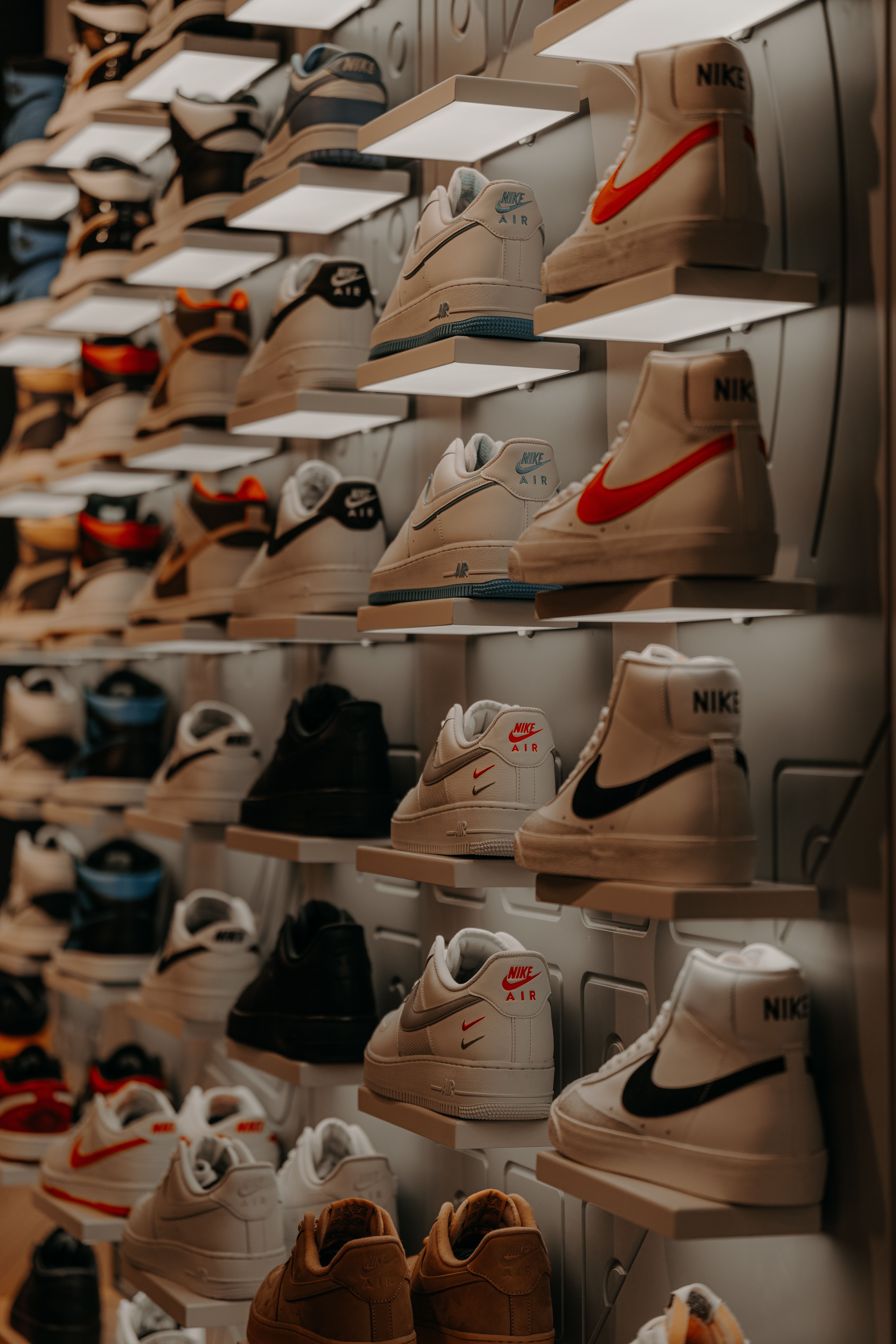
Nordstrom positions itself as an affordable luxury department store — not a pure luxury retailer like Neiman Marcus, and not a mid-market department store like JCPenney. That positioning shapes everything about its merchandise mix.
The product range runs from accessible mid-range brands (think Halogen, BP., and Treasure & Bond — Nordstrom's own labels) through established contemporary brands like Vince and Theory, up to designer labels including Saint Laurent and Burberry. This breadth means "Nordstrom quality" isn't a single standard — it's a spectrum, and what you get depends heavily on what you spend and which brand you choose.
According to MatrixBCG.com's customer demographic analysis, Nordstrom's core customer base consists of professionals aged 25 to 54 with household incomes exceeding ?,000. That demographic shapes the buying decisions of Nordstrom's merchandising team — the store stocks what its customers are willing to pay for, which skews toward quality construction and recognizable brand names rather than fast-fashion turnover.
Nordstrom's own private-label lines generally offer solid construction at prices below comparable branded items. A ? Nordstrom-brand cashmere sweater will typically outperform a ? fast-fashion equivalent in durability and finish, though it won't match a ? Vince sweater in fabric weight or detail. That's an honest middle-ground position, and it's where Nordstrom's house brands genuinely earn their price.
Nordstrom Rack is a different calculation. The off-price model combines genuine overstock from the flagship with merchandise produced specifically for the Rack channel. The latter category — sometimes called "made for" items — can look similar to flagship merchandise but may use different materials or construction standards. Shoppers who want to maximize value at Nordstrom Rack should look for items with original Nordstrom tags (indicating true overstock) rather than Rack-exclusive labels.
The luxury market context matters here. As Forbes contributor Shelley Kohan reported in a November 2025 analysis, aspirational shoppers — who comprise 60% of the personal luxury market — have declined 13 percentage points since 2013, with more than a third reducing or pausing luxury spending in the past year. Nordstrom's ability to serve both value-seeking and premium customers through its two-banner model positions it well in a market where the middle is eroding.
Is Nordstrom Good Value for Money? A Realistic Assessment

Value at Nordstrom isn't just about the sticker price. The return policy functions as implicit insurance on every purchase — and that insurance has real monetary value, particularly on high-ticket items.
Here's a concrete way to think about it: you're considering a ? winter coat. At Nordstrom, if the coat develops a quality issue or simply doesn't work for your lifestyle after a few months, you have a realistic path to a refund or exchange. At a retailer with a 30-day return window, that same coat is a final sale after one month. The risk-adjusted value of the Nordstrom purchase is meaningfully higher, even if the price tag is the same or slightly more.
For shoppers who rarely return items, this calculus shifts. If you're confident in your sizing, know the brands you buy, and seldom need to exchange anything, Nordstrom's policy premium may not translate into personal value. In that case, Nordstrom Rack — or a competitor with lower base prices and a standard return window — may serve you better.
On the business stability side, Built In's 2026 company outlook reports that Nordstrom's EBIT margin improved year over year in the latest disclosed period, and comparable sales increased in fiscal 2024, showing momentum across banners and channels. New Nordstrom Rack locations are opening across multiple states through 2026. These are signs of a retailer that is financially stable and actively investing in growth — relevant for shoppers who want to know whether Nordstrom's service commitments are sustainable, not just legacy promises from a brand coasting on reputation.
The honest limitation: Nordstrom is not the category share leader by revenue or store count versus larger U.S. department-store peers, as Built In notes. That limits its scale advantages in a competitive environment where online retail has grown substantially over the past decade, according to research published in Harvard Business Review in March 2026. Nordstrom is a strong mid-tier player, not a dominant one, and shoppers should calibrate expectations accordingly.
Who Shops at Nordstrom and Nordstrom Rack? Understanding the Customer Base

Knowing who Nordstrom is designed for helps you quickly assess whether it's designed for you.
The flagship's primary target market is middle- to upper-income individuals aged 30 to 60 who value quality, style, and attentive customer service, according to MatrixBCG.com. These are shoppers who are willing to invest in fewer, better items — a ? dress they'll wear for three years rather than three ? dresses they'll wear once. Personal styling services and knowledgeable floor staff are meaningful to this group in a way they aren't to someone who prefers to browse independently.
A younger demographic, roughly 25 to 35, engages primarily through digital channels — the Nordstrom app, personalized recommendations based on purchase history, and BOPIS (Buy Online, Pick Up In-Store). According to Pestel-analysis.com, 50% of shoppers prefer BOPIS to avoid shipping fees or get items faster. Nordstrom's investment in omnichannel infrastructure is directly aimed at retaining this segment.
Nordstrom Rack draws a broader income range. The off-price model attracts budget-conscious shoppers, but — as Forbes' Shelley Kohan reported — it also pulls in highly affluent customers who are, in her words, "just wired to want a deal." The thrill of finding a designer item at a significant discount is a genuine motivator across income levels, and Nordstrom Rack has built its growth strategy around that insight. New store openings, including the Lake Grove, NY location where loyal customers lined up in the rain at opening, reflect strong demand that isn't purely price-driven.
If you prioritize personalized service, are comfortable spending more for quality and flexibility, and value the peace of mind of an open return window, the Nordstrom flagship is built for you. If you're primarily motivated by finding brand-name items at lower prices and can commit to a 30-day return window, Nordstrom Rack is the better fit. If price is your primary driver and brand recognition matters less, other retailers will likely serve you better than either banner.
Nordstrom's Customer Experience: Service, Convenience, and Loyalty

The return policy is the most visible expression of Nordstrom's service philosophy, but it isn't the only one. Several other elements of the customer experience either justify or complicate the brand's premium positioning.
The Nordy Club loyalty program rewards repeat spending through a tiered structure. Higher spending tiers unlock benefits including early access to sales, alterations services, and dedicated stylist access. The program is designed to increase purchase frequency among already-loyal customers rather than attract new ones through discounts — a retention mechanism rather than an acquisition tool.
In-store personal styling is a genuine differentiator. Nordstrom's stylists work with customers to build outfits, manage wardrobe gaps, and navigate new arrivals — a service that e-commerce competitors cannot replicate. For shoppers who find online browsing overwhelming or who are building a professional wardrobe, this service adds tangible value beyond what the price tag reflects.
The omnichannel infrastructure — buy online, return in store; curbside drop-off; cross-channel purchase history — is more seamless than most department store competitors. As MatrixBCG.com notes, Nordstrom's integrated approach allows for cross-banner experiences, though the return policy differences between banners remain a hard boundary shoppers need to respect.
Nordstrom Rack in 2026: Off-Price Powerhouse or Quality Compromise?
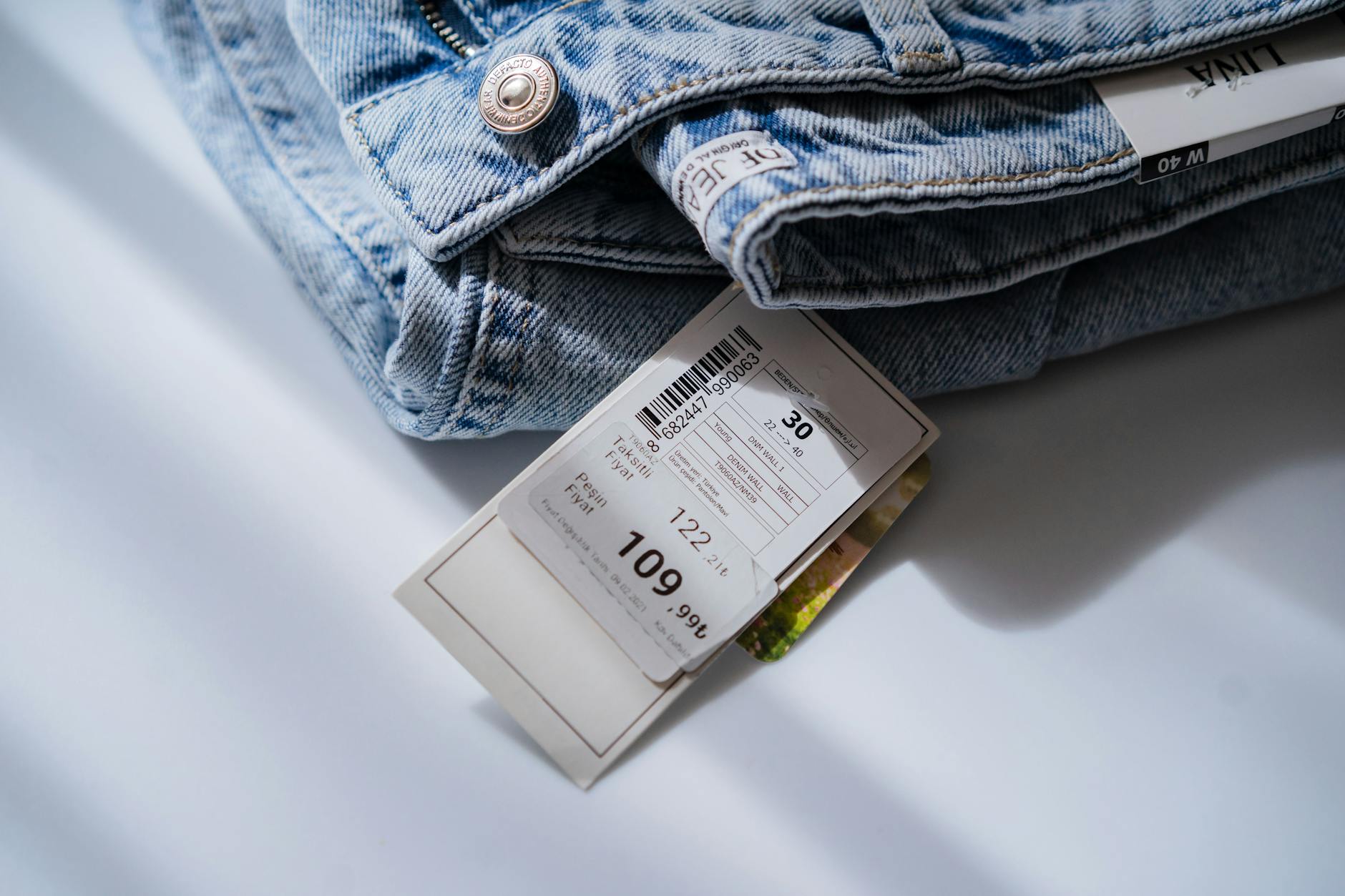
Nordstrom Rack has become a significant growth engine for the overall Nordstrom brand, with new store openings planned across multiple states through 2026, per Built In. That expansion reflects genuine consumer demand, not just corporate optimism.
The off-price model's appeal is straightforward: access to premium and designer brands at prices meaningfully below flagship retail. A shopper who can't justify ? for a Theory blazer at Nordstrom proper might find the same or a comparable piece at Nordstrom Rack for ?. That's a real value, provided the item is true overstock rather than a Rack-exclusive piece manufactured at a lower quality tier.
The 30-day return window is the most significant trade-off. Unlike the flagship's case-by-case flexibility, Nordstrom Rack's policy is stricter: items must be unworn, in original condition, with tags attached. After 30 days, returns may be denied or processed as partial refunds only. For a ? top, that's a manageable risk. For a ? jacket, it's a meaningful limitation — and shoppers should factor it in before purchase.
The merchandise mix question is worth taking seriously. Nordstrom Rack carries both genuine overstock from Nordstrom's flagship inventory and items produced specifically for the off-price channel. The latter can be harder to identify but often carries different (and sometimes lower) quality specifications than comparable flagship items. When shopping Rack, check the label carefully: original Nordstrom price tags and brand labels are a stronger indicator of true overstock quality than Rack-exclusive packaging.
Frequently Asked Questions
Can you return a Nordstrom item to a Nordstrom Rack store?
Generally, no. Items purchased at Nordstrom flagship stores or Nordstrom.com should be returned to a Nordstrom flagship location or by mail through Nordstrom.com. Nordstrom Rack locations handle returns for Rack purchases only. Cross-banner returns are not a standard option, according to WP Email Log's 2026 policy guide.
Does Nordstrom's no-time-limit return policy apply to everything?
The no-strict-deadline policy applies to most items purchased at Nordstrom flagship stores and Nordstrom.com. It does not apply to Nordstrom Rack purchases, which carry a 30-day window. Heavily used or damaged items at the flagship are still subject to individual evaluation and may be declined.
Do you need a receipt to return something to Nordstrom?
A receipt speeds up the process and ensures your refund goes back to the original payment method. Without one, Nordstrom can often look up purchases through your account or credit card. If no purchase record exists, you may receive store credit rather than a cash refund, per Return Policy Info's 2026 guide.
Is Nordstrom Rack the same quality as Nordstrom?
Not always. Nordstrom Rack carries a mix of genuine overstock from the flagship and merchandise produced specifically for the off-price channel. True overstock items are generally the same quality as flagship merchandise; Rack-exclusive items may use different materials or construction. Checking for original Nordstrom price tags is a useful indicator.
How does Nordstrom's return policy compare to Macy's and Best Buy?
Macy's limits most returns to 90 days. Best Buy allows just 15 days on most products. Nordstrom's flagship policy has no strict deadline and evaluates returns individually. For high-ticket purchases, this is a meaningful competitive advantage, as documented by CLOSO's comparative analysis.
Is Nordstrom financially stable in 2026?
Based on available data, yes. Built In's 2026 company outlook reports improved EBIT margins year over year and comparable sales growth in fiscal 2024. Nordstrom Rack is actively