Affiliate disclosure: Trusted Buyer Report may earn a commission when you click links on this page and make a purchase, at no extra cost to you. Our editorial scores and recommendations are finalized before any affiliate link is applied. Read our full disclosure →
The Biggest Mistake Gamers Make When Buying Hardware in 2026
Most buyers start with "what's the best-reviewed product right now?" That's the wrong question.
The right question is: what's the right platform for how you actually play — not how you imagine you'll play after the purchase? A high-end gaming PC sitting idle because its owner games 90 minutes a week isn't a smart buy. Neither is a budget console that frustrates a competitive player who needs sub-20ms input response.
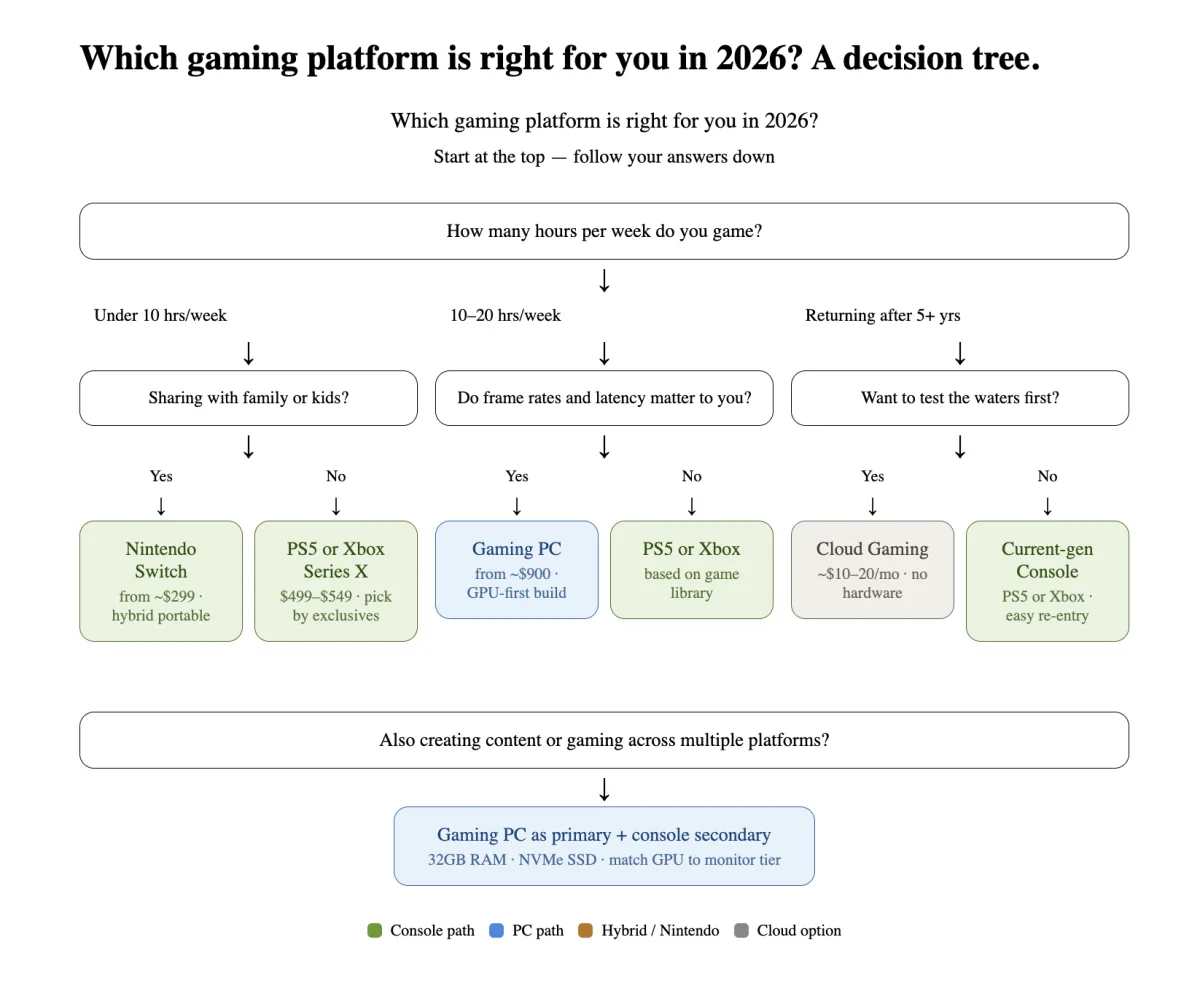
Bottom line up front: If you play casually with family, get a console. If you play daily and care about frame rates, build or buy a gaming PC. If you're returning after years away, start with current-gen console hardware and re-enter before over-investing. If you create content across platforms, a capable PC is your foundation.
The sections below walk through each platform in depth, with market data and honest trade-offs at every level.
2026 Gaming Market Context: Why Right Now Is a Smart Time to Buy
Understanding market dynamics saves money. Here's what's shaping prices and availability in 2026 before you read a single spec sheet.
The global gaming hardware market is valued at approximately USD 47.5 billion in 2026, projected to reach USD 77.3 billion by 2036, according to FactMR's Gaming Hardware Market forecast. That sustained growth means manufacturers are actively investing in new product generations — which matters for your purchase timing.
The more immediately useful data point: post-pandemic demand has cooled significantly. Microsoft reported a 13% decline in Xbox hardware revenue as households delayed upgrades after the 2020–2022 buying surge. That normalization is good news for buyers — inventory is available, prices are competitive, and retailers are not artificially restricting supply.
The North American gaming market is estimated at USD 80.67 billion in 2026, growing toward USD 120.86 billion by 2031. A market that large means stores are competing for your purchase. You have leverage.
One strategic note on timing: Both Sony and Microsoft are expected to announce or launch next-generation hardware within 18–24 months. Current-generation hardware is excellent — this is not a reason to wait indefinitely — but it does argue against paying a premium for a flagship console at peak pricing when the cycle is maturing.
The gaming accessories market is growing at a faster clip than hardware itself: USD 13.09 billion in 2025 to a projected USD 23.14 billion by 2031 at 9.96% CAGR. That growth drives quality up and price points down at every tier — the USD 70 headset of 2026 performs like a USD 150 headset did in 2020.
Step 1: Identify Your Gamer Profile Before Choosing Any Hardware
Do this before you read any platform section. The hardware decision flows directly from which profile fits you — not from which console is "winning" the generation.
Profile 1 — The Casual Household Gamer
You play 5–10 hours per week, often share the device with a partner or children, and value plug-and-play simplicity over raw performance. Your library leans toward sports games, family titles, and popular franchises. A console is your answer. Cloud gaming is also a legitimate low-friction option at this level, as cloud platforms have meaningfully reduced hardware barriers for casual players.
Profile 2 — The Competitive or Enthusiast Gamer
You play daily, care about frame rates and input latency, follow hardware benchmarks, and are willing to invest more upfront for long-term performance. A gaming PC is your primary platform, with a console as a secondary device for exclusives. Peripheral quality matters significantly here — the difference between a 60Hz and a 144Hz monitor is not subtle to you.
Profile 3 — The Returning or Lapsed Gamer
You last owned a PS4, Xbox One, or older hardware and are re-entering after a five-plus year gap. The landscape has changed substantially. You need a clear on-ramp without over-investing in features you may not use for months. A current-generation console offers the lowest-friction re-entry point. Cloud gaming can also serve as a low-commitment way to rediscover the hobby before committing to hardware spend.
Profile 4 — The Multi-Platform or Content Creator
You game across PC and console, may stream or record content, and need hardware that handles both gaming and productivity. A capable gaming PC is your core investment, with RAM and storage specifications that exceed pure gaming minimums. According to Newzoo's 2026 PC & Console Gaming Report, this segment shows the highest hardware investment per user and the strongest demand for premium peripherals.
Console Buying Guide 2026: PlayStation vs. Xbox vs. Nintendo — an Honest Comparison
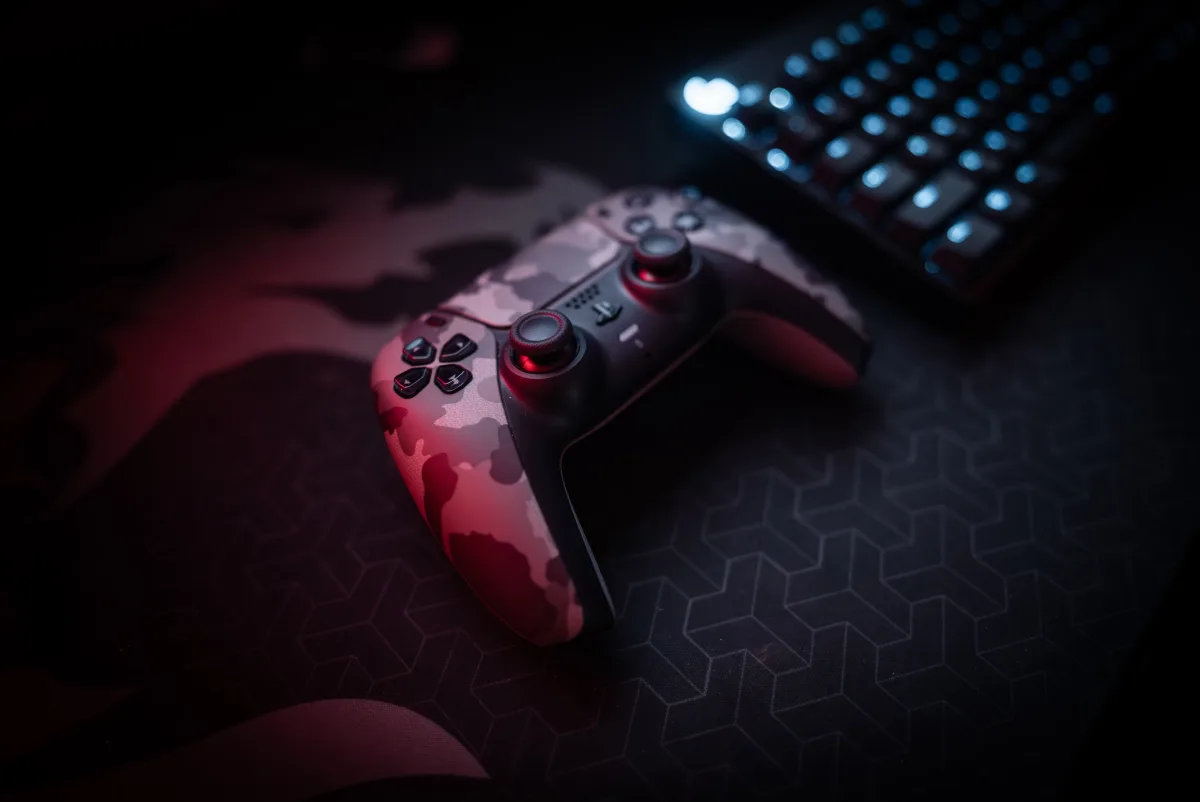
Consoles hold roughly 40% of the 2026 gaming hardware market, according to FactMR. The three major platforms have never been more differentiated in their value propositions. Brand loyalty is a poor decision framework here — ecosystem fit is what matters.
Quick Comparison Table
| Factor | PlayStation 5 | Xbox Series X/S | Nintendo Switch (OLED / Switch 2) |
|---|---|---|---|
| First-Party Exclusives | Strong — God of War, Spider-Man, Horizon | Moderate — Halo, Forza; most titles also on PC | Strong — Mario, Zelda, Pokémon |
| Subscription Value | PS Plus (3 tiers) | Game Pass — best value for volume players | Switch Online — limited but affordable |
| VR Support | PlayStation VR2 available | None native | None |
| Portability | Home console only | Home console only | Hybrid — home and handheld |
| Backward Compatibility | PS4 titles; PS3 via streaming only | Extensive — Xbox One, 360, original Xbox | Switch library only |
| PC Integration | Limited | Strong — Xbox Play Anywhere, Game Pass on PC | None |
| Best For | Exclusive-driven story games | Value subscribers, PC crossover players | Families, portable play |
Which Console Should You Choose in 2026?
Choose PlayStation 5 if your primary reason for gaming is exclusive first-party franchises. Sony's first-party studios consistently produce the highest-rated narrative titles. If you already have a digital PS4 library, the financial cost of switching ecosystems is significant — 50 purchased digital titles represent real sunk cost that doesn't transfer.
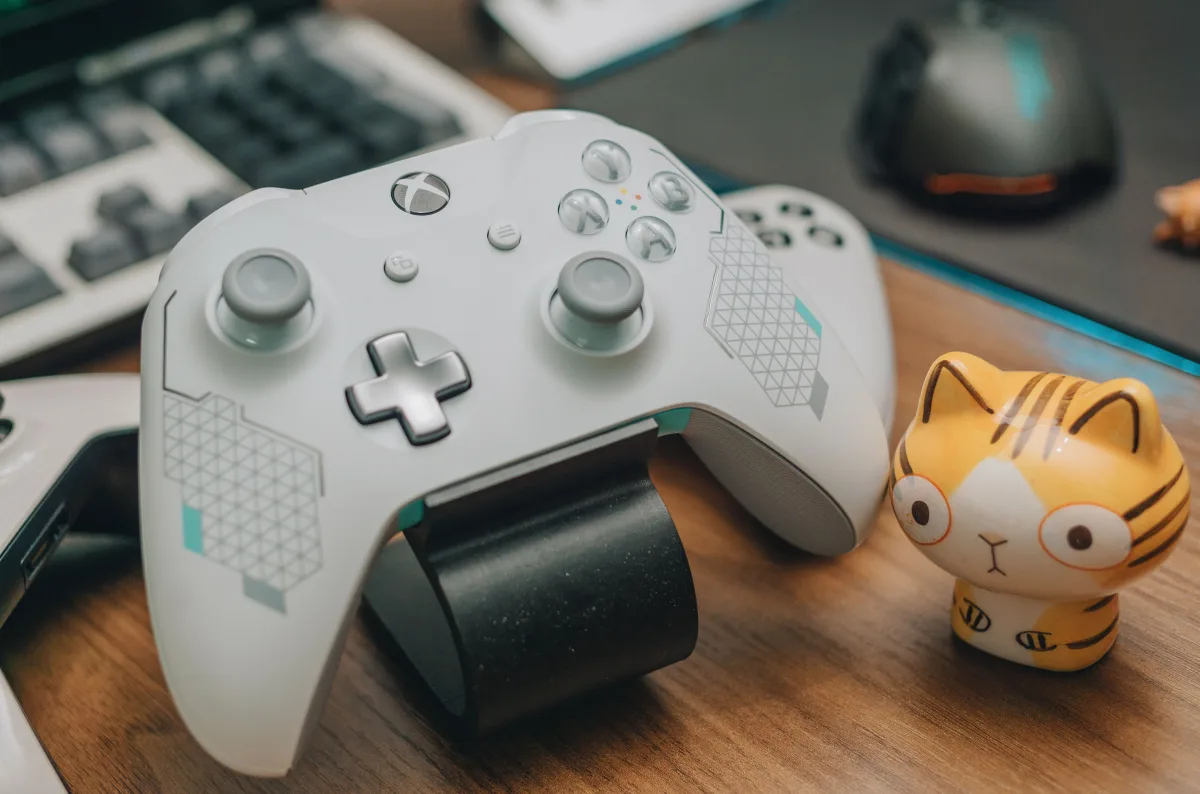
Choose Xbox Series X/S if you play a high volume of games across genres and want the best subscription value. Game Pass remains the strongest offer in the market for volume players, and Xbox Play Anywhere integration means many purchases work on PC too. The Xbox Series S is also the most affordable entry point into current-gen hardware.
Choose Nintendo Switch if you have children under 14, value portable play, or are a fan of Nintendo's first-party IP. Switch remains the only hybrid home-and-handheld console on the market — a niche no competitor has replicated. The Switch 2, launched in 2025, adds meaningful hardware improvements while maintaining backward compatibility with the existing Switch library.
The ecosystem lock-in cost is real and underappreciated. Digital game ownership is platform-specific, and switching costs compound over time. If you have an existing digital library, staying within your ecosystem is almost always financially rational unless the competing platform's exclusives justify the sunk cost.
According to ResearchAndMarkets' Gaming Console Market report, both Sony and Microsoft are preparing next-generation products with strategic pricing aimed at reaffirming market dominance. For flagship PlayStation and Xbox buyers, current-gen hardware is excellent — but watch for price reductions as the cycle matures.
For deeper dives into specific console accessories and controller options, see our Best Gaming Controllers 2026: Third-Party vs. Official [INTERNAL LINK — confirm slug in sitemap] comparison.
Gaming PC Buying Guide 2026: What Specs Actually Matter
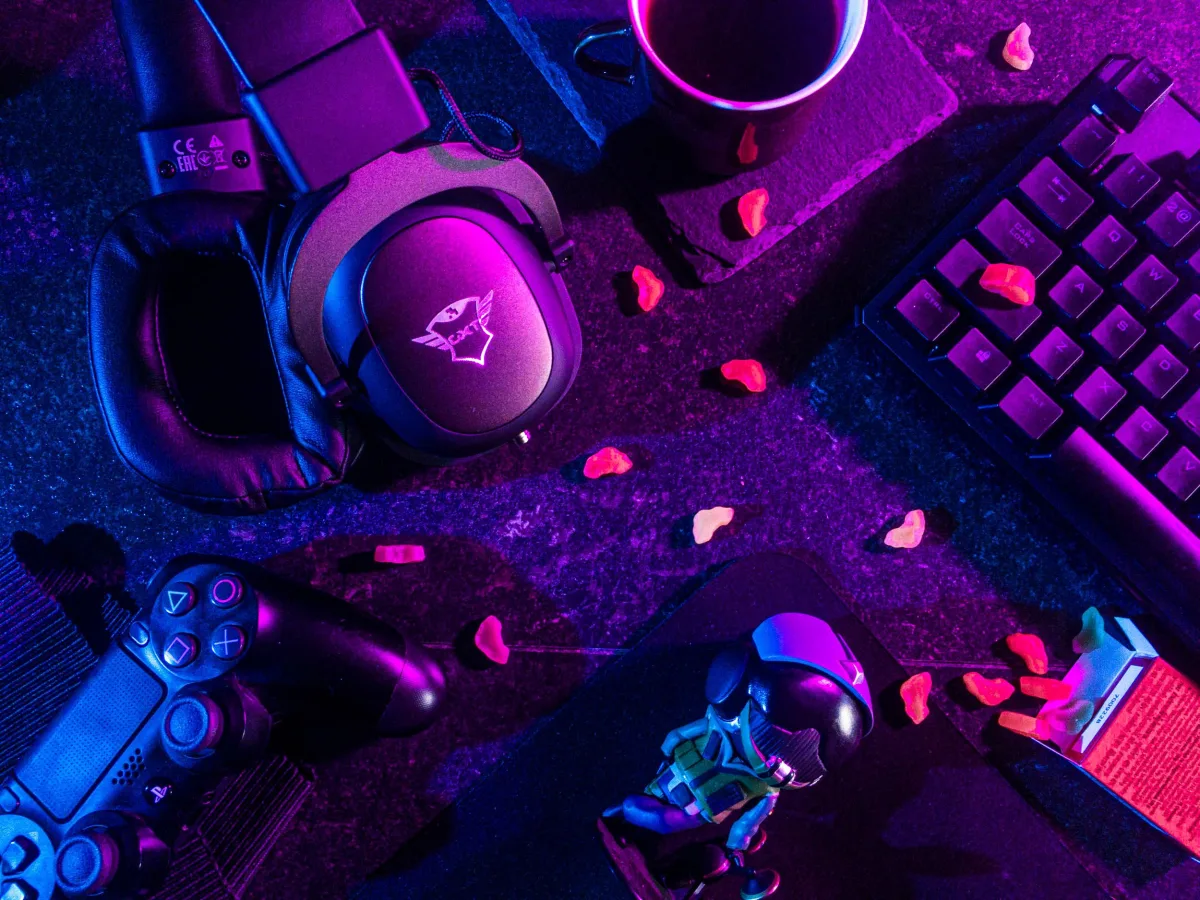
The PC gaming peripheral market alone is valued at USD 10.21 billion in 2026 and growing at 8.9% CAGR toward USD 18.55 billion by 2033, according to Coherent Market Insights. That scale reflects how seriously the industry treats the PC ecosystem — and how much marketing noise exists within it. Here is what actually moves the needle.
GPU: The One Component That Determines Everything Else
The graphics processing unit is the most important component for gaming performance. Buy the best GPU your budget allows, then build the rest of the system around it. NVIDIA remains dominant in the discrete GPU market as of 2026, confirmed by FactMR's competitive assessment.
Practical GPU tiers in 2026:
- Entry-level 1080p gaming: Mid-tier GPU (e.g., NVIDIA RTX 4060 class), 16GB DDR5 RAM, 1TB NVMe SSD. Targets smooth 60–100fps at 1080p in current titles.
- Mid-range 1440p gaming: Upper-mid GPU (e.g., RTX 4070 class), 32GB DDR5 RAM, 2TB NVMe SSD. The sweet spot for most enthusiast players in 2026.
- Enthusiast 4K gaming: Flagship GPU (e.g., RTX 5080/5090 class), 32GB DDR5 RAM, 2TB+ NVMe SSD. Only justifiable if your monitor supports 4K at high refresh rates.
RAM and Storage: The Baselines Have Shifted
16GB DDR5 is the minimum for a capable gaming PC in 2026. 32GB is recommended for anyone who multitasks, streams, or runs background applications while gaming. NVMe SSD is the baseline storage expectation — not an upgrade. Any pre-built that ships with a traditional hard drive as the primary drive in 2026 is cutting corners in a way that directly affects your daily experience.
Pre-Built vs. Custom Build: The Gap Has Narrowed
Pre-built gaming PCs have closed the value gap significantly. In 2020, custom builds offered a clear 20–30% value advantage at equivalent performance tiers. That gap has narrowed to roughly 10–15% in 2026 as system integrators have scaled.
If you have the technical confidence and 4–6 hours to spare, a custom build still offers better component selection control. If you don't, a pre-built from a brand with a solid warranty is a legitimate choice — not a compromise.
Gaming Laptops: Understand the Trade-Off Before You Buy
Gaming laptops offer genuine portability, but thermal constraints mean equivalent specs perform 10–20% below desktop counterparts under sustained load. A laptop with an RTX 4070 will not match a desktop RTX 4070 in extended gaming sessions. Games Gravity's 2026 trends overview lists portable PCs as a distinct and growing category. They are the right answer if portability is a genuine daily requirement — not if you just want the option of occasionally moving your setup.
Monitor Matching: The Overlooked Bottleneck
Buying a 4K 144Hz monitor with a mid-tier GPU wastes money on both ends. Match your display to your GPU tier:
- Entry GPU + 1080p 144Hz monitor — smooth performance without bottlenecking either component
- Mid-range GPU + 1440p 165Hz monitor — the sweet spot in 2026
- Enthusiast GPU + 4K 120Hz+ monitor — only justified at the top tier
This single alignment decision has more impact on perceived performance than most individual component upgrades.
For a detailed tier-by-tier breakdown with specific models and real-world trade-offs, see our Best Gaming Laptops 2026: Balancing Performance, Price & Portability guide.
Gaming Accessories: Where to Spend and Where to Stop

The accessories market is growing at nearly 10% annually, which means every peripheral category now has products at every price point — including many that charge premium prices for marginal gains. Knowing where the real performance thresholds lie saves money.
Headsets: The Highest ROI Peripheral in Your Setup
A quality gaming headset delivers more tangible improvement to the gaming experience than almost any other accessory. Spatial audio directly improves game awareness in competitive titles, and microphone clarity matters for any multiplayer communication.
In 2026, a USD 70–100 headset from Logitech, Razer, or SteelSeries performs comparably to what a USD 150–200 headset delivered in 2020. At the premium end, AI-integrated peripherals are a genuine emerging category — Logitech's AI-driven headsets now use adaptive sound technology that adjusts audio levels dynamically based on in-game situations, according to SkyQuestt's Gaming Accessories Market report. This is not marketing language — it's firmware-integrated intelligence that reconfigures sensitivity in real time, a meaningful shift for competitive players.
Mice and Keyboards: Where the Spending Curve Flattens
For PC gamers, a gaming mouse with adjustable DPI and low-latency wireless is a meaningful upgrade. The performance gap between a USD 30 and USD 80 mouse is real and noticeable. The gap between a USD 80 and a USD 200 mouse is largely marginal for most players. Spend to the USD 80–100 tier and stop unless you compete at a level where 1ms differences in response time are relevant.
Mechanical keyboards offer genuine tactile and response advantages over membrane keyboards for extended gaming sessions. Budget around USD 60–90 for a mechanical keyboard that will last 3–5 years without feeling like a compromise.
For a full wired-vs-wireless breakdown with specific model picks, see our Best Gaming Keyboards & Mice 2026: Wired vs. Wireless guide.
What Not to Prioritize
RGB lighting, branded carrying cases, and aesthetic accessories have zero measurable impact on performance. Racing wheels and joysticks are category-specific tools — essential for simulation racing and flight games, irrelevant for everything else.
Priority spending order for a USD 200 accessories budget:
- Headset — USD 80–100
- Mouse or controller upgrade — USD 50–70
- Quality mousepad — USD 15–20
- Aesthetic additions with whatever remains
Don't Overlook Your Desk and Chair
Your gaming setup's physical foundation matters more than most buyers anticipate. Games Gravity notes that ergonomic gaming furniture is one of the fastest-growing accessory subcategories in 2026 as players invest in setups they can sustain for longer sessions. For desk selection by room size and cable management needs, see our Best Gaming Desks 2026: Space & Cable Management guide.
Cloud Gaming in 2026: Legitimate Option or Still a Compromise?
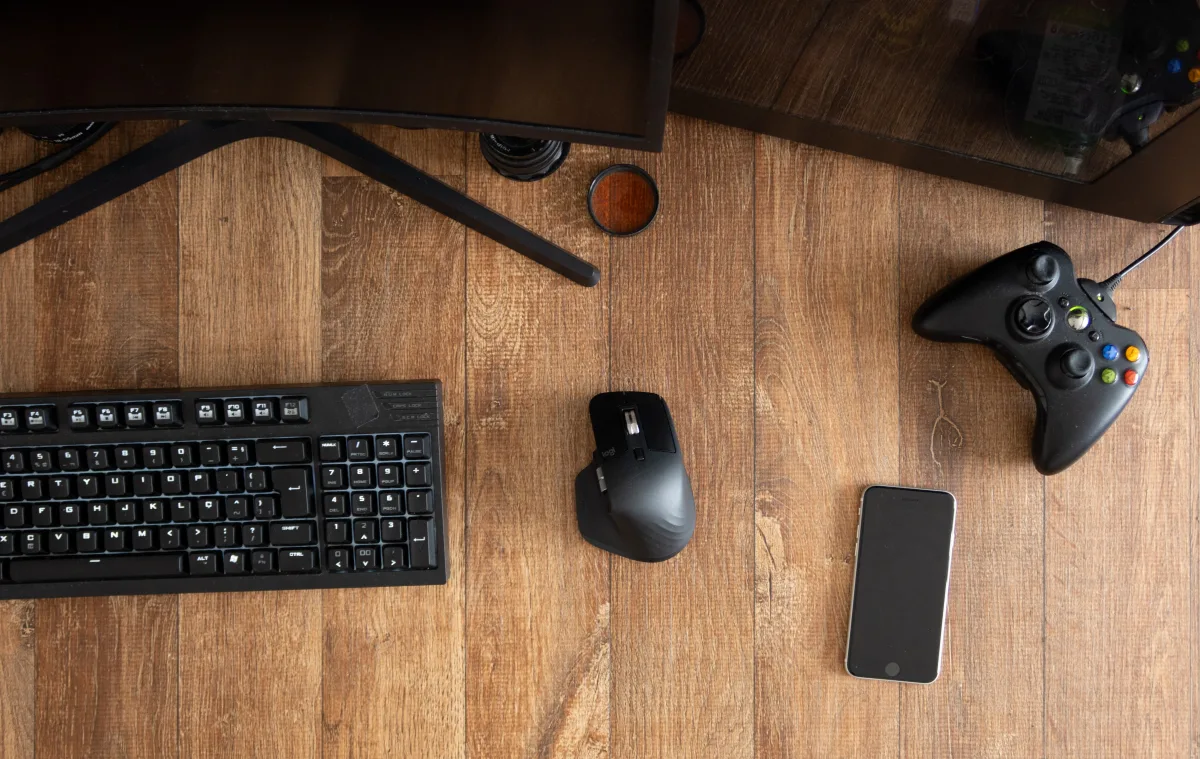
Cloud gaming has matured enough to be a real option for specific use cases. It is not a universal replacement for local hardware.
The defining limitation remains latency. Competitive players who need sub-20ms input response cannot rely on cloud gaming as a primary platform in most regions, regardless of connection speed. The physics of data traveling to a remote server and back introduces irreducible delay that local hardware does not have. ResearchAndMarkets' North America Gaming report explicitly notes that latency concerns keep hardcore users tethered to local performance hardware.
For casual and returning players, the calculus is different. A stable connection of at least 35 Mbps supports 4K cloud gaming streaming, and many US households now meet that threshold. Cloud gaming does not eliminate hardware costs entirely — you still need a streaming device, controller, and display — but it removes the GPU and CPU investment.
The business model risk deserves acknowledgment. Cloud gaming services can be discontinued or restructured, and your game library access depends entirely on a subscription remaining active. Google Stadia's 2023 shutdown is the clearest recent example. For a primary gaming platform, that dependency is a genuine concern. For a supplementary or trial platform, it is manageable.
The clearest use case for cloud gaming in 2026: a frequent traveler who games occasionally on a laptop, or a returning gamer who wants to rediscover the hobby with minimal upfront investment before committing to a full hardware purchase.
If you go the cloud route: invest in your router before your streaming device. Games Gravity notes that network accessories are a growing subcategory precisely because cloud gaming demands reliable low-latency connections.
How to Research This Before You Buy
How this guide was researched: This guide is based on manufacturer specifications, publicly available market research from FactMR, ResearchAndMarkets, Newzoo, Coherent Market Insights, and SkyQuestt, as well as expert sources and verified consumer data. It does not reflect hands-on hardware testing by Trusted Buyer Report. Use our Price Trend Analyzer to check historical pricing before you buy, and our Product Comparator to run a side-by-side specs comparison on specific models you're considering.
Final Decision Framework: 6 Steps in Order
Use these steps in sequence. Don't skip to step three.
1. Identify your gamer profile. Casual household gamer, competitive enthusiast, returning player, or content creator. Each maps to a different primary platform recommendation (see profiles above).
2. Assess your existing ecosystem. Do you have a digital game library on PlayStation, Xbox, or Steam? The financial cost of switching is real. Staying in your ecosystem is usually rational unless you have a compelling reason to leave.
3. Set a total budget including accessories. A USD 500 console purchase becomes USD 650–750 once you add a headset, an extra controller, and a year of subscription service. A USD 1,000 PC build becomes USD 1,200–1,400 with monitor, headset, and keyboard. Budget for the complete setup, not just the primary device.
4. Match your hardware to your actual display. If you game on a 1080p TV, a 4K console tier is wasted. If you have a 144Hz monitor, a console capped at 60fps will feel like a step backward.
5. Factor in the hardware cycle. Both Sony and Microsoft are preparing next-generation products, according to ResearchAndMarkets' US Console & Accessories report. If you are buying a flagship console today, a reduced price on current-gen hardware as the cycle matures is worth seeking.
6. Prioritize accessories in performance order. Headset, then input device (mouse or controller), then display quality. Aesthetics last.
Frequently Asked Questions
Is 2026 a good time to buy gaming hardware?
Yes, 2026 is a genuinely favorable time to buy. Post-pandemic demand normalization has reduced scarcity, and competitive pricing is strong across all platforms. Microsoft's 13% Xbox hardware revenue decline, cited by ResearchAndMarkets, reflects a market where buyers have leverage. The caveat: both Sony and Microsoft are expected to announce next-generation hardware within 1–2 years. If you're buying a flagship console, look for a slight discount on current-gen — it's available and worth seeking.
Can a gaming PC fully replace a console in 2026?
For most game genres, yes. The exception is PlayStation exclusives, which remain console-only or arrive on PC with a significant delay. If PlayStation's exclusive library is a priority for you, a PS5 is the only way to access it at launch. For Xbox titles, Game Pass on PC covers most of what the console offers, making the PC a genuine alternative.
What's the minimum PC spec worth building in 2026?
A build worth starting in 2026 needs at minimum: a mid-tier GPU (RTX 4060 class or AMD equivalent), 16GB DDR5 RAM, and a 1TB NVMe SSD. Anything below this baseline will require upgrades sooner than the hardware cost justifies. If this configuration exceeds your budget, a current-gen console is the better value at that spend level.
Is cloud gaming reliable enough to use as a primary platform?
For casual play on a stable broadband connection (35 Mbps+), cloud gaming is reliable for most genres. For competitive play where input latency matters — fast-paced shooters, fighting games, competitive MOBAs — cloud gaming introduces irreducible lag that local hardware does not. Use it as a supplementary or trial platform, not a primary one for competitive play.
Which gaming headset is worth buying in 2026?
The USD 70–100 tier from Logitech, Razer, or SteelSeries is the value sweet spot in 2026. You get meaningful spatial audio and solid microphone quality without paying for marginal gains that only matter at the highest competitive level. Spending more than USD 120 is justified only if you compete at an organized level or need specific features like AI adaptive audio.