

Head-to-Head: What Your Budget Actually Buys in Warmth (2026 Comparison)

You're standing in a store — or more likely scrolling at midnight — trying to figure out whether spending ? instead of ? on a winter coat actually buys you meaningfully more warmth, or whether you're mostly paying for a logo. That question almost never gets a straight answer in mainstream coat guides. This one will give you one.
The honest answer is that warmth does not scale linearly with price. The biggest performance jump happens between the under-? tier and the ?–? mid-range. After that, gains become more incremental — and in the ?-plus tier, you're paying for a combination of extreme-cold engineering and brand equity that most readers in temperate urban climates will never fully use.
Here's how the four tiers compare at a glance, based on tested data from OutdoorGearLab and CleverHiker:
| Price Tier | Typical Insulation | Practical Temp Range | Best Use Case |
|---|---|---|---|
| Under ? | Synthetic or low-fill down | 20°F and above | Urban commuting, mild winters |
| ?–? | 600–800-fill down or advanced synthetic | 0–15°F with layering | Most climates, everyday cold-weather use |
| ?–? | 700-fill down, technical shells, hybrid | -10°F to 0°F with layering | Cold climates, multi-season versatility |
| ?+ | Premium goose down, expedition build | -30°C (-22°F) and below | Extreme cold, extended outdoor exposure |
The Canada Goose Expedition Parka is the reference point for the top tier. According to OutdoorGearLab, it earned one of the highest warmth scores the publication has ever recorded — their women's testing team called it "a fortress against biting cold," and testers were sweating in temperatures warmer than 15°F. That's a coat designed for people who genuinely face extreme cold exposure, not for commuting in Chicago in November.
In the mid-range, CleverHiker's lab testing found that both the Outdoor Research Coze Down (700-fill) and the North Face Triple C Down Parka (600-fill) took over three hours to drop from an internal temperature of 71°F down to ambient outdoor temperature — a meaningful warmth-retention result that covers the vast majority of real-world winter scenarios. The Rab Deep Cover, despite its tailored silhouette, performed unexpectedly well due to 12 ounces of 700-fill-power down packed into the coat, according to CleverHiker.
The Arc'teryx Atom sits in the upper-mid to lower-premium range and earns its reputation not through peak warmth alone but through multi-season versatility and construction durability. If you're thinking about cost-per-wear across five or more years, it competes differently than a single-season budget coat. For readers building out a broader wardrobe strategy, the Fashion & Apparel Buying Guides 2026 covers how to think about outerwear as part of a complete seasonal wardrobe investment.
How We Define "Warmth" — And Why the Industry Makes It Confusing

Fill power is the number you see most often on coat tags and product pages. It measures how much volume one ounce of down occupies — higher fill power means lighter, loftier insulation. But fill power alone tells you almost nothing about how warm a coat actually is.
Fill weight is the figure that actually predicts warmth: it measures the total amount of insulation in the coat. A 650-fill jacket with a higher fill weight can match or exceed the warmth of a 750-fill jacket with lower fill weight, and it will typically cost less. OutdoorGearLab makes this point explicitly — for many buyers, a 550-fill option with adequate fill weight is a perfectly suitable coat that saves money without meaningful warmth sacrifice.
The problem is that many brands don't publish fill weight consistently. CleverHiker notes that fill weight is not consistently offered by all the models they tested, which prevents fair cross-brand comparison using specs alone. This is why heat-loss testing — measuring how long a coat maintains a target internal temperature against ambient cold — is a more reliable benchmark than fill specifications.
CleverHiker's testing framework defines the optimal passive comfort range as 68–72°F internal temperature. Their field and lab tests run from 0–40°F, measuring how long each coat sustains that range before heat loss accelerates. That methodology is more useful than a fill-power number because it accounts for shell fabric, construction, and fit — all of which affect real-world warmth.
Synthetic insulation adds another layer of complexity. It's measured differently, performs more reliably when wet, and is bulkier per unit of warmth than down. According to Alpargali, hybrid designs that combine down in the core with synthetic insulation in moisture-prone zones like hoods and cuffs are increasingly common — and they represent a genuine engineering solution, not just a marketing term.
Under ?: What Budget Coats Can and Cannot Do

Budget coats get dismissed too quickly in most gear guides. For a large segment of readers — people in cities where winters rarely drop below 20°F, or people who spend most of their outdoor time moving between heated spaces — a well-chosen sub-? coat is fully adequate.
Most coats in this tier use synthetic insulation. That's not a flaw. Synthetic insulation maintains its loft when wet, which is a real advantage in slushy, rainy urban winters where down can compress and lose its insulating properties. Alpargali points out that synthetic is often more forgiving in wet, slushy conditions — exactly the kind of winter most city dwellers actually experience.
The Spyder budget jacket appears across research findings as a practical option at this tier, offering solid warmth and useful storage for everyday urban wear. It won't match the warmth ceiling of a 700-fill down parka, but for someone walking to transit stops or running errands in 25–35°F weather, it handles the job.
Where budget coats genuinely fall short:
- Weight: Synthetic insulation is bulkier per warmth unit, so sub-? coats tend to be heavier and less packable.
- Longevity: Wirecutter notes that budget down options can have sticky zippers and baffling that begins shedding down fairly quickly — a durability concern that affects long-term value.
- Extreme cold: Below 15–20°F, most budget coats require significant layering to compensate, and even then they approach their warmth ceiling.
Hybrid insulation designs — placing synthetic material in hoods and cuffs where moisture accumulates — appear even at accessible price points and represent a meaningful real-world advantage over all-down budget options in wet climates.
?–?: The Mid-Range Sweet Spot for Most Climates

If you live somewhere that regularly drops below 20°F and you spend meaningful time outdoors, this is the tier where the warmth-per-dollar ratio peaks. The jump from budget to mid-range is the largest single performance improvement in the entire price spectrum.
CleverHiker's heat-loss testing makes this concrete. The Outdoor Research Coze Down (700-fill) and the North Face Triple C Down Parka (600-fill) nearly tied — both taking over three hours to drop from 71°F to ambient outdoor temperature in testing from 0–40°F. That's a measurable, tested result that translates directly to real-world warmth retention during extended outdoor exposure.
Wirecutter's top overall pick in the down jacket category uses 800-fill-power down with a DWR coating and a ripstop nylon outer fabric described as softer than competing picks. The 800-fill-power down keeps you warm through long chairlift rides, outdoor events, and cold-weather activities without requiring expedition-level bulk.
Mid-range coats also begin to include practical construction details that budget options skip:
- Cinchable hoods that seal out wind at the face
- Fleece-lined chin cuffs and collar areas
- DWR (durable water repellent) coatings on the shell
- Better-quality zippers that don't stick in cold temperatures
According to Yahoo Shopping's expert panel, the best overall men's jackets in this range combine waterproof coverage, a longer silhouette that blocks gusts, and a fur-lined hood that provides functional warmth rather than decorative trim. One caveat worth noting: Yahoo Shopping's reviewers flag that Velcro sleeve closures can be frustrating to adjust while wearing gloves, and sizing can run inconsistently — worth checking return policies before buying.
For most readers in temperate-to-cold climates — think Minneapolis, Denver, Toronto, or comparable conditions — this tier is the rational stopping point. You are not leaving meaningful warmth on the table by stopping here.
?–?: Performance Coats and When the Premium Is Justified

Spending more than ? on a coat is a different kind of decision. You're no longer buying incremental warmth for most climates — you're buying construction quality, material precision, and in some cases, a coat that performs across multiple seasons and years without degrading.
The Arc'teryx Atom is the clearest example of this value proposition. It's cited consistently across testing sources not for its peak warmth ceiling — it's not an extreme-cold expedition coat — but for its versatility across conditions and its multi-season durability. If you wear a coat heavily for five or more years, the cost-per-wear math shifts substantially in favor of a ?–? coat over two or three ? replacements.
The Rab Deep Cover demonstrates something else this tier does well: it proves that tailored, dress-appropriate outerwear doesn't have to sacrifice warmth. Despite its understated baffles and fitted silhouette, CleverHiker found it performed unexpectedly well — the result of 12 ounces of 700-fill-power down packed into the coat, making it effectively a longer version of a technical performance puffy in a more polished exterior.
Alpargali's coverage of the Stormhenge highlights another genuine advantage at this tier: hybrid insulation strategy. Using synthetic insulation in the hood and cuffs — where condensation and snow contact are highest — means you don't lose warmth when conditions turn wet. As Alpargali notes, it "performs well when winter is messy rather than picturesque." That's a real-world advantage over a single-material coat at any price point.
British GQ makes an underappreciated point about this tier: wool, cashmere, and sheepskin-lined shearling coats — traditionally associated with style rather than technical performance — can be formidable in sub-zero temperatures. A high-quality wool overcoat or shearling jacket in the ?–? range can outperform a cheaper technical puffer in dry cold, while offering significantly more versatility for professional and formal settings.
Planning a broader wardrobe upgrade this season? Understanding how outerwear investments interact with your overall budget is worth thinking through carefully — the Financial Services Guide 2026: Credit Cards, Insurance & Investing includes practical frameworks for managing larger discretionary purchases without disrupting financial priorities.
? and Above: Extreme Cold, Extreme Build — Who Actually Needs This Tier
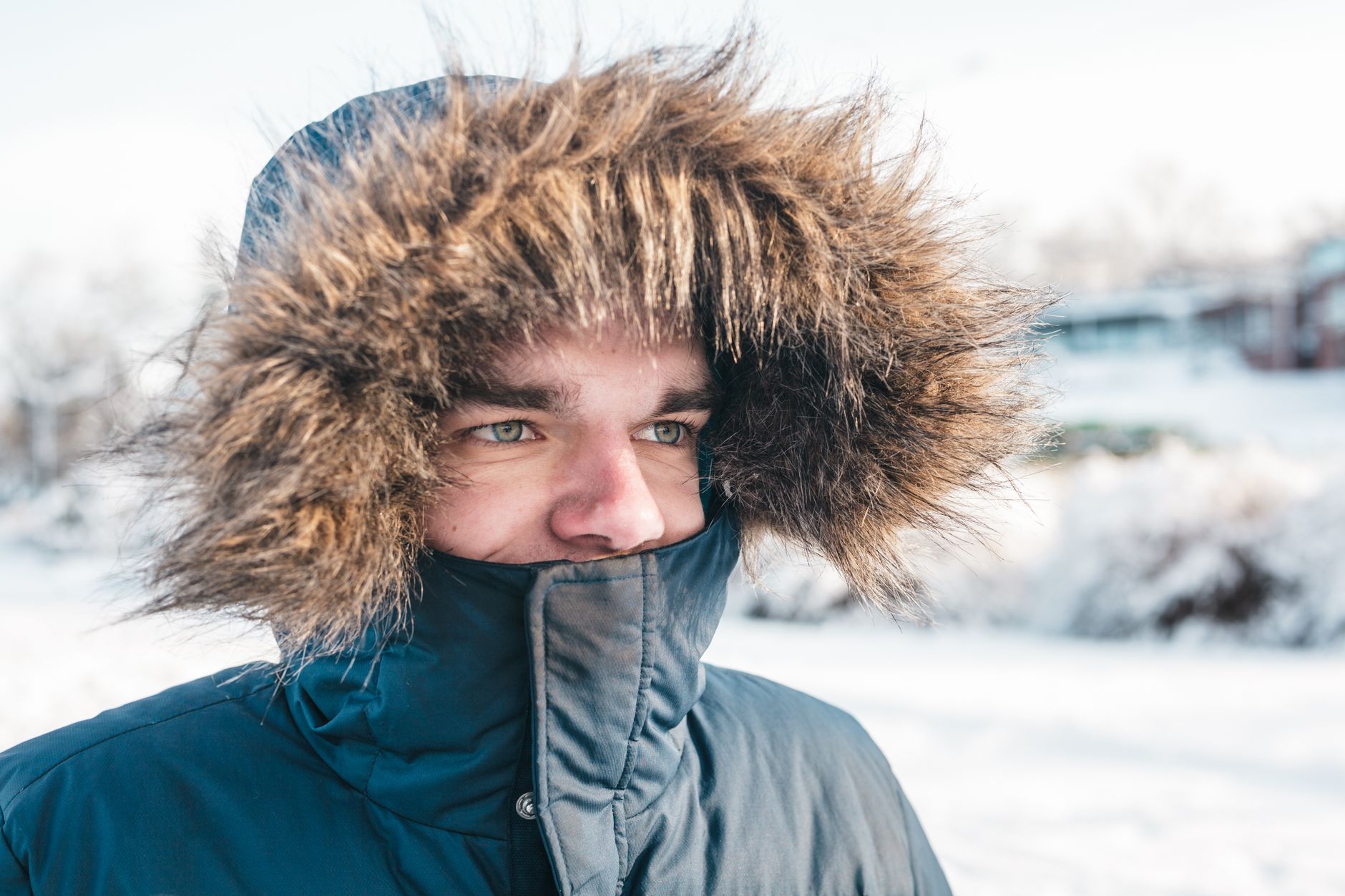
The Canada Goose Expedition Parka is the defining product of this tier, and the performance case for it is real — but so is the caveat about who actually needs it.
According to OutdoorGearLab, the Expedition Parka earned one of the highest warmth scores the publication has ever recorded. Their women's testing team described it as "a fortress against biting cold," and testers were sweating in temperatures warmer than 15°F. Features like a fleece-lined chin cuff that extends to the nose and a cinchable hood address cold-air infiltration at every opening. This is not marketing language — it's a functional description of a coat engineered for sustained exposure in extreme environments.
According to a market analysis by DataIntelo, Canada Goose's Arctic Program parka range is rated to -30°C and uses Hutterite goose down sourced from North American farms. The brand's outerwear segment exceeded ?.1 billion in revenue in 2025, with e-commerce representing approximately 38% of total revenues in fiscal 2025. That scale reflects both genuine performance reputation and significant luxury brand positioning.
Who genuinely benefits from this tier:
- People in northern Canada, Alaska, Scandinavia, or similar climates with sustained extreme cold
- Researchers, field workers, or outdoor professionals with extended cold-exposure requirements
- Anyone regularly spending hours outdoors in temperatures below -10°F
Who is probably overpaying:
- Urban residents in cities like New York, London, or Seattle where temperatures rarely approach -10°F
- People whose outdoor exposure is primarily transit between heated buildings
- Anyone whose primary motivation is brand recognition rather than functional need
The brand equity component is real and worth naming directly. A coat rated to -30°C provides warmth you may never need, but it also signals status in a way that mid-range technical coats do not. There's nothing wrong with that as a purchasing decision — but buyers should be clear-eyed about what portion of the price they're paying for performance versus positioning.
Women's Winter Coats: Key Differences and What to Prioritize

The women's outerwear market has distinct characteristics worth addressing separately. Fit, silhouette, and the balance between style and warmth create different trade-offs than in men's outerwear, and the tested options reflect that.
According to Business Insider's testing of winter dress coats, wool blends and lined coats are the standout performers for women who need outerwear that works across formal and casual settings. Madewell's alpaca-wool-blend coat is cited as a bestseller for its heavyweight fabric that avoids bulk while extending past the knee for full-body warmth coverage. Quince's oversized lined coat is highlighted specifically because its interior lining adds warmth that many slouch-style coats omit — a practical detail that matters in real cold.
For technical performance, CleverHiker's women's-specific testing found the Outdoor Research Coze Down and North Face Triple C Down Parka as top performers in heat-loss metrics. The Canada Goose Expedition Parka in its women's version earned the same extreme-warmth rating as the men's version — OutdoorGearLab's women's team specifically used the "fortress against biting cold" description.
Extended sizing is a genuine gap in the women's outerwear market. Treeline Review's testing of plus-size winter outdoor clothing found that performance options in extended sizes are more limited than in standard sizing, with fewer technical outerwear brands offering the same insulation quality and construction across the full size range. This is an area where the market is improving but has not yet reached parity.
Insulation Type Decision Guide: Down vs. Synthetic vs. Hybrid

Before choosing a coat at any price tier, matching insulation type to your actual climate conditions matters more than fill power numbers.
Down Insulation
Best warmth-to-weight ratio. Compresses well. Loses significant loft when wet and takes time to dry. Ideal for dry cold climates — think interior continental winters with low humidity. Higher fill power means lighter weight for equivalent warmth, but fill weight determines the actual warmth ceiling.
Synthetic Insulation
Heavier and bulkier per warmth unit, but maintains insulating properties when wet. According to Alpargali, synthetic is more forgiving in wet, slushy winters — which describes most coastal and maritime climates. Also typically less expensive and easier to care for.
Hybrid Insulation
Increasingly common at the ?-plus tier. Uses down in the core for warmth efficiency and synthetic in high-moisture zones (hood, underarms, cuffs) for wet-weather reliability. Alpargali describes this as a real-world advantage rather than a spec-sheet trick — and tested models like the Stormhenge demonstrate that it works in practice.
Frequently Asked Questions
Is a higher fill power always warmer?
No. Fill power measures down quality and loft per ounce, not total insulation. A 650-fill jacket with more total down can be warmer than a 750-fill jacket with less. Always look for fill weight alongside fill power — and if a brand doesn't publish fill weight, that's a transparency gap worth noting.
How cold does it need to be before a premium coat is worth the cost?
Based on tested warmth scores, mid-range coats in the ?–? tier cover most climates down to roughly 0–10°F with appropriate layering. If you regularly face temperatures below -10°F with extended outdoor exposure, the premium tier begins to justify itself functionally. For most urban residents, it does not.
Does down or synthetic insulation last longer?
High-quality down in a well-constructed coat typically outlasts synthetic insulation in terms of loft retention over years of use. Wirecutter notes that budget down options can show early baffling wear and down shedding — construction quality matters as much as insulation type. Synthetic insulation in lower-cost coats tends to compress and lose effectiveness faster than premium down.
Are wool coats actually warm enough for serious cold?
Yes, in dry cold conditions. British GQ notes that wool, cashmere, and shearling coats can be formidable in sub-zero temperatures. The limitation is wet conditions — wool absorbs moisture and loses insulating efficiency when saturated. For dry, cold climates or for settings where you move between heated and outdoor environments, a quality wool coat in the ?–? range is a legitimate alternative to a technical puffer.
What's the most important feature to check beyond insulation?
Hood design and seal