Why Most Players Are Using the Wrong Tennis Equipment in 2026

Here is a number worth sitting with: the global tennis equipment market is valued at USD 174.2 million in 2026 and is projected to reach USD 278.5 million by 2036, growing at a compound annual rate of 4.9%, according to Future Market Insights. More options, more brands, more technology — and yet the most common equipment mistake has nothing to do with budget or availability. It is buying gear designed for a player you are not.
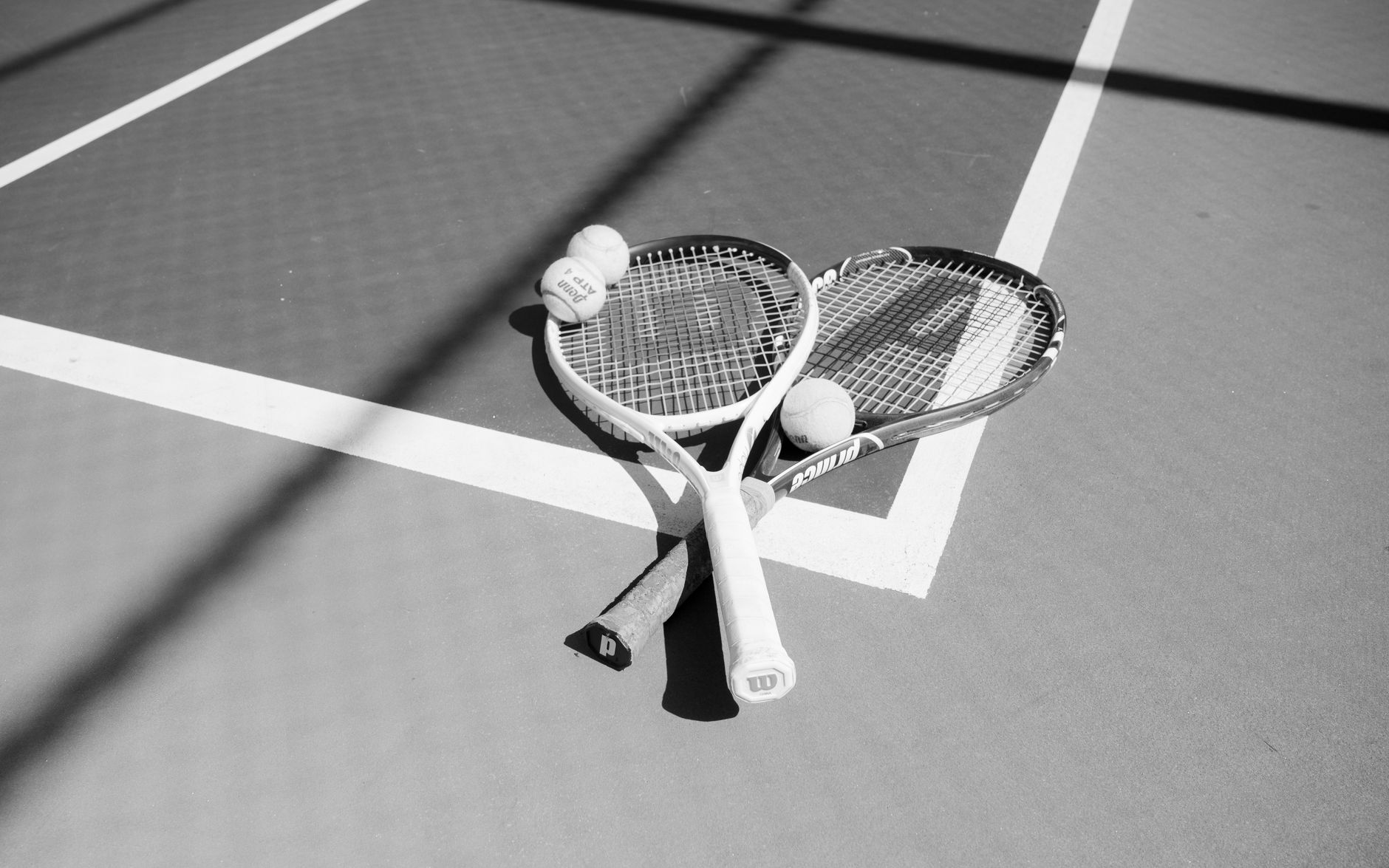
Tour professionals swing at racket head speeds most recreational players never approach. The frames endorsed by Carlos Alcaraz or Jannik Sinner are engineered for those swing speeds. A club player who picks up a Babolat Pure Aero GEN9 at 305g with a stiff beam because Alcaraz uses it will likely feel vibration through the arm within weeks, not because the racket is bad, but because it was built for a completely different physical output. The same logic applies to balls. Most club players crack open a can of pressurized championship balls for a casual hitting session when pressureless training balls would last far longer, cost less per session, and perform perfectly well for the purpose.
The ITF 2026 Technical Booklet classifies tennis balls into three distinct types based on court surface speed — a fact the majority of club players have never encountered. Matching equipment to your actual game, your actual swing, and your actual court surface is the single highest-return adjustment a developing player can make. This guide gives you the framework to do exactly that.
Understanding the Tennis Equipment Landscape in 2026
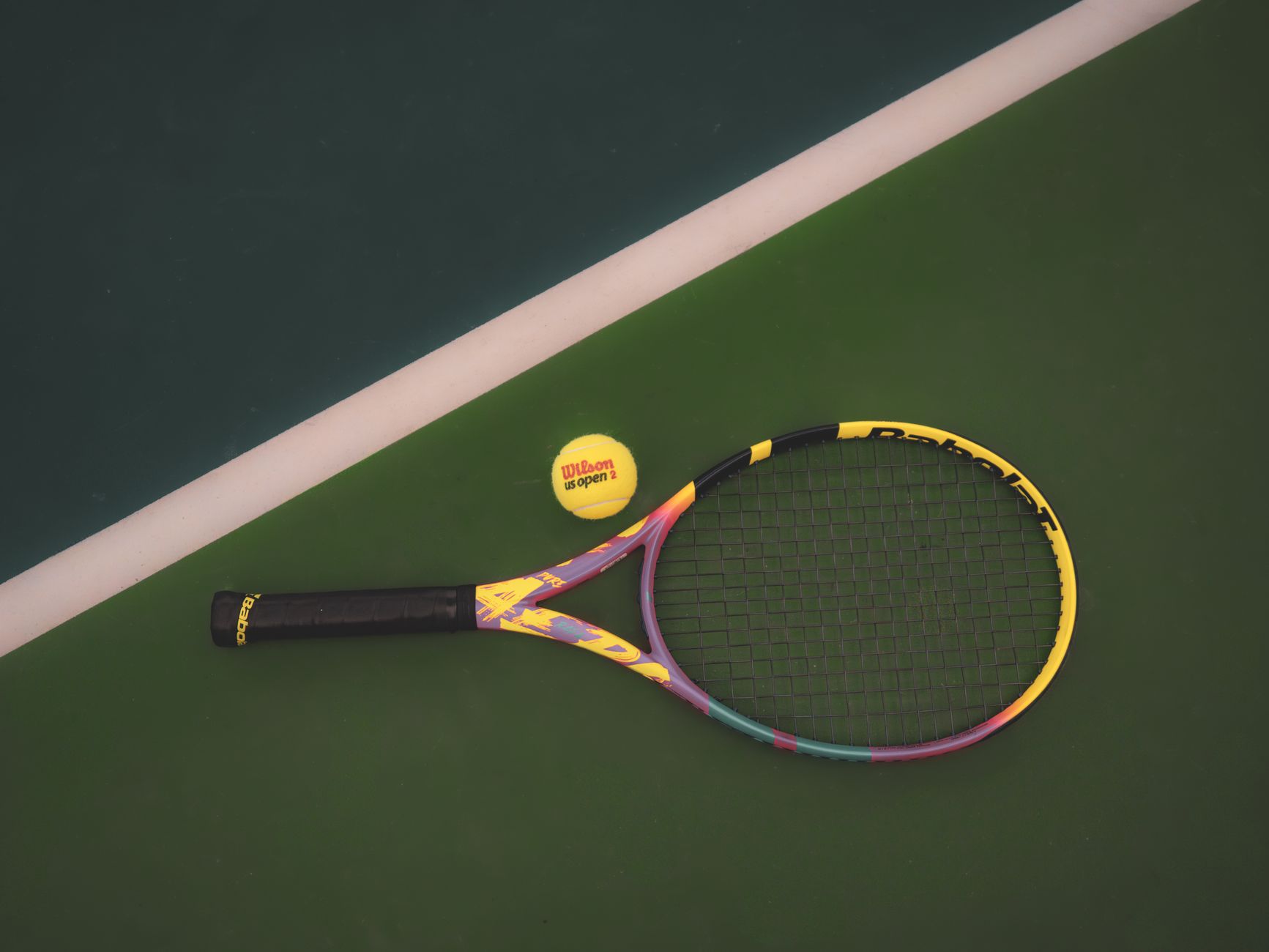
Knowing what the market looks like helps you understand why certain products dominate shelves and why some innovations are worth paying attention to. According to Research and Markets, the equipment landscape breaks into clear segments: rackets (graphite, aluminum, carbon fiber, titanium, and composite), balls (pressurized, pressureless, training, foam, and championship), strings (natural gut, synthetic gut, polyester, multifilament, and hybrid), shoes (clay, grass, hard court, all-court, and indoor), and accessories including bags, vibration dampeners, and overgrips.
Rackets remain the largest product segment, with graphite and carbon fiber frames dominating because of their strength-to-weight ratio. Tennis balls are the fastest-growing segment, driven by rising participation at recreational and junior levels globally, according to Market Research Future. The global tennis balls market alone was valued at USD 1.6 billion in 2025, growing to USD 1.7 billion in 2026, and is projected to reach USD 3 billion by 2035 at a CAGR of 6.5%, per Business Research Insights.
Geography matters too. Data Bridge Market Research identifies Germany as one of the fastest-growing markets from 2026 to 2033, driven by investment in smart balls, vibration-dampening rackets, and wearable analytics integrated into training programs. India and the broader Asia-Pacific region are also expanding rapidly. Online retail has become a primary purchasing channel alongside specialty sports stores and academies — which means more price transparency but also more opportunity to buy the wrong product without expert guidance.
How to Choose a Tennis Racket in 2026: The Framework That Actually Works
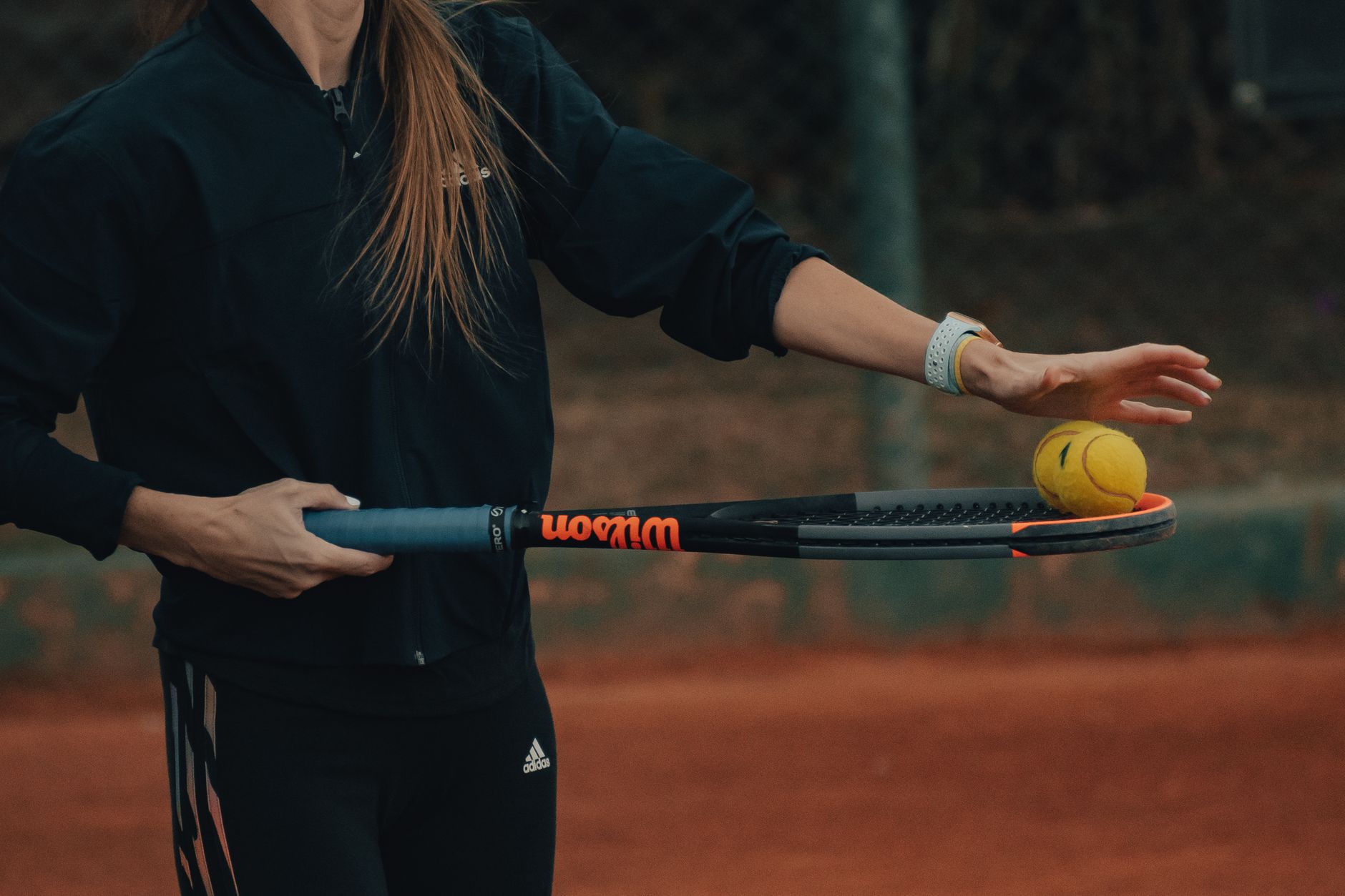
Racket selection comes down to four variables: head size, weight, balance, and stiffness. Get these right for your level and style, and almost any reputable brand will serve you well. Get them wrong, and even a premium frame will hurt your game — sometimes literally.
Head Size
Larger head sizes (100–110 square inches) provide a bigger sweet spot and more forgiveness on off-center hits, which makes them appropriate for beginners and intermediate players still developing consistency. Smaller heads (95–98 square inches) reward precise ball-striking with better directional control and a tighter string response. As SturdyRacquets explains, 98 square inches suits players with technical swings, while 100 square inches adds a higher launch angle useful for heavy topspin players.
Weight and Balance
Lighter rackets — generally under 280g — reduce fatigue and are easier to maneuver, making them well-suited to beginners and junior players. Heavier frames in the 295–315g range provide greater stability and better energy transfer on contact, which experienced players use to their advantage. Balance compounds this: head-light frames (where weight sits toward the handle) favor control and net play; head-heavy frames amplify power for baseline rallying.
Stiffness (RA Rating)
Stiffness is measured on the RA scale. Stiffer frames (RA above 65) generate more power by returning energy quickly at contact, but they also transmit more shock and vibration to the arm. Flexible frames (RA below 60) absorb more impact, feel more comfortable, and are strongly recommended for players with a history of tennis elbow or wrist problems. This is not a minor detail — it is one of the most medically relevant equipment decisions you will make.
String Pattern
Open string patterns (16×19) create more string movement at contact, which produces more spin. Dense patterns (18×20) limit string movement, delivering more control and longer string life. Most recreational players benefit from the 16×19 pattern because it generates spin with less technical precision required.
Best Tennis Rackets of 2026 by Playing Style: A Practical Comparison

The table below maps playing styles to specific rackets based on data from SportsGalaxy and SturdyRacquets. Prices are indicative and vary by region and retailer.
| Playing Style | Recommended Racket | Key Specs | Why It Works |
|---|---|---|---|
| Heavy topspin baseline | Babolat Pure Aero 2026 | 100 sq in, 16×19, 300g, 23–26mm beam | Aerodynamic frame maximizes spin generation; open pattern amplifies topspin |
| Flat power + precision | HEAD Speed MP 2026 | Hy-Bor carbon technology | Precision engineering for clean, flat ball-striking at pace |
| All-court aggressive | Babolat Pure Drive 2025 | 100 sq in, 300g | Balances power and maneuverability; the most widely used power frame globally |
| Touch and control | Wilson Blade 98 V9 | 98 sq in, 305g, flexible beam | Feedback-rich feel rewards skilled shotmakers; excellent for one-handed backhand |
| All-round advanced | Tecnifibre TFight Isoflex 300 | 98 sq in, 300g, 21.5mm beam | Pure player's frame; maximum control with a thin, flexible profile (AUD ?.95) |
| Raw power | Dunlop FX 500 2026 | 100 sq in, open pattern | All-out power; requires strong technique to manage — not beginner-appropriate |
| Arm-sensitive players | Yonex EZONE 100 2025 | 100 sq in, flexible construction | Comfort-first design reduces shock transmission; suitable for players with arm concerns |
| Beginner (first serious racket) | Babolat Boost Aero 2026 | Lightweight, larger head | Pure Aero DNA in a beginner-friendly weight; easy to swing with good feedback |
| Budget starter | HEAD MX Spark Pro | Entry-level construction | Solid quality at an accessible price point for players testing the sport |
A few honest caveats: Tennisnerd tested the Yonex VCORE 98 2026 and found it relies heavily on clean, consistent technique — players who do not hit the center of the strings regularly will experience inconsistent spin and a rigid feel. The Dunlop FX 500 2026 delivers raw power that can be difficult to manage, particularly for players who have not yet developed reliable swing mechanics. Neither racket is bad; both are simply demanding. The Reviewed.com assessment of the Wilson Clash 100 highlights its larger sweet spot as a genuine benefit for players who tend to overhit — a common problem at the intermediate level that a more forgiving frame can actively correct.
Tennis Balls in 2026: Why the Type You Use Matters More Than the Brand
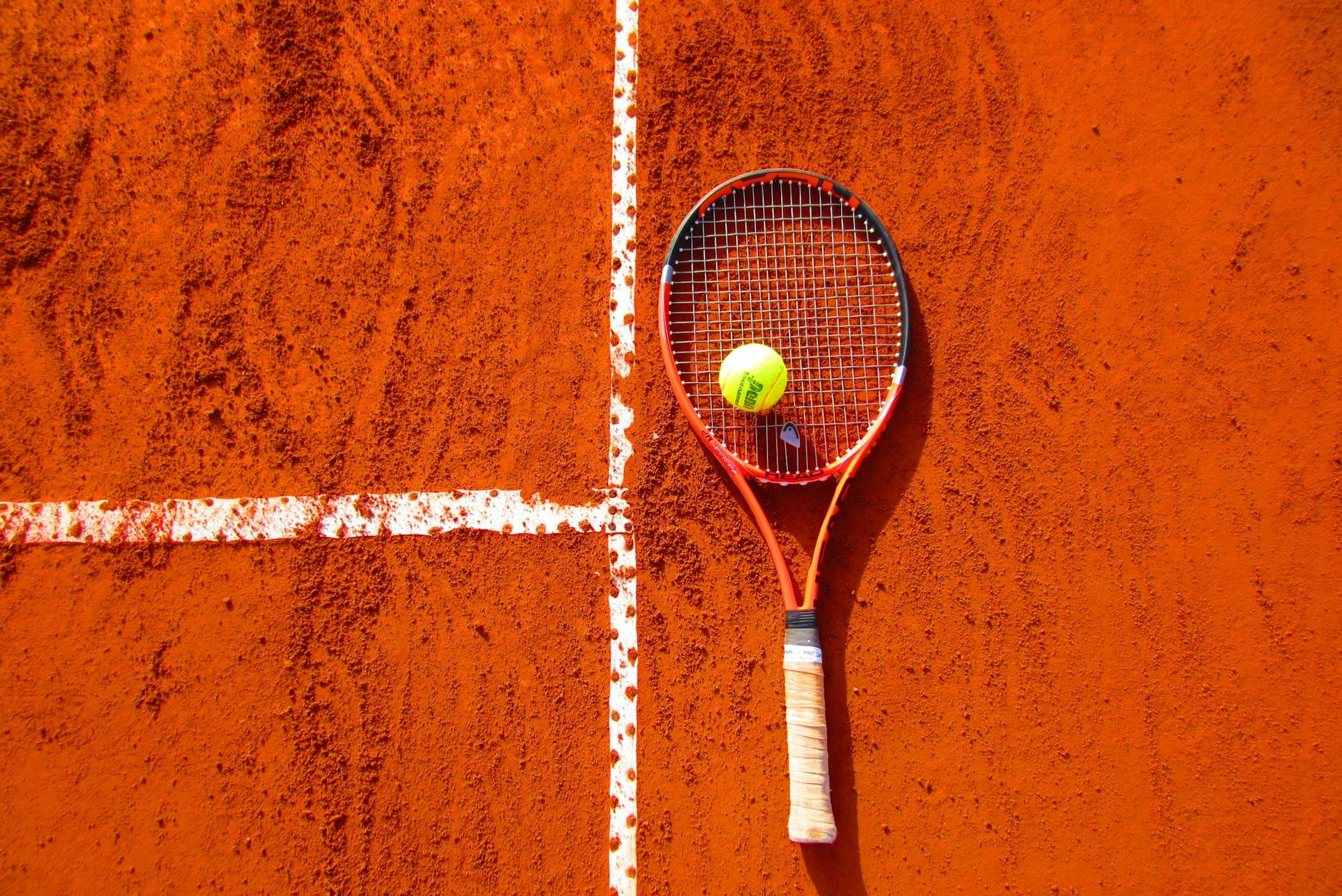
Most players pick up whichever ball can is cheapest or most recognizable. That approach works until you realize you have been playing with the wrong ball type for your court surface — and that the ITF has a formal classification system that addresses exactly this.
According to the ITF 2026 Technical Booklet, three ball types are approved under the Rules of Tennis:
- Type 1 (fast speed): Intended for slow-pace court surfaces such as clay. The faster ball compensates for the surface's natural deceleration effect, keeping the game at a playable pace.
- Type 2 (medium speed): The standard ball for medium-pace surfaces — the type used in most hard court and indoor environments worldwide.
- Type 3 (slow speed): Designed for fast-pace surfaces like grass, where the surface already accelerates the ball and a slower ball keeps rallies manageable.
The counterintuitive logic — faster ball on slower surface, slower ball on faster surface — trips up many players. If you are regularly playing on clay and using a standard Type 2 ball, you are technically using the wrong specification for that surface. At recreational level this rarely matters, but understanding the principle helps when purchasing balls for specific training environments.
Beyond ITF type, the pressurized versus pressureless distinction is the most practically important choice for everyday players. Pressurized balls contain compressed air that creates a lively, consistent bounce — they are the standard for competitive play and are what Wilson, Penn, and Dunlop produce as championship balls. The problem is that once a can is opened, the internal pressure begins equalizing with the atmosphere. Within two to four weeks of regular play, a pressurized ball has lost enough bounce to feel noticeably dead. For competitive matches, this is acceptable — you use fresh balls. For training sessions three times a week, it becomes expensive.
Pressureless balls have no internal pressure; their bounce comes entirely from the rubber shell. They are more durable and actually become slightly more responsive over time as the rubber softens. Business Research Insights notes that while pressurized balls remain preferred for competitive performance, pressureless balls are gaining ground specifically because of their durability and cost-effectiveness for training. For a player hitting four times a week, a bucket of pressureless balls will outlast a dozen cans of pressurized ones.
Foam balls and Stage 1 Green balls serve junior development. The ITF permits the Stage 1 Green ball for all levels of competitive play except world ranking professional events, Davis Cup, Billie Jean King Cup, and Olympic and Paralympic tennis events — making it a legitimate option for club-level junior competitions.
Tennis Strings in 2026: The Component Most Players Overlook
Strings are the only part of the racket that directly contacts the ball on every single shot. Changing your strings — or simply restringing at the right tension — can transform how a racket plays without spending anything on a new frame. Yet most recreational players string their rackets once and leave them for a year or more.
The five string categories identified by Research and Markets each serve a distinct purpose:
- Natural gut: The highest-performing string for feel, power, and arm comfort. Expensive and moisture-sensitive, but unmatched for players who prioritize touch and want to reduce arm strain.
- Polyester: The dominant choice among advanced and professional players. Durable, spin-friendly, and excellent for control at high swing speeds. Stiffer than other options — at high tensions, it significantly increases shock transmission and is a known contributor to arm problems in players who swing at moderate pace.
- Multifilament: Constructed from hundreds of fine fibers bonded together, mimicking the feel of natural gut at a lower price. The best choice for arm-sensitive players who want comfort without the cost of natural gut.
- Synthetic gut: The most affordable category, appropriate for beginners still developing technique. Performs adequately across all dimensions without excelling in any.
- Hybrid: Natural gut in the main strings (which contact the ball most directly) combined with polyester in the cross strings for durability. Used by many tour professionals to get the best of both materials.
String tension is equally important. Lower tension — typically 45–50 lbs — creates a larger string bed deflection at contact, which produces more power and a more comfortable feel. Higher tension — 55–60 lbs — reduces deflection, improving directional control but decreasing dwell time and increasing arm stress. Most recreational players string too tight, believing higher tension means better control, when the opposite is often more useful for their swing speed.
Tennisnerd's testing of the Dunlop FX 500 2026 with both Toroline O'Toro Octa and RPM Blast demonstrates how string choice interacts with racket character — a power-oriented frame strung with a control-focused poly can be partially tamed. Similarly, Tennisnerd recommends softer polyesters like Poly Tour Pro and Genesis New for the Yonex VCORE 98 to reduce the rigidity that stiffer strings amplify in that particular frame.
Tennis Shoes in 2026: Court Surface Is Everything

Using the wrong tennis shoes on the wrong surface is one of the most common — and most avoidable — equipment errors. It affects movement quality, increases injury risk, and in the case of clay and indoor courts, can damage the playing surface itself.
Research and Markets segments tennis footwear into five categories, each engineered for a specific surface:
- Clay court shoes: Feature a herringbone sole pattern that grips the clay surface without clogging. Designed to allow controlled sliding — a fundamental movement skill on clay that hard court shoes actively prevent.
- Hard court shoes: Built with a durable modified herringbone or multi-directional sole to withstand abrasive surfaces. Reinforced lateral support panels are standard because hard courts demand quick direction changes without the sliding that clay allows.
- Grass court shoes: Use small, flat rubber pips that grip turf without tearing it. Wearing any other shoe on grass risks both slipping and damaging the court.
- All-court shoes: A compromise sole that works acceptably on multiple surfaces but is not optimal for any single one. Appropriate for players who split time across surface types and cannot justify multiple pairs.
- Indoor court shoes: Non-marking gum rubber soles are a requirement at most indoor facilities. Standard outdoor tennis shoes leave black marks on indoor courts and are frequently prohibited.
A player who wears hard court shoes on clay will find their lateral movement restricted — the sole grips rather than slides, making it harder to recover position after wide balls. The same player wearing clay shoes on hard courts will accelerate sole wear significantly and lose the lateral support that hard courts demand. Owning surface-specific shoes is not a luxury for serious club players; it is a functional necessity that directly affects how you move and how long your shoes last.
Beyond sole type, prioritize fit and ankle support. Look for reinforced toe boxes — the front of the shoe takes repeated drag stress during serve and groundstroke follow-throughs — and lateral support panels that prevent the foot from rolling outward during direction changes.
Accessories That Actually Affect Performance

The accessories market — bags, vibration dampeners, and overgrips — is easy to dismiss as peripheral. Some of it is. But two accessories have a measurable effect on how a racket plays and how long your body holds up.
Overgrips change the grip circumference and surface texture of your handle. A grip that is too thin causes you to squeeze harder, which tightens the forearm and contributes to lateral epicondylitis (tennis elbow). A grip that is too thick reduces wrist snap on serves and volleys. Replacing an overgrip every few sessions costs very little and keeps the handle feeling fresh and tacky — a worn, slick grip is a genuine performance and injury risk.
Vibration dampeners sit in the string bed below the main strings and reduce the high-frequency vibration that travels through the frame after contact. The evidence on whether they reduce injury risk is mixed, but many players find them useful for reducing the unpleasant "ping" sound and feel of stiff polyester strings. They do not significantly change the power or spin characteristics of the string bed — their effect is primarily sensory. If you are using a stiff frame with polyester strings and experiencing arm discomfort, a dampener alone will not solve the problem; switching to a multifilament or lower-tension string is a more effective intervention.
Frequently Asked Questions
What is the best tennis racket for a beginner in 2026?
For a first serious racket, prioritize a head size between 100 and 110 square inches, a weight under 280g, and a balanced or slightly head-light frame. The Babolat Boost Aero 2026 offers the DNA of a performance frame in a beginner-appropriate weight. The HEAD MX Spark Pro is a solid entry-level option at a lower price point. Avoid tour-spec frames — they are heavier and stiffer than most beginners can use effectively.
Should I use pressurized or pressureless tennis balls for practice?
For regular training sessions — three or more times per week — pressureless balls are the more cost-effective choice. They last significantly longer than pressurized balls, which begin losing bounce within weeks of opening. Pressurized balls are the correct choice for match play and competitive practice where consistent, lively bounce is essential.
What do ITF ball types mean, and do they matter for club players?
The ITF classifies balls as Type 1 (fast speed, for slow courts like clay), Type 2 (medium speed, for most hard courts