
The Real Problem with Most Beginner Sewing Machine Advice
Here is a fact most buying guides skip: the average beginner sewist outgrows a true entry-level machine in under six months. That is not a failure of skill — it is a failure of the machine. Yet the majority of "best beginner sewing machine" articles rank options almost entirely by upfront price, leaving out the question that actually determines long-term value: will this machine still be useful when you stop being a beginner?
The cost of buying twice — a cheap starter machine, then a real machine — almost always exceeds what a slightly better first purchase would have cost. That is the structural problem this guide is designed to solve. Every recommendation here is evaluated against what we call a longevity threshold: does the machine have enough adjustability, stitch variety, and build quality to carry you from your first seam through intermediate projects like garments, quilts, and home décor?
The stakes are real. Wirecutter tested the Singer 3337 and the Janome Arctic Crystal — both marketed as entry-level options — and found that neither machine has adjustable stitch width. That means you are locked into one size of zigzag stitch forever, regardless of your project. Wirecutter described both machines as feeling like "toys that sewists would quickly grow out of." The Singer 3337 does not even include a manual thread cutter, which Wirecutter called "the ultimate corner-cutting move." These are not minor inconveniences. They are hard limitations that no amount of skill development can work around.
Contrast that with the Brother CS6000i, which House and Beyond describes as "easy enough for beginners to operate yet advanced enough to grow their skills to an advanced level." That is the kind of machine this guide prioritizes. If you are exploring the broader landscape of craft and hobby purchases alongside sewing, the Art, Crafts & Hobbies Buyer's Guide 2026 provides a useful framework for evaluating tools across multiple creative disciplines.
How to Read a Sewing Machine Spec Sheet as a Beginner
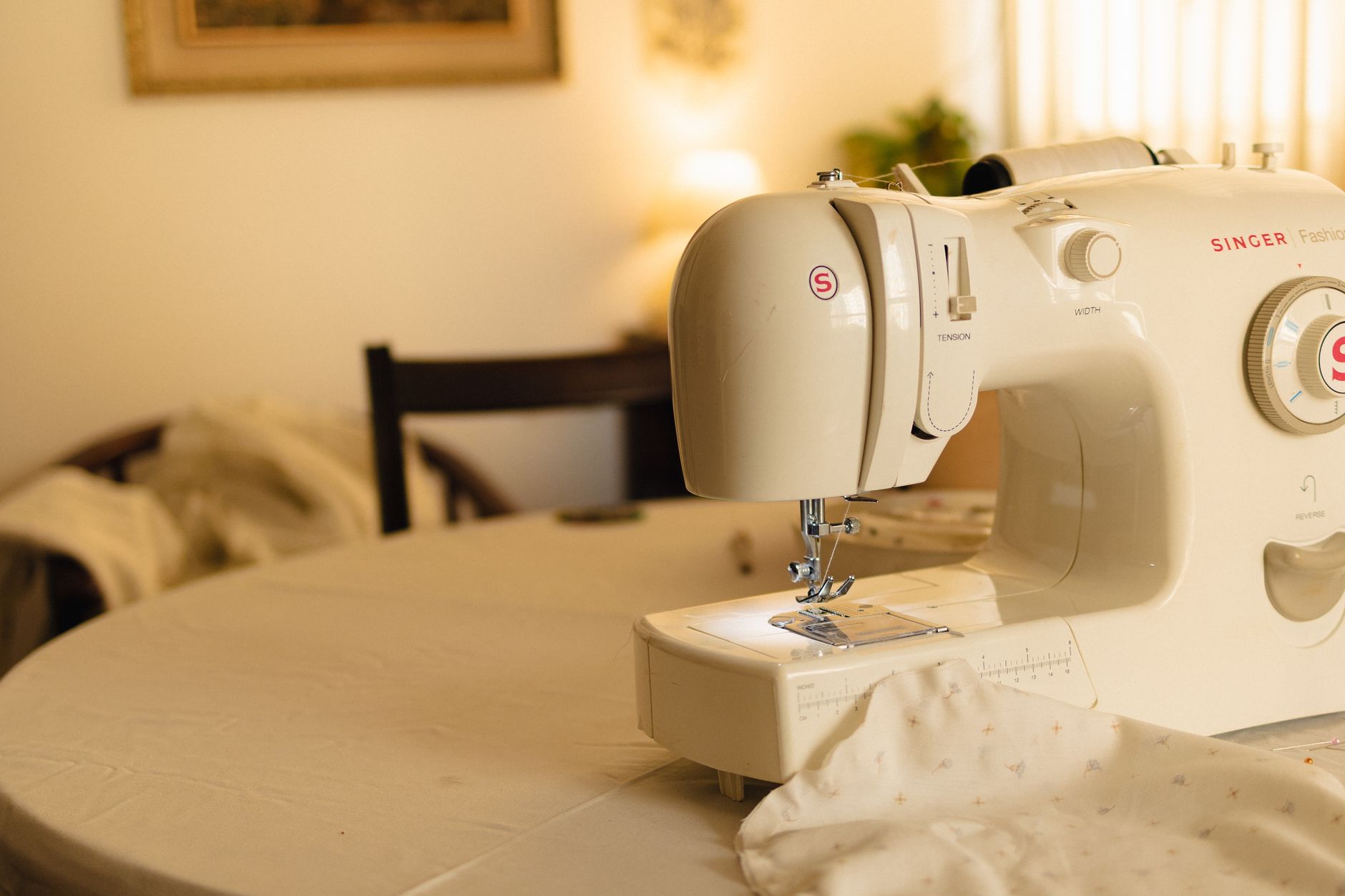
Before looking at any specific model, you need a reliable filter for separating genuine features from marketing noise. Manufacturers pad spec sheets with stitch counts and accessory lists that sound impressive but may not matter for your actual projects. Here is what actually counts.
Features That Genuinely Matter
- Stitch width and length adjustability: Non-adjustable stitch width is a hard limitation. You cannot work around it. Any machine that fixes stitch width removes creative and functional control you will eventually need.
- Built-in stitch count: More stitches is not always better. A baseline of 20 to 30 practical stitches covers the vast majority of beginner and intermediate projects. What matters is whether those stitches are adjustable, not how many are listed.
- Automatic needle threader: This is a genuine quality-of-life feature. Good Housekeeping, which has tested machines across a wide price range, notes that features like automatic needle threaders and thread cutters become things "you cannot imagine sewing without" once you have used them.
- Bobbin system: Drop-in bobbins are significantly easier for beginners than front-loading systems. They reduce setup errors and allow you to see the thread level without stopping your project.
- Free arm capability: A removable base that exposes a narrow arm is essential for sewing sleeves, cuffs, trouser hems, and children's clothing. It is not optional if you plan to sew garments.
- Machine weight: Good Housekeeping tested machines ranging from under 5 pounds to over 70 pounds. If you plan to attend sewing classes or community groups, weight is a practical constraint, not a secondary concern.
Included Accessories Worth Checking
Good Housekeeping's evaluation criteria specifically flag the following as high-value inclusions: a zipper foot, buttonhole foot, embroidery foot, removable extended work table, and a clear manual or access to video tutorials. A machine that ships with these accessories saves you real money and reduces the friction of learning new techniques. Always check what is in the box before comparing prices across models.
Warranty and Brand Support
For beginners, brand support matters more than it does for experienced sewists. When you get stuck — and you will — access to online tutorials, video demos, and responsive customer service determines whether frustration becomes a learning moment or a reason to quit. Brother and Janome both have strong tutorial ecosystems. This is a legitimate differentiator, not a soft factor.
Mechanical vs. Computerized Sewing Machines: Which Is Right for a True Beginner?
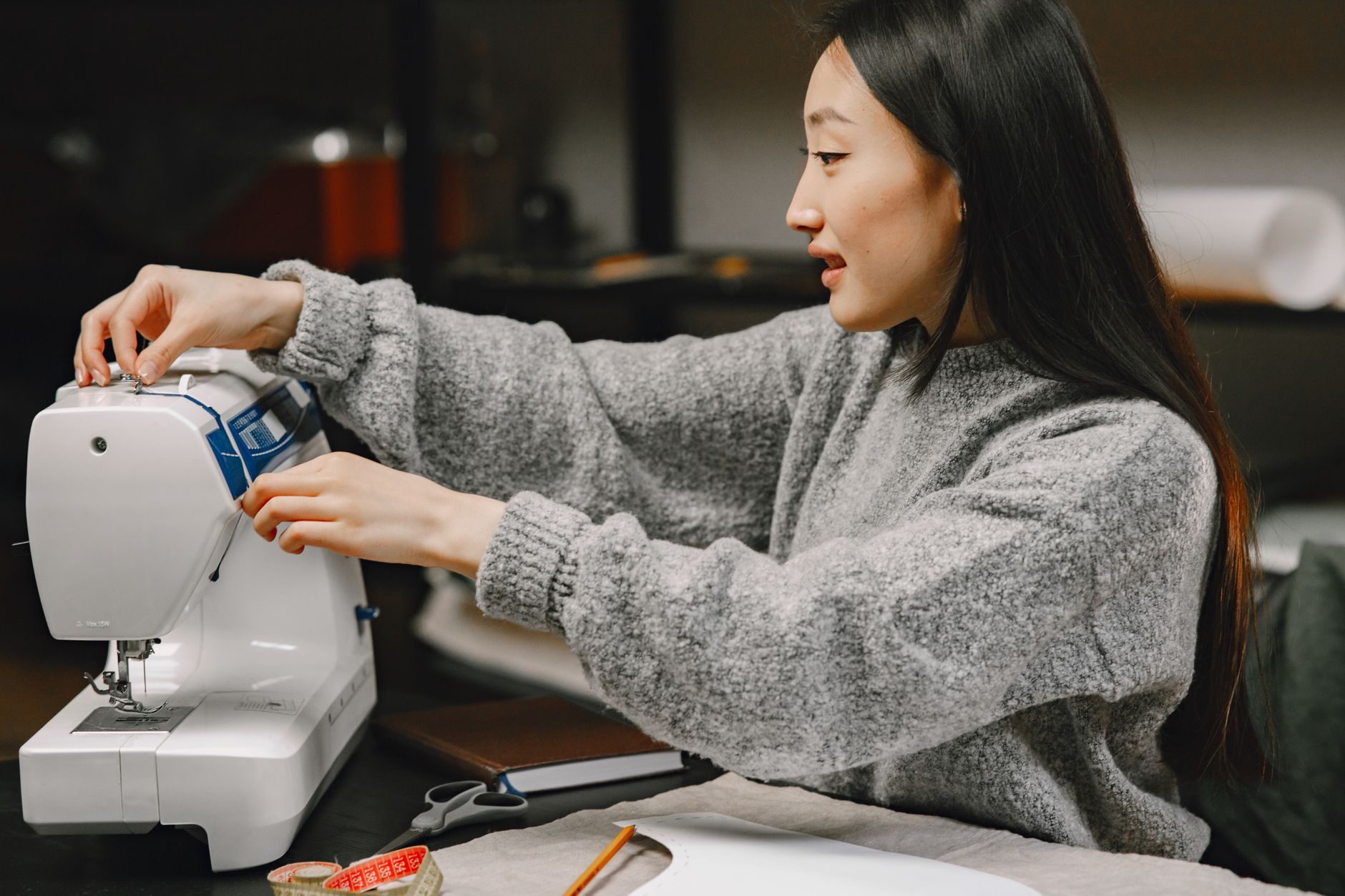
This is the question that generates the most confusion among first-time buyers, and the honest answer is: it depends on how you learn. Neither type is objectively superior for beginners — they serve different learning styles and project goals.
Mechanical machines use physical dials and levers to control stitch selection, tension, and speed. Good Housekeeping notes that mechanical machines "can be easier to learn on than computerized options" because the controls are direct and tactile — you turn a dial, something changes, and the relationship between action and result is immediate. They are also easier to troubleshoot when something goes wrong, because there is no software layer between you and the problem.
Computerized machines use LCD displays and preset stitch menus to automate many adjustments. The Brother CS6000i, for example, offers 60 pre-set stitches accessible through an LCD panel, with automatic needle threading and bobbin winding built in. For learners who are comfortable with technology, these automations reduce the number of variables you have to manage simultaneously — which can actually make the learning curve gentler, not steeper.
Good Housekeeping highlights a $35 mechanical mini-machine as a legitimate starter option for children, noting it weighs under 3 pounds and includes a finger guard. It is smaller than a copy of Good Housekeeping magazine. That machine has real value for young learners or adults who want the absolute minimum commitment before deciding if sewing is for them. But it is explicitly not designed for longevity — Good Housekeeping makes that clear. Do not buy it expecting it to last.
For adults who are serious about learning to sew, Sewing.com names the Bernette b35 as the best mechanical non-electronic pick overall in 2026. It demonstrates that choosing mechanical does not mean choosing inferior — it means choosing a different relationship with your machine. The right choice between mechanical and computerized comes down to your comfort with technology and whether you prefer direct control or guided automation.
The Best Sewing Machine for Most Beginners in 2026: Brother CS6000i
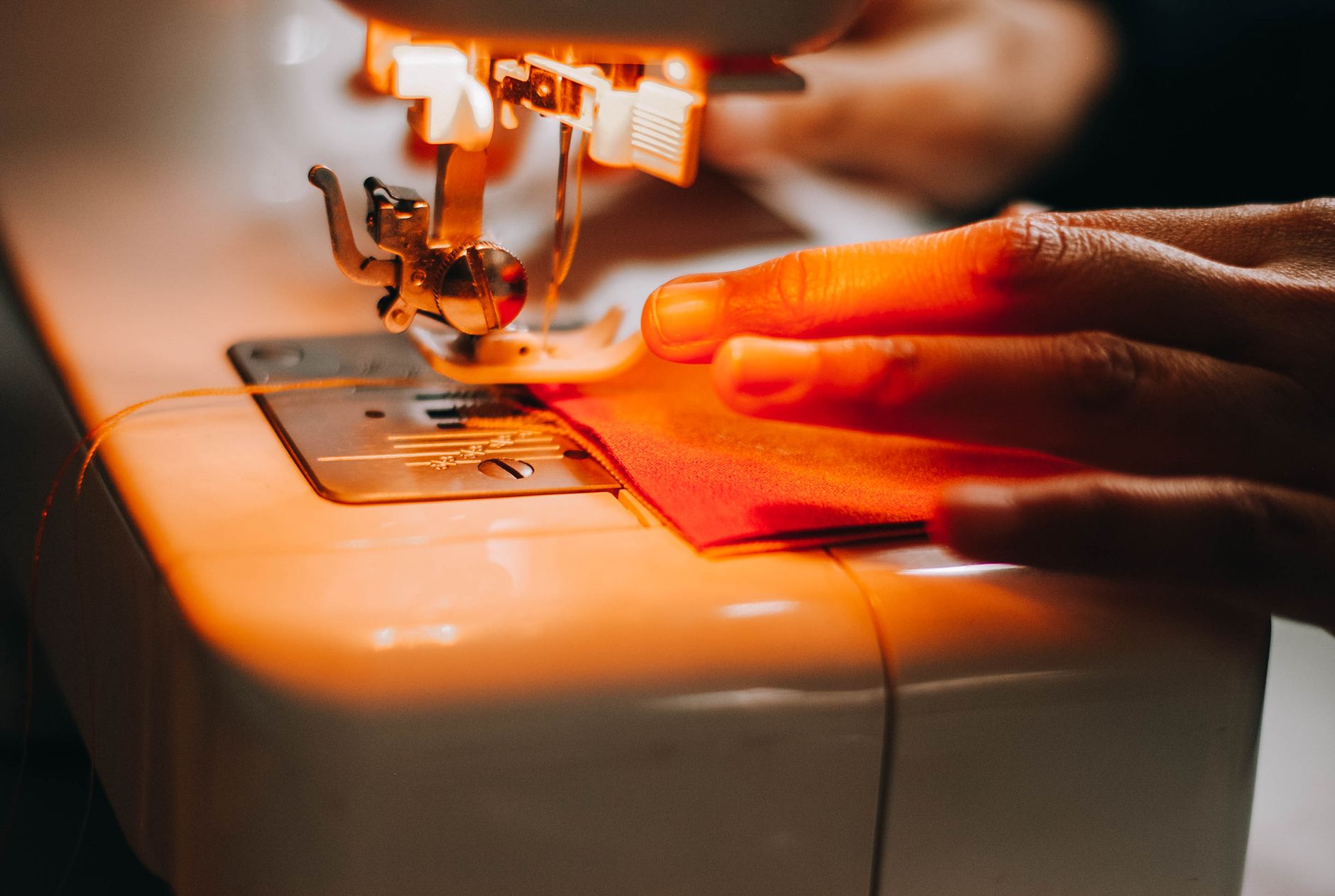
The Brother CS6000i appears at the top of multiple independent expert rankings in 2026, and the consistency of that consensus is meaningful. Sewing.com names it "Best overall." House and Beyond calls it suitable for both beginners and intermediate sewists. CGSonics includes it in their top 10 with specific praise for its versatile settings.
The feature set explains why. The CS6000i includes 60 built-in stitches, an LCD display for stitch selection, an automatic needle threader, automatic bobbin winding, adjustable speed control, and well-marked thread placement spots that reduce setup errors. It ships with extra presser feet and a removable extended work table — the kind of accessory bundle Good Housekeeping flags as genuinely valuable rather than filler.
What makes it pass the longevity threshold is the combination of adjustability and accessible design. Stitch width and length are both adjustable. Speed control lets you slow the machine down while you learn and increase pace as confidence builds. The 60 stitch options cover everything from basic straight stitching through decorative patterns, meaning you will not hit a ceiling on this machine for at least two to three years of regular use across garments, quilting projects, and home décor.
The honest limitations: if you have never touched a sewing machine before, the LCD interface and range of options can feel overwhelming in the first week. Give yourself a structured learning session with the included manual or Brother's online video tutorials before sitting down to a real project. The CS6000i is also not the right tool for high-volume heavy fabric work — thick denim, canvas, or upholstery at scale will stress it. For those use cases, a heavy-duty machine is a better fit.
Best Budget Option Under $200: Brother CS7000X
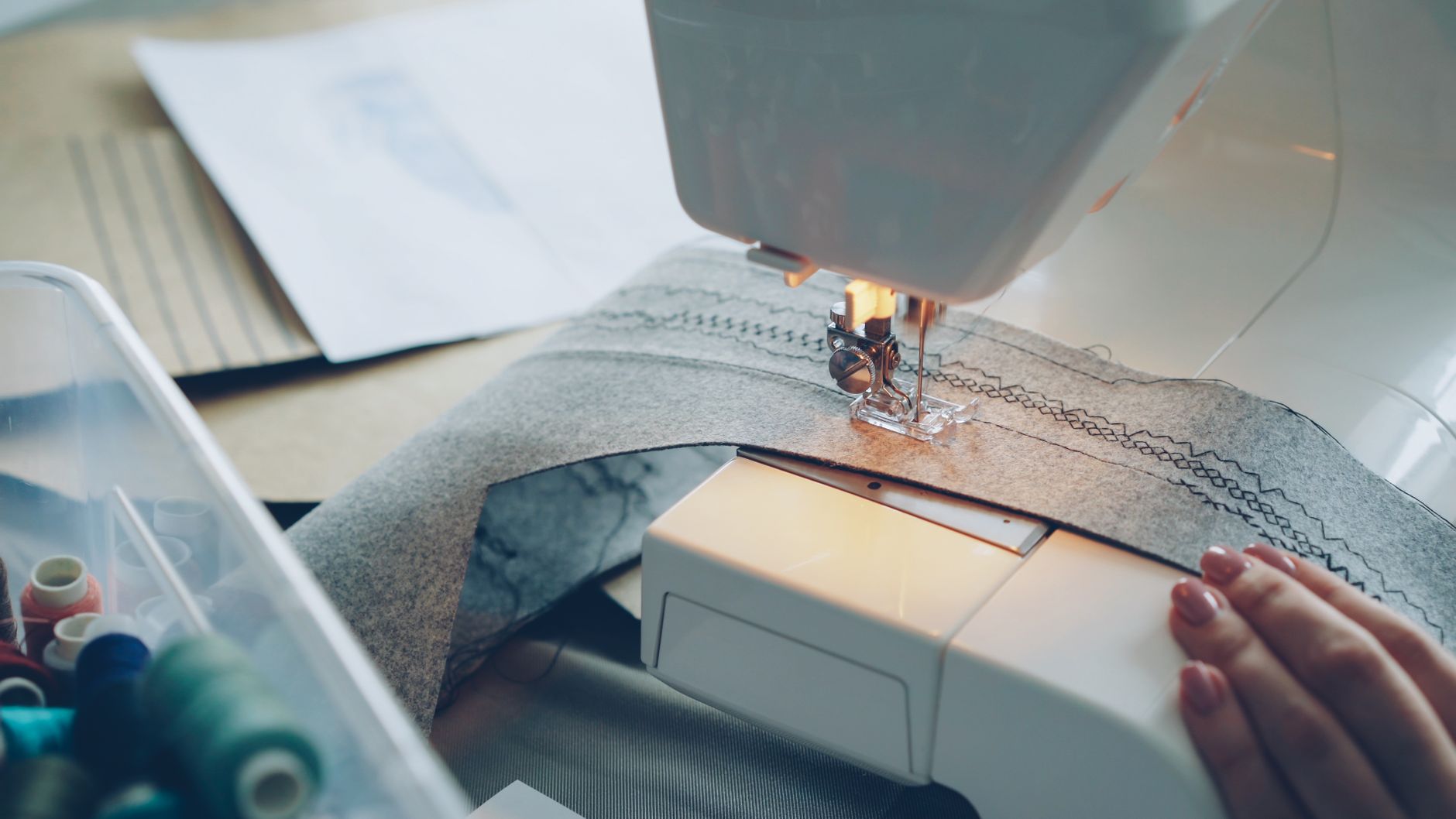
If the CS6000i is outside your current budget, the Brother CS7000X is the next honest recommendation — not a consolation prize, but a genuinely capable machine that outperforms its price point. Wirecutter tested it against machines at higher price points and concluded: "It's an incredible value. The CS7000X costs less than many of the other sewing machines we tested, but it comes with more features and delivers better all-around performance." Sewing.com designates it "Best under $200."
To understand where it sits in the lineup, consider the range. At the entry end, the Brother LX3817 is available at Walmart for under $120. Sew Joyful Teaching describes it as a simplified machine with three buttons, fully labeled, and suitable for quilting, crafting, and garments — a legitimate starter, but limited in adjustability. The CS7000X sits above that baseline and below the CS6000i, offering a meaningful step up in features without the full price jump.
The key point for budget-conscious buyers: choosing the CS7000X does not mean choosing a disposable machine. For many sewists who develop at a moderate pace and focus on a defined range of projects — basic garments, home décor, simple quilts — it may be the only machine they ever need. The risk of outgrowing it exists primarily for sewists who advance quickly or develop a serious interest in complex techniques within the first year.
Best for Beginners Who Sew Heavy Fabrics: Singer Heavy Duty 4423
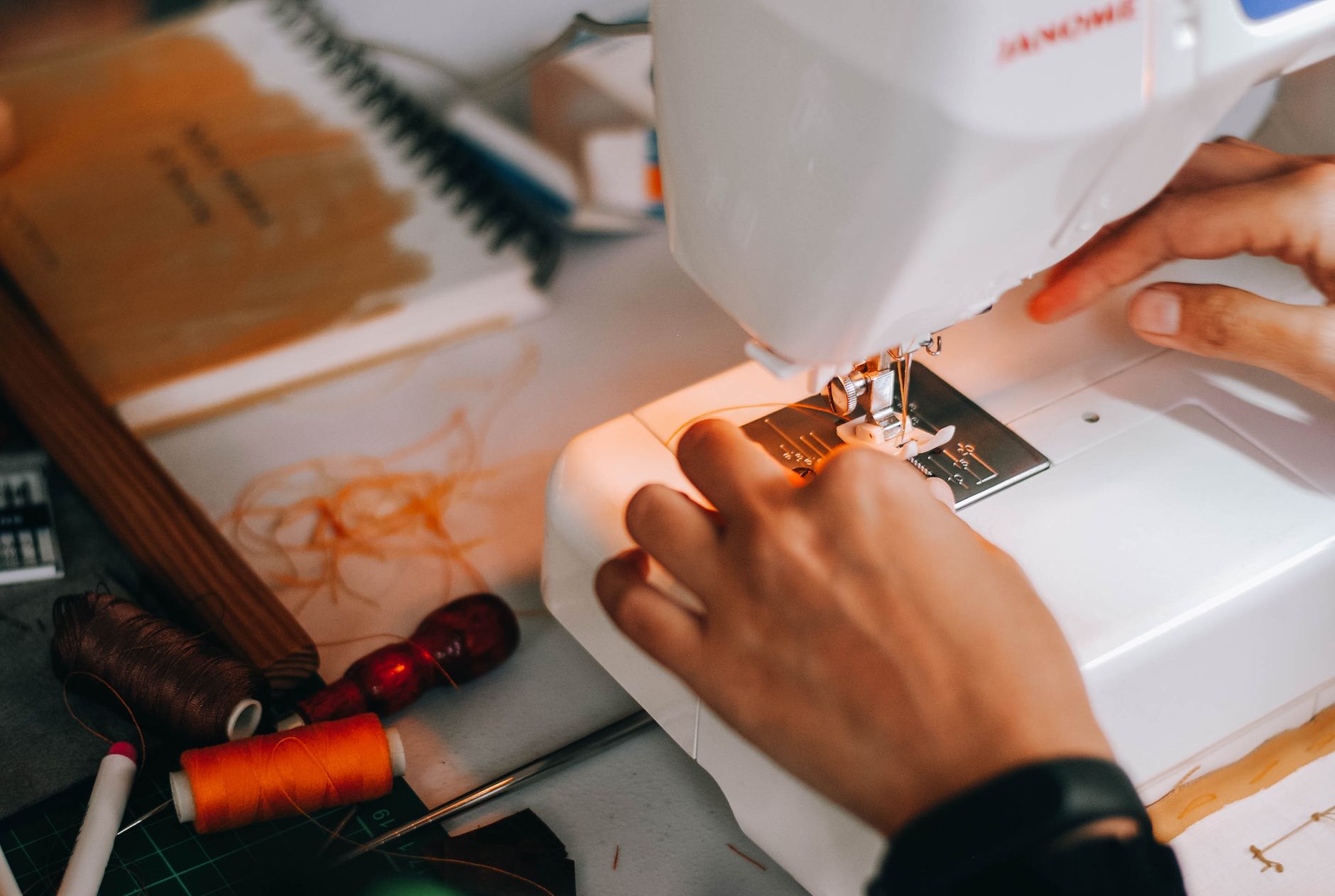
Not every beginner starts with quilting cotton and lightweight garments. If your first projects involve denim jeans, canvas bags, thick upholstery fabric, or outdoor gear, a standard beginner machine will frustrate you immediately. The Singer Heavy Duty 4423 is built for exactly this use case, and Sewing.com names it "Best for heavy fabric" in their 2026 expert-tested rankings.
Singer's heavy-duty line operates at up to 1,100 stitches per minute and is specifically engineered to handle thick, layered fabrics without skipped stitches or needle breakage. House and Beyond describes Singer as "an old, established brand in the world of sewing" with a reliable track record, noting the heavy-duty model "lives up to its name" and handles denim and thick fabric at high speed.
The honest caveat for beginners: heavy-duty machines are less forgiving when learning tension control on delicate or medium-weight fabrics. If your projects will eventually include both heavy and lightweight materials, you may find the 4423 less versatile than the CS6000i for general use. The Singer Heavy Duty 4423 is the right first machine if — and only if — heavy fabric work is your primary intention. If you are unsure what you will sew, the CS6000i's versatility is the safer starting point.
Best Portable Option for Beginners Who Sew on the Go: Janome 2212
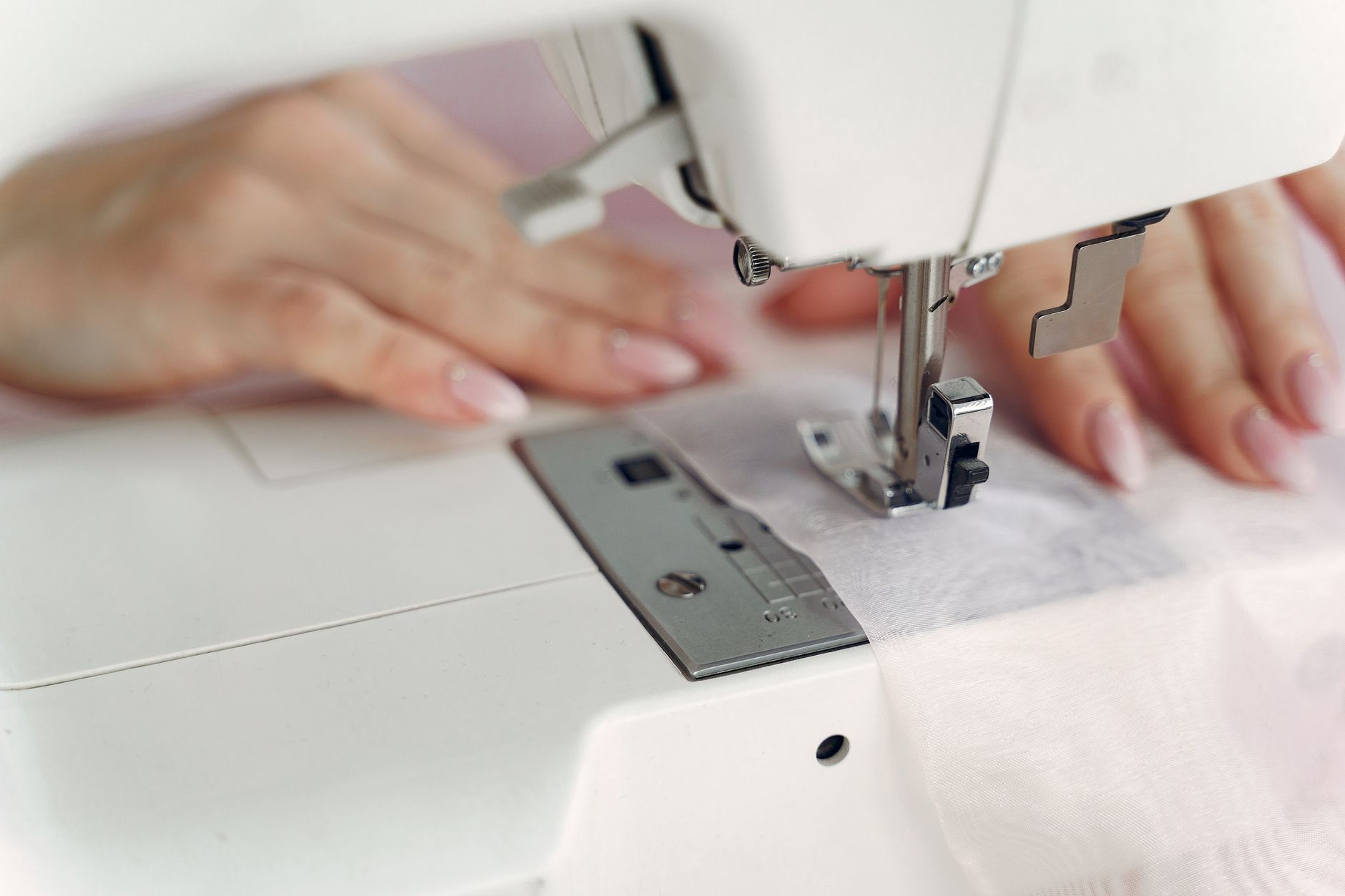
Sewing does not always happen at a dedicated desk. If you plan to attend in-person classes, join a community sewing group, or simply need to move your machine between rooms or locations, portability becomes a genuine functional requirement rather than a nice-to-have.
Sewing.com names the Janome 2212 "Best for true beginners," with portability as a central advantage. House and Beyond is specific about its use case: it is designed for "beginners who want to take their machine to their classes and sewing hobbyists who enjoy having it nearby at all times." The machine includes numerous built-in stitches and a high sewing speed for its class, enabling project completion without sacrificing too much time.
Good Housekeeping's testing found that sewing machines range from under 5 pounds to over 70 pounds — a variance that makes portability a real design consideration, not a minor spec. The Janome 2212 sits at the lighter end of the spectrum without sacrificing the core features a beginner needs.
The trade-off is real: portability at this price point typically means a smaller throat space — the distance between the needle and the machine's right edge — which limits the size of projects you can maneuver. Quilts and large home décor pieces become harder to manage. Sewing.com's broader observation about portable machines applies here: the portability premium "is not justified for sewists who sew exclusively at home." If your machine never leaves your house, a stationary model at the same price will give you more capability. But if you genuinely move your machine regularly, the Janome 2212 makes that practical without forcing you to compromise on beginner-essential features.
Best for Beginners Who Want Sewing and Embroidery Combined: Brother SE700

The Brother SE700 occupies a specific niche: it is for beginners who want to explore embroidery alongside standard sewing without purchasing two separate machines. Good Housekeeping describes it as "one of the most affordable" sewing and embroidery combo machines available, making it accessible to beginners who want to learn both disciplines without a large upfront investment.
The SE700 includes a 4x4 inch embroidery field, a full-color LCD display for previewing designs before stitching, and the embroidery loop, arm, and foot included in the box. You can see design adjustments — including thread color changes — on screen before committing to fabric, which reduces costly mistakes during the learning phase.
The limitations are worth stating plainly. A 4x4 embroidery field is smaller than what mid-range dedicated embroidery machines offer, which constrains design size. More importantly, a combined sewing and embroidery machine carries a steeper learning curve than a standard sewing machine. If you have never sewn before, starting with a machine that also manages embroidery software, hoop alignment, and design files adds complexity that can slow down your foundational skill development. The SE700 is best suited to beginners who already have some basic sewing comfort — perhaps from a class or a simpler machine — and are ready to expand into embroidery as a creative next step.
Comparison Table: Best Sewing Machines for Beginners 2026
| Model | Best For | Key Strength | Key Limitation | Approx. Price Range |
|---|---|---|---|---|
| Brother CS6000i | Most beginners | Versatile, grows with skill level | Can overwhelm absolute beginners initially | $160–$200 |
| Brother CS7000X | Budget-conscious | Great value, solid features | May be outgrown by advanced beginners | $140–$180 |
| Singer Heavy Duty 4423 | Heavy fabric work | Handles thick materials at speed | Less versatile for delicate fabrics | $180–$220 |
| Janome 2212 | Portability | Lightweight, reliable mechanics | Smaller throat space limits large projects | $150–$190 |
| Brother SE700 | Sewing + embroidery | Dual capability in one machine | Steeper learning curve | $350–$400 |