
Head-to-Head Comparison: NES Classic vs Sega Genesis Mini vs Analogue 3D vs Nintendo Switch 2
You're standing in front of a shelf — or more likely a browser tab — trying to decide between four very different takes on retro gaming. One is a tiny plug-and-play box you can set up in three minutes. Another requires original cartridges and costs significantly more. A third is a current-generation handheld that happens to include decades of Nintendo history behind a subscription paywall. The right answer depends entirely on what you actually want out of the experience.
Here's how the four most relevant systems in 2026 compare across the dimensions that matter most for a practical purchase decision:
| System | Category | Game Library | Cartridge Support | Display Output | Approx. Street Price | Best For |
|---|---|---|---|---|---|---|
| NES Classic Edition | Mini console | 30 pre-loaded games | None | HDMI | ~? (loose, secondary market) | Casual nostalgia, zero setup |
| Sega Genesis Mini | Mini console | 42 pre-loaded games | None | HDMI | Varies by retailer | Sega fans, plug-and-play |
| Analogue 3D | FPGA cartridge system | Unlimited (original N64 carts) | N64 cartridges | HDMI (4K upscaling) | Premium pricing | Collectors, authenticity-focused players |
| Nintendo Switch 2 | Modern platform with classic catalog | NES, SNES, N64, GB, GBA, Genesis (via subscription) | None (digital only) | HDMI / handheld screen | Current-gen console pricing | Versatile players, breadth over authenticity |
No single system wins across all categories. The NES Classic and Sega Genesis Mini are fixed-library devices — what's on the box is what you get, permanently. The Analogue 3D and Analogue Duo expand as far as your cartridge collection does. The Nintendo Switch 2 offers the widest catalog but ties access to an ongoing subscription. PCMag's April 2026 update added the Analogue 3D, Analogue Duo, and Nintendo Switch 2 to its best retro consoles list while removing several discontinued models — a clear signal that the market has moved toward both premium FPGA hardware and modern platforms with classic libraries.
If you're building a broader gaming setup and want context beyond retro hardware alone, the Gaming Buyer's Guide 2026: Consoles, PCs & Accessories covers the full landscape of current hardware decisions across categories.
Why Retro Gaming Is Growing, Not Shrinking, in 2026
The assumption that retro gaming is a shrinking niche kept alive by aging collectors is wrong. The numbers tell a different story. According to Icon Era's NES Classic Edition Statistics 2026, the global retro gaming console market reached ?.80 billion in 2025, up 21.8% year-over-year from ?.12 billion in 2024. The market is projected to reach ?.50 billion by 2033 at a 10% compound annual growth rate — roughly two to three times faster than the broader gaming console market's 3–5% annual growth.
North America leads regional demand, accounting for 38% of market share and generating ?.19 billion in retro gaming console revenue. Europe follows at 29% (?.90 billion), with Asia-Pacific at 23% (?.72 billion), according to the same source. These aren't marginal figures. They reflect a category that manufacturers, retailers, and collectors are all treating seriously.
Search data reinforces this. 8BitBlood's 2026 retro handheld review notes that the search term "retro gaming console" pulls over 74,000 monthly searches with year-over-year growth. That's active demand, not passive nostalgia. People are researching purchases, comparing hardware, and spending money on classic gaming experiences in 2026 at a rate that justifies the wave of new hardware releases.
The reasons are layered. Original players from the NES and Genesis era are now in their 30s, 40s, and 50s with disposable income. Younger players are discovering classic titles through streaming, YouTube retrospectives, and Nintendo's own subscription libraries. And a growing segment of players is actively rejecting the complexity of modern gaming — no downloads, no patches, no microtransactions — in favor of experiences that work the moment you press power.
The NES Classic Edition in 2026: What It Still Gets Right (and Where It Falls Short)
The NES Classic Edition is no longer in production. Nintendo discontinued it in April 2017 after selling 2.3 million units, then rereleased it in June 2018, adding another 1.3 million units for a total of approximately 3.6 million across both runs, according to Coop Board Games' NES Classic Edition Statistics 2026. The console sold 196,000 units in its first month in the United States alone — a figure that reflects how severely Nintendo underestimated demand.
In 2026, buying an NES Classic means buying on the secondary market. Icon Era's market data shows loose units trading at approximately ? (17% above original MSRP), complete-in-box units at ? (33% above MSRP), and new sealed units at ?.50 (104% above MSRP). At the collector end, VGA 90+ graded mint units fetch ? or higher, and VGA 95 Gold units have sold for ?.99 — 900% above the original retail price. That premium tells you something important: a meaningful portion of NES Classic demand is now collector-driven rather than player-driven.
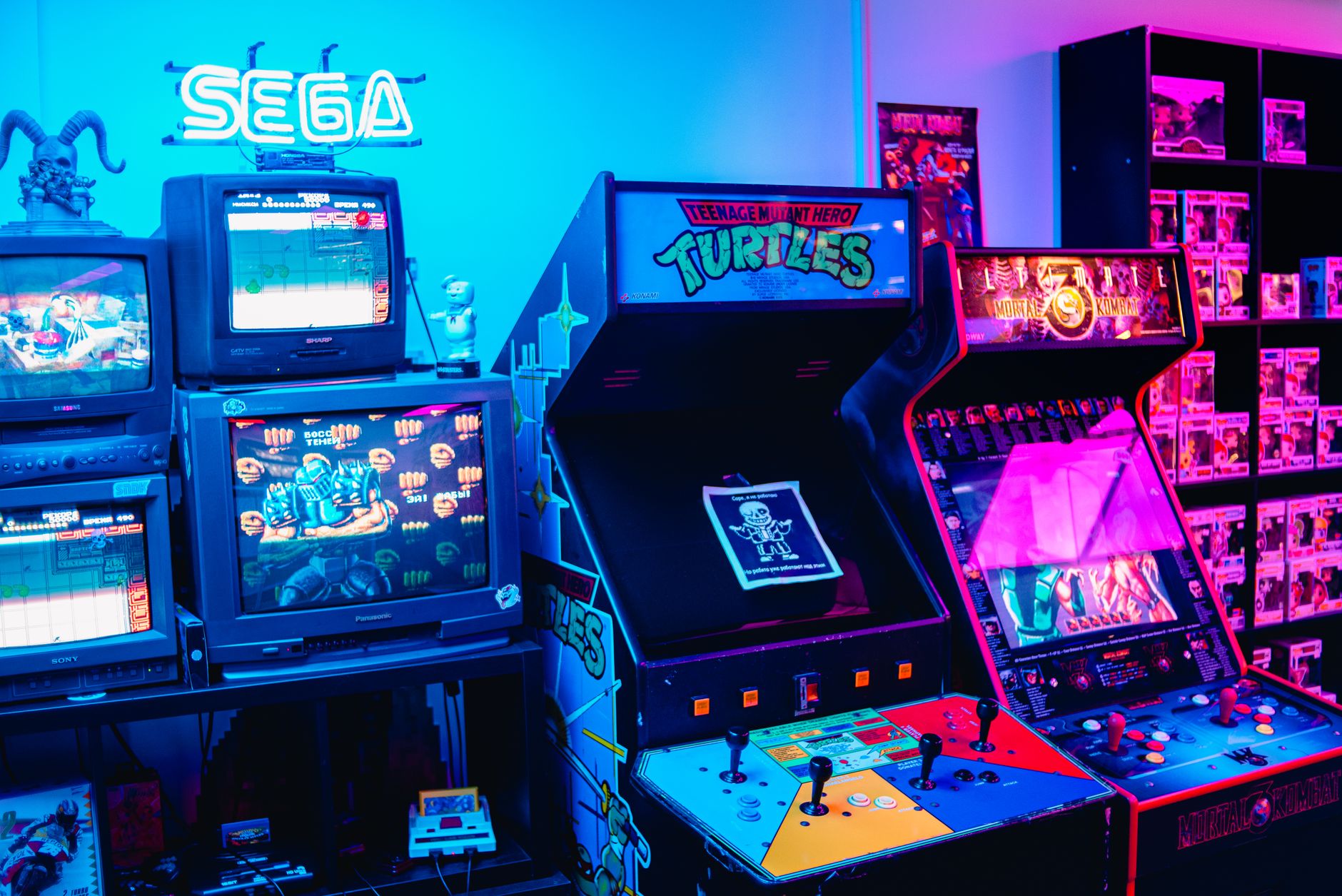
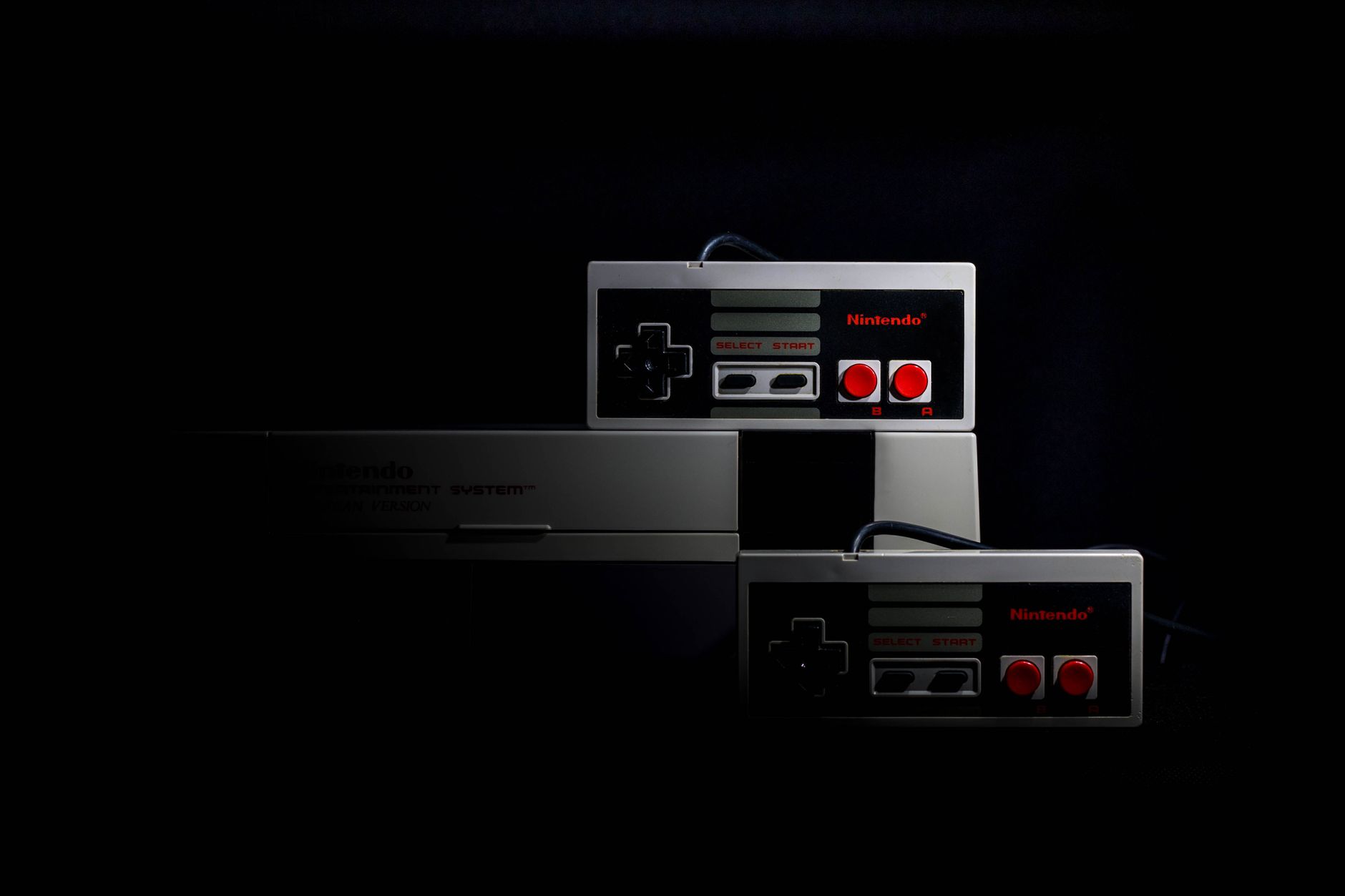
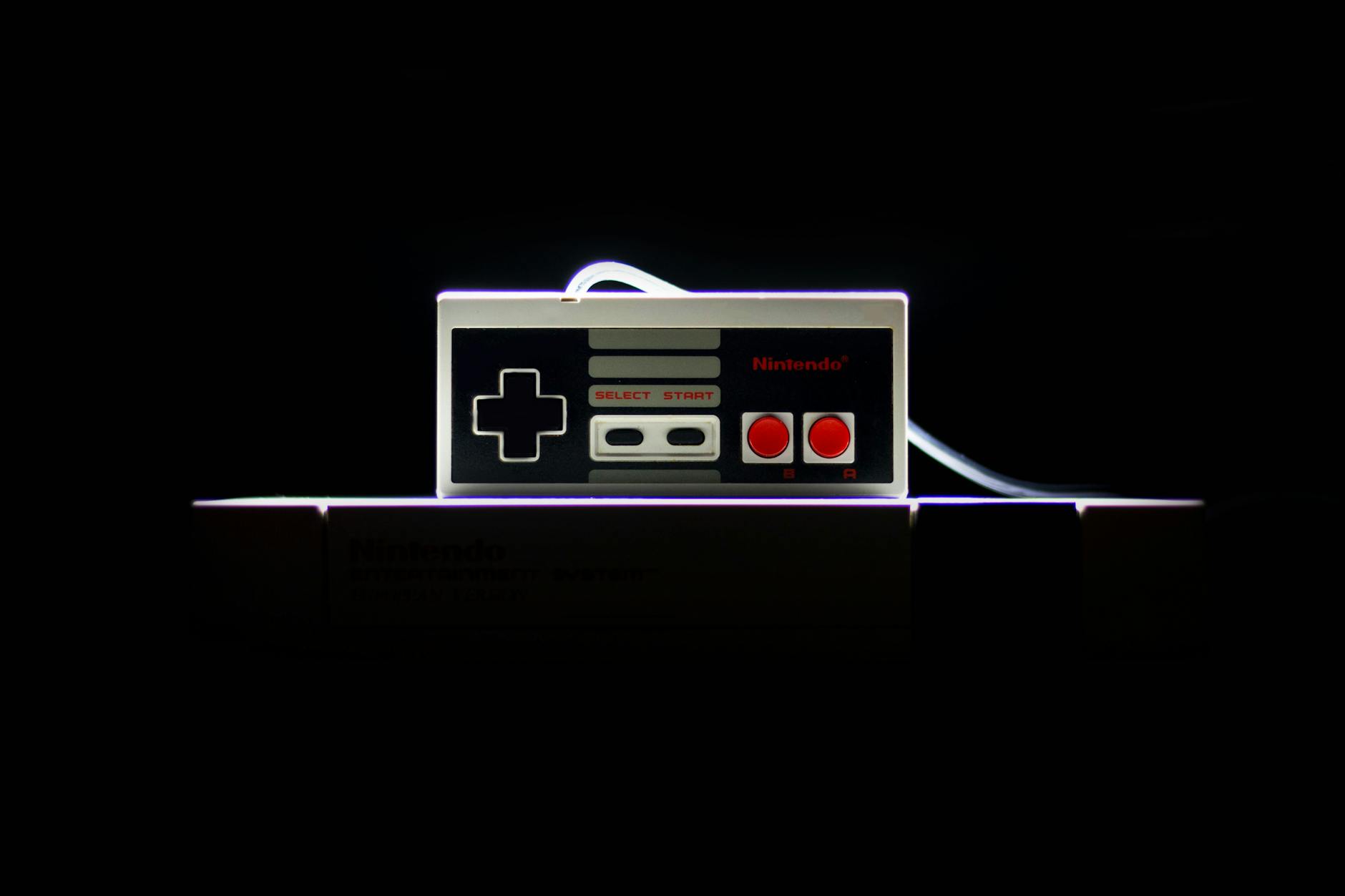
For actual gameplay, the NES Classic remains genuinely good at what it does. HDMI output means it connects cleanly to any modern television. The included controllers are accurate replicas of the originals. The 30 pre-loaded games are a well-curated selection — Super Mario Bros., The Legend of Zelda, Mega Man 2, Castlevania, Metroid — and the interface is simple enough for anyone to navigate without a manual.
The hard limit is that 30-game library. There is no cartridge slot, no way to add titles, and no path to expanding what the device can do. If you want to play NES games beyond that curated list, the NES Classic is the wrong tool. It's the right tool if you want a specific, contained nostalgic experience with zero technical friction — plug it in, pick a game, play.
Sega Genesis Mini: The Best Mini Console for Sega Fans, With Caveats

The Sega Genesis Mini occupies the same category as the NES Classic — fixed library, HDMI output, USB controllers, no cartridge slot — but targets a different nostalgia. The original Sega Genesis sold 34.06 million units in its lifetime, according to Gaming Console Statistics and Facts (2026), establishing a large base of players who grew up with Sonic, Streets of Rage, and Mortal Kombat on Sega hardware. The Sega Master System, Sega's earlier platform, sold an additional 20.84 million units — so Sega's total legacy hardware footprint is substantial.
The Genesis Mini's strongest quality is physical fidelity. It replicates the design of the original Genesis closely, and the included USB controllers are built to match the feel of the original three-button and six-button pads. For someone who spent their childhood with a Genesis controller in their hands, that tactile familiarity matters. GamesRadar's 2026 retro console roundup lists it as "Best for Sega" specifically because of how well it captures the original experience.
The limitations mirror those of the NES Classic. No cartridge slot means no access to the broader Genesis library. The pre-loaded game selection is good — it includes titles like Sonic the Hedgehog 2, Castlevania: Bloodlines, and Contra: Hard Corps — but if you want to play a Genesis title not on the list, you need a different device. The Analogue Mega Sg, which accepts original Genesis cartridges via FPGA hardware, is the natural upgrade for players who want to go deeper into the Sega catalog.
The Genesis Mini is the right choice if you want a self-contained Sega experience with no setup complexity and no need to source original cartridges. It's the wrong choice if you have a Genesis cartridge collection you want to play on modern hardware.
Analogue 3D and Analogue Duo: The Case for FPGA-Based Retro Gaming
FPGA stands for Field-Programmable Gate Array. In plain terms, it's a chip that can be configured to replicate the behavior of another chip at a hardware level. When Analogue builds an FPGA-based console, it's not running software that imitates a Nintendo 64 — it's reconfiguring hardware to behave like the original N64 silicon. The practical result is more accurate audio, more precise timing, and fewer of the visual or audio glitches that software emulation sometimes introduces.
The Analogue 3D is the most prominent FPGA story of 2026. Retrolize describes it as "one of the year's most visible FPGA stories," designed to play original N64 cartridges with modern HDMI output and 4K upscaling. A firmware update has since added save states — a feature the original N64 hardware never had — which illustrates how FPGA systems can improve on original hardware while still using original cartridges. PCMag added the Analogue 3D to its best retro consoles list in its April 13, 2026 update alongside the Analogue Duo.
The Analogue Duo targets a more niche audience: PC Engine and TurboGrafx-16 owners. The PC Engine had a devoted following in Japan and among North American enthusiasts, but it never reached mainstream scale. If you have a TurboGrafx-16 cartridge collection, the Duo is one of the few modern options that handles it properly. If you don't, the Duo isn't your entry point into retro gaming.
Both Analogue systems carry significant price premiums over mini consoles, and both require original cartridges to function as intended. That makes them the right choice for serious collectors and players who prioritize hardware authenticity — and the wrong choice for casual players or anyone without an existing cartridge library. The Nintendo 64 sold 32.93 million units in its lifetime, per Gaming Console Statistics and Facts (2026), so the potential audience for the Analogue 3D is real — but it's a subset of that audience willing to invest in premium hardware.
Nintendo Switch 2: The Best Single Device for Playing Classic Nintendo Games in 2026
If you want the broadest possible access to classic Nintendo titles without managing multiple devices, the Switch 2 is the practical answer. With a Nintendo Switch Online + Expansion Pass subscription, you get access to NES, SNES, Nintendo 64, Game Boy, Game Boy Advance, and Sega Genesis libraries in one device. PCMag explicitly calls the Switch 2 "easily the best platform for playing classic Nintendo games" in its April 2026 assessment.
The scale of what that subscription covers is significant. The NES sold 61.91 million units in its original run. The SNES sold 49.1 million units. The Game Boy Advance reached 81.51 million units, and the Nintendo 3DS 75.94 million — all according to Gaming Console Statistics and Facts (2026). The Switch 2's classic library draws from hardware that collectively reached hundreds of millions of players. That's a lot of nostalgia accessible through a single subscription.
The trade-off is structural. Access to classic titles on the Switch 2 is subscription-dependent. If the subscription lapses, the games disappear. There's no cartridge slot for original retro media — everything is digital. And the experience, while convenient, doesn't replicate the hardware authenticity that FPGA systems provide. You're playing software emulation on modern hardware, which is excellent for most players but not what a purist wants.
The Switch 2 is the right choice for players who want convenience, breadth, and a single device that handles both modern and classic gaming. It's not the right choice for collectors who want to play original cartridges or players who prioritize signal-accurate hardware emulation.
Beyond the Big Names: Evercade, Hyperkin RetroN, and Multi-System Alternatives

Not every retro gaming buyer fits neatly into the categories above. For players who want physical media without Analogue's price point, or multi-system support without the Switch 2's subscription model, there are credible alternatives.
The Evercade VS-R uses its own cartridge format — licensed compilations of classic titles from publishers including Atari, Namco, and Data East. You buy a physical cartridge, you own the games on it, and you can play them without an internet connection or subscription. The library is curated and officially licensed, which matters for players who want legal access to classic titles in physical form.
Hyperkin's RetroN series takes a different approach: multi-system cartridge compatibility. The RetroN 5, for example, accepts NES, SNES, Famicom, Super Famicom, and Game Boy cartridges in a single device. As Mezha notes in its 2026 retro console overview, systems like the RetroN series allow players to experience original cartridge-based gaming without sourcing original hardware. The trade-off is that Hyperkin uses software emulation rather than FPGA hardware, so accuracy is lower than Analogue systems — but the price point is considerably more accessible.
For handheld retro gaming specifically, dedicated devices like the Analogue Pocket (for Game Boy cartridges) and newer FPGA handhelds have carved out a distinct market. 8BitBlood's 2026 handheld roundup highlights the Chromatic as a standout for Game Boy-era players who want the definitive version of that specific experience. These devices don't try to cover everything — they try to do one era extremely well.
Frequently Asked Questions
Is the NES Classic Edition still worth buying in 2026?
For casual players who want a specific, curated NES experience with zero setup complexity, yes — but only if you find a loose unit at or near the ? secondary market price. Paying ? or more for a sealed unit makes sense only if you're buying it as a collectible. As a gaming device, the 30-game library is its ceiling, and the Switch 2's Nintendo Switch Online service covers those same titles and hundreds more for a subscription fee.
What is FPGA and why does it matter for retro gaming?
FPGA hardware replicates the original console's chip behavior at a hardware level rather than through software interpretation. For retro gaming, this means more accurate audio, more precise video timing, and fewer compatibility issues with original cartridges. Analogue's systems use FPGA technology, which is why they cost more than mini consoles but produce results that software emulation on the Switch 2 or RetroN systems cannot fully match.
Can I play original cartridges on any of these systems?
The Analogue 3D plays original N64 cartridges. The Analogue Duo plays PC Engine and TurboGrafx-16 cartridges. Hyperkin's RetroN series accepts multiple cartridge formats. The NES Classic, Sega Genesis Mini, and Nintendo Switch 2 do not accept any original cartridges — their libraries are fixed (mini consoles) or digital-only (Switch 2).
Which system has the best value for someone new to retro gaming?
The Nintendo Switch 2 with a Nintendo Switch Online + Expansion Pass subscription offers the broadest access to classic titles at the lowest per-game cost, assuming you're buying the Switch 2 for modern gaming anyway. If you only want retro gaming and nothing else, a Sega Genesis Mini or NES Classic (at secondary market prices) is a lower upfront investment for a contained, specific experience.
Are retro gaming consoles a good investment in 2026?
Sealed and graded units of discontinued mini consoles have appreciated significantly — VGA 95 Gold NES Classic units have sold for ?.99 against an original MSRP of ?, according to Icon Era. But buying retro hardware as a financial investment is speculative. The market data from Icon Era shows strong growth in the retro gaming category overall, but individual product appreciation depends heavily on condition, grading, and collector demand at the time of sale.
Final Recommendation: A Decision Framework
The question isn't which retro console is best in the abstract — it's which one fits your specific situation. Here's a direct framework:
- You want plug-and-play simplicity with a specific library: NES Classic Edition (Nintendo games) or Sega Genesis Mini (Sega games). Buy on the secondary market, expect to pay above original MSRP, and accept the fixed library as a feature rather than a flaw.
- You want to play original cartridges on a modern TV with hardware accuracy: Analogue 3D for N64, Analogue Mega Sg for Genesis, Analogue Pocket for Game Boy. Budget for the premium price and source your cartridges separately.
- You want the broadest classic library in one device without managing cartridges: Nintendo Switch 2 with Nintendo Switch Online + Expansion Pass. Accept the subscription dependency and the absence of cartridge support.
- You want multi-system cartridge support at a mid-range price: Hyperkin RetroN 5 or Evercade VS-R. Expect software emulation rather than FPGA accuracy, but gain significant flexibility.
- You want a dedicated handheld retro experience: Analogue Pocket for Game Boy-era games, or one of the FPGA handhelds covered in dedicated handheld roundups.
The retro gaming market in 2026 is genuinely well-served across price points and use cases. The mistake most buyers make is choosing based on brand recognition rather than use case fit. A ? NES Classic is an excellent purchase for the right player and a frustrating one for someone who wants to explore beyond its 30 games. An Analogue 3D is worth every dollar for a serious N64 collector and completely unnecessary for someone who just wants to replay Super Mario 64 occasionally. Match the hardware to how you actually play, and you'll get it right.