This guide is based on manufacturer specifications, publicly available market research, independent buyer reviews, and published runway data. It does not reflect hands-on testing by Trusted Buyer Report. This article was drafted with AI assistance and fact-checked by our editorial team before publishing. We may earn a commission when you use our links to make a purchase.
You find a dress you love online. The homepage shows models of various sizes. The copy says "inclusive sizing." The style is exactly what you want — so you click through to your size, 3XL, and find three colorways out of stock, one style available, and a note that extended sizes ship from a separate warehouse with longer delivery times.
That's the most common plus-size shopping experience in 2026. This guide is designed to close that gap.
Below, we compare eight of the most widely discussed plus-size and size-inclusive brands on four criteria that actually matter: size range breadth, fit consistency, style currency, and price accessibility. We also pull in 2026 runway data to show where brand promises diverge from actual design investment — because that gap shows up directly in how clothes fit.
Quick takeaways:
- Universal Standard (4XS–4XL) and Lane Bryant (10–40) offer the widest, most consistent size ranges among mainstream brands
- Runway representation for plus-size bodies fell in 2026 across New York, Milan, and Paris — a signal that fit-first design remains rare at the high-fashion level
- The average US woman now wears a size 16–18, making "extended sizing" statistically the norm, not a niche add-on
- For sustainable plus-size options, Universal Standard and Reprise Activewear (XS–6XL) lead the field
Head-to-Head: How 8 Top Plus-Size Brands Compare in 2026
These aren't rankings — they're reference points so you can match a brand to your specific situation before you browse.
| Brand | Size Range | Price Tier | Fit Consistency | Full Range Online? |
|---|---|---|---|---|
| Universal Standard | 4XS–4XL | Mid–High | High across categories | Yes |
| Lane Bryant | 10–40 | Mid | High, especially intimates | Yes, plus stores |
| Eloquii | 10–26 | Mid | High for occasion/workwear | Yes |
| ASOS Curve | 16–30 (UK) | Low–Mid | Variable by product | Yes |
| Torrid | 10–30 | Low–Mid | Moderate | Yes, plus stores |
| City Chic | 16–24 | Mid | Moderate to high | Yes |
| H&M Plus | XL–4XL | Low | Moderate | Yes, limited in stores |
| Reformation | XS–4X | High | Moderate, improving | Yes |
How this guide was researched: Size ranges and fit assessments above are drawn from brand websites, the IBISWorld Plus-Size Women's Clothing Stores Industry Analysis 2026, the Vogue Business Fall/Winter 2026 Size Inclusivity Report, Style Arcade's plus-size market report, and aggregated buyer feedback from The Roundup and Grace Hamlin's plus-size destination guides.
Universal Standard's 4XS–4XL range consistently sets the current benchmark for breadth across categories. Lane Bryant's 10–40 range is the widest upper-end range among specialist retailers. ASOS Curve holds approximately 14% of the UK plus-size e-commerce market by volume. Eloquii's 10–26 range, while narrower, is consistently executed across workwear, matching sets, and occasion dresses. If you're shopping across multiple categories and need predictable fit across all of them, Universal Standard and Lane Bryant are the most reliable starting points.
The Inclusivity Gap: What 2026 Runway Data Reveals
Runway representation isn't just an aesthetic metric. A brand that develops looks for plus-size bodies on the runway is more likely to have engineered those garments for plus-size fit — rather than simply scaling up a straight-size sample. The 2026 data tells a stark story.
According to the Vogue Business Fall/Winter 2026 Size Inclusivity Report:
- New York: 97.7% of runway looks were straight-size; plus-size looks accounted for just 0.4%, down from 1% the prior season
- Milan: Plus-size looks made up 0.1% of all looks shown
- Paris: The most exclusionary of the three — 99.5% straight-size; only 9 of 65 brands included any plus or mid-size representation; plus-size looks dropped to 0.1%, down from 0.6% the prior season
Among the Vogue Business top 10 brands by runway impact, only Christian Siriano and Kim Shui included any plus-size representation at all. Siriano has maintained this commitment for years; Kim Shui's inclusion marks a newer shift.
On the emerging side, British Vogue highlights Karoline Vitto and Sinéad O'Dwyer as designers actively building collections that center curves rather than accommodate them as an afterthought. Models Precious Lee, Paloma Elsesser, and Jill Kortleve continue to appear at major fashion houses — providing visibility even where structural progress in runway data remains limited.
The practical takeaway: When a brand uses inclusive imagery in its marketing but shows no runway investment, the size range it offers is likely an afterthought in its product development. That typically shows up in how clothes fit at 2XL and above.
If broader fashion investment and runway representation matter to you as a shopper, it's also worth considering sustainable and eco-friendly fashion brands — many of which have made size inclusivity a core pillar rather than a marketing add-on.
Which Brands Actually Stock Your Size — A Reality Check
Advertising a size range and consistently stocking it are two different things. The most common pattern in 2026: a brand lists sizes up to 3XL or 4XL on its homepage but stocks fewer than a third of its styles in those sizes, and sells out above 2XL within days of a new drop. That's a token gesture — not inclusivity.
Here's a useful benchmark: Style Arcade's market report notes that the average US woman's size is currently between 16–18 (XL–XXL), up from a size 14 a decade ago. That means "extended sizing" is statistically the norm. Any brand treating sizes above 2XL as a niche add-on is misreading its own market.
Brands that get this right:
- Universal Standard applies the same design standards across its entire 4XS–4XL range rather than creating a separate "plus" capsule. Its sizing model is frequently cited as the benchmark for genuine cross-category availability.
- Reprise Activewear extends from XS to 6XL in activewear — one of the widest ranges in that niche. Worth bookmarking if performance wear is your focus.
- Lane Bryant's 10–40 range is maintained across its core categories. Its Cacique intimates line is specifically engineered for fit and support at larger sizes, not just extended in pattern.
One instructive counterexample: Pact, a well-regarded sustainable basics brand, earns praise for its organic cotton quality — but its plus-size range is sometimes limited, particularly at 2XL and 3XL. This pattern is common among sustainability-focused labels: the ethical credentials are real, but the size range hasn't kept pace. (More on this trade-off in the sustainability section below.)
One pleasant surprise: Boden offers pieces up to size 20/22 — a fact that isn't prominently marketed. Shoppers who assume it's a straight-size brand miss out on its colorful seasonal collections. Always check the filter options on a brand's website before assuming.
Practical rule: Before browsing any brand, filter its site by your size. Count what percentage of the total catalog appears. If fewer than 40% of styles show up, the brand's size range is narrower in practice than its homepage suggests — regardless of what its marketing copy says.
Fit Over Fashion: Which Brands Design for Larger Bodies (Not Just Size Them Up)

There's a real difference between a garment that comes in a size 3XL and one that was designed for a size 3XL body.
Graded sizing — the industry practice of proportionally scaling a straight-size pattern up — produces clothes that fit differently at the shoulders, bust, and hips than purpose-built plus-size patterns. The seams land in the wrong places. The proportions don't account for actual weight distribution on a larger body. You can usually tell within the first five minutes of wearing a graded garment.
Lane Bryant's Cacique intimates line is a frequently cited example of fit-first design. The brand specifically focuses on support for larger busts and figures, with physical stores offering personalized fitting alongside its e-commerce presence. That's a different philosophy than simply extending a bra size range.
Universal Standard's fit guarantee — which allows customers to exchange items if their size changes — reflects a brand that has thought carefully about the relationship between fit and customer retention. It's a design commitment, not a marketing claim.
Eloquii's reputation rests on quality fabrics and silhouettes that flatter rather than simply cover. Its occasion wear and workwear lines are particularly well-regarded for this.
For casual everyday wear, fabric choice matters as much as cut. Verified buyer reviews for Pact's organic cotton designs describe the fit as snug and comfortable across long days of physical activity — that kind of real-use feedback is more informative than any brand's size chart.
One brand-specific fit note worth knowing: Mumu styles tend to run true to size or slightly oversized. If you prefer a fitted look, size down. If you want the relaxed silhouette the brand is known for, order your usual size or go up.
Style Currency: Which Plus-Size Brands Are Keeping Up With Trends in 2026
One of the most persistent complaints among plus-size shoppers is that even when a brand carries their size, the styles in that size are six months behind trend, overly conservative, or limited to a safe palette of black, navy, and grey.
Here's what's actually changed:
According to Fortune Business Insights, the 26–40 age group is projected to dominate the plus-size clothing market with a 33.6% share in 2026 — the most fashion-conscious, digitally active consumer base in this segment. Brands treating plus-size as a slower-moving category are losing this customer to brands that don't.
H&M Plus is British Vogue's example of affordable, trend-led plus-size done well in 2026 — specifically for its high-waisted tailored trousers that reflect current silhouette trends. H&M's fast-turnaround supply chain gives it a trend advantage that mid-market specialists sometimes lack.
Eloquii's limited-edition collections stay current on occasion wear and workwear trends. The trade-off: limited editions sell out fast, and extended sizes go first. If you're shopping for a specific event, build in lead time and don't wait for a sale.
Torrid serves the maximalist end of the style spectrum well — bold prints, bright colors, matching separates. Style Arcade notes that casual wear leads the plus-size market by volume, and activewear is one of the fastest-growing niches globally. Brands investing in elevated casualwear and performance activewear for plus-size bodies are seeing the strongest growth. Brands still treating these categories as afterthoughts are not.
If athleisure is central to your wardrobe — whether for style or function — the best athleisure brands of 2026 includes several labels that have made extended sizing a priority, including some that don't come up in traditional plus-size brand lists.
Sustainable Plus-Size Fashion: Which Brands Get Both Right
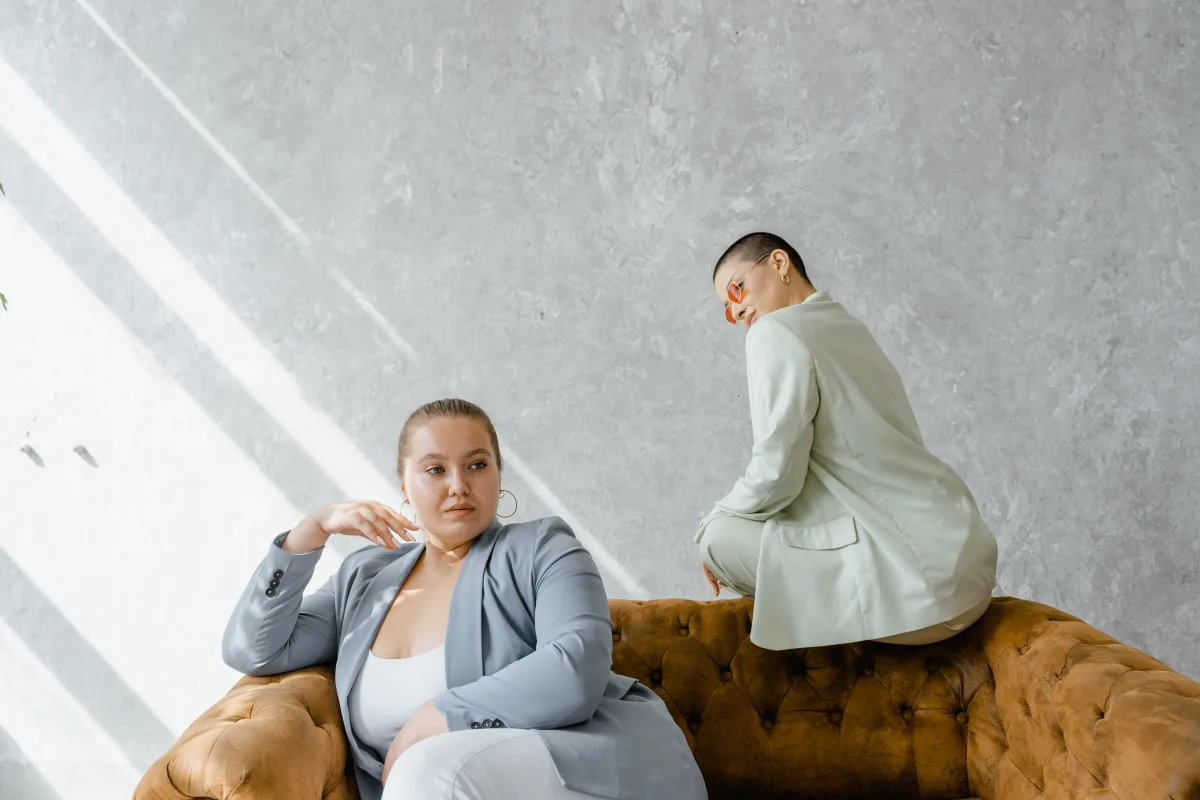
Finding a brand that is both genuinely sustainable and genuinely size-inclusive remains one of the harder searches in fashion. Here's why that tension exists — and which brands are resolving it.
Most sustainable brands built their supply chains around smaller production runs and premium materials. Both create economic pressure to limit size ranges. Most plus-size specialists built their businesses on volume and accessibility, which has historically meant less attention to supply chain ethics.
Where brands currently land:
- Pact: Strong sustainability credentials (organic cotton, ethical manufacturing), but size availability is sometimes limited at 2XL and 3XL. Better for shoppers who prioritize ethics and sit in the mid-range of plus sizing.
- Universal Standard: The more size-inclusive alternative at this intersection. Its 4XS–4XL range combined with a quality-focused production model makes it one of the more credible options for shoppers who need both criteria met.
- Reformation: Strong sustainability reputation, expanding plus-size range. Fit consistency across the extended range is still developing, but the trajectory is improving.
- Reprise Activewear (XS–6XL): A credible option in sustainable activewear — a category Style Arcade identifies as one of the fastest-growing globally.
How to evaluate sustainability claims: Look for third-party certifications — GOTS for organic textiles, Fair Trade for labor practices, B Corp for overall business standards — rather than brand self-description. A brand that says it uses "sustainable materials" without specifying which certification or standard it meets is making a marketing claim, not a verifiable commitment.
For a broader view of which labels are genuinely earning their sustainability credentials — including their stance on extended sizing — the best sustainable and eco-friendly fashion brands guide provides a side-by-side breakdown.
Global Market Snapshot: Where Plus-Size Fashion Is Growing (and Why It Matters to Shoppers)
Understanding where the plus-size market is growing helps explain which brands are investing in product development — and which are coasting on limited competition.
North America dominates with approximately 44% of global plus-size clothing market revenue, according to Style Arcade. The US market alone is estimated at roughly $9.9 billion in 2026 per IBISWorld. The mass market segment leads on pricing, accounting for approximately 68% of revenue share.
Asia is the most significant growth story. Fortune Business Insights values China's plus-size clothing market at approximately $9.69 billion in 2026, driven by rising middle-class incomes and the social commerce platforms Douyin and Xiaohongshu. Japan's market is projected at $9.5 billion and India's at $9.1 billion. These numbers are driving global brands to invest in size-inclusive product development at a scale that benefits shoppers everywhere.
In the UK, ASOS Curve holds approximately 14% market share by volume. Australia's City Chic reported a notable profit turnaround — a signal that specialist plus-size retailers can compete effectively against mass-market generalists when they focus on curation and fit.
The practical implication for shoppers: More competition among brands for the plus-size customer means higher quality expectations become a baseline, not a premium. Brands that were coasting on limited alternatives five years ago now face real competitive pressure to improve fit, expand ranges, and keep up with trends.
How to Shop Plus-Size Fashion Smarter: A 4-Step Framework
Rather than relying on any single brand list, use this process to evaluate any plus-size brand before you spend:
Step 1 — Filter first, browse second. Before looking at any product, filter the brand's website by your size. Count what percentage of the total catalog appears. If fewer than 40% of styles are available in your size, the brand's inclusivity is limited in practice regardless of its marketing language.
Step 2 — Check fit reviews by size, not overall rating. A brand with a 4.5-star average may have 3-star fit reviews specifically from customers in sizes 2XL and above. Sort reviews by size or search for your size in review text before trusting aggregate ratings.
Step 3 — Check the return policy before your first order. Every new brand is a fit experiment until proven otherwise. Brands with free returns lower your risk significantly. Brands that charge for returns on plus-size orders — especially when those orders ship from a separate warehouse — add real cost to fit experimentation.
Step 4 — Track price over time before you commit. Plus-size fashion has reliable sale cycles — end of season, major retail holidays, and clearance windows. If a brand's regular prices feel steep, waiting 4–6 weeks often yields 30–40% off without needing a specific deal. For tracking price histories across fashion retailers, Trusted Buyer Report's Price Trend Analyzer can surface historical pricing data before you pay full price.
Who Should Shop Where: Quick Brand Recommendations by Use-Case
Best for the widest size range across all categories: Universal Standard (4XS–4XL)
Best for plus-size intimates and bra fitting: Lane Bryant (10–40, with in-store fitting available)
Best for workwear and occasion dressing: Eloquii (10–26)
Best for trend-led affordable fashion: H&M Plus or ASOS Curve
Best for sustainable basics: Pact (if your range falls in XS–2XL), or Universal Standard for extended sizes
Best for activewear with the widest size range: Reprise Activewear (XS–6XL)
Best for high-fashion with sustainability credentials: Reformation (XS–4X, improving fit consistency)
Best for bold prints and maximalist style: Torrid (10–30) or Eloquii for limited-edition drops
Frequently Asked Questions
Which plus-size brand has the widest size range in 2026? Universal Standard currently offers the widest cross-category range at 4XS–4XL. Reprise Activewear extends to 6XL specifically in activewear. Lane Bryant's 10–40 range is the widest among specialist brick-and-mortar retailers.
What is the difference between "plus-size" and "inclusive sizing"? "Plus-size" typically refers to size 14/16 (US) and above. "Inclusive sizing" is a marketing term with no standardized definition — a brand can describe itself as inclusive while only stocking sizes XL–2XL. The only reliable check is filtering the brand's website by your specific size and counting how many styles appear.
Are plus-size clothes more expensive? Some brands charge more for extended sizes, citing additional fabric and pattern-making costs. Others — including Universal Standard and ASOS Curve — maintain consistent pricing across size ranges. If a brand charges more for the same garment above a certain size, that's worth factoring into your budget.
How do I find the best plus-size deals and promo codes? Major fashion retailers — including Lane Bryant, Eloquii, and Torrid — run regular promotional cycles aligned with retail holidays (Memorial Day, Labor Day, Black Friday) and end-of-season clearance. Checking our best clothing deals and where to buy guide shows the discount mechanics many of these retailers use — the same patterns apply across fashion categories.
Is Reformation good for plus-size shoppers? Reformation has been expanding its extended size range in recent seasons and now offers up to 4X. Fit consistency across the extended range is still developing compared to its core sizes. If you're new to the brand, check recent reviews specifically from shoppers in your size before ordering.
Reviewed by the Trusted Buyer Report editorial team. This article was drafted with AI assistance and fact-checked before publishing. Trusted Buyer Report may earn a commission from purchases made through links on this page. Read our full methodology · Affiliate disclosure