The Closet Camera Problem: Why Most Hobbyists Buy the Wrong Gear First
Here is the most common misconception about photography gear for hobbyists: that buying a better camera will make you a better photographer. It won't — and more importantly, it won't make you a more consistent photographer either. The real problem most hobbyists face isn't image quality. It's buying gear that doesn't fit the life they actually live.
Picture this: a hobbyist spends ? on a well-reviewed DSLR kit after watching YouTube reviews for two weeks. They use it enthusiastically for a month, take it on one trip, find it too heavy to carry alongside everything else, and quietly move it to a shelf. Three months later, it's in a closet. This isn't a rare story — it's the dominant one. Contrast that with someone who bought a ? compact vlog camera because they genuinely wanted to document their weekends. They used it every week for two years because it fit in a jacket pocket.
The photography equipment market is larger and more crowded than ever. According to Fortune Business Insights, the global photography equipment market was valued at USD 9.74 billion in 2025 and is projected to grow to USD 11.30 billion by 2034, at a CAGR of 1.66%. More products, more price points, more options — which means more opportunities to buy the wrong thing. The same report formally identifies hobbyists and professionals as distinct end-user segments, a recognition that the gear needs of a weekend shooter differ meaningfully from those of a working photographer.
The U.S. Bureau of Labor Statistics notes that the number of amateur photographers and hobbyists entering photography is increasing. That growth is real — and it's why guides covering the best photography equipment for hobbyists 2026 need to start with a harder question than "which camera is best?" The right question is: which gear fits the photographer you actually are right now?
This article answers that question first. It covers cameras, lenses, and essential accessories across beginner, intermediate, and serious hobbyist tiers — but it starts with a self-assessment framework, because skipping that step is exactly how cameras end up in closets. If you're also exploring other creative pursuits alongside photography, the Art, Crafts & Hobbies Buyer's Guide 2026 offers a broader look at equipment decisions across creative hobbies.
Before You Buy Anything: Identify Your Shooting Identity

Most gear guides skip this step entirely. They rank cameras, list specs, and move on. But a 15-year professional photographer featured on Fstoppers makes the point clearly: the distinction between the hobbyist path and the aspiring professional path matters more than most beginner guides acknowledge. The gear that serves one path actively undermines the other.
Four hobbyist shooting identities cover the vast majority of people entering photography in 2026:
- The Casual Documenter: Family events, travel snapshots, everyday moments. Priorities are ease of use and portability. A camera that requires a dedicated bag and fifteen minutes of setup will never leave the house.
- The Content Creator: Social media, vlogs, short-form video. Priorities are video quality, reliable autofocus for self-filming, and a compact form factor that doesn't draw attention or require a crew.
- The Dedicated Learner: Wants to understand manual controls, composition, and lighting. Priorities are a camera system with genuine room to grow — interchangeable lenses, manual exposure modes, and a lens ecosystem worth investing in.
- The Adventure/Outdoor Shooter: Hiking, wildlife, action sports. Priorities are weather sealing, telephoto reach, and a body durable enough to take real-world punishment.
According to Market Research Future, the photography equipment market segments by application include amateur photography, videography, aerial photography, and wildlife photography — each representing genuinely different gear requirements. Buying wildlife gear when you're a casual documenter wastes money in both directions: you overspend on reach you don't need and underspend on the portability you do.
Be honest with yourself about how often, where, and what you actually plan to shoot — not what you imagine shooting after you buy the camera. That self-assessment changes every recommendation that follows.
Camera Systems in 2026: Why Mirrorless Has Become the Default for Hobbyists
If you haven't followed camera technology closely, here's the short version: DSLRs are no longer the practical default for new buyers. Mirrorless interchangeable lens cameras (MILCs) have taken that position, and for hobbyists specifically, the reasons are concrete rather than theoretical.
As FilterPixel summarizes, mirrorless cameras are compact and travel-friendly, offer fast autofocus with subject and eye tracking, and represent future-proof technology in terms of lens ecosystem investment. DSLRs are optically mature systems — manufacturers have largely stopped developing new DSLR lenses, while mirrorless lens catalogs are expanding rapidly across every major brand.
Sensor size is the decision that trips up most hobbyists. The two formats you'll encounter most often are APS-C (crop sensor) and full-frame. Full-frame sensors capture more light and produce shallower depth of field, but they require larger, heavier, and significantly more expensive lenses. The Swiss Photo Club Blog makes this explicit: for beginners with a budget, a mirrorless camera with a cropped APS-C sensor plus one or two good lenses is the practical recommendation. Full-frame cameras need bigger and more expensive full-frame lenses — and that cost compounds quickly.
The professional perspective reinforces this. According to the Fstoppers profile of photographer Bergreen, today's APS-C cameras deliver image quality close enough to full frame that most hobbyists will never notice the difference in real-world use. The gap exists in controlled tests and low-light extremes — not in the kinds of shots most hobbyists are actually taking.
Compact cameras and action cameras remain valid choices for specific shooting identities. A fixed-lens compact like the Sony ZV-1F removes the complexity of lens selection entirely, which is genuinely useful for casual documenters and content creators. Action cameras like the DJI Action 5 Pro serve adventure shooters who need something mountable, waterproof, and nearly indestructible. Neither format is a compromise — they're purpose-built tools for specific use cases.
Best Cameras for Beginner Hobbyists in 2026 (Under ?)

Four cameras stand out at the entry level in 2026, each suited to a different beginner shooting identity.
Canon EOS R100 with RF-S 18-45mm Lens Kit — ?
The Canon EOS R100 kit is the most complete beginner mirrorless package currently available under ?. According to Sheri O'Neal's Photography Gift Guide, it carries a 5.0 rating and is framed as a complete starter that won't overwhelm while providing room to grow. The RF-S 18-45mm kit lens covers a useful everyday focal range, the body is compact enough for casual carry, and it sits within Canon's RF mount ecosystem — meaning lens options expand significantly as your skills develop. The honest limitation: it lacks in-body image stabilization, which matters in low light without a tripod.
Sony ZV-1F Vlog Camera — ?
For content creators and casual documenters, the Sony ZV-1F is purpose-built for simplicity. It's a fixed-lens compact with a wide-angle perspective optimized for vlogging and self-shooting. The same gift guide rates it 4.7 and prices it at ?. You won't be swapping lenses or dialing in manual settings — and for the shooting identity it serves, that's the point. The trade-off is a ceiling: when you want to shoot wildlife or portraits with background separation, a fixed-lens compact can't grow with you.
Panasonic LUMIX G100 4K Mirrorless — ?.99
The LUMIX G100 operates on the Micro Four Thirds system, which offers a wide range of compact, affordable lenses. It shoots 4K video, making it a strong option for hobbyists who want to shoot both stills and video without choosing a side. Rated 4.6 by the same source, it sits at the top of the beginner budget range. The Micro Four Thirds sensor is smaller than APS-C, which affects low-light performance — worth knowing before you buy.
Nikon Z50 II
The Swiss Photo Club Blog names the Nikon Z50 II as the best budget camera for 2026. It's an APS-C mirrorless body within Nikon's Z mount system, which gives it access to a growing and high-quality lens catalog. For dedicated learners who want to invest in a system they can grow within, the Z50 II offers a credible on-ramp to Nikon's full-frame bodies down the line.
A practical beginner kit — camera body, kit lens, two memory cards, and a basic bag — can be assembled for ? to ? total depending on which body you choose. That range is realistic and sufficient. Spending more at this stage rarely produces better photographs.
Best Cameras for Intermediate and Serious Hobbyists in 2026 (?–?,000)

Once you've shot consistently for six to twelve months and identified specific limitations in your current gear, the intermediate tier opens up meaningfully better options.
Sony a6700 and Canon EOS R7 — Around ?,500
These two APS-C mirrorless bodies represent the top of what the Fstoppers-featured photographer Bergreen recommends for the serious hobbyist path. Both sit around ?,500 new, with used options available at lower price points. The Sony a6700 offers class-leading autofocus performance, excellent video specs including 4K 120fps, and a compact body. The Canon EOS R7 adds weather sealing — making it the stronger choice for outdoor and wildlife hobbyists — and benefits from Canon's extensive RF-S and RF lens ecosystem. Neither requires a full-frame investment, but both deliver results that will satisfy most hobbyists indefinitely.
Canon EOS R5 Mark II
For serious hobbyists who want professional-grade capability without the professional price tag of a full system, the Canon EOS R5 Mark II represents the upper boundary of the hobbyist tier. It offers high-resolution stills, advanced subject-tracking autofocus, and serious video specifications. The research summary identifies it as the camera favored by serious hobbyists in 2026. It's a significant investment, but it's also a body you won't outgrow.
Canon R6 Mark II, Nikon Z6 III, and Nikon Z8
The Swiss Photo Club Blog recommends the Canon R6 Mark II and Nikon Z6 III as the best mid-range cameras for 2026, and the Nikon Z8 as the best high-end option. These are full-frame bodies — which means you'll also need to budget for full-frame lenses. The Z6 III in particular has earned strong reviews for hybrid shooters who split time between stills and video. The Z8 is a professional-grade body that serious hobbyists with the budget and commitment to match will find genuinely rewarding.
The honest guidance here: don't move to full frame because you feel like you should. Move to full frame when low-light performance or shallow depth of field is a consistent creative priority in your actual shooting — and when you're prepared to invest in lenses that match the sensor.
Lenses: The Purchase That Matters More Than the Camera Body

This is where most hobbyists misallocate their budget. A ? lens on a ?,500 body will consistently underperform a ? lens on a ? body. Glass shapes the image in ways that sensor upgrades can't compensate for — sharpness, color rendering, bokeh quality, and low-light capability are all primarily lens characteristics.
The Swiss Photo Club Blog recommends a two-lens starter strategy: an all-purpose zoom lens in the 24-120mm range for everyday versatility, plus a specialist prime — either a 35mm or 50mm — for portraits, low-light shooting, and creative depth of field work. This combination covers the vast majority of hobbyist shooting scenarios without requiring a bag full of glass.
For dedicated learners specifically, the Fstoppers-featured Bergreen makes a compelling case for starting with a single fast prime. A 35mm or 50mm prime at f/1.8 forces you to learn composition by physically moving rather than rotating a zoom ring. That constraint builds photographic instinct faster than a zoom lens does. It's a counterintuitive recommendation, but it's grounded in how compositional thinking actually develops.
Wildlife and outdoor hobbyists face a different lens reality. Telephoto reach is non-negotiable for wildlife photography, and it comes at a real cost. The Swiss Photo Club Blog outlines the range clearly:
- Budget entry point: Canon PowerShot Zoom — approximately ? (a binocular-style optical zoom, not an interchangeable lens)
- Mid-range wildlife kit: Canon R7 + RF 100-500mm lens — approximately ?,000
- Serious wildlife setup: Canon R5 + Canon 800mm f/11 — approximately ?,800 new
These numbers clarify why wildlife photography is its own budget category. The lens investment dwarfs the body cost, and that's true across brands. If wildlife is your primary interest, plan your total budget around the lens first, then choose a body that pairs well with it.
The APS-C crop factor is actually an advantage for wildlife shooters: a 500mm lens on an APS-C body produces the equivalent field of view of a 750-800mm lens on full frame, giving you more reach for less money. This is one practical scenario where APS-C genuinely outperforms full frame for a specific use case.
Essential Accessories Every Hobbyist Actually Needs (and What to Skip)
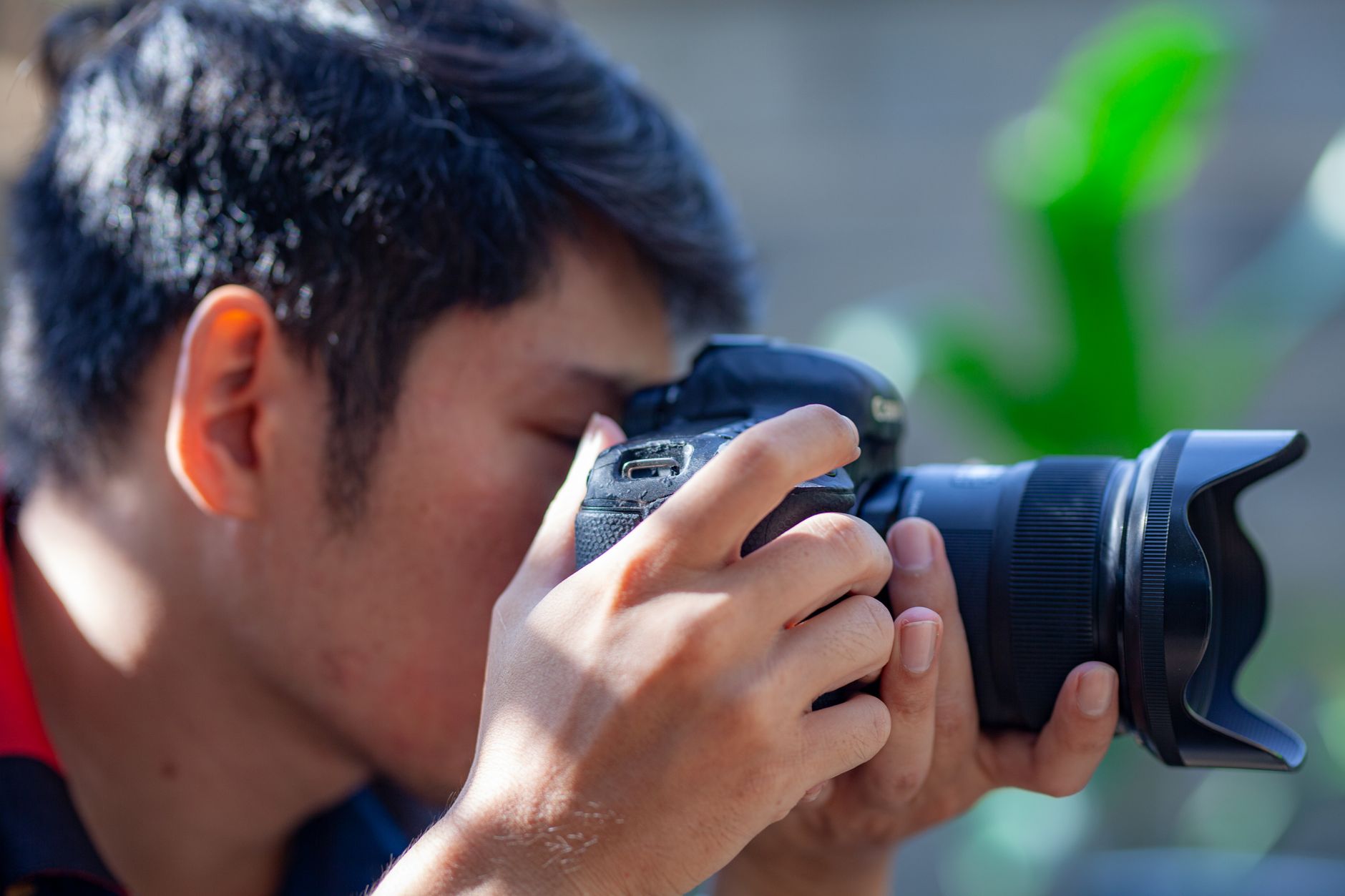
Accessories are where hobbyist budgets quietly disappear. Some purchases are genuinely necessary; others are marketed aggressively but rarely used. Here's an honest breakdown.
Memory Cards
Buy Class 10 or UHS-I minimum, in 64GB capacity, and get two of them. FilterPixel specifically recommends Sandisk and Lexar for reliability — slow or unreliable cards cause lag during burst shooting and, in worst cases, data loss. Two cards mean you have a backup if one fails mid-shoot. Budget ?–? per card.
Camera Bag
Your bag choice should match your shooting lifestyle, not your aspirational one. FilterPixel recommends sling bags for street and urban shooting — they allow quick one-handed access — and backpacks for travel and hiking, where weight distribution matters over long distances. Peak Design and Lowepro are consistently cited as reliable brands. Budget ?–? for a bag that will protect your gear and actually get used.
Lens Cleaning Kit
A microfiber cloth, air blower, and lens cleaning spray cost ?–? and extend the usable life of your lenses meaningfully. Dust and smudges affect image clarity in ways that are easy to prevent and annoying to fix in post-processing. This is a small purchase that pays for itself quickly.
Tripod
A tripod matters for landscape photography, long exposures, and video work. For casual hobbyists, a lightweight travel tripod in the ?–? range is sufficient. For serious landscape or astro shooters, invest in something sturdier — a flimsy tripod introduces vibration that defeats the purpose. Skip the tripod entirely if your shooting is primarily handheld documentary or street work.
What to Skip (Initially)
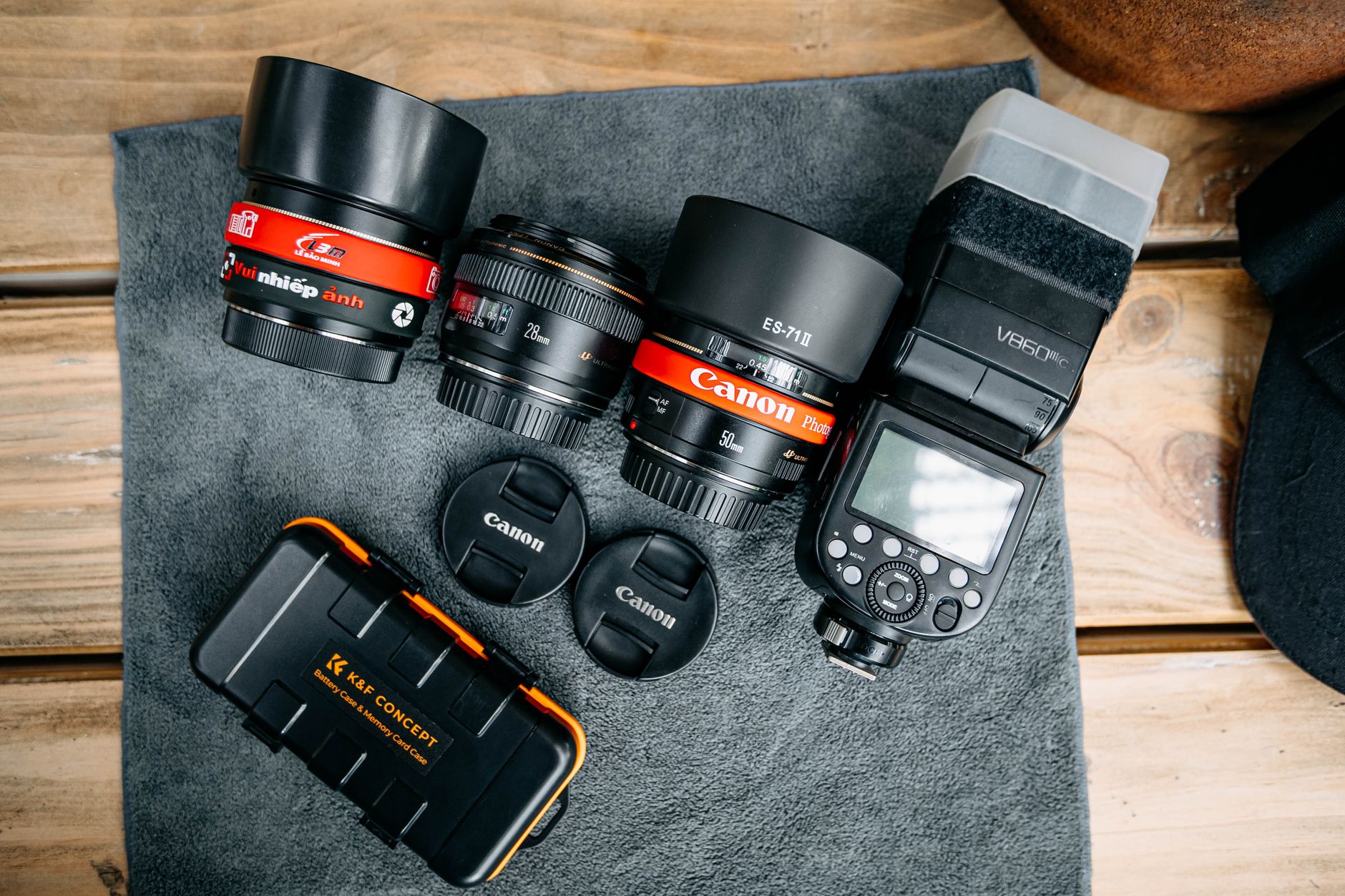
External flashes, ND filter sets, and multiple lens filters are frequently purchased early and rarely used until a hobbyist has developed specific creative needs that require them. A gimbal is genuinely useful for video-focused content creators but unnecessary for still photographers. Buy these when a specific limitation in your current work makes the need obvious — not preemptively.
Building a Complete Kit by Shooting Identity
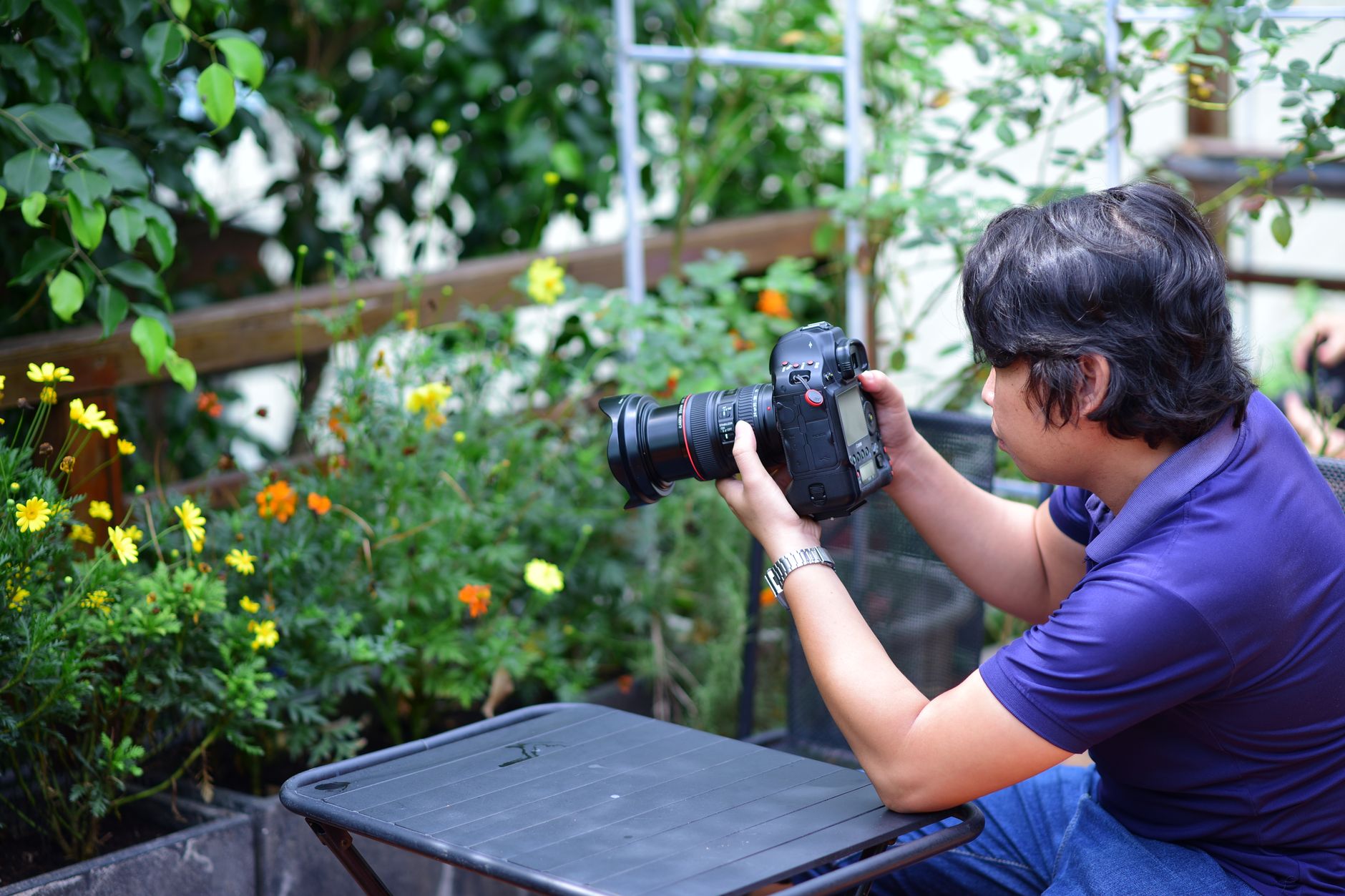
Rather than a single ranked list, here's how the gear maps to the four shooting identities identified earlier:
| Shooting Identity | Recommended Camera | Key Accessories | Approximate Total Budget |
|---|---|---|---|
| Casual Documenter | Sony ZV-1F or Canon EOS R100 | Memory cards, sling bag, cleaning kit | ?–? |
| Content Creator | Sony ZV-1F or Panasonic LUMIX G100 | Gimbal, ring light, memory cards | ?–? |
| Dedicated Learner | Nikon Z50 II or Canon EOS R100 + 50mm prime | Tripod, backpack, extra memory cards | ?–?,200 |
| Adventure/Outdoor Shooter | Canon EOS R7 + RF 100-500mm lens | Weather-resistant backpack, extra batteries | ?,500–?,500 |
These ranges reflect realistic all-in costs, not just the camera body price. The adventure/outdoor range is wide because telephoto lens choice drives the total more than any other variable.
Frequently Asked Questions
Is a mirrorless camera better than a DSLR for a beginner hobbyist in 2026?
For most new buyers in 2026, yes. Mirrorless cameras offer faster autofocus, more compact bodies, and access to actively developing lens ecosystems. DSLRs are optically excellent but represent a mature, largely static technology platform. The main exception is if you're buying used gear on a very tight budget — second-hand DSLRs can offer strong value at low price points.
Do I need a full-frame camera as a hobbyist?
Almost certainly not at the start, and possibly never. As both the Swiss Photo Club Blog and the Fstoppers-featured Bergreen emphasize, today's APS-C cameras deliver image quality that most hobbyists will never outgrow in real-world shooting. Full-frame makes sense when low-light performance or very shallow depth of field is a consistent creative priority — and when you're prepared to invest in full-frame lenses to match.
How much should a hobbyist spend on their first camera kit?
A complete beginner kit — body, kit lens, two memory cards, and a bag — can be assembled for ?–?. Spending more than that before you've shot consistently for at least six months is a common mistake. The camera you use regularly will teach you more than the camera that sits in a closet because it was too expensive to risk taking out.
Should I buy lenses or a better camera body first?
Lenses first, almost always. Beyond a basic competency threshold, lens quality affects image output more than body upgrades do. A sharp, fast prime lens on a mid-range body will outperform a kit lens on a premium body for portrait and low-light work. Invest in glass, then upgrade the body when a specific capability gap — not general dissatisfaction — makes the case for it.
What's the most common mistake hobbyists make when buying photography gear?
Buying for the photographer they imagine becoming rather than the one they currently are. A camera that's too heavy to carry consistently, too complex to use quickly, or too expensive to risk in the field will not get used. Gear