The Real Question Nobody Asks Before Buying a Home Security System

The most common misconception about home security systems is that the hardware is the hard part. Pick the right sensors, get a good camera, mount everything correctly — and you're protected. That belief is wrong, and it's the reason thousands of homeowners end up with systems that fail them when it actually counts.
Here's a scenario that illustrates the real problem. A homeowner installs a well-reviewed DIY system on a Saturday afternoon. The app works perfectly. The sensors register every door and window. Three weeks later, they're on a camping trip in the mountains when their alarm triggers at 2 a.m. Their phone is in a dead zone. No signal. No notification. No response. The system did exactly what it was designed to do — it just needed a human on the other end, and that human wasn't available.
That's the question most top-10 lists never ask: not which system has the best hardware ratings, but which monitoring model will you actually follow through on when it matters? According to Security.org's 2026 DIY Home Security Market Report, 75% of in-market shoppers cite lower cost than professionally installed systems as their top reason to consider DIY, and 71% prioritize no long-term contracts. Both are legitimate priorities — but neither one addresses what happens at 2 a.m. when you're unreachable.
This guide is built around that gap. It maps each monitoring model to real lifestyle patterns — renters, frequent travelers, stay-at-home families, tech-comfortable buyers, and tech-averse ones — so you leave with a decision framework rather than just a ranked product list. If you're making broader smart home purchasing decisions alongside your security setup, the Home & Kitchen Buying Guide: Appliances, Cookware & Smart Home 2026 covers how security systems fit into a wider connected home strategy.
How Home Security Monitoring Actually Works: A Plain-English Breakdown

Before comparing systems, you need to understand what monitoring actually does — because the marketing language around "24/7 protection" gets applied to two very different things.
Self-monitoring means your sensors trigger alerts that go directly to your smartphone. You receive a push notification, you look at the camera feed, and you decide whether to call 911. The system itself does nothing beyond alerting you. If you're asleep with your phone on silent, traveling internationally, or simply distracted, the alert sits unanswered.
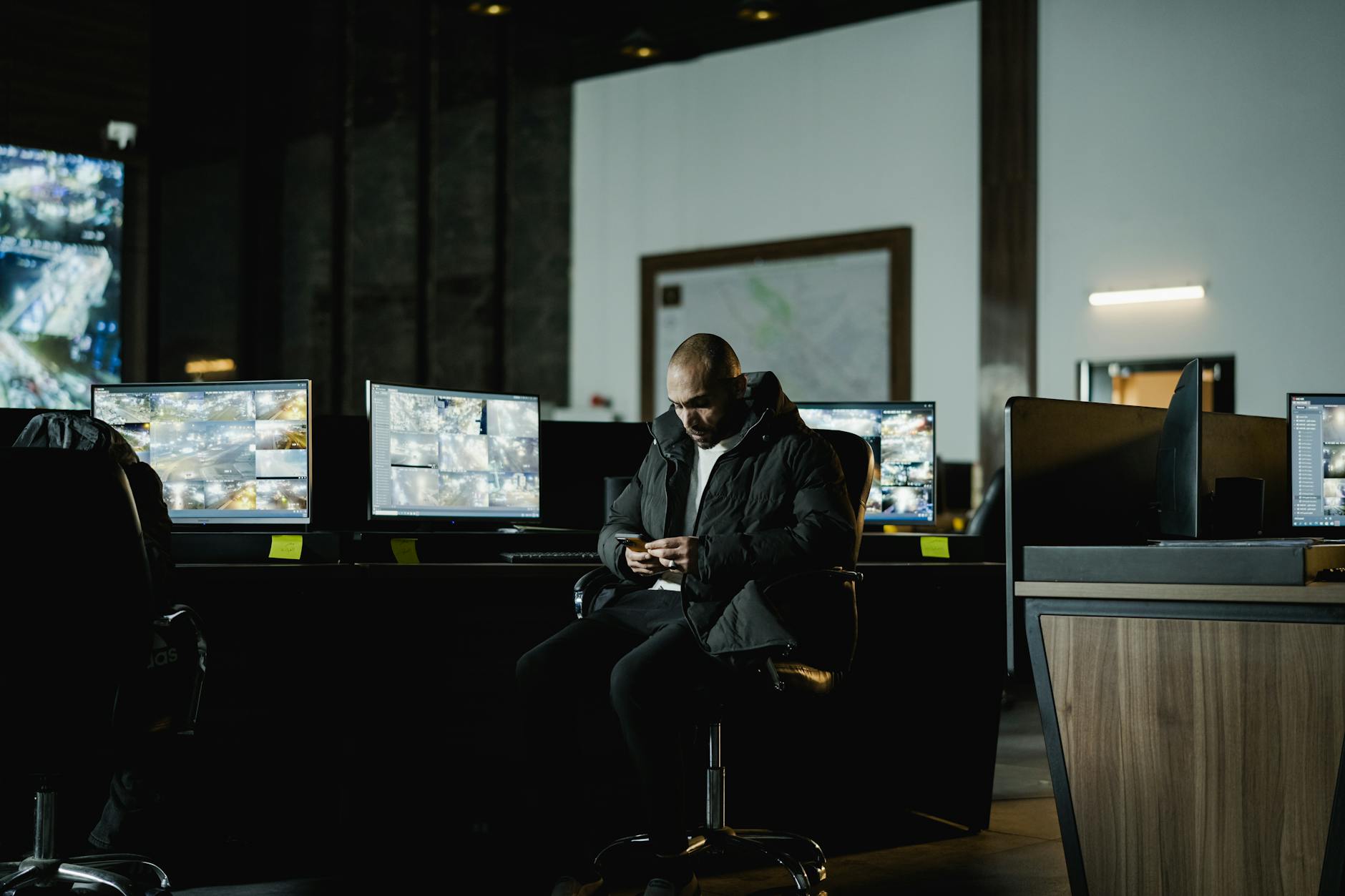
Professional monitoring means your sensors trigger an alert at a staffed monitoring center — a physical facility with trained operators working around the clock. They attempt to verify the alarm (usually by calling your home and then your emergency contacts), and if they can't reach anyone or confirm it's a false alarm, they dispatch police, fire, or medical services on your behalf. This happens whether you're awake or not, whether you have cell service or not.
Two technical features matter significantly in both models. First, cellular backup: a system that relies solely on Wi-Fi can be defeated by cutting your internet connection or tripping your power. Cellular backup means the alarm signal travels over a mobile network independently of your home's internet — a critical layer of redundancy. Second, Crash & Smash protection: this addresses the scenario where a burglar destroys your control panel before the alarm signal fully transmits. According to SafeWise's expert testing, Frontpoint's monitoring center receives the alert even if the control panel is physically destroyed, because the signal is sent the moment the entry sensor triggers — not after a delay. As PCWorld notes, DIY systems now offer a sliding scale from push-notification-only to full 24/7 professional monitoring capable of dispatching first responders — the category has matured well beyond basic alarms.
DIY Home Security Systems in 2026: What They Offer and Where They Fall Short
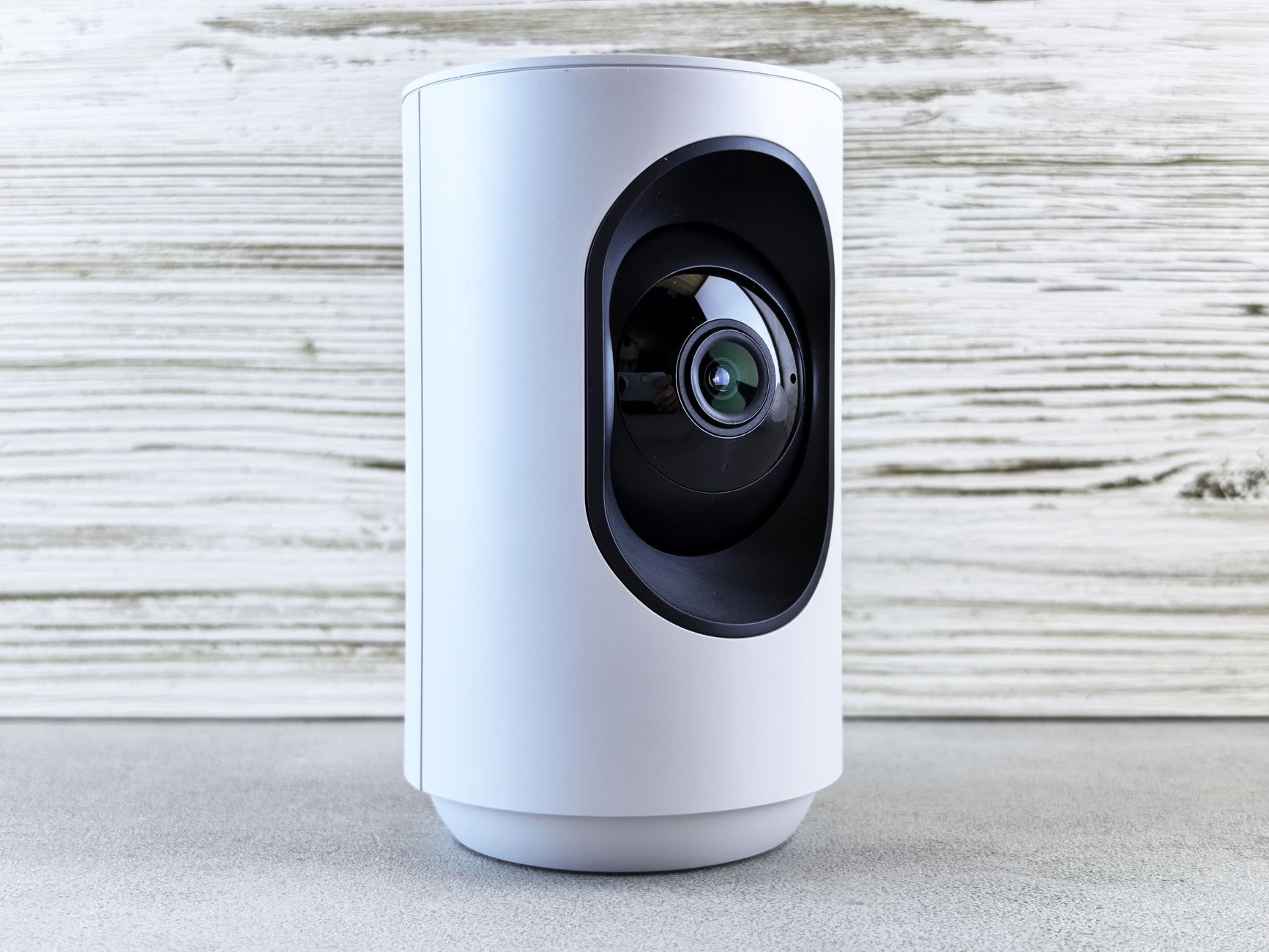
DIY home security has genuinely matured. The equipment quality at the top of the category is comparable to professionally installed systems, and the installation process has been simplified to the point where most people can complete a full setup in under an hour. That's a meaningful shift from even five years ago.
The core advantages are real: no installation fees, no long-term contracts, and the ability to add professional monitoring as an optional upgrade rather than a mandatory commitment. Security.org's 2026 market report found that monthly monitoring costs start at ? for self-monitoring, and contract-free options are now the norm among the most popular providers. For disciplined self-monitors — people who are reliably reachable and comfortable managing alerts personally — this model delivers strong protection at the lowest total cost.
The limitations are equally real, though less often discussed. A professional installer doesn't just place sensors — they assess your home's specific vulnerabilities. As American Alarm describes it, a professional identifies the windows you might overlook, the entry points a burglar would spot, and the camera angles that create blind spots. When you do your own installation, that expertise gap is entirely on you. Most homeowners do a reasonable job, but "reasonable" isn't the same as optimized.
Self-monitoring is also not a passive safety net. It demands consistent personal availability — and that availability has a real cost in attention and time that doesn't show up in any pricing comparison. The good news is that the best DIY systems now close this gap with optional professional monitoring add-ons that require no contract commitment.
SafeWise identifies SimpliSafe as the best overall DIY system for 2026, citing its balance of affordable protection, easy setup, and professional monitoring quality. Its Active Guard feature goes further than standard monitoring by actively intervening during a break-in as it's happening — not just alerting after the fact. Abode, by contrast, offers the most complete free self-monitoring experience: a full alarm system with sensors, siren, keypad, camera support, and HomeKit/Alexa/Google integration at ? per month, with professional monitoring available from ?/month if you want to upgrade. According to Security.org, Abode is one of the very few systems that allows testing all three monitoring tiers — free self-monitor, paid self-monitor, and professional — without a contract at any level.
The Security.org survey also found that 46% of shoppers cite short setup time as a key factor, and 42% want the same protection a technician would provide without actually needing one on-site. DIY systems now genuinely deliver on both counts at the top of the market.
Professional Home Security Systems in 2026: What You're Actually Paying For
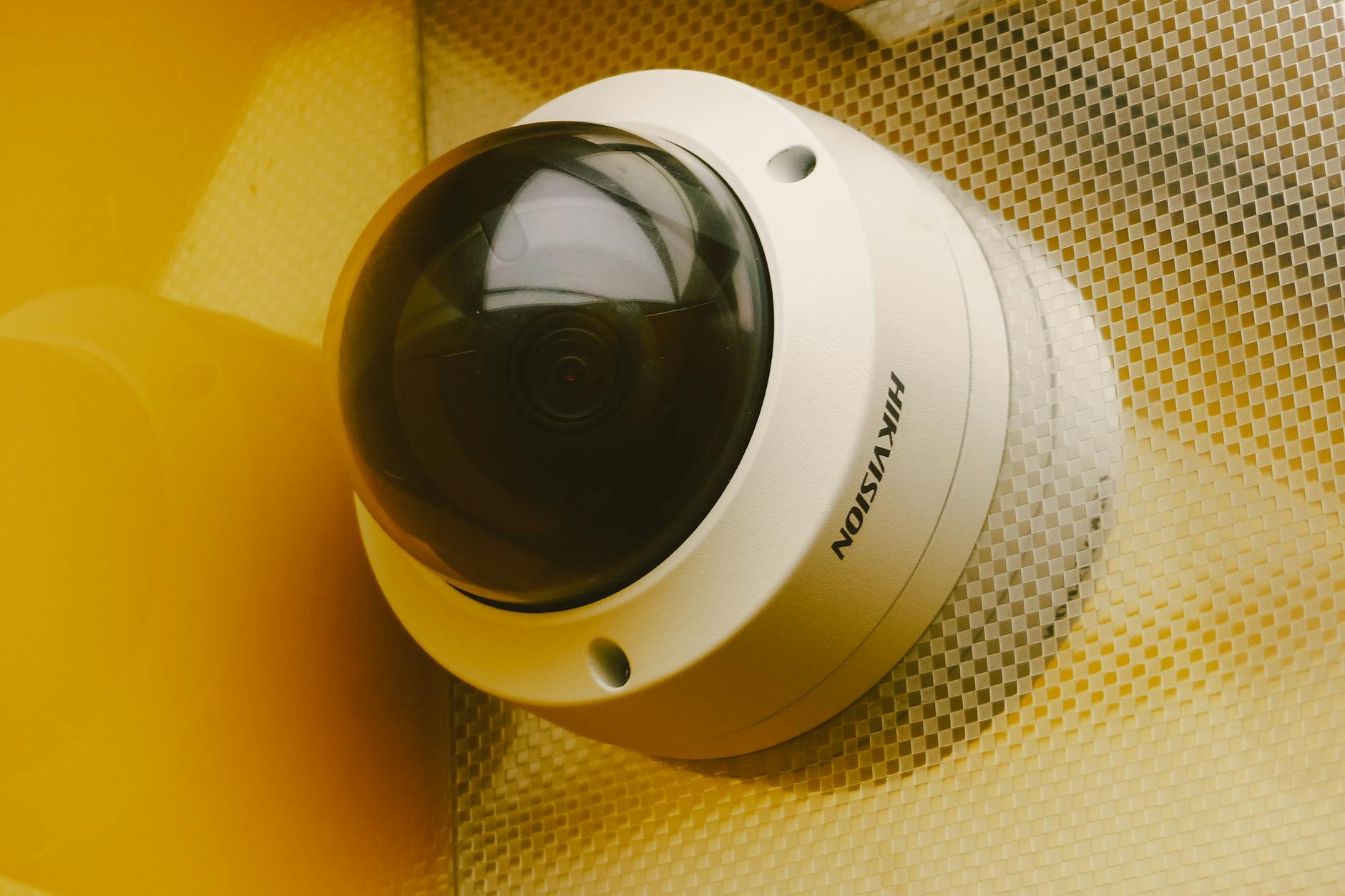
When you pay for a professionally monitored system, you're not primarily paying for better hardware. You're paying for independent response capability — the ability of a trained third party to act on your behalf when you can't. That distinction matters enormously for specific types of households.
The installation component adds real value that's easy to underestimate. As American Alarm explains, a professional installer assesses your home's unique vulnerabilities — the entry points a burglar would identify, the sensor placements that cover the most ground, the camera positions that eliminate blind spots. This expertise is embedded in the setup itself, not just the hardware.
The monitoring component is where the value becomes most tangible. If a fire alarm triggers at 3 a.m. and you're incapacitated, a professional monitoring center dispatches the fire department without any action required from you. The same applies to medical emergencies. SafeWise notes that Frontpoint's professional monitoring covers break-ins, fires, and medical emergencies on every plan — not just the premium tier — and includes Crash & Smash protection as standard. That's a meaningful baseline.
As Bob Dolph, a home security consultant with decades of experience, told Wirecutter: "An alarm system might sit there for 10 years and do absolutely nothing. You only need it to work that one time." That framing is useful — the value of professional monitoring is concentrated in rare but high-stakes moments, not daily use.
The tradeoff is cost and contract structure. ADT, the largest professional monitoring network in the U.S., offers three tiers according to Security.org: Secure monitoring starts at ?.99/month, Smart at ?.99/month, and Complete at ?.99/month — with camera support only available on the top tier. Those prices increase by ?/month if you had your system professionally installed, which brings them to Vivint's rate range. Multi-year contracts remain common in the traditional professional segment, which increases total cost significantly if you move or need to cancel early.
For readers comparing security systems alongside other major home technology purchases, The Complete Buyer's Guide to Consumer Electronics 2026 provides useful context on evaluating subscription-based services across product categories.
The Real Cost Comparison: DIY vs Professional Monitoring Over Three Years
Single-article reviews almost always compare upfront equipment costs. That comparison is misleading because monitoring fees compound significantly over time, and the total three-year cost tells a very different story than the sticker price on a starter kit.
| Setup Type | Monthly Monitoring Cost | Contract Required | Estimated 3-Year Monitoring Total |
|---|---|---|---|
| DIY self-monitoring (Abode free tier) | ?/month | No | ? |
| DIY + professional monitoring (Abode) | From ?/month | No | ~? |
| DIY + professional monitoring (Ring add-on) | ?/month add-on | No | ~? |
| SimpliSafe Core plan | ?.99/month | No | ~?,188 |
| ADT Complete (professionally installed) | From ?.99/month | Often multi-year | ~?,800+ |
These figures use monitoring costs only and exclude equipment — which varies widely by package. The point is the compounding effect: a ?/month difference between Abode and SimpliSafe's entry plans becomes a meaningful gap over three years. Abode's own analysis found a roughly ? savings difference between SimpliSafe and Abode over three years depending on plan selection — a figure worth factoring into any honest comparison.
Ring offers the most accessible entry point into professional monitoring: a ?/month add-on to its base subscription plans. According to Wirecutter, both Ring plans include cellular backup and 180 days of video storage for cameras — making it genuinely competitive for budget-conscious buyers who still want professional dispatch capability.
SafeHome.org recommends SimpliSafe's ?.99/month Core plan as the practical sweet spot for most users — it includes cellular backup, intruder deterrence features, and voice control via Google Assistant and Alexa, which the entry-level ?.99/month plan omits. The ?.99/month Pro plan adds live agent video verification, which is the feature that enables Active Guard's real-time intervention capability.
Which Monitoring Model Fits Your Lifestyle? A Decision Framework

The right monitoring model isn't determined by which system has the highest review score — it's determined by your daily patterns, your availability, and what you need to happen when you're not in a position to respond yourself.
Self-monitoring is a realistic choice if:
- You work from home or are reliably reachable on your phone during most hours
- You live in an area with fast emergency response times
- You're comfortable reviewing camera footage and making judgment calls about whether to call 911
- Minimizing monthly costs is a primary constraint
- You want to start with no commitment and upgrade later
Professional monitoring is the stronger choice if:
- You travel frequently — even a few times per year creates meaningful coverage gaps in a self-monitored setup
- You live alone and want emergency dispatch without depending on your own availability
- You have elderly family members at home who may not be able to respond to an alarm
- You're in an area with slower emergency response and want a dedicated dispatch team
- You want fire and medical emergency coverage, not just intrusion detection
Hybrid DIY + optional professional monitoring fits most people:
This is the model that SafeWise recommends for anyone who wants flexibility: start with DIY equipment and self-monitoring, then add professional monitoring without replacing hardware or signing a contract. SimpliSafe is specifically called out for allowing monthly switching between professional and self-monitoring — you can upgrade during a vacation and downgrade when you return. Abode allows purchasing professional monitoring by the day rather than the month, which is useful for irregular travel schedules.
Renters have specific needs that favor DIY: portable equipment, no-drill mounting options, and systems that move with you. SimpliSafe and Abode both fit this profile. Tech-comfortable homeowners who want deep smart home integration — HomeKit, Alexa, Google Home — will find Abode's platform more flexible than SimpliSafe's more closed ecosystem. Notably, Security.org's survey found that only 27% of shoppers cite professional monitoring availability as a top decision factor — significantly lower than cost (75%) and contract flexibility (71%) — suggesting most buyers prioritize economics first and add monitoring as a secondary consideration.
The Best DIY Home Security Systems of 2026: Honest Assessments

SimpliSafe — Best Overall DIY System
SimpliSafe earns its top ranking from SafeWise by delivering the best balance of ease, affordability, and monitoring quality in the DIY category. Setup is among the fastest available — PCWorld calls it "one of the quickest, easiest DIY setups you'll encounter." The Active Guard monitoring feature actively intervenes during break-ins rather than simply alerting after the fact. Security.org rates it 9.8/10 for best intruder-deterring security system. Honest cons: no support for smart lighting or third-party smart home products, the component update cycle can be slow, and the best professional monitoring plan runs ?.99/month — expensive relative to competitors at that tier, as PCWorld notes.
Abode — Best for Self-Monitoring and Smart Home Integration
Abode's free self-monitoring tier is the most complete no-cost security option available: full alarm system, sensors, siren, keypad, camera support, and native integration with HomeKit, Alexa, and Google Home — all at ?/month. Professional monitoring starts at ?/month with no contract. Security.org tested all three monitoring tiers without a contract commitment, which is rare. The tradeoff is a steeper learning curve for users who want to take full advantage of its customization options.
Ring — Best Budget Entry Point for Professional Monitoring
Ring's ?/month professional monitoring add-on is the lowest-cost path to professional dispatch capability among major brands. Per Wirecutter, both Ring subscription plans include cellular backup and 180 days of video storage. The limitation: self-monitoring without a subscription means smartphone alerts only, with no cellular backup — making the subscription effectively necessary for reliable protection.
Reolink — Best for Camera-Focused Setups
SafeWise highlights Reolink for top-notch cameras, easy setup, and local storage — making it the right choice for homeowners who prioritize video coverage over a full alarm ecosystem and want to avoid mandatory cloud subscriptions.
Minut — Best for Vacation Rentals
Minut is designed for non-permanent installations and secondary properties. PCWorld identifies it as the best security system for vacation rentals — a specific use case where traditional alarm systems are impractical and guest-friendly monitoring is a priority.
The Best Professionally Monitored Home Security Systems of 2026
Frontpoint — Best Comprehensive Professional Monitoring
Frontpoint's standout feature is the breadth of its standard monitoring coverage. Every plan includes protection for break-ins, fires, and medical emergencies — not just intrusion detection — and Crash & Smash protection is included across all tiers, not reserved for premium plans. SafeWise describes it as a system that "doesn't mess around with half-measures." For households where comprehensive emergency coverage matters — families with elderly members, homes in areas prone to extreme weather — Frontpoint's all-inclusive monitoring approach offers a meaningful advantage over tiered competitors.
ADT — Largest Monitoring Network, Tiered Pricing
ADT's scale is its primary advantage: the largest professional monitoring network in the U.S. means redundancy and reliability at the infrastructure level. Its three monitoring tiers (Secure at ?.99/month, Smart at ?.99/month, Complete at ?.99/month per Security.org) allow some cost flexibility, but camera support only unlocks at the Complete tier. The ?/month surcharge for professionally installed systems brings costs to Vivint's range. ADT is best suited to homeowners who prioritize network reliability and don't mind paying a premium for brand-name assurance.
SimpliSafe with Pro Monitoring — Best Hybrid Option
For buyers who want professional-grade monitoring without the traditional professional system contract structure, SimpliSafe's ?.99/month Pro plan with Active Guard represents the strongest hybrid option. You get DIY installation flexibility, no contract lock-in, and monitoring quality that SafeWise describes as feeling "as robust as a traditional alarm system." The cost is higher than Abode or Ring's professional monitoring add-ons, but the Active Guard intervention feature is genuinely differentiated — it's not available on any other DIY platform at this tier.