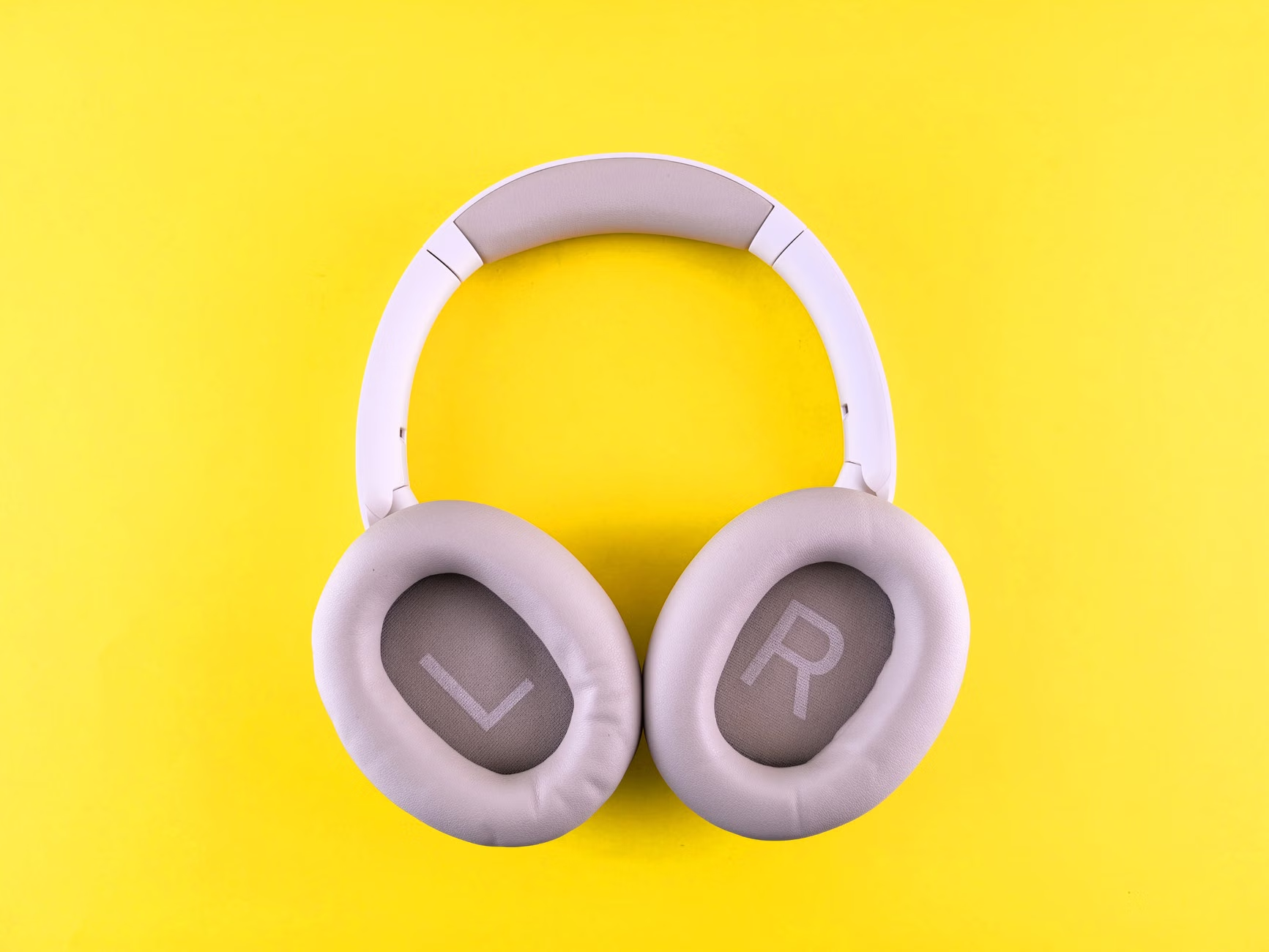
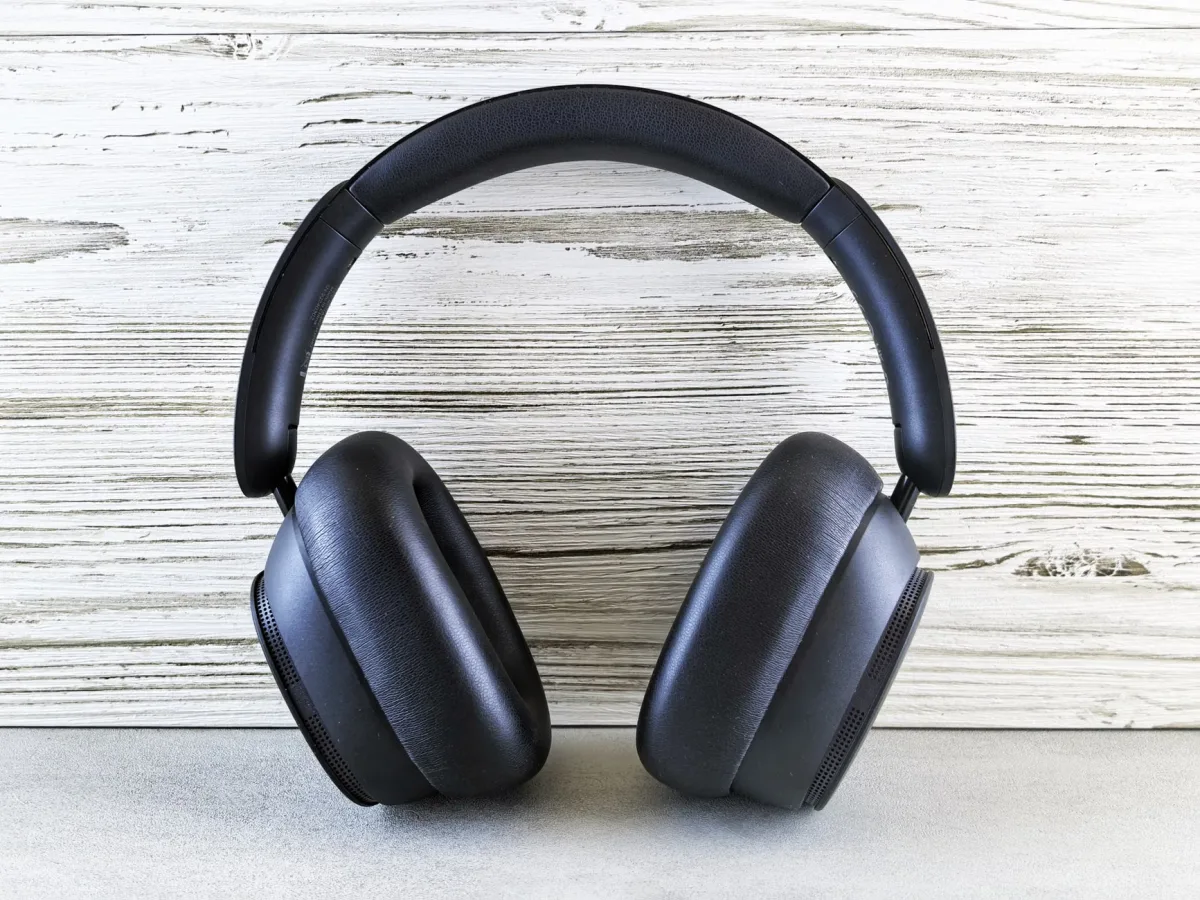
Quick verdict: If you fly or commute often, the Sony WH-1000XM6 has the strongest active noise cancellation (ANC) of 2026. If you live inside the Apple ecosystem, the AirPods Max 2 earns its premium through seamless device switching. If you wear headphones for six-plus hours a day, the Bose QuietComfort Ultra 2nd Gen wins on comfort. And if sound accuracy matters more than silencing the world, the Sennheiser HDB 630 is 2026's audiophile pick. The rest of this guide explains exactly why, based on lab testing from RTINGS, CNET, WhatHifi, and Wirecutter — not marketing copy.

You're sitting in an airport gate, your flight delayed two hours, the overhead PA cycling through announcements every four minutes, and the person next to you is on a speakerphone call. You reach for your headphones and realize the pair you bought three years ago just isn't cutting it anymore. That's the moment this guide is written for.
The headphone market in 2026 has matured in ways that make the buying decision both easier and harder. Easier, because the top-tier models from Sony, Bose, Apple, and Sennheiser are all genuinely excellent. Harder, because they're excellent in different ways — and picking the wrong one for your actual listening habits means spending real money on a pair that frustrates you every day.

This guide maps each major 2026 model to a specific use case, draws on lab testing from RTINGS, CNET, WhatHifi, and Wirecutter, and gives you an honest account of what you give up with each choice. If you're shopping for headphones as part of a larger electronics purchase, our Complete Buyer's Guide to Consumer Electronics 2026 covers how to budget across categories so audio gear doesn't eat the rest of your tech spend.
2026 Top Headphones at a Glance
Before diving into individual breakdowns, here's a direct comparison of the four models that dominate expert recommendations this year. All four have earned editorial recognition from at least one major testing outlet in 2026.
| Model | Style | ANC Quality | Sound Signature | Battery Life | Key Weakness | Best For |
|---|---|---|---|---|---|---|
| Sony WH-1000XM6 | Over-ear, wireless | Best-in-class | V-shaped, bass-forward | 30+ hrs | Bass can boom; no USB-C digital audio | Travel, commuting |
| Apple AirPods Max 2 | Over-ear, wireless | Excellent | Balanced, spatial audio | 30+ hrs | Premium price; limited value outside Apple | Apple ecosystem users |
| Bose QuietComfort Ultra 2nd Gen | Over-ear, wireless | Excellent | Smooth, slightly warm | 24+ hrs | Marginally behind XM6 on raw ANC | All-day wear, office use |
| Sennheiser HDB 630 | Over-ear, wireless | Good | Neutral, high-fidelity | 30+ hrs | ANC below flagship Sony/Bose level | Audiophile home listening |
According to CNET, the Sony WH-1000XM6, Apple AirPods Max 2, and Bose QuietComfort Ultra Headphones 2nd Gen have all earned CNET Editors' Choice awards in 2026. WhatHifi named the Sennheiser HDB 630 its Best for Audiophiles pick on June 3, 2026, replacing the Dali IO-8 — a signal that the audiophile segment is pushing back against the ANC-first narrative. The older Sony WH-1000XM4 also remains relevant at a lower price point; on r/SonyHeadphones, the community routinely calls it one of the most recommended headphones ever made.
What Has Actually Changed in Headphone Technology for 2026
The headline shift is that wireless has won decisively. According to Market.us, wireless models now account for 71.5% of the on-ear noise-canceling market, with music and entertainment representing 41.2% of total demand and the on-ear ANC segment growing at a 14% compound annual rate.

ANC itself has also reached a point of diminishing returns at the flagship level. The gap between Sony's best noise cancellation and Bose's best is now narrow enough that most listeners in real-world environments — planes, offices, cafés — won't notice a meaningful difference. Practically, that means your 2026 decision should hinge less on "which headphone blocks the most noise" and more on "which headphone fits my ecosystem, my ears, and my daily routine."
The Sony WH-1000XM6 represents a real generational jump over the XM5 in ANC performance, according to both WhatHifi and CNET. CNET notes that Sony's newer 1000X The Collexion line also delivers strong ANC but trails the XM6 — evidence that Sony's own lineup now has meaningful internal differentiation. Meanwhile, Sennheiser's HDB 630 confirms the audiophile-focused segment is prioritizing sound accuracy over noise-floor reduction.
Over-Ear vs. On-Ear vs. In-Ear: Pick Your Form Factor First
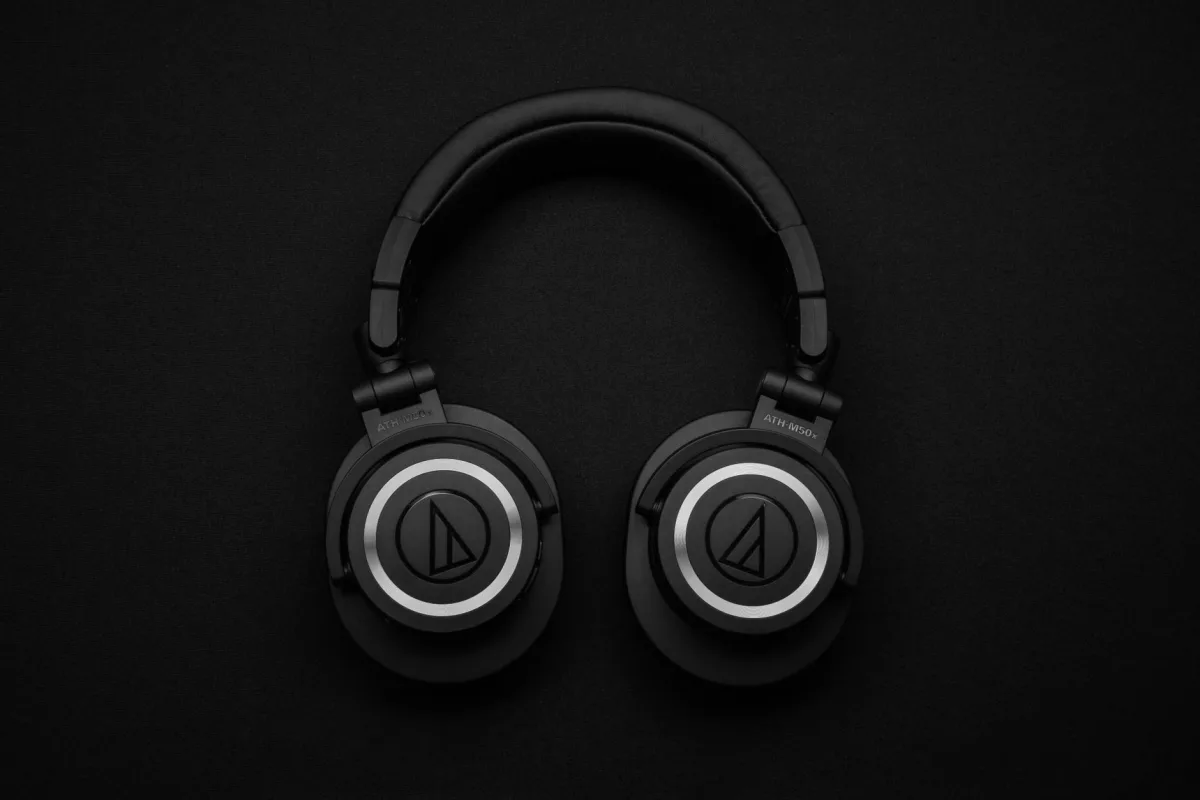
Most buyers jump straight to brand comparisons without asking the more fundamental question: which form factor actually suits how you listen? Getting this wrong is more expensive than choosing the wrong brand.
Over-ear (circumaural) headphones fully enclose the ear. This delivers the best passive isolation and typically the most immersive soundstage, at the cost of bulk and heat buildup during long sessions. The Sony XM6, AirPods Max 2, Bose QC Ultra 2nd Gen, and Sennheiser HDB 630 are all over-ear designs.
On-ear (supra-aural) headphones rest on top of the ear rather than around it. They're lighter, run cooler, and fold down smaller. Per Market.us, demand for on-ear ANC is strongest among commuters, frequent travelers, and open-plan office workers who want noise cancellation without the thermal buildup of over-ear cups. Passive isolation is weaker, and extended wear can cause pressure fatigue directly on the ear.
In-ear models have closed the ANC gap substantially. CNET ranks the Sony WF-1000XM6 and Apple AirPods Pro 3 at the top of its 2026 earbuds ANC category, with the Bose QuietComfort Ultra Earbuds 2nd Gen close behind. If portability is your top priority, our Best Wireless Earbuds 2026: AirPods vs. Sony vs. Samsung breaks down which true-wireless model fits your phone and your commute.
For stationary listening, SoundGuys recommends the wired AKG K371 as a budget option that "sounds excellent and provides a really good double-life as dependable studio monitors" — a reminder that wired over-ear headphones still deliver strong value when portability isn't the priority.
Sony WH-1000XM6: 2026's ANC Benchmark
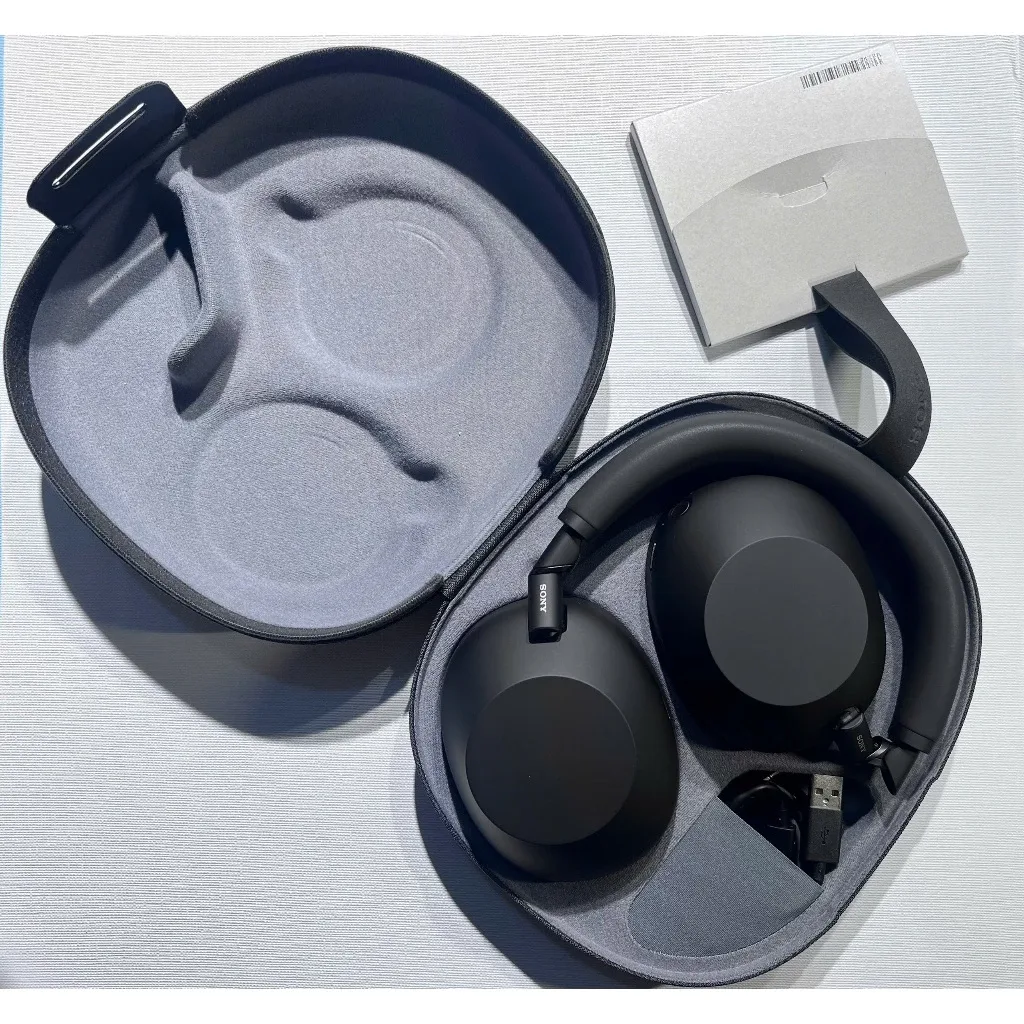
The Sony WH-1000XM6 tops nearly every major 2026 headphone ranking. CNET awarded it an Editors' Choice. Wirecutter reviewer Lauren Dragan — who has tested over 2,000 headphones and earbuds across her decade at the publication — names it the top pick for wireless noise-canceling headphones. WhatHifi includes it prominently while noting the older XM5 and XM4 remain worth considering at a discount, which tells you the XM6 is a genuine upgrade — just not one that makes the previous generation obsolete overnight.
Is the Sony WH-1000XM6 worth it? For frequent flyers and daily commuters, yes — its ANC handles the consistent low-frequency drone of aircraft engines, HVAC systems, and train carriages better than any competitor tested in 2026. The sound signature leans V-shaped (boosted bass and treble, slightly recessed midrange), which suits most popular music but is less ideal for podcasts, audiobooks, or other vocal-heavy listening.
CNET flags two real weaknesses: bass can turn boomy, especially with the ULT button engaged, and the headphones lack USB-C digital audio — you can connect a wired source only via the 3.5mm analog jack, not USB-C. Most users won't notice. Anyone relying on lossless digital audio from a laptop or digital audio player will.
Apple AirPods Max 2: Best for the Apple Ecosystem
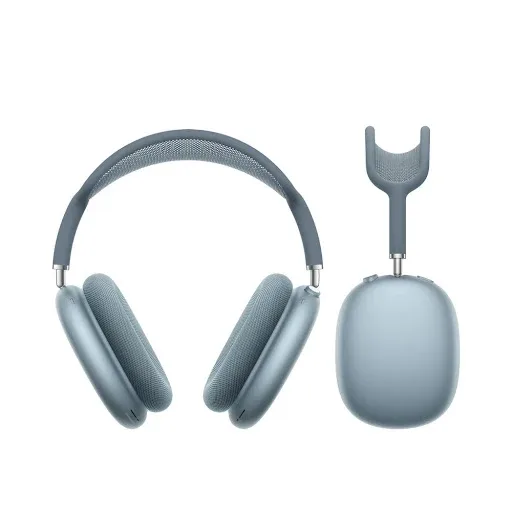
The AirPods Max 2 is the most expensive model in this comparison, and its value depends almost entirely on whether you live inside Apple's ecosystem. SoundGuys lists it as the best headphone for iPhone users, citing excellent noise cancellation, strong sound quality, and seamless integration with Apple devices. CNET awarded it an Editors' Choice alongside the Sony XM6 and Bose QC Ultra 2nd Gen.
The features that justify the premium — automatic switching between iPhone, iPad, and Mac, deep Siri integration, spatial audio with head tracking, and instant pairing via the H2 chip — only work fully inside Apple's ecosystem. If you're an Android user, or you split your listening between Apple and non-Apple devices, you lose most of what makes the AirPods Max 2 worth the markup over the Sony XM6. ANC and sound quality are excellent on any device; the premium itself is essentially an Apple-ecosystem tax.
For committed Apple users, the math flips. Effortless device switching saves real friction across a workday, and the spatial audio implementation on Apple Music is genuinely immersive for supported content. If your phone is an iPhone, your laptop is a Mac, and you use Apple Music or Apple TV+, the AirPods Max 2 earns its price in daily convenience.
Bose QuietComfort Ultra 2nd Gen: The Comfort-First Flagship
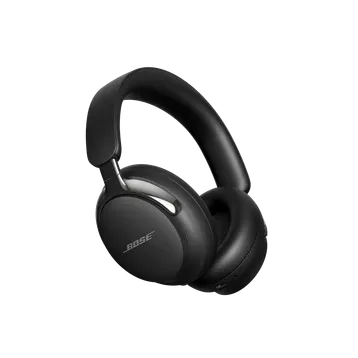
Bose built its reputation on two things: noise cancellation and wearing comfort. The QuietComfort Ultra Headphones 2nd Gen continues both traditions at the most accessible price point among the three CNET Editors' Choice flagships. The r/SonyHeadphones community describes it as "a good alternative to the XM6" — an honest summary: it's not the outright ANC leader, but it's close enough that the gap rarely matters day to day.
Where the Bose QC Ultra 2nd Gen separates itself is extended wear. Bose has consistently prioritized lightweight construction and well-padded earcups across the QuietComfort line, and the 2nd Gen continues that focus. For anyone wearing headphones six or more hours a day — long-haul flights, full remote workdays, extended studio sessions — that comfort advantage compounds in ways raw ANC scores don't capture. If your headphones are part of a larger home-office setup, our guide to the Best PC Monitors 2026 for Work, Design & General Use covers the rest of that desk.
RTINGS lists the Bose QC Ultra 2nd Gen among its most popular tracked models in 2026, alongside the Sony XM6 — a sign of sustained interest rather than a model fading from relevance. If you're choosing between the two: the Sony wins on raw ANC and sound customization; the Bose wins on comfort and price.
Sennheiser HDB 630: The Audiophile Case for Skipping ANC-First

Not every buyer's primary concern is blocking out the world. For listeners who prioritize accurate, high-fidelity sound — for critical listening, mixing, or simply hearing recordings as they were mastered — the ANC-first flagship category isn't necessarily the right starting point.
WhatHifi made a notable editorial call on June 3, 2026: it replaced the Dali IO-8 with the Sennheiser HDB 630 as its Best for Audiophiles pick. That's a meaningful signal — Sennheiser has re-entered the premium wireless over-ear conversation with a model built around sound accuracy rather than ANC dominance. The HDB 630 also appears in RTINGS' popular-models list alongside the Sony XM6 and Bose QC Ultra 2nd Gen, suggesting it's gaining traction beyond the audiophile niche.
In April 2026, independent reviewer Mike O'Brien published a comparison of six premium ANC headphones — including the HDB 630, Sony WH-1000XM6, Bose QC Ultra 2nd Gen, AirPods Max 2, Sonos Ace, and JBL Tour One M3 Smart TX — scored across 14 categories, and the video drew over 200,000 views. That kind of multi-dimensional, real-world comparison reflects genuine buyer appetite beyond single-metric rankings.
The trade-off is straightforward: audiophile-focused headphones typically ship with less aggressive ANC than the Sony, Bose, or Apple flagships. The HDB 630 suits quiet home environments or studios better than noisy transit. For budget-conscious audiophiles, SoundGuys recommends the wired AKG K371 as a headphone that delivers studio-monitor-quality sound for home listening and production — a strong option if you don't need wireless or ANC.
Budget and Mid-Range Options Worth Considering
Not everyone needs or wants to spend flagship money. A few models deliver strong performance at lower price points without major compromises:
- Sony WH-1000XM4 — the r/SonyHeadphones community consistently calls it "the most recommended pair of headphones ever." Very good ANC and Sony's proven sound tuning, priced well below the XM6.
- Anker Soundcore Space One — per SoundGuys, these "bring most of the same features of flagship competitors for a fraction of the price." ANC won't match Sony or Bose, but the value-to-performance ratio is strong for budget commuters.
- Anker Soundcore Space Q45 — SoundGuys describes it as ticking "most boxes for the price," with Bluetooth, AAC and LDAC codec support, and decent ANC — a practical pick if you want LDAC without flagship pricing.
Which Headphone Fits Your Actual Use Case?
The most useful way to choose isn't a ranked list — it's a use-case map:
- Frequent flyer or long-distance commuter: Sony WH-1000XM6. Its ANC is the most effective at suppressing low-frequency aircraft and train noise, and 30+ hours of battery removes range anxiety on long travel days. Pair it with one of the Best Portable Chargers & Power Banks 2026 if you're also keeping your phone alive on the road.
- Open-plan office worker: Bose QuietComfort Ultra 2nd Gen. The comfort advantage matters when you're wearing headphones six to eight hours a day, and its ANC handles HVAC hum and keyboard clatter effectively.
- iPhone-first Apple ecosystem user: AirPods Max 2. Automatic switching between iPhone, iPad, and Mac, plus deep Siri and spatial-audio integration, makes the premium worth paying if your whole setup is already Apple.
- Audiophile or home-studio listener: Sennheiser HDB 630. Prioritizes tonal accuracy over noise floor reduction — better suited to a quiet room than a crowded train.
- Remote worker on video calls all day: Bose QC Ultra 2nd Gen or Sony XM6, paired with one of the Best Webcams for Remote Work & Streaming 2026 for a complete home-office audio-and-video setup.
- Budget-conscious buyer: Sony WH-1000XM4 or Anker Soundcore Space Q45 — both deliver most of the flagship experience at a meaningfully lower price.
Frequently Asked Questions
Is the Sony WH-1000XM6 better than the Bose QuietComfort Ultra 2nd Gen? For raw ANC strength and sound customization, the Sony XM6 generally tests ahead. For all-day wearing comfort and price, the Bose QC Ultra 2nd Gen has the edge. Most listeners in everyday environments won't perceive a meaningful ANC difference between the two.
Are the AirPods Max 2 worth it for Android users? Generally no. The premium over the Sony XM6 or Bose QC Ultra 2nd Gen is driven almost entirely by Apple-ecosystem features — automatic device switching, deep Siri integration, and spatial audio with head tracking — that don't function outside Apple devices.
Do I need over-ear headphones, or are earbuds enough in 2026? If portability is your top priority and you're comfortable with an in-ear fit, 2026's best true-wireless earbuds now deliver flagship-level ANC in a pocketable form factor. See our Best Wireless Earbuds 2026 comparison for model-by-model picks.
Is the Sennheiser HDB 630 good for travel? Not as its primary strength. It's tuned for sound accuracy rather than maximum noise cancellation, so it performs best in quiet home or studio settings rather than noisy transit environments.
Is the older Sony WH-1000XM4 still worth buying in 2026? Yes, particularly on a budget. It remains one of the most recommended headphones in enthusiast communities, delivering very good ANC and Sony's established sound tuning at a price well below the XM6.
This article was researched and drafted with AI assistance, then reviewed and fact-checked by our editorial team before publishing. Our reviews are research-based — we synthesize manufacturer specifications, independent lab tests, and verified buyer feedback, and cite our sources. We do not accept payment for rankings. How we review · How we use AI
Affiliate disclosure: Trusted Buyer Report may earn a commission when you click links or make purchases through our site, at no extra cost to you. Editorial recommendations are completed before any affiliate link is applied. Full disclosure →