This guide is based on published Consumer Reports data, manufacturer specifications, and expert sources. It does not reflect hands-on testing by Trusted Buyer Report. Researched and drafted with AI assistance; reviewed and fact-checked by our editorial team before publishing. We may earn a commission from purchases made through links on this page.
Quick Verdict (TL;DR)
- Tesla Supercharger is the most reliable public fast-charging network in the U.S. — a 4% session-failure rate vs. an industry average of ~22%.
- ChargePoint is the strongest choice for daily charging at work, retail, and home — its Home Flex is the top-ranked Level 2 charger for 2026.
- EVgo has the densest urban DC fast-charge footprint but carries a 43% problem rate — nearly half of all sessions encounter some issue.
- The most common mistake: choosing a network by port count. The metric that actually matters is reliability — whether the charger works when you arrive.
Why Network Reliability Matters More Than Port Count
The most common misconception about EV charging is that the network with the most ports is the best one to depend on. Port count is a marketing number. What determines your actual experience on a road trip — or on a Tuesday when you're down to 12% — is whether the charger functions when you pull up to it.
According to Consumer Reports data cited by InsideEVs, EVgo had problems in 43% of charging sessions — meaning nearly half of all attempts involved a dead touchscreen, a payment failure, or a cryptic error message. Tesla Superchargers, by contrast, recorded a 4% problem rate in the same analysis. That's not a marginal difference. It's the gap between a network you can plan a trip around and one that requires a backup plan every time.
Research from the Harvard Business School Institute for Business in Global Society puts overall public charging reliability at roughly 78% — meaning about one in five public sessions involves some kind of issue industry-wide. Tesla's 4% makes it an extreme outlier on the right side of that curve.
This guide uses published reliability data, pricing structure analysis, and real-world coverage patterns — not brand marketing claims — to answer the only question that matters before you commit to a charging strategy: which network will actually work when you get there?
How This Guide Was Researched
This comparison is based on manufacturer specifications, the Consumer Reports reliability dataset (as cited by InsideEVs), independent pricing analysis from TrendX Insights, independent home charger testing by EnergySage and Car and Driver, and coverage data from state EV infrastructure reports. Trusted Buyer Report did not conduct independent charging sessions. Sources are cited throughout. Our full methodology is published.
The five dimensions we evaluated:
- Reliability rate — percentage of sessions with a significant problem (most predictive of real-world experience)
- Network size and geographic coverage — ports per 100 registered EVs, not raw port count
- Pricing structure — per-kWh vs. per-minute billing and what each costs different vehicle types
- Accessibility — open to all EVs or brand-restricted
- Home charging integration — whether the network extends value beyond public stations
The Full Reliability Scorecard: Every Major Network Ranked
Before diving into each network, here is the complete Consumer Reports reliability ranking (via InsideEVs):
| Charging Network | Sessions with Problems |
|---|---|
| Shell Recharge | 48% |
| EVgo | 43% |
| Blink | 41% |
| AmpUp | 38% |
| Electrify America | 35% |
| Volta | 33% |
| EV Connect | 31% |
| ChargePoint | 24% |
| FLO | 24% |
| Rivian Adventure Network | 5% |
| Tesla Supercharger | 4% |
To put these numbers in concrete terms: a driver using EVgo five times per week would statistically encounter a problem more than twice per week. A driver using Tesla Superchargers at the same pace would encounter a problem roughly once every five weeks. That difference compounds significantly over a year.
The dominant failure modes across all networks are the same: dead touchscreens and payment system errors accounted for 76% of all reported problems across every network, per the same Consumer Reports analysis. This is not rare hardware failure — it is a systemic infrastructure quality and maintenance issue.
Tesla Supercharger: The Reliability Benchmark
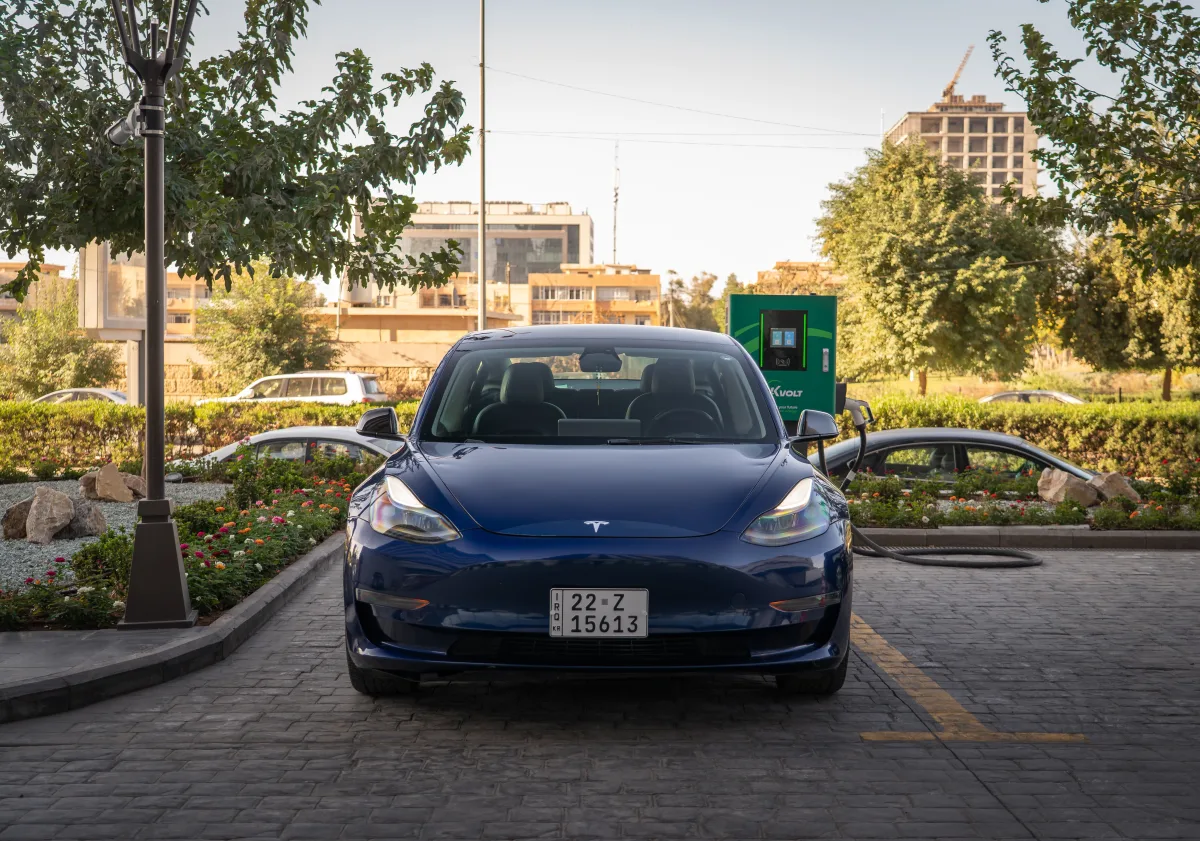
Best for: All EV drivers who take road trips; non-Tesla EV owners who need dependable fast charging.
Tesla Supercharger's 4% session-failure rate is the strongest reliability figure of any public fast-charging network open to multi-brand vehicles in the U.S. The only network that comes close is the Rivian Adventure Network at 5% — which remains restricted to Rivian vehicles.
Tesla operated its Supercharger network as an exclusive ecosystem for years, which gave the company full control over hardware-software integration. That integration advantage has held even as the network opened to non-Tesla EVs via NACS connector or CCS adapter. If you own a non-Tesla EV and need a public DC fast charger you can depend on, Tesla Supercharger is the current benchmark with no close competitor.
Pricing structure: Tesla uses per-kWh billing — you pay for the energy delivered, not the time you're connected. This is the fairer model for most drivers (see Pricing section below). According to TrendX Insights, non-Tesla drivers can pay a monthly membership fee (approximately $9.99/month) for a discount of roughly $0.10/kWh. Whether that membership pays off depends entirely on how often you use Superchargers — occasional road-trippers will likely find the math doesn't favor it.
Geographic note: Rates are elevated in Alaska, Hawaii, California, Colorado, and Connecticut, per TrendX Insights. Alaska and Hawaii carry the highest costs on every network due to grid isolation — those elevated electricity costs flow directly into charging prices regardless of which network you use.
Limitation: Tesla's corridor-first build strategy means its network is excellent along major interstates and in metro areas, but thinner in rural regions and mid-sized markets where other networks have invested more. If you live and drive primarily in a rural area, Supercharger density may be lower than the total port count implies.
ChargePoint: The Best Network for Daily Drivers
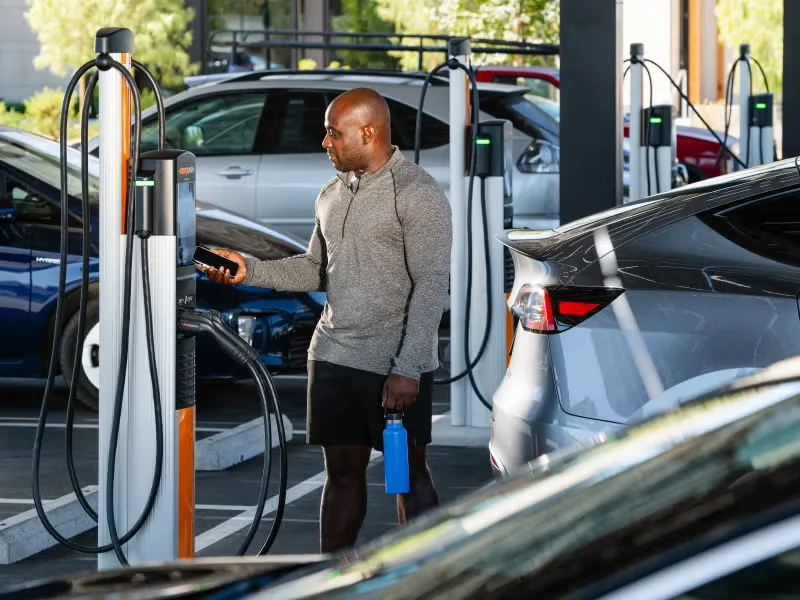
Best for: Drivers who charge primarily at work and home; anyone buying a Level 2 home charger.
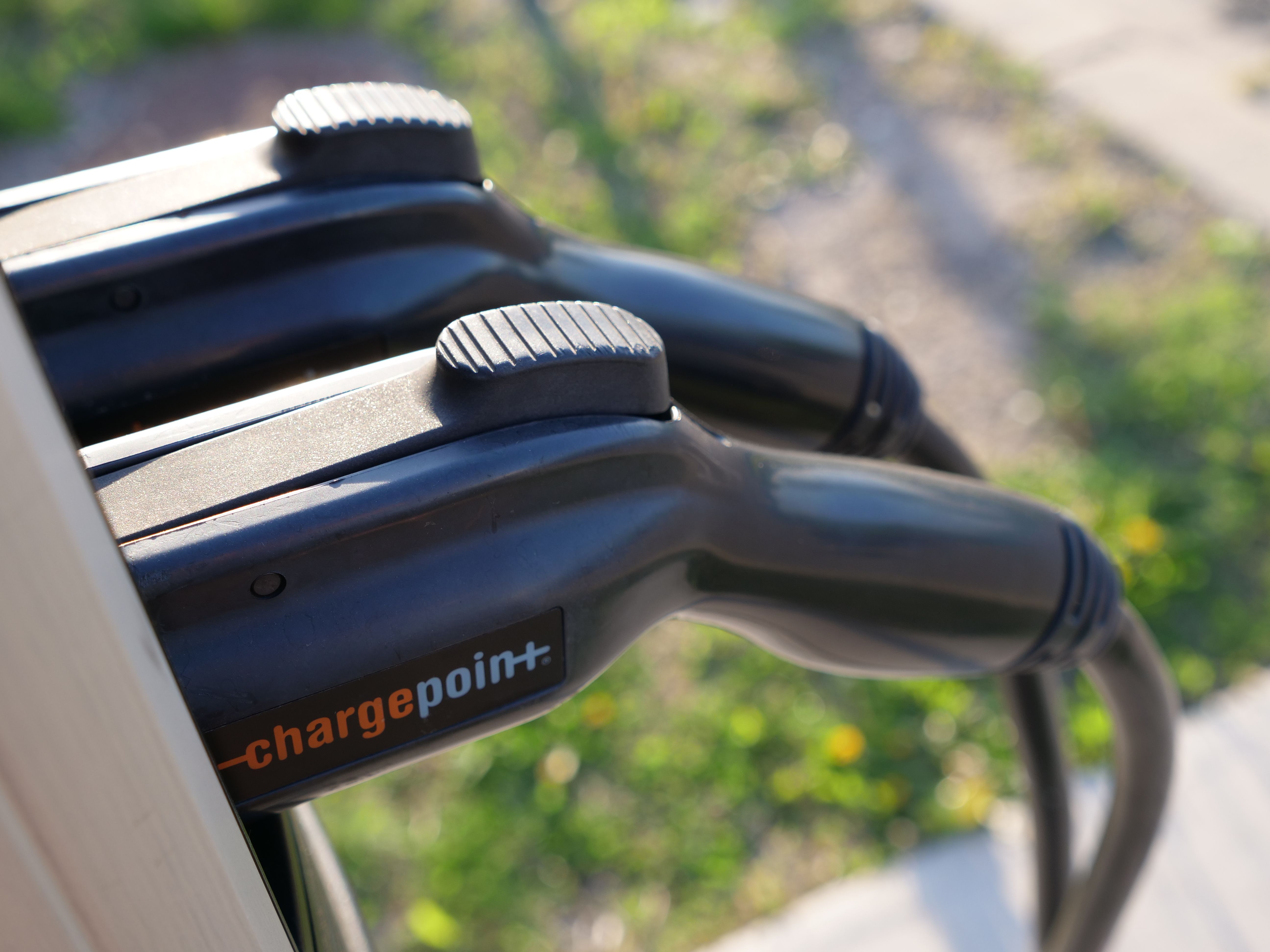
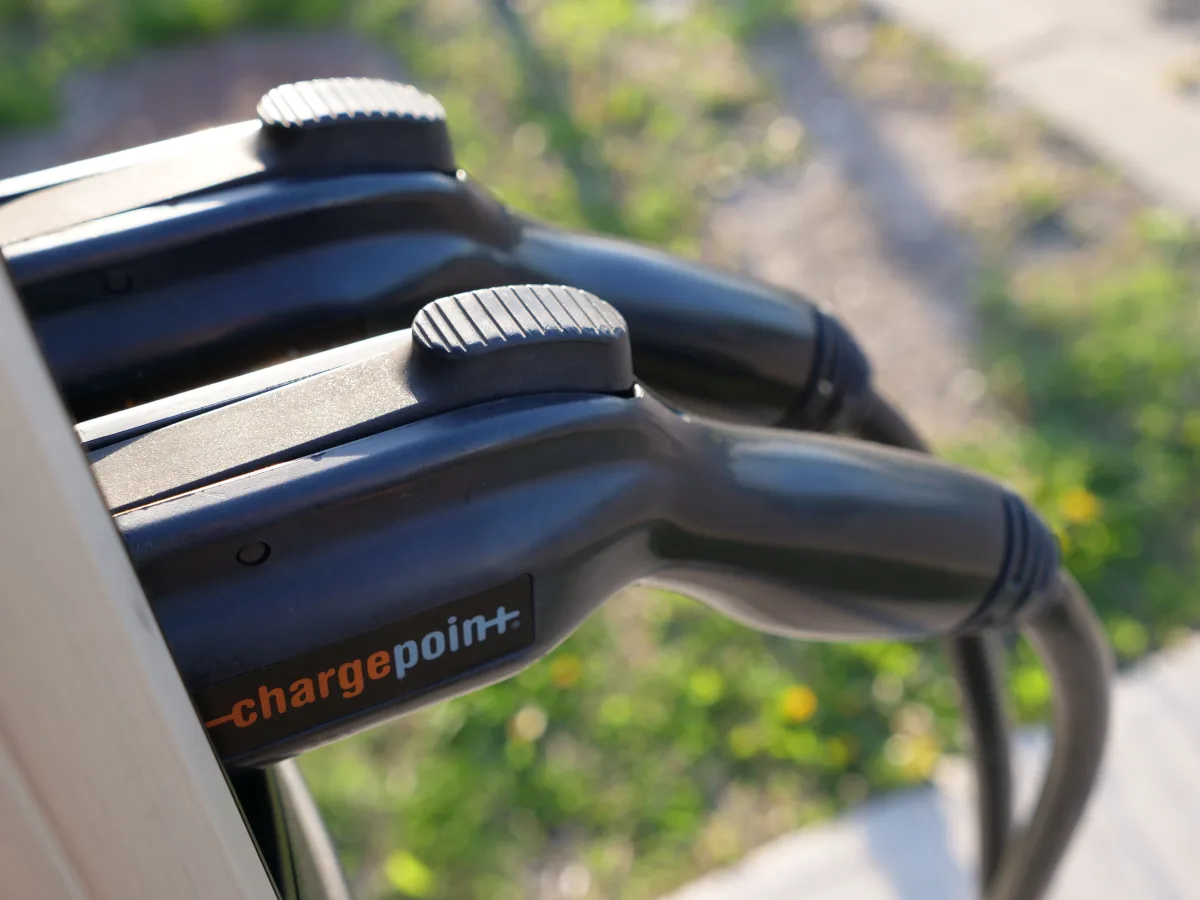
ChargePoint takes a fundamentally different approach than Tesla or EVgo. Rather than focusing on highway fast charging, ChargePoint has built a network of Level 2 and DC fast chargers concentrated in workplaces, retail destinations, and multi-family residential properties. This positioning makes ChargePoint less useful for road trips and more useful for the 80% of charging that happens while a vehicle sits parked anyway.
On reliability, ChargePoint's 24% problem rate is significantly better than EVgo, Shell Recharge, and Blink. It falls well short of Tesla's 4%, but in the context of the broader market, ChargePoint sits in the upper tier of non-Tesla networks — tied with FLO and ahead of every other major network except Rivian.
ChargePoint Home Flex — the best home charger for 2026: The ChargePoint Home Flex was ranked the top Level 2 home charger for 2026 by EnergySage, evaluated as the best balance of features, reliability, and value. Car and Driver testing found the ChargePoint app offers the most nuanced cost tracking of any home charger app — it allows you to select from dozens of local utility rate plans to calculate the actual cost of each session, even on variable-rate electricity plans. Scheduled charging for off-peak rates can meaningfully reduce home charging costs over time.
Workplace coverage: According to ChargePoint, its network serves 64% of Fortune 500 companies and 82% of Fortune 50 companies. For drivers whose employers have ChargePoint stations in the parking structure, the network effectively provides free or low-cost mid-day charging that eliminates most public fast-charging needs entirely.
ChargePoint uses per-kWh billing at its DC fast chargers — the fairer model for most drivers.
If you're researching the full cost of EV ownership — including tires built for heavier EV weight — our best tires for 2026 guide covers all-season and performance options tested and ranked.
EVgo: Urban Ambition, Reliability Problem
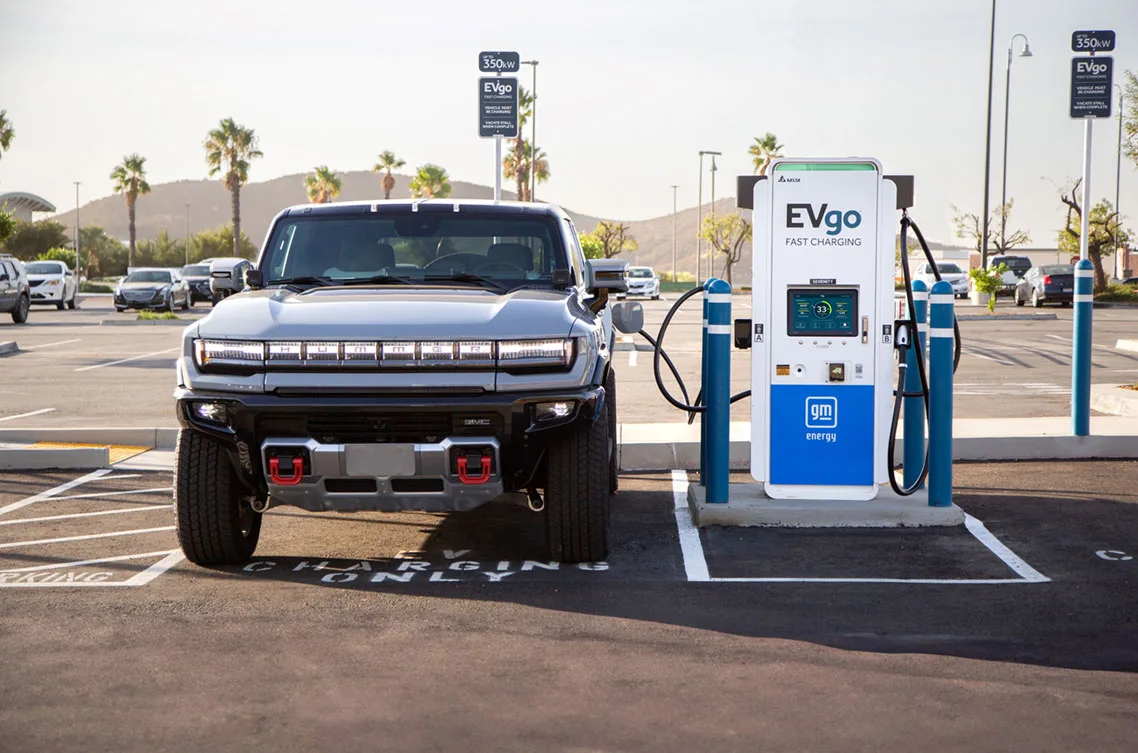
Best for: Urban drivers with no home charging option, high-charge-rate vehicles, and newer-generation EVgo hardware nearby. Not recommended as a primary network for most drivers.
EVgo's strategy is clear: dense urban and suburban DC fast charging, positioned near grocery stores and shopping centers. The location logic is sound. The execution has not matched the ambition.
A 43% problem rate means that if you use EVgo regularly, problems are not occasional — they are near-daily for frequent users. The dominant failure modes are the same industry-wide issues: dead touchscreens, payment failures, and error messages with no actionable information. At 43%, EVgo sits among the worst-performing major networks — ahead of only Shell Recharge (48%), Blink (41%), and AmpUp (38%).
Billing disadvantage for many drivers: EVgo uses per-minute pricing. As TrendX Insights explains, at per-minute networks, a vehicle accepting 50 kW pays roughly double the effective per-kWh rate of a vehicle accepting 100 kW. Drivers of older EVs or vehicles with lower maximum DC charge rates are systematically overcharged relative to the energy they receive. Only drivers with vehicles accepting 150 kW or above get anywhere near fair value from per-minute billing.
EVgo has been investing in infrastructure upgrades and AI-driven monitoring tools, and Q4 2024 throughput metrics showed growth. But scaling a network with a 43% problem rate means more drivers encountering broken chargers — not fewer — until the underlying hardware and payment reliability is resolved.
The honest 2026 use case for EVgo: Urban drivers with vehicles that accept high charge rates, who have no home charging option, in a city where EVgo has invested in newer-generation hardware. For most other drivers, EVgo should be a backup option, not a primary network.
Pricing Decoded: What You Actually Pay Per Mile
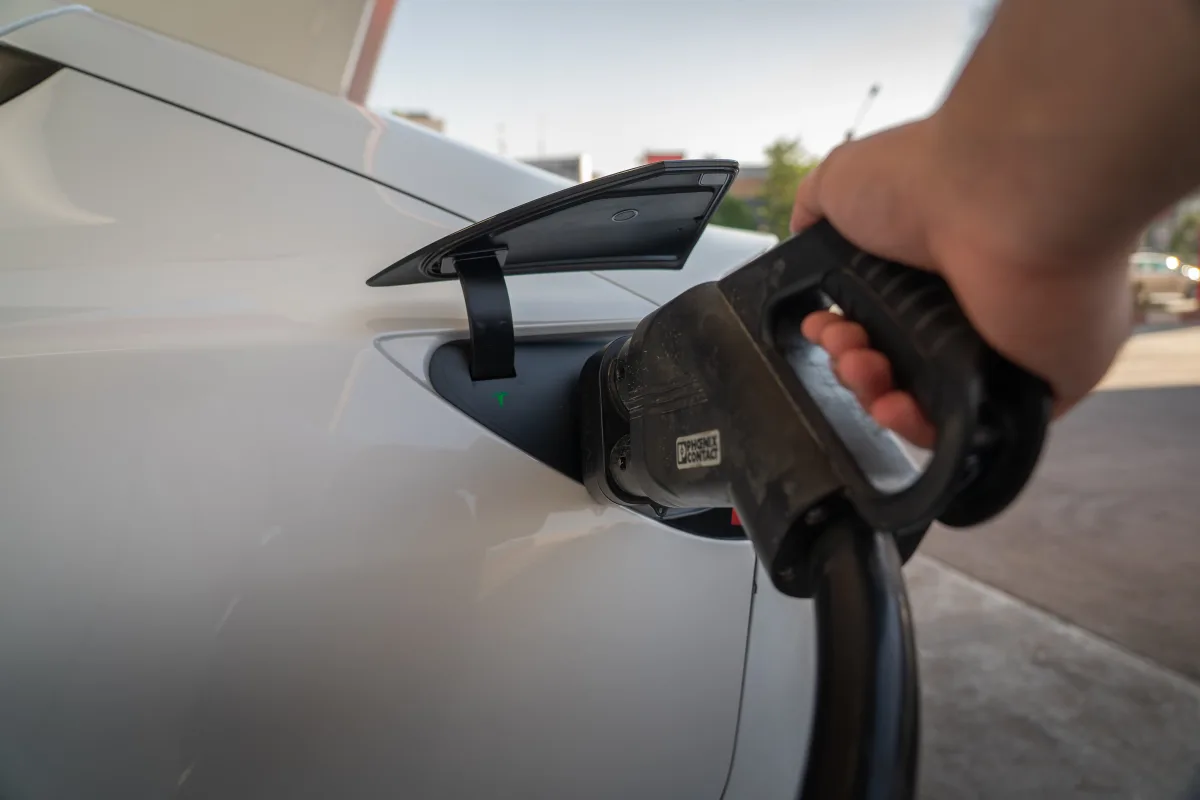
Headline rates rarely reflect what you actually pay. The billing model, your vehicle's maximum charge acceptance rate, your state, and membership status all affect real session cost.
Per-kWh billing (Tesla, ChargePoint, Electrify America): you pay for the energy delivered. The rate is the same regardless of how fast your vehicle charges — only session duration varies. This is the fairer and more predictable model for trip planning.
Per-minute billing (EVgo): you pay for time connected. As TrendX Insights notes, a vehicle accepting 50 kW pays roughly double the effective per-kWh rate of one accepting 100 kW. If your vehicle's maximum DC charge rate is below 100 kW, per-minute billing is systematically working against you.
Geographic variation: Alaska and Hawaii carry the highest rates on every network — grid isolation pushes commercial electricity costs well above the national average, and those costs flow directly into charging prices. Within the contiguous 48 states, California, Colorado, and Connecticut also see elevated Tesla Supercharger rates, per TrendX Insights.
Home charging economics: Level 2 home charging remains dramatically cheaper than any public fast-charging option for daily use. The ChargePoint Home Flex combined with off-peak scheduling gives home chargers access to the lowest available per-kWh rates. For drivers who can install a home charger, the math strongly favors maximizing home charging and treating public networks as supplemental.
Coverage Gaps: Where Each Network Leaves You Stranded
Raw port count obscures more than it reveals. The metric that predicts your experience is ports per 100 registered EVs — how many charging options exist relative to the vehicles competing for them.
New Jersey illustrates the infrastructure strain: approximately 174,000 registered EVs but only around 7,000 DC fast charge ports — a ratio of 3.4 ports per 100 EVs. Drivers in that state feel the shortage during peak travel periods, per the 2026 EV Charging State-by-State report.
Texas is a near-term improvement story — a wave of new installations driven partly by Tesla's North American manufacturing presence, though rural coverage remains thin.
New York has active infrastructure programs including Evolve New York, which has been adding ports in previously underserved areas. Urban density in New York City creates its own access challenges.
Rural coverage is the consistent weak point for all non-Tesla networks. Tesla's corridor-first build gives it a meaningful highway advantage. ChargePoint's strength in workplace and destination charging means its coverage thins quickly on rural routes. EVgo is almost entirely absent outside metropolitan areas.
For drivers who spend time on the road — and who are weighing accessories like GPS navigation systems or dash cams for long trips — having a reliable charging strategy is as important as any in-car technology you bring along.
Final Recommendation: Match the Network to Your Driving Pattern
No single network is the right answer for every driver. The decision depends on three variables: how you charge most often, how far you regularly drive, and what vehicle you own.
If you own a Tesla: Supercharger's 4% failure rate and highway corridor coverage make it your primary fast-charging resource. Charge at home for daily use; use Superchargers for road trips.
If you own a non-Tesla EV and take regular road trips: Make Tesla Supercharger your primary public fast-charging network. Get the NACS adapter or confirm CCS compatibility. Evaluate the monthly membership based on your usage frequency, and use ChargePoint for workplace and destination charging.
If you charge primarily at home and work: The ChargePoint Home Flex is the strongest home Level 2 charger for 2026 per EnergySage. ChargePoint's workplace network gives you a consistent public charging layer without depending on DC fast chargers for daily needs. Use Tesla Supercharger for occasional road trips.
If you live in an urban area without home charging: EVgo's location density may be your only practical option for DC fast charging. Keep ChargePoint and Tesla Supercharger apps installed as alternatives. Always arrive with enough range to reach a second location if the first choice fails — at a 43% problem rate, a backup plan is not paranoia, it's planning.
If your vehicle has a lower maximum DC charge rate (below 100 kW): Avoid per-minute billing networks like EVgo. The effective per-kWh cost at per-minute networks roughly doubles for a vehicle charging at 50 kW compared to one at 100 kW. Stick to per-kWh networks — Tesla and ChargePoint — for predictable, fair pricing.
FAQ: EV Charging Networks 2026
Which EV charging network is most reliable in 2026? Tesla Supercharger leads with a 4% session-failure rate, per Consumer Reports data cited by InsideEVs. The next closest public network is ChargePoint at 24%. EVgo trails significantly at 43%.
Is EVgo worth using in 2026? For most drivers, EVgo should be a backup option, not a primary network. A 43% problem rate means problems are a near-daily expectation for regular users. The exception is urban drivers with high-charge-rate vehicles and no home charging option, in cities where EVgo has invested in newer hardware.
Does ChargePoint work for road trips? ChargePoint's strength is in workplace, retail, and home charging — not highway corridors. For long-distance road trips, Tesla Supercharger provides more consistent highway coverage and far better reliability.
What is the difference between per-kWh and per-minute billing? Per-kWh billing charges you for the energy you receive, regardless of charge speed — this is used by Tesla, ChargePoint, and Electrify America. Per-minute billing charges for time connected — used by EVgo — which means vehicles that charge more slowly pay more per kWh of energy received. A vehicle accepting 50 kW pays roughly double the effective rate of one accepting 100 kW on a per-minute network.
Can non-Tesla EVs use Tesla Superchargers? Yes. Tesla opened the Supercharger network to non-Tesla EVs. Most current non-Tesla EVs use CCS connectors; many newer models use NACS (the connector Tesla pioneered). Adapters are available for CCS vehicles. Non-Tesla drivers pay a higher per-kWh rate without a monthly membership.
What is the cheapest way to charge an EV daily? Level 2 home charging with off-peak scheduling is dramatically cheaper than any public fast-charging option. The ChargePoint Home Flex, ranked #1 by EnergySage for 2026, combined with the ChargePoint app's utility rate scheduling, gives drivers access to the lowest available per-kWh rates for daily charging.
Related Guides From Trusted Buyer Report
Buying an EV is just one part of the equation. If you're building out your complete vehicle setup, our 2026 Automotive Buyer's Guide covers everything from parts and tires to insurance in one place. If you're currently shopping for a vehicle, our guide to how to buy a used car online in 2026 walks through the full process step by step. For EV buyers who want to compare listings across platforms, see our breakdown of the best car-buying apps and websites for 2026 — including CarMax, Carvana, and KBB.
Once you're on the road, a few accessories make a real difference: a quality dash cam for documentation and trip recording, a solid GPS navigation system if you don't rely solely on your phone, and a jump starter and emergency kit — even EV drivers benefit from having one in the trunk for roadside situations.
Reviewed by the Trusted Buyer Report editorial team. This article was researched and drafted with AI assistance and fact-checked before publishing. Trusted Buyer Report may earn a commission from purchases made through links on this page. Our rankings are finalized before affiliate links are added and are never influenced by commercial relationships. Full affiliate disclosure · How we review · AI ethics policy