
Reviewed by the Trusted Buyer Report editorial team. This article was drafted with AI assistance and fact-checked before publishing. We may earn a commission when you use our links — added only after our assessment is complete. Full disclosure →
Most cat owners assume the choice between wet and dry food is about budget or convenience. It isn't. The format of your cat's food directly affects how much water enters their body every day — and for an animal with a naturally low thirst drive, that gap has measurable long-term consequences for kidney and urinary health.
The short answer: Most vets recommend a mixed diet — wet food as the primary meal, dry food as a supplement. Neither format wins outright. What matters is understanding why, so you can make the right call for your specific cat's age and health status.
This guide does not rank brands. It explains the biology, teaches you to read a label the way a vet does, and gives you a practical decision framework you can apply to any product you're evaluating.
Why Food Format Is a Health Decision, Not Just a Preference
Cats are obligate carnivores — not as a diet preference, but at a physiological level. Their digestive systems, metabolic pathways, and thirst mechanisms all evolved around a single food source: prey. A mouse is roughly 70% water by weight. That's where wild cats get the vast majority of their daily hydration.
A domestic cat eating dry kibble gets almost none of its moisture from food.
According to Dr. Deb Zoran, a professor at the Texas A&M College of Veterinary Medicine & Biomedical Sciences, wet food is approximately 75–80% water while dry food contains less than 5%. Critically, Dr. Zoran notes that most of a cat's daily hydration needs are met through diet — not through drinking from a bowl.
The biological problem: cats have a low thirst drive inherited from desert-dwelling ancestors who rarely encountered standing water. Unlike dogs, they do not reliably compensate for a dry diet by drinking more. Choosing the wrong food format isn't just a nutritional oversight — it's a hydration delivery failure with effects that accumulate quietly over years.
What Wet and Dry Food Actually Contain
Understanding the physical composition of each format explains their behavioral differences in a cat's body.
Wet food is cooked in a sealed environment — typically a can or pouch — which preserves moisture and limits the need for preservatives. The result is a product that is over 80% water, with higher protein content relative to dry matter and fewer carbohydrates because it doesn't require binding agents to hold a pellet shape.
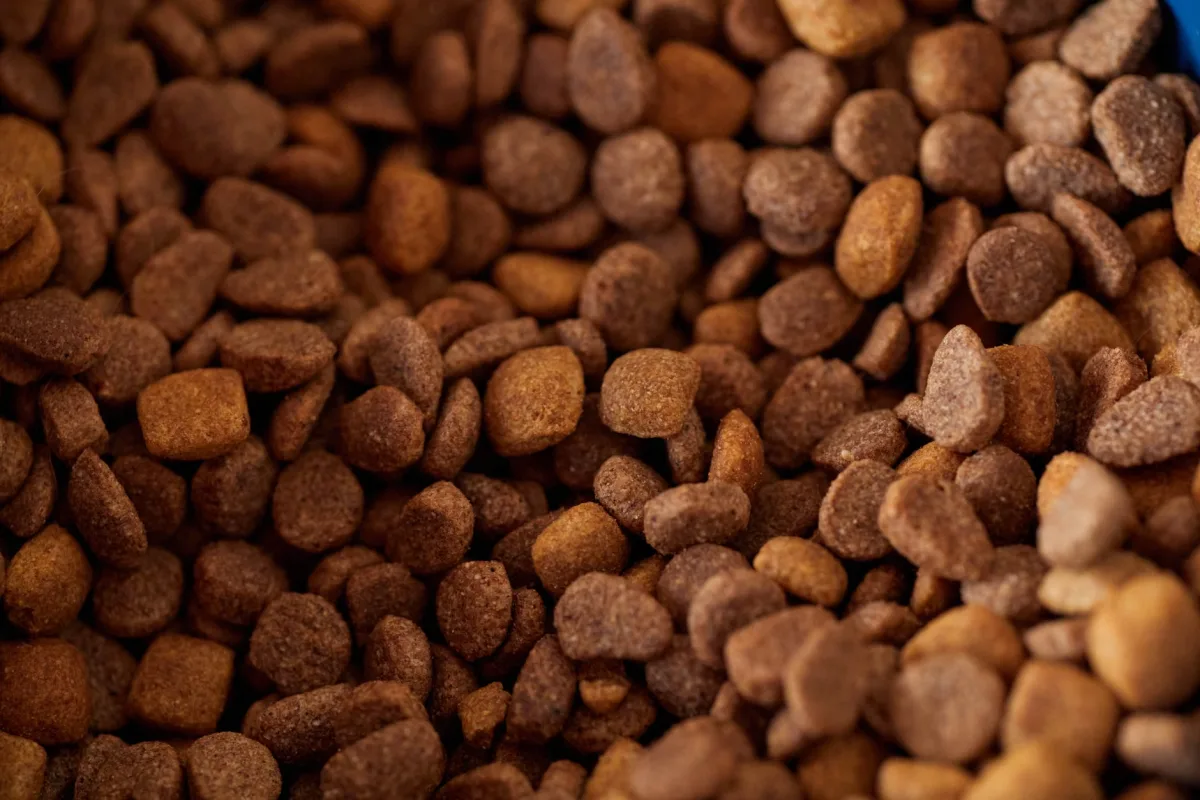
Dry food is extruded: ingredients are mixed, forced through a die under high pressure and heat, and cut into pellets. This process requires starch to bind the kibble, which is why dry food carries a higher carbohydrate load regardless of what the front of the bag says. Dry food contains less than 10% moisture. Its advantages — longer shelf life, easy storage, compatibility with automatic feeders — are real, but they're practical, not nutritional.
Protein quality matters equally in both formats. Terms like "meal," "by-products," and generic "poultry" on ingredient labels indicate lower-quality protein sources. High-quality foods list named animal proteins — chicken, salmon, turkey, beef — in the first five ingredients. Cheaper formulas lead with fillers: cornmeal, beet pulp, yellow corn.
One baseline to look for on every label: an AAFCO (Association of American Feed Control Officials) nutritional adequacy statement. This confirms the food meets established nutritional standards. Its absence is a red flag. It's a quality floor, not a ceiling — but it's a floor worth insisting on.
The Hydration Risk: Why Dry-Only Diets Concern Vets
The risks of a dry-only diet aren't theoretical — they're well-documented across veterinary practice. Cats fed exclusively dry food are at elevated risk for:
- Chronic mild dehydration — not dramatic, but sustained. It places continuous stress on the kidneys and urinary tract over months and years.
- Urinary crystals and lower urinary tract disease — conditions directly linked to concentrated, low-moisture urine.
- Increased diabetes risk — dry food loads cats with carbohydrates their digestive systems are poorly equipped to process. Cats have limited enzymatic capacity for high-carbohydrate diets and are mildly insulin-resistant compared to omnivores.
This doesn't mean every cat on dry food will develop these conditions. It means the risk profile is genuinely elevated, particularly for cats with existing vulnerabilities — those already diagnosed with urinary crystals, early kidney disease, or diabetes are especially sensitive to low dietary moisture.
What about water fountains? They're worth using. They encourage drinking. But they don't fully close the hydration gap — a cat drinking from a fountain is still compensating for a deficit that wet food would eliminate at the source.
What Dry Food Does Well: The Honest Case for Kibble

A fair analysis means acknowledging what dry food actually offers.
Cost is the most significant advantage. Dry food is substantially cheaper per calorie than wet food — meaningful in multi-cat households or for owners with tight budgets.
Convenience is real: dry food stores easily, doesn't spoil within hours of being served, and works with timed automatic feeders.
Dental benefit is frequently cited and equally frequently overstated. Standard dry kibble typically shatters before reaching the gum line, limiting its cleaning effect. Dental-specific kibble — a distinct product category designed with larger kibble size and fiber orientation — has more evidence behind it. If dental health is your concern, ask your vet about dental-specific diets or enzymatic treats rather than assuming any dry food will clean your cat's teeth.
Quality within the format matters enormously. High-quality dry food lists real animal proteins as the primary ingredient, has balanced fat-to-protein ratios, uses life-stage-specific formulas, and avoids artificial additives. Low-quality dry food relies on cheap fillers, undefined meat by-products, and excessive carbohydrates. The difference is readable on the label.
One practical real-world approach seen in owner communities: feed a quality grain-free dry food (with chicken or salmon as the primary ingredient, not by-products) alongside rotating wet food options — and add a tablespoon of water to each dry meal for extra moisture. This captures dry food's practical benefits while mitigating its hydration shortfall.
The Mixed Feeding Approach: What Vets Actually Recommend
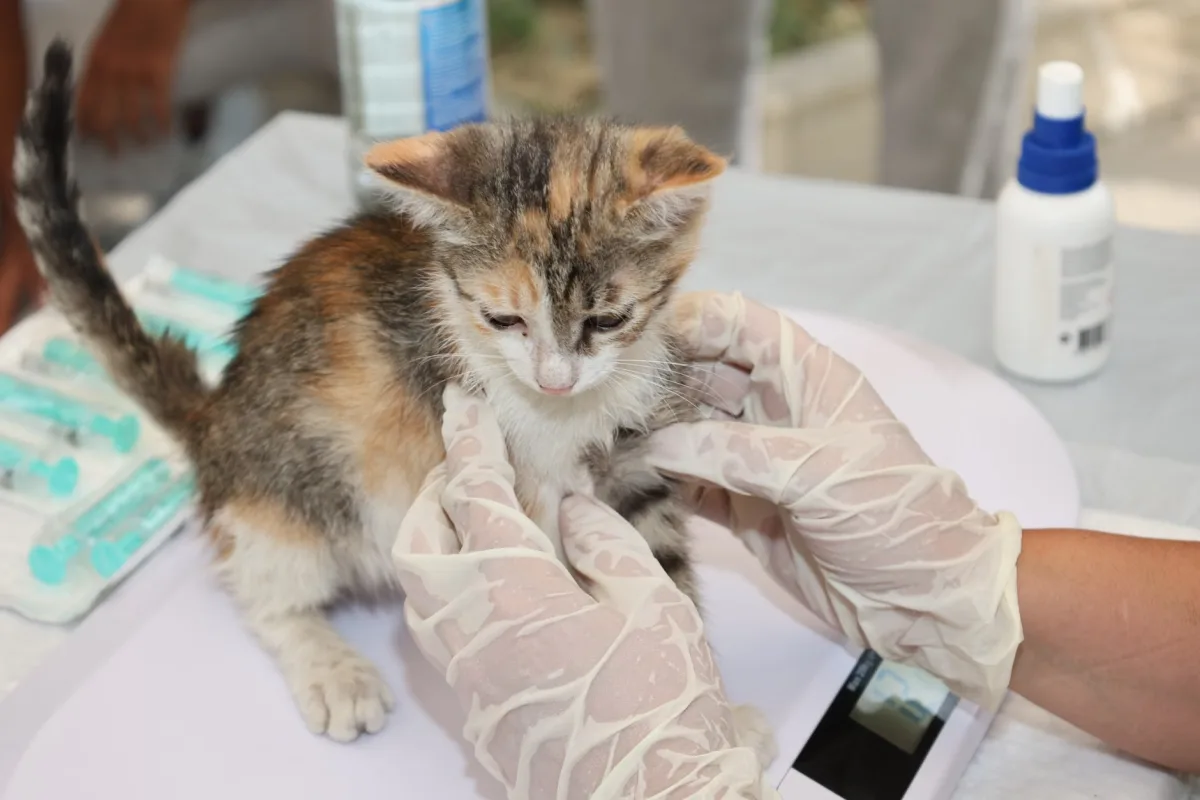
Across nearly every veterinary source, the consensus is consistent: combine wet and dry food rather than choosing one exclusively. Many veterinary nutritionists now formally recommend a mixed approach that captures the hydration benefits of wet food alongside the convenience and cost benefits of dry kibble.
In practice, this typically means:
- Wet food as the primary meal — once or twice daily
- Dry food in smaller quantities as a supplement or for free-feeding between meals
- Water added to dry food if transitioning is difficult — a tablespoon of warm water or low-sodium broth meaningfully increases moisture intake without requiring a full format switch
If a cat only eats dry food, vets recommend closely monitoring water intake and using a water fountain to encourage drinking. The key distinction: a single-format dry diet requires active compensation; a mixed diet does not.
Transitioning from dry to wet food requires patience. Cats are primarily texture-driven eaters and develop strong, early food preferences that can be difficult to reverse — even when medically necessary. The most reliable method: start with roughly 10–15% wet food mixed into familiar dry food, and increase the ratio every three to five days over two to three weeks. Warming the wet food slightly intensifies its aroma and usually improves acceptance.
If you're navigating food decisions for multiple pets, the 2026 Pet Products Guide covering dogs, cats, and small pets covers a broader range of animal care decisions with the same evidence-first approach.
Life Stage Guide: What Your Cat Needs at Every Age
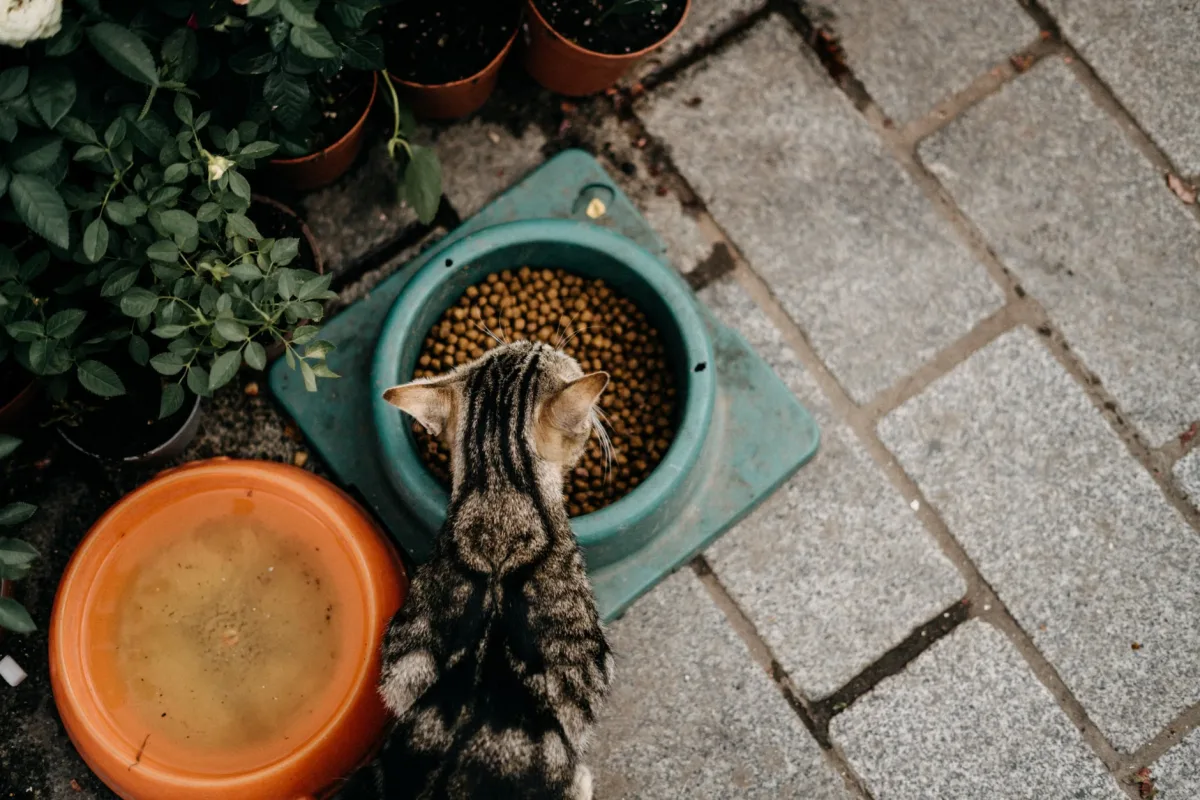
The wet-versus-dry decision isn't static. It should evolve as your cat ages.
Kittens need calorie-dense, protein-rich nutrition to support rapid growth. Wet food's high protein and moisture content support development and establish healthy hydration habits early. Variety in texture during kittenhood also reduces the risk of food fixation later — a cat that eats multiple textures as a kitten is far easier to switch foods as an adult.
Adult cats (roughly 1–10 years) need consistent, balanced nutrition with attention to weight management. Free-feeding dry food without portion control is one of the most common drivers of feline obesity in this life stage.
Senior cats (11+ years) need adjusted calorie density, higher digestibility, controlled phosphorus levels, omega-3 fatty acids, and joint support. Phosphorus restriction is particularly important because aging kidneys are less efficient at filtering it. Wet food's lower carbohydrate load and higher moisture content make it the preferred format for most senior cats — this is where the format decision has its most direct health impact.
Pregnant or nursing cats have significantly higher energy and nutritional demands. Both quantity and quality need to increase, and the food must meet a kitten/growth AAFCO standard, which covers the elevated demands of reproduction.
Cats on medical diets — kidney disease, diabetes, urinary conditions, food allergies — have specific dietary protocols prescribed by vets that override general format preferences. A cat with kidney disease may require a prescription wet food regardless of what it ate before. These conditions are managed with your vet, not through general-market product selection alone.
One note on "all life stages" labeling: a food meeting this claim must satisfy the most demanding AAFCO nutritional standard, which is the kitten and reproduction category. It's suitable for any cat, but it may be calorie-dense for a sedentary adult.
How to Read a Cat Food Label Like a Vet
Label literacy is the most transferable skill in cat nutrition — it lets you evaluate any food independently, regardless of marketing claims or price.
The ingredient list is organized by weight before processing. Named animal proteins — chicken, salmon, turkey, beef — should lead the list. Watch for ingredient splitting: a manufacturer might list "corn," "corn meal," and "corn gluten" as three separate entries to push each one lower, while corn collectively dominates the formula. Common fillers to watch for in the top five: cornmeal, beet pulp, yellow corn, wheat, soy.
Protein terminology matters. "Chicken meal" is a concentrated protein source and not automatically problematic. "Poultry by-product meal" with no species named is a lower-quality choice. Named species, named cuts, named organs — these signal a transparent, higher-quality formulation.
The guaranteed analysis panel shows crude protein, fat, fiber, and moisture percentages. The critical trap: you cannot compare wet and dry food directly on these numbers. A wet food at 10% crude protein and a dry food at 30% crude protein are not straightforwardly comparable because the wet food contains 80% water. To compare accurately, convert both to a dry matter basis: divide the nutrient percentage by the percentage of dry matter (100 minus moisture percentage). On a dry matter basis, many wet foods deliver higher protein than their label suggests.
Marketing language has no standardized definition in pet food. "Natural," "premium," "holistic," "human-grade" — these are marketing choices, not quality guarantees. The AAFCO nutritional adequacy statement is the only standardized quality signal on the label.
Is Wet Food Better Than Dry Food for Cats?
Not categorically. Wet food has clear advantages for hydration and kidney health. High-quality dry food from a reputable brand — with named animal proteins as the primary ingredient — can still meet a cat's nutritional needs. The risk is specifically in dry-only feeding without monitoring water intake.
Most vets recommend combining both formats rather than treating it as an either/or choice. The format decision matters most for senior cats, cats with kidney or urinary conditions, and cats that are difficult to keep well-hydrated.
Handling the Picky Cat: Texture, Palatability, and Transitions
A nutritionally perfect food is useless if your cat refuses to eat it. Cats are primarily texture-driven, and early food experiences create strong preferences that can persist for years — even when switching becomes medically necessary.
Wet food's potent scent and taste generally make it more appealing to picky eaters than dry kibble, and its soft texture is easier for older cats or those with dental issues. Warming wet food to just below body temperature intensifies its aroma and often improves acceptance for resistant cats.
Rotating between different proteins and textures — pâté one week, shredded the next — from an early age significantly reduces the risk of food fixation. For cats already locked into a single food preference, variety can still be introduced slowly over several weeks. The goal is not to force a preference change overnight but to gradually expand dietary range so that switching foods — whether for health reasons or supply issues — is not a crisis.
If you're purchasing cat food online (many owners now subscribe for convenience), our Chewy review for 2026 covers auto-ship savings, delivery reliability, and which food categories offer the best value per order. For owners who want food, toys, and health supplies bundled together, the best pet subscription boxes of 2026 compares KitNipBox and similar services that rotate curated products monthly.
Decision Framework: Choosing the Right Cat Food for Your Situation
Rather than a brand list, here is a decision framework based on veterinary guidance:
1. Healthy cat under 10 years old Aim for a mixed diet: wet food as the primary meal, high-quality dry food as a supplement. Choose wet foods with named animal proteins in the first two ingredients and no artificial preservatives. Choose dry foods with the same protein standard and limited fillers.
2. Senior cat (11+ years) Shift toward predominantly wet food to support kidney function, reduce phosphorus load, and ensure adequate hydration. Discuss phosphorus levels and omega-3 supplementation with your vet.
3. Cat with kidney disease, urinary crystals, or diabetes Food format is now a medical decision. Work with your vet on a prescription or therapeutic diet. Do not manage these conditions through general-market food choices alone.
4. Budget is a constraint A budget wet food with quality ingredients — named animal proteins, no artificial additives — is a better nutritional choice than most premium dry foods for most cats. The hydration benefit of even a modest wet food outweighs the brand prestige of expensive kibble.
5. Cat refuses wet food Add water or low-sodium broth to dry food. Use a water fountain. Introduce wet food gradually using the texture-transition method above (10–15% wet mixed in, increasing over two to three weeks). A cat that resists wet food today can often be transitioned successfully over several weeks.
The single most actionable change most cat owners can make is adding wet food to a dry-only diet — not necessarily replacing dry food entirely, but introducing wet food as the primary meal and monitoring the response over four to six weeks.
Frequently Asked Questions
How much wet food should a cat eat per day? This depends on the cat's weight, age, activity level, and health. Most wet food packaging provides feeding guidelines by weight, but treat these as starting points. A sedentary 10-pound adult cat needs fewer calories than an active cat of the same size. Your vet can give you a precise target based on your cat's body condition score.
Can I mix wet and dry food in the same bowl? Yes, and many vets recommend it. Mixing both formats in the same meal is a practical way to increase moisture intake while maintaining the cost and convenience benefits of dry food. Adding a tablespoon of warm water to the mix increases moisture further without changing palatability for most cats.
What ingredients should I avoid in cat food? Avoid foods where fillers — cornmeal, beet pulp, yellow corn, wheat, soy — appear in the first five ingredients. Be cautious with generic protein terms like "poultry by-product meal" where no species is named. Artificial colors, flavors, and preservatives add no nutritional value.
Does dry food actually clean cats' teeth? Standard dry kibble provides minimal dental benefit — it typically shatters before reaching the gum line. Dental-specific kibble formulas, designed with larger kibble and fiber orientation for mechanical abrasion, have more evidence behind them. If dental health is a concern, ask your vet about dental-specific diets or enzymatic dental treats.
How do I transition my cat from dry to wet food? Start with roughly 10–15% wet food mixed into familiar dry food. Increase the proportion every three to five days over two to three weeks. Warm the wet food slightly to improve aroma and acceptance. Expect resistance initially, especially from cats that have eaten dry food exclusively for years.
Is grain-free cat food better? Not automatically. Grain-free formulas often substitute grains with legumes or starchy vegetables that can also be high in carbohydrates. The more important questions are whether named animal proteins lead the ingredient list and whether the overall carbohydrate load is appropriate for your cat's health status.
This article was drafted with AI assistance and fact-checked by the Trusted Buyer Report editorial team before publishing. Our research is based on manufacturer specifications, veterinary sources, and expert analysis — not hands-on product testing. We cite our sources. How we review →