
Affiliate disclosure: Trusted Buyer Report may earn a commission when you use our links to apply for a credit card. This does not affect our rankings, which are finalized before any affiliate link is applied. Full disclosure → | This article was drafted with AI assistance and fact-checked by our editorial team before publishing. AI ethics policy →
The short answer: The Citi® Diamond Preferred® Card offers the longest documented 0% intro period on balance transfers in 2026 — 21 months — making it the top pick for anyone with a large balance who needs maximum runway. The TD FlexPay Credit Card is a close second at 18 billing cycles, but it's only available in 16 states. If you also want ongoing rewards after the debt is paid, the Blue Cash Everyday® Card from American Express (15 months + cash back, no annual fee) is the most practical long-term card.
But here's what most comparison articles miss: the transfer window — the deadline to request your balance transfer — is a completely separate figure from the 0% APR period. Miss that window and you get the full variable APR from day one. Keep reading — we break this down with actual numbers.
Quick Comparison: Top Balance Transfer Cards of 2026
| Card | 0% APR Period (Balance Transfers) | 0% APR Period (Purchases) | Transfer Fee | Annual Fee | Ongoing APR | Transfer Window |
|---|---|---|---|---|---|---|
| Citi® Diamond Preferred® | 21 months | 12 months | 3% (first 4 mo.), then 5% | $0 | 16.49%–27.24% variable | 4 months |
| TD FlexPay Credit Card | 18 billing cycles | Not specified | 3% during intro | $0 | 17.49%–27.49% variable | 90 days |
| Blue Cash Everyday® (Amex) | 15 months | 15 months | Varies — check terms | $0 | 19.49%–28.49% variable | Check terms |
| Wells Fargo Reflect® | Long intro (check terms) | Long intro (check terms) | Applies | $0 | Variable | Check terms |
| Capital One Savor Cash Rewards | 12 months | 12 months | Applies | $0 | 18.49%–28.49% variable | Check terms |
| Blue Cash Preferred® (Amex) | 12 months | 12 months | Varies | $95/year | 19.49%–28.49% variable | Check terms |
Sources: WalletHub, Forbes Advisor, CreditCards.com, Bankrate. Card terms change — always verify directly with the issuer before applying.
How We Researched This Guide
This guide is based on data aggregated from multiple independent financial research sources — including WalletHub, Forbes Advisor, CreditCards.com, Bankrate, Experian, and Yahoo Finance — as well as official issuer disclosures from Citi, American Express, Capital One, and Bank of America. It does not reflect hands-on card testing by Trusted Buyer Report. We reviewed terms current as of May 2026 and cross-referenced across sources to flag discrepancies. Terms change; confirm all details directly with the card issuer before applying.
The Most Overlooked Risk: Transfer Windows ≠ Intro APR Periods

Most people shopping for a balance transfer card laser-focus on one number: how many months of 0% APR? That's understandable — but it's only half the equation.
The transfer window is the deadline by which you must request the transfer to qualify for the 0% rate. It's a completely separate, often much shorter timeframe.
Here's how badly it can go wrong:
- Some cards give you as few as 45 days from account opening to initiate a transfer (CardRatings).
- The TD FlexPay requires transfers within the first 90 days of account opening — per Forbes Advisor and Bankrate. Miss it, and you get the full variable APR immediately.
- Bank of America balance transfer cards: the introductory 3% fee only applies within the first 60 days. After that, it jumps to 5%, according to Bank of America's official balance transfer page. On a $10,000 transfer, that's the difference between a $300 fee and a $500 fee — a $200 penalty for waiting six extra weeks.
- The Citi Diamond Preferred is more generous: you get 4 months to initiate the transfer at the 3% intro fee rate before it rises to 5%.
The practical rule: initiate your transfer as soon as your account is open and your credit limit is confirmed. Don't wait until things are "organized."
One more thing that catches people off guard: you cannot transfer a balance between cards from the same issuer. No Chase-to-Chase transfers. No Citi-to-Citi. The transfer must cross issuers — a rule confirmed by CreditCards.com.
Does a Balance Transfer Actually Save You Money? Here's How to Calculate It
A 0% APR offer sounds like a no-brainer — but the balance transfer fee makes it a math problem, not a freebie.
The core calculation:
- Estimate interest you'd pay on your current card over the next 12–21 months at its current APR (most high-APR cards charge 22%–29% variable today).
- Calculate the transfer fee — typically 3%–5% of the transferred amount (Experian, WalletHub).
- If interest saved > fee paid → the transfer makes financial sense.
Realistic example on a $6,000 balance at 24% APR:
- Interest over 18 months with no transfer: ~$1,350
- 3% transfer fee on $6,000: $180
- Net savings: ~$1,170
That's a strong case for the transfer. But the math changes if your current rate is already low or your balance is small.
The monthly payment target matters most. Divide your transferred balance by the number of months in the intro period — that's the minimum you need to pay each month to eliminate the balance before interest kicks in. Yahoo Finance is explicit: if you only make minimum payments, you will likely have a remaining balance when the 0% period ends — which then accrues interest at the ongoing APR, which can run as high as 28.49%.
Example comparison — same $6,000 balance:
| Intro Period | Monthly Payment Needed to Clear Balance |
|---|---|
| 21 months (Citi Diamond Preferred) | ~$286/month |
| 15 months (Blue Cash Everyday) | ~$400/month |
| 12 months (Capital One Savor) | ~$500/month |
The longer intro period isn't just a nice-to-have — it genuinely changes what's achievable for many households. According to Yahoo Finance's 0% APR roundup, intro periods in 2026 commonly range from 12 to 21 months, with some offers reaching 24 months depending on creditworthiness.
Note: the transfer fee is typically added to your new balance, not charged separately. So if you transfer $6,000 with a 3% fee, your starting balance on the new card is $6,180.
WalletHub offers a balance transfer calculator to model your specific scenario — worth using before you apply for anything.
Working through all your financial options at once? Our Financial Services Guide 2026 covers how balance transfer cards fit into a broader debt-reduction and credit-building strategy alongside insurance, investing, and personal loans.
Citi® Diamond Preferred® Card: Best for the Longest 0% Period

Bottom line: If you need maximum time to pay down a large balance without interest, the Citi Diamond Preferred is the clearest choice in 2026.
Why it leads:
WalletHub names it the #1 card for balance transfers specifically for its 21-month 0% introductory APR — the longest documented intro period among the major cards reviewed for May 2026. That's 21 months of zero interest on transferred balances, giving you time to make a real dent without the clock destroying your progress.
Key details:
- 0% intro APR on balance transfers: 21 months
- 0% intro APR on purchases: 12 months
- Balance transfer fee: 3% (minimum $5) within the first 4 months of account opening → rises to 5% after that
- Annual fee: $0
- Ongoing APR: 16.49%–27.24% variable (based on creditworthiness)
The fee window is critical. On a $10,000 transfer, the 3% fee = $300. Wait past 4 months and the 5% fee = $500. That's $200 in unnecessary cost for procrastinating. Initiate the transfer early.
What the Citi Diamond Preferred lacks: once the intro period ends, this is a plain card — no cash back, no points, no travel perks. If you want a card to keep using actively after the debt is paid, the Blue Cash Everyday or Capital One Savor are better long-term fits. But for pure debt payoff runway, nothing beats 21 months at $0 annual fee.
Best for: Someone with good credit carrying a balance of $4,000–$15,000+ who needs 18–21 months to clear it, and who can commit to monthly payments above the minimum.
TD FlexPay Credit Card: Strong 18-Cycle Offer — With a Geographic Catch
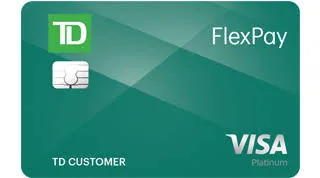
Bottom line: Excellent 0% offer — but only available in 16 states. Check your eligibility before anything else.
Why it's competitive:
Both Forbes Advisor and Bankrate list the TD FlexPay among their top 2026 picks. Its 18-billing-cycle 0% intro period on balance transfers is strong — 18 billing cycles run slightly longer than 18 calendar months — and it carries no annual fee.
Key details:
- 0% intro APR on balance transfers: 18 billing cycles
- Balance transfer fee: 3% (minimum $5) during intro period
- Annual fee: $0
- Ongoing APR: 17.49%, 19.49%, 22.49%, 25.49%, or 27.49% variable (tiered, not a range — more transparent than most)
- Transfer window: Transfers must be initiated within the first 90 days of account opening
The hard geographic restriction: The TD FlexPay is available only to residents of: Connecticut, Washington D.C., Delaware, Florida, Massachusetts, Maryland, Maine, North Carolina, New Hampshire, New Jersey, New York, Pennsylvania, Rhode Island, South Carolina, Virginia, or Vermont. If you live outside these states, applying wastes a hard credit inquiry. Check first.
An ongoing perk the Citi card lacks: Visa cell phone protection when you pay your monthly mobile bill with the TD FlexPay — a practical benefit that adds value long after the intro period ends.
Best for: Eligible state residents with good-to-excellent credit (670–739+ range per Forbes) who can initiate the transfer within 90 days and want an 18-cycle 0% window at no annual fee.
Blue Cash Everyday® Card: Best If You Want Rewards After the Debt Is Paid

Bottom line: 15 months of 0% on both purchases and balance transfers, ongoing cash back on groceries and gas, no annual fee. The best all-around pick if your balance is manageable in 15 months.
CreditCards.com rates it 4.8/5. The 15-month intro period covers both new purchases and balance transfers simultaneously — useful if you can't stop using credit entirely while paying down debt.
Key details:
- 0% intro APR on balance transfers and purchases: 15 months
- Annual fee: $0
- Ongoing APR: 19.49%–28.49% variable
- Cash back: Earns on everyday categories including U.S. supermarkets and gas stations (check current Amex terms for rates)
The tradeoff: 15 months is shorter than the Citi or TD FlexPay windows. If your balance requires 18+ months to clear, this isn't your card. But if you can pay it off in under 15 months and want a genuinely useful rewards card for the long run, the Blue Cash Everyday is a smarter total-value pick.
Other Cards Worth Considering for Specific Situations
Wells Fargo Reflect® Card
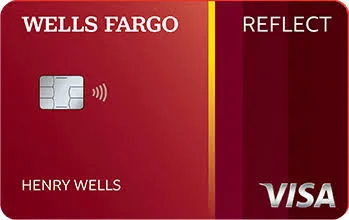
Highlighted by CreditCards.com for its long intro APR on both purchases and balance transfers. Worth researching if you want an extended 0% window covering new spending alongside transferred debt. Check current terms directly with Wells Fargo, as specific period lengths can update.
Capital One Savor Cash Rewards

12 months of 0% APR on both purchases and balance transfers, with an ongoing APR of 18.49%–28.49% variable, per CreditCards.com. The short intro window is offset by a rewards structure built for dining and entertainment spending. Makes sense only if your balance is small enough to clear in under a year and you want a solid rewards card for the future.
Blue Cash Preferred® Card from American Express
Rated 4.6/5 by CreditCards.com. Offers 12 months of 0% APR on purchases and balance transfers, ongoing APR of 19.49%–28.49% variable, and a $95 annual fee. The annual fee eats into your savings calculation — for pure balance payoff, a no-fee card with a longer period beats this. Heavy grocery spenders who can clear the balance in 12 months may find rewards earnings offset the fee.
Bank of America Balance Transfer Cards
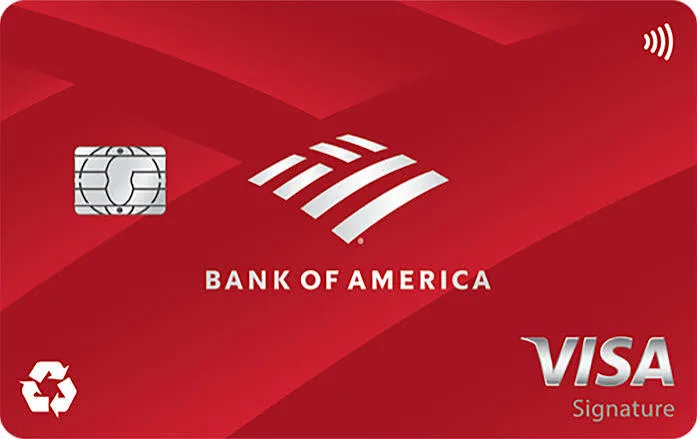
Bank of America offers 0% APR for the first 15 billing cycles on purchases and balance transfers made within the first 60 days of account opening, per Bank of America's official page. The intro transfer fee is 3% within 60 days, rising to 5% after. Ongoing APR: 17.49%–27.49% variable. Worth considering for existing BoA customers — but remember, you cannot transfer balances between Bank of America accounts.
Choosing the Right Card: A Simple Decision Framework
| If your situation is… | Best pick |
|---|---|
| Large balance ($5,000+), need 18–21 months | Citi® Diamond Preferred® |
| Eligible state, need 18 months, want phone protection | TD FlexPay |
| Moderate balance, want ongoing rewards, no annual fee | Blue Cash Everyday® (Amex) |
| Small balance, heavy dining/entertainment spender | Capital One Savor |
| Existing BoA customer, 15 cycles is enough | Bank of America balance transfer card |
What Credit Score Do You Need?
Balance transfer cards with long 0% intro periods are generally targeted at good to excellent credit — roughly 670+ FICO, per Forbes Advisor's TD FlexPay profile. The same credit profile applies across most cards in this comparison.
Key things to know before applying:
- Each application generates a hard credit inquiry, which can temporarily lower your score by a small amount. If you're planning to apply for a mortgage in the near future, time your application carefully.
- Pre-qualification tools (available from most issuers) typically use soft inquiries rather than hard pulls — use these to compare offers before committing to an application.
- Your credit limit caps what you can transfer. If you're approved for a $4,000 limit but owe $7,000, you can only transfer $4,000 — the remainder stays on your original card, still accruing interest. Factor this into your plan before applying.
- Where you land in the APR range (e.g., 16.49% vs. 27.24% on the Citi card) depends on your creditworthiness. Applicants with lower scores who do get approved tend to land at the higher end — which matters a lot if you don't pay off the full balance before the intro period ends.
Per Experian, shop and compare using pre-qualification tools before submitting any hard application.
Also managing student loans or personal debt alongside credit card balances? Our comparison of the best personal loans of 2026 covers whether a personal loan or a balance transfer card makes more sense for your debt type.
Balance Transfer Cards vs. Other Debt Options: When a Transfer Isn't the Right Move

A balance transfer card is a powerful tool — but it's not always the right one.
Consider a personal loan instead if:
- Your balance is very large and you need more than 21 months to pay it off (personal loans can offer longer repayment terms with fixed monthly payments).
- You want a fixed monthly payment and a defined payoff date rather than a minimum-payment structure.
- Your credit score qualifies you for a low fixed APR personal loan that beats the post-intro APR of a transfer card.
Consider a budgeting-first approach if:
- Your debt is primarily a cash flow problem rather than an interest problem.
- You haven't yet identified where the spending is happening. Apps like YNAB (covered in our best budgeting apps guide for 2026) can surface this before you transfer anything.
A balance transfer works best when:
- You have a concrete monthly payment plan that eliminates the balance before the 0% period ends.
- The transfer fee is clearly less than the interest you'd pay on your current card.
- You don't intend to keep adding to the transferred balance.
Frequently Asked Questions
What is a balance transfer fee, and is it always worth paying?
A balance transfer fee is a one-time charge — typically 3%–5% of the amount transferred — added to your new balance. Whether it's worth paying depends on how much interest you would have paid on your original card during the same period. On a card charging 24% APR, the interest savings almost always exceed a 3% fee. Use a balance transfer calculator with your actual balance and APR before deciding.
What happens if I don't pay off the balance before the 0% period ends?
Any remaining balance begins accruing interest at the card's ongoing variable APR — which can range from 16.49% to 28.49% depending on the card and your creditworthiness. This isn't backdated to the original transfer; interest only applies to the remaining balance going forward. But if you've only been making minimum payments, that remaining balance can still be substantial.
Can I transfer balances from multiple cards to one balance transfer card?
Yes — most cards allow you to transfer balances from multiple accounts, as long as the total doesn't exceed your credit limit on the new card. Each transfer is treated separately for fee calculation purposes.
Can I keep using my old card after I transfer the balance?
Yes, but doing so is risky. Continuing to use the old card defeats the purpose of the transfer if you're not also paying down the new balance aggressively. The old card's high APR continues to apply to any new purchases on it.
Does a balance transfer affect my credit score?
Opening a new card generates a hard inquiry (small, temporary score dip). Your credit utilization rate may also shift depending on the new limit you receive. Over time, successfully paying down debt typically improves your score.
Are there cards with 0% balance transfer and no transfer fee?
A few cards have historically offered no-fee balance transfers, but these are rare and typically come with shorter 0% intro periods. Always verify current terms directly with the issuer.
Before You Apply: A Quick Checklist
- [ ] Calculated that interest savings exceed the transfer fee
- [ ] Identified the transfer window (not just the 0% APR period)
- [ ] Confirmed you can make the monthly payments needed to clear the balance
- [ ] Checked eligibility (especially for state-restricted cards like TD FlexPay)
- [ ] Used a pre-qualification tool to check approval odds (soft pull only)
- [ ] Confirmed the issuer is different from your current card's issuer
- [ ] Have a plan for the remaining balance on your old card if your transfer limit doesn't cover it all
Managing more than just credit card debt? Our guide to the best robo-advisors of 2026 covers how to start building wealth in parallel while you're paying down debt — because the two aren't mutually exclusive.
Researched and drafted with AI assistance, fact-checked by the Trusted Buyer Report editorial team. Card terms verified against issuer disclosures and independent financial sources as of May 2026. Terms change — always confirm with the card issuer before applying. Trusted Buyer Report may earn a commission from qualifying purchases or applications made through links on this page. Full disclosure →