
Why Choosing the Right Baby Clothing Brand Is Harder Than It Looks
Here is a fact that surprises most new parents: the United States alone represents a baby apparel market valued at USD 12.97 billion in 2025, projected to reach USD 13.2 billion in 2026, according to Fortune Business Insights. That scale means you are not choosing from a handful of brands — you are navigating hundreds of them, most using identical marketing language to describe products that vary enormously in actual quality.
Terms like "soft," "natural," and "eco-friendly" carry no legal definition in the apparel industry. A onesie labeled "natural" can still be processed with formaldehyde-based finishes. A garment marketed as "organic" may carry no third-party certification whatsoever. Meanwhile, babies outgrow a newborn size in as little as four to six weeks, which means value-per-wear matters far more than the sticker price you see at checkout.
There are also practical concerns that brand marketing rarely addresses honestly. Does the snap closure hold after fifty washes? Does the neckline stretch wide enough to pull over a baby's head without a fight at 3 a.m.? Does the sizing run true, or will you end up buying an extra size to compensate? According to GM Insights, nearly 20% of new baby fashion lines in 2024 were unisex — a real shift in the market — yet many brands still size inconsistently across their gender-neutral and gendered lines.
This article cuts through that noise by first establishing the quality signals that actually predict whether baby clothes hold up, then applying those signals to specific brands. If you are building out a broader understanding of children's product quality, the Baby & Kids Product Reviews and Safety Guides 2026 covers related categories including gear, feeding products, and safety standards in the same evidence-based format.
The Four Quality Signals That Actually Predict Whether Baby Clothes Last
Before looking at any specific brand, you need a framework for evaluating claims. Four signals consistently separate durable, skin-safe baby clothing from marketing-driven mediocrity.
1. Fabric Type
Fabric determines softness, breathability, and skin safety. Cotton remains the dominant choice globally because of its breathability, softness, and hypoallergenic properties, according to Intel Market Research. Bamboo-cotton blends add exceptional softness and moisture-wicking, making them better suited for babies who overheat. Hemp and linen blends are more textured but extremely durable — the right call for outer layers and toddler pieces that will see real outdoor use.
2. Safety Certifications
Two certifications carry genuine weight. GOTS (Global Organic Textile Standard) confirms chemical-free sourcing at the farm level — it covers the entire supply chain from raw fiber to finished fabric. OEKO-TEX Standard 100 certifies the finished product is free from harmful substances. A garment carrying both certifications offers the strongest available safety assurance. Dr. Asmi Berry, a board-certified dermatologist in Los Angeles quoted by Forbes Vetted, specifically recommends soft, breathable natural fibers like cotton and modal because they help regulate body temperature and reduce the risk of irritation or rashes.
3. Construction Details
Snap closure quality, zipper placement, and seam finishing are the unglamorous details that determine whether a garment survives six months of daily washing. Coconut shell snaps, for example, are a signal that a brand has thought carefully about every component — not just the fabric. Flat seams reduce friction against sensitive skin. A zipper placed at the bottom of a sleeper rather than the top makes nighttime diaper changes significantly faster.
4. Fit Design
Cloth-diaper compatibility, stretch factor, and true-to-size construction determine how long a garment is actually wearable before a size change forces a replacement. A brand that consistently runs large may require you to buy fewer sizes overall — or may mean a newborn size swamps your baby for the first two months. Neither is ideal without knowing in advance.
Understanding Baby Clothing Fabrics: Cotton, Bamboo, Hemp, and Blends Compared

Choosing the right fabric is not about finding the single best material — it is about matching material to use case. Here is how the main options compare in practice.
| Fabric | Best For | Key Advantage | Main Trade-off |
|---|---|---|---|
| Organic Cotton | Everyday basics, onesies, bodysuits | Breathable, hypoallergenic, widely available | Conventional cotton cheaper; organic commands a price premium |
| Bamboo Rayon / Bamboo-Cotton Blend | Sleepwear, sensitive skin, warm climates | Exceptionally soft, naturally breathable, moisture-wicking | Higher cost; bamboo rayon processing can vary in quality |
| Hemp-Linen Blend | Outer layers, summer outfits, toddler outdoor wear | Extremely durable, breathable, naturally textured | Coarser initial feel; not ideal for direct skin contact on newborns |
| Modal | Layering pieces, sensitive skin | Soft, breathable, dermatologist-recommended | Less common in baby-specific lines |
| Merino Wool | Cold climates, sleep temperature regulation | Natural temperature regulation, moisture management | Requires careful washing; higher price point |
Bamboo rayon, used by brands like Kyte Baby, is particularly well-suited for babies with eczema or sensitive skin, according to KidsBlanks. Hemp and linen blends, highlighted by HAPA Garments, are better suited to outer layers and long-lasting toddler pieces that will see real outdoor use. Finn + Emma's bamboo-cotton blend is specifically noted for babies who overheat during sleep — a common and underappreciated problem in the newborn stage.
Carter's: Why It Remains the Most Recommended Everyday Baby Clothing Brand

Carter's is the top pick from Reviewed.com's 2026 evaluation, and the consistency of that recommendation across independent sources is notable. The Reviewed editorial team tested Carter's through daycare, playtime, and nighttime use, and reported zero complaints: onesies fit as advertised, clothing is soft and non-scratchy, buttons clasp easily, and prices remain consistently low even when the brand is not running a sale.
The multi-pack onesie and bodysuit strategy is where Carter's delivers its clearest value. Buying a six-pack of bodysuits costs significantly less per garment than purchasing individual pieces, and you will use every single one — babies go through three to five outfit changes per day in the early months. Carter's offers baby boy, baby girl, and gender-neutral options, giving families flexibility without a price penalty for choosing neutral.
Carter's is also recognized by Intel Market Research as a key global player actively expanding its eco-friendly collections — a signal that the brand is responding to parent demand for more sustainable options without abandoning its core value proposition.
The honest limitation: Carter's is not the right choice if your baby has documented skin sensitivities that require certified organic fabric. The brand's conventional cotton is soft and well-finished, but it does not carry GOTS or OEKO-TEX certification across its standard lines. For everyday basics on a typical baby, it is hard to beat. For a baby with eczema or reactive skin, you will want to look at the organic tier.
Hanna Andersson: The Case for Spending More on Baby Clothes That Last
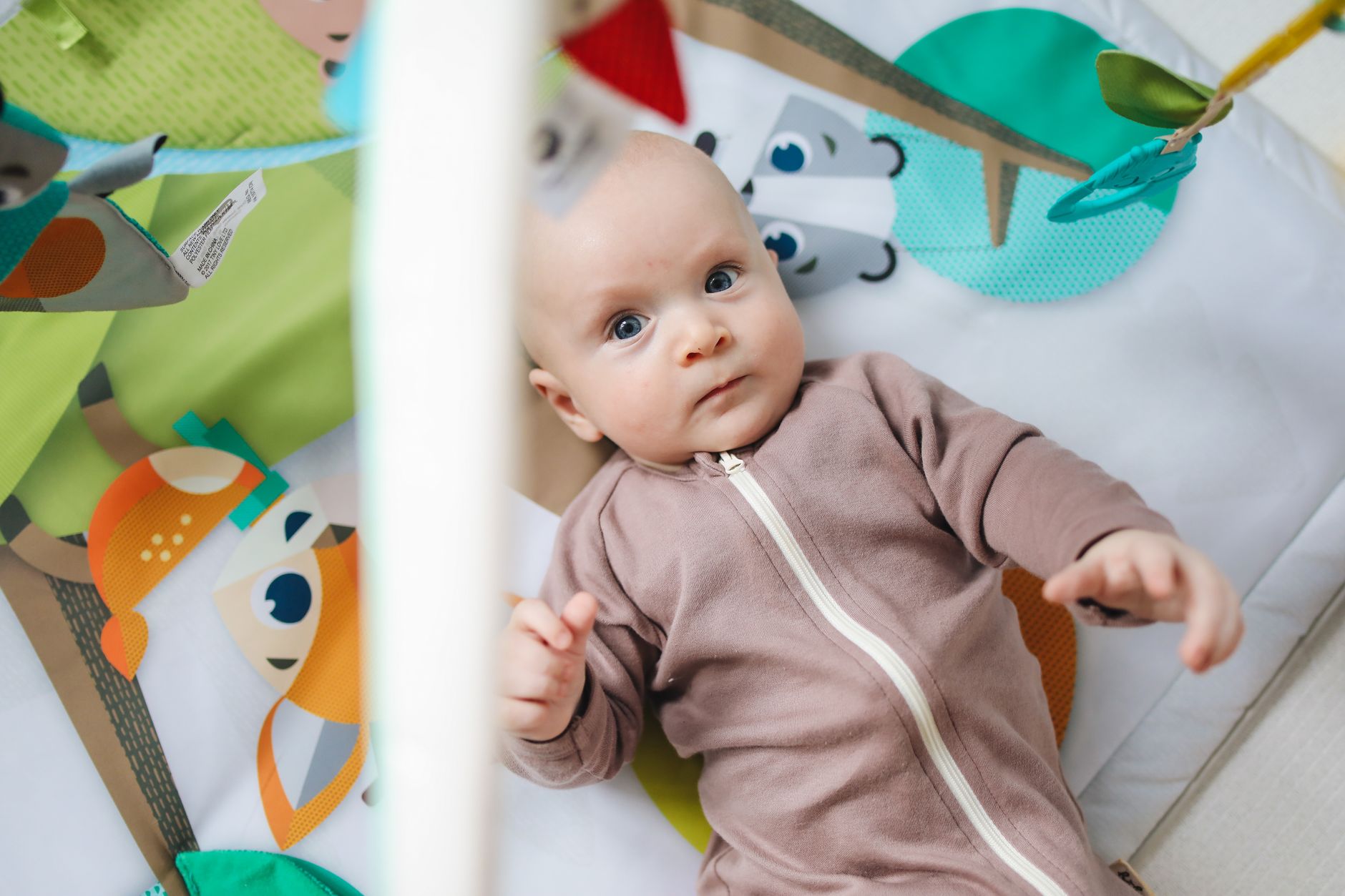
Hanna Andersson tops Forbes Vetted's 2026 list based on a combination of durability, practicality, and style — evaluated through real-life testing with three boys, including a deliberate hand-me-down assessment. Forbes Vetted's methodology specifically eliminated brands that did not hold up to regular and long-term use, which makes this ranking more meaningful than a standard editorial pick.
Reviewed.com names Hanna Andersson as the best pick for variety, covering onesies, dresses, pajamas, and outfits that show no signs of wear after months of use. That durability is the foundation of the cost-per-wear argument: a garment that survives two or three children costs less in total than a cheaper item replaced every season.
The Good Trade describes Hanna Andersson pieces as "nostalgic enough to pass on to future generations" — a quality signal that goes beyond fabric and into construction integrity. The pajama lines in particular are cited repeatedly across independent reviews as among the best available.
One practical note that appears across multiple reviews: some Hanna Andersson items run larger than comparable brands. If you are ordering online, check the brand's specific sizing guidance before selecting a size, particularly for newborn and 0–3 month ranges. This is not a flaw — it can actually extend wearability — but it is worth knowing before your first order.
Finn + Emma and the Organic Baby Clothing Tier: What Certification Actually Gets You

Finn + Emma is trusted by over one million families and consistently rated the best overall organic baby clothing pick by independent review panels in 2026, according to HAPA Garments. What separates it from brands that simply use organic-sounding language is the dual certification: both GOTS and OEKO-TEX, which together confirm chemical-free sourcing at the farm level and a toxin-free finished product.
The brand uses low-impact, water-based inks and dyes throughout. Its signature coconut shell snap closures are a small but telling detail — a brand that has thought carefully about every component, right down to the fastening, is unlikely to cut corners on fabric sourcing or dye chemistry. Cuts are also designed with cloth-diaper compatibility in mind, which extends the practical wearability of each garment for families using cloth diapers.
Two other brands worth knowing in this certified organic tier:
- Honest Baby Clothing: GOTS-certified cotton onesies available in adorable prints and solid colors, per KidsBlanks. A more accessible price point than Finn + Emma with strong certification credentials.
- Primary: OEKO-TEX certified, minimalist, gender-neutral designs in bold colors. The right choice for parents who want certified safety without the whimsical print aesthetic that defines much of the organic baby clothing market.
The organic tier carries a real price premium. That premium is most justified for babies with documented skin sensitivities, eczema, or allergic reactions to conventional dyes — and for parents with strong environmental priorities who want supply-chain transparency. For a baby without skin issues, the premium is a values-based choice rather than a medical necessity.
For a broader look at how certification standards apply across baby and children's product categories, the Fashion & Apparel Buying Guides 2026 provides additional context on what third-party verification means across different product types.
Brands Worth Knowing for Specific Needs: Sensitive Skin, Innovation, and Budget

Carter's, Hanna Andersson, and Finn + Emma cover a wide range of needs, but they do not cover everything. These additional brands fill specific gaps worth knowing about.
Kyte Baby
Made from bamboo rayon, Kyte Baby onesies are exceptionally soft and naturally breathable. They are a top recommendation specifically for babies with eczema or sensitive skin, per KidsBlanks. The fabric's moisture-wicking properties also make it a strong choice for babies who overheat at night. The price point is higher than Carter's, but the fabric quality justifies it for families dealing with skin sensitivity issues.
Magnetic Me
Magnetic Me's defining feature is its magnetic closure system, which makes dressing a squirming newborn at 2 a.m. genuinely faster and less stressful than any snap or zipper alternative. The soft, stretchy cotton blend is well-suited for sensitive skin, and the modern patterns balance practicality with personality. According to Obi Outfitters, pricing starts from ?, making it one of the more accessible innovation-focused options in the market.
H&M Baby
H&M Baby offers seasonal designs and multipacks at wallet-friendly prices. The brand is actively expanding its eco-friendly collections, per both Intel Market Research and Fortune Business Insights. It is not the right choice if certified organic fabric is a priority, but for budget-conscious families who want variety and current seasonal styles, it is a practical option.
Woolino
Woolino's merino wool base makes it the strongest option for colder climates and for parents focused on sleep temperature regulation. Merino wool naturally adjusts to body temperature, which can reduce nighttime wake-ups caused by overheating or chilling. The price point is premium, and the garments require more careful washing than cotton alternatives — but for cold-climate families, the sleep quality benefit is real.
Love To Dream
Forbes Vetted specifically notes Love To Dream's romper for its well-placed zipper design — a detail that directly addresses the common frustration of fumbling with top-down zippers during nighttime diaper changes. It is a narrow but genuinely useful innovation for parents of newborns.
How to Build a Practical Baby Wardrobe Without Overspending
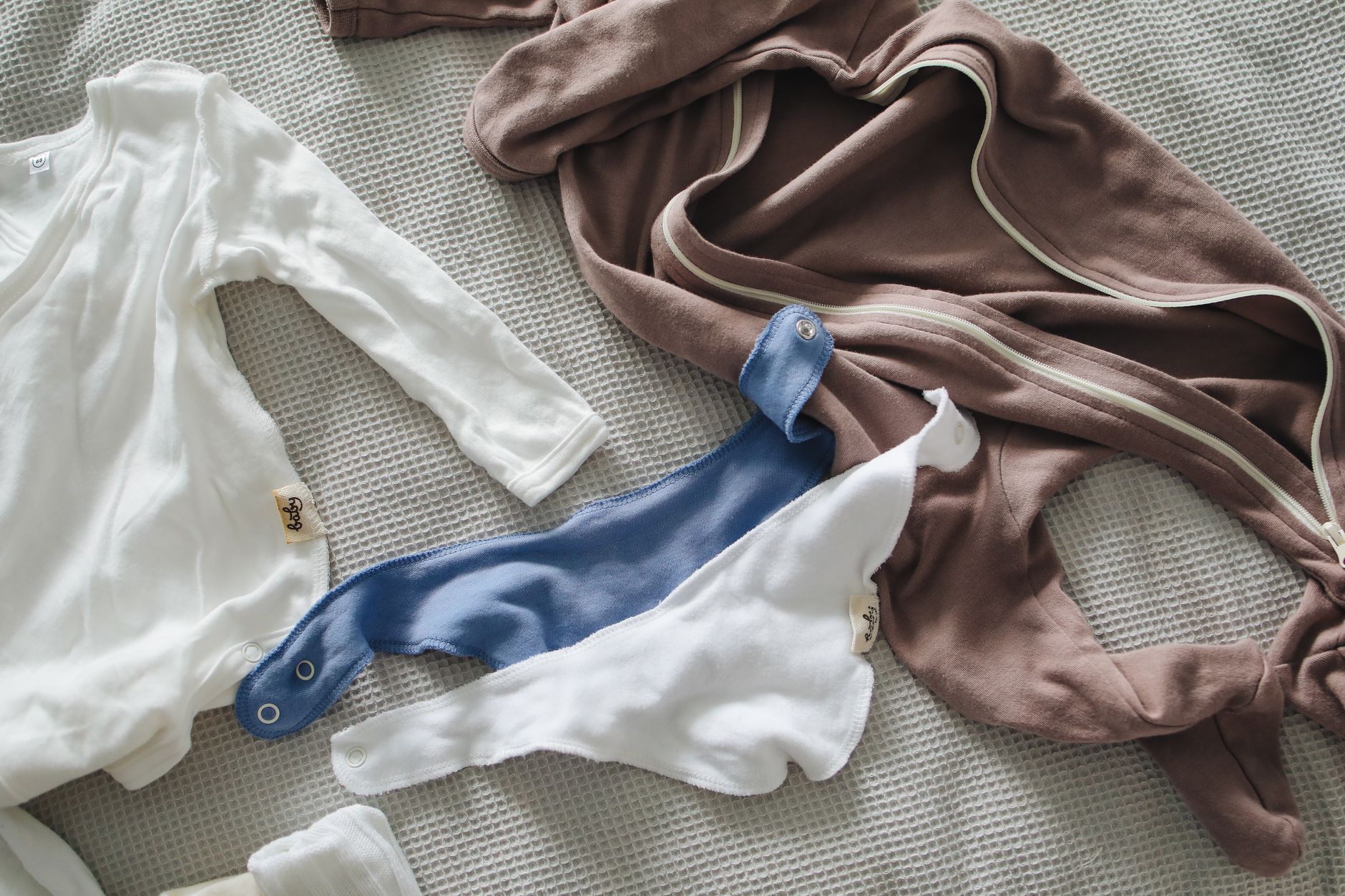
The most common mistake new parents make is buying too many items in a single size. Babies grow through sizes rapidly — sometimes in as little as four weeks — so a large stockpile of newborn onesies can become unusable before it is fully used. A smaller number of well-chosen, durable pieces per size is more practical and more cost-effective.
A layered brand strategy works better than committing entirely to one brand at every price point:
- Everyday basics (onesies, bodysuits, daytime outfits): Carter's multi-packs are the well-reviewed starting point. You will use every piece, the quality holds through repeated washing, and the price allows you to buy enough without overspending.
- Sleepwear and sensitive-skin items: Kyte Baby or Finn + Emma, depending on whether your priority is bamboo softness for sensitive skin or certified organic fabric. Both are justified investments for the category where fabric-to-skin contact is highest and longest.
- Pieces intended to survive multiple children: Hanna Andersson. The durability data from Forbes Vetted and Reviewed.com consistently supports the cost-per-wear argument when a garment is expected to be handed down.
- Outer layers and outerwear: These see less direct skin contact and lower washing frequency, making less expensive options or hemp-linen blend pieces appropriate. H&M Baby works well here.
Before ordering from any brand for the first time, check the brand-specific sizing guidance. Hanna Andersson items can run larger than standard sizing, which affects how many sizes you need to purchase. Primary and Carter's tend to run true to size. Kyte Baby's bamboo fabric has some stretch that accommodates a wider size range per garment.
Sleepwear deserves a separate quality consideration from daytime clothing. The combination of softness, breathability, and safe closure design — no loose buttons, no drawstrings, bottom-opening zippers for diaper access — matters more in this category than anywhere else. Magnetic Me's closure system and Love To Dream's zipper placement are both direct responses to this specific need.
Frequently Asked Questions
What is the best baby clothing brand overall in 2026?
Carter's is the most consistently recommended brand for everyday use, named the top pick by Reviewed.com in 2026 for its affordability, durability, and consistent fit. Hanna Andersson tops Forbes Vetted's 2026 list for families willing to invest more for long-lasting quality. The right answer depends on your budget and whether your baby has skin sensitivities.
Is organic baby clothing worth the extra cost?
For babies with documented eczema, skin sensitivities, or allergic reactions to conventional dyes, GOTS and OEKO-TEX certified clothing offers a meaningful safety advantage. For babies without these issues, the premium is a values-based choice rather than a medical necessity. Finn + Emma and Honest Baby Clothing are the strongest certified options in 2026.
What fabric is safest for newborn skin?
Organic cotton and bamboo-cotton blends are the most widely recommended fabrics for newborn skin. Dr. Asmi Berry, a board-certified dermatologist quoted by Forbes Vetted, recommends soft, breathable natural fibers like cotton and modal because they help regulate body temperature and reduce the risk of irritation. Bamboo rayon, used by Kyte Baby, is specifically recommended for babies with eczema.
How many baby onesies do I actually need?
Most pediatric and parenting sources suggest seven to ten onesies per size as a practical baseline — enough to handle multiple daily changes without daily laundry. Carter's multi-packs are the most cost-effective way to reach that number. Avoid buying large quantities in newborn or 0–3 month sizes before the baby arrives, as sizing varies by birth weight.
What does GOTS certification mean for baby clothing?
GOTS (Global Organic Textile Standard) certifies that a garment's entire supply chain — from raw fiber farming through processing and manufacturing — meets organic and chemical-safety standards. It is distinct from OEKO-TEX, which certifies the finished product is free from harmful substances. Finn + Emma holds both certifications, which together offer the strongest available safety assurance for baby clothing.
Are magnetic closures better than snaps for baby clothes?
{"@context":"https://schema.org","@type":"Article","headline":"Best Baby Clothing Brands 2026: Soft, Durable & Affordable","description":"Discover the best baby clothing brands of 2026. Compare softness, durability, safety certifications, and value to find clothes your baby will actually wear.","image":"https://images.pexels.com/photos/20232007/pexels-photo-20232007.jpeg?auto=compress&cs=tinysrgb&dpr=2&h=650&w=940","datePublished":"2026-05-22T10:20:37.693Z","dateModified":"2026-05-22T10:20:37.693Z"}