
Reviewed by the Trusted Buyer Report editorial team. This guide is based on manufacturer specifications, independent clinical research, and verified consumer testing data aggregated from third-party sources. It does not reflect hands-on testing by Trusted Buyer Report. We may earn a commission when you use our links — this is added only after our assessment is complete. Full affiliate disclosure → | This article was drafted with AI assistance and reviewed by a human editor before publishing. Editorial standards →
Quick Verdict: Which Anti-Aging Ingredient Should You Use?
If you want results and can tolerate some early adjustment, retinol remains the most clinically proven choice for reducing fine lines and accelerating cell turnover. If your skin is sensitive, you're pregnant, or you want something that works morning and evening without restriction, bakuchiol is a research-backed equal — not a placeholder. And if you want measurable firmness gains with zero irritation risk, peptide serums deliver, just through a different mechanism.
Most people benefit most from combining these ingredients, not choosing between them.
TL;DR — Top picks at a glance:
- Best for resilient skin: Retinol starting at 0.1% (Geologie offers 3 concentrations at one price point)
- Best for sensitive skin: Bakuchiol serum (or Jack Black's Nighttime BAK-up for a complete formula)
- Best with zero irritation: Peptide serum — look for copper tripeptide-1 and oligopeptide-68
- Best next-gen option: Time-released retinaldehyde (Eighth Day Reparative Night Cream)
- Non-negotiable for everyone: SPF 30+ daily sunscreen — more on this below
Retinol vs. Peptides vs. Bakuchiol: The Honest Head-to-Head
You're scrolling through product pages and three serums are making the same promises — fewer wrinkles, firmer skin, more even tone. One is built on retinol. One leads with peptides. The third highlights bakuchiol. The prices are similar. The before-and-after photos look identical.
Here's what actually separates them.
| Ingredient | Clinical Evidence | Irritation Risk | Best Skin Types | Time to Results | Safe for AM Use? |
|---|---|---|---|---|---|
| Retinol | Strongest track record for cell turnover and fine lines | Moderate–high (esp. above 0.3%) | Normal, oily, resilient | 8–12 weeks | ❌ Photosensitizing |
| Peptides | Strong lab + consumer data; stimulates collagen production | Very low | All types, including sensitive | 4–8 weeks | ✅ Yes |
| Bakuchiol | Peer-reviewed data shows comparable results to retinol | Low | Sensitive, rosacea-prone, pregnant | 8–12 weeks | ✅ Yes |
These three categories are not mutually exclusive. Many effective 2026 routines layer a peptide serum with either retinol or bakuchiol — they work through different biological pathways and reinforce each other's outcomes.
Why 2026 Is a Genuine Turning Point for Anti-Aging Science

The anti-aging category has been making the same promises for decades. What's actually different in 2026 is delivery technology — not marketing copy.
Microencapsulation and time-release systems, previously limited to prescription formulations, are now appearing in mainstream products. This matters because the primary reason retinol causes irritation is the speed at which it acts on skin cells. A time-released formula slows that process without reducing the eventual outcome.
Here's the catch: not all "time-release" claims are created equal. Eighth Day's Reparative Night Cream uses microencapsulated, time-released retinaldehyde in a peptide-rich cream base — retinaldehyde converts to retinoic acid in fewer biochemical steps than traditional retinol, making it more potent at equivalent concentrations. The formulation philosophy it represents is real, even if individual percentage claims need independent verification.
Two other trends worth knowing:
Multi-pathway formulations have replaced single-hero products. A product designed only to boost cell turnover is no longer considered best-in-class. Leading formulations now address barrier repair, microbiome balance, and collagen support simultaneously — because these systems are interdependent. Damaging your barrier while chasing cell turnover is counterproductive.
Plant-derived growth factors are the most significant emerging ingredient category. Peauforia and peauvita — two plant-derived growth factors from French biotech Core Biogenesis — have been highlighted by dermatologists as 2026 standouts with "great data to back them up," per Allure's 2026 skin care trends report. These represent a meaningful accessibility shift: growth factors were historically associated with expensive clinical treatments.
One thing that has not changed: daily SPF remains the most evidence-backed anti-aging step, regardless of which actives you use. UV exposure accelerates wrinkles, pigmentation, and loss of firmness faster than any topical ingredient can reverse. If you want a deeper look at sun protection — including mineral vs. chemical formulas and daily wear options — our Best Sunscreen Brands 2026 guide covers the full SPF category with the same methodology.
How to Read an Anti-Aging Ingredient Label in 2026
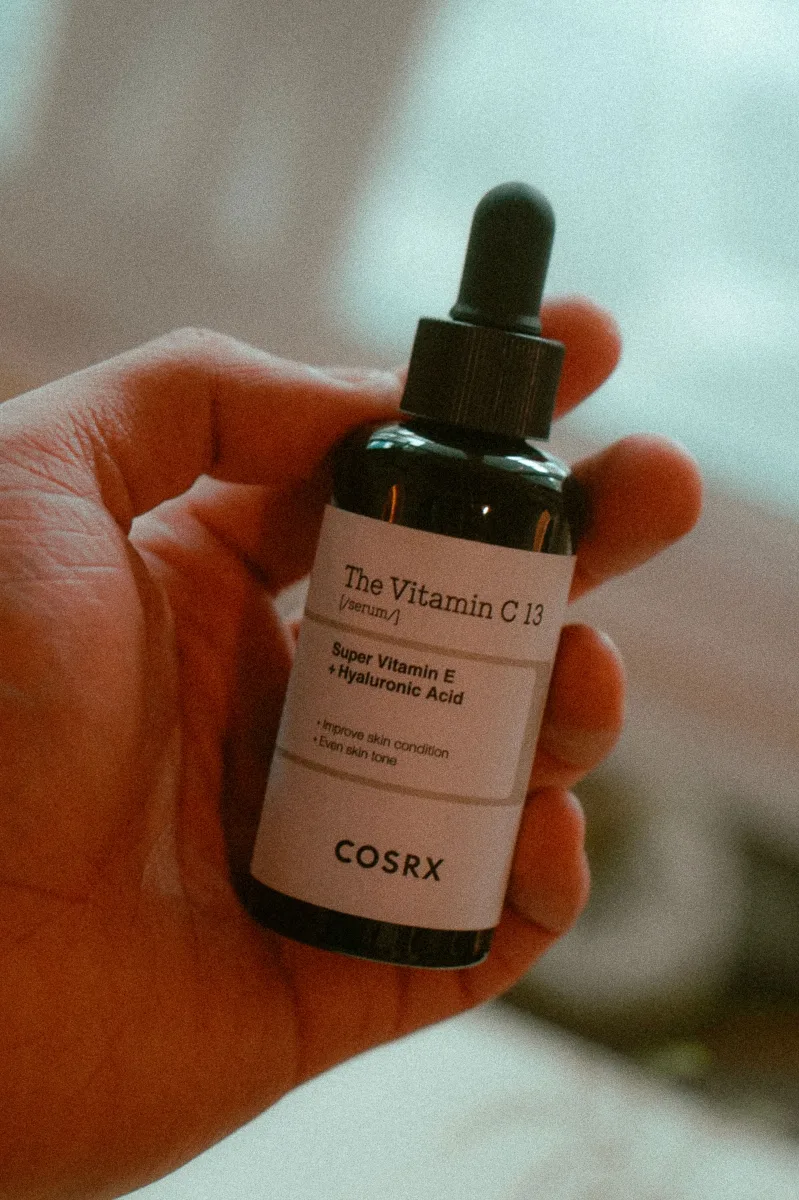
Marketing copy on anti-aging packaging is almost universally useless for making a real purchase decision. The ingredient list is not. Here's exactly what to look for.
Retinol Concentration
Start at 0.1% and work up gradually. Lower-strength retinoids are strongly preferred in 2026 formulations precisely because they reduce the early irritation that causes most people to abandon the ingredient before results appear.
Geologie offers retinol-based anti-aging cream in three strengths — 0.1%, 0.2%, and 0.3% — all at the same price point. That allows controlled progression without switching products. Concentrations above 0.5% are typically appropriate only for experienced users with established tolerance.
Peptide Diversity: Three Next-Generation Types to Know
Not all peptides do the same thing. Three worth knowing in 2026:
- Copper tripeptide-1 — now stabilized in advanced delivery systems, improving collagen support and wound healing response. Historically difficult to keep stable in cosmetic products; the stabilized versions available in 2026 have significantly better real-world efficacy.
- Oligopeptide-68 — a brightening peptide that reduces pigmentation pathways without irritation.
- Microbiome-targeting peptides — an emerging class that helps balance redness, acne, and overall skin tolerance.
A serum listing only one peptide type is doing less work than one combining several.
Barrier-Supporting Co-Ingredients
When ceramides and niacinamide appear alongside actives in the first half of an ingredient list, they signal a formulation philosophy that prioritizes barrier integrity. This reduces the likelihood of irritation from stronger actives and is a meaningful differentiator between products at similar price points.
Fragrance-free status is increasingly the baseline for serious skin-health brands in 2026. If a retinoid product contains fragrance, that's a legitimate reason to look at an alternative.
Microbiome Ingredients
Prebiotics, postbiotics, and ectoin are now appearing alongside traditional actives in well-formulated products. Ectoin in particular has gained traction as a barrier-protective and anti-inflammatory ingredient. Formulation quality matters more than brand prestige here — Face Theory's ectoin serum offers a high dose at a fraction of the cost of more prominent alternatives with nearly identical formulations.
The Best Retinol Products of 2026: What Testing Actually Showed
Most retinol roundups are based on a few weeks of personal use by a single reviewer. Wirecutter's methodology is meaningfully different: the lead tester personally evaluated 28 retinol products over four months, narrowed the field to 12 finalists, then ran those through a panel of 8 testers with varied skin types, tones, and retinol experience levels. Some panelists had used retinol for years; others were complete newcomers.
What testing consistently revealed:
Panelist feedback identified comfort as the decisive factor in whether people actually stuck with a product long enough to see results. Products described as "gently working" — without visible flaking or tightness — performed best in real-world compliance. A retinol that sits on your shelf three nights per week because of discomfort outperformed by a bakuchiol used nightly every time.
Format matters more than most guides acknowledge:
- Serums penetrate quickly; suit oily or combination skin
- Drop formats allow precise dose control — useful when building tolerance
- Cream formats combine the retinoid with ceramides, squalane, or peptides, reducing the need for a separate buffer step. For sensitive skin, a retinoid cream is usually more practical than a serum plus a separate moisturizer, because the combined formula is designed to work as a unit.
Retinaldehyde vs. retinol: Most top-performing products in rigorous testing contained retinaldehyde rather than retinol. Retinaldehyde converts to retinoic acid in fewer steps, making it more potent at equivalent concentrations — and the stabilized, time-released versions available in 2026 deliver that potency with significantly reduced irritation.
The Best Peptide Serums of 2026: Lab-Verified Results
Good Housekeeping's Beauty Lab conducted one of the most rigorous consumer-facing peptide tests of 2026: 170 testers between the ages of 35 and 77 used eight serums daily over four weeks. In the lab, 85 women had their skin evaluated with the VISIA Complexion Analyzer (measuring wrinkles, dark spots, pores, texture) and the Cutometer (measuring skin laxity), generating 7,820 data points across all products.
The results confirmed what dermatologists have argued for years: peptides produce measurable improvements in firmness and texture across a wide range of skin types when used consistently.
Here's something most guides gloss over: the improvements from peptides are not as dramatic or fast as high-concentration retinol in controlled studies, but they accumulate without the compliance problem that retinol's irritation phase creates. A peptide serum used every day for 12 weeks will outperform a retinol serum used three times a week because of discomfort.
A practical note on routine design: Peptides can be used both morning and evening without photosensitivity concerns. If you're using retinol at night, a peptide serum in the morning is a logical complement — they work through different mechanisms and reinforce each other's outcomes rather than competing.
Bakuchiol: Who Should Use It and Why It's Not a "Lesser" Alternative

Bakuchiol is derived from the Psoralea corylifolia plant and has been studied in peer-reviewed research as a retinol alternative — not a marketing claim. A double-blind study published in the British Journal of Dermatology found bakuchiol produced statistically comparable anti-aging results to retinol, with the bakuchiol group reporting significantly fewer side effects.
The right candidates for bakuchiol over retinol:
- Sensitive or rosacea-prone skin types
- People who've tried retinol and experienced persistent, ongoing irritation
- Those who are pregnant or breastfeeding (retinoids are contraindicated)
- Anyone who wants a simplified routine without managing photosensitivity — bakuchiol does not carry that restriction, making it genuinely usable morning and evening
Bakuchiol is not a short-term substitute while waiting for your skin to "toughen up." For a significant segment of users, it may simply be the better choice.
What about ectoin and plant-derived growth factors?
Ectoin works primarily as a barrier-protective and anti-inflammatory ingredient — most useful as a supporting player that stabilizes the barrier enough that other actives become tolerable. For reactive or compromised skin, it can be transformative in that supporting role.
Plant-derived growth factors (peauforia and peauvita) represent the next tier of emerging alternatives. Not yet mainstream, but worth watching as clinical data strengthens and availability improves.
Barrier Repair and Microbiome Support: The Step Most Routines Are Missing
A compromised skin barrier reduces the efficacy of every active ingredient applied on top of it. And yet most anti-aging routines are designed as if the barrier is an afterthought rather than a prerequisite.
This is the single most common reason people report that their expensive serums "aren't working."
When your barrier is strong and your microbiome is balanced, active ingredients penetrate more evenly and cause less reactive inflammation. The result is faster, more consistent results from the actives you're already using. According to Image Skincare's 2026 research, microbiome formulations work by nurturing beneficial bacteria on the skin's surface, creating an environment where healthy, balanced skin can better defend itself against environmental stressors that cause premature aging.
Three barrier-support ingredients that belong in any active routine:
- Ceramides — the most established barrier-repair ingredient; should appear in any routine that includes retinoids or exfoliating acids
- Niacinamide — supports barrier function and pigmentation control simultaneously, making it an efficient multi-tasker
- Hyaluronic acid — addresses surface hydration, but works best when the barrier is intact enough to hold moisture in. One important detail: applying hyaluronic acid over a compromised barrier in a dry environment can actually draw moisture out of the skin rather than into it
Leading brands in 2026 are increasingly prioritizing barrier repair, peptides, antioxidants, and fragrance-free formulations — driven by consumer demand for long-term skin health rather than short-term surface results. Adults over 40 in particular benefit more from consistent barrier support than from aggressive actives used sporadically.
How to Build an Anti-Aging Routine by Age and Skin Type
The right routine depends on where you are right now, not where you want to be. Here's a framework based on current evidence — adjusted for real-life compliance, not just lab conditions.
Mid-20s to Early 30s
Goal: prevention, not correction.
A morning routine of vitamin C serum, moisturizer, and SPF 30+ is genuinely sufficient at this stage. Evening: gentle cleanser, hydrating serum, moisturizer. Retinol is typically introduced later, depending on skin goals and tolerance.
Preventive anti-aging skincare can begin in your mid-20s, primarily with sunscreen, antioxidants, and hydration-focused products.
Mid-30s to 40s
Goal: maintain firmness, address early texture changes.
This is when most people notice the first meaningful changes in skin texture and firmness. A peptide serum used morning and evening provides a low-risk foundation. Adding retinol two to three nights per week — starting at 0.1% — is appropriate for normal to resilient skin. Sensitive skin types should substitute bakuchiol at this stage. Daily SPF remains non-negotiable.
If you're building a morning and night ritual from scratch at this stage, our Best Skincare Routines 2026 guide walks through the full structure — morning, evening, and skin-type adjustments — with product placement for each step.
40s and Beyond
Goal: protect what you have while supporting regeneration.
Barrier support becomes as important as active ingredient use. Ceramide-rich moisturizers, niacinamide, and consistent hydration should anchor the routine. Retinol concentration can increase gradually if tolerated. Peptide serums addressing multiple pathways — collagen, elastin, brightening — become more valuable as the skin's natural regenerative capacity slows.
Volume loss and laxity, not just surface texture, become primary concerns. Collagen-supporting strategies — both topical and supplemental — are worth evaluating. Our Best Collagen Supplements 2026 guide covers powders, gummies, and capsules with the same evidence-based lens.
Anti-Aging Skincare for Men: What's Actually Different
Men's skin tends to be approximately 20–25% thicker than women's, with more active sebaceous glands and higher natural collagen density — but it still ages, loses firmness, and responds to the same active ingredients.
The practical differences are in formulation preference and routine design, not in which ingredients work. Men generally respond better to lighter textures (gels over heavy creams), and the shaving process creates daily micro-irritation that warrants barrier-supportive ingredients in a cleanser or moisturizer — especially if retinol or acids are in the routine.
All three ingredient categories — retinol, peptides, bakuchiol — are equally effective for men. The selection criteria are the same: skin type, tolerance level, and consistency. Our Best Men's Skincare Brands 2026 guide covers brands that have built straightforward routines around these principles without the marketing complexity.
Where to Buy Anti-Aging Skincare: Sephora vs. Ulta vs. Direct
Most of the products mentioned in this guide are available at both major beauty retailers — Sephora and Ulta Beauty — as well as directly from brand websites. The practical differences:
- Sephora tends to carry more prestige and clinical-grade brands; their Beauty Insider rewards program offers meaningful value on larger purchases
- Ulta Beauty offers a broader price range, including mass-market and professional lines that Sephora doesn't carry; Ultamate Rewards is one of the most generous loyalty programs in beauty retail
- Brand direct typically offers subscription pricing, bundle deals, and the broadest shade/strength selection for products like Geologie's retinol range
If you're comparing the two retailers before committing to a routine purchase, our Ulta Beauty vs. Sephora 2026 comparison breaks down rewards, exclusives, return policies, and which retailer wins for which shopping profile. And if you're buying primarily at Sephora, our Sephora 2026 review covers the rewards structure and how to maximize value across product categories.
Who Should Use What: Final Recommendations by Skin Type
| Skin Type | Primary Active | Supporting Ingredients | Avoid |
|---|---|---|---|
| Normal / Oily | Retinol (0.1–0.3%) | Niacinamide, lightweight ceramides | Heavy fragrant creams |
| Dry / Dehydrated | Peptides (AM) + low-dose retinol cream (PM) | Ceramides, hyaluronic acid, squalane | High-concentration retinol serums without buffer |
| Sensitive / Rosacea | Bakuchiol | Ectoin, ceramides, fragrance-free moisturizer | Retinol above 0.1%, fragrance |
| Pregnant / Breastfeeding | Bakuchiol | Hyaluronic acid, ceramides, vitamin C | All retinoids |
| 40s+, All Types | Peptide serum (daily) + tolerated retinoid (2–3x/week) | Ceramides, collagen-support ingredients | Overloading on multiple actives without barrier support |
Frequently Asked Questions
Can I use retinol and peptides together?
Yes — and it's one of the most effective combinations in 2026 routines. Retinol drives cell turnover (typically PM only); peptides support collagen signaling and can be used AM and PM without restriction. They work through different mechanisms and don't compete.
How long does it take to see results from anti-aging skincare?
Retinol and bakuchiol typically require 8–12 weeks for visible results. Peptides can show measurable improvements in firmness within 4–8 weeks. Consistency matters more than concentration — a lower-dose product used nightly beats a high-dose product used sporadically.
Is bakuchiol actually as good as retinol?
A double-blind study in the British Journal of Dermatology found statistically comparable anti-aging results, with bakuchiol users reporting fewer side effects. "As good" depends on skin type: for sensitive skin and those who want morning use without restriction, bakuchiol may be the better choice, not just an equal one.
What's the difference between retinol and retinaldehyde?
Retinaldehyde converts to retinoic acid (the active form) in fewer biochemical steps than retinol, making it more potent at equivalent concentrations. Stabilized, time-released retinaldehyde formulations in 2026 deliver that potency with reduced irritation compared to traditional retinol at the same strength.
Do I need a separate eye cream?
The skin around the eye is thinner and more sensitive than the rest of the face. A dedicated eye cream isn't strictly necessary if your moisturizer is gentle and fragrance-free, but it's a practical choice when using retinol: applying the active too close to the eye area significantly increases irritation risk. Using your eye cream as a buffer around the orbital bone when applying retinol is a widely recommended technique.
How does anti-aging skincare connect to overall beauty spending?
If you're evaluating anti-aging products as part of a broader beauty budget, our Beauty Product Reviews & Buying Guides 2026 covers adjacent categories — from nail care to fragrance — with the same research-based approach. For a complete look at where anti-aging skincare fits in a full beauty routine, that hub is the starting point.
This guide is based on publicly available clinical research, manufacturer specifications, and verified consumer testing data aggregated from third-party sources including Good Housekeeping Beauty Lab, Wirecutter, Allure, and Innerbody Research. Trusted Buyer Report has not conducted hands-on testing of the products mentioned. Recommendations reflect the research evidence and editorial judgment of our team; affiliate commissions may apply to linked products and are disclosed in full. Read our methodology →