Affiliate Disclosure: Trusted Buyer Report may earn a commission when you use our links to make a purchase, at no extra cost to you. Our editorial assessments are completed before any affiliate link is applied and are never influenced by commercial relationships. Full disclosure →
How this guide was researched: This guide synthesizes manufacturer specifications, Consumer Reports testing data, CPSC and NHTSA regulatory documents, AAP clinical guidelines, and verified expert sources. It does not reflect hands-on product testing by Trusted Buyer Report.
AI-assisted, human fact-checked before publication. Our editorial standards →
TL;DR — The 5 Things That Matter Most
One free check that takes 90 seconds: Search any baby product on recalls.gov before you buy.
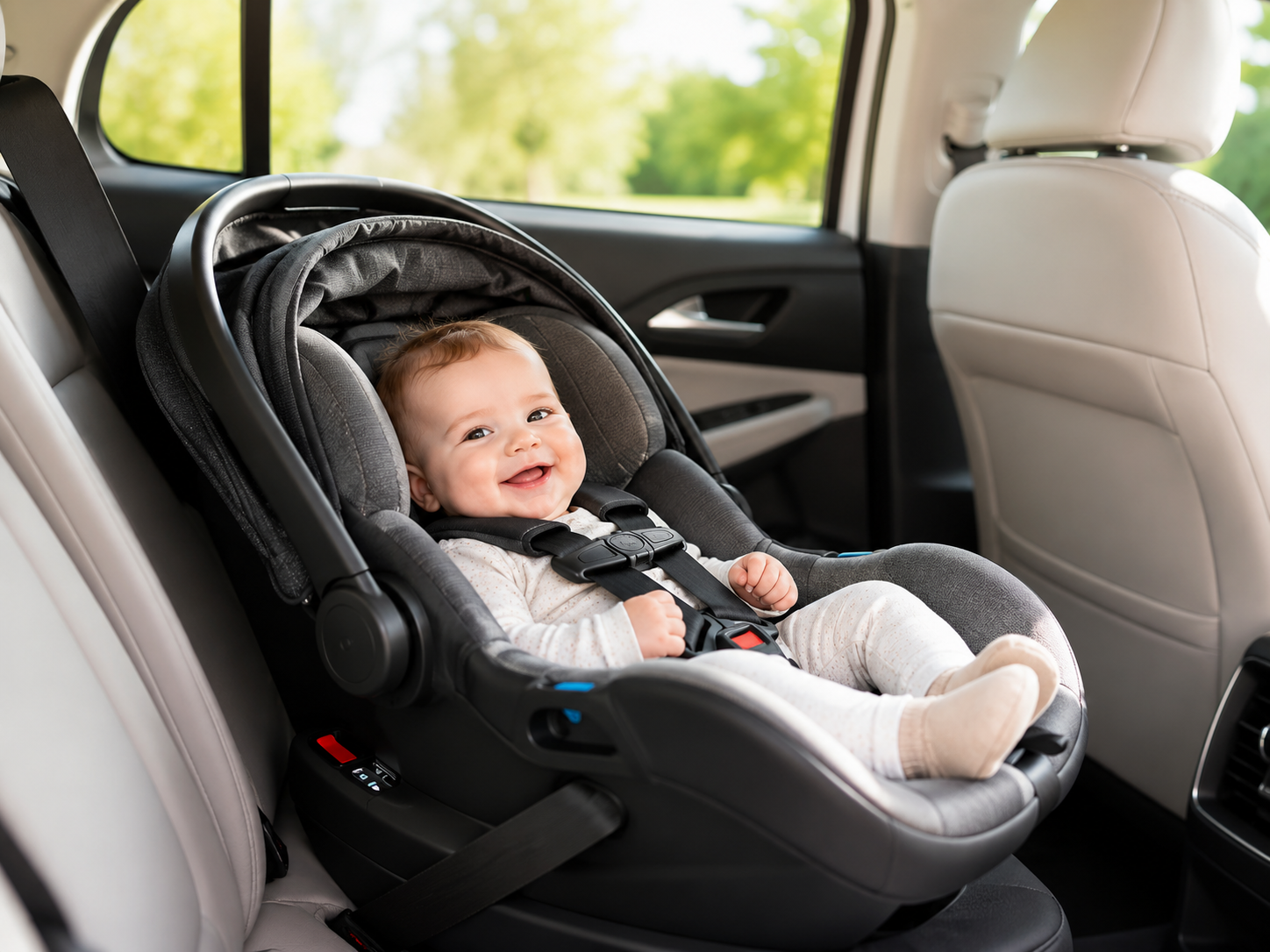
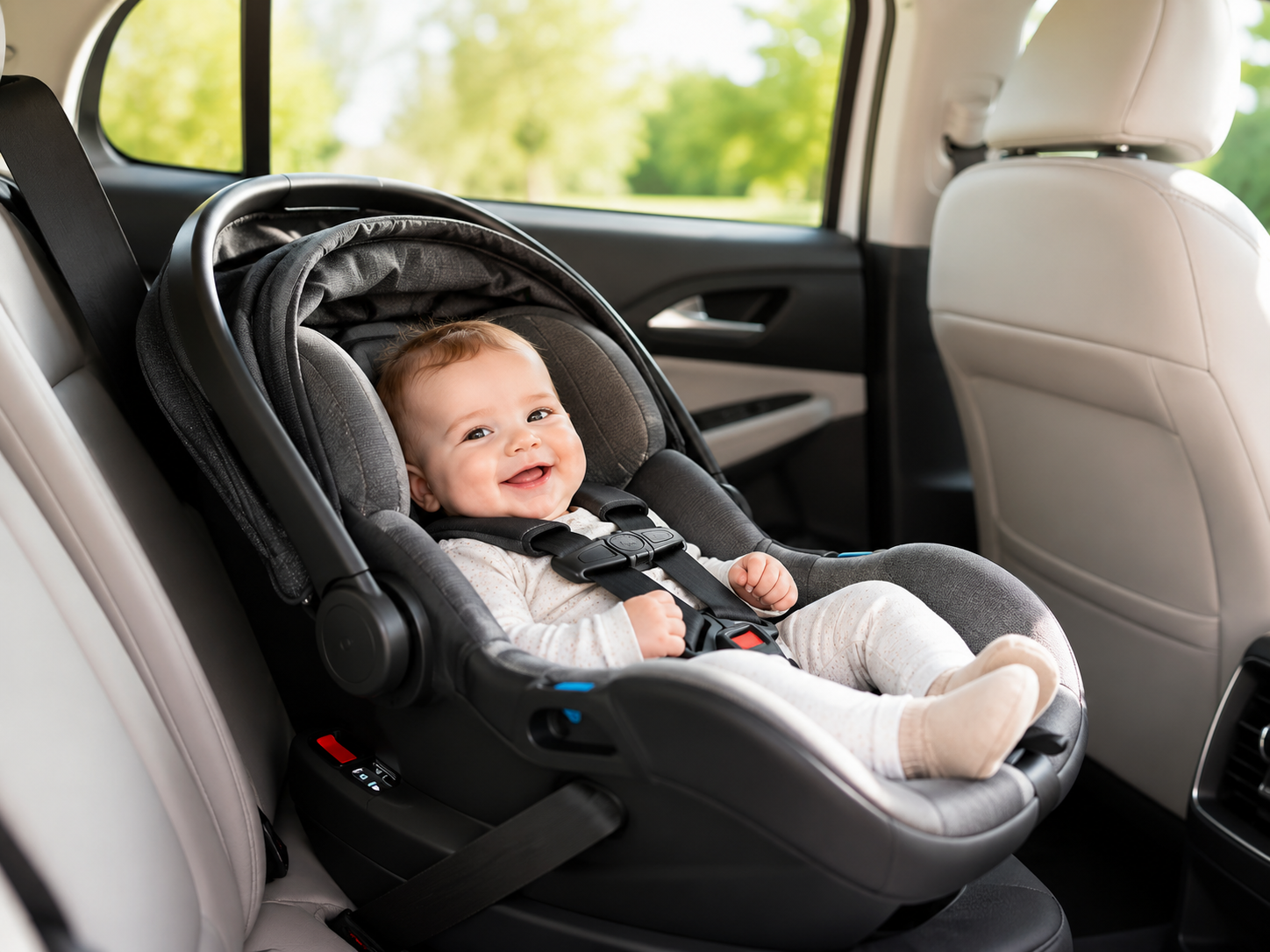
Car seats: A correctly-rated seat installed wrong is more dangerous than most parents realize. Book a free inspection with a CPST (Child Passenger Safety Technician) via NHTSA — it costs nothing.
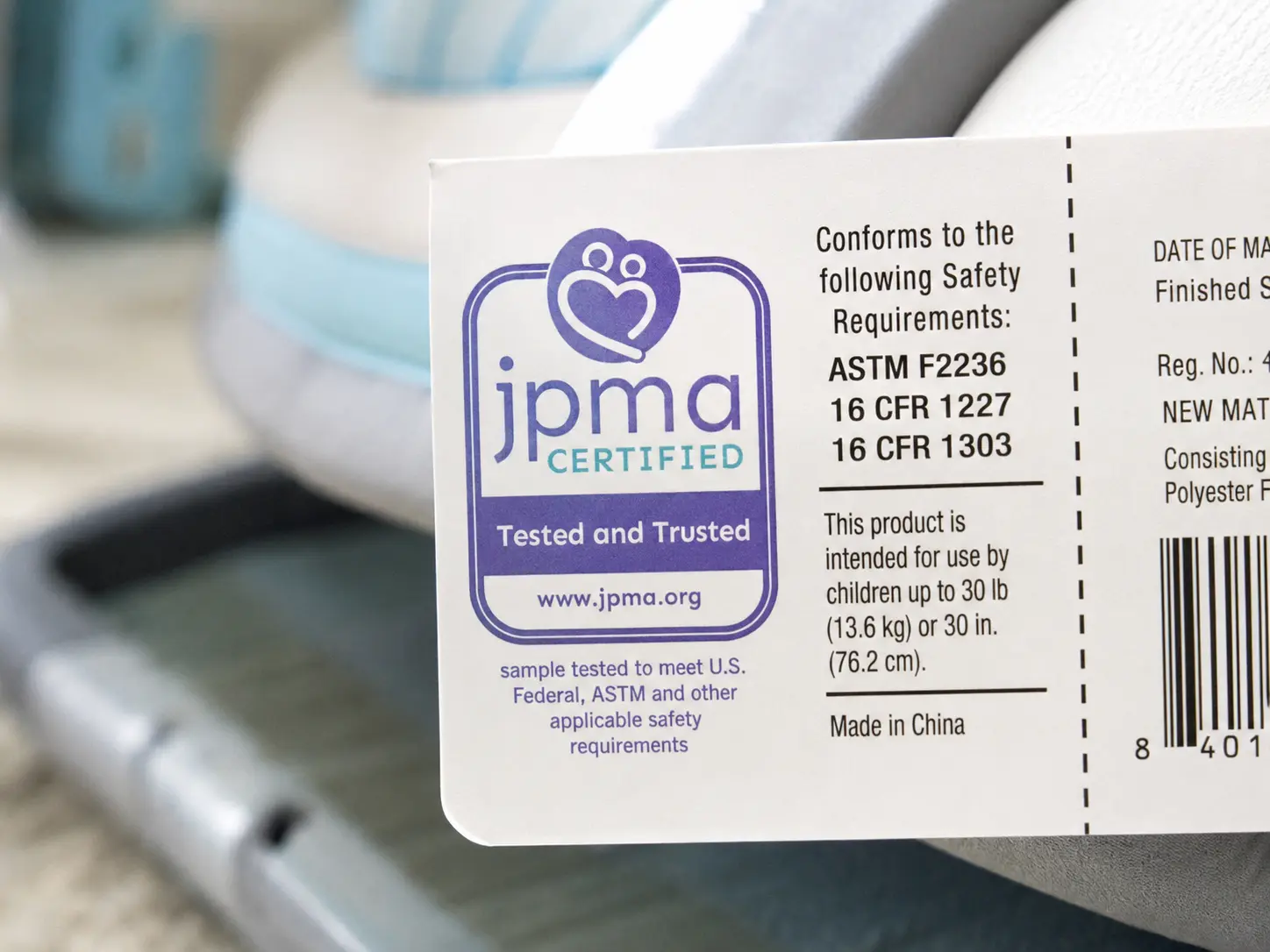
Certifications aren't equal: JPMA certification means independent lab testing. "Tested to ASTM standards" (with no seal) means the manufacturer said so themselves.
Smart monitors ≠ medical monitors: Consumer wearable oxygen trackers haven't been validated to clinical accuracy. If your infant has a known respiratory condition, ask your pediatrician for FDA-cleared options specifically.
Second-hand cribs: Any crib made before 2011 may have banned drop-side hardware. Check the date on the label and search the model on recalls.gov before use.
Who This Guide Is For
You're in the right place if you're a parent or caregiver who:
Feels overwhelmed by conflicting claims on baby product labels
Wants to understand why one certification matters more than another
Is shopping for car seats, strollers, monitors, sleep gear, or feeding products
Has been given a second-hand product and isn't sure if it's safe
This guide won't hand you a ranked shopping list. It gives you the framework to evaluate any product yourself — because the label "pediatrician-approved" has no legal definition, and neither does "non-toxic" or "natural."
How Baby Product Testing Actually Works (And Where the System Has Gaps)
Most parents assume that if a product is on a store shelf, someone verified it's safe. That assumption is partially right — and the part that's wrong is important.
Here's how the layers actually stack:
Layer 1: The Regulatory Floor — CPSC
The U.S. Consumer Product Safety Commission (CPSC) sets mandatory federal safety standards. Compliance is a legal requirement, not a quality award. It means a product cleared the minimum threshold to be sold in the U.S. — nothing more.
The CPSC also maintains recalls.gov, where you can search any product by name or model number in under two minutes. This single step catches thousands of products that were compliant at launch and later recalled due to injury data.
Layer 2: Voluntary Standards — ASTM International
Above the CPSC floor sit ASTM International standards — voluntary consensus standards developed by industry and safety researchers. These exist for nearly every baby product category: ASTM F2050 for baby monitors, F1898 for soft infant carriers, F404 for high chairs. "Voluntary" doesn't mean optional in practice — responsible manufacturers adopt them, and their absence from a spec sheet is worth investigating.
Layer 3: Third-Party Certification — JPMA
The JPMA certification seal (Juvenile Products Manufacturers Association) is the most meaningful safety indicator for most product categories. It means the product was tested by an independent, accredited laboratory against the relevant ASTM standard — not just by the manufacturer's own team.
The distinction that matters: A manufacturer claiming their product was "tested to ASTM standards" is self-reported compliance. A JPMA seal is verified compliance. Look for it on cribs, strollers, high chairs, and play yards specifically.
Layer 4: Independent Consumer Testing — Consumer Reports
Consumer Reports occupies a different tier entirely. They purchase products anonymously, fund testing independently, and accept no manufacturer input into results. Their car seat testing uses sled tests that simulate frontal and side-impact collisions — the same methodology used by NHTSA, with added scoring for ease of installation and harness usability.
The gap no layer fills: Nearly 30% of consumers in low-to-middle-income segments report being priced out of top-safety-rated products. For those families, understanding how to maximize CPSC compliance and free CPST inspection services delivers more real safety value per dollar than chasing premium brands.
Car Seats: The Highest-Stakes Category in 2026
Car seats account for 57.2% of the baby safety products market (Coherent Market Insights, 2026). That market share reflects a genuine priority — motor vehicle crashes remain a leading cause of injury death for children under 13 in the United States.
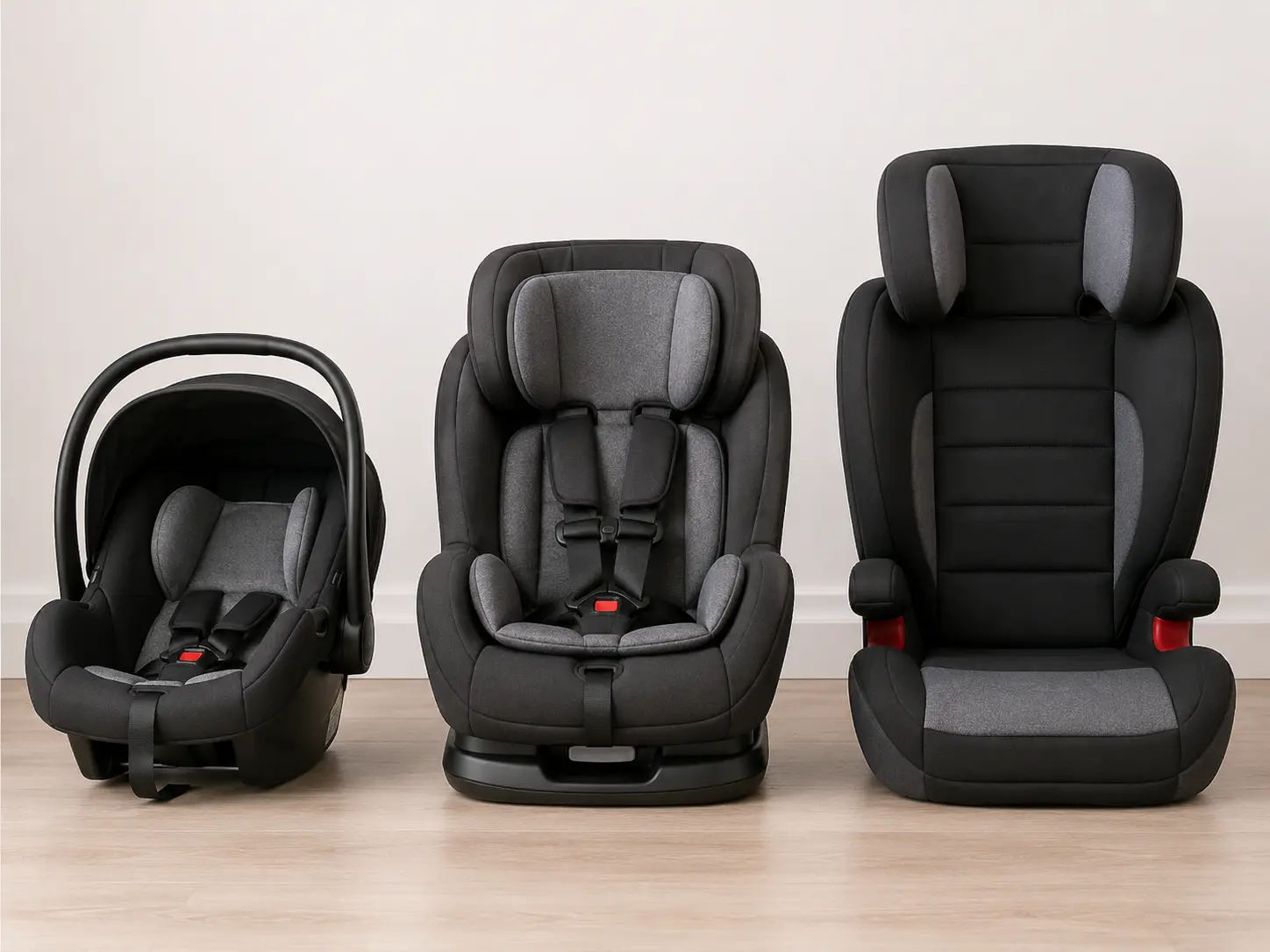
Which Type Do You Actually Need?
Seat Type | Weight Range | Best For | Trade-Off |
|---|---|---|---|
Infant-only | 4–35 lbs (rear-facing) | Newborns through ~12 months | Doesn't grow with child; must repurchase |
Convertible | Up to 65 lbs rear-facing | Long-term single-vehicle use | Stays in car; harder to move between vehicles |
All-in-one | Rear → forward → booster | Maximum longevity | Heavier; verify booster mode meets FMVSS 213 |
The Real Risk Isn't the Seat — It's the Installation
Studies consistently find that the majority of car seats in use are installed with at least one error. A correctly crash-rated seat installed incorrectly can offer significantly less protection than its test results suggest.
The most effective action after purchasing any car seat:
Schedule a free CPST inspection via the NHTSA SaferCar locator. Available in most U.S. counties, no cost.
Use both NHTSA ease-of-use ratings and Consumer Reports crash scores together — a seat that's hard to install correctly in real life creates more real-world risk than a slightly lower crash score.
For rotating seats specifically: Verify that the rotation mechanism was tested as part of the crash evaluation, not separately. Consumer Reports' sled testing of the Cybex Cloud T confirmed the rotating function did not compromise crash performance — that's the verification point to look for in any rotating seat.
Car Seat Picks Worth Examining
Best for newborns: Cybex Cloud T Infant Car Seat — Consumer Reports' top pick for infant seats in 2026. The 360-degree rotation was confirmed not to compromise crash performance in CR's sled testing.
Budget convertible option: Maxi-Cosi Kani 4-in-1 Convertible — reviewed by WIRED for affordable performance without the rotating feature. WIRED's reviewers noted smooth harness strap operation, which matters practically: a harness that's frustrating to tighten tends to be left loose.
Note on in-store purchase: 67.1% of baby safety products are still purchased through offline channels (Coherent Market Insights, 2026). For car seats specifically, checking that the base angle indicator reads correctly before you leave the store is a legitimate safety step.
Strollers: What to Actually Check Before You Buy
The stroller and pram segment holds 30% of the baby safety products market (Business Research Insights, 2026). Parents spend more on strollers than nearly any other gear category — yet the safety variables are less visible than with car seats, which makes evaluation harder.
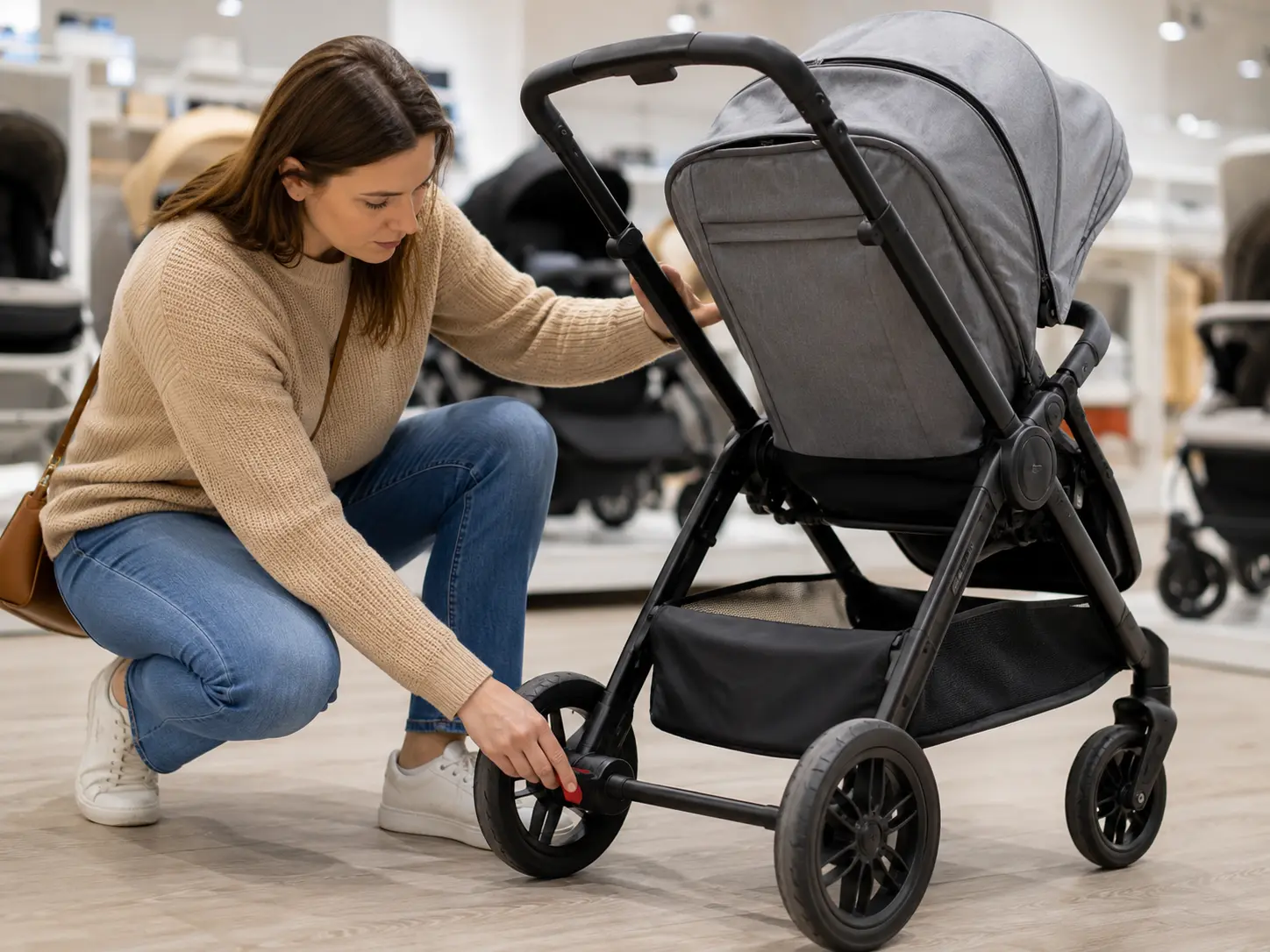
The 5-Point Pre-Purchase Check
Five-point harness quality — Pull the straps hard. They should not slip through the buckle housing or loosen under tension.
Brake reliability on slopes — Test the parking brake on an incline in the store. A brake requiring two hands to engage is a hazard when you're holding an infant.
Lateral stability — Tip the stroller slightly sideways when loaded. It should resist tipping with reasonable lateral force.
Canopy UPF rating — A canopy without a stated UPF rating offers unknown sun protection. Look for UPF 50+ for meaningful coverage.
One-hand fold — A stroller requiring both hands and a specific sequence to fold increases the probability of setting a child down on an unsafe surface.
Jogging Strollers: A Specific Warning
Using a swivel-front-wheel stroller for running is a documented hazard — the front wheel can turn unexpectedly at speed and cause a tip. Jogging strollers require a lockable fixed front wheel. Verify this is present and that it actually locks before purchasing.
Travel System Compatibility — the Adapter Gap
When an infant car seat is marketed as compatible with a stroller via an adapter, verify that the adapter-plus-seat combination has been crash-tested as a unit — not just that the physical connection works. An untested adapter may hold the seat securely during normal use but fail differently in a collision than a purpose-designed travel system.
Stroller Picks Worth Examining
For sibling configurations: UPPAbaby Vista V3 with Rumbleseat V3 (Consumer Reports 2026 top picks). The Rumbleseat has its own weight rating and harness system — verify both separately from the main seat.
Lightweight option: UPPAbaby Minu V3 — smaller frame and lighter weight involve trade-offs in suspension quality and storage capacity that affect real-world usability on rough sidewalks.
Baby Monitors and Smart Safety Gear: What the Tech Actually Does
Smart monitors and sensor-based safety gear now account for 24% of new baby product introductions in 2026 (Business Research Insights). The marketing claims are ambitious. The independent validation often lags the product launch cycles.
Here's what you need to know before you buy.
AI Video Monitors vs. Medical Monitors — Not the Same Thing
Most "AI baby monitors" use motion and audio pattern recognition — they learn your baby's normal patterns and alert you to deviations. This is genuinely useful for detecting unusual stillness or position changes.
What it does not do: measure oxygen saturation, heart rate, or respiratory rate with clinical accuracy. A monitor that alerts you to unusual stillness is not the same as a medical apnea monitor.
FDA Clearance vs. Consumer Wellness Device
This distinction is critical. Wearable baby products that claim to monitor blood oxygen levels require FDA 510(k) clearance to make those claims legally. Most consumer baby wearables — including popular sock-style trackers — are marketed as wellness devices, not medical devices. Their accuracy has not been independently validated to clinical standards.
If you're purchasing a wearable tracker for a medically complex infant, ask your pediatrician specifically for FDA-cleared options.
Smart Bassinets — What the Evidence Supports
Adaptive-motion bassinets (the category popularized by the SNOO) have documented evidence supporting improved infant sleep duration. The safety verification to perform:
The infant must be able to move their head freely
The swaddle must not restrict chest expansion
Verify the bassinet meets CPSC bassinet standards (16 CFR Part 1218), not just its smart-feature marketing
Cybersecurity — A Real Risk, Not a Theoretical One
Wi-Fi connected monitors have experienced documented security vulnerabilities — unauthorized access to live video feeds has been reported across multiple brands. Look for:
End-to-end encryption
Local storage options (so footage isn't automatically uploaded to a cloud server)
Regular firmware update support from the manufacturer
Sleep Safety: What the Marketing Often Gets Wrong
Infant sleep environment is the category where product marketing most frequently conflicts with pediatric evidence. The AAP safe sleep guidelines are the evidence-based standard:
Firm, flat sleep surface
No soft bedding, pillows, or positioners
Room-sharing without bed-sharing for at least the first six months
Any product that implies otherwise through its marketing deserves extra scrutiny.
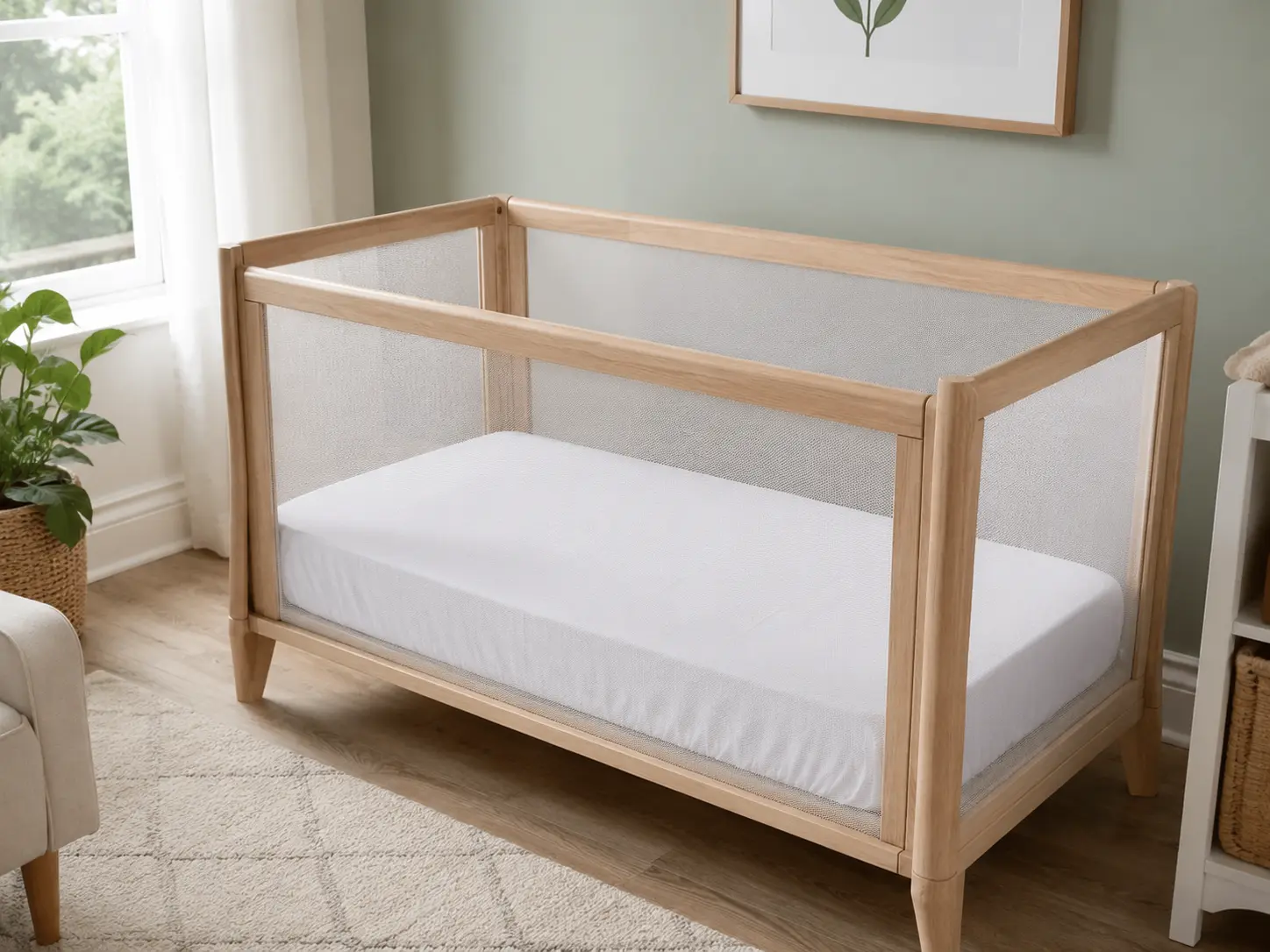
Second-Hand Cribs: Know the Date
The CPSC banned drop-side cribs in 2011. All new cribs must meet 16 CFR Part 1219 and 1220 standards. The risk is second-hand:
Before using any used crib:
Find the manufacture date on the label. Any crib made before 2011 may have banned hardware.
Search the model on recalls.gov.
Check slat spacing — must be no more than 2⅜ inches (60mm).
Replace the mattress. Used mattresses carry increased suffocation risk; this is one place cost-cutting creates real hazard.
What "Firm" Actually Means for a Mattress
A firm crib mattress is one that does not conform around an infant's face when pressed with your palm — it should spring back immediately. The Newton Crib Mattress uses a breathable Wovenaire core with documented airflow performance. It sits at the premium end of the market, but the airflow data is measured, not implied.
The Inclined Sleeper Ban
The CPSC banned infant inclined sleep products exceeding a 10-degree angle in 2022, following multiple infant deaths linked to products like the Fisher-Price Rock 'n Play. If you encounter any product marketed for infant sleep that has an incline — regardless of how it's described — measure the angle or check compliance documentation before use.
Feeding Products: High Chairs, Bottles, and Formula
High Chair Safety Checklist
Check these before purchasing — in-store if possible:
Five-point harness the child cannot easily unbuckle
Base width proportional to seat height (narrow bases on tall chairs tip more easily)
Tray latch that engages securely and cannot be released by a child pushing from inside
Cleanable crevice design — bacteria accumulation in foam padding and seat seams is a documented hygiene risk
The Stokke Clikk High Chair (Consumer Reports 2026 top picks) uses a hard-shell seat with minimal crevices — a design choice that directly addresses the cleaning problem. Trade-off: no reclining position, so it's not suitable for infants who can't yet sit independently.
Baby Bottles — What BPA-Free Doesn't Tell You
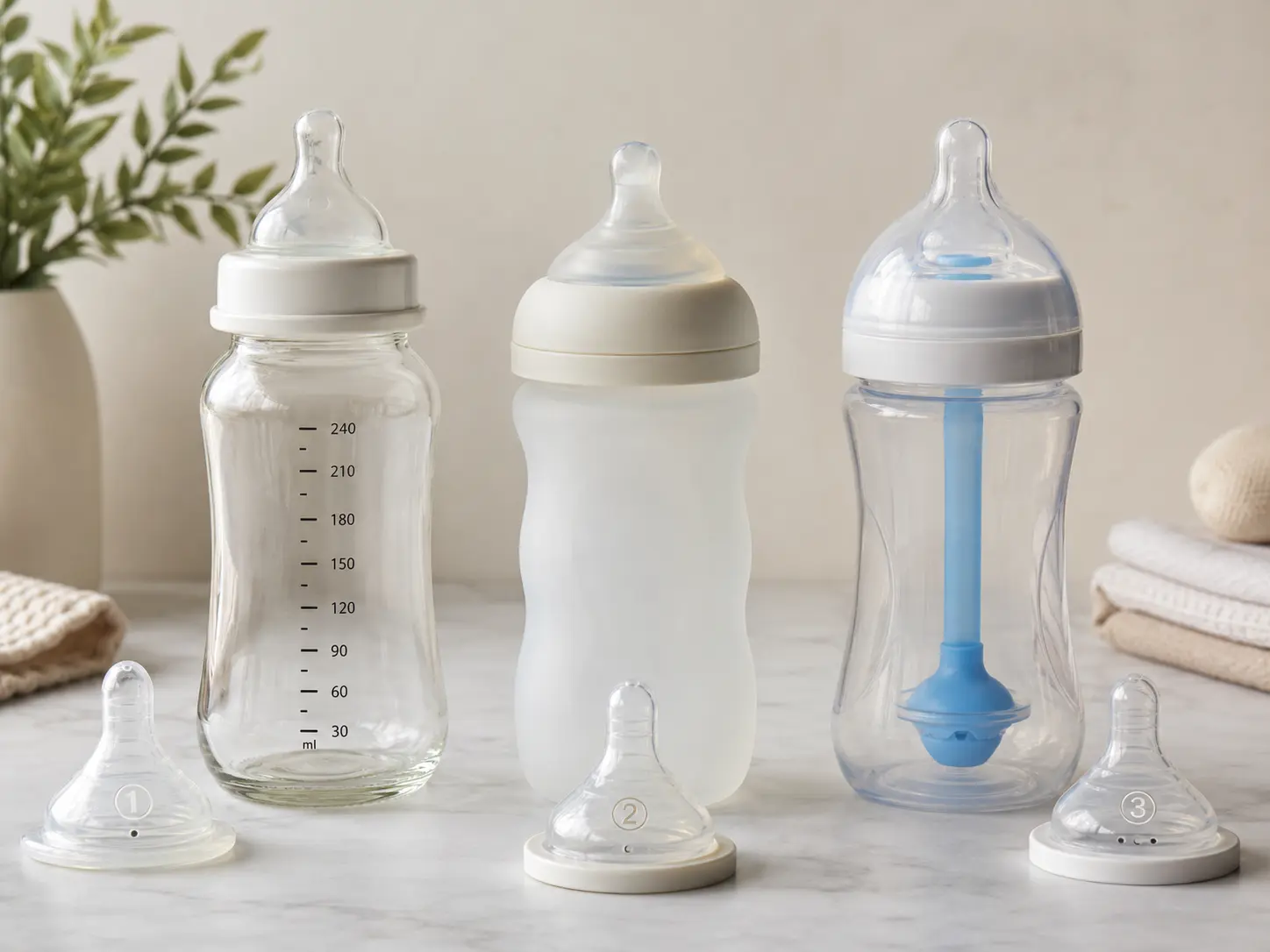
BPA-free is now baseline across virtually all major brands. It's not a differentiating safety feature. Evaluate instead:
Factor | Why It Matters |
|---|---|
Nipple flow rate | Too fast for a young infant increases aspiration risk |
Anti-colic venting | Venting systems vary significantly in how well they reduce air ingestion |
Sterilization durability | Glass withstands indefinite sterilization; silicone degrades slowly but should be inspected for cracks |
Infant Formula: Store Brand vs. Name Brand
The FDA regulates infant formula composition under 21 CFR Part 107, setting minimum and maximum nutrient levels. All formula sold in the U.S. must meet these standards. This means store-brand formulas are nutritionally equivalent to name-brand formulas when both carry FDA compliance — a meaningful finding for budget-constrained families.
The FDA released new infant formula test results in 2026 covering contaminant screening. Results are publicly available and searchable by brand on FDA.gov.
Frequently Asked Questions
What's the most important safety certification for baby products?
For most categories, the JPMA certification seal is the most reliable indicator — it requires independent laboratory verification against ASTM standards, not manufacturer self-reporting. For car seats specifically, use NHTSA ease-of-use ratings alongside Consumer Reports crash test scores. Both together give a more complete picture than either alone.
How do I check if a baby product has been recalled?
Search the product name and model number on recalls.gov, maintained by the CPSC. You can also register your product with the manufacturer — most are required to maintain a registration system for direct recall notifications.
Are expensive baby products actually safer?
Not automatically. Price correlates with features and materials, not always with safety outcomes. A budget car seat that meets FMVSS 213 and has been independently crash-tested can perform equally in a collision to a premium model. The meaningful risks in budget products are more often durability, ease of correct use, and longevity — not the fundamental safety engineering.
Do smart baby monitors actually improve safety?
They can — with important limitations. AI video monitors that alert parents to unusual movement or sound patterns provide a genuine early-warning function. Wearable oxygen monitors marketed as wellness devices have not been validated to clinical accuracy standards and should not substitute for medical monitoring in infants with known respiratory conditions.
Can I use a second-hand car seat?
Generally, no — with a few caveats. Car seats have a manufacturer expiration date (usually 6–10 years from manufacture) and should not be used after any collision, even a minor one. If you accept a second-hand seat, you need to know its full history, verify it hasn't been in a crash, check it hasn't been recalled, and confirm it's not past its expiration date. If any of that history is unclear, the seat should not be used.
What second-hand baby products are safe to accept?
Generally safe (inspect carefully): strollers, high chairs, play yards (if manufactured after relevant standard dates), baby monitors. Generally avoid second-hand: car seats (unknown crash history), crib mattresses (suffocation risk), any sleep product manufactured before 2011, inclined sleep products.
A Note on Budget and Equity
Nearly 30% of U.S. consumers in low-to-middle-income segments are priced out of top-safety-rated products (Business Research Insights, 2026). For those families, two high-leverage, no-cost actions deliver more safety value than brand upgrades:
Register every product at purchase for direct recall notification
Schedule a free CPST inspection for any car seat — the service is free, widely available, and reduces the real-world risk from installation errors more than upgrading to a premium seat that gets installed the same way
Quick Reference: Who Should Buy What
Profile | Priority Product Check |
|---|---|
Expecting first child | Infant car seat + CPST inspection before baby arrives |
Second baby | Convertible or all-in-one car seat; verify first child's sibling configuration (stroller Rumbleseat weight limits) |
Budget-constrained | CPSC compliance + CPST check outweighs brand. Store-brand formula = name-brand nutrition. |
Medically complex infant | Ask pediatrician for FDA-cleared wearables, not consumer wellness trackers |
Accepting second-hand gear | Check every item on recalls.gov; never use pre-2011 cribs or second-hand car seats with unknown crash history |
Sources cited in this article: