

This review is based on publicly available market data, third-party traffic and sales estimates, and verified customer feedback aggregated from multiple sources. Trusted Buyer Report has not personally tested PetSmart's services. We may earn a commission from purchases made through links on this page.
The short answer: PetSmart wins decisively on services — grooming, training, and vet care can't be ordered online. For routine product reorders, competitors like Chewy hold a measurable edge in digital experience and subscription pricing. The smartest play in 2026 is using both channels deliberately, not defaulting to one.
Here's what the data and real shopper behavior tells you about when each channel earns the trip.
PetSmart In-Store vs. Online at a Glance (2026)
| Use Case | Best Channel | Why |
|---|---|---|
| Grooming appointment | In-store | Physical service — no online substitute |
| Monthly dog food reorder | Chewy or PetSmart Autoship | Chewy leads on sessions, revenue, and subscription UX |
| Specialty or prescription diet | Online catalog | Wider SKU availability than any single store shelf |
| Urgent same-day supply need | In-store | ~1,700 locations; same-day delivery also available |
| Veterinary wellness visit | In-store (700+ locations) | Physical exam required; online booking available |
| Puppy training classes | In-store | Structured group classes; no online equivalent |
| BOPIS / curbside pickup | Hybrid (order online, pickup in-store) | ~60% of PetSmart customers chose this fulfillment path in 2025 |
What PetSmart Actually Is in 2026
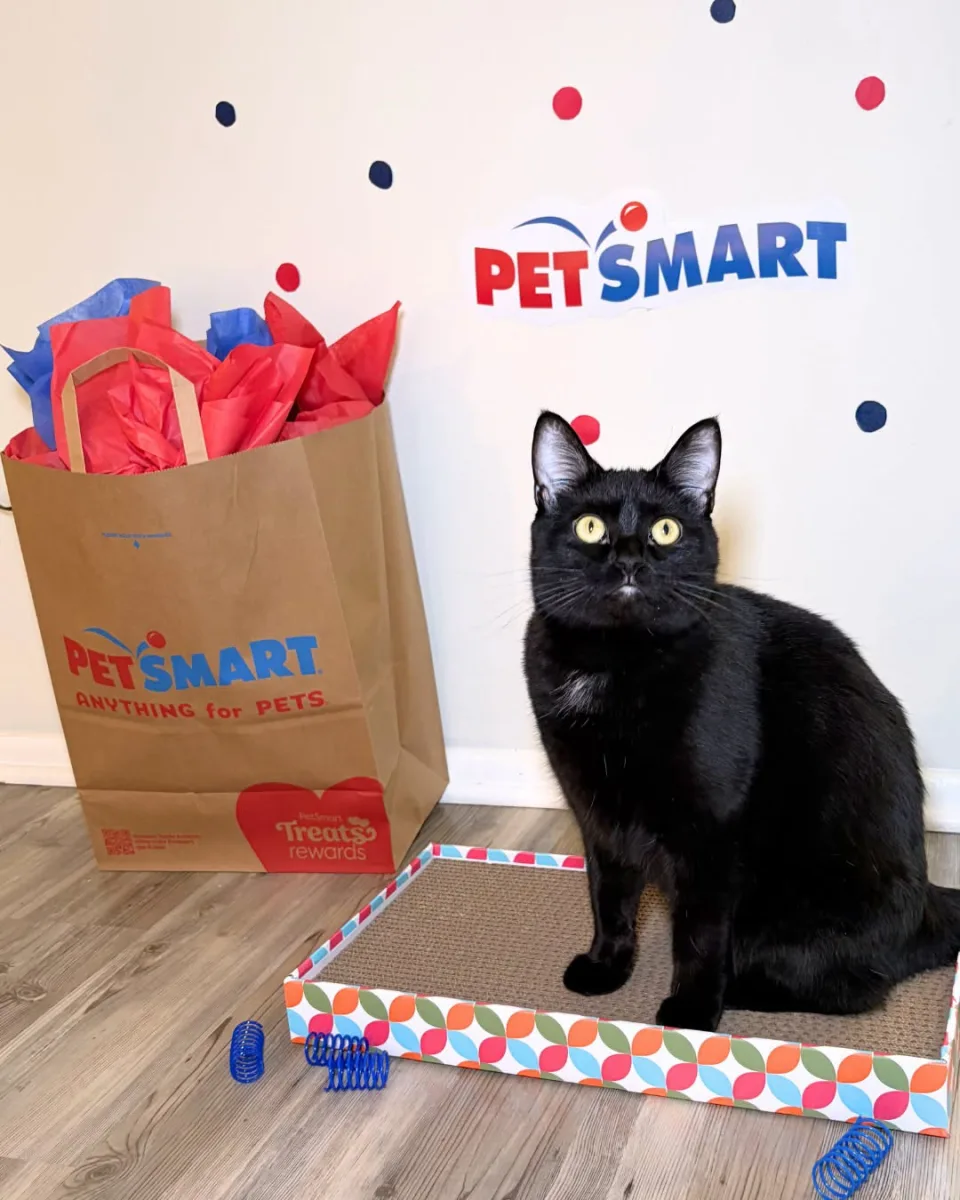
PetSmart operates nearly 1,700 stores across the US, Canada, and Puerto Rico, making it the largest specialty pet retailer by physical footprint in North America, according to an Algolia case study. That scale matters because it shapes every channel comparison in this review — you are rarely more than a short drive from a location, which no ecommerce platform can replicate for same-day needs.
The company is privately held under BC Partners, with Apollo and GIC as co-investors since 2023, per MMC Invest's industry analysis. Private ownership means PetSmart isn't managing quarterly earnings pressure, which has historically supported investment in long-term store infrastructure and service expansion. The trade-off: no audited public financials. Revenue and traffic figures cited in this article are third-party market intelligence estimates, not official disclosures.
The US pet store industry reached $27.6 billion in revenue in 2026 after 1.4% growth, according to IBISWorld. Within that market, PetSmart holds roughly 35% of pet specialty market share, per MatrixBCG's market analysis. That share isn't built on price leadership — it's built on service depth, which directly affects the channel decision shoppers face every week.
Before diving into the channel breakdown, it's worth knowing what the broader pet product landscape looks like. If you're evaluating PetSmart as one option among many, our comprehensive guide to pet products for dogs, cats, and small pets in 2026 covers the category beyond any single retailer.
The In-Store Experience: What PetSmart Does That No Website Can
Walk into a PetSmart on a Saturday morning and the service infrastructure is immediately visible: grooming check-ins at the salon counter, training classes in a cordoned section, a veterinary hospital with its own entrance.
This is not a store that happens to offer services — it's a service operation that also sells products. That distinction matters when you're deciding whether the drive is worth it.
Grooming
Every PetSmart location has a grooming salon. Premium grooming package demand grew 15% in 2025, according to businessmodelcanvastemplate.com's PetSmart target market analysis, reflecting a broader shift toward treating grooming as routine pet wellness rather than an occasional luxury.
Packages range from bath-and-brush to breed-specific full grooms. You can book online or through the app — one of PetSmart's stronger digital-to-physical integrations. Walk-in availability varies; weekend morning appointments should be booked in advance. Groomers are PetSmart-trained employees, not independent contractors, which matters if you're establishing a regular relationship for a dog that needs consistent styling.
Training
In-store training classes follow a positive reinforcement curriculum and run in group formats — puppy fundamentals, beginner obedience, and intermediate levels. These are not one-on-one sessions with a certified behaviorist. For new pet owners working on basic commands and socialization, the group class structure at PetSmart is practical and accessible. Dogs with serious aggression or anxiety issues are better served by a specialist referral.
Veterinary Care
More than 700 PetSmart locations house in-store veterinary hospitals, per the Algolia case study. One important clarification: these operate primarily through Banfield Pet Hospital partnerships. Banfield is a separate business entity leasing space inside PetSmart — the vets are Banfield employees, not PetSmart staff. Your medical records and billing relationship are with Banfield. That distinction matters if you relocate or switch locations.
The competitive context is shifting. Chewy is expanding into physical clinics, and Walmart now offers virtual vet visits to Walmart+ subscribers, according to MMC Invest. PetSmart's in-store vet presence remains a clear differentiator — but it's facing active pressure from both digital and mass-market directions.
Boarding
PetsHotel boarding operates in more than 200 locations — not all stores. Before planning a stay, confirm your nearest location offers this service. Options include individual suites, supervised play, and add-ons like bedtime tuck-ins. Day camp is available at participating locations. Online booking is supported, making this one of the service categories where digital actually adds value — you can reserve space without a phone call.
The In-Store Product Advantage
Roughly 51% of consumers associate PetSmart with wide product selection, according to Morning Consult — and in-store, that selection is physically accessible in ways a product page can't replicate. You can assess a harness against your dog's actual size, compare litter formulas side by side, and feel the texture of a food topper before committing.
For same-day emergencies — a broken leash, an unexpected boarding need, a pet showing signs of illness — the in-store network is faster and more complete than any delivery option. Same-day delivery exists, but it depends on local availability and delivery windows. Walking into a store doesn't.
The Online Experience: Where PetSmart.com Stands in 2026
PetSmart's website handles the basics competently — search, cart, checkout, and fulfillment options all work without friction. The honest assessment is that in 2026, "competent" isn't sufficient to lead in a category where Chewy has set a high digital bar.
The Traffic and Revenue Numbers
The March 2026 data from GRIPS Intelligence puts the gap in context:
| Metric (March 2026) | petsmart.com | chewy.com |
|---|---|---|
| Online Revenue | $47,742,458 | $477,780,000+ |
| Sessions | 13,567,415 | 45,708,694 |
| Conversion Rate | 4.00–4.50% | Not disclosed |
Source: GRIPS Intelligence, March 2026.
Chewy generated nearly five times PetSmart's online revenue in a single month, running more than three times the session volume. Shoppers who want digital-first convenience and auto-delivery subscriptions are, by revealed behavior, choosing Chewy.
In paid search, the visibility gap is even wider. Adthena's US Retail Pet Supplies PPC Market Share analysis for April 2026 shows petsmart.com holding approximately 6–8% PPC market share compared to chewy.com's roughly 29%. Fewer shoppers are finding PetSmart through search ads when they're actively looking to buy pet supplies online.
PetSmart has publicly stated a target of 25% digital penetration by 2026, per MatrixBCG. That goal signals internal recognition that the online channel needs to grow — and that it hasn't yet reached the company's own benchmark.
What the Website Does Well
The site offers inventory-aware search powered by Algolia, which surfaces in-stock items at your nearest store rather than showing nationally available products that are locally out of stock, per the Algolia case study. This reduces a common frustration: finding a product listed online, driving to pick it up, and discovering it's not on the shelf. The system isn't perfect — real-time inventory data has inherent lag — but it's a meaningful improvement over a static catalog.
Fulfillment options are comprehensive: same-day delivery, BOPIS, Autoship recurring delivery, and standard shipping. The Autoship feature — set a delivery frequency, get an automatic discount — mirrors Chewy's auto-delivery subscription in structure. It works. Chewy's subscription UX simply has a longer track record and a larger active subscriber base by revealed market behavior.
Product Selection: In-Store Shelves vs. the Online Catalog
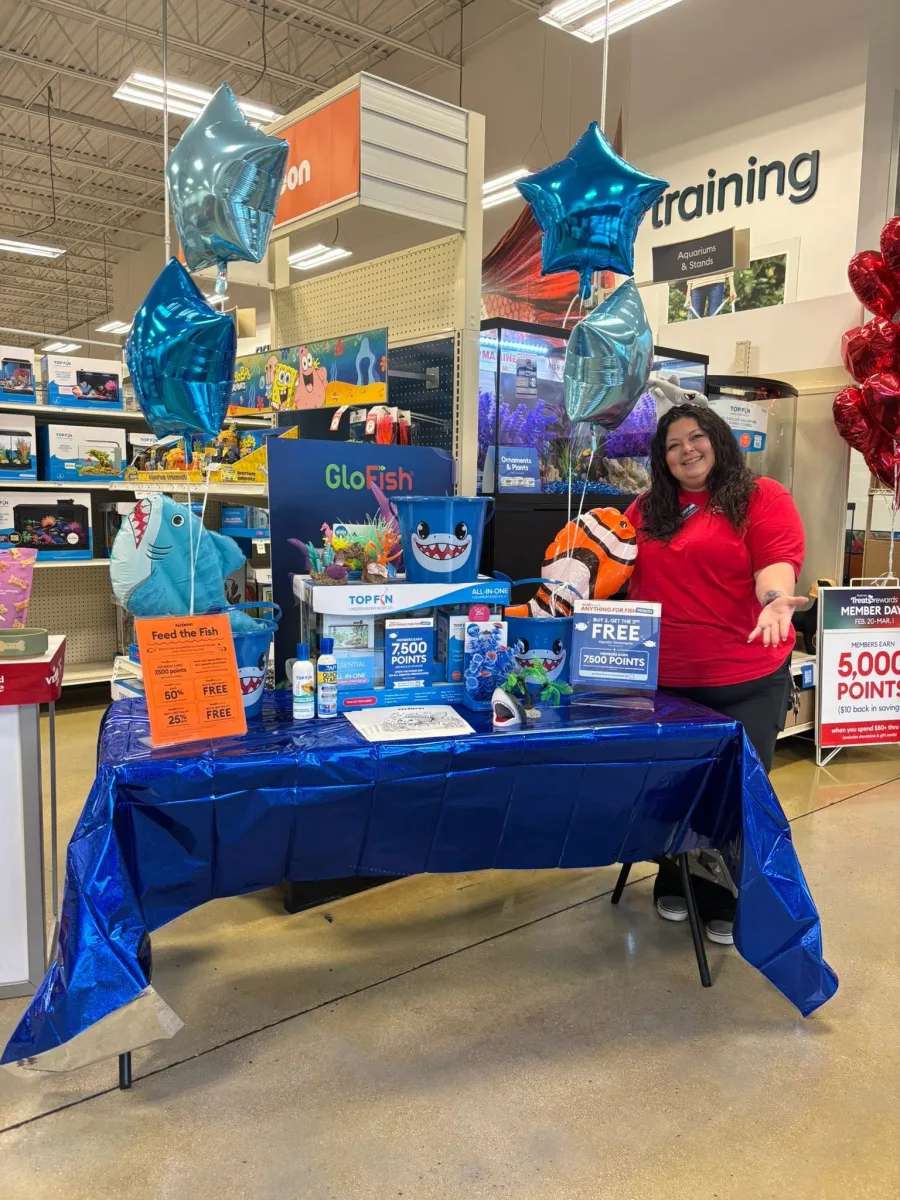
The product question isn't just "does PetSmart carry it?" — it's "which channel gives you reliable access to what you actually need?"
For mainstream staples — Royal Canin breed-specific kibble, Blue Buffalo Life Protection formulas, Greenies dental treats, Frisco brand accessories — both channels are reliable. In-store lets you compare packaging and read ingredient labels physically. Online lets you filter by life stage, breed size, or ingredient more efficiently than walking aisles.
For specialty and premium diets, the online catalog has a structural edge. Physical shelf space is finite; no single store can stock every raw frozen brand, every limited-ingredient formula, or every prescription diet variant. PetSmart expanded its premium and fresh/frozen sections in 2026 in response to rising demand for transparent ingredient sourcing, according to businessmodelcanvastemplate.com — but this expansion is uneven across locations. If you're looking for a specific raw frozen diet like Instinct Raw or Stella & Chewy's, check the online catalog before driving. If you're still evaluating which premium food is worth buying in the first place, our vet-recommended dog food guide and wet vs. dry cat food analysis break down the options by nutritional criteria, not just brand popularity.
For live animals and aquatics, in-store visits are non-negotiable. Live fish, reptiles, and small animals can't be purchased online, and the supplies specific to their care — tank cycling products, live feeders, habitat substrates — are more reliably assessed in person. If you keep birds, note that PetSmart's bird supplies section is more limited in-store than specialized retailers; our guide to the best bird cages and supplies in 2026 covers options beyond what PetSmart typically stocks.
Fulfillment Options: Same-Day, BOPIS, Autoship, and Standard Shipping
PetSmart offers four distinct fulfillment paths. Choosing the right one depends on your timeline and purchase type.
Same-Day Delivery runs through DoorDash and similar partners from local store inventory. Best for urgent needs when you can't get to a store. Delivery windows and fees vary by location; not available for all products.
BOPIS / Curbside — order online, pick up in-store, often within a few hours. This accounted for roughly 60% of PetSmart customer fulfillment choices in 2025, per businessmodelcanvastemplate.com. It's PetSmart's strongest hybrid channel: browse digitally, retrieve immediately, skip the wait for delivery.
Autoship — recurring delivery on a schedule you set, with an automatic price discount. Functional for food, flea and tick prevention, and other consumables. Chewy's auto-delivery program has broader consumer adoption at scale, but PetSmart's Autoship works on the same principle and is worth using if you're already a PetSmart shopper.
Standard Shipping — typical 3–5 business day delivery. Adequate for non-urgent purchases. Free shipping thresholds apply; check current terms at checkout as these change periodically.
The fulfillment menu is comprehensive on paper. The practical gap is that Chewy's execution on subscription delivery — reliability, customer service, packaging — has built stronger consumer loyalty at scale, as the GRIPS Intelligence session and revenue data makes clear. If you want a thorough comparison before deciding where to park your auto-delivery subscription, our Chewy review for 2026 covers that platform's strengths and limitations in detail.
Pricing and Value: Is PetSmart Competitive?
PetSmart does not position itself as the cheapest option, and the data reflects that.
For commodity pet supplies — generic poop bags, basic stainless bowls, standard leashes — Amazon and Walmart will frequently undercut PetSmart on price. The Treats loyalty program provides points redeemable for discounts, and Autoship pricing offers a modest reduction on recurring orders. These mechanisms help close the gap on staple items but don't make PetSmart the lowest-cost option across the board.
For shoppers whose primary criterion on routine supplies is per-unit cost, Chewy's subscription pricing and Amazon's Subscribe & Save program will typically be cheaper on high-volume items like large bags of kibble.
Where PetSmart's pricing is genuinely competitive is in bundled service value. A grooming appointment that covers a bath, nail trim, ear cleaning, and brush-out in a single visit — at a single location where you also pick up food and schedule a vet check — has real convenience value that a per-item price comparison misses. The store's value proposition is the combination of product, service, and location, not price alone.
The 52% mental association — consumers specifically linking PetSmart to grooming and veterinary services more than any competitor in its category, per Morning Consult — is the result of PetSmart consistently delivering on that bundle, not a marketing accident.
PetSmart vs. Chewy vs. Petco: Which Should You Default To?
Here's the honest comparison most shoppers need:
| Criterion | PetSmart | Chewy | Petco |
|---|---|---|---|
| In-store service (grooming, vet, boarding) | ✅ Best in class | ❌ Not available | ✅ Available (fewer locations) |
| Online subscription / auto-delivery | ⚠️ Functional but not leading | ✅ Category leader | ⚠️ Available |
| Physical footprint (US) | ~1,700 stores | Online-first | ~1,500 stores |
| Online revenue (March 2026) | ~$47.7M (est.) | ~$478M (est.) | ~$11.2M (est.) |
| Specialty/premium diet range online | ✅ Wide | ✅ Very wide | ✅ Wide |
| Live animals in-store | ✅ Yes | ❌ No | ✅ Yes |
Sources: GRIPS Intelligence, Algolia, MMC Invest, March–April 2026.
The verdict: if you need services, PetSmart is your destination. If you're optimizing for online product ordering and auto-delivery, Chewy is the market leader by volume. Most pet owners in 2026 are using more than one channel — the strategic move is knowing which platform to use for which task.
If you're building out a broader pet care setup — beyond where you buy food — it's worth looking at pet cameras for remote monitoring, GPS trackers and smart collars, and training tools and online courses to complement what you get at the store.
Who Should Shop at PetSmart — and Who Should Look Elsewhere
PetSmart is the right choice if you:
- Need grooming, boarding, or veterinary care and want everything in one location
- Have a same-day product need and live near one of the ~1,700 stores
- Prefer BOPIS or curbside and want to verify in-store availability before driving
- Are a new pet owner who wants in-person training classes and product guidance from staff
- Have a live animal (fish, reptile, small mammal) that requires in-store purchase
Consider alternatives if you:
- Prioritize lowest per-unit cost on high-volume staples (Amazon Subscribe & Save, Chewy auto-delivery will typically beat PetSmart's pricing)
- Want a digital-first, subscription-heavy experience with the strongest customer service track record (Chewy)
- Are looking for niche specialty brands that your local PetSmart doesn't stock
- Want to compare and consolidate pet product subscriptions (pet subscription boxes like BarkBox or KitNipBox, covered in our best pet subscription boxes guide for 2026, may also be worth adding to your rotation)
Frequently Asked Questions
Does PetSmart price match? PetSmart's official price match policy applies to identical items from select competitors. Terms and eligible competitors can change; verify current policy at petsmart.com/priceMatch before assuming it covers your specific item.
Is PetSmart grooming safe? Grooming accidents are rare but do occur at any grooming facility. PetSmart groomers are trained in-house employees. If your dog has health conditions, behavioral anxiety, or specific coat requirements, discuss these with the groomer before booking and consider whether a veterinary groomer is more appropriate.
Can I book PetSmart grooming online? Yes. You can book grooming appointments online at petsmart.com or through the PetSmart app. Walk-in availability varies by location and time of day; weekend bookings especially benefit from advance scheduling.
Is PetSmart's Autoship worth it? For recurring items like food, flea prevention, and heartworm medication, Autoship offers an automatic discount and saves a trip. The main comparison point is Chewy's auto-delivery program, which has broader consumer adoption. If you're already shopping PetSmart regularly, Autoship is worth enabling. If you're choosing between platforms for a recurring order, compare the Autoship price against Chewy's subscription price for your specific product.
Does PetSmart sell live animals? Yes. PetSmart sells fish, birds, reptiles, and small mammals (hamsters, guinea pigs, gerbils) in-store. Live animals are not available for online purchase or delivery.
Are PetSmart's in-store vets part of PetSmart? No. The veterinary hospitals inside PetSmart locations are primarily operated by Banfield Pet Hospital under a partnership arrangement. Banfield is a separate company; your medical records, billing, and care relationship are with Banfield, not PetSmart.
Affiliate disclosure: Trusted Buyer Report may earn a commission when you make a purchase through links on this page, at no additional cost to you. This helps fund independent editorial work. Our assessments are completed before any affiliate link is applied. — This article was researched and drafted with AI assistance, then reviewed and fact-checked before publishing.