Reviewed by the Trusted Buyer Report editorial team. This guide is based on manufacturer specifications, independent test sources, and verified instructor feedback. It does not reflect hands-on testing by Trusted Buyer Report. We may earn a commission from purchases made through links on this page. How we review →
The Short Answer: What Pilates Equipment Do You Actually Need?
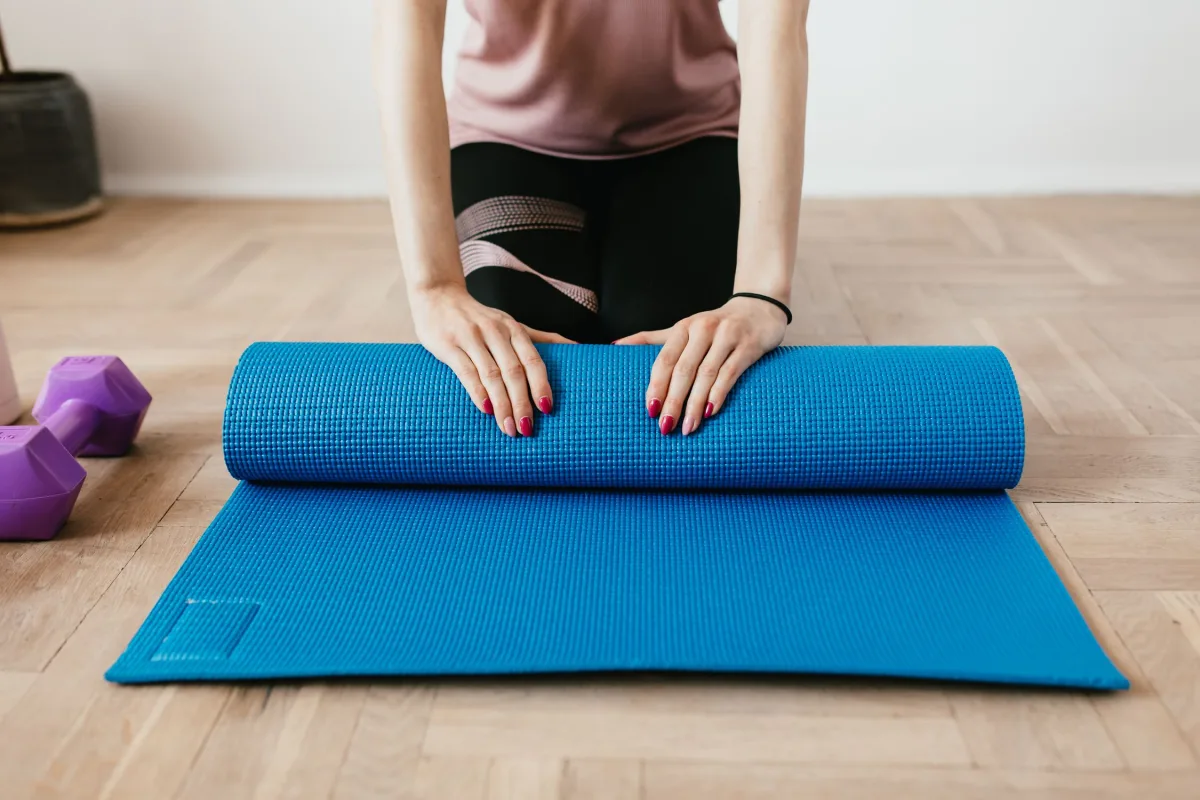
If you're brand new to Pilates, you need one thing: a mat thicker than 6mm. That's it. You do not need a reformer, a magic circle, or any accessory until you've practiced consistently for at least a few months and know what gaps in your practice you're trying to fill.
If you already practice mat Pilates and want to progress, a reformer is the most versatile upgrade — but it's a significant investment ($300 to $3,500+) that deserves careful evaluation before you buy.
This guide cuts through the noise and gives you a practical decision framework for every level and budget — from a $25 beginner mat to a studio-grade reformer.
Why Pilates-Specific Equipment Matters (And How It Differs From Yoga Gear)
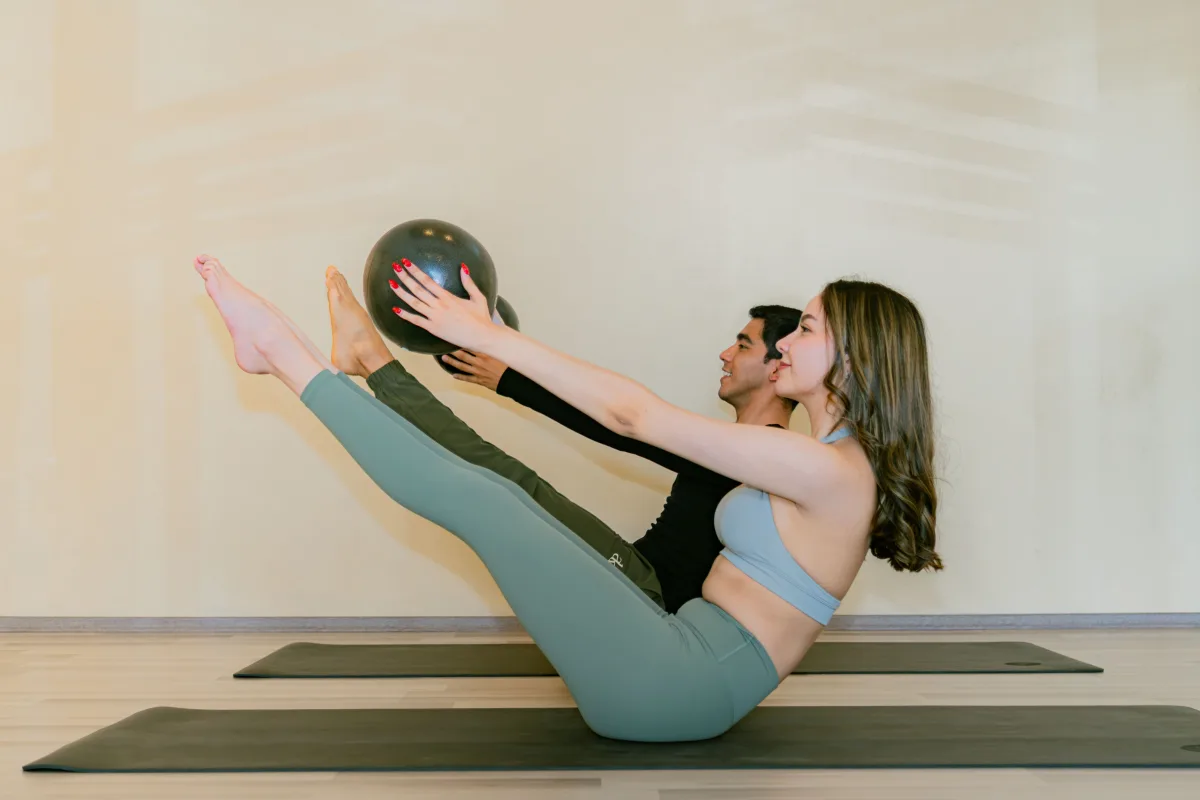
The single most common Pilates equipment mistake is using a standard yoga mat for floor work. Here's why that's a problem.
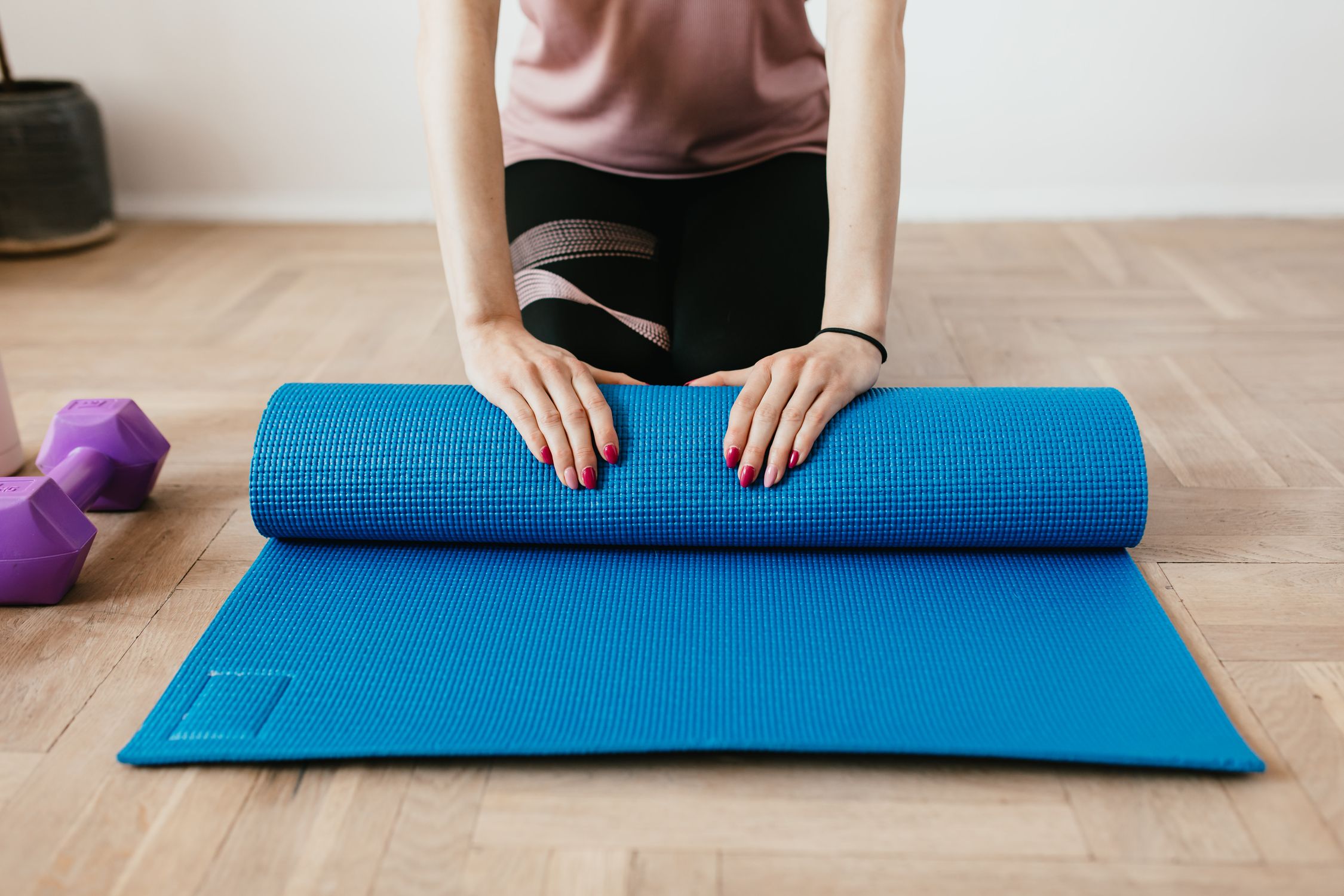
A standard yoga mat is 3 to 6mm thick. A Pilates mat is 10 to 15mm thick. That extra cushioning exists for a reason: Pilates involves rolling on your spine, kneeling, lying on your side, and pressing your tailbone into the floor. On a thin yoga mat, exercises like Rolling Like a Ball or Spine Stretch create a "clunking" sensation in the lower back that can lead to real discomfort over time — and cause practitioners to modify their movement to compensate without realizing they're doing it.
For a dedicated Pilates practice, a mat should ideally be 6mm to 15mm thick to protect the spine and joints during rolling exercises. If you need a hybrid mat for both yoga and Pilates, a 6mm mat provides the best balance of cushioning and stability.
Beyond the mat, the broader Pilates equipment ecosystem breaks into two tracks: mat Pilates (minimal gear, bodyweight-based) and reformer Pilates (machine-based, spring resistance). Each has real trade-offs that are worth understanding before spending money.
Mat Pilates vs. Reformer Pilates: Which Is Right for You?
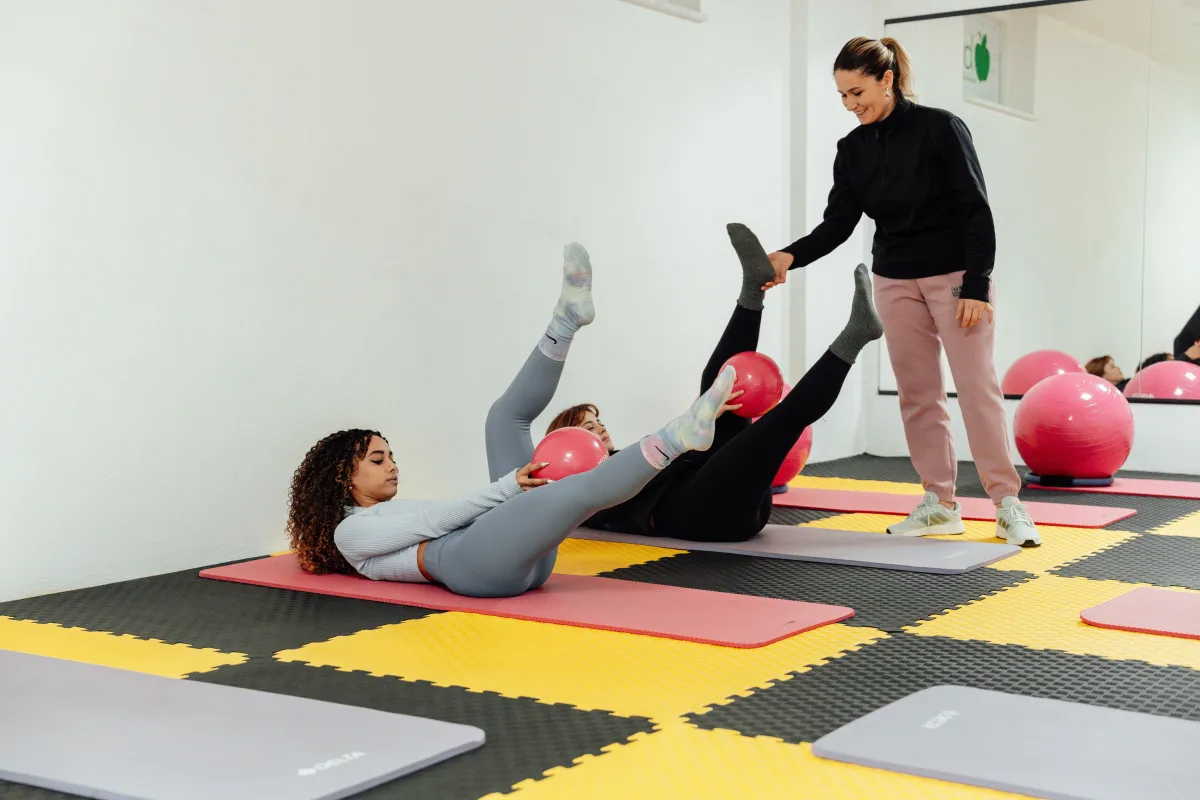
Mat Pilates is accessible and affordable — you can practice almost anywhere with minimal equipment, making it ideal for beginners and home workouts. Reformer Pilates offers greater resistance variety through a spring-based system that allows for hundreds of exercise variations and more precise muscular loading.
A 2025 study found that reformer Pilates was more effective in improving physical capacities, such as standing broad jump, flexibility, and short sprint times, in soccer players compared to mat Pilates. That said, mat Pilates consistently builds stronger foundational core control, because without the machine to share the load, your deep stabilizers do all the work.
Here's the honest decision matrix:
| Mat Pilates | Reformer Pilates | |
|---|---|---|
| Cost to start | $25–$80 (mat only) | $300–$3,500+ (machine) |
| Space needed | Mat footprint (~6'x2') | 8–9 ft long, 2 ft wide |
| Core activation | Higher — no machine assist | Lower — machine shares load |
| Exercise variety | ~34 classical exercises + variations | Hundreds of variations |
| Best for | Beginners, budget, travel | Strength building, rehab, progression |
| Studio class cost | $15–$30/class | $30–$60/class |
The instructor consensus: Most beginners will start with mat classes in order to learn the techniques, build strength, flexibility, and posture. By building a foundation with mat Pilates, you teach your body how to control your muscles. On average, beginners could typically add reformer work after three months of once-a-week mat classes.
If you're thinking about setting up a fuller home workout space alongside Pilates, our guide to best home gym equipment in 2026 covers complementary gear across budget and premium tiers.
How to Choose a Pilates Mat: The 5 Variables That Actually Matter
Not all "thick mats" are created equal. Here are the five variables worth evaluating before you buy.
1. Thickness
After years of testing, the sweet spot for Pilates typically falls between 6mm and 10mm, providing enough cushioning for spinal support while maintaining the stability needed for precise movements. Dedicated Pilates instructors and equipment specialists push that recommendation slightly higher — the best thickness for Pilates is between 8mm and 15mm.
If you want one mat that works for both yoga and Pilates, 6mm is the practical compromise. If you practice Pilates exclusively at home and never need to carry the mat, go thicker (10–15mm).
2. Density
Thickness without density is useless. A good Pilates mat uses high-density foam that cushions without bottoming out. Think of it like a mattress: a thick mattress is useless if it sags. The same applies to mats. Budget foam mats often list impressive millimeter counts but compress under body weight, delivering less actual cushioning than a denser, thinner mat.
3. Surface Texture
Yoga mats are optimized for grip — which is actually a problem for some Pilates exercises. Pilates mats need a balance between grip (so you do not slide during planks) and smoothness (so you can slide your feet during certain exercises).Look for a subtle texture, not an aggressively sticky surface.
4. Dimensions
Standard mats (68–72 × 24 inches) are adequate for most people under 5'10". For taller practitioners or those who do exercises that require full arm and leg extension — for Pilates, you want at least 180 × 60cm (approximately 71 × 24 inches), and ideally 183 × 66cm (72 × 26 inches) for comfortable arm and leg extensions. Taller practitioners (over 170cm/5'7") should look for 190cm+ length mats.
5. Portability
Dedicated Pilates mats are significantly heavier and bulkier than yoga mats. If you commute to class, this matters. If you practice exclusively at home, it doesn't.
Best Pilates Mats in 2026: By Budget and Use Case
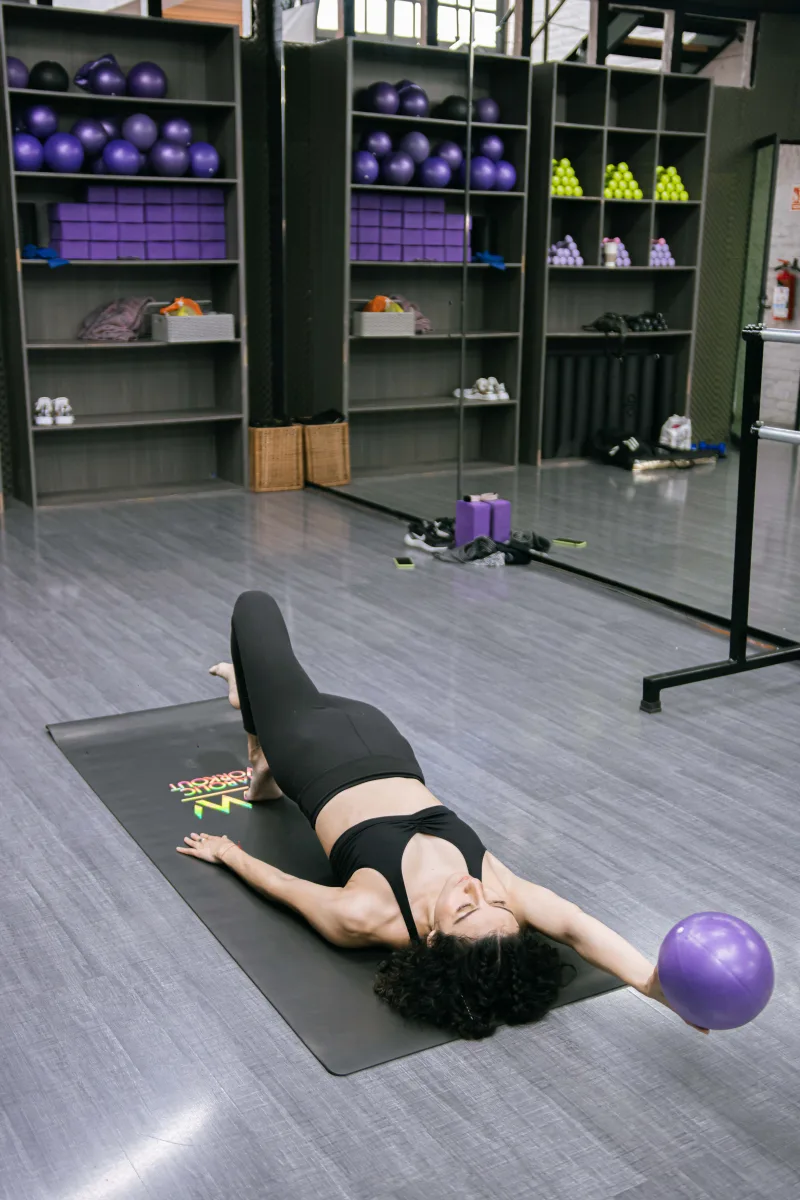
Best Mat for Dedicated Home Pilates Practice (8–15mm)
For home-only use where portability isn't a concern, prioritize thickness and density above all else. Look for closed-cell foam construction in the 10–15mm range from brands like Balanced Body, Stott Pilates, or Aeromat. These mats are heavier and more expensive ($50–$120) but deliver the spinal cushioning that makes rolling exercises genuinely comfortable rather than something you dread.
Key spec to check: closed-cell foam (resists moisture and bacteria) vs. open-cell foam (softer but absorbs sweat).
Best Hybrid Mat for Both Yoga and Pilates (6mm)
The Yoga Accessories 1/4-inch Extra Thick Deluxe Mat is one of the most consistently recommended budget options across independent testing sources. At 6.2mm and available in multiple sizes including 84×36 inches, it provides adequate cushioning for beginner Pilates floor work and enough grip for yoga — without the $80–$120 price tag of a dedicated Pilates mat. Wirecutter lists it as their budget top pick for yoga, and its extra thickness makes it the strongest crossover option in the sub-$30 price tier.
For dedicated yoga grip performance, our in-depth yoga mat guide for 2026 covers natural rubber, polyurethane, and cork options with full material breakdowns.
Best Mat for Pilates Reformer Use
Reformer mats are a different product entirely — long, narrow towels or grip covers that sit on the reformer carriage, not a freestanding mat. If you own a reformer, look for a reformer mat towel (typically 39×24 inches) with non-slip backing and sweat-wicking suede surface. These are a $20–$40 accessory, not a mat purchase.
Pilates Accessories: What's Worth Buying and What Isn't
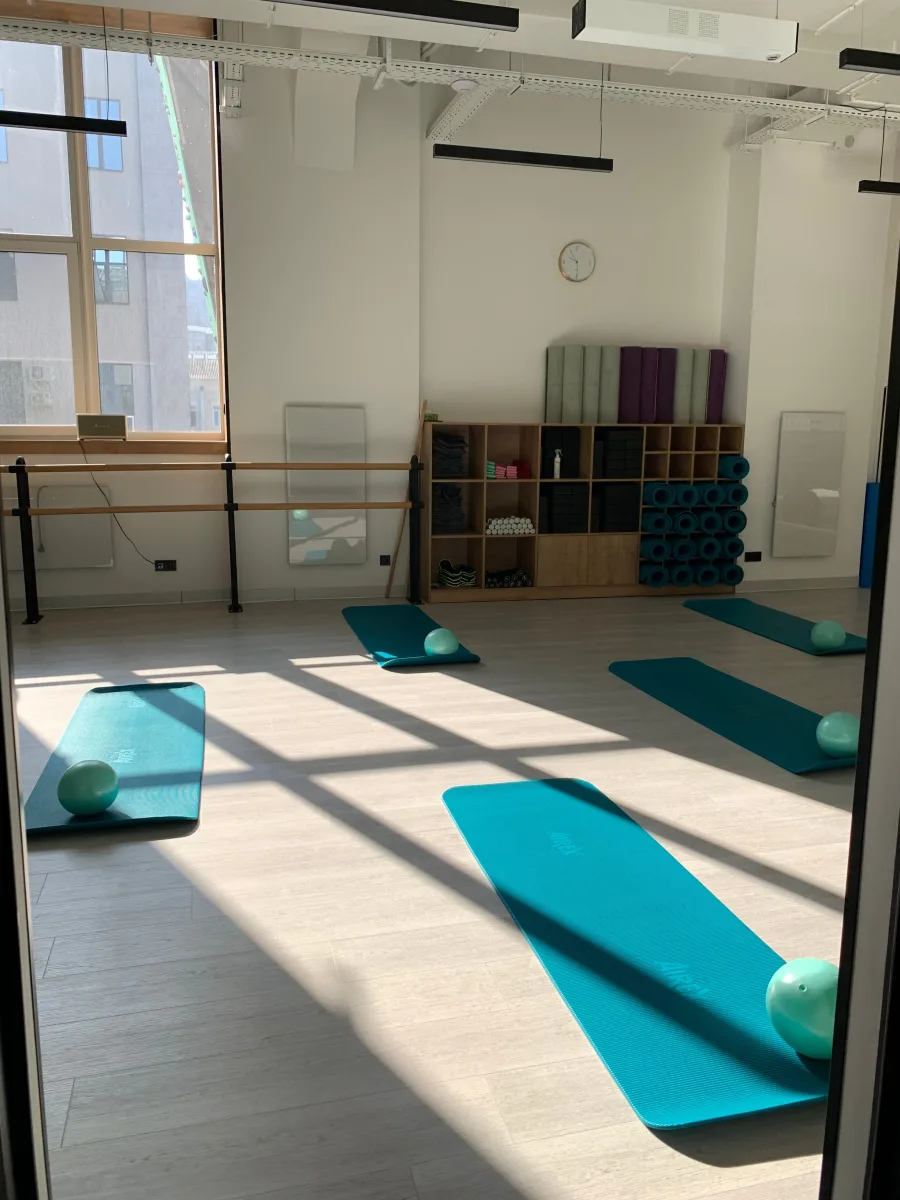
Before jumping to a reformer, Pilates accessories offer a meaningful bridge — expanding exercise variety at low cost.
Worth buying:
- Magic Circle (Pilates Ring): The most versatile Pilates prop. Adds inner thigh, chest, and arm resistance to mat exercises without requiring a machine. A good ring costs $15–$30 and opens up dozens of additional exercises. If you're only buying one accessory, start here.
- Resistance Bands: Add upper body pulling and pushing patterns that mat Pilates doesn't cover well. Loop bands work better than tube bands for Pilates applications. Budget $10–$25. Our best resistance bands guide covers the options worth using for both strength and rehab work.
- Pilates Ball (small, 9"): Used for inner thigh activation, spinal support, and balance challenges. A $10–$15 purchase that meaningfully varies the classical sequence.
Skip for now:
- Foam Rollers (better addressed through targeted mobility work or a barrel)
- Full Barrel/Arc (specialized, higher-cost, limited beginner use)
- Jump Board (reformer accessory — skip until you own a reformer)
For practitioners not ready to invest in a reformer, a props kit covering a magic circle, Pilates ball, and resistance bands covers the vast majority of additional exercises. A complete beginner accessory kit in this range costs $30–$60 and is a rational first step before committing to a reformer purchase.
Best Pilates Reformers for Home Use in 2026
The reformer is the highest-stakes Pilates purchase most buyers face. Getting it wrong means spending $500–$3,000 on a machine that doesn't fit your space, experience level, or practice goals — a pattern well-documented among home gym buyers across categories.
How Springs Work (And Why They Matter More Than You Think)
"Springs provide resistance and feedback, so the type and responsiveness of springs deeply influence your experience," says Mo Wolfe, owner and Pilates instructor of Evolution Pilates. "Look for four high-quality springs, ideally with equal tensions." Classical-style reformers have a heavier spring tension that is consistent throughout, while modern models may be color-coded: green (heavy), red (medium), blue (light), and yellow (extra light).
The number of springs and their color-coding system tells you more about a reformer's suitability for your level than the price tag or brand name.
Reformer Price Tiers: What You Get at Each Level
| Price Tier | Range | Best For | Example Brands |
|---|---|---|---|
| Budget | $300–$800 | Beginners testing the format | AeroPilates, Stamina |
| Mid-Range | $800–$2,000 | Committed home practitioners | Align-Pilates, Merrithew At Home |
| Premium | $2,000–$3,500 | Daily practice, instructor use | Merrithew SPX, Balanced Body Allegro 2 |
| Studio-Grade | $3,500+ | Equivalent to studio machines | Gratz, Balanced Body Studio |
Best Overall Home Reformer: Merrithew At Home SPX
The Merrithew At Home SPX carries a lifetime warranty that sets it apart from everything else at or near this price point. At $3,349 with 0% APR financing available, it's a significant investment — but the Merrithew (STOTT Pilates) ecosystem has well-established instructor support, a comprehensive accessory range, and build quality that won't require replacement within a few years of regular use.
Best Mid-Range Pick: Align-Pilates F2 Folding Reformer
For home practitioners who want studio-quality engineering without the studio price, the Align-Pilates F2 Folding Reformer is the most consistently recommended option in the $1,500–$2,000 range. The folding design makes it genuinely viable for apartments or shared living spaces where a full-size reformer would be impractical.
Best Budget Reformer: AeroPilates 287
The AeroPilates Reformer 287 is geared towards beginners and tends to have fewer springs for easier use. At under $500, it uses cord resistance rather than springs — less "authentic" Pilates feel, but a legitimate way to experience reformer mechanics before committing to a larger investment. It folds, it's lightweight, and it includes workout DVDs. The trade-off: the resistance system doesn't replicate spring feedback precisely, and the machine has a lower weight capacity than mid-range options.
The Folding vs. Full-Size Decision
Taking the size of your home into consideration is important before purchasing a Pilates machine. Some are very big and bulky, and unless you have a lot of real estate to spare, some models are not ideal for apartments. There are a few that are lighter or foldable, such as the AeroPilates Reformer 4420.
If you're serious about Pilates and have a dedicated room, a full-size reformer gives you more stability and exercise options. If you live in an apartment or need to store the machine between sessions, a folding reformer is the practical choice — even if it compromises slightly on structural rigidity.
Portable Reformer Alternatives: When a Full Machine Isn't Practical
The Flo Pilates Pocket Reformer folds to 3.6 inches thick and weighs 10.9 lbs. It comes with resistance bands, a push-up attachment, knee mat, non-slip socks, a countdown timer, phone holder, and lifetime access to the Flo Pilates app. At roughly $100–$150 (with frequent sales), it's the strongest option for practitioners who travel frequently or live in very limited spaces. The caveat: portable boards don't replicate the spring resistance system of a true reformer, and the movement vocabulary is more limited.
6 Questions to Ask Before Buying a Pilates Reformer
Use this checklist before committing to any reformer purchase:
- What is the carriage weight capacity? Verify it exceeds your body weight with meaningful margin — most entry-level machines cap at 250–300 lbs.
- How many springs does it have, and are they color-coded? Four springs with gradated resistance (light to heavy) gives you the most flexibility to progress.
- Is the footbar adjustable? Fixed footbars significantly limit exercise variety. Look for at least two footbar positions.
- Does it fold? If space is a concern, confirm the folded dimensions and whether one person can move it alone.
- What accessories are compatible? A reformer with a strong accessory ecosystem (tower, box, jump board) will grow with your practice without requiring replacement.
- What is the warranty? Budget machines typically carry 1-year warranties. Studio-grade machines (Balanced Body, Merrithew) carry much longer warranties — a direct signal of build quality expectations.
Building a full home Pilates setup alongside other fitness equipment? Our best home gym equipment guide covers how to build a practical home gym at any budget, including flooring, storage, and equipment pairing decisions.
Supporting Your Pilates Practice: Nutrition and Recovery
Pilates is a low-impact method, but consistent practice — especially reformer work — creates real recovery demands. If you're training more than three sessions per week, your nutrition strategy matters.
Protein intake is a common gap: reformer Pilates can help you get there faster with added resistance when it comes to strength gains, but those gains require adequate protein to materialize. Our best protein powders guide covers options tested by fitness experts, including options appropriate for low-calorie targets and plant-based diets.
For practitioners dealing with joint discomfort or looking to support mobility long-term, collagen and magnesium are the supplements with the most evidence for connective tissue support. Our best vitamins and supplements guide covers what the research actually shows vs. what's marketing.
If you're combining Pilates with cardio, our best running shoes guide covers the footwear decisions for beginners through marathon runners.
Pilates Equipment for Specific Goals: Quick Decision Guide
You're brand new to Pilates:
Start with a 10–15mm Pilates mat and a magic circle. Take classes (in-person or on-demand) for at least 8–12 weeks before evaluating any machine purchase. Cost: $30–$60 total.
You practice mat Pilates regularly and want more variety:
Add a resistance band set and a small Pilates ball first. If you still want more variety after adding props, that's when a reformer makes sense. Cost of props: $20–$40 additional.
You want to practice reformer Pilates at home:
Budget $1,500+ for a machine that will hold up to regular use. Below $800, the build quality and resistance systems rarely survive daily use past 18–24 months. Consider whether a health and fitness subscription service with reformer-guided content is a better first investment than the hardware itself.
You have joint sensitivity or are recovering from an injury:
A Pilates reformer's spring system can assist movements, making it more accessible than mat work for people with significant mobility limitations. Consult a physical therapist or certified Pilates instructor (ideally STOTT or BASI certified) before purchasing — the right machine configuration matters more than the brand.
You have limited space:
A folding reformer (Align F2, AeroPilates 4420) or a portable board (Flo Pilates Pocket Reformer) are the practical options. Don't buy a full-size reformer for a space where you can't extend your legs fully in both directions.
Frequently Asked Questions
What is the difference between a yoga mat and a Pilates mat?
The key difference is thickness and purpose. Yoga mats are optimized for grip during standing postures — typically 3–5mm thick with a sticky surface. Pilates mats are designed for spinal cushioning during floor-based work — typically 10–15mm thick. For Pilates, around a half-inch is a good thickness. If a mat is much thicker, you may feel you are sinking into it. If it's much thinner (like a yoga mat), you may not be comfortable when performing the rolling exercises on your spine.
Can you use a yoga mat for Pilates?
Yes, with caveats. A 6mm yoga mat works for Pilates if you're on carpet or use a folded towel underneath for extra cushioning during rolling exercises. On a hard floor, a yoga mat alone will be uncomfortable for any exercise involving spinal articulation. If you're doing Pilates more than once a week, a dedicated Pilates mat or a 6mm+ hybrid mat is worth the $25–$60 investment.
Is mat Pilates or reformer Pilates harder?
Mat Pilates can feel harder because your body does all the work without machine support. You rely on body weight, balance, and core control to complete every movement. The reformer assists certain movements, making them more accessible — but it also enables resistance levels and exercise variations that mat work can't replicate. Most practitioners find each format challenging in different ways, which is why Joseph Pilates designed them to complement rather than replace each other.
How much should I spend on a home Pilates reformer?
For a machine that will handle regular use without structural issues, budget a minimum of $1,500. Entry-level reformers under $800 are appropriate for testing the format, but they typically use cord resistance instead of springs and have lower weight capacities. If you're committed to daily practice, $2,000–$3,500 buys a machine with studio-adjacent quality and a warranty that reflects it.
Do I need any equipment to start Pilates at home?
No. Mat Pilates can be performed at home, saving you time and costs. Although attending classes can be beneficial, it isn't always necessary. A thick mat (10–15mm) and a free or low-cost on-demand video service is enough to build a legitimate practice. Equipment adds variety and resistance options — but it doesn't replace consistency.
This guide was researched and drafted with AI assistance and fact-checked by the Trusted Buyer Report editorial team before publishing. Recommendations are based on manufacturer specifications, independent testing sources, and verified instructor feedback — not hands-on testing by this site. Affiliate commissions fund independent research; rankings are set before any link is applied. Full disclosure → · How we review →