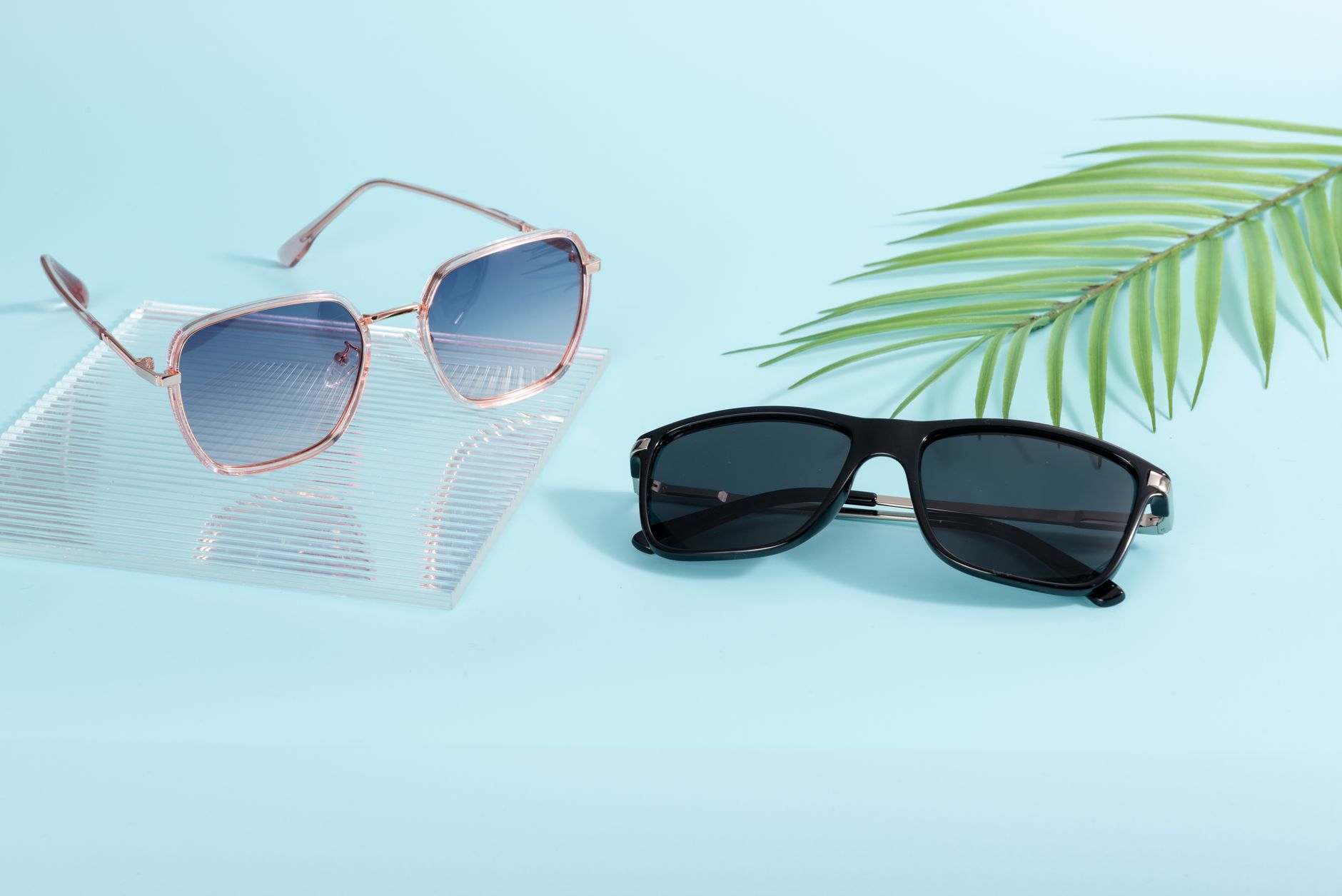
You're standing in a store — or more likely scrolling through a browser tab at 11pm — trying to figure out whether the ? pair is meaningfully different from the ? pair, and whether "polarized" actually matters for what you do on weekends. Every roundup you've found either lists ten brands with no real comparison or buries the useful specs in a wall of marketing language. This guide cuts through that. It draws on tested data from REI Expert Advice, Wirecutter, GearJunkie, and OutdoorGearLab to give you a direct comparison across polarized, sport, and fashion categories — and it addresses the one question most guides avoid: when does polarization actually hurt your performance?
Sunglasses sit at the intersection of eye health and personal style, which means the buying decision involves both technical specs and aesthetic preference. If you want broader context on how eyewear fits into your overall accessories strategy, the Jewelry & Accessories Buyer's Guide 2026 covers complementary decisions across the full accessories category. For now, here's everything you need to choose the right pair of sunglasses in 2026.
Head-to-Head Comparison: Top Sunglasses of 2026 by Category
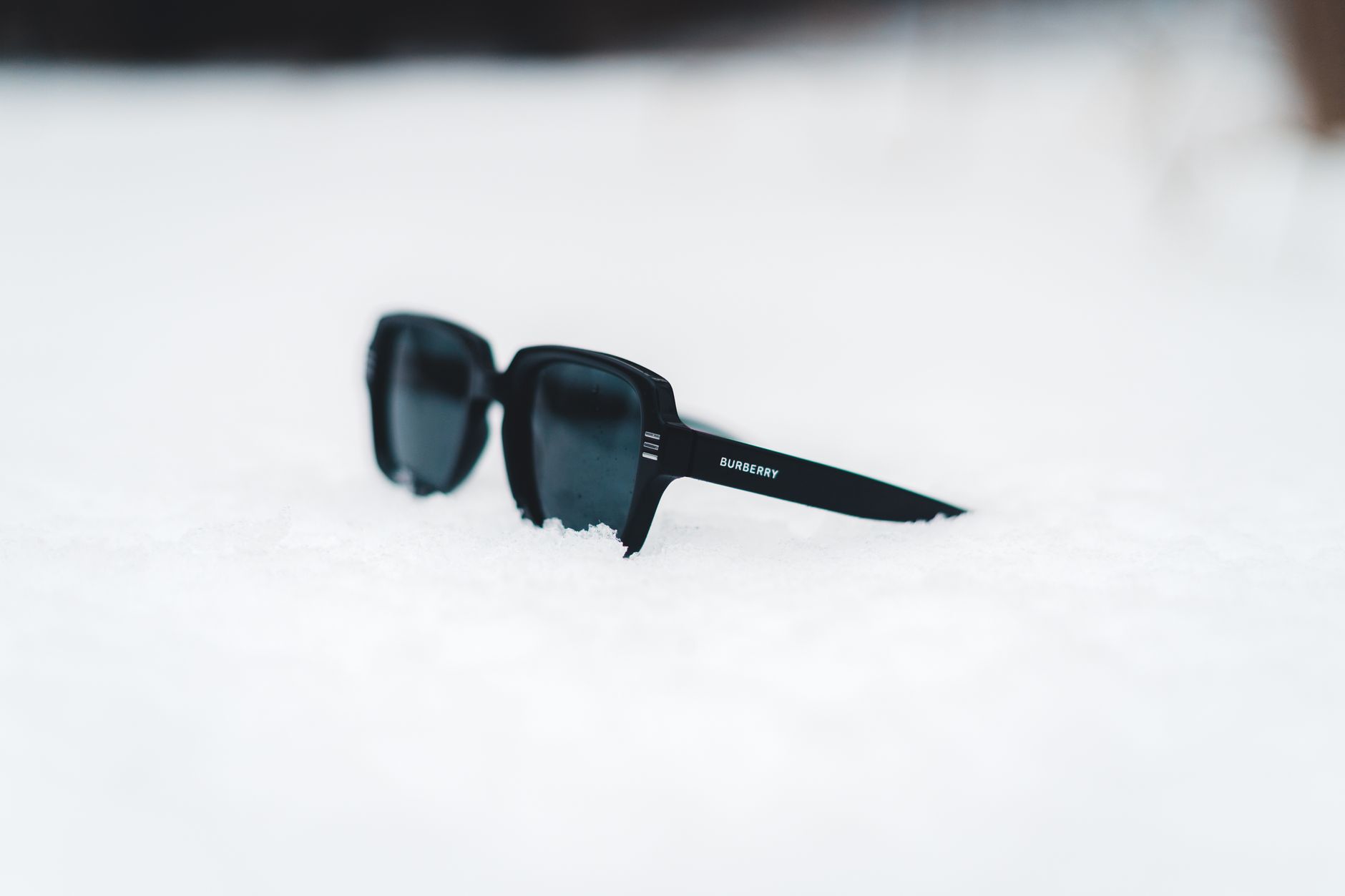
The table below maps the most-tested picks to their primary use case, using verified specs from independent testing sources. VLT — visible light transmission — is the percentage of light that passes through the lens. Lower VLT means a darker lens suited for bright sun; higher VLT means a lighter lens suited for variable or low-light conditions. Models marked with an asterisk appear on two or more independent testing lists, indicating broader consensus.
| Model | Best For | Polarized | VLT | Lens Material | Source |
|---|---|---|---|---|---|
| Sunski Treeline Polarized | Casual, hiking, multisport | Yes | 10.22% (Forest) / 9.4% (Slate) | Helio polycarbonate | REI |
| Julbo Frequency | Running, trail running | No | 13% | Polycarbonate | REI |
| Tifosi Veloce Fototec Photochromic | Cycling | No | 27.7–75.9% (adaptive) | Polycarbonate | REI |
| Smith Lowdown 2 ChromaPop | Men's casual, fishing | Yes | 15% | Polycarbonate | REI |
| Smith Wildcat ChromaPop | Skiing, cycling, MTB, trail running | No | 15% / 0% (clear) | ChromaPop polycarbonate | REI |
| Roka SR-1x* | Shield-style sport | No | — | — | Wirecutter |
| Rudy Project Rydon | Double-lens sport, variable conditions | No | — | — | Wirecutter |
| Oakley Sutro* | Sport/street crossover | Optional | — | — | Wirecutter, OutdoorGearLab |
| Tifosi Vero | Budget sport | No | — | — | Wirecutter |
| Costa Fantail Pro | Water sports, fishing, outdoor overall | Yes | 10% | Premium 580 glass | GearJunkie |
| Kaenon Burnet Mid* | Best overall (men's) | Yes | — | — | OutdoorGearLab |
| Ray-Ban Erika (Women's)* | Women's casual, fashion | No | 15% | Polycarbonate | REI, OutdoorGearLab |
Models appearing on multiple independent lists — Oakley Sutro, Kaenon Burnet Mid, Ray-Ban Erika — represent the strongest consensus picks. That doesn't mean they're right for every reader, but it does mean they've been validated across different testing methodologies and use contexts.
The Counterintuitive Truth About Polarized Lenses: When They Help and When They Don't

Polarized lenses filter horizontally reflected light — the glare that bounces off flat surfaces like water, snow, and pavement. For fishing, driving, and beach use, that filtering is genuinely valuable. It reduces eye strain and makes it easier to see below the surface of water or read a wet road. The problem is that "polarized" has become a shorthand for "premium," and many buyers default to it regardless of their actual activity.
After testing 59 pairs of sunglasses across more than 300 hours of hiking, running, and cycling, Wirecutter included a dedicated section in their sport sunglasses review titled "Why you probably don't want polarized sport sunglasses." The core finding: polarization removes the visual cues that athletes rely on to read terrain. A skier needs to see the subtle sheen of an icy patch. A mountain biker needs to read trail texture. Polarization filters out the reflected light that makes those surfaces distinguishable, which can create genuine safety risk at speed.
This explains why Wirecutter's top sport picks — the Roka SR-1x for shield-style frames and the Rudy Project Rydon for double-lens systems — are both non-polarized. It also explains why REI lists the Smith Wildcat ChromaPop as the best option for skiing, cycling, and mountain biking despite its non-polarized ChromaPop lens.
For cycling specifically, the better solution is a photochromic lens. The Tifosi Veloce Fototec, also an REI staff pick, uses a photochromic lens that adapts automatically between 27.7% and 75.9% VLT depending on ambient light. That range means the lens darkens in bright sun and lightens in shade or cloud cover — without filtering the directional light cues that help you read the road or trail ahead. Polarization locks you into a fixed filtering mode; photochromic technology adapts to conditions.
The practical takeaway: choose polarized for water, driving, fishing, and beach activities. Choose non-polarized or photochromic for skiing, mountain biking, trail running, and road cycling where terrain-reading matters.
Best Polarized Sunglasses of 2026: Top Picks for Glare Reduction and Eye Health

For readers who have confirmed that polarized lenses suit their use case, the quality differences between options come down to four factors: lens material (glass vs. polycarbonate), optical clarity, polarization efficiency, and coating durability. Glass lenses offer superior optical clarity and scratch resistance but add weight. Polycarbonate lenses are lighter and more impact-resistant, which makes them the standard for active use. Both can deliver effective polarization — the difference shows up in how sharp and color-accurate the view is over years of use.
Sunski Treeline Polarized (?)
The Sunski Treeline is the strongest value polarized pick for casual and hiking use. It uses Helio polycarbonate lenses, offers 100% UV protection, and carries a VLT of 10.22% in the Forest colorway and 9.4% in Slate — both well-suited for bright outdoor conditions. According to REI, it holds a 4.5-star rating across 878 reviews, which is a meaningful sample size for a mid-range outdoor pair. At ?, it competes against options that cost two to three times more without a proportional jump in optical performance.
Smith Lowdown 2 ChromaPop
The Smith Lowdown 2 sits at the intersection of casual wear and fishing performance. Its polarized ChromaPop lens at 15% VLT is designed to enhance color contrast and reduce the flat, washed-out appearance that some polarized lenses produce. REI lists it as the top pick for men's casual use and fishing. The polycarbonate construction keeps weight down, and the lifestyle-oriented frame means it transitions from the water to everyday wear without looking like sport equipment.
Costa Fantail Pro (?)
For serious water use, the Costa Fantail Pro is the benchmark. GearJunkie named it the top overall pick in their 2026 sunglasses review, noting that after three years of testing, the glass lenses remain in nearly pristine condition despite regular outdoor use. The Premium Polarized 580 glass lenses in the Green Polarized Mirror configuration transmit 10% of light, providing strong glare reduction in bright conditions. The slightly amber tint adds contrast without distorting color. At ?, this is a premium investment — but the glass lens durability means the cost-per-year calculation improves significantly over time compared to polycarbonate options that scratch more readily.
Maui Jim PolarizedPlus2
Maui Jim's PolarizedPlus2 technology is consistently cited as a benchmark for color enhancement in polarized lenses. Both GearJunkie and Ask Me Wear reference Maui Jim as a gold standard for lens quality, with the brand expanding its lifestyle frame options in 2026 while maintaining its core optical technology. Price range runs ?–?. The tradeoff is that you're paying a significant premium for lens quality that most casual wearers won't fully notice in everyday conditions — it's most appreciable on the water or in high-glare environments where the color enhancement and glare elimination work together.
Revo
Revo's proprietary Crystal Lens uses light management technology originally developed for NASA applications. In Revo's own comparative ranking of men's sunglasses, the brand scored 92/100, ahead of Ray-Ban (87/100), Maui Jim (85/100), and Oakley (83/100), evaluated across lens technology, durability, vision performance, and style. Note that this ranking comes from Revo itself, so independent corroboration should be weighted accordingly — but the lens technology is genuine and the brand has a strong reputation among outdoor enthusiasts.
Quay also deserves mention here. According to Expert Consumers via Yahoo Finance, Quay incorporates UV400 protection across its product line with polarized options available in many bestselling models. This matters because it demonstrates that polarized protection isn't confined to technical or premium brands — fashion-forward buyers don't have to choose between style and function.
Best Sport Sunglasses of 2026: Tested Picks for Running, Cycling, Skiing, and Water Sports

Sport sunglasses have four functional demands that fashion frames don't: UV and debris protection, a secure fit during movement, appropriate VLT for the light environment, and optical clarity sufficient to read terrain at speed. A pair that shifts during a trail run or fogs up on a ski descent isn't just annoying — it's a safety issue.
Roka SR-1x — Wirecutter's Top Shield-Style Pick
Wirecutter's top pick for shield-style sport sunglasses after testing 59 pairs across more than 300 hours of activity. Shield frames provide maximum peripheral coverage, making them the preferred choice for cycling and high-speed activities where wind and debris intrusion are concerns. The SR-1x is non-polarized, consistent with Wirecutter's finding that polarization is counterproductive for most sport use.
Rudy Project Rydon — Best for Variable Conditions
Wirecutter's top pick for double-lens sport sunglasses. The lens-swappable system lets you match the lens to the light conditions — critical for alpine sports where you might move from bright snowfields into tree shadow within minutes. Carrying a second lens adds weight and requires a case, but for skiers and trail runners who deal with genuinely variable light, the flexibility is worth it.
Oakley Sutro — Runner-Up and Crossover Pick
The Oakley Sutro appears on both Wirecutter's and OutdoorGearLab's lists, making it one of the strongest consensus sport picks of 2026. GQ notes that Oakley's sport-meets-fashion positioning has reached a peak in 2026, with the brand's performance-minded polarized lenses attracting both athletes and style-conscious wearers. The Sutro's large shield lens provides strong coverage, and the Prizm lens technology enhances contrast for specific environments. OutdoorGearLab also awarded the Oakley Sutro Lite Prizm Trail Torch a top pick designation for trail running and cycling crossover use.
Tifosi Vero — Best Budget Sport Pick
Wirecutter's budget sport pick demonstrates that effective sport eyewear doesn't require premium spend. Tifosi consistently delivers polycarbonate lenses with solid UV protection and secure fit at a fraction of the cost of Roka or Rudy Project. If you're new to sport sunglasses or want a backup pair, Tifosi is the most credible starting point.
Julbo Frequency — Best for Running
REI's staff pick for running and trail running. The 13% VLT polycarbonate lens is non-polarized and well-suited for the variable light conditions of trail environments. Julbo also receives recognition from GearJunkie as one of the top brands for athletes alongside Roka and Dynafit.
Ombraz Refugio — For Hard-to-Fit Heads
Wirecutter specifically calls out the Ombraz Refugio for readers who struggle to find sport sunglasses that stay in place. This is an underserved problem — standard frame sizes don't accommodate all head shapes, and a pair that migrates during activity defeats the purpose. If fit has been your persistent frustration with sport sunglasses, the Refugio addresses it directly.
Best Fashion Sunglasses of 2026: Style-Forward Picks That Don't Sacrifice Eye Protection
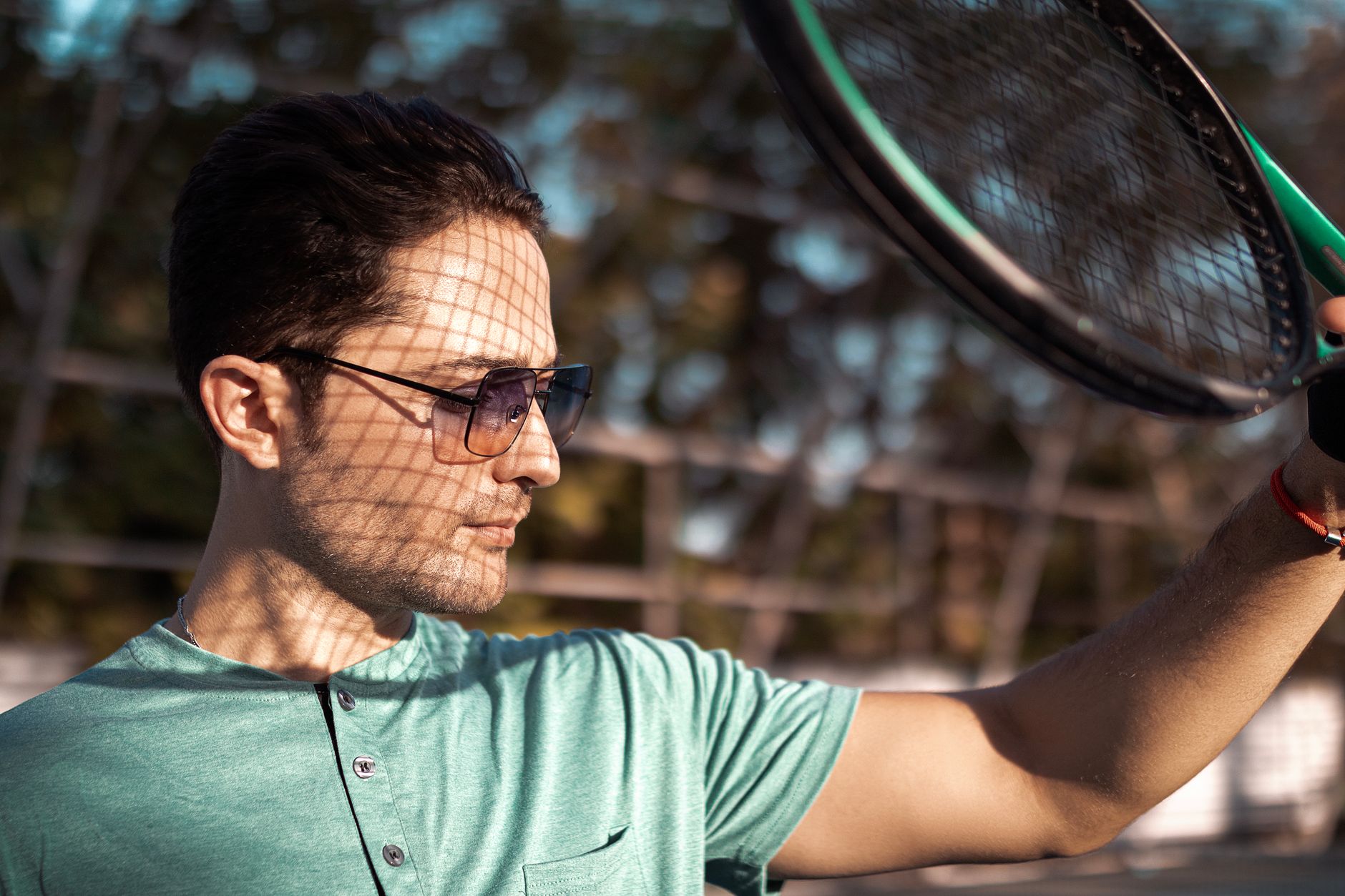
The most important thing to know about fashion sunglasses: dark tint without UV coating is worse than no tint at all. A dark lens causes your pupil to dilate, letting in more UV radiation if the lens doesn't block it. UV400 protection — blocking all wavelengths up to 400 nanometers, covering both UVA and UVB — is a non-negotiable baseline regardless of how a pair looks. The good news is that most reputable fashion brands now include it as standard.
The dominant 2026 fashion trends identified across sources include oversized silhouettes, slim rectangular retro frames, shield-influenced street styles, and sport-meets-fashion crossover designs. If you're building a complete wardrobe around these trends, the Fashion & Apparel Buying Guides 2026 offers a broader framework for how eyewear fits into seasonal styling decisions.
Ray-Ban Erika — Best All-Around Fashion Pick
The Ray-Ban Erika Women's in Brown Gradient holds a 15% VLT polycarbonate lens and serves as both an REI staff pick for casual women's use and OutdoorGearLab's top pick for women overall. The gradient lens — darker at the top, lighter at the bottom — is fashionable but does have a functional tradeoff: it provides less consistent glare reduction than a uniform tint. For everyday urban use, that's an acceptable compromise. For extended time on the water or snow, a uniform polarized lens would serve better.
Quay — Best for On-Trend Styles with UV Protection
According to Expert Consumers via Yahoo Finance, Quay's collections closely mirror current fashion cycles. The High Key aviator responds to continued demand for oversized, photo-ready eyewear. The Vibe Check's slim rectangular frame reflects the resurgence of minimalist retro styling. Both carry UV400 protection, and polarized variants are available across many bestselling models. Searches for "polarized trendy sunglasses" and "UV400 sunglasses" have increased as buyers seek both fashion and function — Quay's positioning directly addresses that demand.
Oakley — Sport-Meets-High-Fashion Crossover
In 2026, Ask Me Wear notes that Oakley has officially reclaimed fashion relevance, with the "sporty-meets-high-fashion" trend at its peak. The brand's AI-integrated Meta Vanguard frames and wrap-around shields sit in the ?–? range. GQ echoes this, noting that Oakley's sport sunglasses look good on anyone, whether you're running or commuting. The Radar EV Path (?) and Flak 2.0 XL (?) are the most accessible entry points.
Burberry BE3074 — Best Lightweight Luxury Fashion Pick
Everyday Health names the Burberry BE3074 as their best lightweight fashion pick in 2026. It occupies the mid-to-upper fashion tier — recognizable branding, quality construction,