The Misconception That Costs Small Pet Owners the Most

The most damaging assumption in small pet ownership is that hamsters, rabbits, and guinea pigs are interchangeable — that a "small animal starter kit" from a big-box store covers the basics for any of them. It does not. A first-time guinea pig owner who picks up a commercial starter kit often ends up with a cage that is too small, a food bowl full of sugary seed mix, and no unlimited hay source. Within a few months, that animal can develop dental disease — a direct, preventable consequence of incorrect supplies and diet. This scenario is not rare. It is, according to veterinary welfare researchers, one of the most common outcomes for small mammal pets kept in well-intentioned but misinformed households.
According to a study published via PMC that surveyed veterinary experts across Europe, inappropriate diets scored highly as a welfare concern across nearly all small mammal species, with guinea pigs, hamsters, and gerbils identified as especially vulnerable to poor nutritional practices. The same research found that small housing was the most prevalent welfare problem in hamsters, while sore hocks, bumblefoot, and gastrointestinal issues were rated most common and most severe in rabbits. These are not edge cases — they are the predictable outcomes of buying what is marketed rather than what is appropriate.
This guide is organized around welfare outcomes rather than product categories. Every recommendation here is grounded in what each species actually needs to stay healthy, not what fills a retail shelf. If you want a broader look at how small pet products compare alongside dog and cat gear, the Pet Products Reviewed: Dogs, Cats, Small Pets 2026 resource covers cross-species supply comparisons in useful detail.
Why Generic Small Pet Supply Lists Often Get It Wrong

The US pet supplies market — covering supplies, live animals, and OTC medicine — is projected at ?.6 billion in 2026, according to the American Pet Products Association (APPA). That is a massive commercial ecosystem, and the products filling it are not always designed around animal welfare. They are designed around what sells to humans who are buying for animals they may not yet fully understand.
According to IBISWorld's 2026 Pet Stores Industry Analysis, PetSmart and Petco dominate the US pet retail landscape. These chains stock what moves volume — and what moves volume for small pets is often compact cages, colorful seed mixes, and plastic accessories marketed as enrichment. Niche suppliers are increasingly differentiating through species-specific assortments, but most first-time buyers encounter the big-box selection first.
As dvm360 reported on the European veterinary welfare survey, small mammal pets "often experience serious welfare problems that many owners and even animal care professionals overlook." The gap between what is sold and what is needed is not a minor inconvenience — it produces measurable harm. Understanding that gap is the starting point for making genuinely better purchasing decisions.
Understanding Your Pet Before You Buy Anything: Key Behavioral Differences
Buying supplies before understanding your specific animal's behavioral profile is like furnishing a house before knowing how many people will live in it. Hamsters, rabbits, and guinea pigs have meaningfully different needs, and conflating them leads directly to the welfare failures described above.
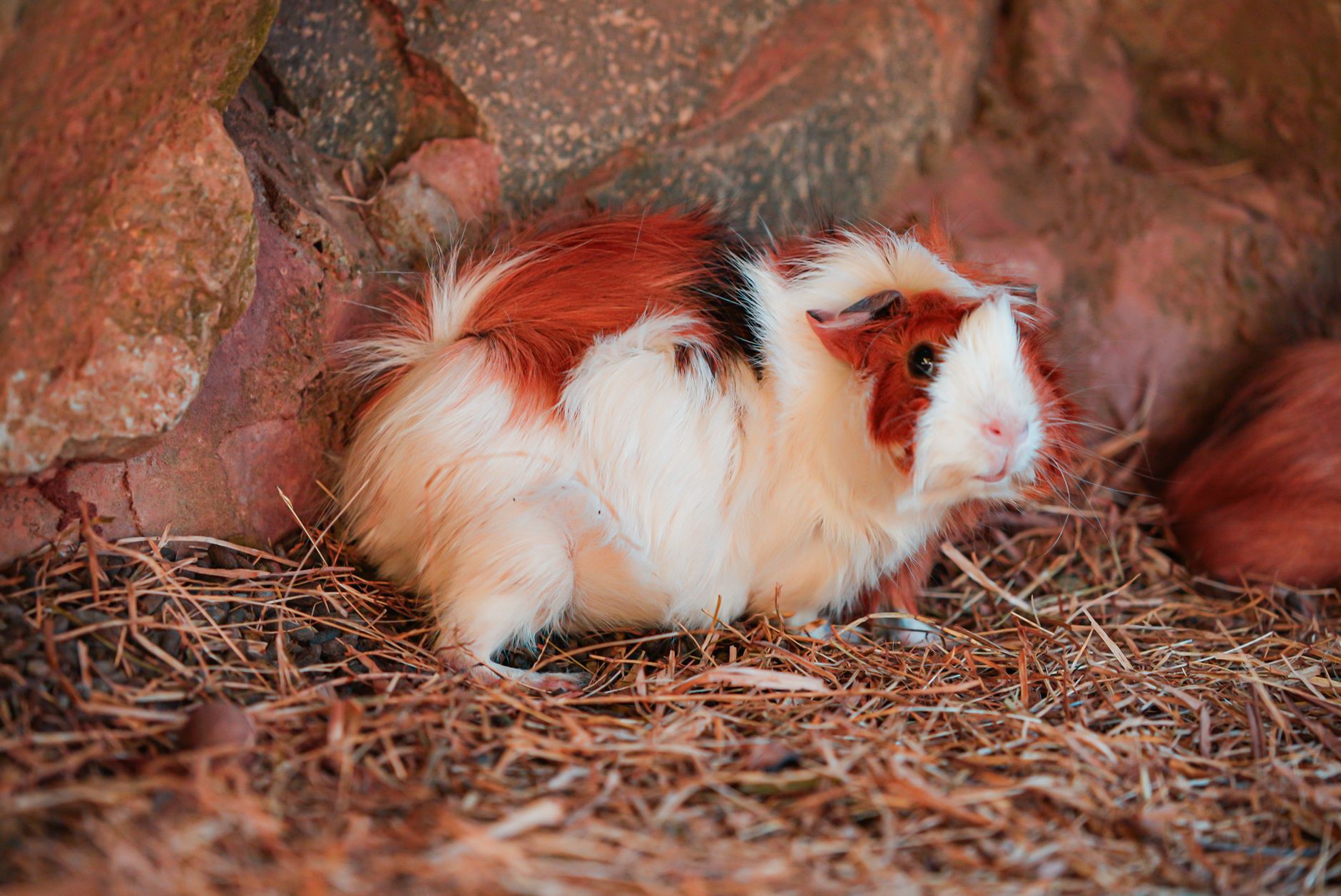
According to the Animal Humane Society, guinea pigs weigh 1–2 pounds and measure 8–10 inches long, typically enjoy being held, and require a specific diet that includes fresh vegetables and hay. Hamsters are much smaller — around 2–3 inches long — more independent in nature, and more cautious about handling. Rabbits vary considerably in size but typically weigh around 6 pounds, can be wary of being held, and have the highest daily exercise and grooming needs of the three.
Kaytee describes rabbits as social, high-energy animals that need space to romp and more human interaction, while guinea pigs are characterized as lower energy but strongly preferring the company of another guinea pig. This social distinction directly shapes supply decisions: a guinea pig housed alone needs more active enrichment to compensate, and a pair of guinea pigs needs a substantially larger enclosure than most starter kits provide.
The PMC welfare study found that living with an incompatible same-species companion was rated the most prevalent welfare issue for guinea pigs — meaning the solution of "get two guinea pigs" is not automatically correct either. Compatibility matters, and the enclosure must be large enough to give each animal its own territory. These behavioral realities should come before any product decision.
Habitat and Housing: Getting the Space Right First
Housing is the single most consequential supply decision you will make, and it is the one most frequently gotten wrong. The PMC welfare research identified small housing as most prevalent in hamsters and most severe in rabbits — two different failure modes that require different solutions.
For hamsters, the retail standard of a 10-gallon tank or small plastic habitat is genuinely inadequate. Syrian hamsters in the wild range several miles per night. A cage that allows for deep substrate burrowing, a full-size wheel, and separate nesting and feeding areas is the minimum. For Syrian hamsters specifically, a floor space of at least 775 square inches is recommended by welfare organizations — far larger than what most commercial "hamster homes" offer.
Rabbits present a different challenge. Their welfare failures tend to involve severity rather than just frequency — the PMC study found that sore hocks and bumblefoot were rated most common and most severe in rabbits, and both conditions are directly linked to wire-floored enclosures and insufficient space. Healthy-Pet.com specifically recommends large indoor playpens and exercise pens for rabbits, describing them as giving animals "safe space to hop, zoom, and stretch — especially important for indoor rabbits." A rabbit enclosure should be viewed as a home base, not a full-time habitat.
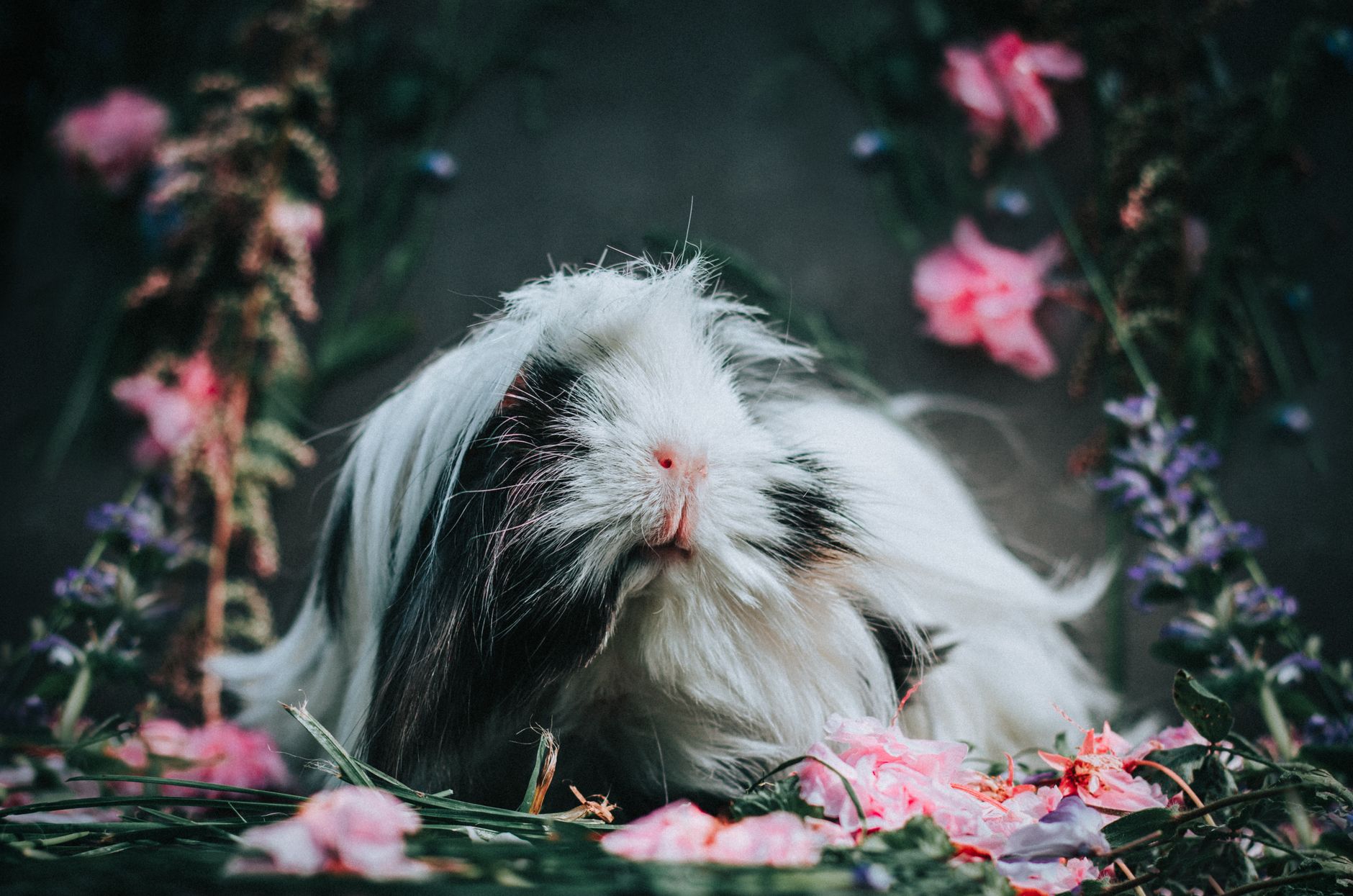
Guinea pigs need solid-floored enclosures with enough space for two animals to move independently. Healthy-Pet.com recommends large play mats and fleece liners as flooring solutions — soft surfaces keep their feet comfortable and encourage more movement. Small Pet Select offers a dedicated bedding and litter category with substrate options suited to different small mammal species, which is a practical starting point for sourcing appropriate materials.
A UK-wide pet census cited in Cambridge Core research estimated approximately 1 million rabbits, 700,000 guinea pigs, and 600,000 hamsters kept as pets in the UK alone — a population large enough that systemic housing failures represent a significant animal welfare issue at scale.
Housing Comparison by Species
| Species | Primary Housing Risk | Key Flooring Need | Social Housing Requirement |
|---|---|---|---|
| Hamster (Syrian) | Undersized enclosure | Deep substrate for burrowing | Solitary — do not house with others |
| Rabbit | Wire flooring, insufficient roaming space | Solid surface, fleece or mat | Can be housed in bonded pairs |
| Guinea Pig | Too small for two animals | Solid surface, fleece liner | Strongly prefer compatible companion |
Diet and Feeding Supplies: What Each Species Actually Needs

Hay is not a supplement for rabbits and guinea pigs — it is the dietary foundation. It must be available at all times and should constitute the majority of their daily intake. This is the single most important feeding supply decision for both species, and it is frequently underemphasized in retail packaging.
Small Pet Select's timothy hay rolls are a widely used option among rabbit and guinea pig owners. Their premium hay category covers timothy, orchard grass, and botanical blends — the variety matters because hay quality affects palatability, and animals that find their hay unappetizing will eat less of it, increasing dental and digestive risk. Small Pet Select's timothy hay roll 3-pack is listed at ?.50, with individual flavored rolls (apple, cornflower, marigold varieties) at ?.99 each — a reasonable recurring cost for the dietary staple these animals depend on.
Guinea pigs have a critical nutritional requirement that sets them apart: they cannot synthesize vitamin C and must receive it through diet. Fresh vegetables and species-formulated pellets are not optional additions — they are essential. Kalmbach Feeds offers Select Guinea Pig pellets that supply 800 ppm stable vitamin C, which is a meaningful formulation detail that generic rodent pellets do not match. Their 18% Best-in-Show pellets for rabbits provide balanced nutrition supporting healthy growth — a separate formulation from their guinea pig product, reflecting the species-specific approach that welfare science recommends.
Hamsters need a combination of rodent chow and species-appropriate pellet or seed mix, according to the Animal Humane Society. Seed-only diets are nutritionally incomplete and are directly linked to obesity and dental disease. The PMC welfare study found that inappropriate diets and being overweight were both considered most common in hamsters, and most severe in rabbits — a finding that underscores the cost of getting feeding wrong across both species.
Practical feeding supplies — ceramic food bowls, hay feeders that keep hay off the enclosure floor, and water bottles or sipper systems — support correct feeding behavior and reduce contamination. Ceramic bowls resist chewing and are heavier than plastic, making them harder for animals to tip. Hay feeders attached to enclosure walls keep the primary food source accessible and clean simultaneously.
For guinea pig treats, Healthy-Pet.com recommends natural options made from dried vegetables or vitamin C-fortified ingredients. Sugary commercial treats marketed for small animals should be avoided — they contribute directly to the obesity and dental problems the welfare research identifies as prevalent across these species.
Chew Toys and Dental Health Supplies: A Non-Negotiable for All Three Species
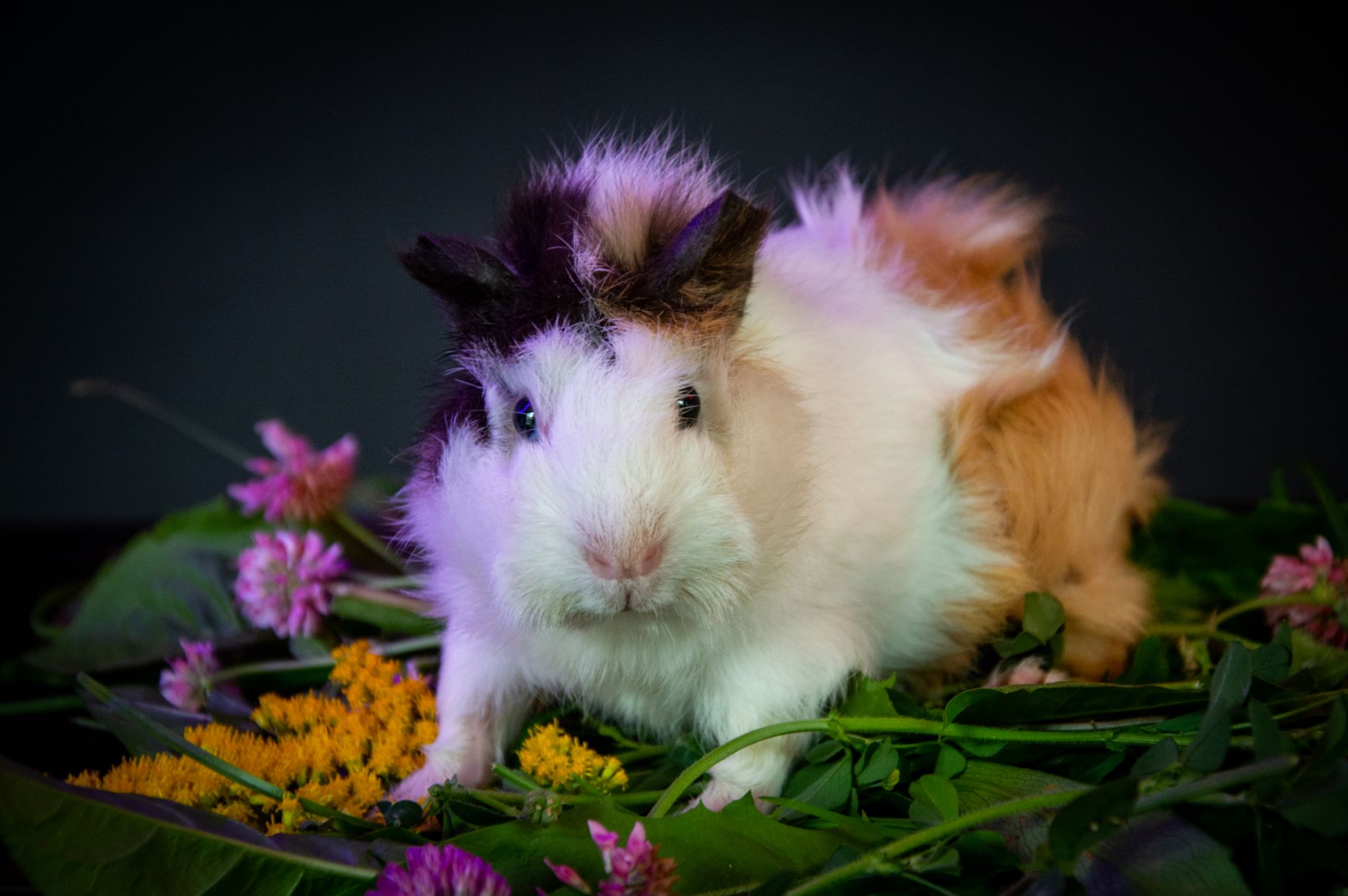
All three species have continuously growing teeth. Without appropriate chew materials, dental overgrowth and malocclusion develop — conditions that are painful, difficult to treat, and expensive to address veterinarily. Chew toys are not enrichment extras; they are dental maintenance tools.
Safe wood types for chewing include applewood, aspen, and birch. Healthy-Pet.com specifies these materials for hamsters, noting that chews "help file down teeth and prevent boredom." Cedar and pine are toxic to small mammals and should never be used regardless of how they are marketed. Painted or chemically treated wood presents similar risks.
For guinea pigs, Healthy-Pet.com identifies timothy hay twists, wooden blocks, and loofah chews as safe and effective options. The hay twist is particularly useful because it serves as both a dental chew and a dietary fiber source simultaneously. Small Pet Select's natural toys and chews category stocks several options in these materials, and their timothy hay rolls function as both food and dental enrichment — a dual-purpose supply that is worth prioritizing.
As dvm360 reported, dental disease is a direct consequence of inappropriate diet and lack of appropriate chew materials across guinea pigs, hamsters, and gerbils. The corrective action is straightforward: provide unlimited hay for rabbits and guinea pigs, species-appropriate chew wood for all three, and avoid seed-heavy diets that do not require the grinding motion that keeps teeth worn correctly.
Exercise and Enrichment Supplies: Meeting Each Animal's Activity Needs

Exercise is a welfare requirement, not a lifestyle upgrade. The PMC welfare study identified the inability to display normal behavior as a ranked welfare concern across small mammal species — and for hamsters, "normal behavior" includes running distances that a small cage with no wheel cannot accommodate.
Hamsters require an exercise wheel, and size matters critically. Healthy-Pet.com specifies a minimum diameter of 10–12 inches to prevent back arching during use — a posture that causes spinal stress over time. The wheel surface must be solid, not mesh or barred. Mesh wheels cause foot and leg injuries that are entirely avoidable. A correctly sized, solid-surface wheel is one of the highest-impact purchases a hamster owner can make.
Rabbits need daily free-roaming time outside their enclosure. Playpens and indoor exercise pens extend their usable territory without the hazards of fully unsupervised roaming. Healthy-Pet.com describes these as giving rabbits "safe space to hop, zoom, and stretch," which aligns with Kaytee's characterization of rabbits as high-energy animals that need space to romp. The pen does not replace the primary enclosure — it supplements it during active periods.
Guinea pigs are lower energy but still require floor time and mental engagement. Foraging toys and treat puzzles are well-suited to their behavioral profile: Healthy-Pet.com describes these as "ideal for mental enrichment and controlled treat-giving." Tunnel beds and snuggle sacks serve both exercise and psychological needs — guinea pigs rely on hiding spots to feel safe, and tunnels encourage natural exploration behavior that a flat-floored enclosure alone does not provide.
Hideouts, Comfort, and Stress Reduction Supplies
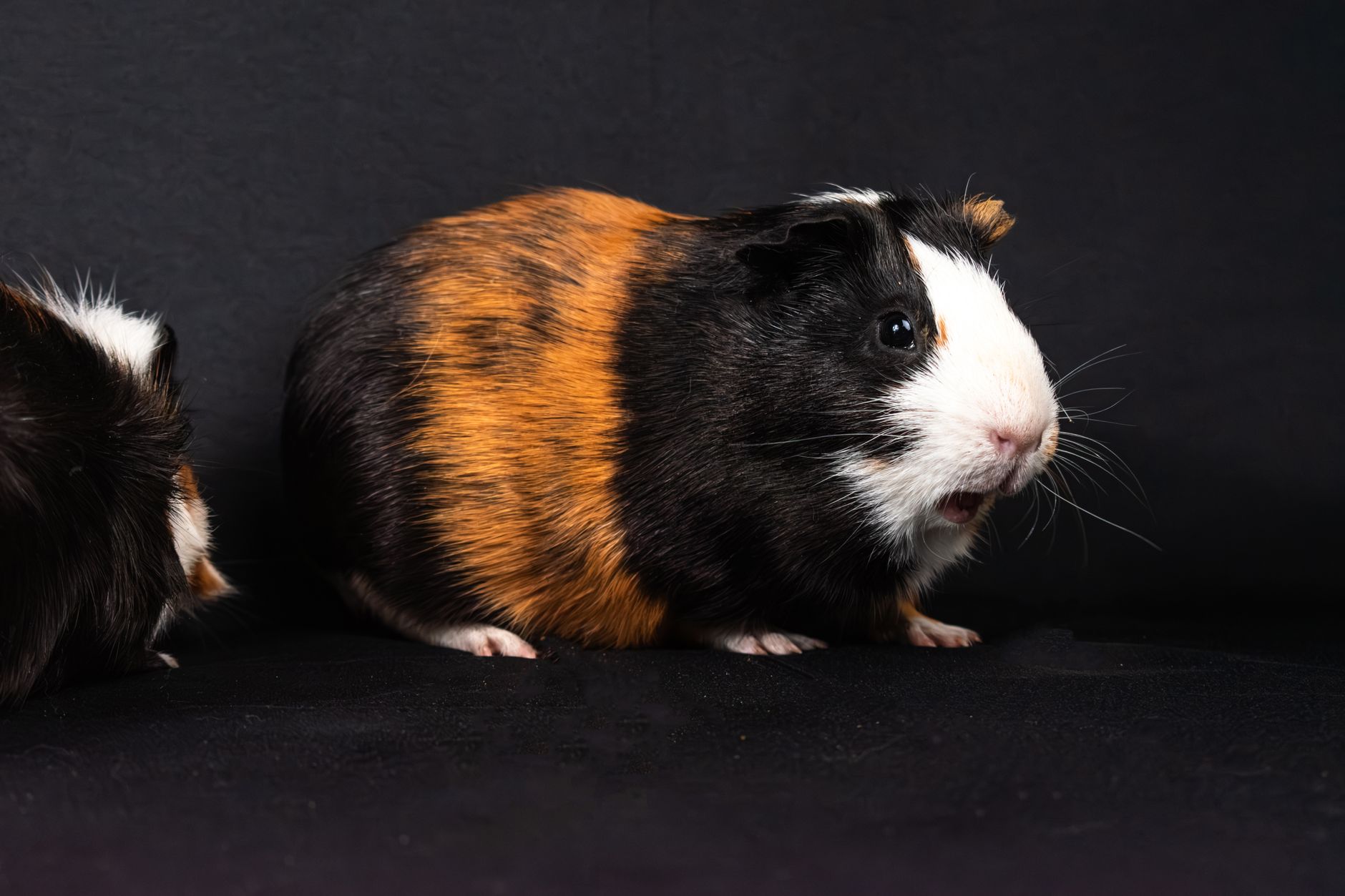
Prey animals are hardwired to seek shelter. For guinea pigs, hamsters, and rabbits, the absence of adequate hiding spots is not merely an inconvenience — it is a chronic stressor that affects immune function, behavior, and overall health. This dimension of small pet welfare is frequently absent from standard supply lists, which tend to focus on visible activity rather than psychological security.
Cozy hideouts made from fleece, grass, or untreated wood give animals a sense of safety and control over their environment. Healthy-Pet.com recommends tunnel beds and snuggle sacks specifically for guinea pigs, which "rely on hiding spots to feel safe." Fleece and grass hideouts are preferable to plastic because they are chewable, breathable, and more closely resemble natural materials.
Hamsters are solitary and territorial. Their hideout should be private and sized for one animal — a shared hideout in a multi-hamster enclosure (which should not exist for Syrian hamsters) creates conflict. The hideout placement within the enclosure matters too: it should be positioned away from the wheel and feeding area to give the animal a genuine retreat zone.
Rabbits benefit from enclosed resting areas within their enclosure, separate from their active exercise space. Environmental stressors — loud noise, vibration, sudden light changes — cause measurable stress in all three species. Supply placement and room selection are welfare decisions, not just aesthetic ones. A rabbit enclosure placed near a television or high-traffic hallway is a welfare problem regardless of how well-equipped it is otherwise.
Grooming Supplies: Species-Specific Needs
Grooming requirements vary significantly across the three species and are often overlooked until a problem develops. Rabbits have the most demanding grooming needs of the three — they require regular brushing, especially long-haired breeds, and nail trimming. The Animal Humane Society rates rabbits as higher maintenance specifically because of daily exercise and grooming needs.
Guinea pigs need nail trimming and, for long-haired breeds like Peruvian guinea pigs, regular coat brushing. Small Pet Select's grooming supplies category covers brushes, nail clippers, and related tools. Guinea pigs should never be bathed unless medically necessary — stress from bathing can be significant in prey animals.
Hamsters are largely self-grooming and require minimal intervention. The primary grooming supply relevant to hamsters is a sand bath — fine, dust-free sand (not chinchilla dust) allows them to clean their fur naturally. This is a behavioral need as much as a hygiene one, and providing a sand bath dish is a low-cost, high-impact welfare addition.
Frequently Asked Questions
What is the most important supply to get right for a guinea pig?
Unlimited timothy hay and a vitamin C-fortified pellet are the two most critical supply decisions for guinea pigs. Guinea pigs cannot produce vitamin C internally, and dental disease from insufficient hay is among the most common preventable health problems in the species. Everything else — hideouts, toys, bedding — matters, but diet is the foundation.
What size exercise wheel does a Syrian hamster actually need?
A minimum diameter of 10–12 inches, with a solid running surface. Smaller wheels force the hamster to arch its back during use, which causes spinal stress over time. Mesh or barred surfaces cause foot and leg injuries. Most wheels sold in starter kits are too small for Syrian hamsters specifically.
Can rabbits and guinea pigs share an enclosure?
No. Rabbits and guinea pigs have different dietary needs, different social structures, and different behavioral patterns. Rabbits can injure guinea pigs unintentionally, and rabbits can carry Bordetella bacteria that is harmless to them but potentially dangerous to guinea pigs. They should always be housed separately.
Are seed mixes safe for hamsters?
Seed-only diets are not nutritionally complete for hamsters. The Animal Humane Society recommends a combination of rodent chow and hamster pellet or seed mix — not seed alone. Seed-heavy diets are linked to obesity and dental disease in hamsters, both of which the PMC welfare research identified as prevalent welfare concerns for the species.
How do I know if my small pet's cage is large enough?
For Syrian hamsters, welfare organizations recommend a minimum of 775 square inches of unobstructed floor space — significantly larger than most retail hamster cages. For guinea pigs housing two animals, a minimum of 10.5 square feet of floor space is a commonly cited welfare standard. For rabbits, the enclosure should allow the animal to take at least three full hops in any direction and stand fully upright without its ears touching the ceiling.
What wood types are safe for small animal chew toys?
Applewood, aspen, and birch are safe for all three species. Cedar and pine are toxic and should be avoided regardless of how they are marketed. Any wood that has been painted, stained, or chemically treated is unsafe. When in doubt, purchase chew toys from suppliers that explicitly state the wood species and confirm it is untreated.
Final Recommendation: A Decision Framework by Species
Rather than a ranked product list, here is a practical decision framework organized by the welfare priorities that matter most for each animal.
If you have a hamster:
- Start with enclosure size — if the floor space is under 775 square inches, upgrade before buying any accessories.
- Add a solid-surface wheel of at least 10–12 inches diameter immediately.
- Replace any seed-only food with a combination of rodent chow and species-appropriate pellets.
- Provide deep substrate (at least 6 inches) for burrowing, a private hideout, and a sand bath dish.
- Add safe wood chews (applewood, aspen, or birch) for dental maintenance.
If you have a rabbit:
- Ensure unlimited timothy hay is always available — this is the single highest-impact dietary decision.
- Eliminate wire flooring and replace with solid surfaces or fleece mats to prevent sore hocks.
- Add a playpen or exercise pen to extend daily roaming space beyond the primary enclosure.
- Provide an enclosed resting area within the enclosure and position the habitat away from high-noise environments.
- Schedule regular brushing and nail trimming as part of routine care, not reactive care.