

Disclosure: This guide is based on dermatologist expert sources, clinical research, and verified consumer data — not hands-on testing by Trusted Buyer Report. We may earn a commission from purchases made through links on this page, at no extra cost to you. This article was researched and drafted with AI assistance, then fact-checked by our editorial team. How we review →
Quick Takeaways
- The #1 reason routines fail isn't bad products — it's wrong order, wrong timing, and wrong skin-type match.
- Morning = protect. Antioxidants + SPF go on every single day, regardless of weather.
- Night = repair. Retinoids, acids, and barrier creams work best while you sleep.
- Thinnest to thickest is the universal layering rule — apply it and you'll never waste a serum again.
- Every skin type still needs moisturizer, including oily skin.
- New to actives? Introduce one product at a time and wait 2–4 weeks before judging results.
Why Most Skincare Routines Fail Before They Start
Here's something most people don't expect: according to Meta Skin Studio's 2026 skin-type research, over 60% of people misuse exfoliants — and that's just one product category. Most routines break down not because of what you're buying, but because of how you're using it.
Apply vitamin C serum after SPF instead of beneath it? You've neutralized the photoprotective benefit. Use a rich occlusive cream on oily skin? Clogged pores within days. Apply retinol on a face that hasn't been properly cleansed? Poor penetration, uneven results.
The same Meta Skin Studio data found that people who tailored their routines to their skin type — rather than following generic advice — saw 35% better results. That gap isn't about buying better products. It's about sequencing them correctly and matching them to your skin's actual needs.
This guide fixes that. It's built around two core principles: your skin protects during the day and repairs at night, and every product you own works harder when you use it at the right time, in the right order, for your specific skin type.
If you're also researching which products to fill these steps with, our Beauty Product Reviews & Buying Guides 2026 covers independently reviewed options across every category mentioned here. And for supplement support from the inside out, see our Best Collagen Supplements 2026 guide.
The Science Behind AM vs. PM Skin Needs
Your skin doesn't operate the same way around the clock — and your routine shouldn't either.
During the day, your skin is in defense mode. It's working to protect against UV radiation, environmental pollutants, and oxidative stress. Your morning routine's job is to reinforce that defense.
At night, your skin shifts into repair mode. Cell turnover accelerates during sleep, and collagen synthesis peaks in the evening hours. Your night routine's job is to support that repair process.
According to SkinMiles' 2026 routine research, morning routines should prioritize antioxidants and SPF to defend against environmental damage, while evening routines should lean into repair with ingredients like retinoids or chemical exfoliants.
Here's the practical logic: retinoids degrade under UV exposure and significantly increase photosensitivity, making daytime use counterproductive. Chemical exfoliants like AHAs and BHAs carry the same risk. Both belong in your PM routine.
Vitamin C is the clearest morning-specific ingredient. Research confirmed by SkinMiles shows that vitamin C applied beneath SPF adds a meaningful layer of photoprotection — a pairing that delivers more than either product alone.
On the repair side, products like Estée Lauder Advanced Night Repair — highlighted by Coveteur's 2026 expert product roundup — target cellular ATP (essentially the skin's energy currency) to support barrier function and combat what researchers call "inflammaging," the low-grade chronic inflammation that accelerates visible aging.
Both routines share two non-negotiable foundations: cleansing and moisturizing.
How to Identify Your Skin Type (The Right Way)
Before any routine can work, you need an accurate read on your actual skin type — not a guess based on how your skin feels after a harsh cleanser strips it.
The bare-face test is the most reliable self-assessment method. Wash your face with a gentle cleanser, apply nothing, and wait 30 minutes. Then observe:
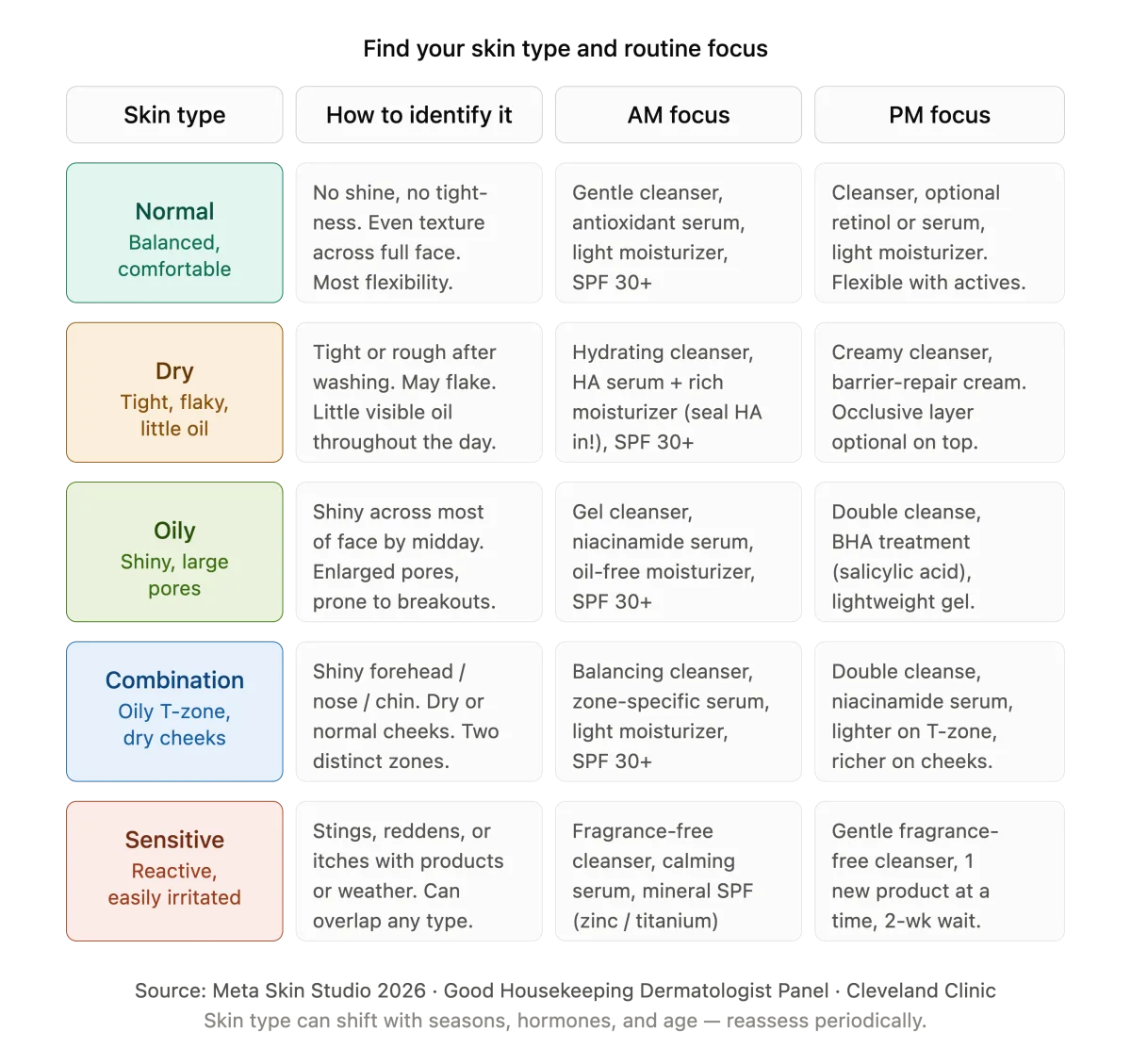
- Normal skin: Feels comfortable and balanced. No significant shine, no tightness.
- Dry skin: Feels tight, rough, or flaky. Little to no visible oil.
- Oily skin: Visibly shiny across the forehead, nose, and chin (the T-zone). Often shiny across the whole face.
- Combination skin: Oily T-zone with normal or dry cheeks. Two distinctly different zones.
- Sensitive skin: Reacts with redness, stinging, or itching to products or environmental triggers. This is a reactivity profile, not a texture type — it can overlap with any skin type above.
The most common misidentification: Dehydrated skin (lacking water) is frequently mistaken for oily skin. If your face feels oily a couple of hours after washing but tight immediately after cleansing, your skin is likely compensating for dehydration by overproducing sebum — not truly oily.
Skin type also shifts over time. Seasonal changes, hormonal fluctuations, aging, medications, and climate all alter how your skin behaves. Reassess periodically rather than assuming last year's diagnosis still applies.
| Skin Type | AM Routine Focus | PM Routine Focus |
|---|---|---|
| Normal | Gentle cleanser, antioxidant serum, SPF | Cleanser, light moisturizer |
| Dry | Hydrating cleanser, rich moisturizer, SPF | Creamy cleanser, barrier cream |
| Oily | Gel cleanser, oil-free moisturizer, SPF | Double cleanse, BHA treatment |
| Combination | Balancing cleanser, SPF, light moisturizer | Cleanser, zone-specific serum |
| Sensitive | Fragrance-free cleanser, mineral SPF | Gentle cleanser, soothing cream |
Source: Meta Skin Studio Essential Skincare Guide 2026
The Universal Morning Routine: 5 Steps in Order

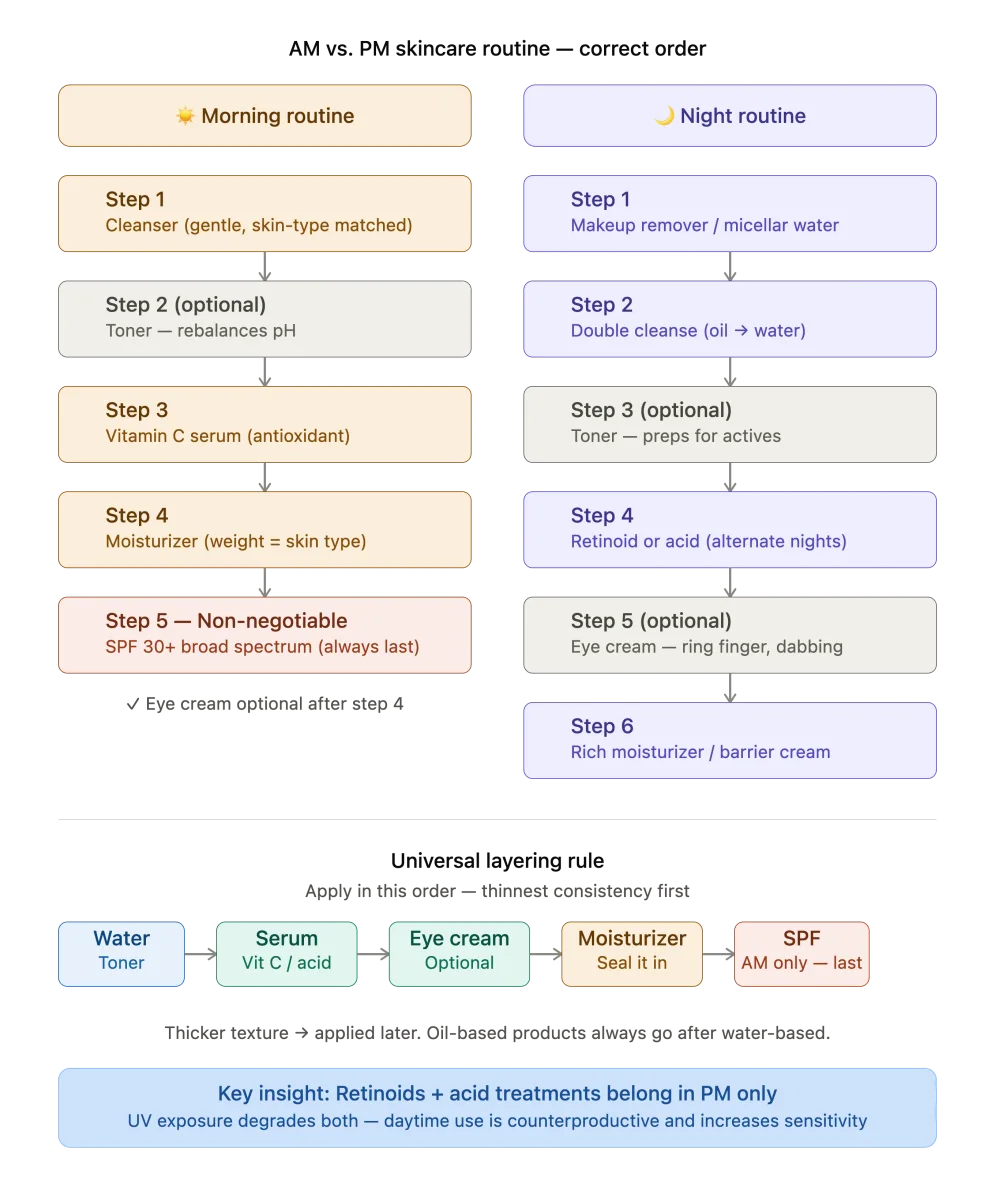
A functional AM routine follows five steps. The order isn't aesthetic preference — it follows the logic of pH levels, absorption rates, and protection layering.
Step 1: Cleanse
Morning cleansing removes overnight sebum buildup and any residue from nighttime products. Here's what most people get wrong: they overcleanse.
According to Good Housekeeping's dermatologist guidance, harsh cleansers used twice daily break down the skin's protective barrier — which then triggers compensatory oil production in oily skin and heightened sensitivity in dry skin. If your skin feels "squeaky clean" after washing, the cleanser is too aggressive.
For dry or sensitive skin: A simple water rinse in the morning — reserving the full cleanse for your PM routine — is a dermatologist-supported option that protects your barrier.
Step 2: Toner (Optional)
Toning restores pH balance and primes skin to absorb serums more effectively. It's most beneficial for oily and combination skin types. Apply with clean hands or a cotton pad, using a gentle pat — never rubbing.
Step 3: Antioxidant Serum
Vitamin C (L-ascorbic acid) is the priority morning treatment. Apply it to clean, dry skin before heavier products. As SkinMiles confirms, vitamin C layered beneath SPF provides photoprotective benefits beyond what sunscreen alone delivers.
Timing note: Vitamin C is most effective at a low pH. If you use a higher-pH toner, allow it to fully absorb for 60 seconds before applying your serum.
Step 4: Moisturize
Match your moisturizer to your skin type:
- Oily skin: Lightweight, oil-free gel formulas or products containing niacinamide.
- Dry skin: Richer emollients. The NBC News editors' 2026 skincare feature highlights Topicals Like Butter Moisturizer as a standout for dry skin — hydrating without greasiness.
- Combination skin: Light moisturizer overall, or zone-targeted application.
Step 5: SPF — Non-Negotiable
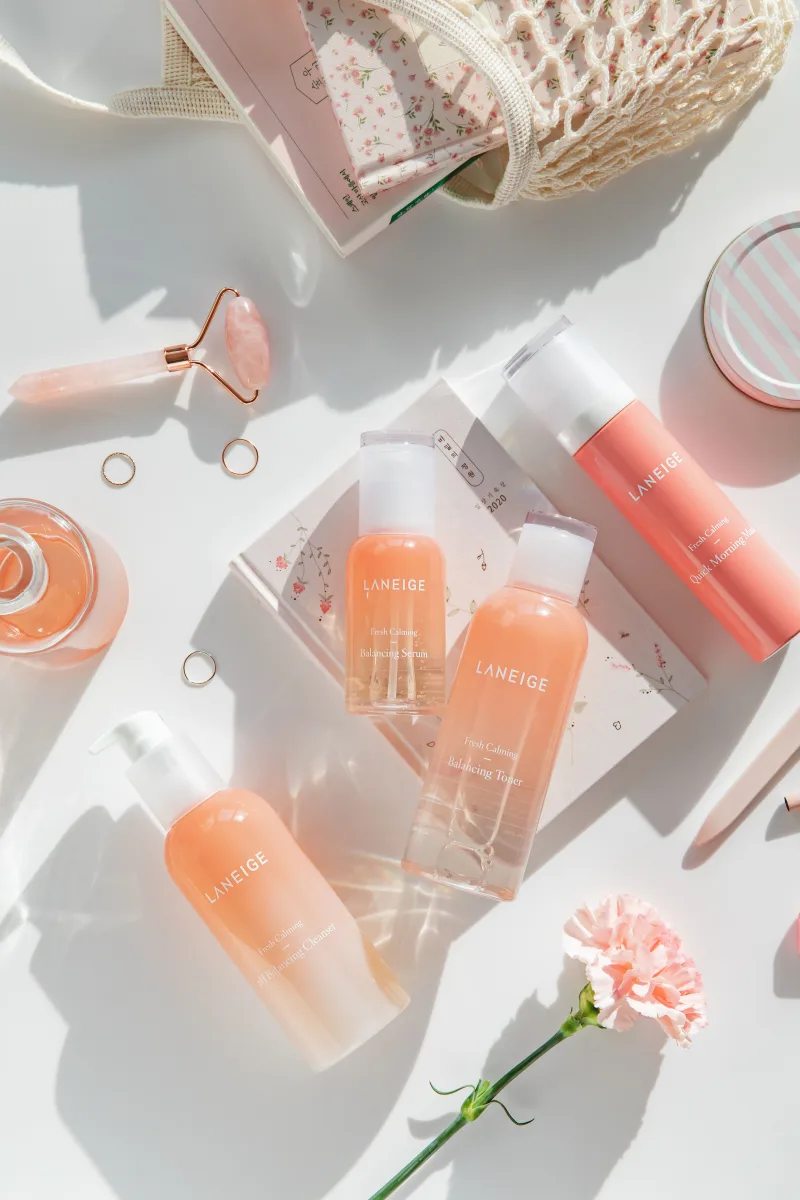
Broad-spectrum SPF 30 or higher applies last, every morning, in every season. According to Cosmetic Surgery Associates, daily sun protection is the single most impactful step for preventing premature aging. Without it, corrective products and in-office treatments can't deliver their full long-term benefit.
The Cleveland Clinic recommends formulas containing zinc oxide, titanium dioxide, or iron oxide for broad-spectrum coverage. Coveteur's 2026 expert panel names the Beauty of Joseon Day Dew Sunscreen SPF 50 as a best-in-class chemical option.
Morning eye cream (optional): Apply using your ring finger — the weakest finger — with a gentle dabbing motion along the orbital bone. Morning use primarily targets puffiness.
The Universal Night Routine: 6 Steps in Order
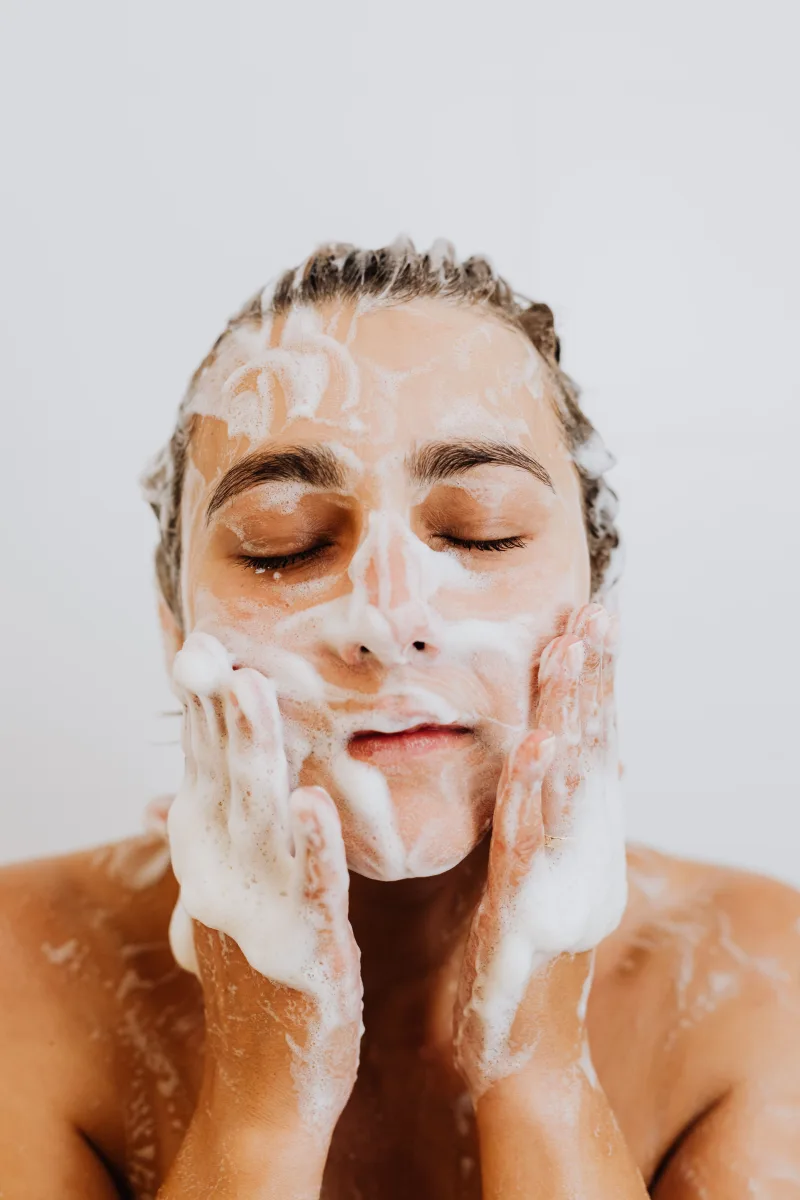
Evening routines run longer than morning routines for a reason. Before any active ingredient can penetrate and work, the day's buildup — SPF, pollution, sebum, makeup — has to come off completely.
Step 1: Remove Makeup and SPF First
This is the most skipped and most consequential step. A dedicated makeup remover or micellar water dissolves the bulk of product buildup before your cleanser contacts skin. Cleansers are not designed to cut through SPF and full-coverage makeup — starting with a cleanse skips a necessary step.
Step 2: Double Cleanse
An oil-based cleanser first, followed by a water-based cleanser. This combination is recommended for most skin types, particularly anyone who wears SPF daily.
Vogue's dermatologist feature cites board-certified dermatologist Dr. Ugonabo's PM routine: La Roche-Posay's Gentle Foaming Cleansing Oil followed by RoC's Barrier Renew Gel-to-Foam Cleanser — both gentle enough to clear makeup and SPF while maintaining moisture levels.
Step 3: Toner (Optional)
After double cleansing, a toner rebalances pH before active ingredients go on. This step matters more at night because the treatment products that follow are typically more potent.
Step 4: Active Treatments
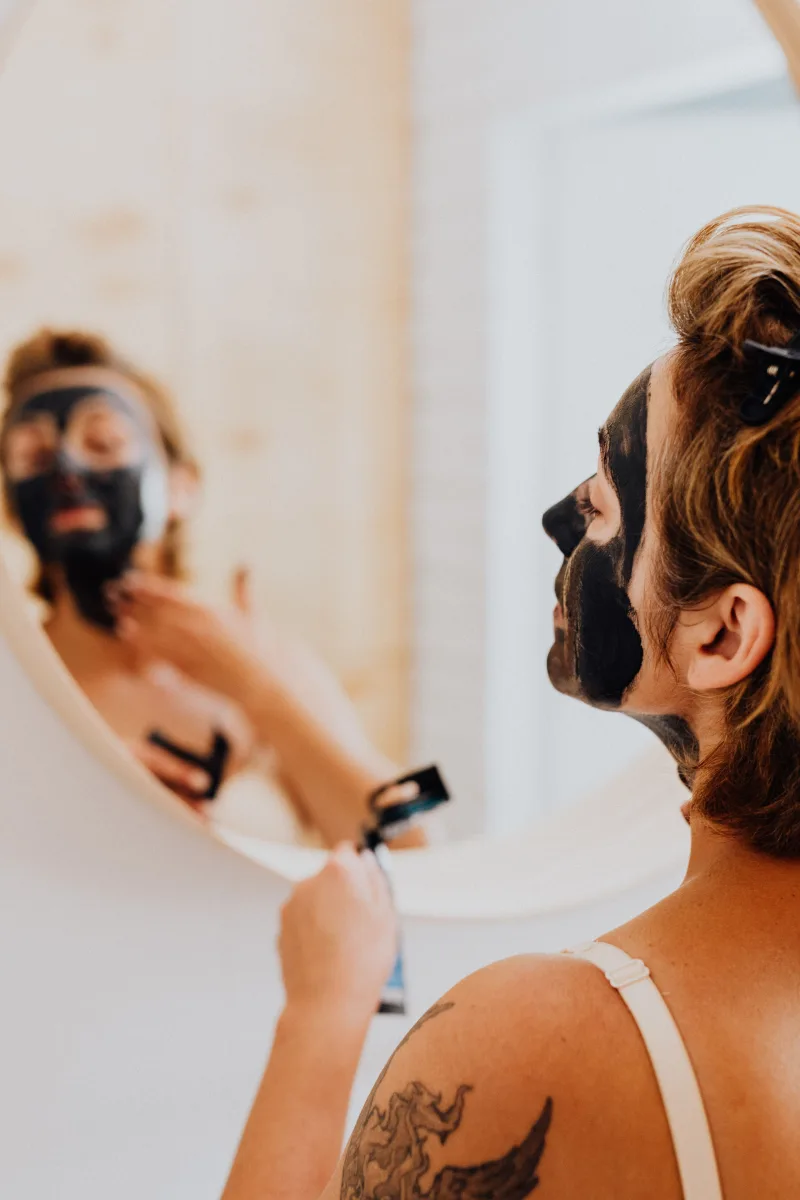
This is where the real repair work happens. Nighttime is when retinoids, AHAs, BHAs, and corrective serums deliver maximum benefit — UV exposure degrades these ingredients and amplifies photosensitivity, making daytime application counterproductive.
Important rule: Do not use benzoyl peroxide and a retinoid on the same night. They can deactivate each other and cause significant irritation. Alternate between them instead.
Dr. Ugonabo's routine, cited in Vogue, includes Arazlo 0.045% lotion — a prescription-strength retinoid — applied in a pea-size amount at night. OTC retinol formulas follow the same application logic at lower concentrations.
Step 5: Eye Cream (Optional)
Evening eye cream application supports the overnight repair cycle in the thin, delicate periorbital skin. Use the same ring-finger dabbing technique as your morning application.
Step 6: Moisturize
Richer, barrier-supporting formulas belong in your PM routine. Estée Lauder Advanced Night Repair — highlighted in Coveteur's 2026 expert panel — targets cellular ATP to support barrier function and reduce fine lines overnight. According to Cosmetic Surgery Associates, barrier support is especially critical during seasonal transitions and after in-office procedures that temporarily increase skin sensitivity.
Skin-Type Specific Routines: Your Exact Steps
Normal Skin
AM: Gentle cleanser → antioxidant serum → lightweight moisturizer → SPF 30+
PM: Makeup remover → gentle cleanser → optional treatment serum → light moisturizer
Normal skin offers the most flexibility. You can introduce actives like retinol or AHAs gradually without the same risk of irritation or breakouts that other skin types face. Use that flexibility intentionally — target a specific concern (hyperpigmentation, early fine lines) rather than loading up on products without purpose.
Dry Skin
AM: Water rinse or hydrating cleanser → hyaluronic acid serum → rich moisturizer → SPF 30+
PM: Creamy cleanser → barrier-repair cream → optional occlusive if needed
Critical layering note for dry skin: Hyaluronic acid draws moisture into the skin — but it needs a rich moisturizer applied immediately on top to seal that moisture in. Applied to dry air without an occlusive follow-up, HA can actually pull moisture out of the skin rather than adding it.
Oily Skin
AM: Gel cleanser → niacinamide or oil-balancing serum → oil-free moisturizer → SPF 30+
PM: Oil cleanser → water-based cleanser → BHA treatment → lightweight gel moisturizer
The mistake oily skin types make most: skipping moisturizer. Without it, your skin ramps up oil production to compensate. The goal is a non-comedogenic, oil-free formula that hydrates without adding shine.
BHAs like salicylic acid are oil-soluble, making them the most effective exfoliant for clearing congestion in oily skin — they penetrate into pores where water-soluble AHAs can't reach.
Combination Skin
AM: Balancing cleanser → zone-specific serum → light moisturizer → SPF 30+
PM: Double cleanse → targeted treatment serum → zone-applied moisturizer (lighter on T-zone, richer on cheeks)
Combination skin responds best to a multi-zone approach rather than one uniform product across the whole face. Niacinamide serums work especially well across zones — they regulate oil without stripping dry areas, making them one of the rare actives that works for the entire face.
Sensitive Skin
AM: Fragrance-free gentle cleanser → calming serum (look for centella asiatica or ceramides) → calming moisturizer → mineral SPF 30+
PM: Fragrance-free gentle cleanser → soothing repair cream
Sensitive skin requires a minimal, fragrance-free approach. Mineral sunscreens (zinc oxide or titanium dioxide) are less likely to cause stinging or redness than chemical UV filters — an important distinction for reactive skin types.
Golden rule for sensitive skin: Introduce one new product at a time, and wait at least two weeks before adding anything else. This is the only reliable way to identify the source of a reaction.
Acne-Prone Skin
AM: Oil-balancing cleanser → acne-targeting serum → lightweight non-comedogenic moisturizer → SPF 30+
PM: Double cleanse → corrective treatment (retinoid or benzoyl peroxide on alternate nights) → lightweight moisturizer
As outlined by Cosmetic Surgery Associates, acne-prone skin benefits from an oil-balancing serum in the morning and a corrective night treatment. Alternate retinoid nights with benzoyl peroxide nights — never apply both on the same evening.
Ingredient Layering: The Order That Prevents Wasted Product
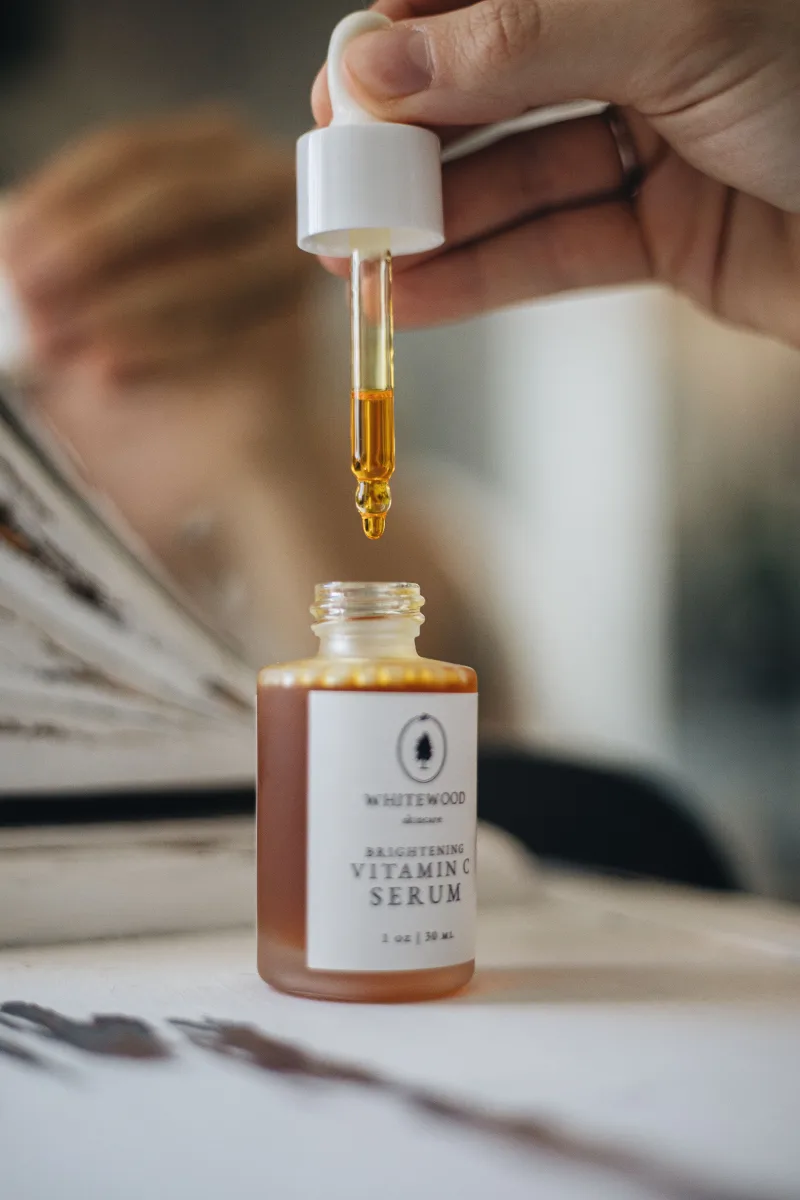
The universal layering principle: thinnest to thickest consistency, water-based before oil-based. This follows absorption physics — thicker products form a physical barrier that prevents thinner ones from penetrating if applied on top.
Correct morning sequence:
- Cleanser
- Toner (optional)
- Vitamin C serum
- Moisturizer
- SPF (always last)
Correct night sequence:
- Makeup remover
- Oil-based cleanser
- Water-based cleanser
- Toner (optional)
- Retinoid or acid treatment
- Eye cream
- Moisturizer
A few specific pairings worth knowing:
Niacinamide + Vitamin C: Modern formulations have made this pairing stable and effective. The old warning was based on poorly formulated early products — ignore it.
AHAs/BHAs + Retinoids: Don't use these together on the same night. The combination causes over-exfoliation and barrier damage. Alternate: retinoid on Monday/Wednesday/Friday, acid treatment on Tuesday/Thursday.
Retinoid buffering: New to retinol? Try the "sandwich method" — apply a light moisturizer first, then the retinoid, then another thin layer of moisturizer on top. This reduces irritation while your skin acclimates.
SPF is always last in the AM: Anything layered on top of sunscreen disrupts the UV-blocking film it forms on your skin's surface, reducing its effectiveness. That includes setting powders or foundations applied immediately after.
According to Cosmetic Surgery Associates, applying serums to clean, dry skin before heavier creams maximizes absorption — which is why the order of your routine matters as much as the products themselves.
The Most Common Skincare Mistakes (And How to Fix Them)
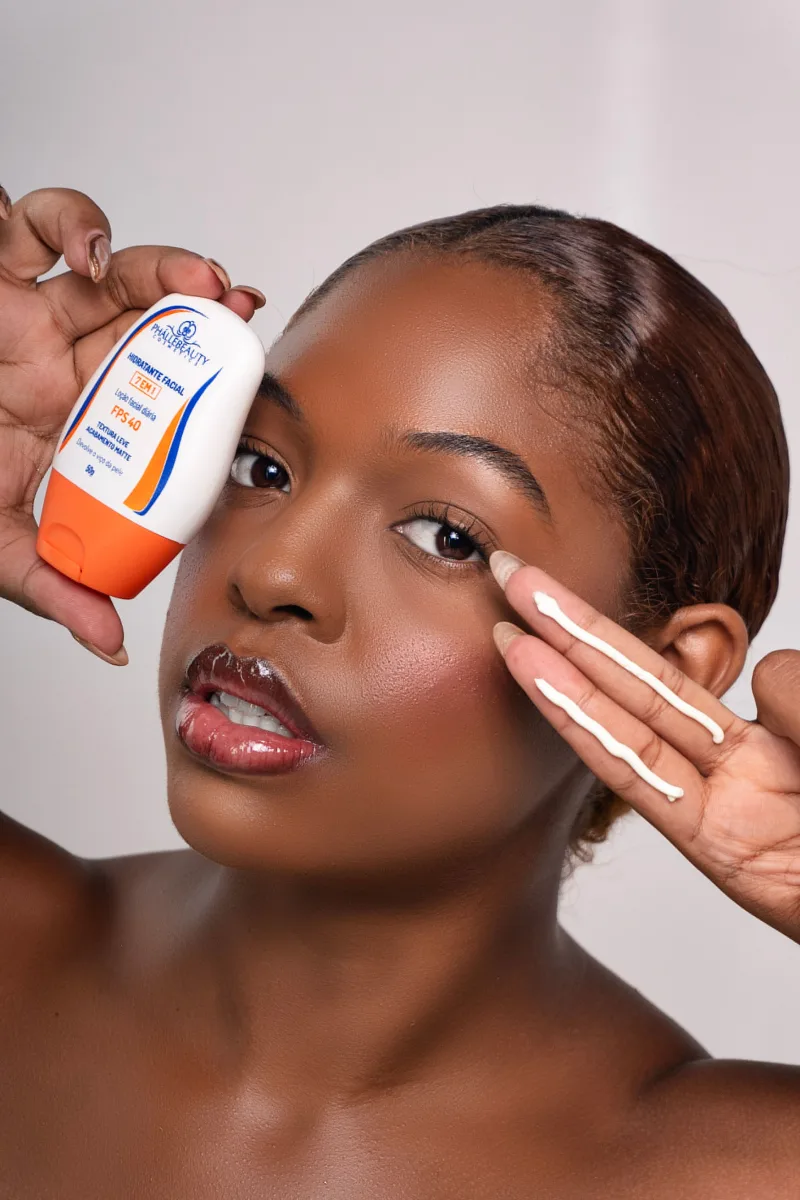
Over-cleansing. A harsh cleanser used twice daily strips the skin barrier — which triggers compensatory oil production in oily skin and heightened sensitivity in dry skin. If your skin feels "squeaky clean" post-wash, the cleanser is working against you.
Introducing too many products at once. Add one new product at a time. Give it 2–4 weeks before evaluating results or adding anything else. This is also the only way to identify what's causing a reaction.
Abandoning actives too early. Retinoids and vitamin C require consistent use over weeks before visible changes appear. Most people quit within 10 days and conclude the product "doesn't work."
Skipping SPF on cloudy days or indoors. UVA rays — the ones responsible for premature aging and pigmentation — penetrate glass and accumulate damage without direct sun exposure. Daily SPF isn't a summer habit; it's a year-round one.
Misusing exfoliants. Good Housekeeping's dermatologist guidance recommends using chemical exfoliants (AHAs, BHAs) no more than 2–3 times per week, rather than daily. Physical exfoliants (scrubs, brushes) are often too abrasive for daily use and should be approached with caution for sensitive and acne-prone skin types.
Applying hyaluronic acid to dry skin without sealing it. HA works by pulling moisture from the environment and the lower layers of skin into the surface. In low-humidity environments, it needs an occlusive product on top to prevent it from pulling moisture out rather than in.
Frequently Asked Questions
What order do you apply skincare products?
Always thinnest to thickest: cleanser → toner → serum → eye cream → moisturizer → SPF (morning only). Oil-based products go after water-based products. SPF always goes last in the morning routine, as anything applied on top disrupts its UV-blocking film.
Can you use vitamin C and niacinamide together?
Yes. Modern formulations make this combination stable and effective — the earlier warning came from poorly formulated older products. Apply vitamin C first (it needs the lowest pH environment), allow it to absorb, then apply niacinamide.
How long does a skincare routine take to show results?
Hydration and texture improvements can appear within days. Improvements to tone, hyperpigmentation, and fine lines typically require 8–12 weeks of consistent use. Retinoids often show initial irritation before improvement — this is expected, not a sign that the product isn't working.
Do you really need both a morning and night routine?
Yes, and they serve fundamentally different purposes. Morning routines protect; night routines repair. Using the same routine twice daily leaves you either under-protected during the day or missing the repair window at night. At minimum: AM needs SPF; PM needs thorough cleansing.
Is a 10-step skincare routine better than a 3-step one?
Not inherently. Dermatologists consistently note that a consistent 3-step routine (cleanser, moisturizer, SPF) beats an inconsistent 10-step one. More steps create more opportunities for irritation, especially when multiple actives are layered. Start simple, then add targeted products for specific concerns.
What's the difference between dry skin and dehydrated skin?
Dry skin is a skin type — it produces less sebum and lacks oil. Dehydrated skin is a skin condition — it lacks water. Dehydrated skin can affect any skin type, including oily skin. Signs of dehydration: skin looks dull, fine lines look more pronounced, skin feels tight after cleansing but oily a few hours later.
How This Guide Was Researched
This guide is based on dermatologist expert sources, peer-reviewed research, and verified consumer data aggregated from multiple credible sources including the Cleveland Clinic, Good Housekeeping's dermatologist panel, Vogue's board-certified dermatologist feature, SkinMiles' 2026 clinical analysis, and Coveteur's 2026 expert product roundup. It does not reflect hands-on product testing by Trusted Buyer Report. All cited claims link directly to their source.
Researched and drafted with AI assistance. Fact-checked by the Trusted Buyer Report editorial team before publication. Editorial standards → | AI ethics →