Researched with AI assistance and reviewed by our editorial team before publishing. This guide is based on manufacturer specifications, independent expert sources, and aggregated verified buyer feedback. It does not reflect hands-on testing by Trusted Buyer Report. We may earn a commission if you purchase through links on this page — commissions are applied after our rankings are finalized and never influence them. Full disclosure →
Quick Verdict: Which Running Shoe Is Right for You?
Most running injuries aren't caused by training too hard. They're caused by training in the wrong shoe.
This guide skips the generic "ranked list" and gives you a decision framework instead — matching shoe to runner type, with specific picks and the reasoning behind them. Here's the short version:
- Beginner (5K–half marathon): Asics Superblast 3 or Adidas Adizero EVO SL. Budget pick: Adidas Adizero SL2.
- First marathon, comfort goal: Asics Superblast 3. Train in it for at least 8–10 weeks before race day.
- Experienced trail marathon racer: Hoka Tecton X 3.
- Everyday trail runner (mixed terrain): Saucony Peregrine 16 or Saucony Xodus Ultra 4.
- Zero-drop/natural platform trail: Altra Lone Peak 9.
- Stability shoe for overpronators: New Balance Fresh Foam X 860v14.
Jump to the section that applies to you. If none of these ring a bell yet, start with the Specs Explained section below — it'll make the rest of this guide much easier to navigate.
Why the Wrong Shoe Causes More Harm Than Hard Training
Here's a fact most new runners don't expect: the majority of running-related injuries trace back to footwear mismatch, not mileage overload.
The running shoe market now spans hundreds of models across dozens of brands. When every shoe claims to be "the best," the signal disappears into noise. And the downstream consequences of a bad choice are real.
A beginner who buys a carbon-plated super shoe because it topped a generic list will find it unstable, uncomfortable, and potentially harmful at slow training paces. Carbon-plated race shoes are engineered for a specific biomechanical profile — a runner moving fast enough to load the plate properly. At a beginner's pace, that plate creates an unnatural rocker sensation and adds stress on the Achilles tendon. According to RunRepeat's running shoe guide, a beginner-friendly daily trainer is a fundamentally different tool from a carbon-plated marathon race shoe — treating them as interchangeable is one of the most common mistakes in the category.
Runner's World's shoe testing team reinforces this: racing shoes keep weight low and feature propulsive cushioning to help maintain fast paces, but the trade-off is reduced durability and stability. They're best saved for race day — not daily training, and certainly not your first months of running.
If you're also building out a broader training setup, our guide to the best home gym equipment in 2026 covers strength tools that pair well with a running routine — especially if you're working on injury prevention.
Running Shoe Specs Explained: The Six Terms That Actually Matter
Most shoe roundups skip the vocabulary layer — which means readers can't evaluate the next shoe they encounter on their own. Here are the six specs that actually change how a shoe performs.
Heel-to-Toe Drop
Drop is the height difference between the heel and the forefoot, in millimeters. A 10mm drop elevates the heel significantly, encouraging a heel-strike landing. Zero-drop places both at the same height, promoting a midfoot or forefoot strike.
As iRunFar notes, zero-drop suits runners already accustomed to it, or younger runners easing gradually into running — not a universal upgrade. Switching too quickly can overload the calf and Achilles, especially after years in high-drop shoes.
Stack Height
Stack height is the total thickness of material between your foot and the ground. REI Expert Advice defines maximum-cushion shoes as those above 30mm — models like the New Balance Fresh Foam X Hierro v9 and Topo Athletic Ultraventure 4. More stack means more joint protection over long distances; the trade-off is reduced ground feel and agility on technical terrain.
Neutral vs. Stability
According to Wirecutter's running shoe coverage, most brands divide their lineup into two main types. Neutral shoes don't alter your gait — they add cushioning without correcting foot mechanics. Stability shoes use denser foam along the arch and often a stiffer heel to reduce side-to-side foot movement, addressing overpronation. Neither is universally better; the right choice depends on your individual mechanics.
Foam Softness and Energy Return
Not all cushioning feels the same. Plush foams absorb impact but can feel "dead" at faster paces. Firmer, more responsive foams return energy with each stride but offer less forgiveness on long runs. RunRepeat recommends balanced cushioning for beginners — neither too plush nor too firm — because it works across a wide range of paces and surfaces.
Carbon Plate vs. Unplated
A carbon fiber plate embedded in the midsole stiffens the shoe and creates a propulsive snap at toe-off. It's a performance tool, not a comfort feature. For runners targeting a road marathon PR, a plated shoe can meaningfully improve efficiency. For everyone else, an unplated shoe with high-quality foam typically offers a more comfortable and forgiving ride.
Outsole Lug Depth and Pattern
Relevant only for trail runners: lug depth determines how aggressively the outsole grips soft, muddy, or wet terrain. Shallow lugs work on hardpack and groomed trails; deep, widely spaced lugs handle mud and loose rock. On pavement, deep lugs create an uncomfortable and unstable feel — another reason road and trail shoes aren't interchangeable.
Best Running Shoes for Beginners in 2026: Comfort and Confidence First
The one thing a beginner's shoe must do: make running feel sustainable.
That means enough cushioning to protect joints that aren't yet adapted to impact, a forgiving fit that accommodates foot swelling on longer efforts, and enough stability that the shoe doesn't feel like it's working against you.
RunRepeat specifies that daily trainers — the category best suited to beginners — should be well-cushioned, comfort-focused, and built around balanced foam softness. These shoes are designed to handle the widest range of paces and distances without demanding anything specific from your biomechanics.
Asics Superblast 3 — Best Overall for New Runners
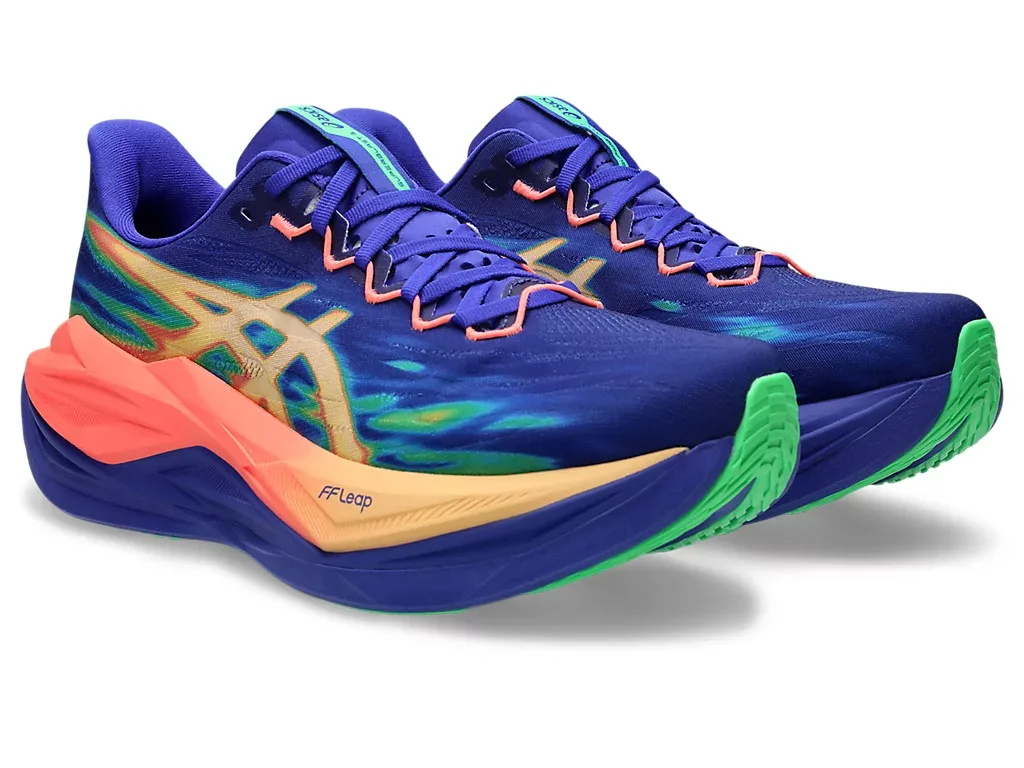
iRunFar recommends the Asics Superblast 3 as an excellent shoe for beginner marathoners, citing its comfort and versatility. It's unplated, which means it doesn't demand the fast cadence or efficient mechanics that a carbon plate requires. Cushioning is substantial enough to protect against fatigue on longer runs, but the shoe remains responsive enough that it doesn't feel sluggish at moderate paces.
For a beginner building mileage gradually, that combination is exactly what you want.
Best for: First-time runners, 5K–half marathon training, runners who want one shoe for everything
Avoid if: You're on a tight budget (see below)
Adidas Adizero EVO SL — Accessible and Underrated
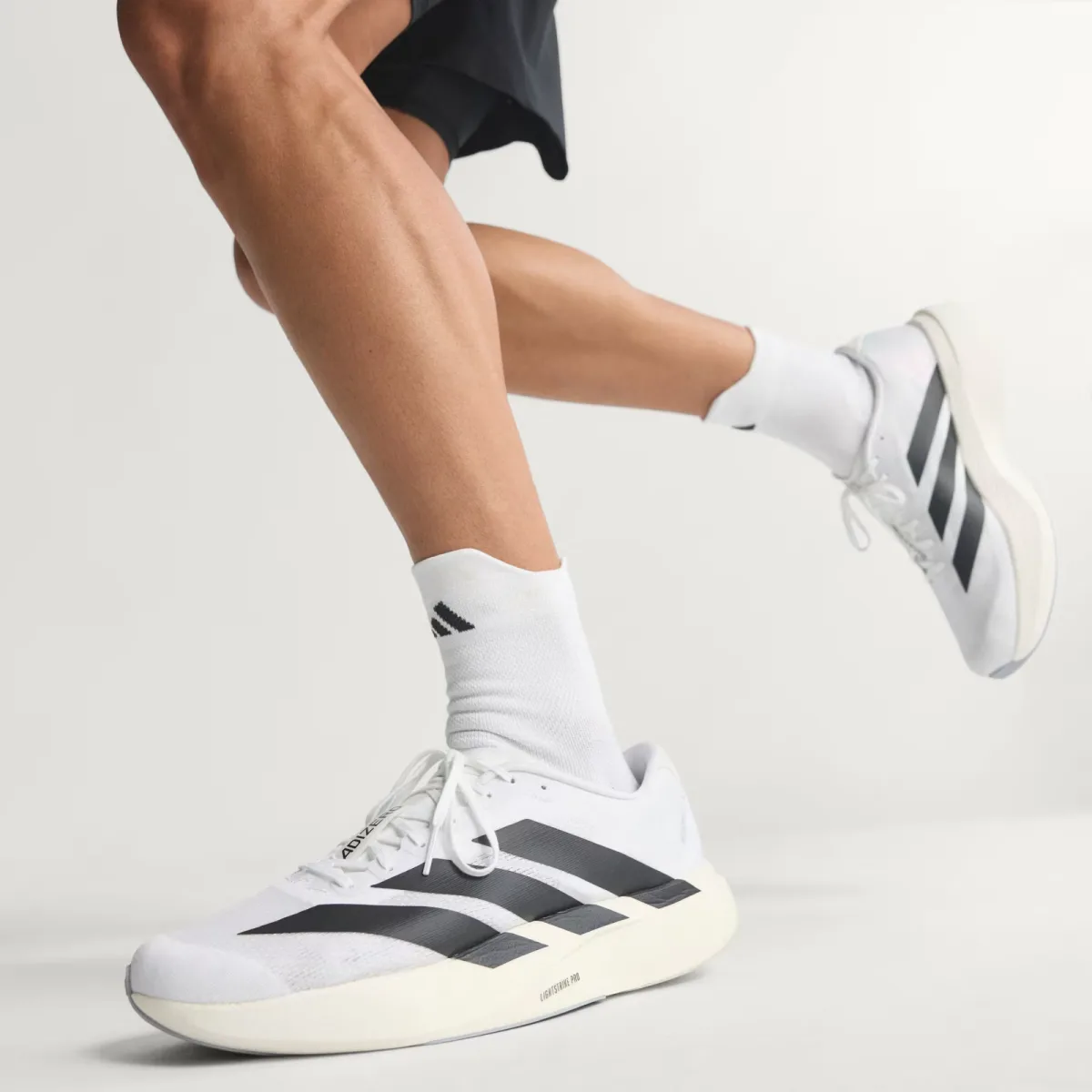
Also flagged by iRunFar, the Adidas Adizero EVO SL is an unplated shoe with strong cushioning that's more accessible and less aggressive than the super shoe lineup. It sits at a price point easier to justify for a runner not yet sure how serious they'll become — and delivers ride quality that outperforms its market positioning.
Budget Picks Worth Knowing
OutdoorGearLab identifies two strong value options:
- Asics Gel-Contend 9 — ideal for beginners, casual runners, and students. Prioritizes affordability, comfort, and simplicity. Serious high-mileage runners may eventually want more cushioning, but for starting out, it works.
- Adidas Adizero SL2 — the more impressive value story. OutdoorGearLab notes it outperforms shoes that cost significantly more and is one of the best deals in running right now. It lacks stability features, so look elsewhere if overpronation is a concern — but for a straightforward, well-cushioned daily trainer, it's hard to beat at its price.
What beginners should actively avoid: carbon-plated race shoes, very low stack heights, and aggressive heel-to-toe drop transitions. None of these serve a runner still building base fitness and adapting to impact.
Best Marathon Running Shoes 2026: What Race Day Actually Demands
A marathon shoe has to solve a very specific problem: cushion the cumulative impact of roughly 40,000 foot strikes while staying responsive enough to maintain target pace through mile 20 and beyond. That's a harder engineering challenge than it sounds — and why the marathon shoe category has diverged sharply between comfort-focused trainers and aggressive performance tools.
Here's the thing most beginners get wrong:
Chasing a sub-four-hour finish in a carbon-plated super shoe you've never trained in is a recipe for blisters, instability, and a miserable second half. The guidance from iRunFar's marathon shoe testing is worth taking seriously: for beginners or first-time marathon runners, the best approach is to wear comfortable shoes that give you confidence. Chase the time goal after you have the training base to justify a performance shoe.
For experienced runners targeting a time goal: Runner's World is clear that racing shoes sacrifice durability and stability for low weight and propulsive cushioning. They're not built for heavy training mileage — save them for race day itself.
Hoka Tecton X 3 — Top Pick for Trail Marathon Racing
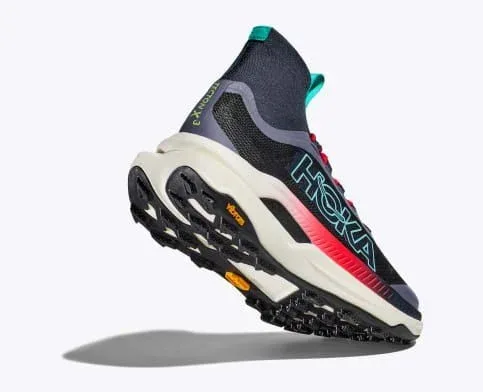
For runners targeting a trail marathon or any trail race at marathon distance or longer, iRunFar names the Hoka Tecton X 3 as the top pick. The praise centers on its combination of comfort, speed, and sustained performance over long trail miles. One note: its built-in gaiter is described as polarizing — some runners love it, others find it unnecessary.
If you're racing a trail marathon and want a shoe that covers the full spectrum — sustained cushioning, reliable traction, responsiveness on runnable sections — the Tecton X 3 is the most complete option currently tested in the category.
Road vs. Trail Marathon: Different Disciplines, Different Shoes
Road and trail marathons are genuinely different disciplines that demand different footwear:
- A road marathon shoe prioritizes a smooth, efficient ride on consistent pavement
- A trail marathon shoe needs an aggressive outsole, more lateral stability for uneven terrain, and protection against rocks and roots
Using a road shoe on a technical trail marathon isn't just a performance issue — it's a safety issue. The reverse is equally true: a trail shoe's lugged outsole creates an unstable, energy-wasting ride on pavement.
Best Trail Running Shoes 2026: Matching the Shoe to the Terrain
"Trail shoe" is not a single category — and that's where most buyers go wrong.
Trail and Kale uses a five-category framework that maps more cleanly to how runners actually use their shoes:
| Category | Best For |
|---|---|
| All-mountain | Do-it-all workhorse, mixed terrain |
| Road-to-trail | Runners who mix paved and dirt surfaces |
| Ultra running | Max cushion for 50K and beyond |
| Trail racing | Lightweight and fast for race day |
| Women's-specific | Same criteria, tested on gender-specific lasts |
If you're not sure which fits you, Trail and Kale recommends starting with all-mountain — those shoes cover the most ground for the most runners.
Altra Lone Peak 9 — The Zero-Drop Standard
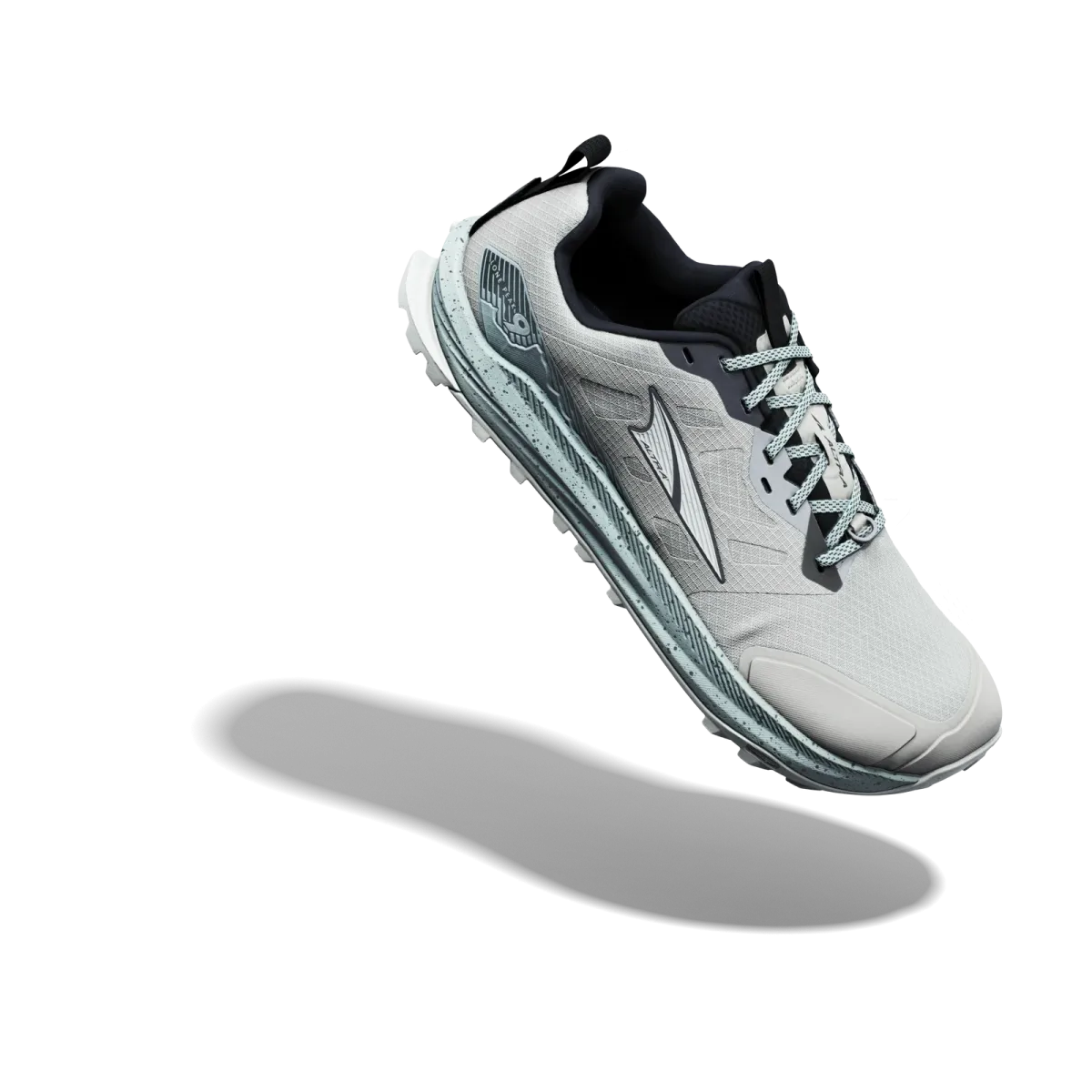
Both iRunFar and Trail and Kale point to the Altra Lone Peak 9 as the definitive zero-drop trail shoe. Trail and Kale's verdict is direct: nothing else comes close for a truly flat, natural platform.
The zero-drop proposition is real — but it's honest. iRunFar frames it clearly: it suits runners already accustomed to no-drop or low-drop footwear, younger runners, or those gradually easing into running. If you're coming from years of high-drop shoes, transitioning to the Lone Peak 9 requires a deliberate, gradual adjustment period to avoid overloading the posterior chain.
Saucony Peregrine 16 — The Versatile All-Rounder
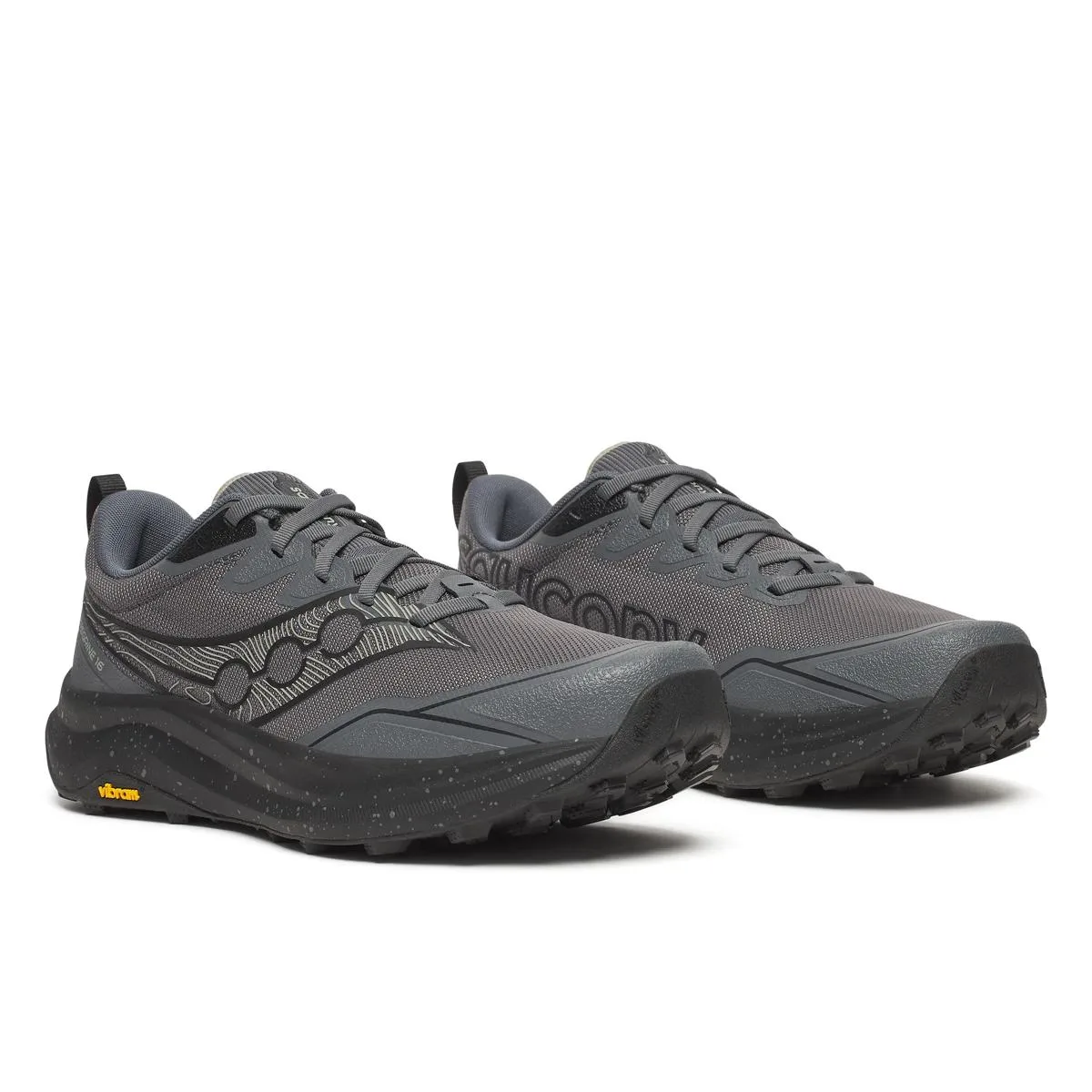
Outside Online's 2026 trail shoe guide gives the Saucony Peregrine 16 some of the most enthusiastic tester feedback in the category. Testers described it as nimble and responsive on varied terrain, with a fit that worked across a wide range of foot shapes — heels held securely, toebox roomy without sacrificing control.
The conclusion from Outside Online: everyone from beginners to elite trail runners can be happy in it. That kind of broad compatibility is rare in a trail shoe.
Best for: Runners who want one shoe for most trail conditions without specializing
Saucony Xodus Ultra 4 — For Real Trails, Most of the Time
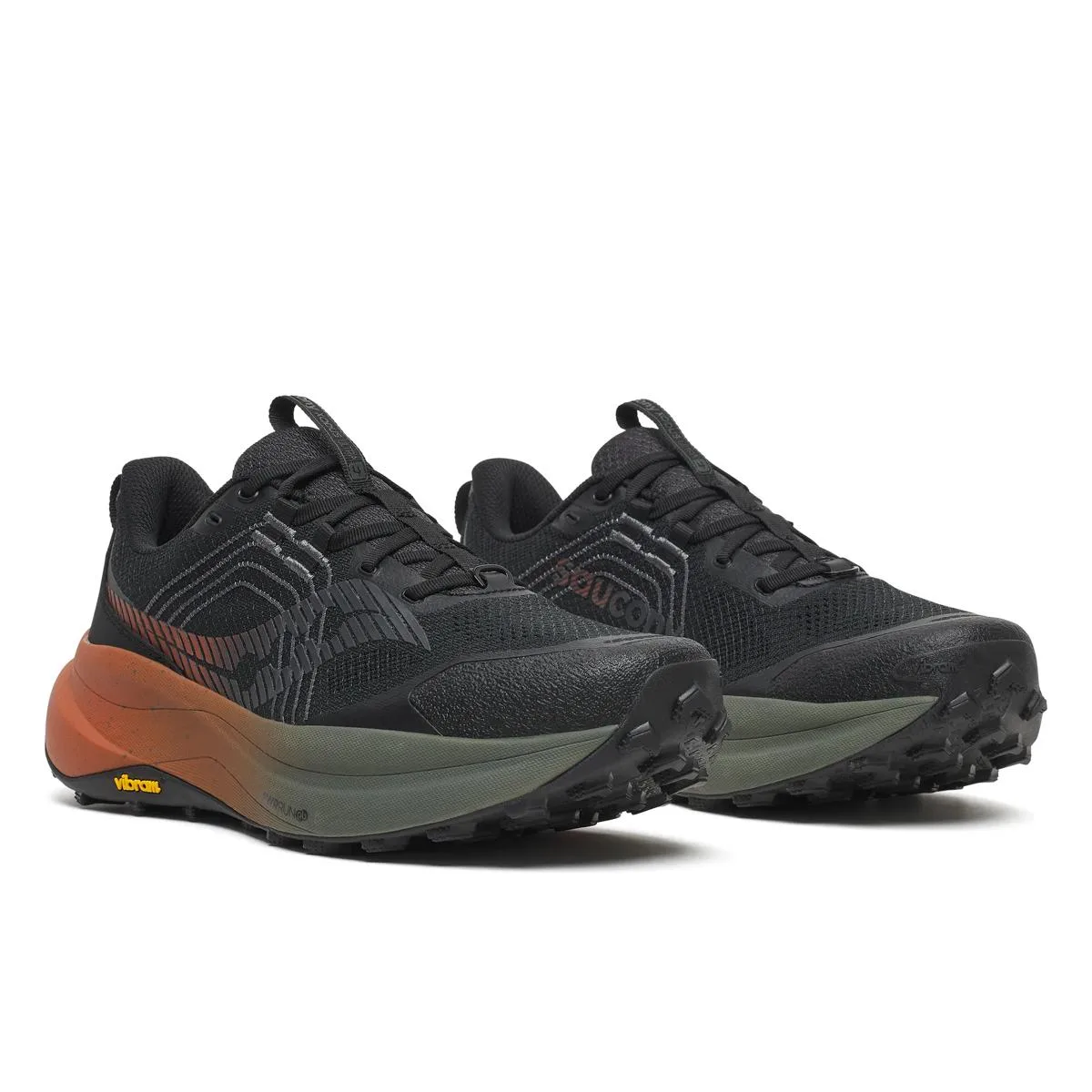
Trail and Kale recommends the Saucony Xodus Ultra 4 for runners who are on real trails most of the time and want a single shoe that handles the majority of conditions without compromise. It sits in the all-mountain category and represents the reliable, confidence-inspiring daily driver that most trail runners actually need.
Brooks Cascadia 19 — The Do-It-All Option
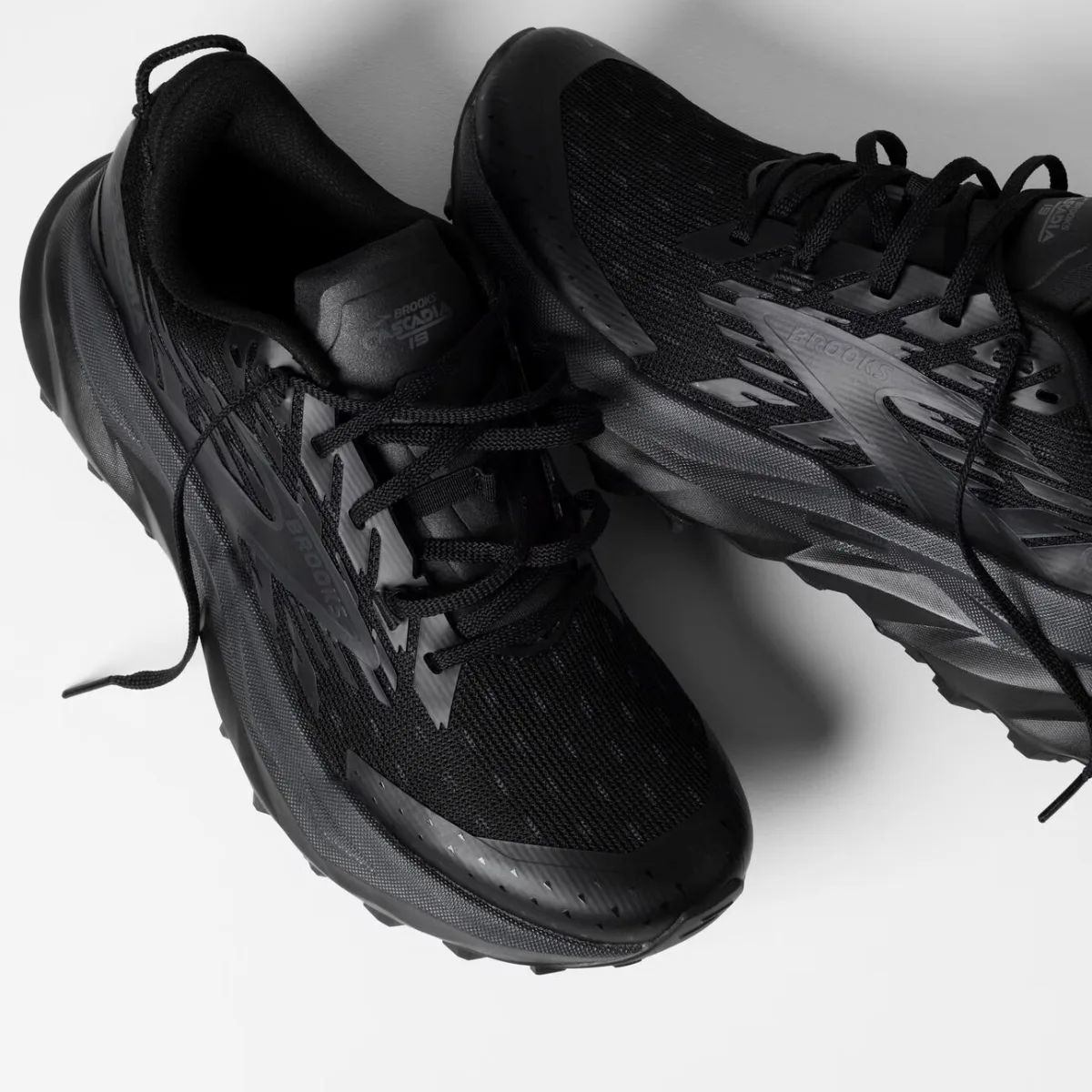
REI Expert Advice highlights the Brooks Cascadia 19 as a versatile all-terrain option with a new lug pattern made with 25% recycled content. The REI tester verdict: "the new Cascadia seems to be the one shoe that can do it all." Customer reviewers specifically praised the traction across earth, roots, and stones in both dry and wet conditions.
If you're also building strength to complement trail running, our best resistance bands guide covers the lightweight tools that work well for runner-specific hip and ankle strengthening on the road or at a trailhead.
Neutral vs. Stability Shoes: How to Know Which One You Actually Need
This is one of the most-searched questions in running footwear. Most guides answer it vaguely. Here's a clearer framework.
According to Wirecutter:
- A neutral shoe provides cushioning and protection without correcting foot mechanics
- A stability shoe uses denser foam along the arch and often a stiffer heel to reduce side-to-side movement — addressing overpronation (the inward rolling of the foot at landing)
Signs you may benefit from a stability shoe:
- Your shoes wear down unevenly on the inner heel
- Your knees track inward when you squat
- A running specialist has identified overpronation during a gait analysis
That said, most runners — including many who overpronate mildly — run comfortably in neutral shoes. Stability shoes are a targeted solution, not a universal upgrade.
New Balance Fresh Foam X 860v14 — Best Stability Shoe for Long Runs
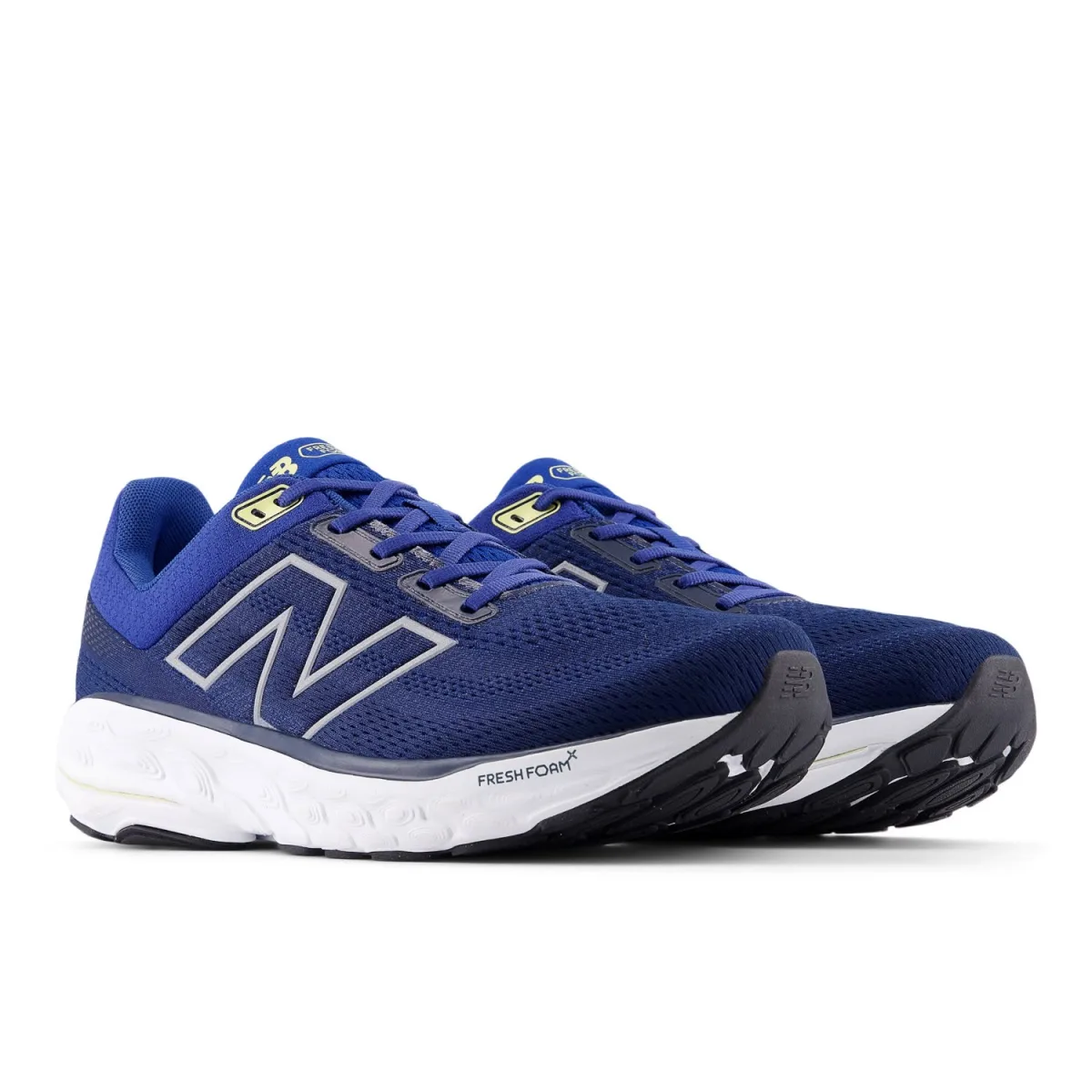
The historical complaint about stability shoes was that they felt hard underfoot. Wirecutter's long-term testing of the New Balance Fresh Foam X 860v14 addresses this directly. One tester who had worn the 860 model since version 3 noted that past iterations felt very hard underfoot after 90–120 minutes of running. The v14 "feels more cushioned from the beginning" — a meaningful improvement for runners who need stability support but don't want to sacrifice comfort on longer efforts.
Urbanstaroma's 2026 running guide also identifies the Fresh Foam X series as a strong choice for runners with wide feet or those who need extra stability during gait — useful for runners who've historically struggled to find shoes that fit well across the forefoot while still providing arch support.
Cushioning in 2026: Why Stack Height Alone No Longer Tells the Full Story
A few years ago, comparing cushioning meant comparing stack heights. A 35mm stack was more cushioned than a 25mm stack, full stop. That's no longer true.
Modern foam technologies manage energy return and impact absorption simultaneously — which means two shoes with identical stack heights can feel completely different underfoot. Urbanstaroma makes this point explicitly: in 2026, evaluating cushioning means assessing how a shoe manages energy intelligently, not just measuring sole thickness.
REI Expert Advice notes that maximum-cushion shoes above 30mm stack height — models like the New Balance Fresh Foam X Hierro v9 and Topo Athletic Ultraventure 4 — offer genuine joint protection and reduced muscle fatigue over long distances. The trade-off: they can feel bulkier and less agile on technical terrain. For ultra-distance trail runners, that's often worth it. For a 10K trail racer navigating rocks and roots, a lower-stack shoe with more ground feel is the smarter tool.
The practical takeaway: When evaluating cushioning, look at the foam compound name and read tester feedback on how the shoe feels at mile 15 versus mile 1. A shoe that feels plush in-store but bottoms out after two hours isn't well-cushioned — it's well-marketed.
Running and Recovery: What Else Goes Into the Equation
The right shoe is foundational — but it's not the only variable. Runners who consistently get injured despite good footwear often have gaps elsewhere in their routine.
A few areas worth addressing:
- Strength and mobility: Hip weakness and poor ankle mobility are among the most common contributors to running injuries. Our guide to the best resistance bands for strength and rehab covers lightweight tools that travel easily and address the specific muscle groups runners tend to neglect.
- Recovery nutrition: Post-run protein intake affects how quickly your muscles adapt to training load. If you're ramping up mileage, our best protein powders guide covers options that have been evaluated by fitness experts — not just by marketing copy.
- Supplementation: Longer training blocks put real demands on micronutrient status. Our best vitamins and supplements guide separates what the evidence actually supports from what doesn't.
- Cross-training: If you're building a home setup to complement your running, our best home gym equipment guide covers both budget and premium options for the strength work runners actually need.
Final Decision Framework: Match the Shoe to the Runner
Rather than a ranked list, here's a set of decision paths based on your specific situation.
You're a beginner running your first 5K to half marathon:
Start with the Asics Superblast 3 or the Adidas Adizero EVO SL. Both are unplated, well-cushioned, and forgiving enough to build confidence without demanding anything specific from your mechanics. On a tighter budget, the Adidas Adizero SL2 is the strongest value option available right now.
You're running your first marathon and your goal is to finish comfortably:
The Asics Superblast 3 applies here too. Prioritize comfort and familiarity over any performance feature. Don't introduce a new shoe on race day — train in it for at least 8–10 weeks beforehand.
You're an experienced runner targeting a trail marathon:
The Hoka Tecton X 3 is iRunFar's top pick for this specific scenario. It balances cushioning, speed, and long-distance performance on trail better than anything else currently tested in the category.
You're a trail runner who wants one shoe for most conditions:
The Saucony Peregrine 16 is the most broadly compatible option. If you're logging serious trail mileage across varied terrain, the Saucony Xodus Ultra 4 gives you slightly more all-mountain credibility.
You're a trail runner committed to natural, zero-drop footwear:
The Altra Lone Peak 9 is the standard. Transition gradually, especially if you're coming from high-drop shoes.
You overpronate and need stability support for long runs:
The New Balance Fresh Foam X 860v14 solves the problem without sacrificing comfort on longer efforts — historically the biggest compromise with stability shoes.
FAQ: Common Running Shoe Questions Answered
How often should I replace running shoes?
Most running shoes last 300–500 miles, depending on your weight, running surface, and gait. If the midsole feels compacted or you're noticing more soreness after runs, it's likely time to replace them — even if the upper still looks fine. The foam breaks down before the outsole shows obvious wear.
Can I use trail running shoes on the road?
Occasionally, yes. For mixed-surface runs where you're mostly on dirt with brief road sections, a trail shoe works fine. For primarily road running, stick to a road shoe — trail lugs create an uneven, energy-wasting ride on pavement and wear down faster on hard surfaces.
Should I buy running shoes a half size up?
Generally yes. Feet swell during running, and you need thumb-width of space between your longest toe and the shoe's toe box. Buying too snug leads to blisters, black toenails, and discomfort on longer runs.
Is a carbon-plated shoe worth it for a first marathon?
Not for most runners. The efficiency benefit of carbon plates is meaningful primarily for faster runners who can generate enough force to load the plate properly. For first-time marathoners, comfort, familiarity, and cushioning matter far more than propulsion technology.
What's the difference between road and trail running shoes?
Road shoes prioritize smooth, efficient cushioning on consistent pavement. Trail shoes add aggressive outsole lugs for grip on uneven terrain, more lateral stability for unpredictable footing, and often a rock plate to protect against sharp surfaces underfoot. They're designed for fundamentally different environments and shouldn't be used interchangeably.
Affiliate disclosure: Trusted Buyer Report may earn a commission when you purchase through links on this page, at no extra cost to you. Rankings are finalized before affiliate links are applied. Full disclosure → | This article was drafted with AI assistance and fact-checked by our editorial team before publishing. Editorial standards →