
This guide is based on manufacturer specifications, publicly available safety standards, independent expert sources, and verified rider feedback aggregated from multiple outlets. It does not reflect hands-on testing by Trusted Buyer Report. We may earn a commission when you use our links to make a purchase — at no extra cost to you. Full disclosure →
Researched and drafted with AI assistance, reviewed and fact-checked by our editorial team before publishing.
TL;DR — Key Takeaways
- Helmet first, always. ECE 22.06 is the independently verified standard worth prioritizing — DOT alone is not enough.
- CE Level 2 armor in shoulders, elbows, hips, and knees meaningfully outperforms Level 1. Check the tag inside the garment, not the product page.
- Gloves and boots are not optional. Hands and ankles are statistically among the most injured body parts in crashes, yet riders consistently under-budget them.
- Wearable airbags are now mid-range accessible, not just for elite riders. The Klim AI-1 is the standout electronic option in 2026.
- Build in priority order: helmet → jacket with back protector → gloves → boots → pants → airbag vest → accessories.
Why Choosing the Right Motorcycle Gear in 2026 Is Harder Than It Looks
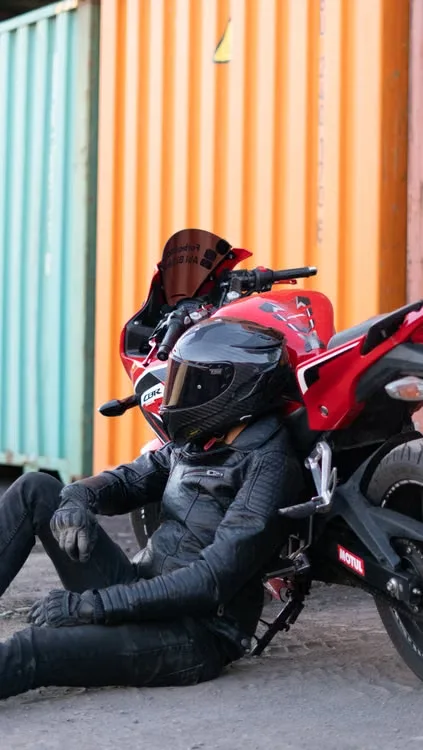
Helmet use cuts serious head injury risk by approximately 69% — yet compliance rates sit at around 71% in Australia and drop to roughly 23% among certain U.S. rider segments, according to WifiTalents' Motorcycle Gear Industry Statistics 2026. That gap is not a knowledge problem. It is a decision problem caused by a market that has become overwhelming.
The motorcycle rider accessories segment is projected to grow by USD 2.46 billion between 2026 and 2030, registering a 4.7% CAGR, per Technavio's Motorcycle Rider Accessories Market Analysis. More products and more marketing noise are the direct consequences. Meanwhile, KiWAV's 2026 aftermarket analysis notes that tariff uncertainty and import surcharges are creating real pricing friction in the U.S. — gear you researched last month may cost meaningfully more today.
Here's what this guide delivers: a priority-based framework for building a safe kit, starting with the gear that protects the most critical body parts first, with clear criteria for evaluating certifications independently of what any product description claims.
If you're also making broader vehicle-related decisions — insurance, tires, or buying a used bike — our Automotive Buyer's Guide 2026: Parts, Tires, Insurance & More covers those adjacent decisions in the same research-backed format.
Understanding Motorcycle Safety Certifications in 2026: DOT, ECE 22.06, and Snell
Certification language is where most gear marketing becomes deliberately vague. Here's what actually separates one standard from another.
Helmet Certifications: What DOT, ECE 22.06, and Snell Actually Mean
DOT (U.S. Department of Transportation) is a self-certification standard. Manufacturers test their own products and affix the sticker — no mandatory third-party verification before the helmet reaches store shelves. This creates significant variability in real-world protection.
ECE 22.06 (current European standard) requires independent laboratory testing and is widely regarded as more rigorous. For road riding, this is the minimum worth prioritizing.
Snell involves independent lab testing with a particular emphasis on high-energy impacts — the preferred standard for track and high-speed applications.
The practical rule: If you're buying for road use, prioritize ECE 22.06. If DOT is the only mark on a helmet, verify it against the SHARP helmet safety database or similar independent test resources before purchasing. RevZilla's ECE vs. Snell vs. DOT comparison is a reliable deep-dive for readers who want the full technical breakdown.
CE Level 1 vs. CE Level 2: Body Armor That Actually Makes a Difference
For jackets, pants, gloves, and boots, the relevant standard is the CE rating system. CE Level 2 absorbs significantly more impact energy than Level 1 under identical test conditions — the gap in a real crash is not marginal.
When shopping, look for the CE level printed on the armor tag inside the garment, not the product description. "Certified" in a headline means nothing without the actual level.
MIPS (Multi-directional Impact Protection System) addresses rotational forces that standard impact tests don't fully capture. It's now available in mid-range helmets — no longer a premium-only feature in 2026.
Helmets in 2026: The Framework That Matters More Than Any Ranked List
The global helmets market is tracking toward USD 20.3 billion by 2032 (WifiTalents). More products, more claims. Here's how to cut through them.
Helmet Type — Match It to How You Actually Ride
| Helmet Type | Best For | Key Trade-off |
|---|---|---|
| Full-face | Sport, commuting, most road riding | Warmest, most coverage |
| Modular (flip-front) | Touring, long-distance | Verify chin bar is certified closed |
| Dual-sport | Adventure, road/trail mix | Less aerodynamic at highway speed |
| Open-face | Low-speed urban | No chin or face protection |
| Half helmet | Cruiser aesthetics | Minimum protection of any style |
If you ride a modular helmet, confirm the chin bar carries a certification in the closed position — some do not, which makes the certification meaningless in a frontal impact.
Shell Material: Honest Trade-offs
Polycarbonate shells absorb energy through deformation and are the most affordable. Fiberglass composite is lighter with better energy distribution. Carbon fiber is the lightest and stiffest but commands a significant premium.
For most road riders, a quality fiberglass composite helmet at ECE 22.06 standard represents the best balance of protection and cost.
Notable 2026 Helmets Worth Knowing
Rider Magazine's February 2026 gear roundup highlights the Arai Ram-X, an open-face helmet featuring the VAS-Z Pro Shade System — a lower pivot point that allows the shell to remain smooth in the temple area, improving glancing performance during an impact. That's an engineering detail worth understanding, not marketing copy.
RevZilla's 2026 helmet picks span a broad range: AGV K6 S, Alpinestars Supertech R10, Arai Regent-X, Arai XD-5, LS2 Advant X, LS2 Subverter EVO, Schuberth C5 Master, and Scorpion EXO-R430 — covering sport, touring, and adventure at varying price points.
Fit Is the Variable That Makes or Breaks Any Helmet
An improperly fitted helmet at any certification level provides reduced protection. Use the two-finger rule: you should not be able to fit more than two fingers between your forehead and the brow pad. Cheek pads should press firmly without causing pain. The chin bar should clear your chin by roughly one finger width.
Note that helmet shape varies by brand — Arai and Shoei fit differently even at the same size. Always try before buying when possible, and know your head shape (round oval, intermediate oval, long oval) before ordering online.
Motorcycle Jackets in 2026: Protection, Comfort, and All-Season Versatility
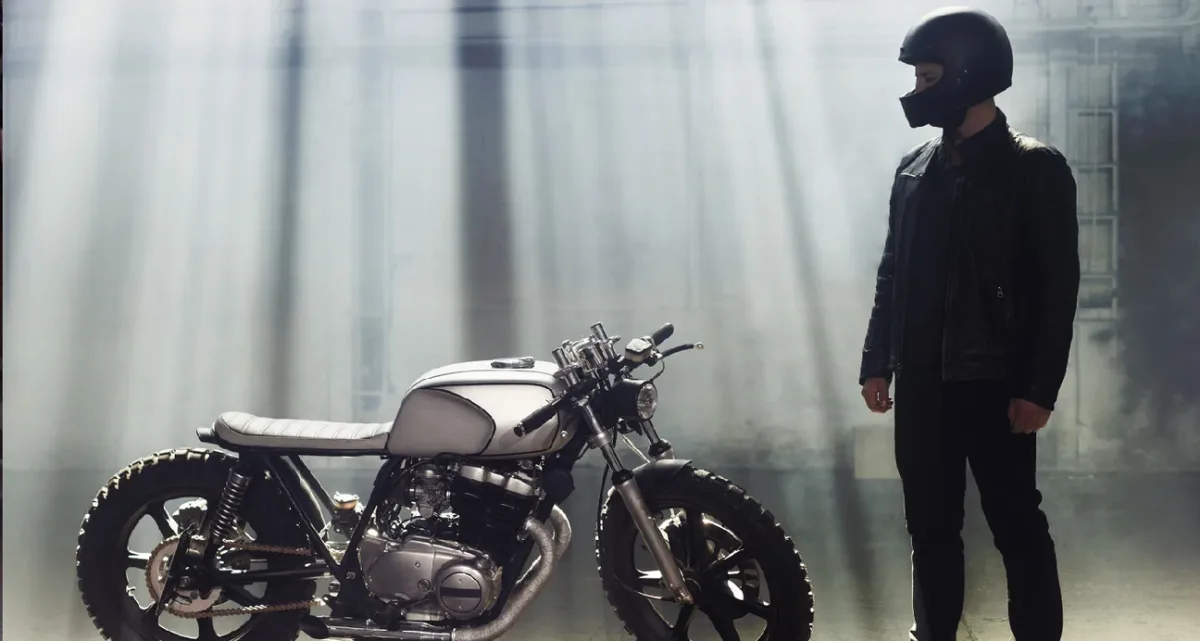
A jacket's job in a crash is to keep armor in position and resist abrasion long enough to prevent road contact with skin. Both functions depend on fit and construction, not price alone.
Leather vs. Textile: The Honest Trade-offs
Leather offers excellent abrasion resistance — it outperforms most textile materials in slide tests — but it breathes poorly, absorbs water, and requires maintenance.
Textile jackets dominate touring and adventure because they accept waterproof membranes, ventilation panels, and modular armor systems.
Here's the counterintuitive buying logic: a quality textile jacket with CE Level 2 armor in shoulders and elbows and a separate CE Level 2 back protector is a more practical choice for most riders than a leather jacket with Level 1 armor. The armor rating matters more than the material.
Summer mesh jackets maximize airflow but provide minimal abrasion resistance. Appropriate for low-speed urban riding in hot climates — not highway use.
Four-season textile jackets with removable thermal and waterproof liners are the most versatile single-jacket solution for year-round riders.
Armor Placement: The Fit Check Riders Skip
Armor pockets must align with your actual body proportions when seated in a riding position, not when standing in a shop. Put the jacket on, simulate your riding position, and verify:
- Shoulder armor sits over the shoulder joint
- Elbow armor covers the elbow — not three inches above it
- The jacket doesn't ride up to expose the lower back
A jacket that passes a standing fit check can still fail a riding position check. That's not a sizing issue — it's a design issue, and it varies by brand.
Alpinestars, Klim, REV'IT!, and Dainese are consistently cited as leading brands. The key is verifying the CE level of included armor, not assuming it based on brand reputation.
Gloves, Boots, and Pants: The Gear Riders Most Often Skip — and Why That's a Mistake
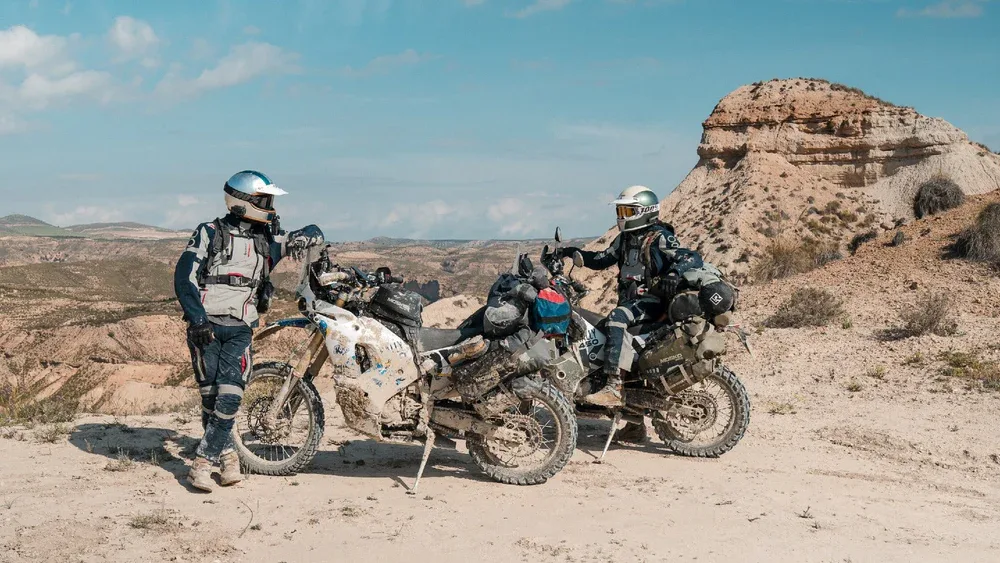
Hands and feet are among the most frequently injured body parts in motorcycle crashes. The biomechanics are straightforward: when a rider goes down, instinct is to reach out. That instinct sends unprotected hands directly into asphalt at speed. Yet gloves, boots, and pants consistently receive less budget attention than helmets and jackets.
Gloves: What CE Certification Actually Requires
CE-certified motorcycle gloves include palm sliders, knuckle armor, and wrist closure systems engineered to stay on during a crash. Fashion gloves marketed as "motorcycle gloves" often contain no meaningful armor.
Key features to evaluate:
- Palm slider coverage area — full-palm is better than wrist-only
- Knuckle armor hardness — rigid vs. foam-only
- Wrist closure security — velcro alone is insufficient at speed
- Touchscreen compatibility — a practical consideration if you use a mounted phone for navigation
EU certified protection requirements are raising the baseline standard for gloves sold in European markets — a trend that's gradually improving global product development, as WifiTalents notes.
For navigation setup, see our guide on best car GPS navigation systems 2026 — standalone vs. smartphone for broader context on GPS options that also apply to motorcycle-mounted devices.
Boots: Ankle Coverage Is the Non-Negotiable Minimum
Regular sneakers, work boots, and casual footwear do not provide adequate torsional protection for the ankle in a motorcycle crash. Dedicated motorcycle boots must cover and support the ankle joint with internal reinforcement.
Practical selection criteria:
- Ankle coverage height — at minimum above the ankle bone
- Sole grip on wet surfaces
- Toe box reinforcement
- Oil resistance
- Walkability — a boot you leave at home is no protection at all
Yammie Noob's 2026 Motorcycle Gear Buyer's Guide treats gloves, boots, and jeans as distinct categories with separate beginner and experienced-rider recommendations — a useful structural approach that reflects how different these products' requirements actually are.
Pants and Riding Jeans: The Most Underused Protection
CE-certified motorcycle pants with hip and knee armor protect two of the highest-injury-risk joints in a crash. For riders who want everyday wearability, CE-certified riding jeans with abrasion-resistant lining — typically Kevlar or Dyneema — offer a practical middle ground.
Standard denim provides almost no meaningful abrasion resistance at motorcycle speeds. The difference between a riding jean with certified armor and standard denim in a slide is measured in skin.
The key is verifying that jeans carry CE certification for both the lining material and the included armor — not just one or the other.
Wearable Airbag Technology in 2026: How It Works and Whether It's Worth It
Wearable airbags are no longer niche. KiWAV's 2026 aftermarket analysis identifies wearable airbags and helmet tech as key innovation drivers creating genuine upgrade reasons even during cautious spending cycles.
Tether-Based vs. Electronic Systems
Tether-based systems use a physical cord connecting the vest to the motorcycle. When the rider separates beyond the tether's length, the cord triggers deployment. Reliable, no battery required, resets quickly — but they only deploy when the rider physically separates from the bike.
Electronic systems use accelerometers and gyroscopes to detect crash signatures and deploy autonomously — no physical connection to the motorcycle required. More versatile for any riding style, including off-road.
The Klim AI-1 Airbag Vest: The 2026 Standout
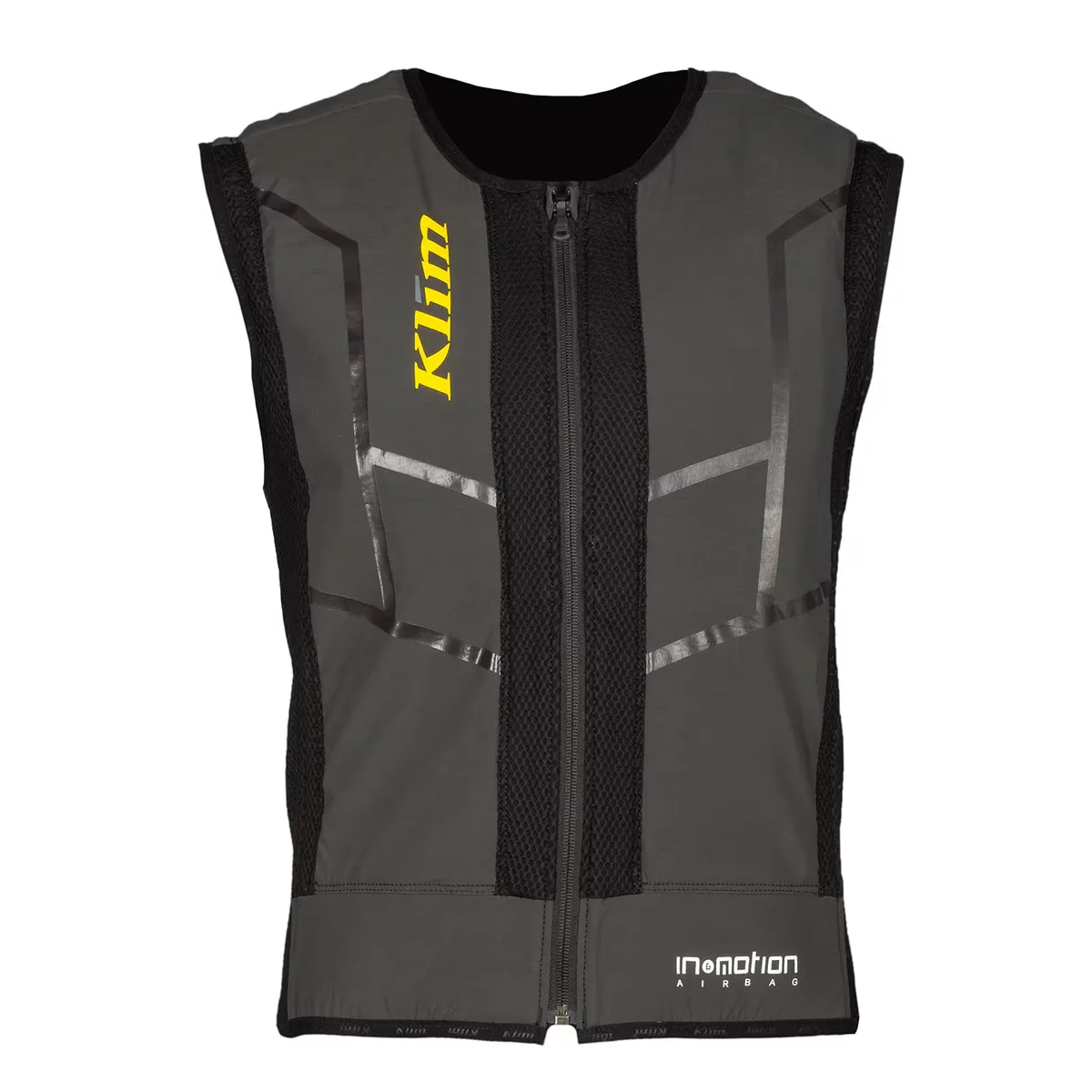
The Klim AI-1 Airbag Vest, featured in Rokform's Best Motorcycle Accessories for 2026, uses the In&Box DPP platform for crash detection with AI algorithms designed to improve sensitivity and reduce false deployments. Critically, the system receives continuous software updates — crash-detection logic improves over time without hardware replacement. That's a meaningful differentiator from static mechanical systems.
Three factors to compare across any airbag product:
- Deployment time — measured in milliseconds. Faster matters more in high-speed impacts.
- Coverage area — torso, spine, collarbone, and neck are the key protection zones.
- Reset cost — CO2 cartridge systems typically cost USD 20–50 per replacement. Factor this into total ownership cost.
Essential Motorcycle Accessories in 2026: Navigation, Communication, and Safety Tools
Here's the most useful filter for accessories purchases: does this reduce a specific risk, reduce fatigue, or improve situational awareness? If the answer is no, it's a style or comfort purchase — which is fine, but budget it separately from safety equipment.
Phone Mounting: More Safety-Critical Than It Sounds
A phone that vibrates loose at highway speed creates a genuine distraction hazard. Purpose-engineered mounts solve two distinct problems: keeping the phone secure and keeping it readable.
Rokform's twist-lock system with vibration dampener — highlighted in their 2026 accessories guide — is designed specifically to counter motorcycle engine vibration, which generic phone holders don't address. Motorcycle vibration can damage phone cameras over time and cause loosening in non-dampened mounts. This is a real engineering problem, not a marketing claim.
For riders who use dedicated GPS units rather than phones, our guide to the best car GPS navigation systems 2026 covers the standalone vs. smartphone navigation trade-offs in depth — most of those considerations apply directly to motorcycle use.
Impact Logging and Safety Notifications
33% of motorcyclists now use impact logging or safety notification technology, according to WifiTalents. These systems detect a crash event and automatically alert emergency contacts or services — particularly valuable for solo riders on remote routes. Available as standalone devices, integrated into airbag vests like the Klim AI-1, or as smartphone apps.
Dedicated GPS vs. Phone Navigation
Dedicated motorcycle GPS units offer advantages that matter on long rides: full waterproofing, glove-friendly touchscreens, route planning optimized for two-wheel travel (avoiding ferries, unpaved roads, and low bridges), and screens readable in direct sunlight.
Phone-based navigation is adequate for short urban commutes but becomes a liability in rain, cold, or multi-day touring where battery management matters. For urban-only riders, a quality mount and waterproof case may be sufficient. For touring, a dedicated unit is worth the investment.
Bluetooth Communication Systems
Helmet-integrated Bluetooth systems from Cardo and Sena allow rider-to-passenger and rider-to-rider communication, music streaming, and GPS audio. Evaluate on: battery life, range, ease of pairing, and whether the speakers fit your specific helmet without creating pressure points.
Dash Cams for Motorcycles
Dashboard cameras aren't just for cars. A front-facing camera provides incident documentation that can be critical for insurance claims — especially in urban riding where lane-splitting and filtering are common. Our guide to the best dash cams 2026 covers front, dual-channel, and 360° configurations that are adaptable to motorcycle mounting setups.
How to Prioritize When You Cannot Buy Everything at Once
Budget constraints are real. Here is a priority sequence based on injury data and protection coverage:
| Priority | Gear | Why It's Here |
|---|---|---|
| 1 | Helmet (ECE 22.06, properly fitted) | Head injuries are the leading cause of motorcycle fatality |
| 2 | Jacket + CE Level 2 armor + separate back protector | Large body surface area; accessible price range |
| 3 | Gloves (CE Level 1 minimum, Level 2 preferred) | Hands go down first in nearly every crash |
| 4 | Boots with ankle coverage and internal reinforcement | Ankle fractures are common and debilitating |
| 5 | Pants or riding jeans with CE-certified hip and knee armor | Most skipped piece; most regretted after a crash |
| 6 | Airbag vest | High value for high-mileage or high-risk riding |
| 7 | Accessories (GPS, comm, safety notifications) | Invest here after the core kit is complete |
Frequently Asked Questions
Is DOT certification enough for a motorcycle helmet in 2026?
DOT is a self-certification standard — manufacturers test their own products without mandatory third-party verification. For road use, ECE 22.06 provides a more independently verified level of protection. For track use, Snell is the preferred standard. DOT alone is the legal minimum in the U.S., but it should not be your only selection criterion.
What is the difference between CE Level 1 and CE Level 2 armor?
CE Level 2 armor absorbs significantly more impact energy than Level 1 under identical test conditions. For shoulder and elbow armor in jackets, and hip and knee armor in pants, Level 2 is the higher standard. Check the armor tag inside the garment — not the product page — for the specific CE level.
Are wearable airbag vests worth the cost for everyday commuters?
For high-mileage commuters in dense urban traffic, the risk exposure justifies the investment more than for occasional weekend riders. The most important factors: deployment time, coverage area, and reset cost after deployment. Electronic systems without a physical tether are more versatile but typically cost more upfront.
Can riding jeans replace motorcycle pants?
CE-certified riding jeans with abrasion-resistant lining (Kevlar or Dyneema) and certified hip and knee armor provide meaningful protection and are a practical urban option. They don't match the abrasion resistance of full leather or heavy textile pants in high-speed crashes, but they're substantially better than standard denim. Verify CE certification for both the lining material and the armor — not just one.
How should I evaluate a phone mount for motorcycle use?
Look for a mount with a dedicated vibration dampener — motorcycle engine vibration can damage phone cameras and cause non-dampened mounts to loosen over time. The locking mechanism should be secure enough that the phone cannot be dislodged by road vibration or a sudden stop. Test the mount in position before a long ride.
Where can I research motorcycle gear alongside automotive accessories?
For riders who also maintain or upgrade their vehicles, our automotive buying guides section covers tires, jump starters, and emergency kits with the same research-based format. Our best jump starters and emergency car kits 2026 guide is particularly relevant for riders who carry emergency roadside gear.
How This Guide Was Researched
This guide is based on manufacturer specifications, publicly available safety standards (DOT FMVSS No. 218, ECE 22.06, CE EN 13594/EN 13634), independent expert sources, and verified rider feedback aggregated from multiple outlets including Rider Magazine, RevZilla, KiWAV, WifiTalents, and Rokform. It does not reflect hands-on testing by Trusted Buyer Report. Sources are cited inline throughout the guide.
Reviewed by the Trusted Buyer Report editorial team. This article was drafted with AI assistance and fact-checked by a human before publishing. Trusted Buyer Report may earn a commission from purchases made through links on this page. Read our full methodology →