

This guide was researched with AI assistance and reviewed by our editorial team before publishing. Our recommendations are based on brand specifications, independent expert sources, and aggregated customer feedback — not hands-on product testing by this site. We may earn a commission from purchases made through links on this page.
The Verdict Up Front
The men who get the best skin results in 2026 are not using 10-step routines. They're using three products consistently. A gentle cleanser, the right moisturizer for their skin type, and a daily SPF 30+ — that's the entire foundation.
Brands by use-case:
- Oily skin → Atwater
- Simplicity-first / all-around → Marlowe
- Sensitive skin / beginners → Cetaphil
- Maximum accessibility (in-store) → Neutrogena, NIVEA, L'Oréal
- Advanced / anti-aging → Estée Lauder, Shiseido
- Best new brand 2026 → Strive
If you're starting from zero and don't know your skin type yet, skip to Know Your Skin Type First before looking at any brand.
Why Men's Skincare Has Changed in 2026
Men's skincare is no longer optional or niche. The market tells a clear story: according to Future Market Insights, the men's skincare sector is valued at over $17 billion in 2026 and is on track to reach $45 billion by 2036, growing at a compound annual rate of 10.5%.

What's behind that growth? Three things converging at once:
- Dermatologists went social. Board-certified dermatologists demystifying niacinamide and retinol on TikTok did more for men's skincare adoption than a decade of brand marketing.
- Cultural shift around self-care. According to BeautyMatter, the primary driver is a shift in attitudes toward masculinity and self-care — wellness culture normalized a habit that would have seemed unusual for men a decade ago.
- The results are visible. Clinical evidence now shows that consistent SPF and retinol use from your 20s measurably reduces aging by your 40s. The men who started early are living proof.
The behavioral shift is dramatic. The Strive Skin 2026 Industry Report documents that only 29% of men maintained a regular skincare routine two years ago. That number is now above 52%, per multiple industry tracking sources — a near-doubling in under two years.
But here's the number that actually matters for this guide: moisturizers and creams hold approximately 36% of the men's skincare market share in 2026, according to Future Market Insights. Most men entering skincare are starting with hydration, not serums. That's the right instinct, and it's where this guide starts too.
The Real Reason Most Men Quit a Skincare Routine Within Two Weeks

It's not laziness. It's structure.
Men who abandon a new skincare routine almost always do so for one of three reasons:
- They started with too many products at once
- They chose the wrong formula for their skin type
- They followed advice written for someone with different skin
Dermatologists consistently emphasize that the most effective men's skincare routine is the one you'll actually do every day — and that a simple three-step morning sequence of cleanser, moisturizer, and SPF takes under three minutes.
The "overwhelm problem" is real. Landing on a skincare brand's website and seeing 15 products with clinical-sounding names — with no clear entry point for a first-timer — is the single biggest adoption barrier for men. Most men either use bar soap on their face or own a dozen products they don't understand. Both approaches fail.
The brands that have solved this problem structure their offerings differently. Atwater limits its entire lineup to three skin-type categories — normal/combination, dry, and oily — eliminating decision paralysis before it starts. Marlowe's brand philosophy is built around never overthinking skincare.
The practical rule: consistency with three products beats occasional use of ten, every time.
Know Your Skin Type First
Before evaluating a single brand, you need to know your skin type. This sounds obvious — but most men's skincare guides skip it entirely and jump straight to product rankings, which is why those rankings often don't work for the person reading them.
The four skin types:
| Skin Type | What It Looks Like | What It Needs |
|---|---|---|
| Oily | Shine across the whole face, enlarged pores | Lightweight gel formulas, niacinamide, oil-free moisturizer |
| Dry | Tightness after washing, flaking, dull appearance | Cream cleansers, rich moisturizers, hyaluronic acid |
| Combination | T-zone shine (forehead, nose, chin), normal or dry cheeks | Balanced formulas; sometimes zone-specific products |
| Sensitive | Redness, reactivity to products, persistent irritation | Fragrance-free everything, ceramides, minimal ingredients |
The at-home test: Wash your face with a gentle cleanser, wait 30 minutes without applying anything, then observe. Oily skin produces excess sebum throughout the day, leaving your face looking shiny — especially across the T-zone. Dry skin feels tight after washing and may show flaky patches. Combination skin features oiliness in the T-zone but dryness on the cheeks.
Men's skin is structurally different from women's. Thanks to testosterone, male skin is roughly 25% thicker than female skin — more resilient, but also rougher and requiring deeper-penetrating formulations. Men also have more active sebaceous glands, which means more natural oil production and higher susceptibility to enlarged pores and chronic shine.
Shaving is a factor most guides underweight. Daily shaving is a mechanical exfoliant that repeatedly disrupts the skin barrier, making post-shave hydration especially important. If you experience persistent redness, razor burn, or product irritation, you likely have sensitive skin — even if you've never thought of yourself that way.
If you want to go deeper on how to build a routine once you know your skin type, our complete guide to the best skincare routines by skin type covers morning and evening sequences matched to each type.
The Core Three: What Every Man's Skincare Routine Actually Needs
A functional men's routine requires exactly three products. Everything else is optional — and should only be added once these three are a daily habit.
1. Cleanser
A cleanser removes dirt, excess oil, and environmental pollution without stripping the skin's moisture barrier. The key word is "gentle." A cleanser that leaves your face feeling squeaky clean is almost certainly over-stripping your skin. Using regular body soap or a harsh bar cleanser on your face destroys the acid mantle — the thin, slightly acidic film that protects your skin from bacteria and pollution — leading to dryness, irritation, and paradoxically, more oil production as your skin overcompensates.
By skin type:
- Oily/acne-prone: Gel or foaming cleanser (look for niacinamide or salicylic acid)
- Dry/sensitive: Cream or hydrating cleanser with ceramides (CeraVe Hydrating Facial Cleanser is a widely-cited option)
- Normal/combination: A gentle, balanced formula (Cetaphil Daily Facial Cleanser is a consistent dermatologist recommendation)
2. Moisturizer
Moisturizer is the single most impactful product for most men starting out. The market share data backs this up: it's what men reach for first, and they're right to. Men with oily skin absolutely need moisturizer — choose a lightweight, oil-free formula. Richer creams work better for dry skin types. Apply moisturizer while your skin is still slightly damp from previous steps to help seal in moisture.
3. SPF
SPF is the most evidence-backed anti-aging step available and the most consistently skipped by men. According to dermatologists, 90% of visible aging is sun damage. Look for a broad-spectrum SPF 30+ that's mattifying or invisible — no one wants to walk around with a white, greasy cast.
Daily SPF 30+ sunscreen prevents up to 80% of visible skin aging, making it the single most important step in any routine.
Once the core three are consistent — meaning you've done them daily for at least 30 days — you can consider additions. For men ready to invest in targeted treatments, our guide to the best anti-aging skincare products in 2026 covers retinol, peptides, and vitamin C serums in detail. But those belong in a second phase, not a first routine.
For a dedicated breakdown of SPF options across skin tones and budgets, see our best sunscreen brands guide for 2026.
Best Men's Skincare Brands in 2026: Matched to Skin Type and Lifestyle
Rather than a generic ranked list, here's how the leading brands map to actual use-cases. This framing makes the recommendations useful rather than arbitrary.
Atwater — Best for Oily Skin

Developed by Chris Salgardo, former president of Kiehl's, Atwater is built from the ground up for men — not adapted from women's skincare. The brand uses natural, non-toxic ingredients formulated specifically around male skin biology.
Its biggest differentiator is structural: Atwater organizes its entire product range into three skin-type categories (normal/combination, dry, oily). According to Men's Health expert testing, no other brand in 2026 targets oily skin more precisely. If you have visibly shiny skin and have struggled with products that feel greasy or cause breakouts, Atwater is the most direct solution on the market.
Honest limitation: The lineup is deliberately streamlined. Men who want a wide product selection or who are looking to build a more advanced multi-step routine will find Atwater restrictive.
Best for: Men with oily or acne-prone skin who want a clear, structured product path without guesswork.
Marlowe — Best for Simplicity-First Routines
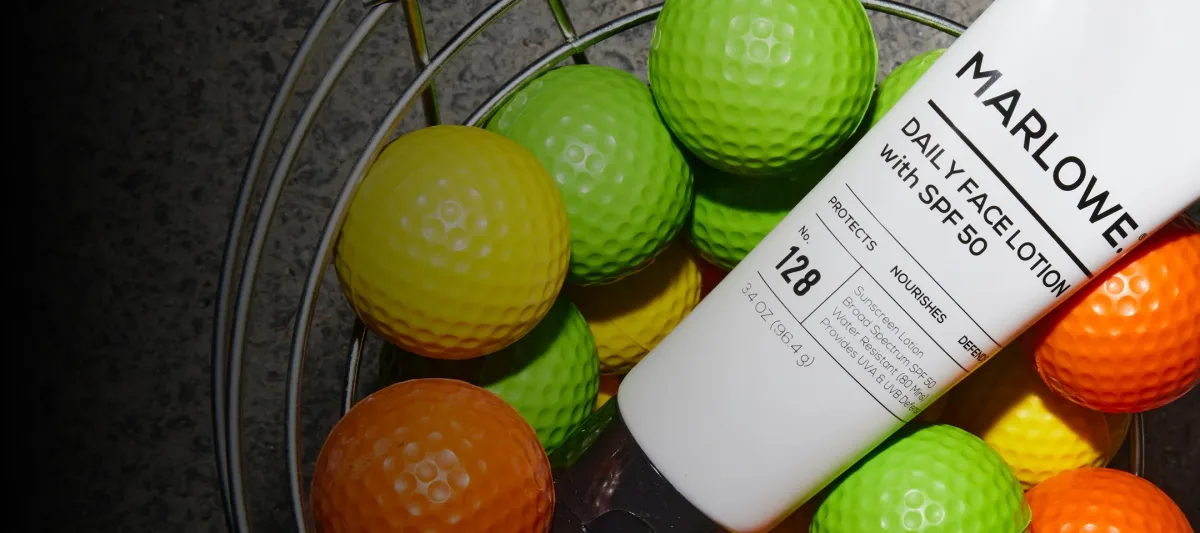
Marlowe's entire identity is built on not overthinking skincare. Its philosophy: effective products that work without a learning curve. Men's Health describes Marlowe's creams as smooth and long-lasting without being heavy — a description that matters for daily compliance.
What sets Marlowe apart isn't a specific ingredient or innovation — it's the fact that every product in the range is designed to be the right choice for most men without requiring them to understand why. Cleansers with strong, clean lathers. Moisturizers that absorb quickly. Deodorants that deliver day-long protection without complexity.
Honest limitation: Marlowe doesn't offer the skin-type specificity of Atwater. It's a generalist brand that works well for most men but isn't optimized for specific concerns like severe oiliness or significant sensitivity.
Best for: Men who want results without any research, any learning curve, or any decisions beyond "which scent."
Cetaphil — Best for Sensitive Skin and Complete Beginners
Cetaphil is widely available, affordable, and formulated with ingredients that dermatologists consistently recommend for sensitive skin. A board-certified dermatologist highlighted Cetaphil's use of glycerin, panthenol, and niacinamide as key reasons the brand works across multiple skin types without causing reactions.
For a man who has never used a dedicated skincare product and doesn't know his skin type yet, Cetaphil is the lowest-risk starting point available. Brands like CeraVe, Cetaphil, La Roche-Posay, and Kiehl's all offer effective, dermatologist-tested options that allow you to build an effective routine for under $30 with drugstore brands.
Honest limitation: Cetaphil won't optimize for oily skin the way Atwater does. It's a baseline, not a solution for specific skin concerns.
Best for: Men with sensitive skin, men who've had reactions to other products, and anyone starting completely from scratch who wants to minimize risk while learning their skin type.
Strive — Best New Brand of 2026
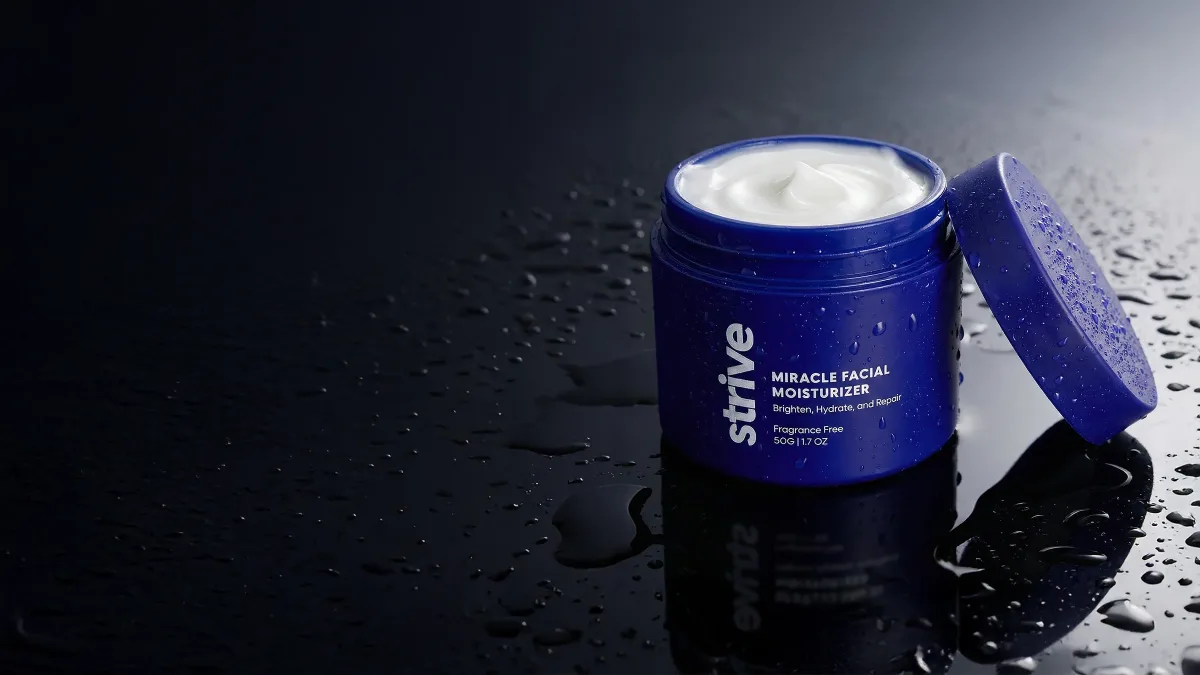
Strive was named AskMen's Best New Skincare Brand for 2026, according to the Strive Skin 2026 Industry Report. For men interested in newer, data-informed formulations built specifically around male skin science — rather than adapted from women's skincare lines — Strive represents the emerging wave.
Honest limitation: As a newer entrant, Strive has less long-term track record than established brands. Worth keeping in mind if you prefer proven formulations with years of independent testing.
Best for: Men who want to try the most current formulations and don't need the reassurance of a legacy brand name.
L'Oréal, Neutrogena, and NIVEA — Best for Accessibility
These three brands dominate global market share and are available in virtually every pharmacy and grocery store in the US. Their advantage is friction removal: you can start today without ordering online or waiting for shipping.
Their product ranges are broad enough to find something for most skin types, though the sheer number of options can recreate the overwhelm problem for beginners. Solution: go in knowing your skin type (use the test above), and look for the specific sub-line designed for it.
Best for: Men who want to start immediately and buy in person, or who want to test a budget option before committing to a premium brand.
Estée Lauder and Shiseido — Best for Advanced Routines
For men who have the core three locked in and want to invest in more sophisticated formulations, Estée Lauder and Shiseido offer premium options with strong research backing.
Estée Lauder's Advanced Night Repair is a widely-cited reference point among skincare experts for overnight recovery and fine-line reduction. Shiseido brings decades of research into skin biology and barrier function. These are not beginner products — their price points reflect that — but for men who are serious about long-term skin health, they represent a meaningful upgrade.
Best for: Men who already have a consistent 3-step routine and are ready to invest in targeted, evidence-backed actives.
Ingredient Literacy: What to Look For on the Label

Brand loyalty matters less than knowing what you're buying. Once you can read a label, you can evaluate any product — including new brands without years of track record.
The ingredients that earn their place in men's skincare:
Niacinamide — Reduces pore appearance, controls oil, and strengthens the skin barrier. One of the most versatile and well-researched ingredients for men's specific concerns (oiliness, enlarged pores, post-shave redness). Effective across oily, combination, and sensitive skin. Found in Cetaphil's formula and CeraVe's range.
Glycerin and hyaluronic acid — Humectants that draw moisture into the skin. Foundational in moisturizers for all skin types — including oily skin, which needs hydration even though it produces excess sebum. Dehydrated oily skin overproduces oil to compensate; adding a lightweight hydrator often reduces shine.
Retinol (vitamin A) — The most evidence-backed ingredient for reducing fine lines and improving skin texture. Encapsulated retinol releases gradually, reducing the irritation spike that makes beginners quit. Best introduced gradually, used at night only. Not a beginner ingredient — add it after the core three are consistent. Our deep-dive on retinol and peptides for anti-aging covers how to introduce it without damaging your skin barrier.
Vitamin C — Brightens skin tone and protects against environmental damage from pollution and UV exposure. 2026 is the year vitamin C became a staple for men — it's an antioxidant that neutralizes environmental damage and prevents the dark spots that often follow shaving nicks. Most effective in morning routines.
Ceramides — Lipids that repair and reinforce the skin barrier. Especially useful for dry skin and for skin compromised by daily shaving. Core component in CeraVe's entire product range.
Peptides — Signal proteins that stimulate collagen production. For men new to actives, peptides are the right starting point — with options like Medik8 Liquid Peptides cited among the most-recommended in 2026 for their lightweight texture and measurable plumping effect over 8 to 12 weeks.
SPF actives — Zinc oxide and titanium dioxide are mineral filters: less irritating, better for sensitive skin, but can leave a white cast on deeper skin tones. Avobenzone is a chemical filter: more cosmetically elegant but occasionally irritating. Knowing this helps you choose a sunscreen you'll actually wear daily.
What to watch out for: Fragrance and denatured alcohol are the most common irritants in men's products, particularly relevant for post-shave skin. If you experience redness or irritation after using a product, check the label for these first.
2026 Trends That Actually Affect What You Should Buy
Three shifts are reshaping men's skincare in ways that matter for practical purchasing decisions.
1. Functional formulations over fragrance
Men are now demanding products that perform scientifically and functionally without relying on scent to justify their price. This is a shift away from the heavily fragranced, marketing-led products that dominated men's grooming a decade ago. Brands responding to this lead with ingredient transparency and clinical claims rather than scent profiles. Atwater's non-toxic formulation philosophy is a concrete example.
2. AI-powered skin assessments
More brands now offer online skin assessments that generate personalized product recommendations. These are useful for men who don't know their skin type and don't want to experiment. Treat them as a starting point rather than a definitive diagnosis — and use the at-home test above to cross-check.
3. Sustainability as a real differentiator
McKinsey, Deloitte, and Nielsen data all point to sustainability as an increasing factor in US consumer purchasing. For men evaluating brands, this means looking for recyclable packaging, cruelty-free certification, and ingredient sourcing transparency — not just "natural" marketing language. The difference matters: a brand that builds sustainability into its formula (like Atwater's non-toxic ingredient philosophy) is different from one that adds a "natural" label without changing anything about the product.
Decision Framework: Which Brand Should You Start With?
| Your Situation | Start Here | Why |
|---|---|---|
| Complete beginner, unknown skin type | Cetaphil cleanser + moisturizer + any SPF 30+ | Lowest irritation risk; available anywhere; gentle enough while you learn your skin type |
| Oily or acne-prone skin | Atwater (oily skin line) | Specifically formulated for oily skin; structured lineup eliminates guesswork |
| Want simplicity above all | Marlowe | No learning curve; anti-overthinking brand philosophy; works for most men |
| Sensitive skin or shaving irritation | Cetaphil or fragrance-free options from Neutrogena/NIVEA | Proven gentle ingredients; low cost to experiment |
| Ready for advanced anti-aging | Estée Lauder Advanced Night Repair + a vitamin C serum | Strong evidence base; meaningful upgrade once basics are consistent |
| Want newest male-focused formulations | Strive | AskMen's Best New Brand 2026; built around male skin science |
| Budget-conscious starter | CeraVe (cleanser + moisturizer) + any SPF 30+ | Under $35 for a complete routine; dermatologist-recommended across multiple skin types |
One practical rule that prevents most beginner mistakes: Don't change more than one product at a time. If you introduce a new cleanser and a new moisturizer simultaneously and your skin reacts, you won't know which caused it. Introduce one product, wait two weeks, then add the next.
Frequently Asked Questions
Do men really need a separate skincare routine from women?
Not necessarily a different number of steps — but often different formulations. Male skin is roughly 25% thicker than female skin and produces more sebum due to testosterone. This means men often do better with lightweight, non-comedogenic formulas rather than rich creams designed for thinner female skin. The core ingredients (niacinamide, hyaluronic acid, SPF actives, retinol) work the same regardless of gender — the difference is in texture and oil control.
Is SPF really necessary every day, even indoors?
Yes. UV radiation penetrates windows, and cumulative daily exposure — even on cloudy days — accounts for the majority of visible aging. SPF 30+ daily sunscreen prevents up to 80% of visible skin aging — no serum or moisturizer comes close to that return on investment. If you're interested in the best mineral vs. chemical SPF options, our sunscreen buying guide covers it in detail.
How long before I see results from a new skincare routine?
Realistically: 4–6 weeks for texture improvements, 8–12 weeks for more significant changes to tone and pore appearance. Skin cell turnover takes roughly 28 days, so most products need at least one full cycle before results are visible. Don't judge a product before 30 days of consistent use.
Can men use women's skincare products?
Yes. Active ingredients don't discriminate by gender. The main differences in "men's" products are typically fragrance (often muskier), packaging, and sometimes texture (slightly lighter). Choose products based on your skin type and concerns, not by marketing labels.
What about collagen supplements — do they help skin?
The evidence is building. If you're interested in skin health from the inside out alongside topical skincare, our review of the best collagen supplements in 2026 covers the research on powders, gummies, and capsules and which formats show the most consistent results.
Where should I shop for men's skincare products?
Drugstore options (Cetaphil, Neutrogena, CeraVe, NIVEA) are available at most grocery and pharmacy chains. For a wider premium selection, Sephora and Ulta are the two dominant specialty retailers. Our Sephora review and Ulta vs. Sephora comparison break down the differences in product selection, loyalty programs, and shopping experience if you're deciding where to buy.
The Bottom Line
The best men's skincare brand in 2026 is not the most expensive one or the one with the most products — it's the one you'll actually use consistently. Three products, applied daily, will do more for your skin than an elaborate routine that falls apart by week two.
Start with your skin type. Choose one brand. Stick with it for 30 days.
If you're a beginner: Cetaphil. If you have oily skin: Atwater. If you want zero decision-making: Marlowe. If you want to go premium once the basics are locked in: Estée Lauder and Shiseido.
For anyone interested in rounding out their overall grooming and wellness routine, our Beauty Product Reviews & Buying Guides hub covers adjacent categories — from hair removal to nail care — using the same research-based, no-fluff approach.
Reviewed by the Trusted Buyer Report editorial team. This article was drafted with AI assistance and fact-checked before publishing. We may earn a commission from purchases made through links on this page — this never affects our editorial recommendations, which are finalized before any affiliate link is applied. Read our full disclosure →