This guide is based on manufacturer specifications, independent expert testing data, and verified customer feedback aggregated from Sleep Foundation, Forbes Vetted, Mattress Nerd, NapLab, and Moonchild. It does not reflect hands-on testing by Trusted Buyer Report. This article was drafted with AI assistance and fact-checked by our editorial team before publishing. We may earn a commission when you use our links to make a purchase — at no extra cost to you.
Quick Picks: Best Mattresses by Sleep Position
| Sleep Position | Top Pick | Firmness | Best For |
|---|---|---|---|
| Side sleeper | Helix Midnight Luxe | Medium (5/10) | Pressure relief at shoulder & hip |
| Back sleeper | Saatva Classic Luxury Firm | Medium-firm (6/10) | Lumbar support, dual-coil system |
| Stomach sleeper | WinkBed (Firm) | Firm (7–8/10) | Hip support, prevents lumbar hyperextension |
| Hot sleeper | Brooklyn Bedding Aurora Hybrid | Medium | Advanced cooling tech |
| Organic/latex | Avocado Green | Medium | Natural materials, no off-gassing |
Here is something most mattress guides won't tell you upfront: the "best-reviewed" mattress on any ranking list could actively make your sleep worse.
Not because it's a bad mattress. Because it was built for a different sleep position than yours.
A mattress that earns a perfect score for a back sleeper can cause shoulder and hip pain for a side sleeper using it the same night. Sleep position isn't a minor preference — it's the primary biomechanical variable that determines whether a mattress supports or stresses your spine.
This guide is built around that fact. Every recommendation is organized by sleep position first, then layered with firmness, body weight, and construction type. Whether you're replacing a mattress that never felt quite right or buying your first quality one, here's exactly what you need to know.
Why Sleep Position Is the Most Important Mattress Variable

Your sleep position determines where pressure concentrates on your body and how your spine naturally curves during rest.
- Side sleepers carry the full body weight through two narrow contact points — the shoulder and the outer hip. A mattress too firm causes numbness. Too soft, and the hip sinks deep enough to curve the spine laterally.
- Back sleepers need even support across the full posterior chain. Too soft, and the lower back sags into a hammock shape. Too firm, and the lumbar region loses contact with the surface entirely.
- Stomach sleepers distribute weight across a broad surface but risk hyperextending the lumbar spine if the hips sink too deeply.
As one mattress expert put it: "There's no single best mattress. There's only the mattress that fits your body and your sleep style" — with sleep position listed as the first key factor, ahead of body weight and budget.
Combination sleepers face a compounded challenge. They need a mattress that transitions well across positions throughout the night. A mattress optimized for side sleeping may let your hips sag when you roll onto your back. And body weight adds another layer: a heavier side sleeper compresses mattress layers more deeply than a lighter one, effectively experiencing a softer feel on the same model.
This is why the most rigorous mattress testing programs use panels of 30+ testers representing diverse body types, sleep positions, and weights — running each mattress through multiple weeks of real-world use. Forbes Vetted, for example, requires a minimum 30-night at-home testing phase for every mattress they evaluate.
If you're making several big home purchases at once, the Furniture & Appliances Buyer's Guide 2026 offers a useful framework for budgeting across large home investments.
Understanding Mattress Firmness: What the Scale Actually Means
The standard firmness scale runs from 1 (extremely soft) to 10 (extremely firm), with most sleepers landing in the 4–7 range. But here's a critical distinction most shoppers miss:
Firmness ≠ Support.
- Firmness describes how a mattress feels when you first lie down — determined by the top comfort layer.
- Support describes whether the mattress keeps your spine in neutral alignment over a full night — determined by the support core beneath.
A well-engineered soft mattress can provide excellent spinal support. A poorly engineered firm mattress can leave your lower back unsupported despite feeling hard underfoot.
How Body Weight Changes the Firmness You Experience
Body weight shifts how a firmness rating actually translates in practice:
Lighter sleepers (under 130 lbs) don't compress layers as deeply — a mattress rated 6/10 may feel more like a 7 or 8. These sleepers often benefit from going one step softer than standard position-based recommendations.
Heavier sleepers (above 230 lbs) compress layers more deeply — a medium-firm mattress may feel soft in practice. They typically need to target one step firmer.
Sleep Foundation's position-specific scoring for the Bear Elite Hybrid illustrates this precisely: the same mattress scores 9/10 for side sleepers in the 130–230 lb range, but 8.5/10 for both lighter and heavier side sleepers — not because the mattress changes, but because the experience of it does.
For couples with significantly different body weights, practical solutions include split-firmness mattresses (different firmness on each side), models with strong motion isolation, or choosing a middle-ground firmness and adding a mattress topper on one side.
Best Mattresses for Side Sleepers in 2026
Side sleeping is the most common sleep position. The target firmness range is medium to medium-soft — roughly 4–6 on the scale — allowing the shoulder and hip to sink slightly while keeping the thoracic and lumbar spine level.
Side sleepers with joint pain or pressure sensitivity benefit most from memory foam or softer hybrid constructions, which conform closely to body contours and distribute weight across a larger surface area.
Top Picks for Side Sleepers
1. Helix Midnight Luxe — Best Overall for Side Sleepers
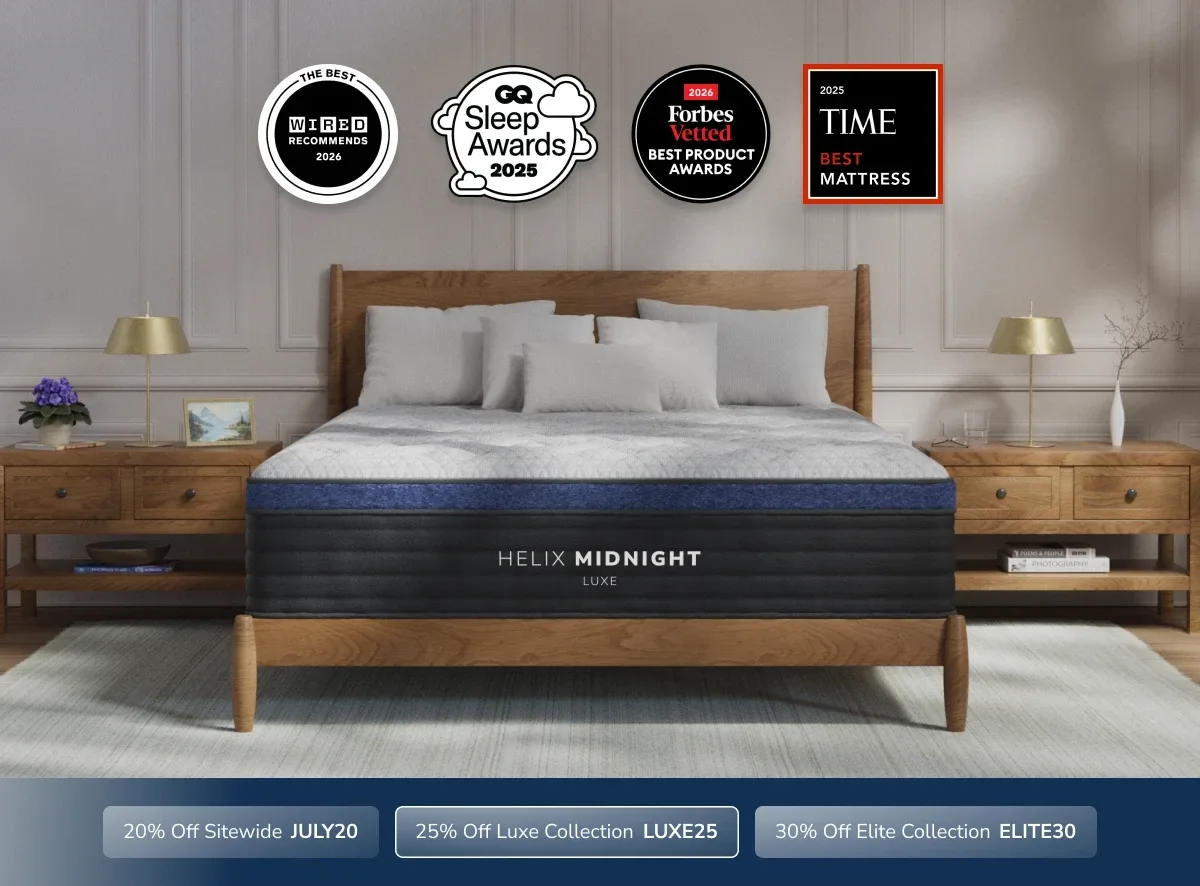
The Helix Midnight Luxe is named best overall mattress for side sleepers by both Sleep Foundation and Mattress Nerd. It sits at medium firmness (5/10) and pairs a plushy comfort layer with a supportive coil system that prevents the hips from over-sinking.
Mattress Nerd's expert testers specifically highlighted the comfort layer–coil combination as the reason it excels for side sleepers. It also performs well for couples — it appears on multiple best-for-couples lists, which matters for the many side sleepers sharing a bed with a partner in a different position.
2. Bear Elite Hybrid — Best for Side Sleepers 130–230 lbs
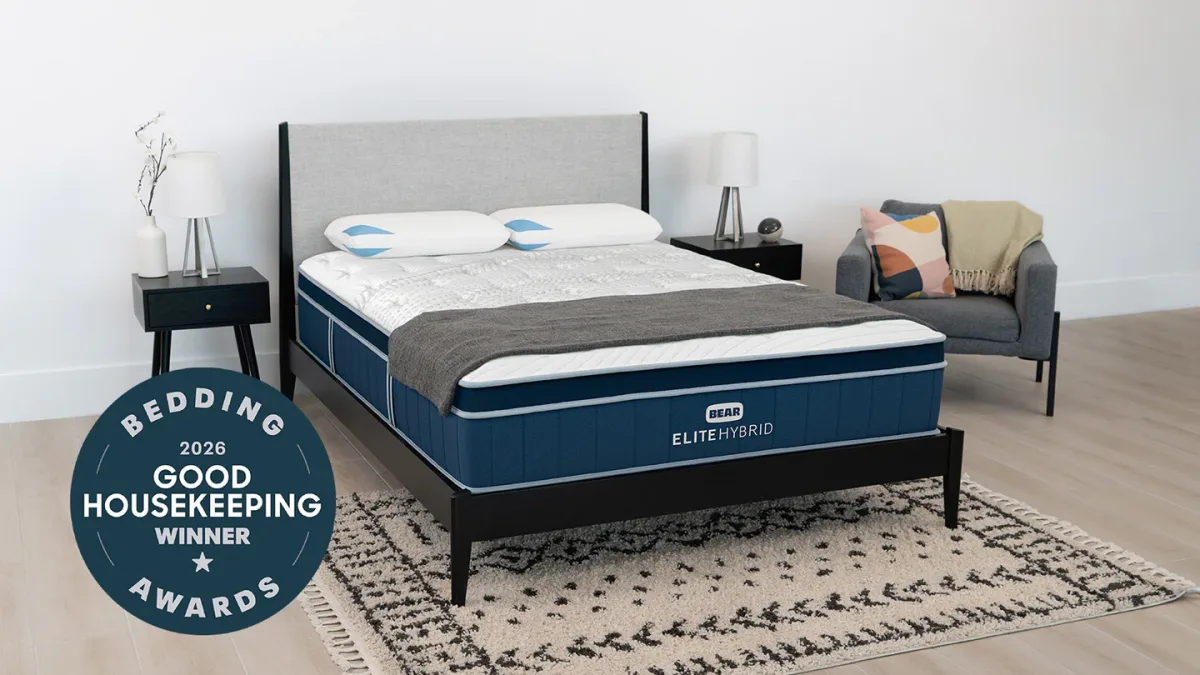
Sleep Foundation's weight-segmented testing gives this mattress a 9/10 for side sleepers in the 130–230 lb range. Its close-conforming memory foam hybrid delivers meaningful pressure relief at the shoulder and hip without sacrificing underlying support.
Lighter side sleepers (under 130 lbs) may want to consider a softer firmness option, as the standard model scores 8.5/10 at that weight range.
One Thing Most Side Sleeper Guides Skip
Pillow loft matters as much as mattress firmness. A higher-loft pillow is needed to fill the gap between the shoulder and the head when lying on your side. Even the best side-sleeper mattress won't fully compensate for a pillow that lets your head drop toward the surface or forces it too high.
Best Mattresses for Back Sleepers in 2026
Back sleeping is widely considered the most spine-neutral position — but only when paired with a mattress that maintains the natural lumbar curve. The recommended range is medium-firm to firm: roughly 5–7 on the scale.
Mattresses with zoned support systems offer a meaningful advantage here. They provide slightly more resistance in the lumbar zone and slightly less at the shoulders and heels — mirroring the natural contour of a spine in a supine position.
Top Picks for Back Sleepers
1. Saatva Classic (Luxury Firm) — Best Overall for Back Sleepers
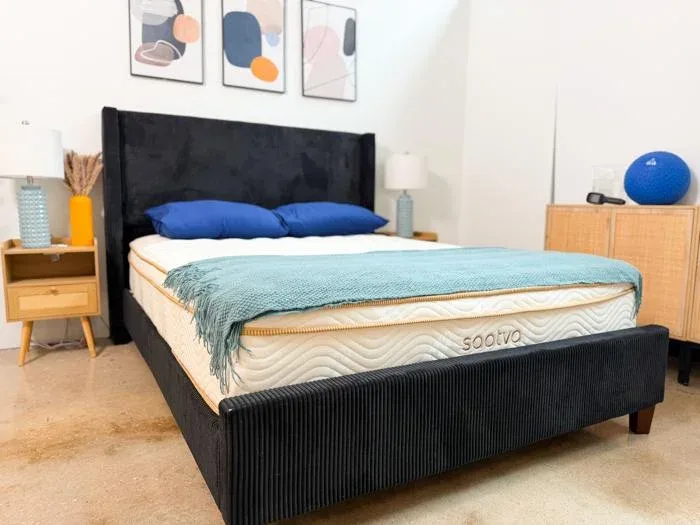
Named the best mattress for back sleepers by Moonchild's 2026 review. The Luxury Firm configuration sits in the medium-firm range and is built around a dual-coil system that provides both surface responsiveness and deep structural support.
One logistical note: the Saatva Classic ships fully assembled rather than compressed in a box. That affects setup but also means the coil system isn't subjected to compression during shipping — a real advantage for long-term coil integrity.
2. WinkBed (Firm) — Best for Back Sleepers with Lower Back Pain

NapLab names the WinkBed its Best Overall Performance mattress. The firm version delivers targeted lumbar support through a zoned coil system with "stronger coils through the lumbar area and slightly softer ones everywhere else" — exactly the construction that back sleepers with lower back pain should prioritize.
Back sleepers dealing with chronic lower back issues should treat zoned lumbar support as a non-negotiable feature, not a premium add-on. The difference between a flat-coil system and a zoned one is measurable in terms of pressure distribution across the lumbar spine.
Best Mattresses for Stomach Sleepers in 2026
Stomach sleeping is the most mechanically demanding position — and the most underserved in mainstream mattress guides. Mattress Nerd describes stomach sleepers as "a very exclusive club" where finding the right mattress is genuinely harder than for other positions.
The core problem is straightforward: if the hips sink too deeply, the lumbar spine hyperextends into an arched position, placing chronic stress on the lower back.
Firm to extra-firm — 7–10 on the scale — is the near-universal recommendation for stomach sleepers.
Forbes Vetted states it directly: a firm or extra-firm mattress is best for stomach sleepers because it "provides a supportive surface that lifts the hips and prevents lower back pain." This is one of the tightest expert consensuses in mattress guidance.
The exception: lighter stomach sleepers (under 130 lbs) may find medium-firm sufficient, because they don't compress the surface as deeply.
Additional Challenges Specific to Stomach Sleepers
Neck position is a secondary concern a mattress alone can't solve. Because the head turns to the side during stomach sleeping, the cervical spine is already rotated. A thick pillow compounds the strain. Mattress Nerd recommends a thinner, lower-loft pillow — or in some cases no pillow at all.
Some stomach sleepers also benefit from placing a thin pillow under the pelvis to reduce lumbar hyperextension, particularly on nights when the mattress feels less supportive than usual.
Arm position matters too. Stomach sleepers who raise their arms overhead are at higher risk for shoulder, back, and neck pain regardless of mattress choice — making arm position a separate variable to address.
Top Pick for Stomach Sleepers
WinkBed (Firm) — Best Overall for Stomach Sleepers
Named best mattress for stomach sleepers by Moonchild. Its firm configuration provides the hip-lifting support stomach sleeping requires, and its zoned coil system delivers targeted lumbar resistance without making the entire surface feel like a board.
Mattress Types Compared: Memory Foam, Innerspring, Hybrid, and Latex
Understanding mattress construction helps you evaluate any mattress on the market — not just the ones in this guide.
| Type | Best For | Key Limitation |
|---|---|---|
| Memory Foam | Side sleepers, joint pain, pressure relief | Retains heat; can feel restrictive for combination sleepers |
| Innerspring | Stomach and back sleepers, hot sleepers | Less pressure relief at shoulders and hips |
| Hybrid | Combination sleepers, most positions, couples | Heavier and more expensive than foam-only options |
| Latex | Hot sleepers, organic material preference, durability | Higher price point; heavier to move |
Where the market has landed in 2026: Hybrids remain the most popular choice for most sleepers, thanks to their balanced performance. The coil-plus-foam construction has matured enough to handle most sleep positions competently. If you run hot, lean toward latex or hybrids with advanced cooling technology. Side sleepers with joint pain typically do better on memory foam or softer hybrids.
For hot sleepers specifically: The Brooklyn Bedding Aurora Hybrid is one of the most cited options for temperature regulation in 2026 reviews.
For organic/natural material preference: The Avocado Green mattress builds with natural latex and certified organic materials for shoppers who prioritize material transparency and low chemical exposure.
If you're also furnishing other rooms, our guides to best office chairs for 2026 and best outdoor furniture cover other high-use purchases that benefit from the same level of research.
How Long Should You Trial a New Mattress?
At least 30 nights — and most sleep experts say up to 60 days for a fair assessment.
Forbes Vetted's testing protocol includes a minimum 30-night at-home phase precisely because initial impressions can be misleading. Your body needs time to adjust to a new sleep surface, and the first few nights on an unfamiliar mattress rarely reflect long-term comfort.
Most reputable mattress brands now offer 100-night sleep trials, with some extending to 365 nights. If a brand offers fewer than 30 nights, that's a red flag worth noting before purchase.
Where to Buy: Choosing a Reliable Mattress Retailer
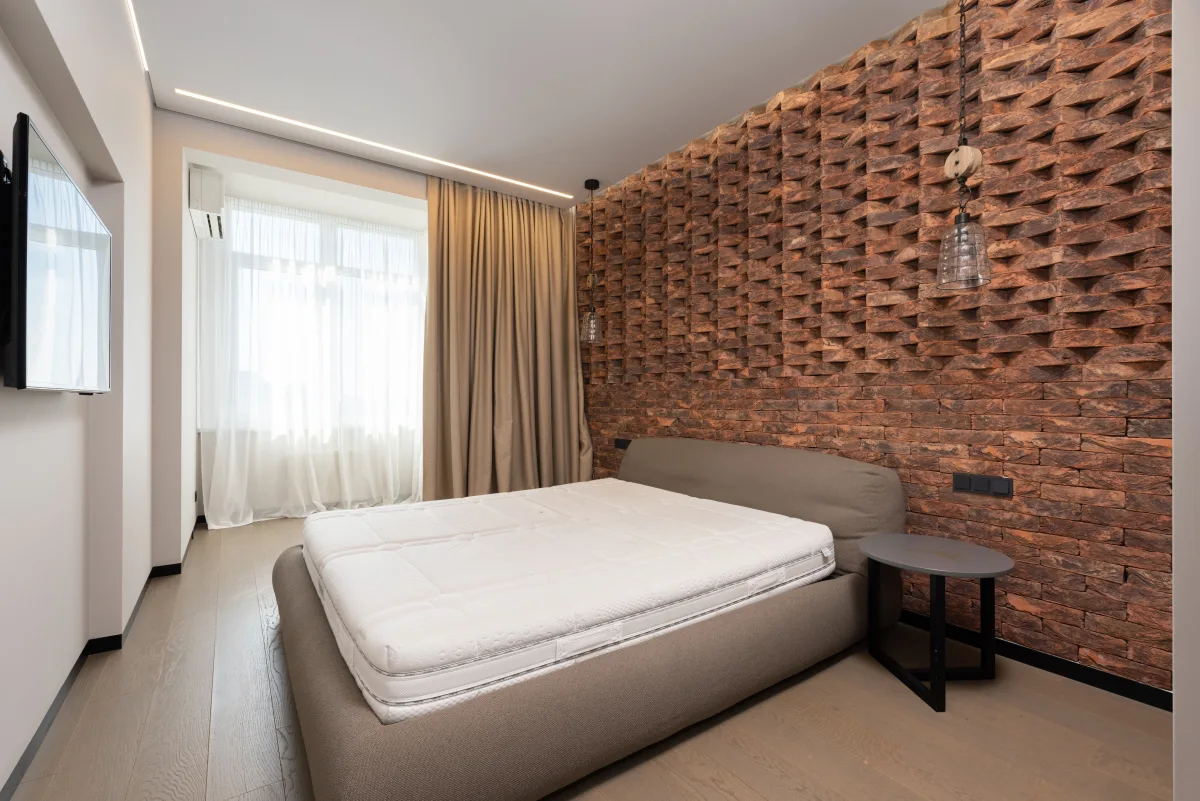
Online-direct mattress brands typically offer better value per dollar than traditional retail, because they cut out showroom markup. That said, return logistics matter: confirm the brand offers free returns or free pickup before you commit.
For shoppers who prefer browsing a curated selection from multiple brands, Wayfair carries a broad range of mattress types and price points. Our Wayfair review for 2026 covers what to expect from their delivery experience, return process, and overall quality. And if you're building out a full bedroom with furniture alongside your mattress, the IKEA US review is a useful reference for pairing affordable frames and bedroom furniture with your new mattress investment.
Looking to complete your bedroom setup? Our guide to best home decor online stores in 2026 rounds up the best places to source bedding, lighting, and accessories to go with your new mattress.
Frequently Asked Questions
What firmness mattress is best for side sleepers?
Medium to medium-soft — roughly 4–6 on the standard 1–10 firmness scale. This range allows the shoulder and hip to sink slightly into the mattress while keeping the spine level. Heavier side sleepers (above 230 lbs) should target the higher end of that range, closer to a 6, to prevent excessive sinkage.
Can a stomach sleeper use a medium-firm mattress?
In most cases, no. Forbes Vetted recommends firm to extra-firm (7–10 on the scale) for stomach sleepers because a softer surface allows the hips to sink, which hyperextends the lumbar spine. The exception: lighter stomach sleepers (under 130 lbs) may find medium-firm sufficient because they don't compress the surface as deeply.
Is a hybrid mattress better than memory foam for back sleepers?
Not universally, but hybrids have an edge for back sleepers who also run hot or move frequently during the night. The coil support core in a hybrid provides better airflow and more responsive repositioning than pure memory foam. For back sleepers who sleep cool and stay still, a high-quality firm memory foam can perform equally well.
How do I know if my current mattress is causing my back pain?
The clearest signal: you wake up with back or shoulder pain that improves within 30–60 minutes of getting up. Pain that's worse in the morning and eases through the day is strongly associated with mattress fit, not an unrelated condition.
What mattress is best for couples with different sleep positions?
A hybrid mattress in the medium to medium-firm range (5–6/10) typically performs best as a compromise. Look for strong motion isolation scores and consider whether a split-firmness model (where each side has a different firmness setting) is worth the additional cost if your needs differ significantly.
How long does a quality mattress last?
Most quality innerspring and hybrid mattresses last 7–10 years under normal use. Memory foam mattresses typically last 8–10 years before significant sagging or loss of support. Latex mattresses often outlast both, with some lasting 12–15+ years. Heavier sleepers typically experience faster wear on comfort layers, regardless of construction type.
The Bottom Line: Which Mattress Should You Buy in 2026?
Here's the short version:
- Side sleeper → Helix Midnight Luxe (medium, 5/10). Best pressure relief at shoulder and hip.
- Back sleeper → Saatva Classic Luxury Firm or WinkBed (Firm). Prioritize zoned lumbar support if you have lower back pain.
- Stomach sleeper → WinkBed (Firm). Non-negotiable: you need firm to extra-firm, full stop.
- Hot sleeper → Brooklyn Bedding Aurora Hybrid. Best temperature regulation in 2026 reviews.
- Organic preference → Avocado Green. Natural latex, certified organic materials.
- Couples with different needs → Start with a hybrid in the medium-firm range; consider split-firmness if your needs are very different.
The trial period is your safety net. Use it. Most people know within 3–4 weeks whether a mattress is working for them — and most brands make returns straightforward during the trial window.
This guide is based on manufacturer specifications, independent testing data, and verified customer feedback from Sleep Foundation, Forbes Vetted, Mattress Nerd, NapLab, and Moonchild Sleep. It does not reflect hands-on testing by Trusted Buyer Report. This article was drafted with AI assistance and fact-checked by our editorial team before publishing. Trusted Buyer Report may earn a commission from purchases made through links on this page, at no extra cost to you. Read our full disclosure → · Review methodology →