This article was researched and drafted with AI assistance, then reviewed and fact-checked by our editorial team. We may earn a commission from purchases made through links on this page — our rankings are finalized before affiliate links are applied. Read our full disclosure →
TL;DR — Key Takeaways:
- Most people kill plants by choosing the wrong plant for their light conditions, not because they lack a green thumb.
- Air-purifying benefits are real but modest in a real home — plants complement ventilation, not replace a HEPA purifier.
- Snake plant and pothos are the two most forgiving picks for beginners and low-light spaces.
- Spider plant and areca palm are the safest choices for homes with cats or dogs.
- Boston fern delivers the best air-purifying performance — but demands the most care.
- Match the plant to the room first. Everything else is secondary.
The Biggest Mistake Plant Buyers Make (It's Not About Having a Green Thumb)
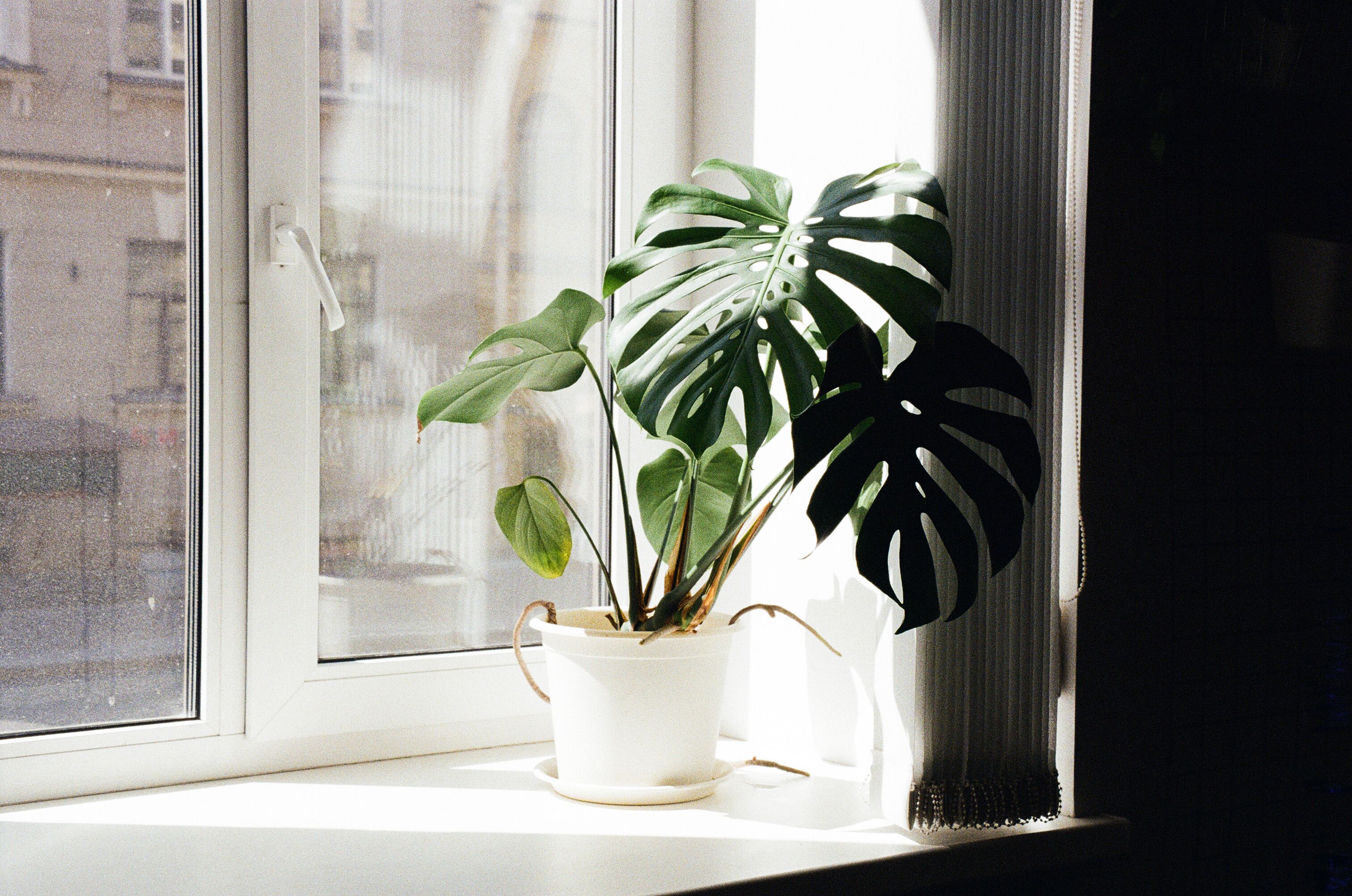
You've probably killed a plant before. Most people have.
Here's the thing: it almost certainly wasn't your fault. It was a mismatch — between the plant's requirements and the room it ended up in.
Most "best indoor plants" lists rank by popularity or visual appeal, not by fit. They'll tell you to buy a peace lily for air purification without mentioning it hates direct sun — so it ends up on a bright windowsill, struggles for three weeks, and you conclude you just can't keep plants alive.
This guide is structured differently. Every plant recommendation in this article comes with honest care expectations, a straightforward take on its air-purifying contribution, and specific guidance on which rooms and lifestyles it actually suits.
Before you look at a single plant profile, answer these three questions about your space:
- How much natural light does the room get, and at what time of day?
- How often will you realistically water — every few days, once a week, or whenever you happen to remember?
- Is your goal primarily aesthetic, air quality, or both?
Your answers will do more to predict success than any ranked list.
How Indoor Plants Actually Purify Air: The Science Without the Hype
Plants absorb volatile organic compounds (VOCs) — including formaldehyde, benzene, and xylene — through their leaves and root systems. This process was documented in NASA's Clean Air Study, which remains the foundational reference cited across most air-purifying claims online.
Here's what those guides usually leave out: the NASA experiments used sealed chamber conditions with concentrated pollutant levels — not the ventilated, variable environment of an actual home. Follow-up peer-reviewed research has consistently found that the number of plants required to meaningfully reduce VOCs in a typical room is far higher than most people keep.
Filterbuy's air quality team, staffed by certified HVAC professionals and updated as of April 2026, notes that larger plants with more leaf surface area absorb more — but that distributing several smaller plants throughout a room can be equally effective as a single large specimen.
Plants also contribute indirectly through transpiration — releasing water vapor that raises ambient humidity and can reduce airborne dust. This secondary benefit is consistent and real, even in homes where VOC levels are low to begin with.
The honest takeaway: indoor plants are a meaningful complement to good ventilation, not a replacement for it. If indoor air quality is a real concern, a HEPA air purifier remains the more effective primary tool. Plants are a worthwhile, low-cost addition — just not a substitute.
How This Guide Was Researched
This guide is based on manufacturer specifications, published horticultural research, and verified expert sources including Wagner Greenhouses, Filterbuy.com, Almanac.com, Soltech, and Dennis' 7 Dees garden center (whose 2026 plant guide is authored by Garden Designer and MS Plant Biology holder Andrea Melnychenko). It does not reflect hands-on testing by Trusted Buyer Report. For plants featured in this guide, we cite our sources so you can verify independently.
The Core Easy-Care, Air-Purifying Plants of 2026

The plants below were selected against four criteria: documented VOC absorption, tolerance for imperfect care, adaptability across a range of indoor light levels, and consistent availability through mainstream nurseries and online retailers.
For 2026, the most consistently recommended options across expert sources are snake plant, pothos, peace lily, spider plant, rubber plant, and areca palm. These form the reliable core of any beginner-friendly, air-purifying collection.
Several newer picks — Aglaonema Maria, Philodendron Green Princess, Neon Pothos 'Electric Lime,' and Sansevieria Zeylanica — have also gained traction this year based on their proven performance in real-home conditions.
Plant Profiles: Care, Air-Purifying Strengths, and Best-Fit Owner
1. Snake Plant (Sansevieria / Dracaena trifasciata)

Best for: beginners, forgetful waterers, bedrooms, dim offices
The single most forgiving plant on this list. Snake plant tolerates low light, infrequent watering, and temperature fluctuations that would stress most other species. It removes formaldehyde and benzene from the air and performs CAM photosynthesis — meaning it releases oxygen at night rather than during the day, making it genuinely better suited to bedrooms than most alternatives.
Water every two to six weeks depending on the season. Overwatering is the only common way to kill it. When in doubt, wait another week.
The Sansevieria Zeylanica variety, highlighted by horticulture content creators in January 2026, is particularly reliable for low-light apartments where standard snake plants may grow slowly.
2. Pothos (Epipremnum aureum)

Best for: any room, any experience level, hanging baskets, shelves
Wagner Greenhouses describes pothos as "arguably the easiest houseplant to care for," and that reputation is well-earned. It tolerates low light, low humidity, and irregular watering while removing a broad range of indoor VOCs.
One useful care insight from Wagner Greenhouses: leaf color indicates light preference. Darker-leafed varieties thrive with less light; variegated varieties like the Neon Pothos 'Electric Lime' need brighter conditions to maintain their color.
Pothos works in kitchens, bathrooms, on shelves, and in hanging baskets. It will show stress through drooping before it reaches a point of no return, giving you time to correct course. There is almost no way to kill it with too little water.
3. Peace Lily (Spathiphyllum)

Best for: bathrooms, humid rooms, indirect-light spaces
Peace lily removes ammonia, formaldehyde, and benzene — and it flowers, which is a genuine aesthetic bonus. But here's the placement mistake most buyers make: it prefers indirect light and higher humidity. Put it on a sunny south-facing windowsill and it will struggle. Put it on a bathroom shelf and it will thrive.
Filterbuy.com specifically recommends peace lily for bathrooms alongside Boston fern and English ivy, noting its compatibility with naturally humid conditions.
Important caveat: peace lily is toxic to cats and dogs. If you have pets, choose spider plant or areca palm instead.
4. Spider Plant (Chlorophytum comosum)

Best for: pet owners, kitchens, hanging baskets, beginners
Spider plant is one of the few air-purifying plants that is completely non-toxic to cats and dogs — a critical distinction confirmed by the ASPCA Toxic and Non-Toxic Plant database, cited by Filterbuy.com. It removes formaldehyde and xylene, thrives in indirect light, and is very forgiving with watering.
It also produces offshoots ("spiderettes") that can be propagated into new plants, making it a cost-effective way to fill multiple rooms over time. If you have pets and want an air-purifying plant with zero safety concerns, this is the most practical choice.
5. Areca Palm (Dypsis lutescens)
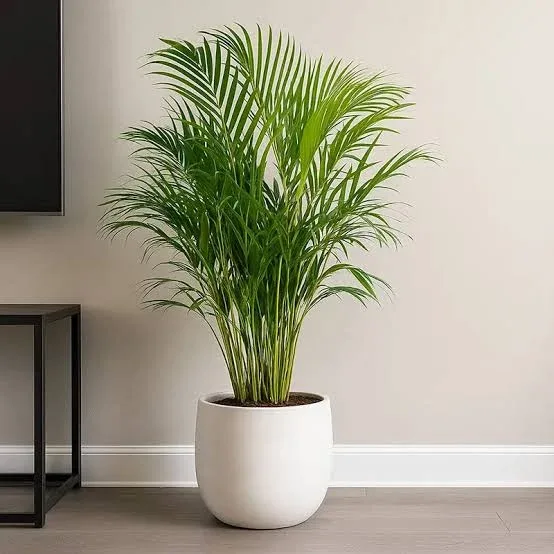
Best for: bright living rooms, experienced plant owners, statement pieces
Areca palm is one of the most effective plants for removing xylene and toluene, and it acts as a natural humidifier through its high transpiration rate. It's listed by Wagner Greenhouses among the top ten air-purifying houseplants (under its alternate name, bamboo palm).
Here's the catch: it requires bright indirect light and consistent moisture, making it more demanding than snake plant or pothos. Its size makes it a strong visual anchor for living rooms and large open-plan spaces — but it's a better fit for experienced plant owners than true beginners.
It is also non-toxic to pets, which makes it one of the few large, statement plants that is safe in homes with cats or dogs.
6. Rubber Plant (Ficus elastica)
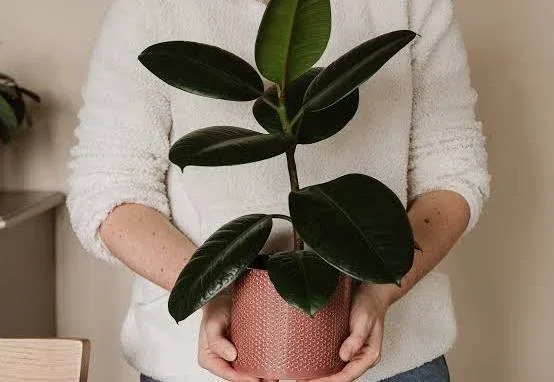
Best for: bright living rooms, low-maintenance statement plants
The rubber plant removes formaldehyde and makes a bold visual statement with its large, glossy leaves. It prefers bright indirect light and has low watering needs — allow the soil to dry out completely between waterings. Filterbuy.com specifically recommends it for living rooms alongside areca palm and pothos.
With minimal effort, it can grow into a substantial indoor tree. For anyone who wants the presence of a large plant without the maintenance anxiety of a fiddle leaf fig, the rubber plant is the more reliable choice.
7. Philodendron
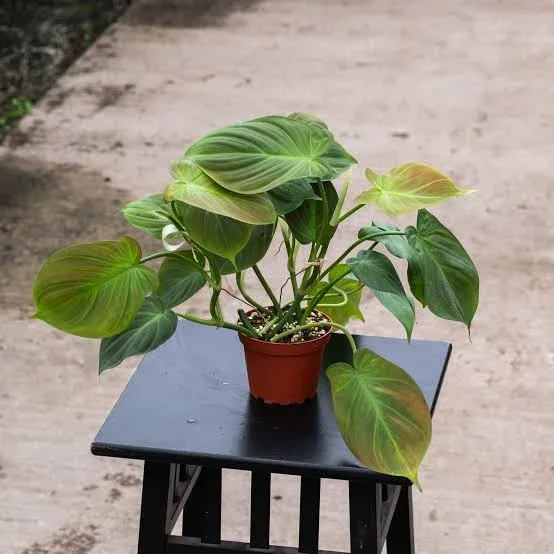
Best for: shelves, hanging baskets, beginners who want fast growth
Almanac.com describes philodendrons as "practically bulletproof plants" that remove formaldehyde and tolerate everything from full sun to shade as long as they're watered regularly. Their fast-growing trailing vines make them natural fits for shelves and hanging baskets.
The Philodendron Green Princess, flagged as a 2026 standout by plant enthusiasts for its low-maintenance profile, handles inconsistent watering without visible distress and works well in both bright and lower-light conditions.
8. Dracaena
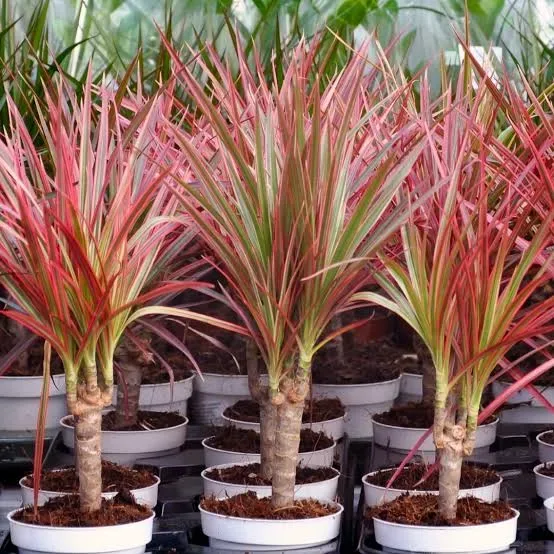
Best for: offices, computer areas, low-maintenance environments
Dracaena is especially effective at removing trichloroethylene — a compound that can off-gas from certain synthetic materials in homes and is associated with dry-cleaning solvents. Almanac.com specifically recommends the 'Janet Craig' variety for offices and near computer desks, noting both its effectiveness against trichloroethylene and its tolerance for the benign neglect that most office plants experience.
It also removes formaldehyde and benzene. If you're furnishing a home office and want an air-purifying plant that won't punish you for forgetting to water it for two weeks, dracaena is the most practical choice. If you're putting together a functional, well-designed home workspace, it pairs well with ergonomic office chairs built for long WFH hours.
9. Boston Fern (Nephrolepis exaltata)
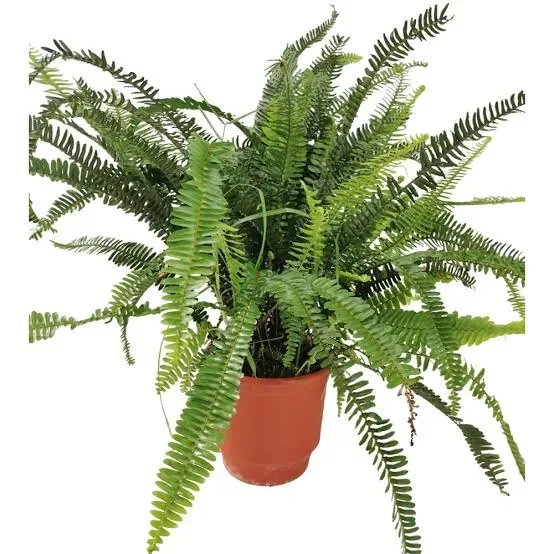
Best for: experienced plant owners, humid bathrooms, dedicated plant enthusiasts
Boston fern is one of the most effective plants on this list for filtering xylene, toluene, and benzene. It demands more attention than anything else here. It requires frequent watering and misting to replicate the humid conditions of its native South American habitat.
Wagner Greenhouses recommends placing an indoor humidifier nearby to reliably provide the humidity levels it needs. If you can meet those requirements — particularly in a naturally humid bathroom — it rewards you with exceptional air-filtering performance. If you can't, don't buy it.
10. Aloe Vera
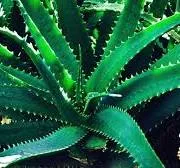
Best for: sunny kitchens, bright windowsills, functional-plus-decorative value
Aloe vera removes formaldehyde and benzene and requires bright light and infrequent watering — the opposite care profile from Boston fern. It doubles as a practical household plant; the gel inside its leaves is widely used for minor burns and skin irritation.
It's an ideal sunny windowsill plant that asks very little of its owner. The main requirement is light — without a bright window, it will decline slowly.
2026 Trend Watch: Newer Plants Worth Considering
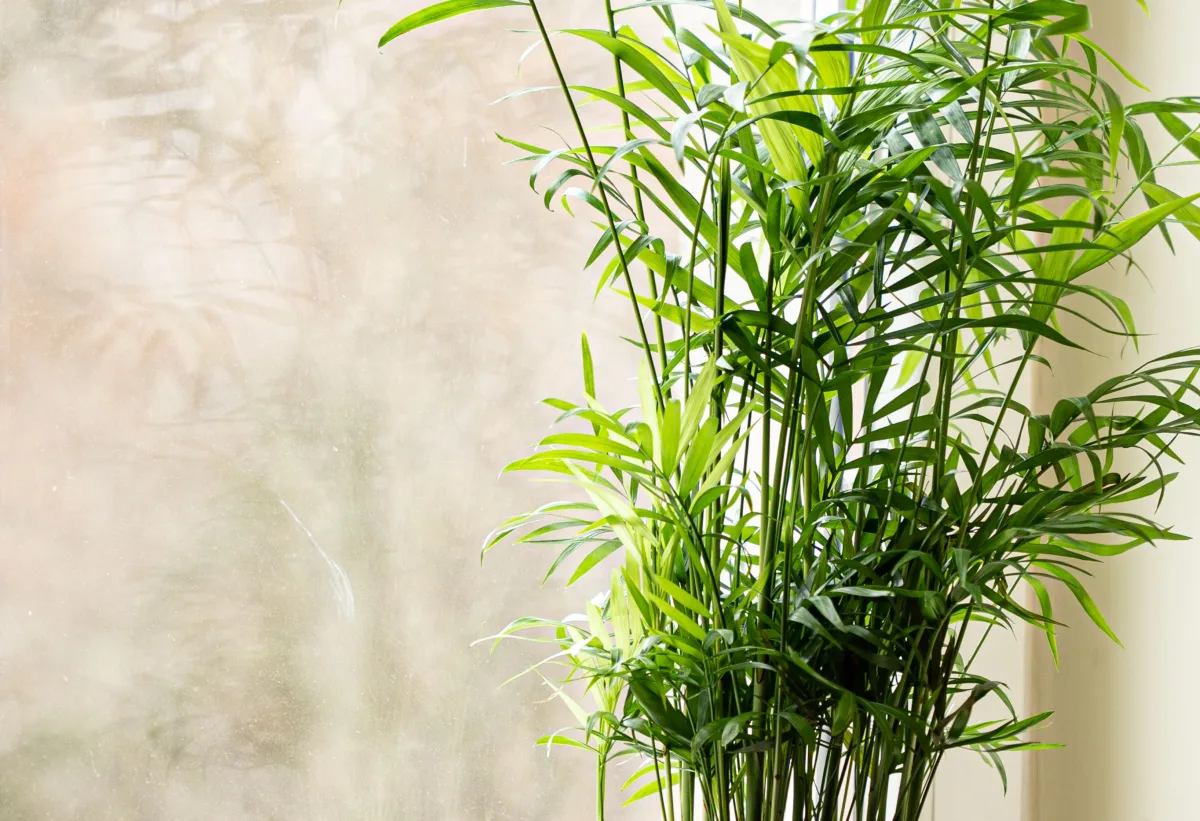
Several plants are gaining genuine momentum in 2026 beyond the established core list.
Soltech highlights the Neon Pothos 'Electric Lime' as nearly indestructible — it carries all the resilience of standard pothos with a vivid lime-green color that works particularly well against dark shelving in urban apartments. If you already own a golden pothos and want something visually bolder without taking on more care demands, this is the natural next step.
Soltech also features the Ficus Triangularis 'Variegata' (Sweetheart Tree) as a 2026 standout. Its heart-shaped, white-edged leaves offer a softer aesthetic than most indoor trees, and it is significantly more resilient than the fiddle leaf fig — a plant that has frustrated owners for years with its sensitivity to drafts and inconsistent watering.
Dennis' 7 Dees features the Cinnamon Tree as an unexpected but increasingly popular indoor pick. It grows moderately, drops very few leaves, and — usefully for new plant owners — visibly wilts when it needs water and perks back up after watering. That visual feedback loop removes much of the guesswork that causes overwatering and underwatering.
Tillandsia (air plants) continue to attract interest for their soil-free growing style. They absorb moisture and nutrients through their leaves, require no potting medium, and suit people who want greenery without soil mess. Their air-purifying capacity is more limited than leafier plants due to lower leaf surface area, but they're genuinely low-maintenance and work well in terrariums and small spaces.
Room-by-Room Placement Guide
Matching a plant to the right room matters more than any other single decision. Here's what works where:
| Room | Best Plants | Why |
|---|---|---|
| Bedroom | Snake plant | CAM photosynthesis = oxygen released at night, not carbon dioxide |
| Bathroom | Peace lily, Boston fern, English ivy | High humidity supports their care needs naturally |
| Living room | Rubber plant, areca palm, pothos | Handles variable conditions, temps, and foot traffic |
| Home office | Dracaena, snake plant | Tolerates neglect; dracaena targets trichloroethylene near electronics |
| Kitchen | Pothos, spider plant, aloe vera | Tolerates humidity swings from cooking; aloe vera doubles as first aid |
| Low-light hallway | Snake plant, ZZ plant | The only reliable choices where no direct natural light reaches |
If you're thinking about plants as part of a wider home refresh, they pair naturally with other improvements — a considered home decor shopping guide can help you find where to source planters, stands, and accessories that suit your aesthetic. And if you're placing larger plants as room anchors, the furniture and appliances buyer's guide for 2026 covers how to think about scale and proportion when mixing greenery with furniture.
Quick Comparison: Air-Purifying Performance vs. Care Difficulty
| Plant | VOCs Targeted | Care Level | Light Needs | Pet Safe? |
|---|---|---|---|---|
| Snake Plant | Formaldehyde, benzene | Very easy | Low–bright indirect | No |
| Pothos | Broad VOCs | Very easy | Low–bright indirect | No |
| Peace Lily | Ammonia, formaldehyde, benzene | Easy | Low–indirect | No |
| Spider Plant | Formaldehyde, xylene | Easy | Indirect | Yes |
| Areca Palm | Xylene, toluene | Moderate | Bright indirect | Yes |
| Rubber Plant | Formaldehyde | Easy | Bright indirect | No |
| Philodendron | Formaldehyde | Easy | Low–bright indirect | No |
| Dracaena | Trichloroethylene, formaldehyde | Easy | Indirect | No |
| Boston Fern | Xylene, toluene, benzene | Demanding | Indirect + humidity | Yes |
| Aloe Vera | Formaldehyde, benzene | Easy | Bright/direct | No |
Frequently Asked Questions
Do indoor plants actually clean the air in a meaningful way?
Yes, but with important caveats. Plants absorb VOCs through their leaves and root systems — this is well-documented. However, the effect in a typical home is modest compared to a dedicated air purifier. The original NASA research used sealed chambers with concentrated pollutants; real homes have ventilation, air leaks, and much larger air volumes. Plants are a worthwhile complement to good ventilation, not a replacement for it.
Which plant is best for someone who has killed every plant they've ever owned?
Snake plant or pothos. Both tolerate low light, irregular watering, and a range of humidity levels. Snake plant is particularly resistant to damage if you err on the side of too little water. Pothos will show stress through drooping leaves before it reaches a point of no return, giving you time to correct course.
Are any of these plants safe for homes with cats or dogs?
Spider plant and areca palm are non-toxic to cats and dogs, according to the ASPCA Toxic and Non-Toxic Plant database. Peace lily, pothos, philodendron, and dracaena are toxic to pets and should be placed out of reach or avoided in pet-heavy households.
How many plants do I need to actually improve air quality in a room?
More than most people keep. Rather than a specific number, the more practical approach is to distribute several plants of varying sizes throughout a room. Filterbuy.com confirms that multiple smaller plants distributed across a room can be as effective as a single large plant for VOC reduction.
Is a snake plant really better for bedrooms than other plants?
It has a genuine, specific advantage: snake plant uses CAM photosynthesis, which means it releases oxygen at night rather than during the day. Most other plants do the opposite after dark — absorbing oxygen and releasing carbon dioxide. This makes snake plant a more logical choice for a sleeping space than pothos, rubber plant, or peace lily.
What is the easiest air-purifying plant for a low-light apartment?
Snake plant is the most reliable choice for genuinely low-light conditions. Pothos and philodendron are close seconds — they prefer indirect light but tolerate low light better than most species. Avoid areca palm, aloe vera, and rubber plant in low-light spaces; all three need bright indirect light to thrive long-term.
Where is the best place to buy indoor plants online in 2026?
Most of the plants in this guide are available through major retailers like Amazon, The Sill, Bloomscape, and local nursery networks. For a broader look at how online home retailers compare on selection, quality, and delivery, the Wayfair 2026 review and IKEA US review both cover home goods options beyond just plants — useful if you're also sourcing planters, shelving, or furniture alongside your greenery.
Final Recommendation: Match the Plant to Your Reality
There is no single best indoor plant for 2026. There is only the best plant for your specific room, schedule, and goals.
Use this framework:
- Low light + forgetful waterer: Snake plant (Sansevieria Zeylanica or standard). No other plant on this list tolerates both conditions simultaneously as reliably.
- Pets in the home: Spider plant or areca palm. Both are ASPCA-confirmed non-toxic and reasonably easy to care for.
- Best air-purifying performance, willing to do the work: Boston fern in a humid bathroom, paired with a humidifier. Higher effort, stronger filtration for xylene, toluene, and benzene.
- Visual statement with low maintenance: Rubber plant in a bright living room, or Ficus Triangularis 'Variegata' for a smaller space. Both offer tree-like presence without the fragility of a fiddle leaf fig.
- Complete beginner who wants guaranteed success: Golden pothos or Neon Pothos 'Electric Lime.' Nearly indestructible, fast-growing, and available everywhere.
- Bedroom plant that supports sleep environment: Snake plant, specifically for its nighttime oxygen release through CAM photosynthesis.
- Something genuinely new in 2026: Aglaonema Maria for low-maintenance plants with distinctive foliage, or the Cinnamon Tree if you want an indoor tree that tells you when it's thirsty.
Start with one plant matched to your actual conditions. Get comfortable with its rhythms before expanding. The plant owners who succeed long-term aren't the ones who buy the most plants at once — they're the ones who chose the right plant for the right room from the beginning.
Reviewed by the Trusted Buyer Report editorial team. This article was drafted with AI assistance and fact-checked before publishing. Trusted Buyer Report may earn a commission when you make a purchase through our links. Read our methodology → | Affiliate disclosure →