Reviewed by the Trusted Buyer Report Editorial Team. This guide is based on manufacturer specifications, independent lab results from Consumer Reports and TechGearLab, and verified customer feedback aggregated across hundreds of reviews. It does not reflect hands-on testing by Trusted Buyer Report. We may earn a commission from purchases made through links on this page. Drafted with AI assistance and fact-checked by our editorial team before publishing.
Picking the wrong cordless drill in 2026 is expensive in two ways: the drill itself and the battery ecosystem you're locked into for years.
This guide cuts through 50+ models down to seven that actually earn their place — ranked by use case, not by which brand paid the most for placement. We looked at lab data from Consumer Reports (which tested over 50 models), aggregated verified buyer reviews, and current pricing to give you a clear answer: which drill, for whom, and why.
Quick verdict: For most US homeowners and DIYers, the DeWalt DCD801B 20V MAX XR is the best overall cordless drill in 2026 — brushless motor, compact at 6.37 inches, and part of the largest tool ecosystem in the country. For professional tradespeople, the Milwaukee M18 FUEL 2904-20 is the stronger choice. For tight budgets, the Ryobi PCL206B ONE+ at around $46 (tool only) gets you into a solid platform without overpaying.
How This Guide Was Researched
We synthesized data from three primary sources: Consumer Reports' lab tests on 50+ cordless drills (testing power, speed, run time, and recharge time), TechGearLab's head-to-head drilling and driving metrics, and aggregated verified buyer reviews from Amazon and retailer sites. We cross-referenced pricing data from multiple US retailers and noted significant price trends, including a tariff-related price increase on DeWalt tools expected in August 2026.
We did not purchase or personally test these drills. Our advantage is different: we can track performance patterns across hundreds of owner reviews over time, including failure rates and long-term durability data that a single hands-on test can't capture.
What to Look for in a Cordless Drill in 2026: 4 Things That Actually Matter
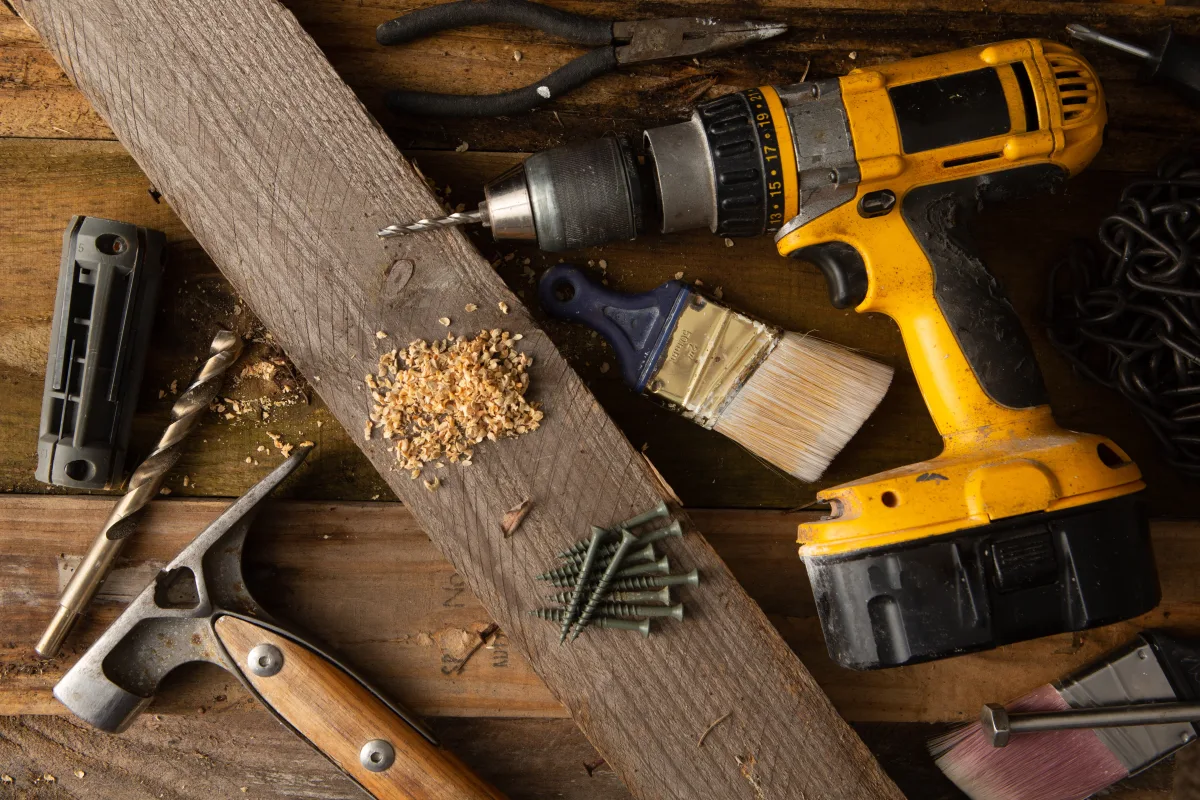
Before the picks — four criteria that determine whether a drill will serve you well or frustrate you within six months.
1. Brushless motor (non-negotiable in 2026) The price gap between brushed and brushless has nearly disappeared. Brushless motors deliver 30–50% longer runtime per charge, generate less heat, and last significantly longer. According to aggregated specs and verified buyer data, brushless drills are now the standard recommendation across all price tiers. If a drill you're considering is brushed, keep looking.
2. Battery platform — this is the real decision The drill you buy today is the entry point into an ecosystem you'll use for years. DeWalt's 20V MAX platform is compatible with over 300+ tools and has the broadest big-box retail footprint in the US. Milwaukee's M18 has the deepest lineup for professional trades (electricians, plumbers, HVAC). Makita's 18V LXT is mature, often more affordable on accessories, and favored by woodworkers and finish carpenters. Choose your platform first, then choose the drill.
3. Weight and length (underrated, critical) A drill that weighs 4.6 lbs feels completely different from one at 2.3 lbs after an hour of overhead work. Compact drills (under 6.5 inches in length) matter enormously for cabinet work, electrical boxes, and tight framing bays. Weight specs are always listed — don't skip them.
4. Hammer drill mode: do you need it? For most DIY projects involving wood, drywall, and metal, you don't need hammer mode. But if you ever plan to mount something into concrete, brick, or cinder block — TV brackets, garage shelving, deck ledger boards — the $20–$30 premium for hammer function pays for itself on the first concrete hole you drill. Worth it as a hedge.
The 7 Best Cordless Drills in 2026
1. DeWalt DCD801B 20V MAX XR — Best Overall
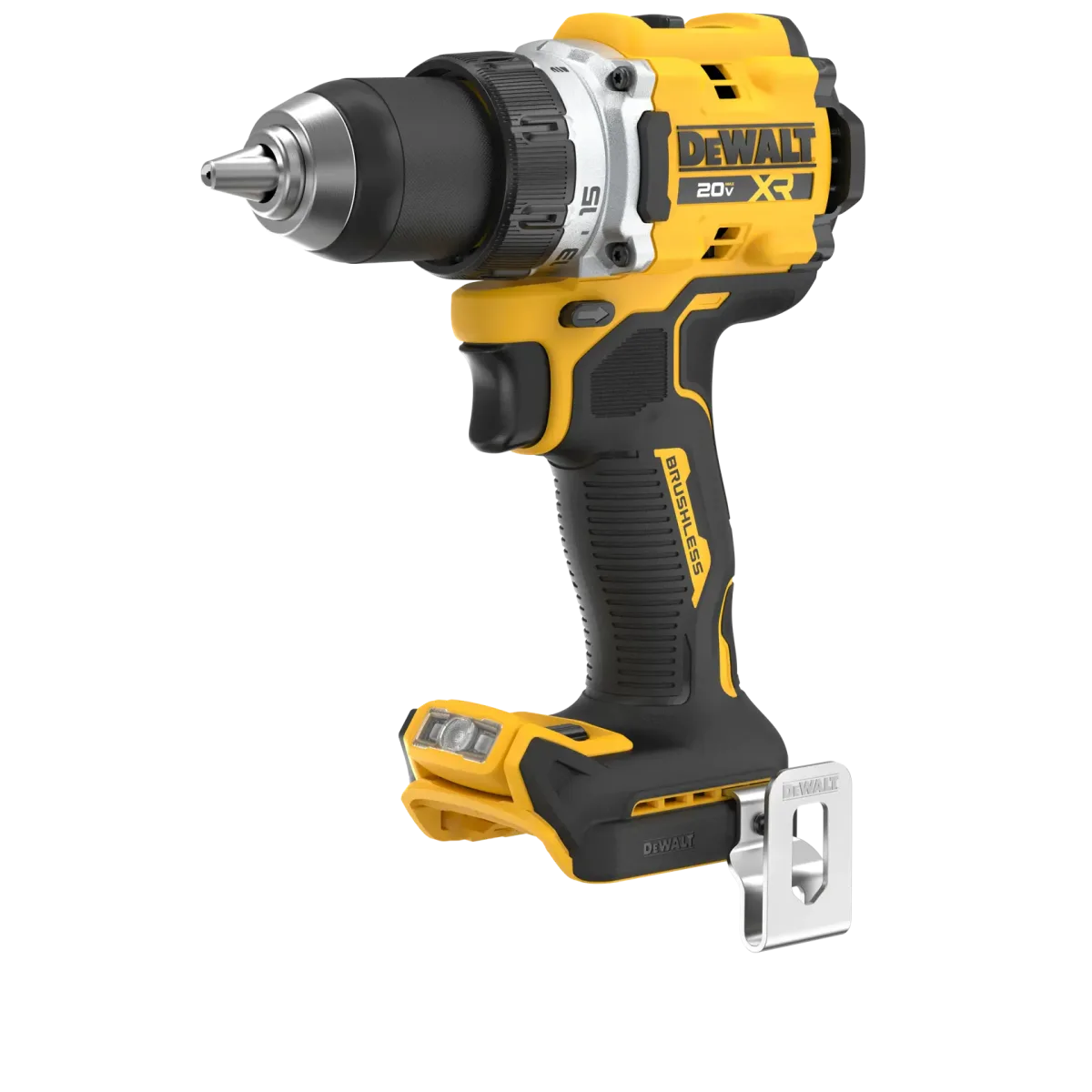
Best for: Homeowners, DIYers, and anyone building a first tool kit Price: ~$129 (tool only) | ~$199 (kit with battery + charger) Torque: 550 lb-in | Length: 6.37 in | Weight: ~2.5 lbs (tool only)
The DCD801B earns the top spot because it hits the intersection of power, compactness, and ecosystem value better than any other drill at its price. The 550 lb-in of torque handles about 90% of typical DIY applications, and the short 6.37-inch body works in tight spaces where larger drills won't fit.
What the data shows: The DeWalt 20V MAX XR line consistently scores at or near the top in Consumer Reports' power and speed metrics. The brushless motor and 20V MAX battery system — with over 300 compatible tools — make this the lowest-risk platform entry for someone building a cordless toolkit from scratch.
One real limitation: The tool-only option means you're buying a battery separately (~$60–$80 for a quality 2.0Ah). Factor that into your budget if you don't already own 20V MAX batteries.
Who should skip it: If you already own a Milwaukee M18 or Makita LXT ecosystem, this doesn't justify switching — your existing batteries are your best feature.
2. Milwaukee M18 FUEL 2904-20 — Best for Professional Trades
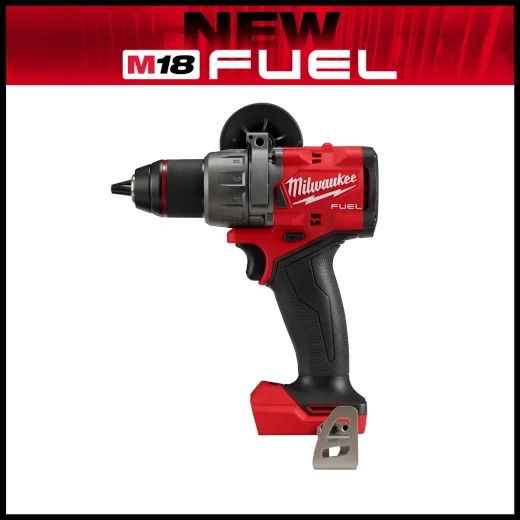
Best for: Electricians, plumbers, HVAC technicians, contractors Price: ~$159 (tool only) Torque: 1,200 lb-in | Platform: Milwaukee M18 FUEL (brushless)
The Milwaukee M18 FUEL line is the professional standard on US job sites, and the 2904-20 is the flagship drill driver in that ecosystem. The honest reason tradespeople choose Milwaukee over DeWalt isn't raw power (both are excellent) — it's the M18 ecosystem depth, which covers more trade-specific applications under one battery system than any competitor in 2026.
What the data shows: In TechGearLab's driving tests, the Milwaukee M18 FUEL put competitive models "to shame" in driving performance metrics. The Redlink protection system (overload protection, heat management) also shows up repeatedly in long-term owner reviews as a reason these tools survive job-site abuse for years.
One real limitation: Milwaukee has moved upmarket, and pricing reflects it. Entry-level tools within the M18 family vary more in quality than the brand identity suggests — stick to the FUEL (brushless) line and avoid the base M18 brushed models.
Who should skip it: Weekend DIYers who drill a handful of times per year. The performance gap over the DeWalt option won't be noticeable, and the price difference matters.
3. Makita XPH14Z 18V LXT — Best for Woodworkers & Finish Carpenters
Best for: Woodworking, finish carpentry, precision work Price: ~$149 (tool only) Torque: 1,250 in-lbs | Platform: Makita 18V LXT | Includes: Hammer mode
Makita doesn't get the brand loyalty that Milwaukee and DeWalt attract, and that works in your favor — you get excellent engineering without the premium brand tax. The XPH14Z delivers 1,250 in-lbs of torque and a hammer drill mode, with the LXT battery platform that's been refined over decades and remains one of the most reliable in the industry.
What the data shows: Consumer Reports rates the Makita XFD14Z (the drill/driver sibling of this line) with top marks for charging speed — charging an 18V battery in around 23 minutes is genuinely impressive and reduces downtime on multi-hour projects. The XPH14Z adds hammer mode for concrete and masonry applications at a small weight penalty.
What long-term owner reviews show: Reddit woodworking communities consistently cite the Makita LXT line for trigger control and balance. The drill feels "natural in hand" during repetitive driving tasks — a meaningful ergonomics advantage for finish work.
One real limitation: The LXT battery is less common in Texas and Southeast US commercial trade contexts, where Milwaukee and DeWalt dominate contractor supply chains. If you're a pro who needs to borrow a battery on a job site, Makita is the less likely option.
4. DeWalt DCD996P2 20V MAX XR — Best Hammer Drill for Contractors
Best for: Contractors drilling regularly into concrete, brick, block, and structural steel Price: ~$259 (kit with two 5.0Ah batteries) Torque: 820 UWO | Speed: 3 speeds | Platform: DeWalt 20V MAX
The DCD996P2 is DeWalt's benchmark 3-speed hammer drill — the model most experienced DeWalt contractors point to when asked "what should I buy?" It's not the newest model in the line, but it's a known quantity: strong, durable, and serviceable. The 3-speed transmission gives you genuine control over material — low gear for driving, mid gear for general drilling, high gear for smaller bits at speed.
Who this is for: Anyone already committed to the DeWalt 20V MAX platform who regularly drills into masonry. The kit configuration (two 5.0Ah batteries) adds significant value — large batteries for sustained high-torque work, long runtime before you're hunting a charger.
Who should skip it: DIYers who only occasionally drill into concrete. A standard drill with hammer mode (like the Makita XPH14Z above) handles infrequent masonry work without the price premium of a dedicated hammer drill.
5. Makita GFD02D 40V XGT — Best for Demanding Jobsites
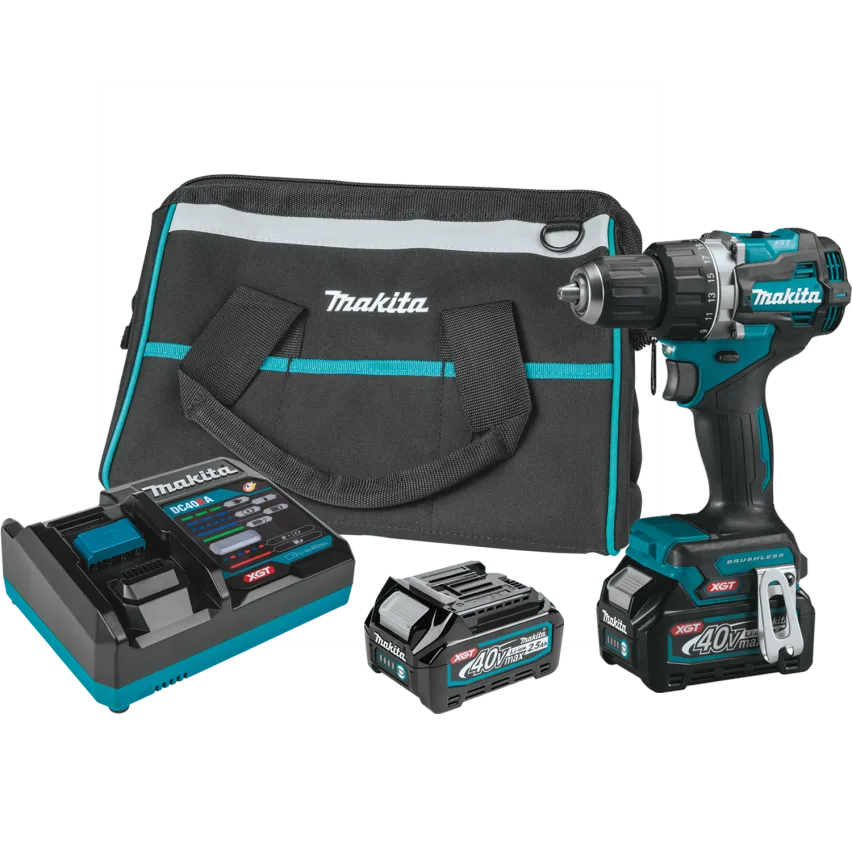
Best for: Heavy construction, demanding outdoor jobsites, wet/dusty environments Price: ~$249 (kit with two 2.5Ah batteries) Platform: Makita 40V XGT | Protection: Sealed against dust and moisture
The 40V XGT platform reached full maturity in 2026. The GFD02D is sealed against dust and moisture — not marketed as weather-resistant with an asterisk, but genuinely built for environments where tools get abused. Consumer Reports rates it with above-average power and top marks for charging speed and run time.
The honest trade-off: It weighs 4.2 lbs, which is "beefy" as Consumer Reports describes it. For overhead drilling or sustained arm-extended work, this weight becomes fatiguing. It's the right choice for heavy material and harsh environments; it's the wrong choice for light cabinetry and finish work.
6. Milwaukee M12 FUEL 2503-20 — Best Compact Drill for Tight Spaces
Best for: Electricians, cabinet installers, HVAC — anyone working in cramped spaces Price: ~$85 (tool only) Platform: Milwaukee M12 | Weight: Lightest pro drill in Milwaukee's lineup
"You don't have to have a drill the size of a small car to get the job done" — and the M12 FUEL proves it. Professionals in the electrical trade frequently cite this as their daily carry precisely because it fits where 18V/20V drills won't: tight electrical boxes, cabinetry gaps, service access panels.
What owner reviews show: Tradespeople who work ceilings and overhead often prefer the M12 FUEL over larger drills — the balance and reduced weight translate directly to less shoulder fatigue at the end of the day.
One real limitation: The M12 battery platform is separate from M18. If you're building a Milwaukee kit, factor in whether you want to maintain two battery platforms or go all-in on M18 with a compact M18 option instead.
7. Ryobi PCL206B ONE+ 18V — Best Budget Pick for Beginners
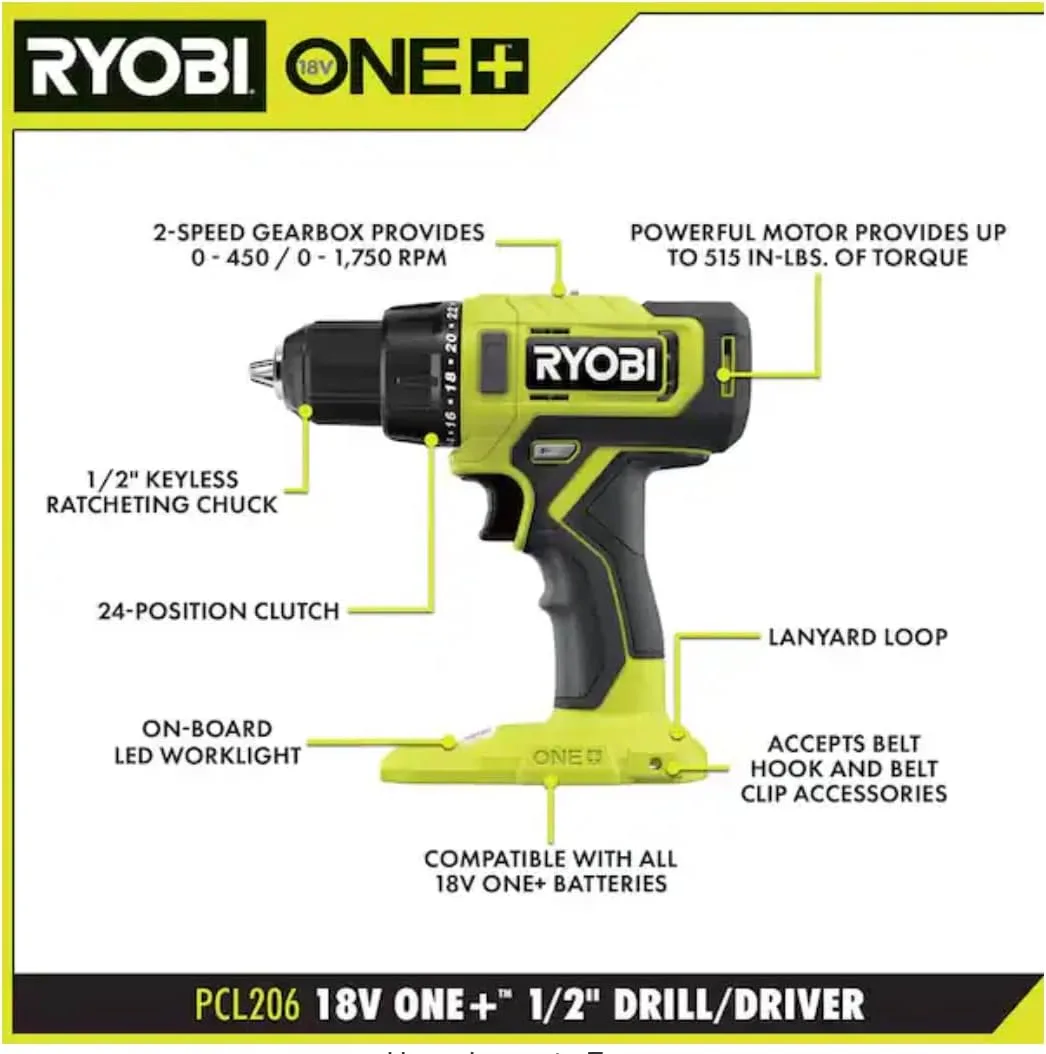
Best for: First-time buyers, occasional DIYers, gift recipients starting a tool kit Price: ~$46 (tool only) | ~$79–$99 (kit) Platform: Ryobi ONE+ 18V (largest mass-market cordless platform)
The Ryobi PCL206B won't out-torque a Milwaukee M18 FUEL. That's not what it's for. It's the correct starting drill for someone who has never owned cordless tools and needs to hang shelves, assemble furniture, and handle basic home maintenance — without spending $150+ on tools they'll use four times a year.
The real reason to consider Ryobi: The ONE+ 18V platform is the largest mass-market cordless ecosystem with the lowest average accessory pricing. If your tool usage grows, you can expand affordably. The brand covers a wide range with ONE+ compatibility, from drills to lawn tools.
Who should skip it: Anyone doing regular project work or professional use. The performance gap over mid-range drills matters in sustained use, and the platform's trade-specific tool depth is limited compared to Milwaukee or DeWalt.
Quick Comparison: Best Cordless Drills 2026
| Model | Best For | Torque | Weight | Platform | Price (approx.) |
|---|---|---|---|---|---|
| DeWalt DCD801B | Best overall / homeowners | 550 lb-in | ~2.5 lbs | 20V MAX | ~$129 tool only |
| Milwaukee M18 FUEL 2904-20 | Professional trades | 1,200 lb-in | ~4.0 lbs | M18 FUEL | ~$159 tool only |
| Makita XPH14Z | Woodworking, finish work | 1,250 in-lbs | ~4.3 lbs | 18V LXT | ~$149 tool only |
| DeWalt DCD996P2 | Contractor hammer drill | 820 UWO | ~4.4 lbs | 20V MAX | ~$259 kit |
| Makita GFD02D | Demanding jobsites | Above-avg | 4.2 lbs | 40V XGT | ~$249 kit |
| Milwaukee M12 FUEL 2503-20 | Tight spaces / trades | — | Lightest | M12 | ~$85 tool only |
| Ryobi PCL206B | Budget / beginners | — | ~3.5 lbs | ONE+ 18V | ~$46 tool only |
Is Brushless Worth It in 2026? (Yes — Here's Why the Price Gap Is Gone)
This is the most common question we see in buyer research, and the short answer is: brushless drills are now the default recommendation at essentially every price tier.
Brushless motors are more efficient because they eliminate the physical carbon brushes that create friction and heat in traditional motors. The practical result: 30–50% longer runtime per charge, less heat buildup (which extends battery life), and longer motor lifespan. The efficiency gains also mean the tool can extract more power from the same battery.
As recently as 2022, brushless drills commanded a noticeable price premium. That gap has largely closed. The price difference between a comparable brushed and brushless model in 2026 is often under $20 at the entry level — and frequently zero at mid-range price points. There is no longer a meaningful cost argument for choosing a brushed drill.
Battery Platform Matters More Than the Drill: How to Choose
If you're buying your first cordless drill, you're also choosing which battery system you'll use for the next five to ten years. Batteries are not cross-compatible between brands. A quality 5.0Ah battery costs $80–$120. Make this decision deliberately.
DeWalt 20V MAX: Largest ecosystem by compatible tool count (300+). Broadest retail availability across Home Depot, Lowe's, and Amazon. Best starting platform for homeowners and general DIYers who want flexibility. Note: DeWalt drill prices are expected to increase in August 2026 due to new tariffs on imported tools — if you're considering DeWalt, this is worth factoring into timing.
Milwaukee M18: The professional trade standard. Deepest specialization for electricians, plumbers, and HVAC. The M18 FUEL (brushless) line consistently outperforms in professional durability testing. Ideal if your primary environment is a job site.
Makita 18V LXT / 40V XGT: Mature platform with excellent long-term reliability data. LXT accessories are often more affordable than Milwaukee or DeWalt equivalents. The 40V XGT is the growth platform — if you're buying Makita new in 2026, consider whether LXT or XGT is the better long-term bet based on the tools you need.
Ryobi ONE+ 18V: Best for budget-conscious buyers. The widest range of affordable accessories and tools on a single platform. Not appropriate for professional or high-frequency use.
Ridgid: Notable for the Lifetime Service Agreement (LSA) — free battery replacement for life with registration. Smaller ecosystem than the big three, but the lowest total cost of ownership over a 10-year horizon if you stay within Ridgid's tool range.
If you want more context on how these platforms compare in a full workshop build — including when hand tools make more sense than power tools — our power tools and hand tools workshop guide for 2026 breaks down the decision across five real project scenarios.
Who Should Buy a Hammer Drill vs. a Standard Drill/Driver?
Here's the practical breakdown:
Standard drill/driver: Wood, drywall, metal, composite. Handles 90%+ of typical DIY and home maintenance tasks. Lighter, less expensive, better for precision work.
Hammer drill: Everything above, plus concrete, brick, masonry, cinder block. The hammering action (rapid forward percussion) is necessary for anchor holes, TV mounts on masonry walls, and any concrete attachment. Costs $20–$30 more than the equivalent drill/driver.
Rotary hammer (SDS-Plus/SDS-Max): For dedicated heavy concrete work — foundation anchors, structural attachments, renovation demolition. This is a dedicated professional tool, not a substitute for a hammer drill on typical DIY concrete tasks.
The middle ground decision: if there's any realistic chance you'll drill into concrete in the next five years, pay the small premium for hammer drill capability. The DeWalt DCD996P2 and Makita XPH14Z both include it at reasonable price points.
Cordless Drill FAQ
Do I need 18V or 20V? These are functionally the same voltage. Milwaukee labels its platform 18V; DeWalt labels its 20V MAX. Both refer to the same nominal battery voltage. Focus on torque rating, brushless motor confirmation, and platform fit — not the number on the label.
What's the difference between M18 and M18 FUEL? Milwaukee's M18 is their standard 18V line, which includes brushed motor tools. M18 FUEL is the premium brushless line with stronger motors, electronic overload protection, and longer runtime. For performance and longevity, always choose M18 FUEL over base M18 when both are available.
How many amp-hours (Ah) do I need in a battery? 2.0Ah handles most homeowner tasks. 4.0Ah to 5.0Ah is for sustained professional use (long run times without recharging). The trade-off is weight — larger batteries add noticeable bulk. Buy a 2.0Ah to start; add a larger battery if you find yourself waiting on recharges.
Should I buy a combo kit or tool-only? Buy tool-only if you already own batteries in that platform — you'll save $60–$100. Buy a kit if you're starting from scratch; the bundled battery and charger almost always offer better value than buying them separately.
Are cordless drills good for beginners learning to sew or craft? Different skill entirely — but if you're exploring hands-on DIY at home and also looking into other tools, our guide to the best sewing machines for beginners in 2026 covers another common starter purchase for creative home projects.
Final Verdict: Which Cordless Drill Should You Buy?
Buy the DeWalt DCD801B if you're a homeowner or first-time buyer who wants the best combination of compact size, brushless performance, and ecosystem flexibility. It's the right starting point for the largest number of buyers.
Buy the Milwaukee M18 FUEL 2904-20 if you're a professional tradesperson, already in the M18 ecosystem, or want the most capable and durable option for job-site daily use.
Buy the Makita XPH14Z if precision, trigger control, and ergonomics matter to you — particularly for woodworking, finish carpentry, or sustained overhead work.
Buy the Ryobi PCL206B if budget is the primary constraint and your drilling needs are genuinely light. Get the brushless version if Ryobi offers it at your price point.
Buy the Ridgid R86116 if you're a homeowner with a long time horizon who values the lifetime battery replacement program above all else.
For anyone buying a drill as part of a larger home improvement push, it's worth pairing your toolkit decision with other home investments. If you're in the middle of a renovation, our guide to the best interior and exterior paint brands for 2026 covers the painting side of the equation with the same research-first approach.
Prices shown are approximate as of July 2026 and may vary by retailer and availability. Always verify current pricing before purchasing. Trusted Buyer Report may earn a commission from purchases made through links on this page.