This guide was researched and drafted with AI assistance, then reviewed and fact-checked by our editorial team before publishing. Our analysis synthesizes independent lab testing from Consumer Reports (160+ machines rated), Bon Appétit, Wirecutter, Serious Eats, and Eight Ounce Coffee, plus verified user feedback. We cite every source. We don't accept payment for rankings. How we review · Affiliate disclosure
Quick Verdict: Which Coffee Maker Should You Buy in 2026?
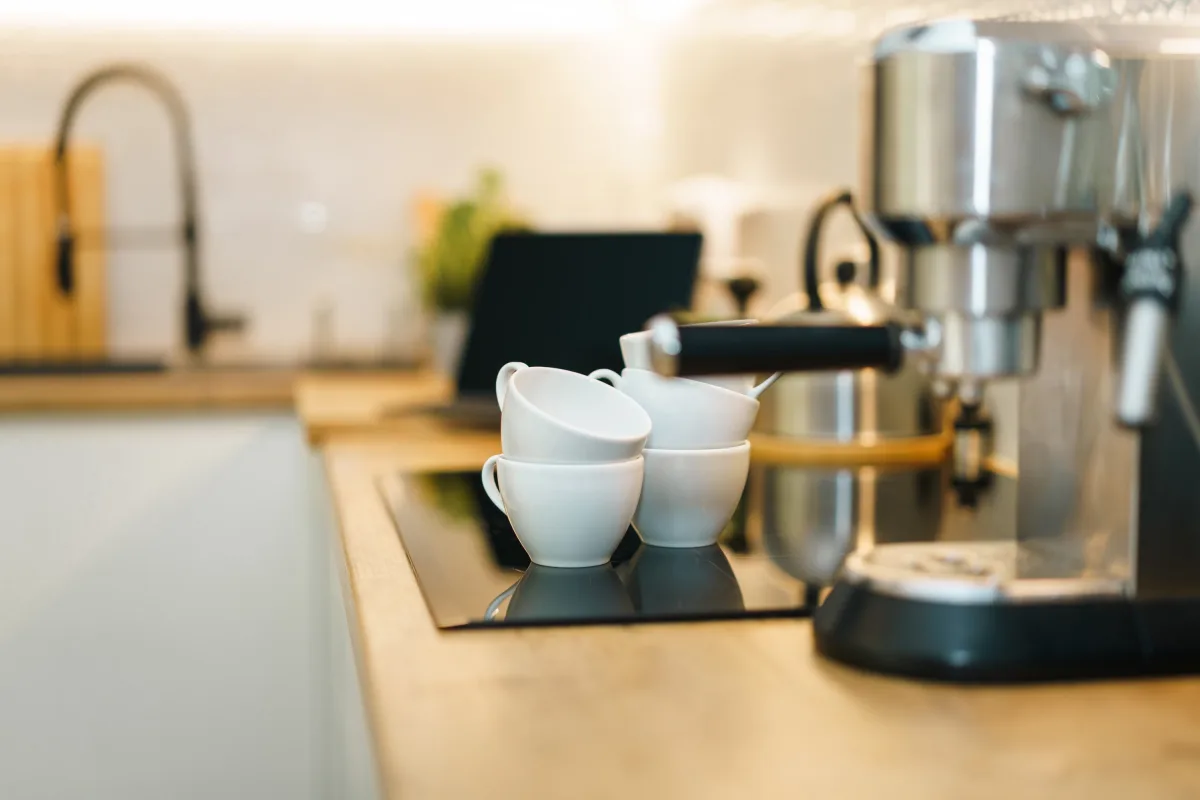
The single most useful question before reading any spec sheet: do you want filter coffee or espresso-based drinks? These require categorically different machines. Buying the wrong type — regardless of model quality — is the most common and expensive mistake in this category.
Here's the one-line map before the full breakdown:
- Best drip coffee maker overall: Fellow Aiden Precision Coffee Maker
- Best budget drip: Braun Brewsense
- Best espresso machine overall: Fellow Series 1
- Best budget espresso: Breville Bambino Plus
- Best super-automatic espresso: Jura E8 (quality) / Gaggia Magenta Prestige (value)
- Best pod machine: MORNING The Morning Machine
- Best manual / pour-over: Hario V60-02 Dripper
- Best all-in-one: xBloom Studio Coffee Maker
- Best portable: AeroPress Original
Not sure which category fits your life? The decision framework in the next section takes under a minute.
TL;DR — Key Takeaways
- Drip vs. espresso is the first decision, not a brand decision. No single machine does both equally well.
- The quality gap between a $50 and a $200 drip machine is real and measurable — primarily in brew temperature consistency, bloom function, and carafe type.
- Sub-$100 espresso machines don't produce true espresso. They produce concentrated coffee. Genuine espresso requires sustained 9 bars of pressure, which starts around the $200–$300 tier (Breville Bambino Plus).
- A good burr grinder matters as much as the machine — Wirecutter states this explicitly for espresso, and it applies to drip and pour-over too.
- Super-automatics trade control for convenience. The Jura E8 scores near-perfect across all categories; the Gaggia Magenta Prestige is the best value pick.
- Manual pour-over (Hario V60) often outperforms $200 electric drip machines when paired with a quality burr grinder — at a fraction of the cost.
- Pod machines cost more per cup but offer the lowest learning curve and fastest morning routine. The ongoing capsule cost compounds significantly over a year.
The Decision That Saves You From Buying the Wrong Machine
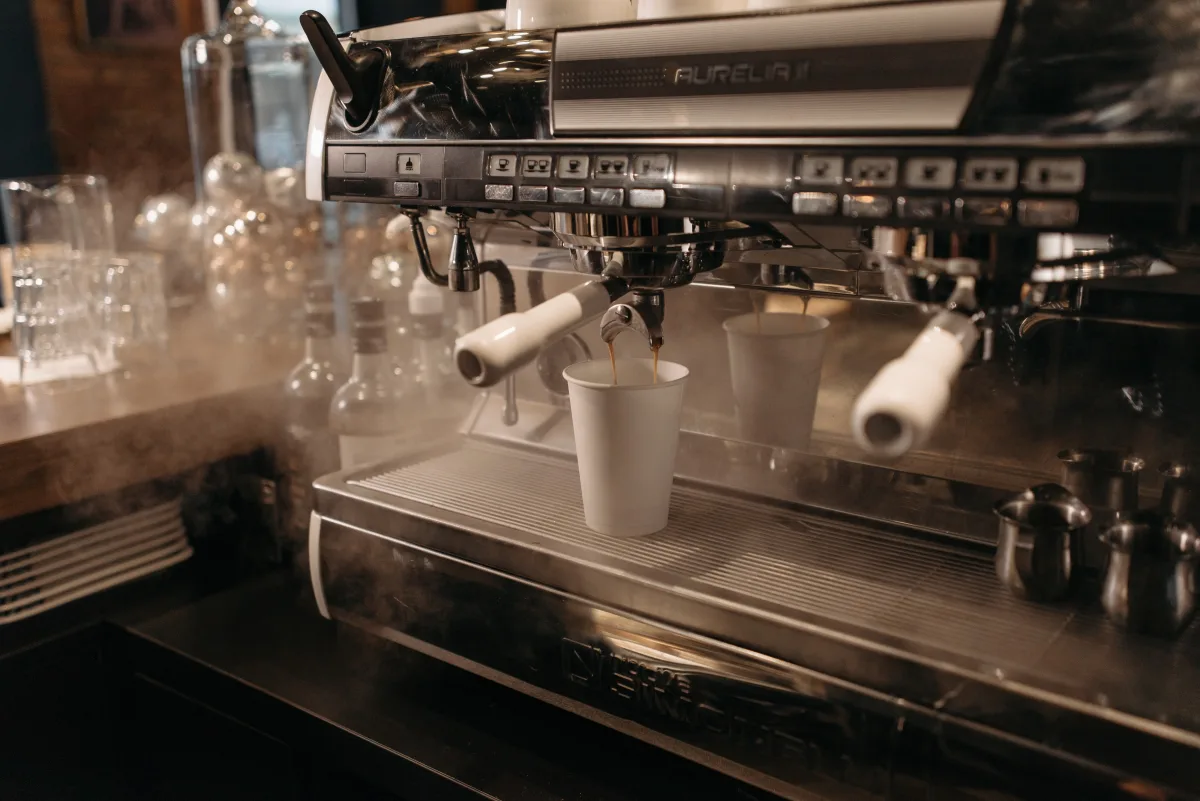
Most people buy based on brand prestige or lab rankings. That produces a very specific and common outcome: a well-reviewed espresso machine sitting on the counter, used twice in three months, while its owner makes instant coffee on weekday mornings because the workflow is too demanding before 7 a.m.
The machine wasn't bad. It was the wrong machine for that person's life.
Before looking at any model, answer these four questions:
1. Filter coffee or espresso drinks? If you drink black coffee, Americanos, or batch-brewed coffee → drip or manual. If you drink lattes, cappuccinos, flat whites, or cortados → espresso machine. This distinction eliminates half the market immediately.
2. How much time do you have in the morning? Under 3 minutes, no fuss → pod machine or super-automatic espresso. 5–10 minutes, want good coffee → quality drip maker or bean-to-cup machine. 10–15 minutes, enjoy the ritual → manual pour-over or semi-automatic espresso.
3. How many people are brewing daily? Solo or couple → 5-cup drip, personal grinder-brewer, or single-boiler espresso. Family of 3–4+ → 10–12 cup drip with thermal carafe, or super-automatic.
4. What's your real budget including ongoing costs? Pod capsules cost meaningfully more per cup than whole beans over 12 months. A $150 pod machine with $1.00–$1.50/capsule costs significantly more annually than a $250 drip maker with $0.20–$0.50/cup ground coffee. Calculate the 12-month total, not just the sticker price.
All Five Machine Types Compared at a Glance
| Machine Type | Price Range | Brew Time | Skill Level | Drink Variety | Cost/Cup | Maintenance |
|---|---|---|---|---|---|---|
| Drip coffee maker | $30–$500+ |
| Low | Black coffee, batch brewing | $0.20–$0.50 | Low |
| Espresso machine (semi-auto) | $200–$3,000+ | 20–40 sec/shot | Medium–High | Espresso, lattes, caps | $0.30–$0.70 | High |
| Super-automatic espresso | $600–$2,000+ | 30–60 sec | Very low | Espresso, milk drinks | $0.40–$0.80 | Medium |
| Single-serve / pod | $50–$300 | 1–2 min | Very low | Limited variety | $0.90–$1.50+ | Low |
| Manual pour-over | $15–$100 | 3–6 min | Medium | High-nuance black coffee | $0.20–$0.50 | Very low |
| Hybrid / all-in-one | $200–$1,500 | Varies | Low–Medium | Flexible | Varies | Medium |
No single category wins outright. The right answer depends entirely on the four questions above.
How This Guide Was Researched
This is a research-based guide — not a hands-on test by Trusted Buyer Report. Our analysis draws from:
- Consumer Reports: rates more than 160 coffee makers, from basic drip models to high-end machines, evaluating temperature consistency, speed, and user control
- Bon Appétit: tested drip makers (noting that Fellow, Breville, OXO, and Ratio now produce machines "that brew coffee almost as good as what you can get with a kettle and a pour-over setup") and espresso machines in 2026
- Wirecutter: hands-on testing of drip machines, pour-over drippers, French presses, and grinders; explicit guidance that for espresso, the grinder is as important as the machine
- Serious Eats: tested the De'Longhi Stilosa and other budget espresso options; covers pour-over and drip categories with noise measurements and extraction data
- Eight Ounce Coffee 2026 tested guide: named best picks by category including Fellow Aiden (Best Overall drip), Hario V60-02 (Best Pour-Over), xBloom Studio (Best All-in-One), and AeroPress (Best Portable)
- Home Coffee Expert: scored super-automatic machines on espresso quality, milk foam, drink options, and value (0–10 scale)
- Bon Appétit espresso testing: Fellow Series 1 (Best Overall), Breville Bambino Plus (Best Budget), Solis Barista Perfetta Plus (Budget Sleeper), Lelit MaraX (Prosumer pick)
- Cliff & Pebble and Coffee Bros: prosumer tier recommendations with specific model pricing
Best Drip Coffee Makers in 2026
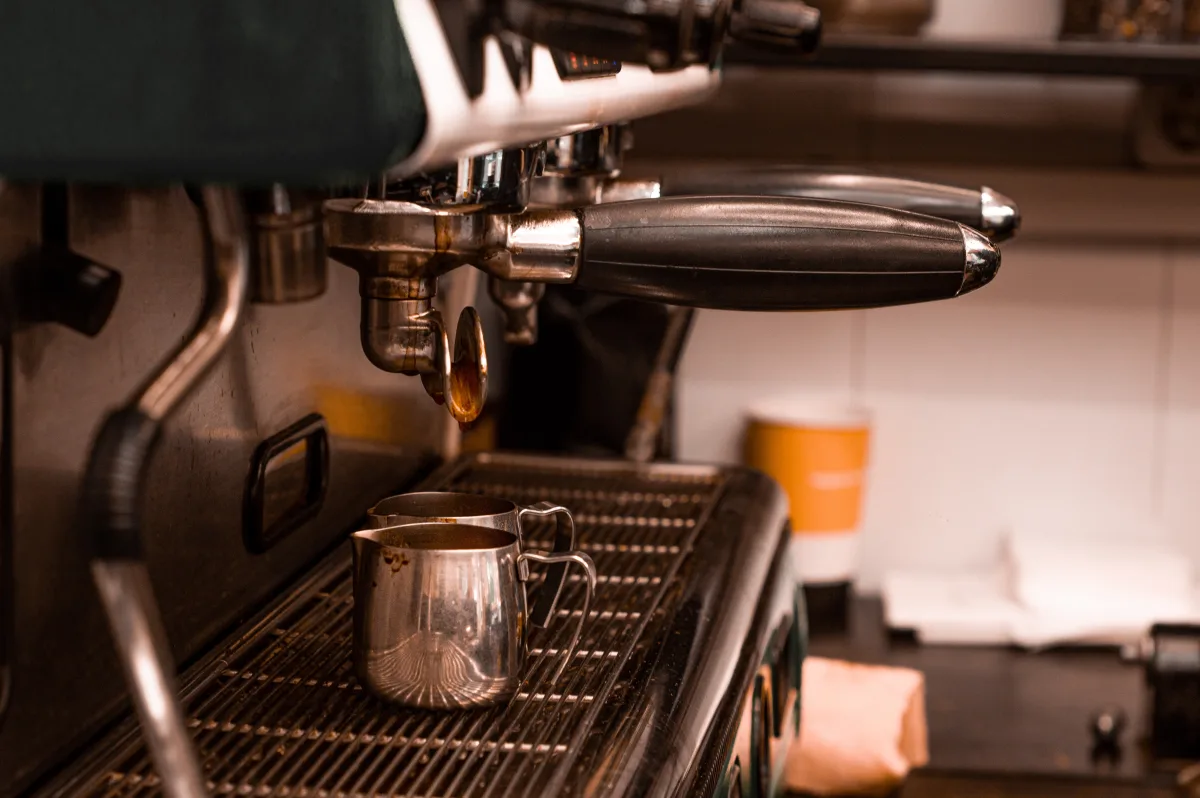
The quality gap between a $50 drip machine and a $200 one is real — and it shows up in the cup. The technical factors that separate a mediocre drip machine from a great one:
- Brew temperature: ideally 195°F–205°F, sustained throughout the cycle
- Bloom function: a pre-infusion pause that lets CO2 escape from fresh grounds before full extraction begins
- Water distribution: how evenly water saturates the grounds
- Carafe type: thermal carafes maintain temperature without a hot plate (which over-extracts and burns coffee over time)
SCA certification (Specialty Coffee Association) is a reliable shortcut — independently verified temperature accuracy and brew cycle performance. Not every good machine carries it, but certified machines have cleared a meaningful technical bar.
Best Overall Drip: Fellow Aiden Precision Coffee Maker
Eight Ounce Coffee's 2026 tested guide names it Best Overall, and Bon Appétit's testing backs that up. The Aiden offers variable temperature control between 185°F and 205°F and can brew to the SCA's Golden Cup standard. Bon Appétit found it produced "very good and very consistent" coffee, with easy switching between single-cup and full-pot modes. This is the machine for someone who takes drip coffee seriously without wanting to stand over a kettle.
Best for: Daily drip drinkers who want real flavour control without manual pour-over effort.
Best Simple Premium: Ratio Six
For buyers who want quality without configurability. The Ratio Six is well-built, focused, and brews good coffee without requiring adjustment. At the top of the market, the Ratio Eight — described by Bon Appétit as "beautiful, functional, and built to last" — sits in a luxury tier primarily for buyers who want a countertop object as much as a coffee brewer.
Best Budget Drip: Braun Brewsense
Bon Appétit's pick for best budget drip coffee maker. Reliable temperature performance at a price that doesn't require justification. For households that want consistently good black coffee without overspending, this is the starting point.
Best for Families: OXO 12-Cup Coffee Maker
The right choice for high-volume households. It handles the thermal demands of larger brew volumes well — a problem that cheaper high-capacity machines often fail by under-extracting when the basket is full.
Best Affordable Small Brewer: Zojirushi Zutto 5-Cup
Bon Appétit specifically calls this out as a "cheap but solid" coffee maker that punches above its weight on brew quality. For solo drinkers or couples who want compact and reliable without paying for features they won't use, it's one of the few sub-$100 drip makers worth recommending on quality grounds.
Mid-Range Workhorse: Technivorm Moccamaster KBGV Select
Appears on multiple tested lists — including Eight Ounce Coffee's 2026 guide and the r/workingmoms community's tested recommendations — as the benchmark for dependability. It heats water quickly, brews at the correct temperature consistently, and has a track record of lasting a decade or more. It's not programmable, but its reliability over time is hard to match at the price.
Budget Programmable: Ninja 12-Cup Programmable Coffee Brewer
A strong entry point for households that want programmability (coffee ready when you wake up) without premium pricing. CNET's drip machine comparison includes it as a practical choice in the budget-to-mid tier.
Best Espresso Machines in 2026: From Entry-Level to Prosumer
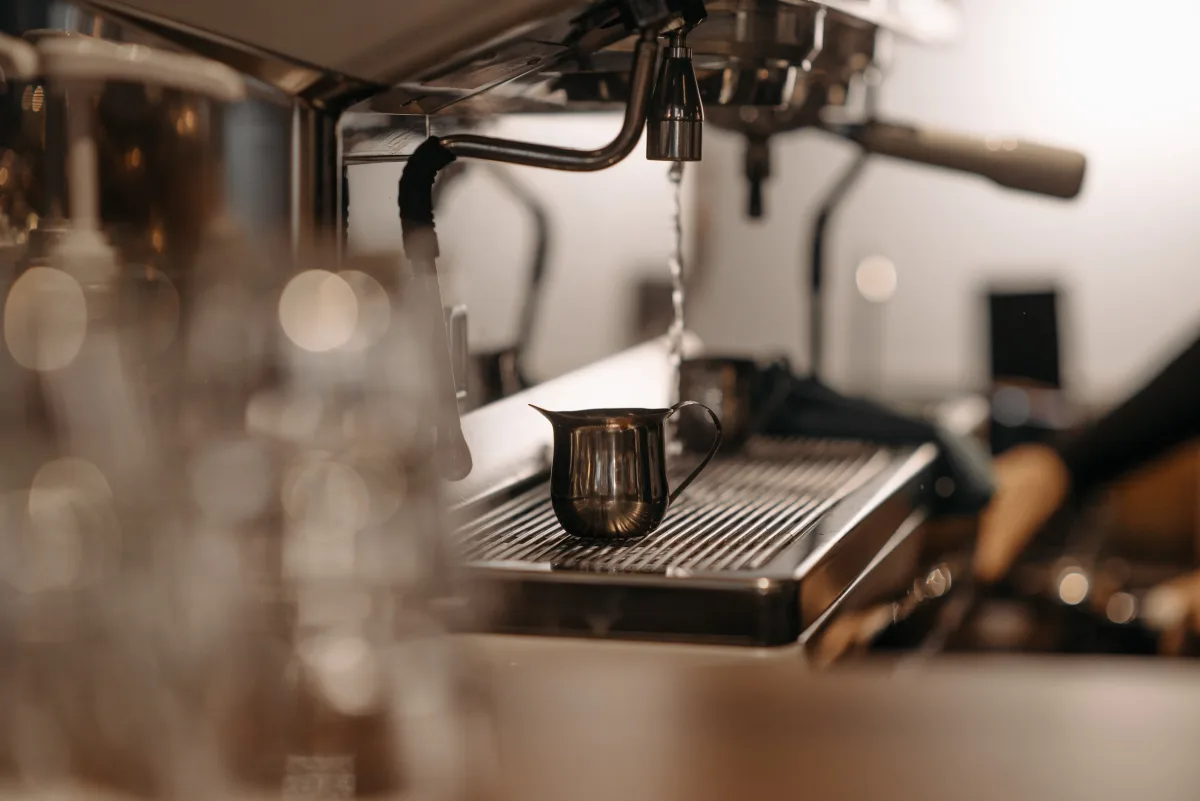
Before the model breakdown, one point that most buyers miss: you need a grinder budget alongside your espresso machine budget. Wirecutter states this plainly — a good grinder is as important as a good espresso machine for espresso quality. Their recommended espresso grinder is the Baratza Sette 30, which provides the fine, precise grind settings that drip grinders typically can't deliver. Budget for both together.
Three tiers of espresso machine, each serving a different type of buyer:
Manual / semi-automatic — full control over grind, dose, tamp, temperature, and milk. Highest ceiling, steepest learning curve. Best for buyers who enjoy the process.
Barista-assisted with built-in grinder — integrated grinder removes a variable and a separate appliance. Still uses a portafilter. Best for buyers who want real espresso with less friction.
Super-automatic / bean-to-cup — add beans, press a button. Machine handles everything. Best for households that want consistent espresso drinks without any technique investment.
Best Overall Espresso Machine: Fellow Series 1
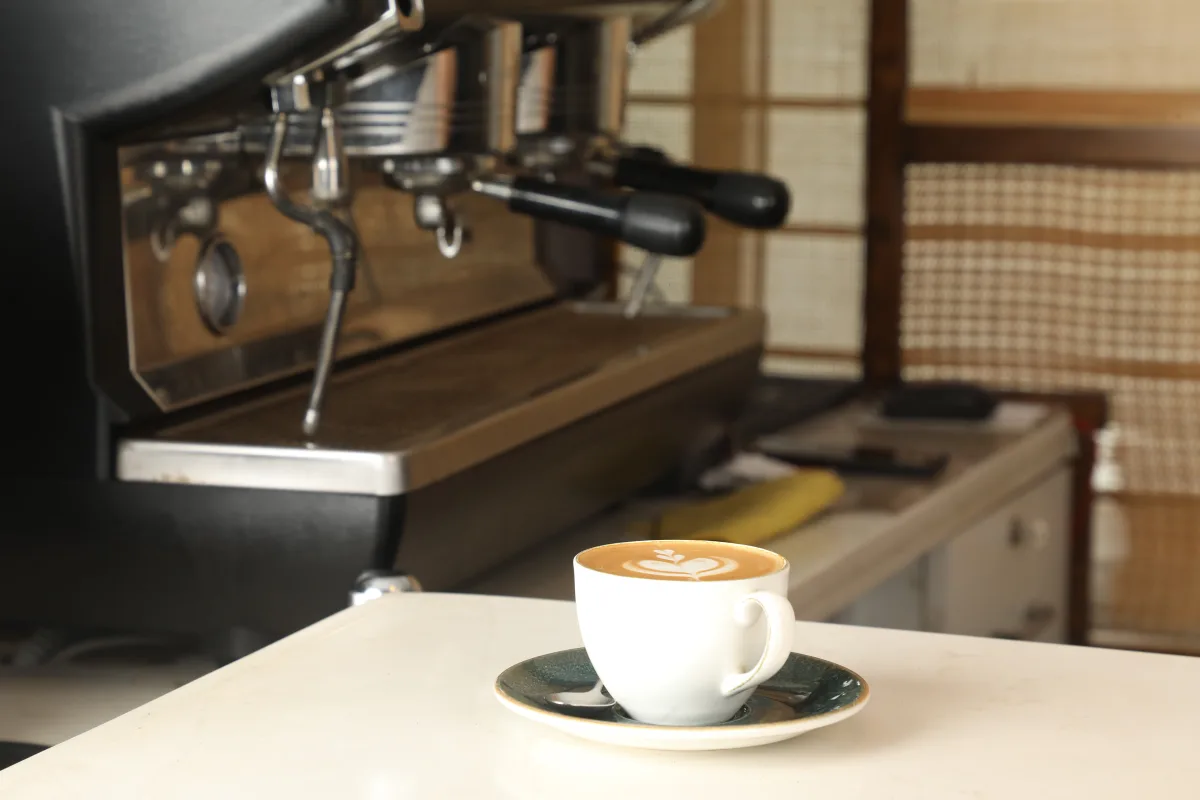
Bon Appétit's 2026 testing names the Fellow Series 1 the top-rated espresso machine overall. Fellow built its reputation on precision brewing equipment, and the Series 1 reflects that — consistent temperature control and a design that makes extraction more legible for home users. Sits at a mid-to-upper price point, but for anyone serious about espresso quality without going full prosumer, it's the current benchmark.
Best Budget Espresso Machine: Breville Bambino Plus
Bon Appétit's best budget espresso pick and the most consistently recommended entry-level machine across multiple testing sources. Produces genuine espresso — not just concentrated coffee — at a price that doesn't require major financial commitment. Compact footprint works in smaller kitchens. Trade-off: smaller water tank and less steam power than mid-range machines, which matters if you're making multiple milk drinks in a row.
This is also the right starting point for espresso beginners. It appears in both Serious Eats' tested review and the r/workingmoms list as a consistently forgiving machine where the learning curve doesn't feel punishing.
Best Espresso Machine with Built-In Grinder: Breville Barista Touch Impress
Integrates a conical burr grinder directly into the machine. This removes one of the biggest friction points in the espresso workflow and makes the overall setup more approachable for buyers who don't want a separate grinder. If you want the convenience of integrated grinding with real espresso quality, this is the strongest option in that category.
Budget Sleeper Pick: Solis Barista Perfetta Plus
Bon Appétit describes it as "a tremendous budget machine" with an adaptive PID — temperature control that is "practically unheard of at this price point." The catch: activating the PID requires a button combination described as "a cheat code in an old Sega Genesis game." If you're willing to learn the quirk, you get temperature precision that most machines at this price simply don't offer.
A note on light roast: Cliff & Pebble specifically flags that light roast espresso demands temperature stability and pressure consistency that not all machines handle equally well. If light roast is your primary coffee, prioritize machines with PID temperature control.
Prosumer Tier ($1,000–$3,000+)
For buyers ready to invest seriously in home espresso:
- Lelit MaraX — Bon Appétit's prosumer pick; a heat exchanger machine that handles milk-based drinks particularly well due to stable temperature management
- LUCCA A53 Mini / Lelit Elizabeth — Cliff & Pebble's picks in the $1,000–$1,500 range for dual boiler precision at strong value
- Lelit Bianca V3 — Cliff & Pebble describes it as "one of the strongest long-term investments in the category" at the $1,500–$2,000 range; E61 group head, PID control, 58mm portafilter, 304 stainless steel construction
Budget Floor: De'Longhi Stilosa (~$100)
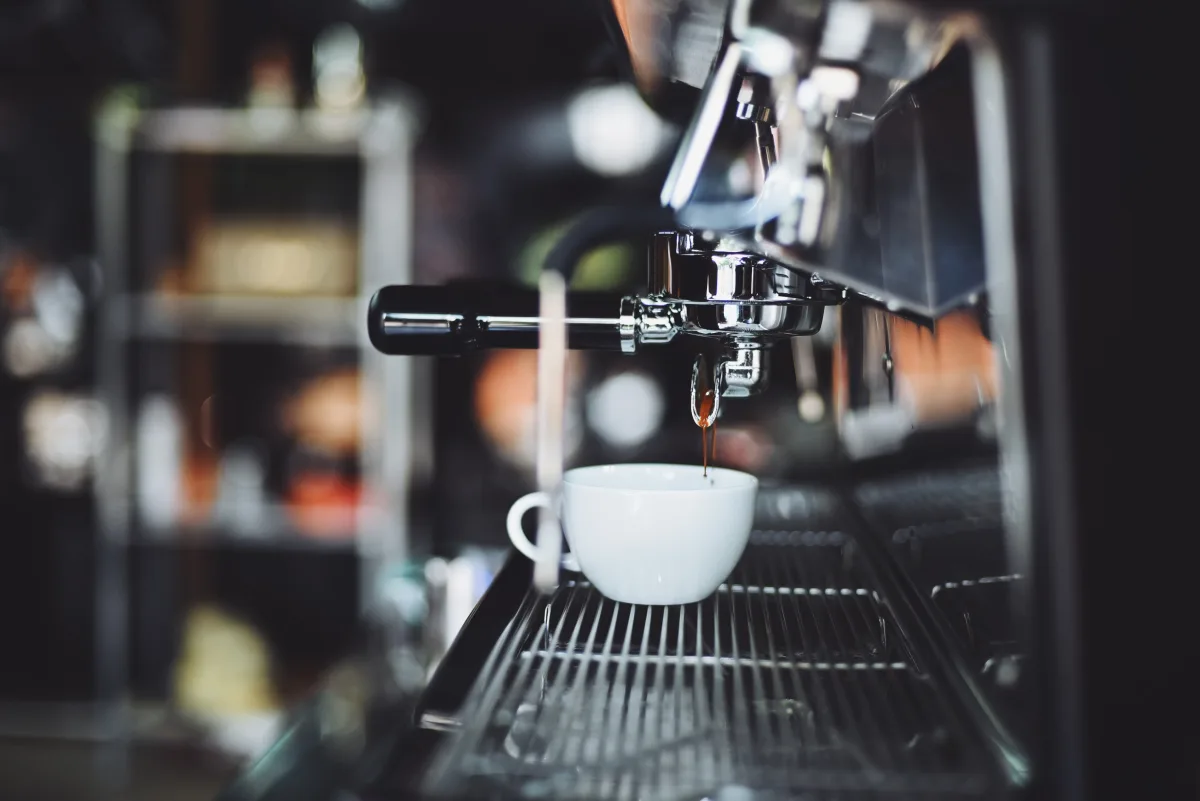
Serious Eats tested this as an entry point for someone who wants to explore espresso without financial commitment. It produces espresso-style shots, not true espresso at 9 bars. Expectations should be calibrated accordingly — it won't match the extraction quality of machines at two to three times the price, but it's a functional starting point.
Best Super-Automatic Espresso Machines in 2026
Super-automatics grind, tamp, brew, and froth milk at the push of a button. They're the right choice for households where multiple people want espresso-based drinks but nobody wants to learn extraction technique. The trade-off is reduced control over the variables that determine espresso quality.
Here's what the scored testing shows:
Best Quality Super-Automatic: Jura E8
Home Coffee Expert's 2026 testing scores the Jura E8 near-perfect: espresso quality 10/10, milk foam quality 10/10, drink options 10/10, overall 9.5/10. The one noted limitation is a single boiler for both coffee and milk, which can affect performance when multiple drinks are made in quick succession. Easily customizable with automated maintenance procedures and excellent flavor extraction.
Best Value Super-Automatic: Gaggia Magenta Prestige
Home Coffee Expert's best value pick in the category: espresso quality 4.5/5, milk 4/5, drink options 4/5, value for money 5/5. For buyers who want strong overall performance without paying for the Jura's premium positioning, this is the most defensible choice.
Best for Perfectionists: Breville Oracle Touch
Home Coffee Expert rates it 5/5 for espresso quality. Occupies an interesting middle ground between super-automatic convenience and semi-automatic control — offers manual adjustments for users who want them while still automating the core workflow. Also listed among Bon Appétit's top super-automatic picks, alongside the Bosch 800 Series.
One maintenance reality that surprises many super-automatic buyers: automated cleaning cycles do not replace regular descaling and grinder cleaning. These machines require consistent upkeep. Neglecting it degrades drink quality and machine longevity faster than most buyers anticipate.
Best Pod & Single-Serve Machines in 2026
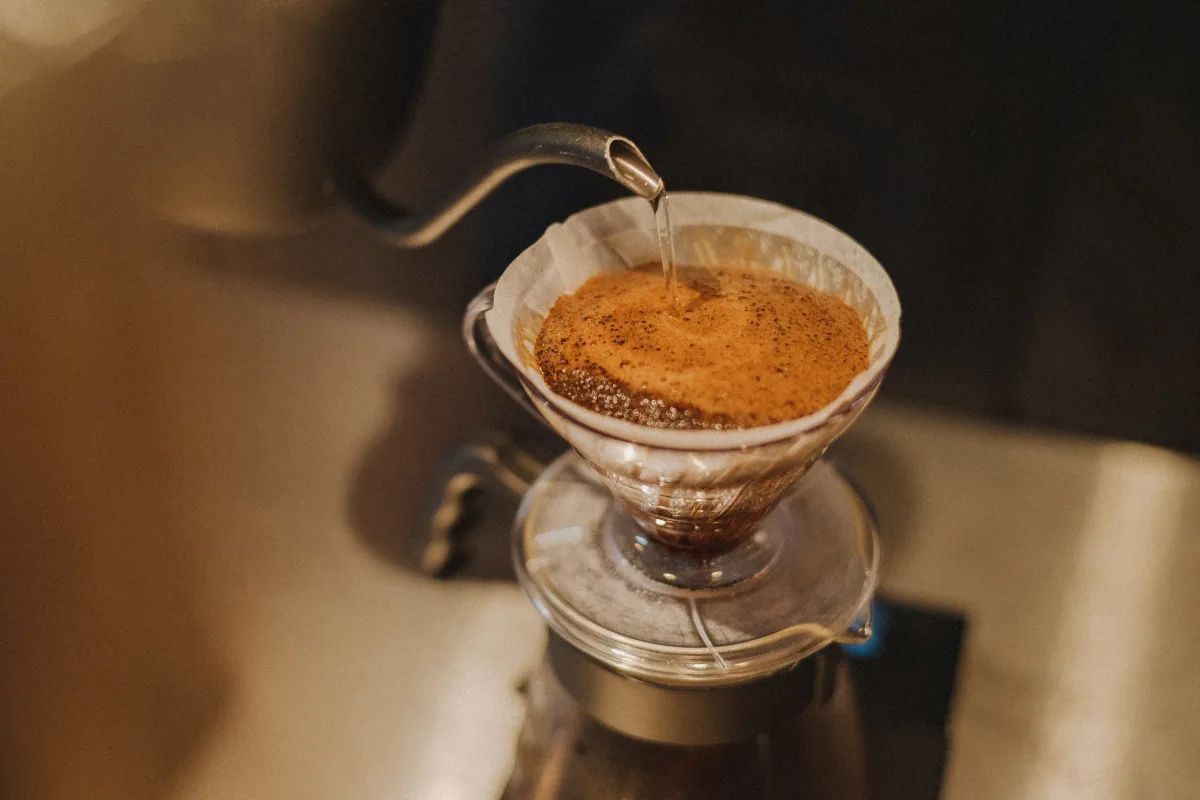
Pod machines eliminate the three variables that trip up most home brewers: grind consistency, dose accuracy, and tamp pressure. Pre-measured capsules handle all of that before the machine turns on. The result is a highly consistent cup, brewed in under two minutes, with almost no cleanup.
Consumer Reports evaluates pod machines on temperature consistency, cup size consistency, speed to first cup, and the degree of user control over size and strength — that last criterion matters more than it sounds, as some pod machines give meaningful control while others lock you into a single output.
The honest downside: capsule costs run $0.90–$1.50+ per cup versus $0.20–$0.50 for whole-bean drip. Over 365 cups per year, that's a $250–$470 annual difference at current pricing. Environmental impact is real too — single-use plastic capsules generate significant waste, though some brands now offer recyclable or compostable options worth checking before you commit to an ecosystem.
Best Pod Coffee Maker: MORNING The Morning Machine
Named Best Pod Coffee Maker in Eight Ounce Coffee's 2026 tested guide.
Best Nespresso Option: Nespresso VertuoPlus by De'Longhi
Appears in Serious Eats' testing as the benchmark for the Nespresso Vertuo ecosystem. Centrifusion technology reads a barcode on each capsule and adjusts extraction parameters accordingly — a genuinely useful feature that most capsule machines don't offer.
Pod machines are the right choice if: you want zero learning curve, consistent results, and minimal cleanup, and you're willing to pay the per-cup premium for those benefits.
Best Manual & Pour-Over Brewers in 2026
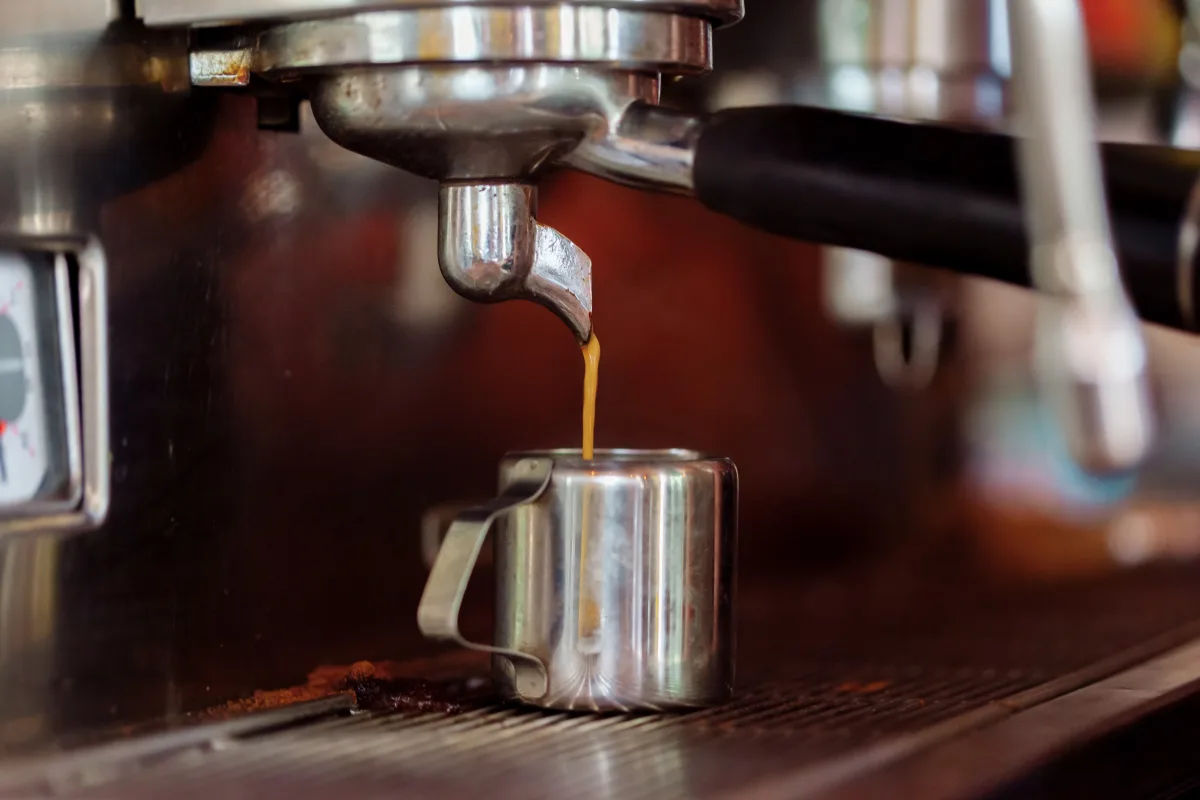
Manual brewing is frequently absent from mainstream roundups, which focus on electric appliances. That's a real gap — for quality-focused buyers, especially those on a tight budget, manual options often outperform electric machines at ten times the cost.
Wirecutter explicitly treats pour-over drippers, French presses, and cold-brew makers as distinct best-in-category picks alongside electric drip machines — a recognition that manual brewing isn't a compromise but a legitimate choice.
Here's the key insight most guides miss: a $30 Hario V60 paired with a $150 burr grinder will outperform a $300 automatic drip machine paired with a blade grinder. The grinder and the technique matter more than the brewer at this end of the market.
Best Pour-Over: Hario V60-02 Dripper
Named Best Low-Budget Pour-Over in Eight Ounce Coffee's 2026 tested guide. Low entry cost, manageable learning curve, genuinely high ceiling for cup quality. You control water temperature, pour rate, and brew time — which means you can dial in results that no automatic machine at the same price point can match.
Best Portable: AeroPress Original
Named Best Portable Coffee Maker in Eight Ounce Coffee's 2026 guide. Compact enough to pack in a bag, tolerant of a wide range of grind sizes and water temperatures, produces a clean concentrated cup. Also one of the best options for experimenting with brew variables without expensive equipment.
Best Classic: Chemex Classic Coffee Maker
Produces a notably clean cup due to its thick paper filters, which remove more oils than standard filters. The design is iconic; the coffee is genuinely different from V60 output — cleaner, less textured, more transparent. Worth knowing which you prefer before buying.
Best for Consistency: Hario Switch Immersion Brewer
Eight Ounce Coffee describes it as yielding "an incredibly high rate of consistency, high extraction, and nuanced flavours without any agitation required." The immersion approach (steeping rather than continuous pouring) is more forgiving of pour technique than a standard V60 — a meaningful advantage for beginners.
Best All-in-One & Hybrid Coffee Machines in 2026
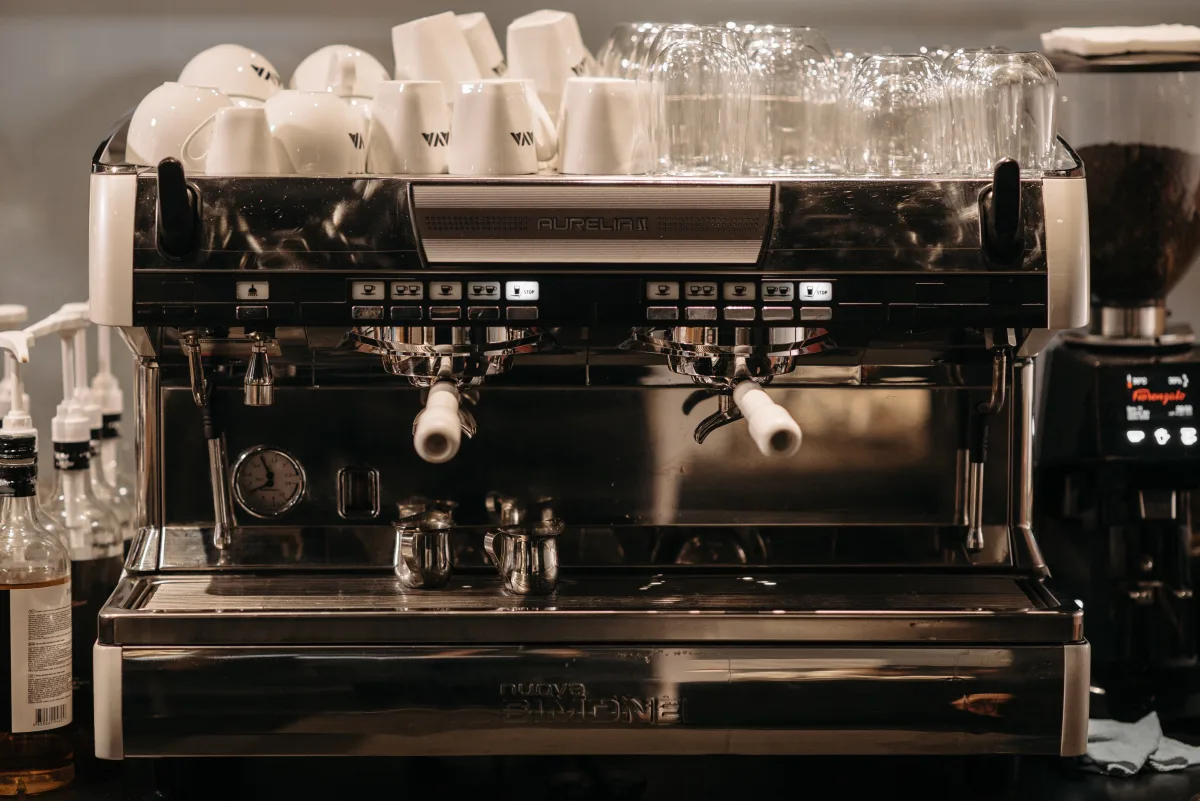
The appeal of a hybrid machine is real: one footprint, multiple brew styles, less counter clutter. The honest trade-off, as Boma Kitchen's 2026 buyer's guide frames it, is that "to choose one is to prioritize a certain set of values over others." Machines optimized for everything are rarely best-in-class at any single method.
Best All-in-One: xBloom Studio Coffee Maker
Named Best All-in-One Brewer in Eight Ounce Coffee's 2026 tested guide. Integrates grinding and brewing in a single unit, meaningfully reducing the number of decisions and pieces of equipment in a morning routine. For a household that wants quality without managing multiple appliances, it's the strongest option available.
Best Mid-Range Integrated: Café Specialty Grind and Brew
Appears on the r/workingmoms best drip coffee makers list as a mid-range integrated grinder-drip option — a more accessible price point for buyers who want the grinder built in but don't need the xBloom's premium feature set.
All-in-one machines work best for: limited counter space, mixed household preferences, users who want simplicity without fully sacrificing quality.
Poor fit for: dedicated espresso enthusiasts who want precise extraction control, or pour-over purists who prefer to manage each step manually.
Budget Coffee Makers Under $100: What You Can and Cannot Expect
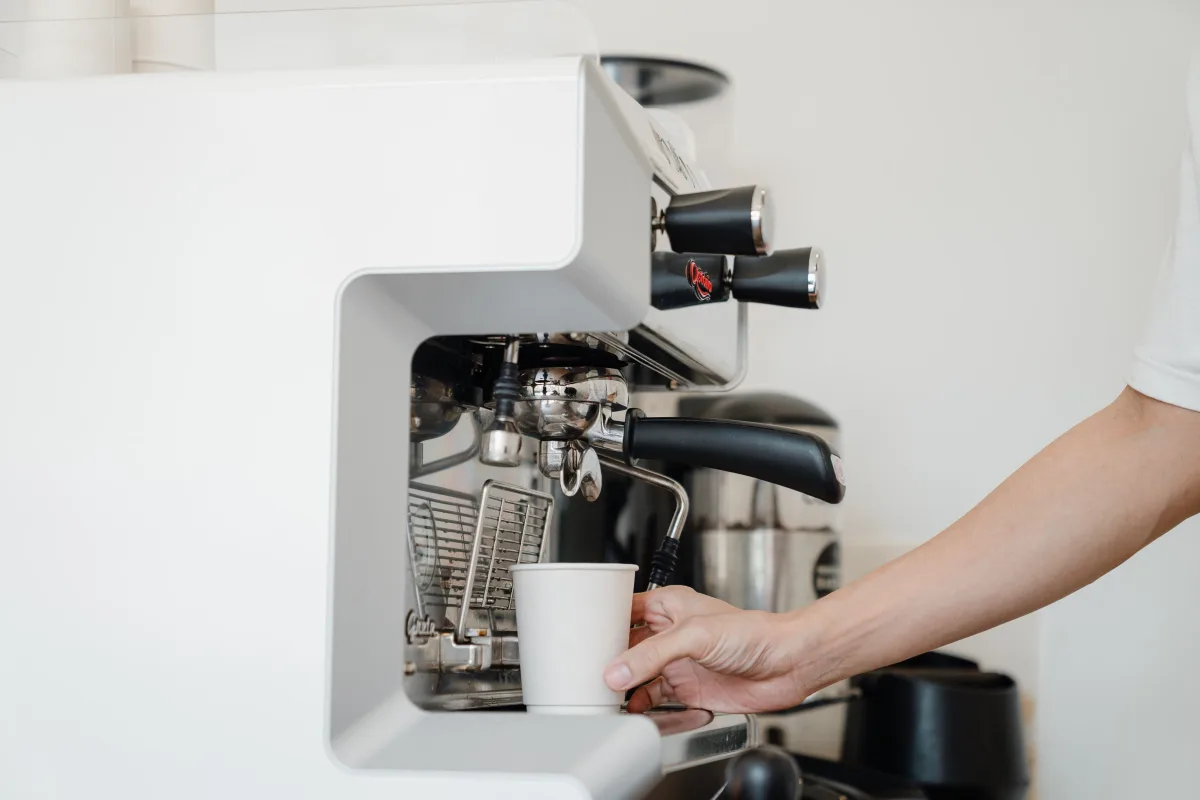
Sub-$100 drip coffee makers can deliver consistently good coffee. That's a genuine statement, not a qualified one — several models at this price perform well. Sub-$100 espresso machines, on the other hand, produce moka-pot-style concentrated coffee rather than true espresso. The pressure systems at this price point don't generate the 9 bars required for genuine espresso extraction.
Within the under-$100 drip category, several options stand out:
Hamilton Beach 2-Way Programmable: Single-cup and full-pot brew modes, bold and regular strength settings, 12-cup capacity, 24-hour programmability. Genuinely useful for households with mixed brewing needs.
Amazon Basics 12-Cup Drip: 2-hour auto-shutoff, 24-hour programmability, Duralife glass carafe. Reliable volume brewing with minimal features — exactly what it promises.
BLACK+DECKER 12-Cup: Vortex technology for even saturation, non-drip spout, dishwasher-safe removable filter basket. A practical budget workhorse.
Primula 9-Cup Stove Top Percolator: Works on gas, electric, and campfire. An electricity-free option for camping or minimalist households.
The primary trade-off at this price tier is longevity — budget machines typically have shorter lifespans than mid-range options. The Zojirushi Zutto 5-Cup is one of the few sub-$100 machines that holds up on both brew quality and durability. If your budget is firm at $100, start there.
The Variables Nobody Talks About: Water, Grind, and Maintenance
The machine is only one part of the equation. Three factors consistently separate good-tasting coffee from mediocre results regardless of machine quality.
Water quality: Heavily chlorinated tap water introduces off-flavors; very soft water can produce flat, under-extracted coffee. Filtered water — not distilled — is the practical standard for most home setups.
Grind consistency: A blade grinder produces uneven particle sizes that lead to simultaneous over-extraction and under-extraction in the same cup. A burr grinder — flat or conical — produces uniform particles that extract evenly. A $150 burr grinder paired with a $100 drip machine will often outperform a $400 drip machine paired with a blade grinder.
Maintenance: Scale buildup from hard water reduces heating efficiency and eventually damages heating elements. Most machines require descaling every one to three months depending on water hardness. Taste of Home's expert testing explicitly includes maintenance requirements as a practical differentiator — a machine that's difficult to clean will be cleaned less often, which directly degrades cup quality and machine longevity. Before buying, check: Does the machine have a descaling indicator? How accessible is the water reservoir and brew group? Are replacement parts available?
Final Decision Framework: Who Should Buy What
→ Convenience-first, espresso drinks: Super-automatic like the Jura E8 or Gaggia Magenta Prestige, or a pod machine like the Nespresso VertuoPlus. Accept the per-cup cost premium for zero-friction mornings.
→ Convenience-first, black coffee: Technivorm Moccamaster KBGV Select for reliability and consistent temperature, or Ninja 12-Cup Programmable if budget is the primary constraint.
→ Quality-first, espresso (building skill): Start with the Breville Bambino Plus and a Baratza Sette 30 grinder — budget for both together. Graduate to the Breville Barista Touch Impress or Gaggia Classic Evo Pro once you've developed technique.
→ Quality-first, espresso (serious investment): Fellow Series 1 for the current benchmark at mid-to-upper pricing. Lelit MaraX or Bianca V3 at the prosumer tier.
→ Quality-first, filter coffee (want simplicity): Fellow Aiden Precision Coffee Maker. Variable temperature and SCA Golden Cup compliance without standing over a kettle.
→ Quality-first, filter coffee (want maximum quality at low cost): Hario V60-02 Dripper with a gooseneck kettle and a quality burr grinder. Will outperform most $200–$300 electric drip machines.
→ Mixed household (multiple drink types): xBloom Studio for an integrated high-quality solution. Café Specialty Grind and Brew as a more accessible mid-range option. Accept that neither will be best-in-class for any single method.
→ Budget under $100: Zojirushi Zutto 5-Cup for solo users. Braun Brewsense for households. Do not expect true espresso at this price.
→ Travel or small space: AeroPress Original. No other option comes close for portability combined with cup quality.
One final point worth stating plainly: the best coffee maker is the one you'll actually use every morning. A $50 Mr. Coffee that produces a hot cup daily beats a $500 precision machine that intimidates you into skipping the ritual.
Frequently Asked Questions
What is the most important factor when choosing a coffee maker in 2026?
The type of coffee you want to drink — filter/drip or espresso-based — is the single most important filter. These require categorically different machines, and no single machine does both equally well. After that, your tolerance for morning workflow complexity determines whether to look at manual, semi-automatic, or fully automatic options.
Do I need a separate grinder?
For espresso, yes. Wirecutter states explicitly that a good grinder is as important as a good espresso machine. For drip and pour-over, a burr grinder meaningfully improves cup quality even if it isn't strictly required. Blade grinders are the weakest link in most home coffee setups regardless of how good the brewer is.
Are pod machines worth it in 2026?
For the right user, yes. If you want zero learning curve, consistent results, and minimal cleanup, pod machines deliver. The honest trade-off is ongoing capsule cost ($0.90–$1.50+ per cup versus $0.20–$0.50 for beans) and environmental waste from single-use plastic. Calculate your 12-month cost before committing to an ecosystem.
Can a drip coffee maker compete with pour-over quality?
Modern machines from Fellow, Ratio, OXO, and Technivorm have closed the gap significantly. Bon Appétit notes that the Fellow Aiden produces results "almost as good as what you can get with a kettle and a pour-over setup." For most daily drinkers, the difference doesn't justify the manual effort of pour-over. For quality-maximizers on a budget, the Hario V60 still wins on value.
What's the real difference between a $100 and a $300 espresso machine?
Pressure consistency, temperature stability, build quality, and steam power. A $100 machine produces concentrated coffee under inconsistent pressure. A $300 machine like the Breville Bambino Plus produces genuine espresso with a thermojet heating system that reaches brew temperature in seconds. The gap in cup quality is substantial and measurable, not just perceptible to experts.
What is the best espresso machine for a beginner?
The Breville Bambino Plus is the most consistently recommended entry point across Bon Appétit, Serious Eats, and community testing. It produces genuine espresso, has a manageable learning curve, and doesn't require a large financial commitment. If you want to skip the learning curve entirely, the Gaggia Magenta Prestige super-automatic handles the technical side for you at a higher price.
Is a super-automatic espresso machine worth the price?
For households where multiple people want espresso-based drinks without learning technique, yes. For a single coffee enthusiast who wants control over extraction, no — a semi-automatic will produce better results at a lower price if you're willing to practice. The Jura E8 and Gaggia Magenta Prestige are the current benchmarks if you're going the super-automatic route.
How much should I spend on a coffee maker for just good black coffee every morning?
The $150–$250 range covers the strongest value tier for drip coffee. The Braun Brewsense starts at the low end; the Fellow Aiden and Technivorm Moccamaster deliver substantially better results in the $200–$350 range. If budget is under $100, the Zojirushi Zutto 5-Cup is the best quality option at that price.
We may earn a commission when you use our links to make a purchase, at no additional cost to you. This helps fund this independent site. Our editorial rankings are completed before any affiliate link is applied and are never influenced by commercial relationships. Full disclosure →