Reviewed by the Trusted Buyer Report Editorial Team. This guide is based on independent test results, manufacturer specifications, and verified market data. It does not reflect hands-on testing by Trusted Buyer Report. We may earn a commission from purchases made through links on this page. Affiliate disclosure → · How we research →
TL;DR — Quick Verdict
- Best overall wax: Collinite No. 845 Insulator Wax — seasonal durability, minimal reapplication
- Best spray wax: Griot's Garage Best of Show — gloss maintenance between washes
- Best paste wax: Meguiar's Gold Class Carnauba Plus — deepest warm gloss
- Best budget spray: Turtle Wax Wax & Dry — post-wash convenience, no buffing
- Best chemical protection: Professional ceramic coating — 2–5 year protection, bird droppings, UV, sap
- Best physical protection: Paint Protection Film (PPF) — only product that stops rock chips and road debris
You just washed the car, it's sitting in the driveway still damp, and you're wondering: grab the spray wax from the garage shelf or finally invest in something more serious?
Here's the honest answer: it depends on what you're actually trying to protect against — and most guides don't tell you that upfront. Wax, ceramic coating, and PPF aren't interchangeable. They address completely different threats at different price points. Buy the wrong tier and you'll either overspend or under-protect.
This guide covers the best car wax and paint protection options for 2026 — tested rankings, tier-by-tier comparison, layering strategy, and the market data that shows what US car owners are actually choosing. If you're making broader vehicle ownership decisions alongside this, our 2026 Automotive Buyer's Guide covers parts, tires, and insurance in one place.
Head-to-Head: Top Car Wax Products of 2026
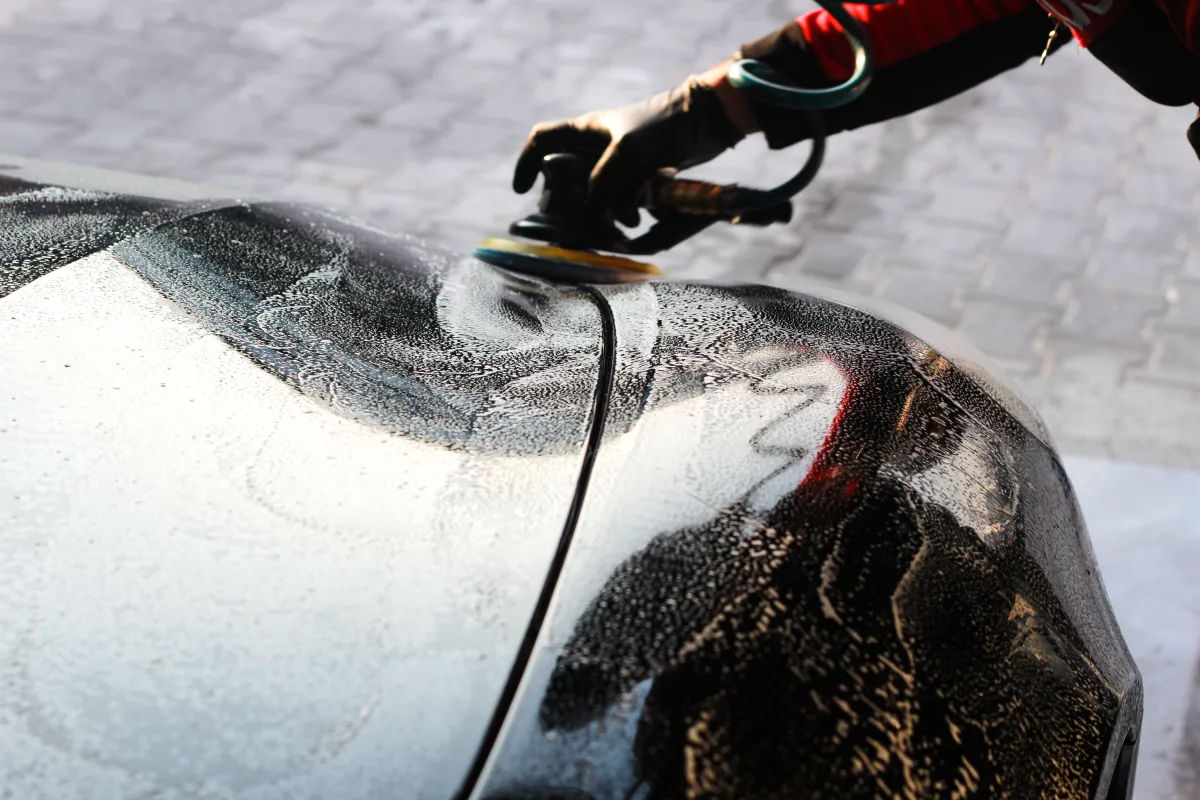
Independent testing by Road & Track identified four distinct winners, each occupying a different role in a complete paint protection routine — not interchangeable alternatives:
| Product | Category | Best For | Trade-Off |
|---|---|---|---|
| Collinite No. 845 Insulator Wax | Liquid Wax | Seasonal base layer, long durability | More buffing effort; slower to apply |
| Griot's Garage Best of Show Spray Wax | Spray Wax | Gloss maintenance between washes | Works best over a base layer; lower durability alone |
| Meguiar's Gold Class Carnauba Plus | Paste Wax | Deep, warm gloss on well-maintained paint | Time-intensive; shorter lifespan than synthetics |
| Turtle Wax Wax & Dry | Spray Wax | Post-wash ease, quick protection | Minimal standalone protection; maintenance product only |
The critical insight: These four products work best as a system, not as substitutes for each other.
Collinite No. 845 is the foundation. Apply it once per season and it continues working for months with minimal intervention. It requires more time and buffing than modern spray options, but that effort pays off in durability — it holds longer than almost any consumer wax product on the market.
Griot's Garage Best of Show is the effortless topper. Use it to revive gloss between washes or before a weekend drive. It performs best applied over an existing base layer rather than directly on bare paint.
The documented complementary approach: Collinite as the base + Griot's as the maintenance spray — two-step system that delivers both longevity and consistent visual quality without full reapplication effort each time.
Meguiar's Gold Class Carnauba Plus serves enthusiasts who want the traditional paste wax experience and that warm, deep glow associated with natural carnauba. Turtle Wax Wax & Dry earns its place as the easiest-to-use option for owners who want some protection immediately after washing without additional steps.
Protection Tier Comparison: Which Level Do You Actually Need?
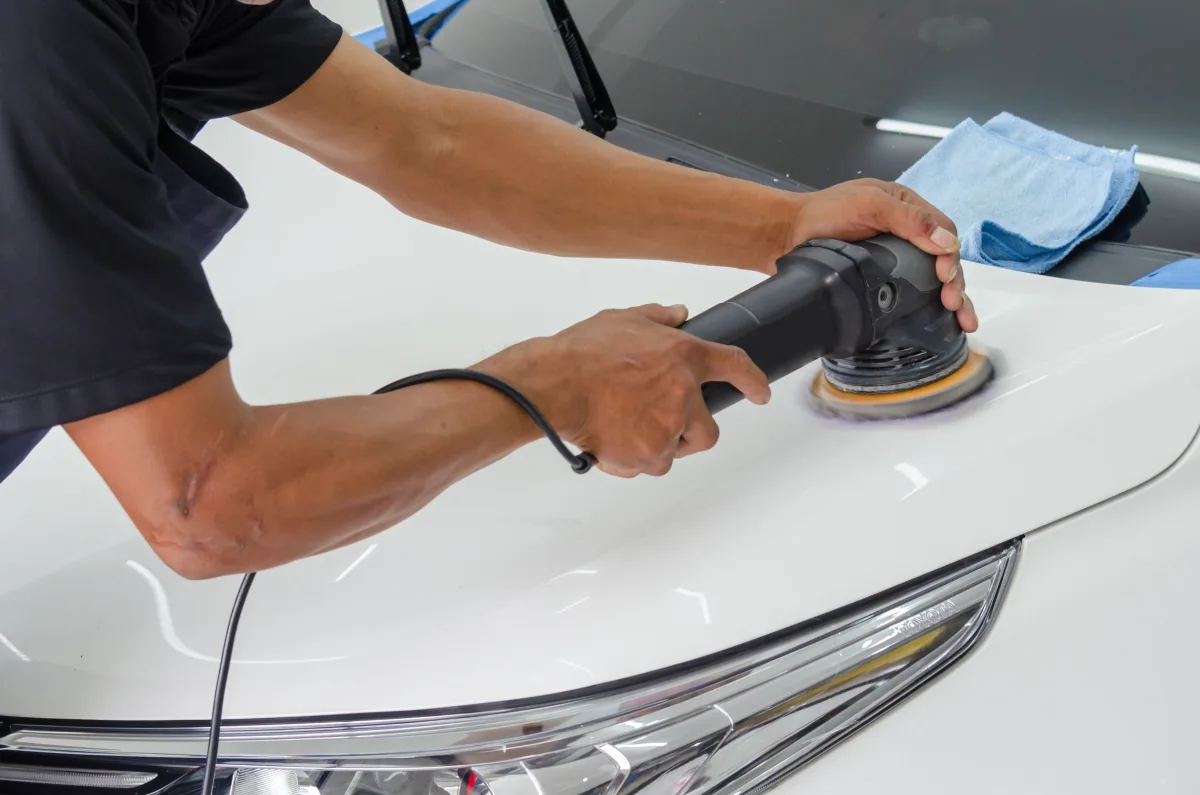
The more important question for most readers isn't which spray wax is best — it's which protection tier fits your vehicle, driving conditions, and budget. These four categories address different threats:
Spray Wax — Maintenance Layer
Spray waxes are maintenance products, not foundational protection. According to Car and Driver's tested guide, they work best on vehicles that already have an excellent finish.
What spray wax does: adds gloss, light water repellency, and keeps a treated surface looking fresh.
What it doesn't do: correct paint defects, provide meaningful impact protection, or replace a proper base treatment. If your paint has swirl marks or oxidation, a spray wax will actually make those defects more visible by adding shine around them.
Paste Wax — Gloss & Tradition
Paste wax requires more effort but delivers a deeper, warmer gloss than most spray formulas. Natural carnauba-based products like Meguiar's Gold Class produce the finish enthusiasts associate with a properly detailed car.
The trade-off: carnauba wax typically lasts weeks to a few months, depending on climate and washing frequency — shorter than the seasonal durability of a synthetic product like Collinite No. 845.
Ceramic Coating — Chemical & UV Protection
Ceramic coatings operate at a fundamentally different level. They bond chemically to the paint surface rather than sitting on top of it, creating a semi-permanent hydrophobic layer that resists bird droppings, tree sap, UV degradation, and water spotting.
Advanced ceramic and spray-based solutions saw usage rates increase approximately 40% due to longer surface protection benefits, according to Business Research Insights.
Here's the catch: ceramic coating doesn't protect against physical impact. A rock chip will still damage paint through a ceramic coating. But for chemical and environmental degradation over 2–5 years, nothing in the wax category competes.
Paint Protection Film (PPF) — Physical Impact Defense
PPF is the only product that provides genuine physical impact protection. It absorbs energy from road debris, rock chips, and minor abrasions that no coating or wax can stop.
According to Coherent Market Insights, thermoplastic polyurethane (TPU) — the primary material in modern PPF — is expected to account for 37.6% of PPF market share in 2026. TPU offers outstanding flexibility, durability, and impact resistance. It's a fundamentally different product from the vinyl "bras" of the 1980s, which were notorious for trapping moisture and causing the paint damage they were meant to prevent.
PPF is the most expensive option and requires professional installation, but for a daily driver on highways or a new high-value vehicle, it addresses threats that nothing else can.
What the 2026 Market Data Tells Us
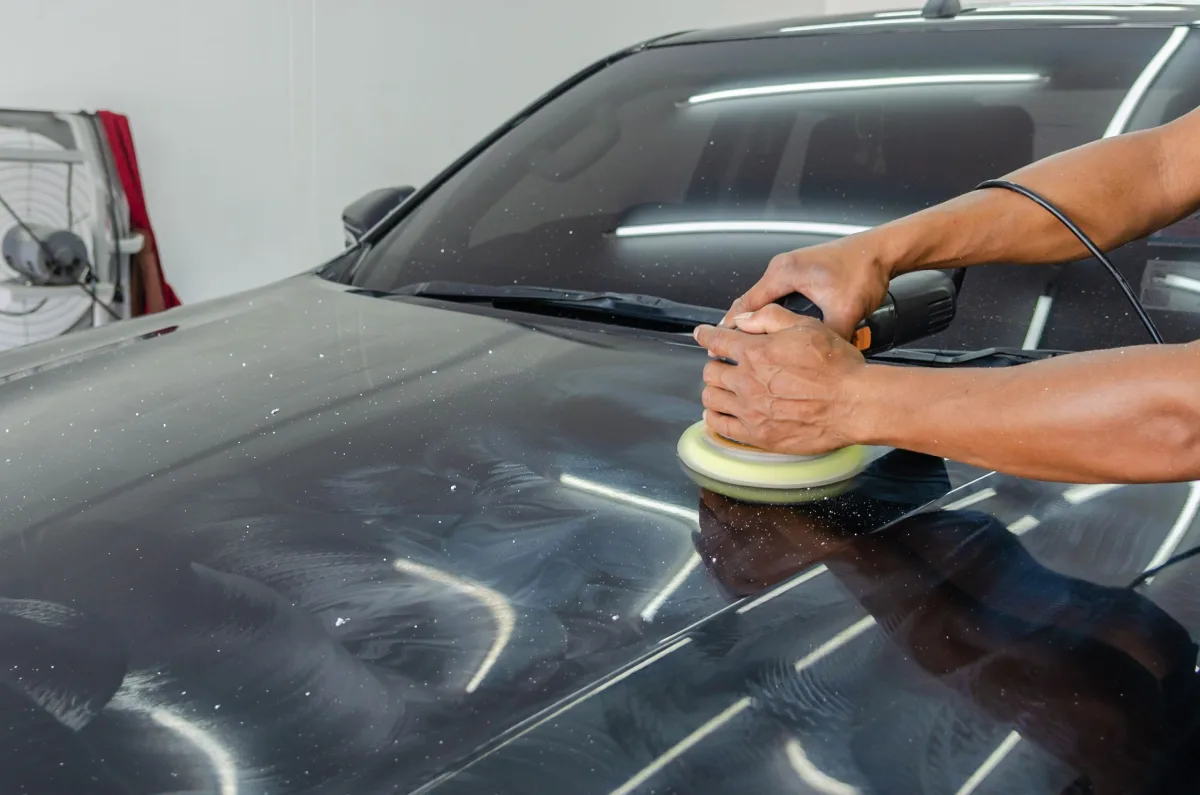
Market data provides a useful reality check on what's working versus what gets marketing attention.
According to Persistence Market Research, North America will hold 42% of global car wax market share in 2026, driven by high vehicle ownership rates and a strong aftermarket culture. The trend is toward premium, longer-lasting formulations — consumers are selecting better versions of wax, not abandoning it.
A few numbers worth knowing:
- Car wax holds nearly 27% of the car detailing products market segment — reflecting wax's continued relevance even as premium alternatives grow (Business Research Insights)
- Leading brands account for ~52% of market presence in car detailing, while regional and niche players contribute ~34% — meaning quality alternatives exist well outside household names. Collinite, for example, commands a devoted enthusiast following despite minimal advertising spend
- The wax and cleaning segment is projected to dominate with an 83.48% share of the broader car care products market in 2026 (Fortune Business Insights) — DIY adoption is growing alongside professional detailing
The premiumization signal is meaningful: consumers aren't abandoning traditional wax, they're choosing better versions. The shift toward synthetic formulas and hybrid carnauba-polymer blends reflects a practical preference for products that survive more washes before requiring reapplication.
Ceramic Coating vs. PPF: The Honest Trade-Off Guide
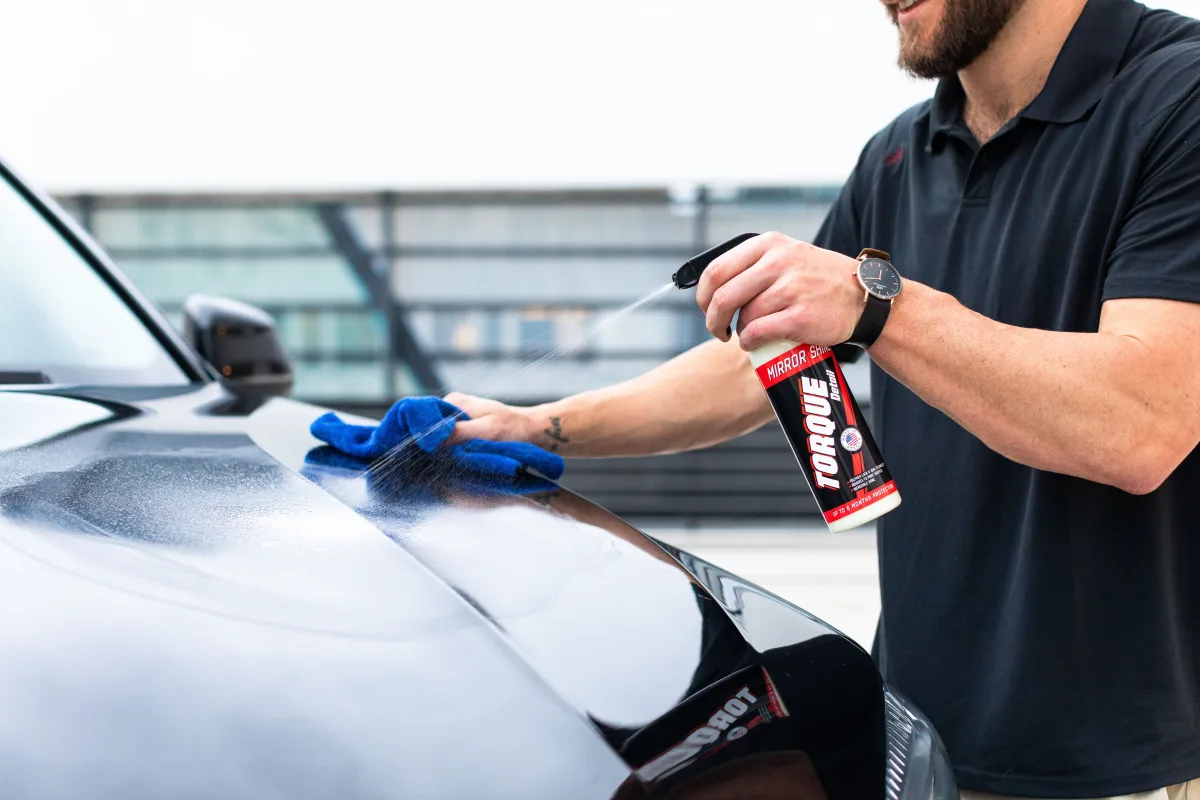
The confusion between ceramic coating and PPF is understandable — both are premium options, both require professional installation for best results, and both are marketed with similar language about "protecting your investment." But they protect against fundamentally different threats.
PPF is a physical barrier. When road gravel strikes your hood at highway speed, PPF absorbs and disperses that energy before it reaches the paint. Ceramic coating cannot do this — it is a hard, thin chemical layer that provides no meaningful resistance to impact.
Ceramic coating is a chemical barrier. It resists the contaminants that gradually degrade paint: bird droppings, tree sap, industrial fallout, and UV radiation. PPF alone, without a coating on top, is more susceptible to these chemical attacks than a ceramic-coated surface.
The combined solution — PPF on high-impact areas with ceramic coating applied over the full vehicle — delivers the best overall protection, according to Springs Detailing's analysis. This is the approach professional detailers typically recommend for new or high-value vehicles.
Priority zones for PPF: front bumper, hood leading edge, side mirrors, and door edges — areas that receive the most road debris impact.
Ceramic coating then covers the full vehicle, providing chemical protection everywhere, including over the PPF itself.
The cost-versus-repaint argument is worth making directly: a professional paint correction and respray on a single panel can cost several hundred dollars. A rock chip that reaches bare metal will eventually rust without treatment. Viewed against those costs, both PPF and ceramic coating offer genuine long-term financial value — not just aesthetics.
Important: Professional installation is not optional for either product. Springs Detailing's guide is explicit that improper application can trap contaminants under the film, create adhesion bubbles, or cause ceramic coating to cure unevenly — all of which are more expensive to correct than the original installation cost. If you're heading into professional detailing for the first time, our complete guide to buying and maintaining a used car in 2026 covers when to prioritize paint protection budgets over other ownership costs.
How to Choose the Right Car Wax for Your Specific Situation
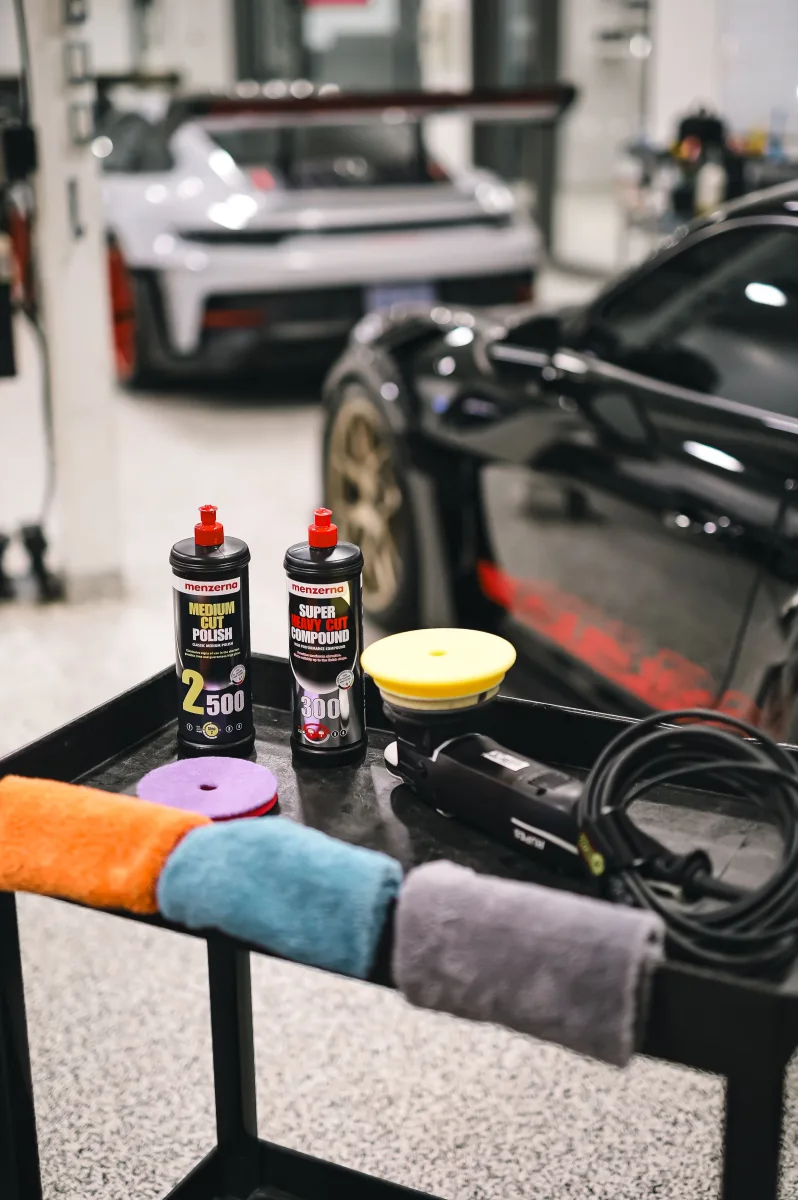
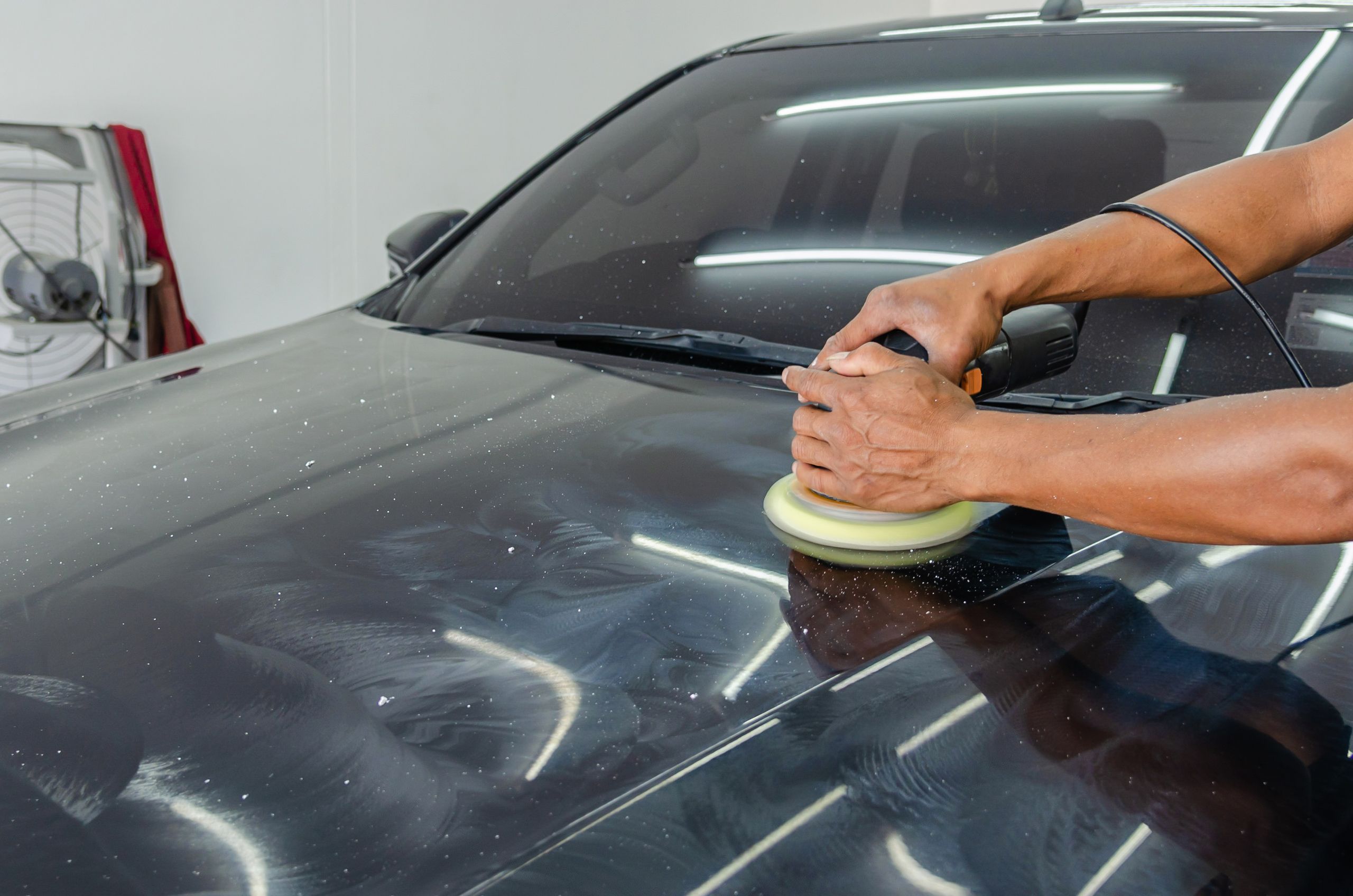
For most car owners who aren't pursuing PPF or ceramic coating, the wax decision comes down to three variables: paint condition, time available, and how long you want protection to last.
Step 1: Check paint condition first
Wax is not a corrective product. If your paint shows swirl marks, light scratches, or oxidation, applying wax over those defects will make them more visible, not less.
According to Business Research Insights, car polish removes small scratches, swirl marks, and paint oxidation — polishing is the prerequisite step when the paint surface isn't already clean and defect-free. Don't skip this step.
Step 2: Match the wax format to your use case
- Spray wax (Griot's Garage Best of Show, Turtle Wax Wax & Dry): choose this if your paint is already excellent, you want a quick post-wash boost, or you're maintaining a base layer applied weeks earlier. Car and Driver confirms spray waxes work best on cars with an already-excellent finish.
- Paste wax (Meguiar's Gold Class Carnauba Plus): choose this if you want the deepest, warmest gloss and are willing to spend 30–60 minutes on application and buffing. Natural carnauba delivers a finish that synthetic alternatives struggle to replicate visually.
- Liquid wax (Collinite No. 845): choose this if you want seasonal durability with one application and don't want to think about reapplying for months. Collinite holds longer than almost any consumer wax product.
Step 3: Use the water beading test as your reapplication trigger
When you wash the car and water no longer beads into distinct droplets — instead sheeting flat across the paint — the wax layer has degraded and needs refreshing. Climate matters: cars parked outdoors in direct sun or driven through frequent rain will need more frequent reapplication than garage-kept vehicles.
Carnauba vs. Synthetic: Which Gloss Do You Prefer?
Carnauba-based waxes produce a warm, slightly golden gloss that many enthusiasts prefer aesthetically. Synthetic polymer waxes and paint sealants last longer and often produce a sharper, more uniform shine, but some find the look slightly cooler or more clinical. Neither is objectively better — it depends on what you want the finished result to look like.
The Layering Strategy: How to Combine Wax, Sealant, Ceramic, and PPF Without Wasting Money
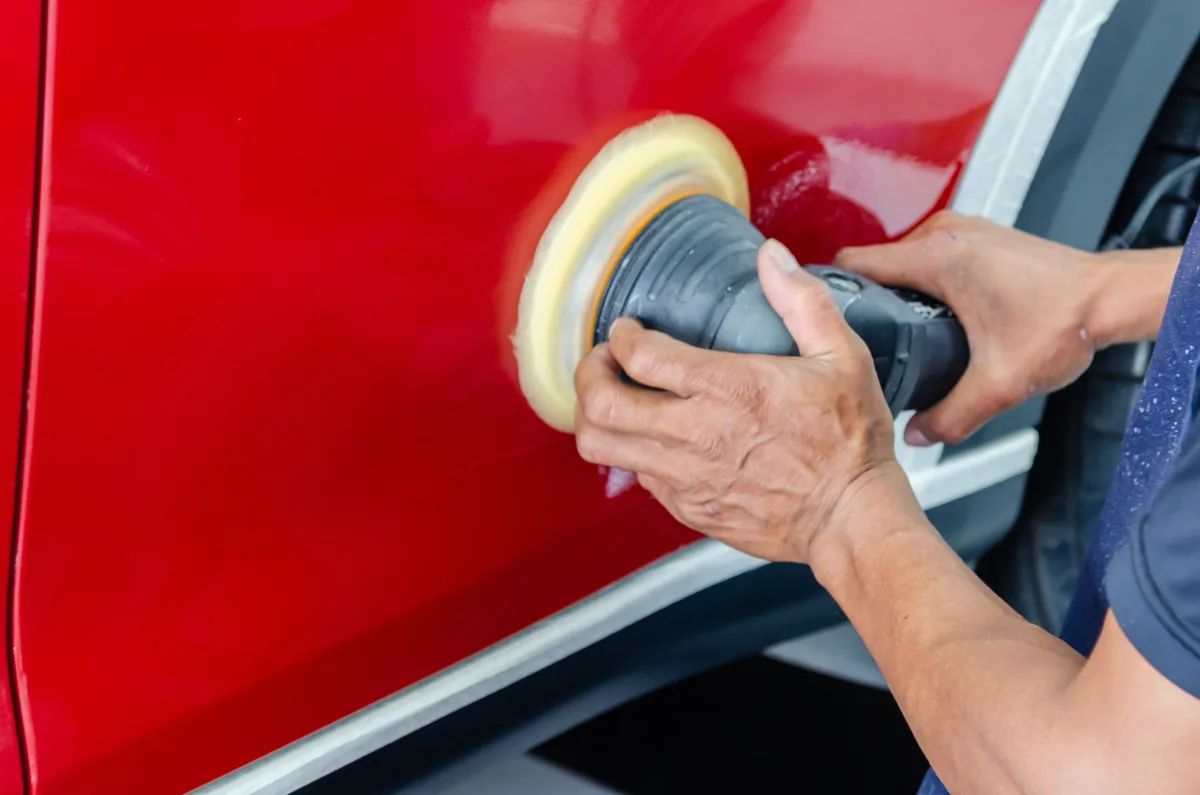
Layering protection products is not redundant — each type addresses a different threat at a different level of the paint system. The confusion arises when people assume that any order produces better results. Order and compatibility both matter.
The correct sequence, from base to surface:
Paint correction (polish if needed) → PPF or ceramic coating as primary protection → wax or spray detailer as maintenance layer
Each step builds on the previous one rather than replacing it.
Wax over ceramic coating: this is a debated practice in detailing communities. Some ceramic coatings are formulated to accept a compatible spray sealant or wax topper that can enhance hydrophobic performance. Others perform optimally without anything applied over them — adding wax can actually reduce effectiveness by filling the microscopic texture that gives the coating its water-repelling properties. Check the manufacturer's guidance for the specific ceramic product before applying wax over it.
The documented two-step wax approach (Road & Track): Collinite No. 845 as the base + Griot's Best of Show as the maintenance topper. Collinite provides the durable foundation; Griot's refreshes surface appearance between full reapplications without the buffing effort of reapplying Collinite each time.
One combination to avoid: applying carnauba wax immediately before a ceramic coating. Carnauba residues can interfere with the coating's ability to bond to the paint surface, leading to adhesion failures and uneven curing. If you're transitioning from a wax routine to a ceramic coating, a thorough decontamination wash and paint preparation step is required first.
Wax over PPF: acceptable and common. The PPF handles physical protection; the wax adds gloss and some surface protection on top of the film without compatibility concerns.
PPF in 2026: Materials, Formats, and What the Data Shows
Modern PPF is a fundamentally different product from the vinyl bras of the 1980s and 1990s, which were notorious for trapping moisture, yellowing, and causing the paint damage they were meant to prevent.
Material breakdown (2026):
- Thermoplastic Polyurethane (TPU): expected to account for 37.6% of PPF market share in 2026 (Coherent Market Insights). Valued for outstanding flexibility, durability, and resistance to abrasion and impact. Also enables self-healing properties in premium products — the film surface can recover from minor scratches with heat exposure from sunlight or warm water.
- Polyester films: used for superior clarity and UV resistance, enhancing optical quality.
- Acrylic-based adhesive layer: provides strong bonding while allowing clean removal without paint damage — a major improvement over older adhesive systems that could lift paint during removal.
Finish options:
- Glossy PPF: projected to capture 53.4% of PPF market share in 2026 (Coherent Market Insights) — dominant because it matches or enhances standard factory paint finishes.
- Matte PPF: available for vehicles with factory matte paint or owners who prefer a satin appearance.
The automotive and transportation segment accounts for 43.4% of total PPF market share in 2026, confirming passenger vehicles remain the primary application even as PPF expands into commercial markets.
Related Automotive Upgrades to Consider
If you're protecting your paint, you may also be thinking about other upgrades that preserve your vehicle's value and your driving experience. A few guides worth reading alongside this one:
- Tracking your car's position and safety: our best dash cams guide for 2026 covers front, dual-channel, and 360° configurations — documentation of an incident is the first line of defense if your protected paint ends up in a claim
- Keeping the interior in the same condition as the exterior: best car floor mats and seat covers for 2026 covers the interior protection equivalent of what this guide covers for paint
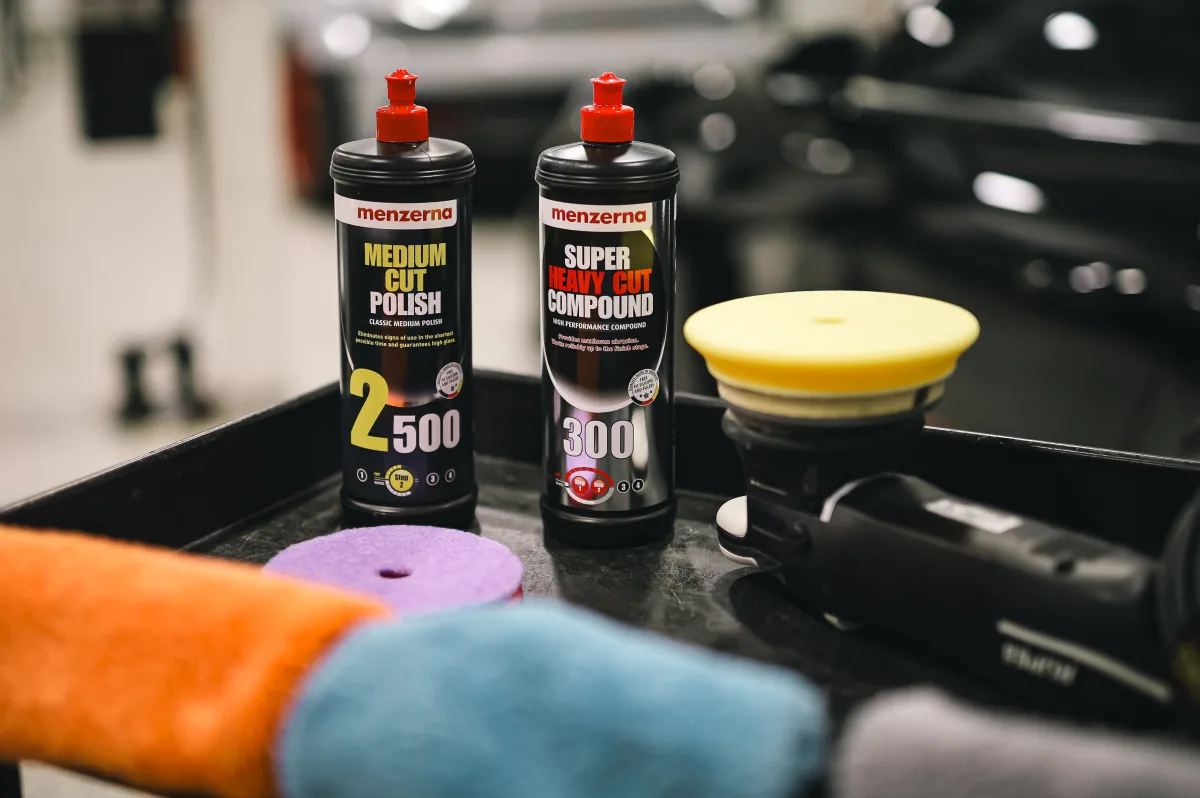
- Tools for your own detailing work: if you're doing paint correction or regular wax application yourself, our best auto tools for DIY mechanics in 2026 covers polishers, orbital machines, and detailing accessories that make the job faster and safer for your paint
- Emergency preparedness: best jump starters and emergency car kits for 2026 — because a dead battery in a parking lot can lead to the kind of rushed situation where paint protection isn't top of mind
Frequently Asked Questions
How often should you wax a car in 2026?
For most climates and driving conditions, a durable liquid wax like Collinite No. 845 applied once per season — roughly every three to four months — provides adequate protection. Spray waxes used as maintenance toppers can be applied after every wash. The water beading test is the most reliable indicator: when water stops beading on the surface, reapplication is due regardless of how much time has passed.
Is ceramic coating worth it compared to regular wax?
For vehicles driven daily and exposed to environmental contaminants, ceramic coating offers substantially longer-lasting chemical protection than any wax product. The trade-off is cost and application complexity. If you're comfortable with a seasonal wax routine and your vehicle isn't high-value, quality wax performs well. If you want to reduce maintenance frequency and improve resistance to bird droppings, tree sap, and UV damage over multiple years, ceramic coating delivers meaningful advantages.
Can you apply wax over paint protection film?
Yes. Wax applied over PPF is compatible and can enhance the film's gloss and surface protection. The PPF handles physical impact protection; the wax layer adds surface hydrophobics and appearance benefits on top of the film. Use a spray wax or liquid wax — not an abrasive polish — over installed PPF.
What is the difference between carnauba wax and synthetic wax?
Carnauba wax is derived from the leaves of the carnauba palm and produces a warm, deep gloss that many enthusiasts prefer visually. It typically lasts weeks to a few months before requiring reapplication. Synthetic polymer waxes and paint sealants last longer — often several months to a year — and produce a sharper, more uniform shine. For maximum durability, synthetic formulas win. For the traditional warm glow associated with a show-quality finish, carnauba is the preference.
Does paint protection film require maintenance?
PPF requires regular washing to prevent contamination buildup, which can degrade the film's clarity and adhesion over time. Self-healing PPF recovers from minor surface scratches with heat exposure, but the film itself doesn't protect against chemical contamination without additional treatment. Applying a compatible spray sealant or wax over installed PPF helps maintain its appearance and extends its effective lifespan.
What is TPU in paint protection film?
Thermoplastic polyurethane (TPU) is the primary base material used in modern PPF. It is valued for its flexibility, durability, and resistance to abrasion and impact — properties that make it significantly more effective than the vinyl materials used in older protective films. TPU also enables the self-healing properties found in premium PPF products, where the film surface can recover from minor scratches when exposed to heat.
Is car wax still worth using if you have ceramic coating?
It depends on the specific ceramic coating product. Some formulations accept a compatible wax or spray sealant topper that enhances the hydrophobic performance and adds a sacrificial layer of protection. Others are designed to perform without anything applied over them. Check the manufacturer's guidance for your specific coating — applying incompatible wax can reduce the coating's effectiveness by interfering with the microscopic surface structure responsible for water repellency.
Bottom Line: Who Should Buy What
| Your Situation | Best Option |
|---|---|
| Occasional driver, garage-kept, well-maintained paint | Spray wax (Griot's or Turtle Wax) over a Collinite base |
| Enthusiast who wants the best-looking finish | Meguiar's Gold Class Carnauba + Collinite base layer |
| Daily driver, heavy exposure to sun/rain, want low maintenance | Professional ceramic coating |
| New car, highway driving, rock chip risk | PPF on impact zones + ceramic coating over full vehicle |
| High-value vehicle where preserving value matters most | Full PPF + ceramic coating — the combined solution |
The fundamental rule: don't apply wax to unpolished paint, don't skip prep before ceramic coating, and don't expect any wax to stop a rock chip. Understand which threat you're protecting against, and match the product to that threat.
For shoppers still researching which vehicle to protect in the first place, the best car buying apps and websites for 2026 — including CarMax, Carvana, and KBB — is a useful starting point before the paint protection conversation begins.
This article was researched and drafted with AI assistance, then reviewed and fact-checked by a human before publishing. Trusted Buyer Report may earn a commission from purchases made through links on this page at no additional cost to you. Our editorial recommendations are completed before any affiliate link is applied. Full disclosure →
© 2026 Trusted Buyer Report. Research-based, AI-assisted, human-reviewed. Not affiliated with any product brand or retailer.