
Affiliate Disclosure: Trusted Buyer Report may earn a commission when you use our links to make a purchase, at no extra cost to you. Our editorial assessments are completed before any affiliate link is applied and are never influenced by commercial relationships. Full disclosure → How this guide was researched: This guide synthesizes peer-reviewed ingredient research, industry data from Circana, NielsenIQ, and Revuze, regulatory documentation from the FDA and FTC, and expert analysis from Consumer Reports and Beauty Independent. It does not reflect hands-on product testing by Trusted Buyer Report. AI-assisted, human fact-checked before publication. Our editorial standards →
TL;DR — 5 Things Worth Knowing Before You Buy Anything
TikTok virality and product efficacy are not the same thing. A serum can sell out in 48 hours before a single real-world review exists.
The first five ingredients on any label are most of the formula. If the active you're paying for appears after the preservatives, its concentration is likely below 1%.
"Natural," "clean," and "non-toxic" have no legal definition in U.S. cosmetics. Look for independently audited third-party certifications instead.
A $85 serum used twice daily often costs less per application than a $28 cleanser that runs out in a month. Calculate price-per-use before comparing sticker prices.
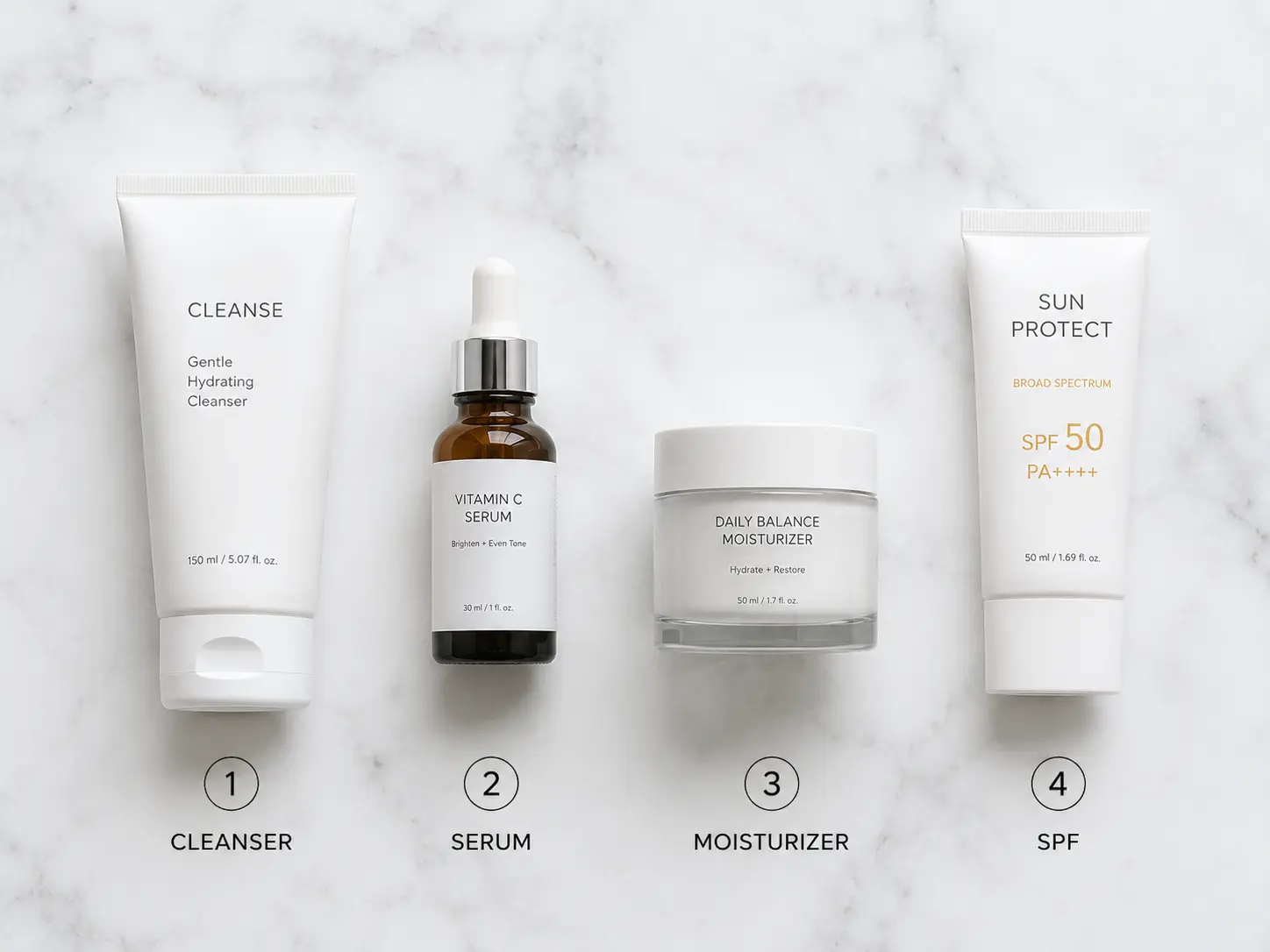
Consistency with a small, well-chosen routine reliably outperforms rotating through trending products. Most dermatologists say four to five products done right beats twelve products done chaotically.
Who This Guide Is For
You'll get the most out of this if you:
Feel overwhelmed by competing claims across skincare, makeup, and wellness-adjacent beauty products
Want to evaluate a product yourself rather than rely on influencer endorsements
Are trying to simplify your routine without sacrificing results
Have reactive or sensitive skin and need to understand ingredient interactions before buying
This guide doesn't hand you a ranked product list. It gives you the evaluation tools to assess any beauty product — regardless of what the marketing says or who endorsed it.
Why Beauty Decisions Feel Harder Than Ever in 2026
The skincare market alone is projected to grow from approximately $177.6 billion in 2025 to over $240 billion by 2030 (Tricoci University, 2026). That's not a market becoming easier to navigate — it's a market flooding with more products, more claims, and more noise every quarter.
Here's the mechanism that makes it hard:
TikTok and Instagram now function as the beginning, middle, and often the complete end of the purchase journey (Skai CPG Beauty Marketing Guide, 2026, citing NielsenIQ data). A consumer discovers a product in a creator video, reads comments in the same app, watches a tutorial, and buys — all without opening a second tab. That compression matters. Popularity and efficacy are not the same thing, but the algorithm doesn't distinguish between them.
A product trends because it photographs well, because a creator with the right audience posted at the right time, or because the brand paid for amplification. None of those factors tell you whether the formula will work on your specific skin type, in your climate, alongside the products you're already using.
At the same time, a real counter-movement is developing. Revuze's 2026 cosmetics analysis identifies a growing shift toward what the industry is calling "Skin-tellectuals" — consumers who demand clinical evidence, ingredient transparency, and expert credibility rather than aesthetic endorsement. The discovery mechanism rewards virality; the evaluation standard is increasingly rigorous. Most buyers are caught somewhere in the middle.
This guide is for the middle.
How Beauty Product Testing Actually Works (And What Most Reviews Skip)
Before you read a single review, understand what kind of review you're reading. They are not interchangeable.
The 4 Types of Beauty Review — and What Each Is Actually Worth
Consumer Reports, for example, purchases products anonymously, uses multiple testers across different skin tones and types, and defines scoring criteria before testing begins. That methodology is fundamentally different from a creator unboxing a PR package — both are valid sources of information, but for different questions.
What Makes a Review Actually Transferable to Your Situation
A review that says "this serum completely transformed my skin in two weeks" tells you almost nothing. A review that says "I have combination skin with closed comedones along my jawline, I used this niacinamide serum twice daily for six weeks, and I saw a reduction in pore appearance but no change in the comedones" gives you something to evaluate.
The four variables that make a review transferable:
Skin type and specific concern
Duration of consistent use (six weeks minimum for most actives)
What else they were using simultaneously
The specific outcome — positive and negative
When you can't find reviews that match your profile closely, look for pattern signals across many reviews: three separate reviewers mentioning the same pilling issue, the same scent sensitivity, or the same pump failure is worth more than one person's strong opinion in either direction.
Before-and-After Images: What to Scrutinize
Beauty Independent (2026) reports that credible brands and increasingly savvy consumers now demand standardized lighting, consistent facial positioning, and disclosed conditions for clinical before-and-after claims. A slight change in jaw angle, a warmer light source, or different camera distance can simulate results that don't exist. If a brand's before-and-after images don't disclose the conditions under which they were taken, treat them as illustrative, not evidential.
Decoding Ingredient Labels: The Single Highest-Leverage Skill You Can Build
Ingredient literacy makes you independent of brand claims, influencer endorsements, and buying guides — including this one. Here's how to use it.
The Descending Order Rule — and Why It Matters for Price
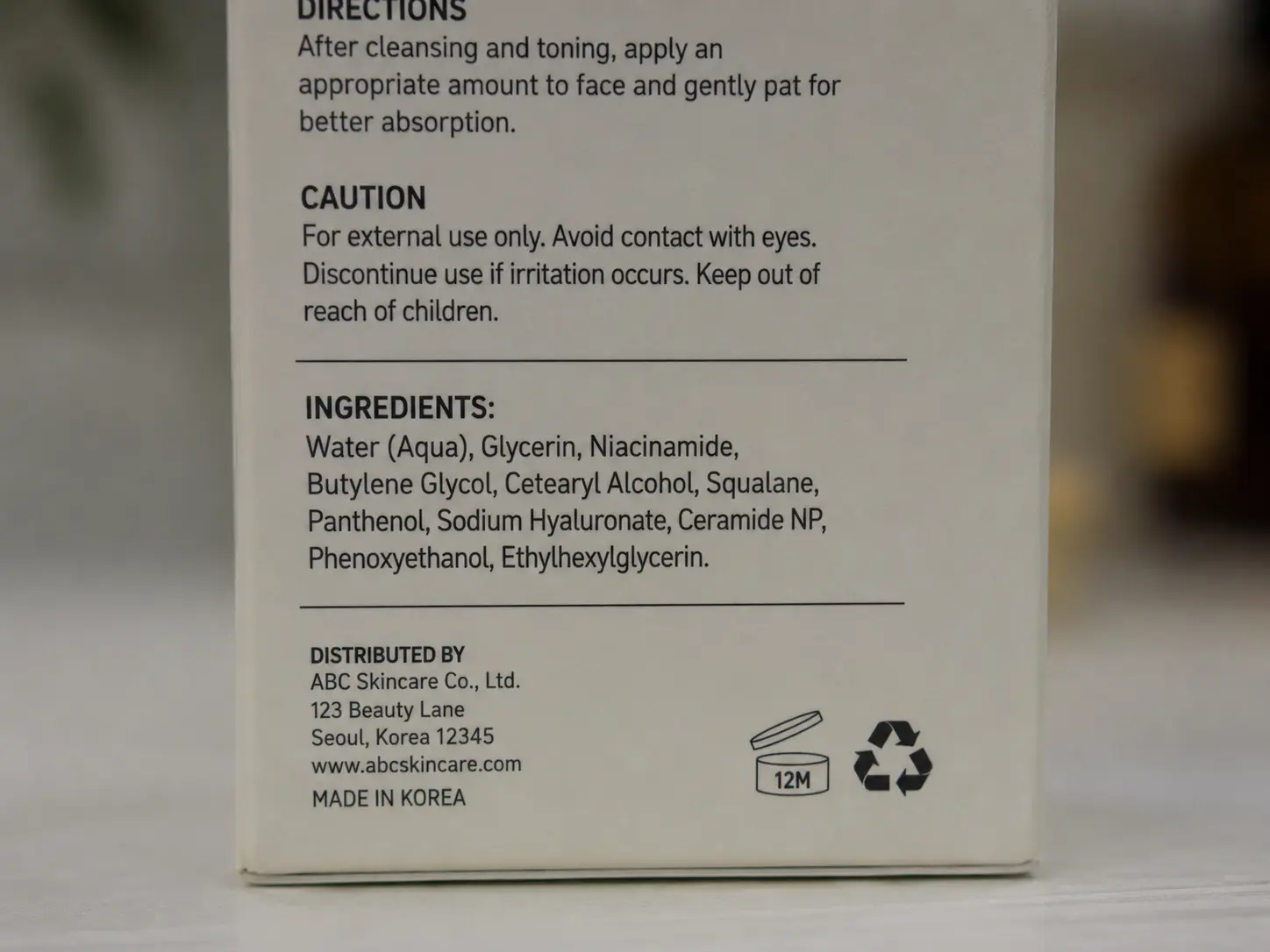
Cosmetic ingredient lists in the U.S. and EU are required to list ingredients in descending order of concentration. The first five ingredients typically constitute the majority of the formula.
Water (aqua) appearing first in a vitamin C serum is not a red flag — it's the solvent. But if L-ascorbic acid (the most bioavailable form of vitamin C) appears after preservatives like phenoxyethanol, its concentration is likely below 1% and its functional impact is minimal. Compare that to a serum where L-ascorbic acid appears second at a stated 15% concentration. That is a meaningfully different product at a functional level — regardless of how similar the packaging looks or how close the prices are.
Active Ingredients With Documented Evidence Behind Them
These have published, peer-reviewed research supporting their mechanisms:
Peptides are a particularly instructive 2026 case study. As Beauty Independent notes, simply listing "peptides" on a label is no longer sufficient — the specific peptide, its concentration, and the delivery system determine whether it actually functions. Matrixyl 3000 (palmitoyl tripeptide-1 and palmitoyl tetrapeptide-7) has documented research; a vague "peptide complex" appearing after the fragrance entry does not.
Wellness Additions That Can Backfire — Especially for Sensitive Skin
Essential oils and botanical fragrance compounds are trending as wellness-adjacent additions to skincare. They are also among the most common causes of contact dermatitis and cumulative sensitization, particularly for reactive or compromised skin.
Lavender oil, citrus extracts, and eugenol (found in clove and cinnamon) appear frequently in "natural" formulas and can cause sensitization even in people who tolerate them initially. If you have sensitive skin: fragrance — synthetic or natural — is worth avoiding in leave-on products, regardless of how the brand frames it.
The Greenwashing Problem: What "Clean" Actually Means
In the United States, the terms "natural," "clean," "non-toxic," and "green" carry no standardized regulatory definition when applied to cosmetics. A product can legally use all of these terms while containing ingredients a reasonable consumer wouldn't classify as natural or clean.
Third-party certifications that are independently audited:
NATRUE — natural and organic cosmetics standard
Leaping Bunny — cruelty-free verification (no animal testing at any supply chain stage)
EWG Verified — ingredient safety screening against EWG's database
B Corp — broader ethical business practices (supply chain, labor, environmental)
A brand's own "clean beauty" seal is self-reported. These four are not.
Matching Products to Your Skin: A Decision Framework Before You Read Any Review
Answer these five questions before evaluating any product. They will filter out the majority of products that are simply wrong for you — regardless of their quality for someone else.
1. What is your primary skin type? Oily, dry, combination, or sensitive — this is a starting point, not a complete profile.
2. What is your skin barrier status right now? Tight, flaky, or reactive skin often indicates a compromised barrier. Barrier-compromised skin needs different product priorities than intact skin of the same type — typically ceramides, panthenol, and minimal actives before anything else.
3. What is your primary concern? Hyperpigmentation, acne, texture, dehydration, and visible aging respond to different ingredient categories. Trying to address all five simultaneously with a complex routine is a common cause of both poor results and unnecessary spending.
4. What are you already using? Ingredient interactions matter in practice. Vitamin C at low pH and retinol used in the same routine can cause irritation. Niacinamide and AHAs are generally compatible but require attention to concentration. If you're using prescription tretinoin, most OTC actives stack redundantly on top of it.
5. Have you had any recent cosmetic procedures? Beauty Independent (2026) identifies post-procedure skincare as a rapidly growing category, as more consumers pursue microneedling, fractional laser, and non-invasive tightening treatments. Standard product recommendations don't apply in the recovery window. Barrier-repair formulas with ceramides and minimal actives take priority over performance actives during healing.
AI Skin Analysis Tools — Useful Starting Point, Not a Prescription
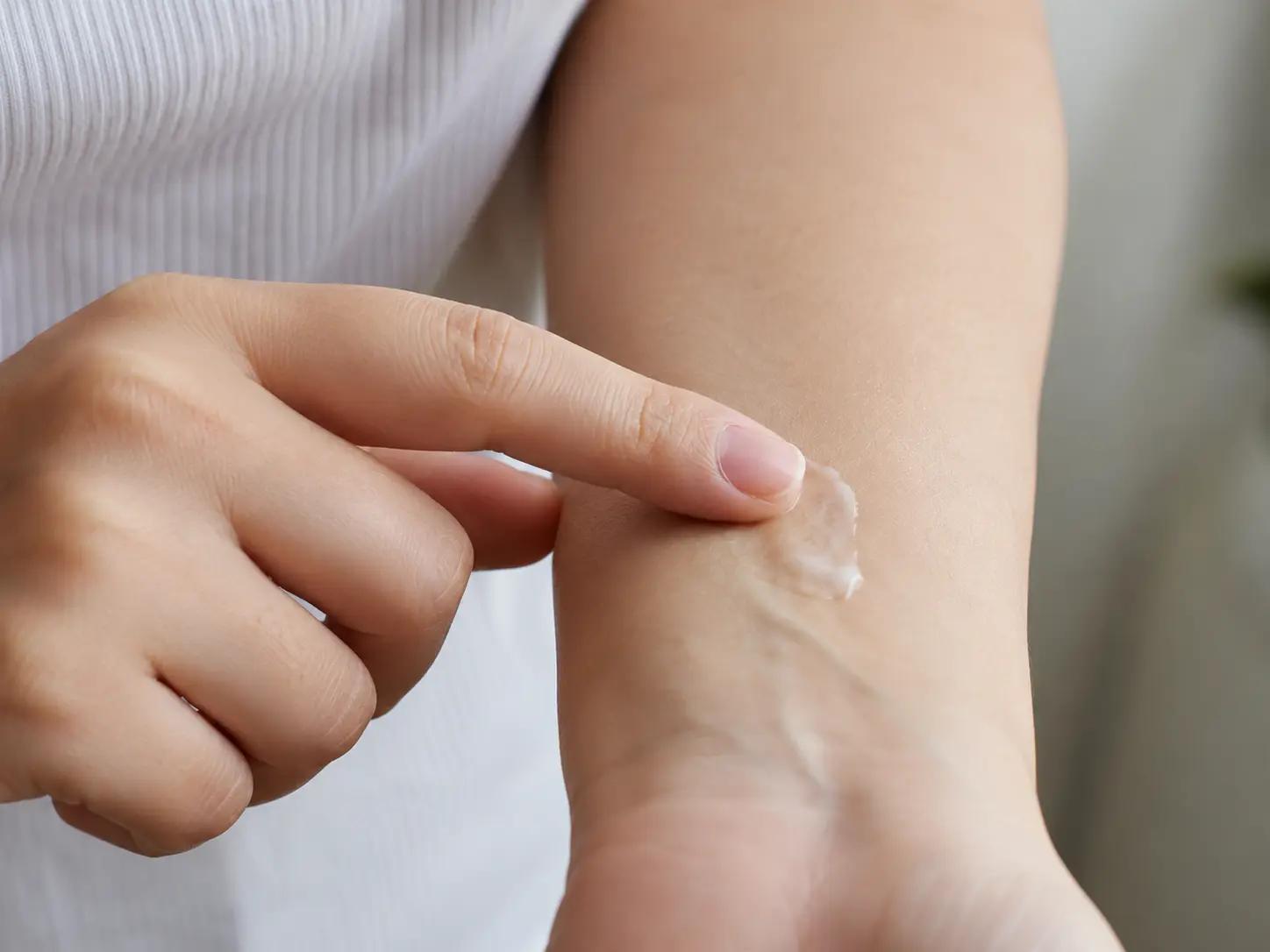
Circana (2026) identifies AI-powered skin analysis as one of three defining forces in beauty this year. Apps like Proven Skincare's quiz-based algorithm or L'Oréal's Skin Genius tool can be genuinely useful as a starting baseline. Treat their output as a hypothesis to test, not a definitive prescription. Patch test new products on your inner arm for 48 hours before applying to your face — especially if your skin is reactive.
How to Use Buying Guides Without Overspending
A buying guide is only as useful as the criteria it discloses. If a guide presents "best moisturizers" without explaining what "best" means — for what skin type, against what criteria, tested by whom over what time period — it's a list with affiliate links, not a guide.
Here's how to use this category of content intelligently.
Calculate Price-Per-Use Before Comparing Sticker Prices
Sticker price comparisons are often misleading in beauty because usage frequency and product lifespan vary enormously across categories.
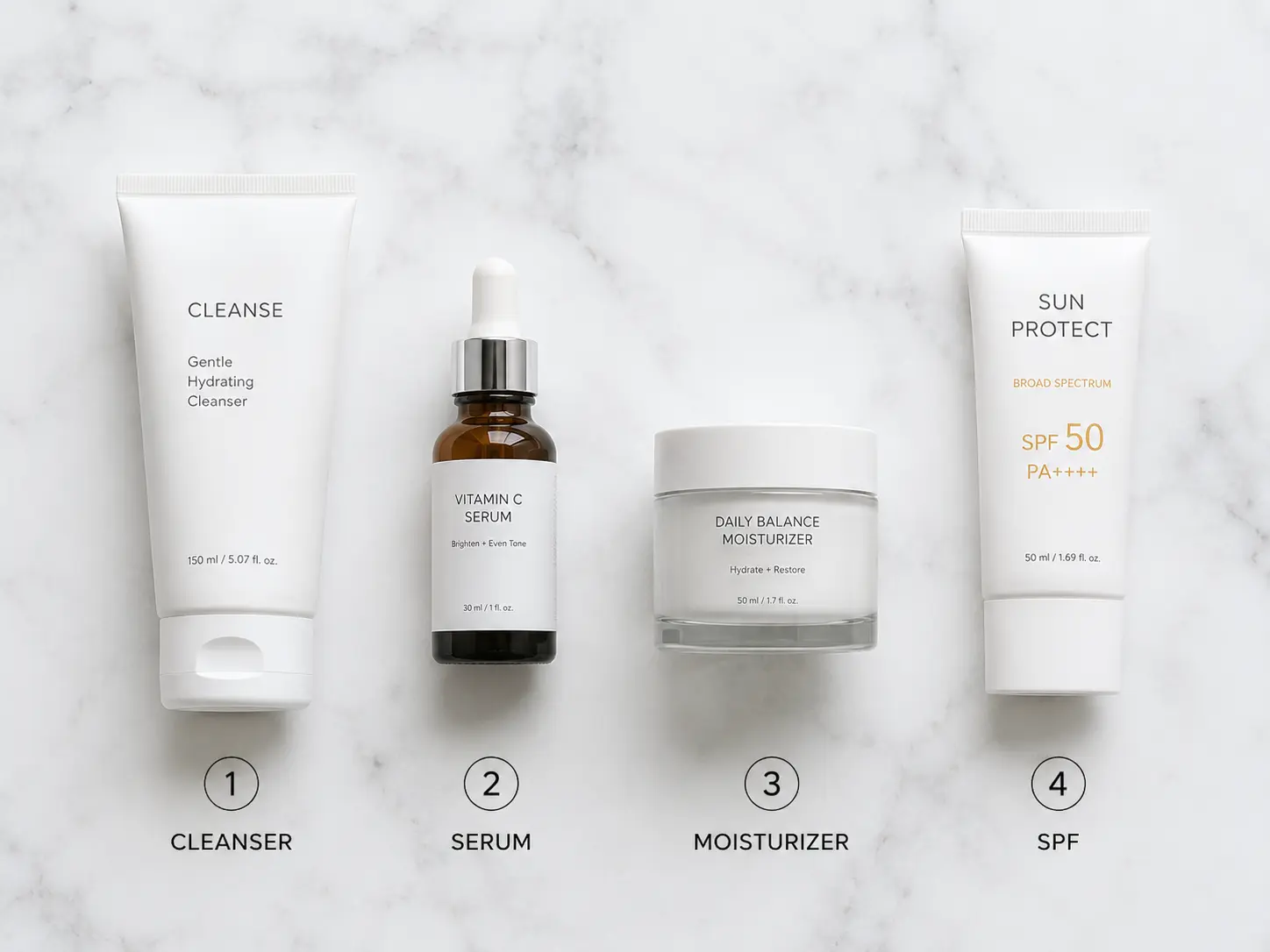
The serum looks expensive. Per application, the gap is smaller than the sticker price suggests — and a vitamin C serum's active ingredient is doing more functional work per use than a cleanser that spends 30 seconds on your face before rinsing off.
This math also explains why multi-functional products often represent genuine value: a tinted moisturizer with SPF 30 that replaces separate sunscreen, moisturizer, and light foundation reduces cost, reduces application time, and reduces the risk of ingredient conflicts. CivicScience's 2026 beauty trends research confirms that most makeup wearers already use four or fewer products in their typical daily routine — not as a compromise, but as a deliberate simplification that dermatologists consistently endorse.
Consistency Beats Optimization
Revuze (2026) documents a meaningful shift in beauty purchasing language — away from "anti-aging" (reactive, problem-focused) toward "pro-aging" and "longevity" framing that emphasizes sustained skin health. The practical implication: a simple routine you maintain beats an optimized routine you abandon.
Rotating through trending products every four to eight weeks does not give most actives enough time to show results. Retinoids typically require eight to twelve weeks of consistent use before visible change. Hyperpigmentation treatments require even longer. The cycle of trying a product, not seeing results in two weeks, and switching to the next trending option is the single most common source of buyer regret in this category.
What "Professional-Grade" Actually Means — and Doesn't
The professional skincare product market is projected to reach $37.5 billion by 2034 (Intel Market Research). "Professional-grade" as a label on a consumer product has no regulatory definition. It may refer to:
A higher concentration of an active ingredient (meaningful)
A formula previously sold only through estheticians or dermatologist offices (potentially meaningful)
A brand aesthetic designed to look clinical (not meaningful)
The useful question is not "is this professional-grade?" but "what is the concentration of the active ingredient, is that concentration supported by the published research, and is the delivery system capable of getting it where it needs to go?"
Sustainability Claims: What's Real and What Isn't
Fragrance is the fastest-growing mass beauty sub-category in 2026, projected at 11% expansion (Skai, 2026) — partly because it has repositioned itself as a functional wellness product around mood regulation and stress response. This positioning is not inherently dishonest, but it's also where some of the vaguest sustainability and wellness claims cluster.
Greenwashing Red Flags to Watch For
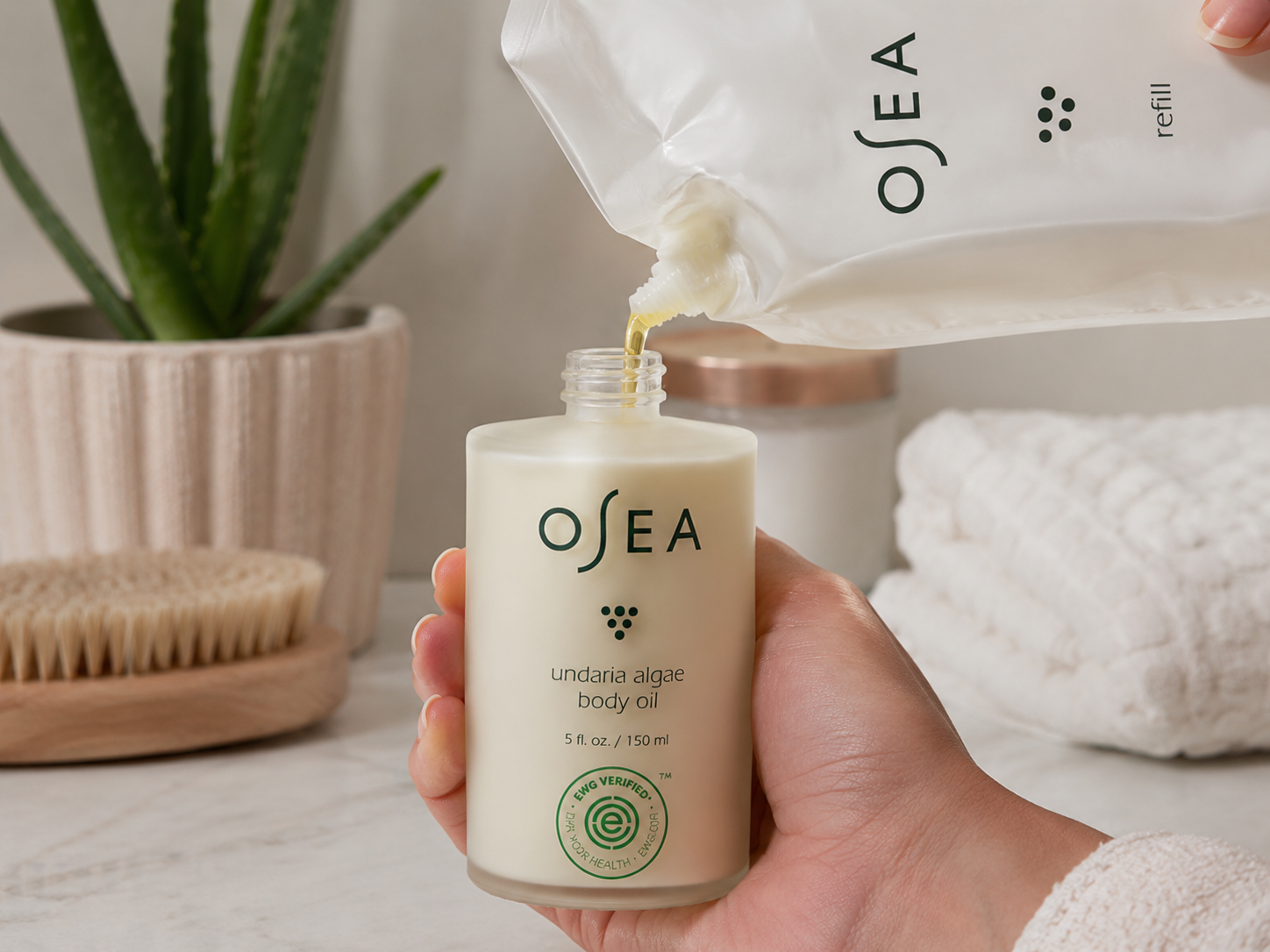
"Refillable" packaging with a refill that costs nearly as much as the original — the environmental math depends on the refill price, the number of refills, and the packaging material weight
"Waterless" formula claims where the formula still contains substantial amounts of water-based humectants or emulsions — "waterless" sometimes means the first ingredient isn't labeled "aqua" while still being water-dominated
"Biodegradable" packaging without specification of the conditions required for biodegradation (industrial composting ≠ home compostable)
Vague "sustainably sourced" ingredient claims without named certifications or supply chain transparency
Third-Party Certifications Worth Trusting
Frequently Asked Questions
How do I know if a skincare product will actually work for my skin type?
No external source can reliably predict this — not a review, not an AI tool, not this guide. What works for combination skin in a humid climate may not work for the same skin type in a dry one. The most reliable method is a structured patch test followed by four to six weeks of consistent use before evaluating. That timeline is long enough for most actives to show results if they're going to, and short enough to limit wasted product if they don't.
Are drugstore beauty products as effective as high-end alternatives?
For many categories, yes — the formulation chemistry that matters (active ingredient type, concentration, and pH) is not exclusive to premium brands. CeraVe and La Roche-Posay are frequently cited by dermatologists for barrier repair and sensitive skin precisely because their formulations prioritize functional ingredients over aesthetic experience. Where premium products often differ is in texture, fragrance, packaging experience, and supporting ingredients that may improve tolerability or skin feel without changing clinical outcome.
What does "hypoallergenic" mean on a beauty product label?
In the U.S., it has no legal definition. A brand can apply the term without any required testing. It generally signals that the brand has attempted to reduce common sensitizers — but "attempted to" and "tested for" are different claims. If you have known sensitivities or allergies, reading the full ingredient list against your known triggers is more reliable than trusting the hypoallergenic label.
Is it safe to use multiple active ingredients at the same time?
It depends on the specific actives and concentrations. The combinations most commonly associated with irritation: vitamin C (low pH) + retinol in the same application; multiple exfoliants (AHA + BHA + retinoid) in the same routine; prescription tretinoin layered with OTC retinol (redundant and irritating). Generally well-tolerated stacks: niacinamide + almost anything; hyaluronic acid + almost anything; SPF + any morning active. When in doubt, introduce one new active at a time and observe for two weeks.
How long should I give a product before deciding it doesn't work?
Cleansers and moisturizers: Two to four weeks for comfort assessment; skin feel stabilizes quickly
Vitamin C serums: Four to six weeks for brightening effects
Niacinamide: Six to eight weeks for pore appearance and pigmentation
Retinoids: Eight to twelve weeks minimum; purging (initial breakout) is common in weeks two through four and does not mean the product isn't working
Hyperpigmentation treatments: Three to six months for meaningful visible change
Stopping at two weeks is almost always too early for any active ingredient category.
Do I need separate products for face and body?
Not always. Beauty Independent (2026) reports growing consumer scrutiny of the "face vs. body" product split. A body lotion with niacinamide and ceramides addresses hyperpigmentation and barrier repair on the body just as effectively as a face-specific formula — often at a lower price per ounce. The meaningful functional differences: face products are typically formulated to be lighter (less likely to clog pores), and SPF products for the face are often formulated for a less greasy finish. For most other concerns, the active ingredient is the same regardless of which body area is labeled on the package.
Quick Reference: Which Ingredient Category for Which Concern
Sources cited in this article: