
Reviewed by the TrustedBuyerReport editorial team. This article was drafted with AI assistance and fact-checked against manufacturer specifications, Consumer Reports testing data, Car Talk fleet evaluations, and expert sources before publishing. TrustedBuyerReport may earn a commission from purchases made through links on this page.
Choosing the wrong tires is one of the most expensive mistakes a driver can make — not because good tires cost more upfront, but because the wrong set can fail early, perform poorly in rain or snow, or force a mid-winter replacement you never budgeted for.
This guide cuts through the noise. Based on aggregated 2026 testing data from Consumer Reports, Car Talk, and expert sources, here are the tires that actually deliver by category — along with clear guidance on who should buy what.
Quick verdict: The Michelin CrossClimate2 is the best all-around tire for most American drivers. The Nokian Hakkapeliitta R5 is the top winter choice for severe cold climates. The Continental ExtremeContact Sport 02 leads for performance/enthusiast use.
How We Researched These Picks
This guide is based on manufacturer specifications, aggregated owner feedback, and publicly available testing from:
- Consumer Reports, which tests more than 40 tire models annually using approximately 800 individual tires — evaluating wet/dry braking, hydroplaning, ride comfort, noise, and snow traction at its Connecticut and Michigan facilities
- Car Talk, which maintains a fleet of test vehicles and surveys over 800 mechanics and industry professionals
- Expert source analysis from outlets including AutoGuide and Motor Illustrated with hands-on winter and performance evaluations
We have not personally tested every tire listed here. Where hands-on test results are cited, the source is identified. Our value-add is synthesizing data across testing programs so you can match the right tire to your driving situation — without reading a dozen separate reviews.
Best All-Season Tires 2026
All-season tires cover the vast majority of American drivers. The right choice depends heavily on your climate, vehicle type, and whether you're prioritizing longevity, winter capability, or ride comfort.
🏆 Best Overall All-Season: Michelin CrossClimate2
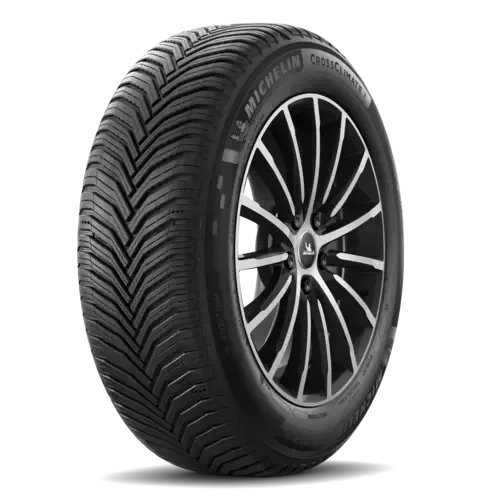
Best for: Drivers in four-season climates who want real winter capability without swapping to dedicated snow tires.
The CrossClimate2 earned the Car Talk Golden Wrench award for 2026 and sits at the top of most major tire rating lists — and for good reason. It carries a three-peak mountain snowflake (3PMSF) certification, which means it has been independently tested for severe snow duty — something most standard all-season tires don't achieve.
What sets it apart isn't just the winter credentials. Michelin's thermal adaptive tread compound stays flexible in cold temperatures while still delivering confident dry and wet performance. The steeply angled tread design channels water efficiently, and the PIANO noise reduction tuning keeps road noise noticeably lower than performance-focused rivals.
Key specs:
| Feature | Detail |
|---|---|
| 3PMSF rated | Yes |
| Treadwear warranty | 60,000 miles |
| Best for | Cars, crossovers, SUVs |
| Price range | $170–$270 per tire |
Drawback: Not cheap — and if you're in a mild, dry climate, the winter engineering is wasted money. Consider the Michelin Defender2 instead for pure longevity.
Best for Longevity: Michelin Defender2
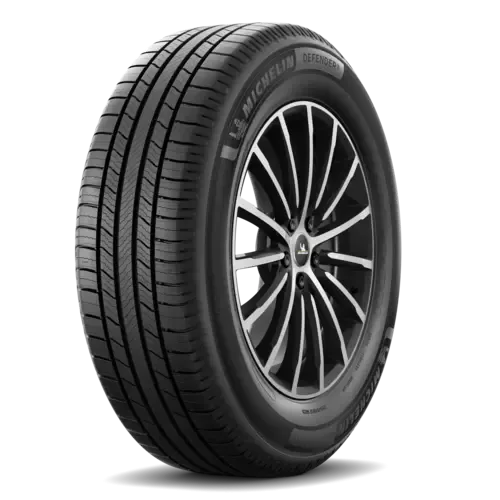
If maximizing miles per dollar is your priority, the Defender2 is the standout. Testing data indicates an estimated tread life of 94,400 miles — nearly double rivals like Bridgestone's comparable offering at around 47,700 miles. Consumer Reports confirmed the Defender2 leads the all-season car tire category on tread life for 2026.
The trade-off: it doesn't carry 3PMSF certification, so it's not the pick for drivers who regularly see serious snowfall. It's the right choice for mild-to-moderate climates where longevity matters more than winter edge.
Best for: Sedan and crossover drivers in warm or mild climates doing heavy highway miles.
Best Budget All-Season: Hankook Kinergy XP
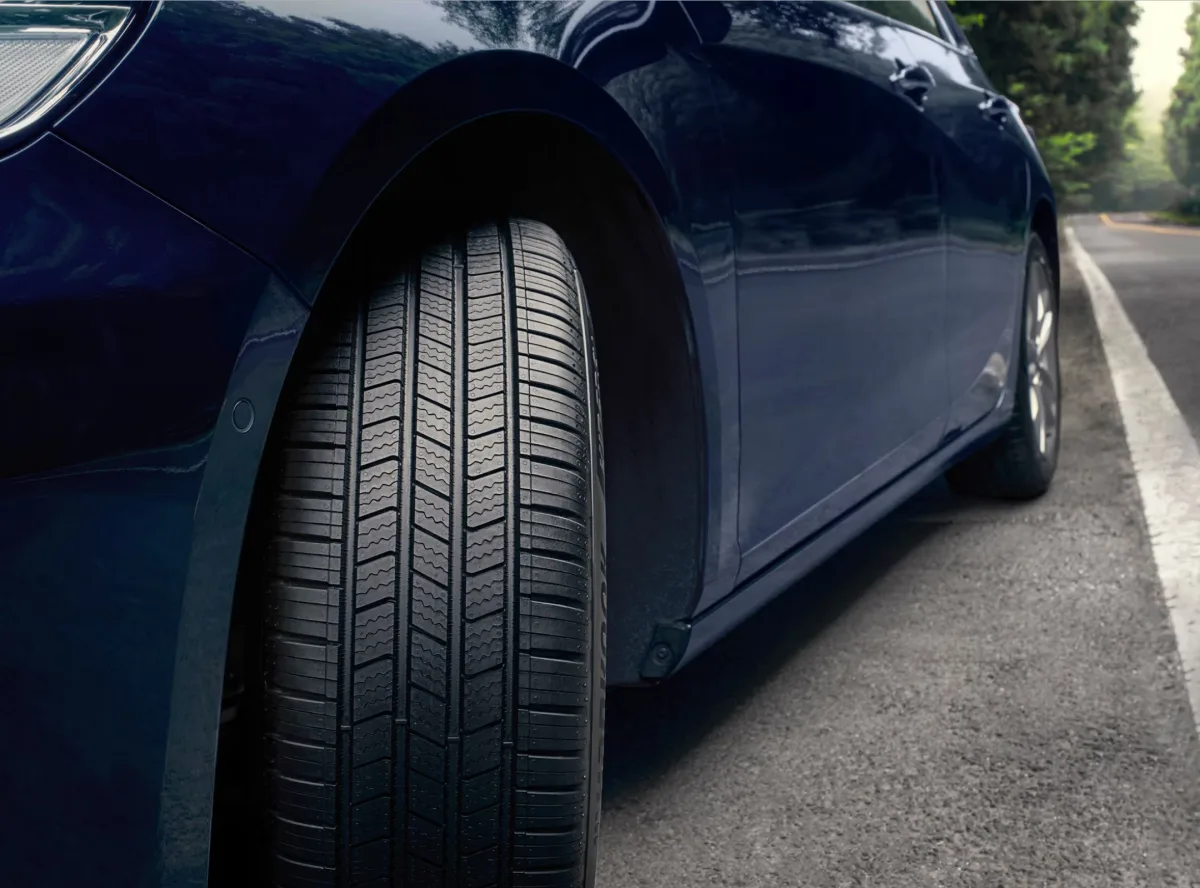
Consumer Reports officially recommended the Hankook Kinergy XP for 2026, and it earns that recognition. The tire combines a 75,000-mile warranty with a performance profile competitive with tires costing significantly more. Advanced silica technology improves wet handling by 6% and wet braking by 2% compared to its predecessor, and increased sipe density boosts snow acceleration by 15% and snow braking by 14% versus the previous generation.
Best for: Drivers of compact, mid-size, and large SUVs who want premium all-season performance without premium pricing.
Best All-Season for Enthusiasts: Continental ExtremeContact DWS 06 Plus
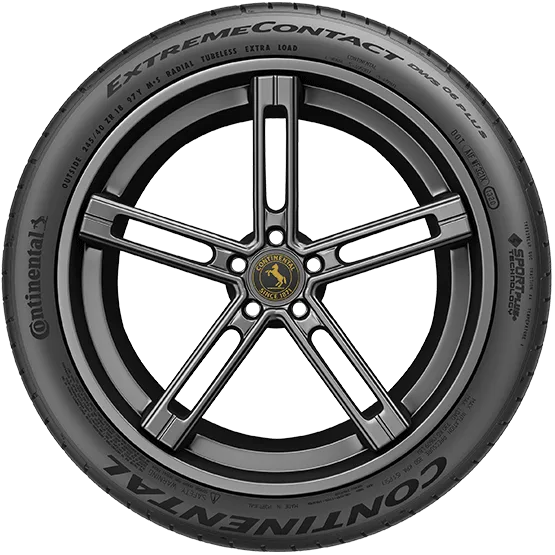
For drivers who want sporting handling without sacrificing all-weather capability, the Continental ExtremeContact DWS 06 Plus is the benchmark. It delivers confident steering response and dependable grip in dry, wet, and light winter conditions. It's not an all-weather tire with full winter credentials, but it handles enthusiast driving far better than conventional touring tires.
It carries a 50,000-mile treadwear warranty and typically runs around $170 per tire — about $25 less than equivalent Michelin all-season performance options, making it a $100 savings per set.
If you're planning a vehicle upgrade alongside your tires, check out our 2026 automotive buyer's guide for a broader look at where tires fit into the total ownership picture.
Quick Comparison: Best All-Season Tires 2026
| Tire | Best For | 3PMSF | Warranty | Approx. Price/tire |
|---|---|---|---|---|
| Michelin CrossClimate2 | Winter-capable all-rounder | ✅ | 60k mi | $170–$270 |
| Michelin Defender2 | Max tread life | ❌ | 80k mi | $150–$220 |
| Hankook Kinergy XP | Best value | ✅ | 75k mi | $110–$170 |
| Continental ExtremeContact DWS 06 Plus | Enthusiast handling | ❌ | 50k mi | ~$170 |
| Goodyear Assurance WeatherReady | Snow-heavy states | ✅ | 60k mi | $140–$210 |
Best Winter Tires 2026
Here's a fact that data bears out consistently: no all-season tire matches a dedicated winter tire in serious cold weather. If you regularly deal with ice, packed snow, or temperatures that stay below 45°F for weeks at a time, a set of winter tires on a spare wheel set will out-perform any all-season — including weather-rated ones.
The cost arithmetic often surprises people: two sets of tires running seasonally often last longer combined than one set pushed year-round, since you're not wearing summer-formula rubber in winter or soft winter compound in summer heat.
🏆 Best Winter Tire Overall: Nokian Hakkapeliitta R5
Consumer Reports named the Hakkapeliitta R5 as its top winter/snow tire choice for 2026, citing excellent performance in snow-traction and ice-braking tests, along with strong rolling resistance scores. Nokian — a Finnish brand that essentially invented the modern studless winter tire — produces some of the most capable cold-weather rubber available.
The R5 is a non-studded tire, which matters for drivers in states where studded tires are restricted or prohibited on dry pavement during certain months. It's available in both car/crossover (Hakkapeliitta R5) and larger SUV/truck sizes (Hakkapeliitta R5 SUV).
Best for: Drivers in the upper Midwest, New England, Mountain West, or anywhere with prolonged sub-freezing temperatures and regular snowfall.
Best for SUVs/Trucks in Snow: Bridgestone Blizzak DM-V2
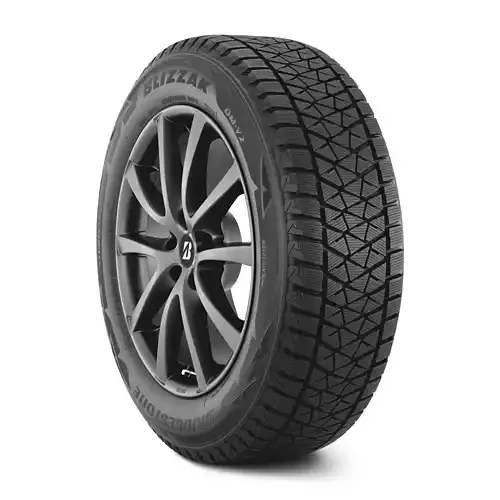
The Blizzak DM-V2 is one of the most tested and proven winter tires available for crossovers, SUVs, and light trucks. Bridgestone's NanoPro Tech Multicell compound features a hydrophilic coating that wicks water away from packed snow and ice while microscopic bite particles improve braking on glare ice.
AutoGuide's hands-on evaluation of the DM-V2 on a 2025 Subaru Crosstrek found that the tire maintained predictable grip across packed snow, slush, and thin-ice conditions without the harsh ride increase typical of dedicated winter tires. The tread depth indicator built into the tread blocks lets you know when the tire's primary winter compound (the outer 55%) is reaching the end of its effective life — a useful real-world detail most competitors don't offer.
Pricing: $150–$350 per tire depending on size.
Drawback: The soft compound wears faster if you leave winter tires on into spring warm-up. Swap to all-seasons once temperatures consistently exceed 45°F.
What About the New Bridgestone Blizzak IcePeak?
Bridgestone is launching the Blizzak IcePeak — the successor to the DM-V2 and WS90 — with production beginning May 2026 and broader availability by fall 2026. It brings 3D zig-zagging sipes, Bridgestone's "Enliten" fuel-efficiency technology, and coverage across 107 size options for everything from sedans to trucks. If you're shopping for winter tires heading into the 2026–2027 season, the IcePeak will be worth evaluating once reviews from actual winter driving are available.
Best Winter Tire for Extreme Ice: Nokian Hakkapeliitta 10 SUV (Studded)
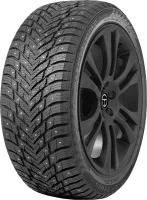
For drivers in states that permit studded tires — and in conditions where black ice and sheet ice are regular realities — the studded Hakkapeliitta 10 SUV delivers ice grip that non-studded tires cannot match. Aramid-reinforced sidewalls add durability for rugged or off-road SUV use.
The trade-offs are real: studded tires are noisier on dry pavement, wear faster in warmer conditions, and are prohibited in several US states. Check your state's regulations before purchasing.
Pricing: $175–$670 per tire depending on size.
Best Budget Winter Tire: Firestone Winterforce 2
For drivers who need a meaningful step up from all-season tires in winter but can't justify premium winter pricing, the Firestone Winterforce 2 delivers solid snow and light ice capability at a substantially lower price point. It's not in the same league as the Blizzak or Hakkapeliitta on black ice, but for moderate winter climates — think the mid-Atlantic, lower Midwest, Pacific Northwest — it's a cost-effective option worth considering.
Best Performance Tires 2026
Performance tires split into two main categories: ultra-high-performance (UHP) summer tires for maximum grip in warm weather, and high-performance all-season tires for enthusiasts who want sporting capability without a seasonal swap.
🏆 Best UHP Summer Tire: Michelin Pilot Sport S 5
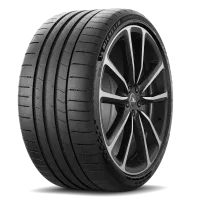
Car Talk named the Michelin Pilot Sport S 5 its 2026 Golden Wrench winner for best performance tire. Consumer Reports gives the Pilot Sport 4S (the S 5's immediate predecessor, still widely available and tested) the highest overall score of any tire in its testing program — with near-perfect marks in dry braking, handling, and hydroplaning resistance.
The Pilot Sport S 5 was developed in collaboration with Porsche, Ferrari, and other high-performance manufacturers, and it shows in the precision and consistency of the steering feel. Michelin includes a 30,000-mile treadwear warranty — unusually generous for this category, where most competitors offer none. Roadside assistance and a 60-day satisfaction guarantee round out the package.
Pricing: From $233 per tire for the Pilot Sport 4S; Pilot Sport S 5 pricing varies by size.
Drawback: Ride comfort and rolling resistance are typical weaknesses for UHP summer tires, and the S 5 is no exception. If you spend significant time on rough pavement at sustained highway speeds, the Continental below may be the better fit.
Best for Wet Performance: Continental ExtremeContact Sport 02
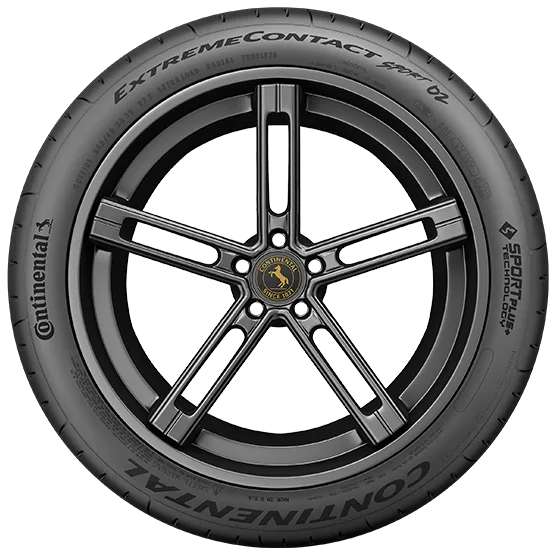
For street-driven performance cars that will see regular rain — which is most of them — the Continental ExtremeContact Sport 02 makes a compelling case. In real-world wet comparisons between the Pilot Sport 5 and the ExtremeContact Sport 02, the Continental consistently runs 8–12 feet shorter in wet braking from 60 mph. On standing water at highway speeds, the Continental's tread pattern channels water more effectively, providing noticeably more confidence in hydroplaning conditions.
Consumer Reports scoring shows the two tires nearly matched across dry braking, handling, and hydroplaning — with the Continental's higher treadwear rating (340 vs. 300) suggesting potentially longer tread life. And the price difference is real: the Continental typically runs about $25 less per tire than equivalent Michelin UHP options, saving roughly $100 per set.
| Feature | Michelin Pilot Sport S 5 | Continental ExtremeContact Sport 02 |
|---|---|---|
| Dry handling | Slight edge | Excellent |
| Wet braking | Good | Better (8–12 ft shorter) |
| Ride comfort | More compliant | Slightly firmer |
| Treadwear rating | 300 | 340 |
| Treadwear warranty | 30,000 mi | 30,000 mi |
| Approx. price | $233+ per tire | ~$170–$210 per tire |
Best for: Daily-driven performance cars in regions with regular rain; price-conscious enthusiasts.
Best Performance All-Season: Michelin Pilot Sport All-Season 4
Drivers who want genuine performance handling without giving up winter-season usability should consider the Michelin Pilot Sport All-Season 4. It delivers the grip and precision expected of a Pilot Sport product, backed by real tread life and broad fitment coverage. Michelin positions it as EV-ready.
This is not a winter tire, and it's not a replacement for a dedicated winter setup in severe climates — but for sports car owners in the Sun Belt or mild-winter regions who want sharper response than a grand touring all-season, it's the strongest option available.
All-Season vs. All-Weather vs. Winter — What's the Difference?
These three categories confuse a lot of buyers. Here's the straightforward breakdown:
All-season tires are designed for year-round use in moderate conditions — dry, wet, and light snow. They are the factory default on most new vehicles. They do not carry 3PMSF certification and are not intended for severe snow or ice.
All-weather tires (sometimes marketed as "all-weather" vs. "all-season") carry the 3PMSF certification, meaning they've been tested for severe snow duty. Examples: Michelin CrossClimate2, Goodyear Assurance WeatherReady. These are the right pick for drivers who see real winter weather but don't want seasonal tire changes.
Winter/snow tires use a specialized rubber compound that remains flexible below 45°F and tread patterns optimized for snow and ice. They significantly outperform any all-season or all-weather tire in serious cold-weather conditions — but must be swapped out in spring because the soft compound wears rapidly on warm pavement.
The rule of thumb: if you regularly experience temperatures below 45°F, ice, or significant snowfall, dedicated winter tires will outperform any all-season option, including 3PMSF-rated all-weather tires.
Where to Buy Tires in 2026
The landscape for tire purchasing has shifted significantly. Online retailers like Tire Rack, Discount Tire, and Amazon now dominate — and they typically offer free shipping to a local installer, making the process nearly as convenient as buying in-store.
Key things to compare beyond price:
- Installation network: Does the retailer have a local installer in your area, or will you need to arrange it separately?
- Road hazard warranties: Some retailers include these; others don't. A road hazard warranty can cover repairs or replacement for potholes and debris damage.
- Return policies: Most major online tire retailers offer a 30–45 day return window if the tires haven't been mounted.
If you're doing more than just tire research and want to understand how tires fit into a broader vehicle purchase decision, our guide on how to buy a used car online in 2026 covers the full picture — including what to check on a used vehicle's existing tires before you complete a purchase.
For new vehicles, the best car buying apps and websites of 2026 like CarMax, Carvana, and KBB can simplify the process if you're shopping for a car and tires at the same time.
Other Automotive Gear Worth Knowing About
Good tires are the foundation — but they work best alongside a few other essentials.
A dash cam can document road incidents and protect you from fraudulent claims. Our 2026 dash cam guide covers front, dual, and 360-degree options by use case. If you're prepping for long winter drives, our guide to the best jump starters and emergency car kits covers the tools worth keeping in your trunk. And for drivers who want to stay legal while monitoring their speed in states where radar detectors are permitted, our radar detector guide breaks down the top options by state legality.
FAQ
Are winter tires worth it if I have AWD?
AWD helps you accelerate in snow, but it does nothing for braking or cornering. All-wheel drive with all-season tires is significantly inferior to two-wheel drive with proper winter tires in braking distance and handling on ice. Winter tires are worth it regardless of your drivetrain if you regularly drive in serious winter conditions.
How long should tires last?
Most quality all-season tires carry warranties between 50,000 and 80,000 miles. The Michelin Defender2 leads at an estimated 94,400 miles in testing. Performance and winter tires typically offer shorter life — UHP summer tires commonly last 20,000–40,000 miles; winter tires are rated without treadwear warranties and depend heavily on how consistently they're used seasonally.
What does 3PMSF mean on a tire?
The Three-Peak Mountain Snowflake symbol means the tire has been tested and certified to meet minimum performance requirements in severe snow service conditions. It's a more rigorous standard than the M+S (Mud + Snow) marking found on most all-season tires, which is a self-certification that doesn't require independent testing.
When should I replace tires?
The minimum legal tread depth in most US states is 2/32". Tire safety organizations recommend replacement at 4/32" for all-season tires and earlier for winter tires, which lose effectiveness as the tread wears. The penny test (insert a penny upside-down into the tread groove — if you can see all of Lincoln's head, you're at or below 2/32") is a quick field check.
Can I mix all-season and winter tires?
No. Always install winter tires in complete sets of four. Mixing tire types creates unpredictable handling imbalances, particularly on rear-wheel-drive vehicles.
What tires are best for electric vehicles?
EVs present specific challenges for tires: higher vehicle weight, instant torque, and stricter noise standards. Michelin's Pilot Sport EV and Pirelli's P Zero with ELECT technology are purpose-built for EV performance. For everyday EV driving, the Hankook Kinergy XP is Consumer Reports-recommended and works well across EV applications. If you're also exploring charging infrastructure, our EV charging network guide covers the current landscape for Tesla, ChargePoint, and EVgo.