
The Biggest Misconception About Buying a Coffee Maker in 2026

Most people assume the best coffee maker is the one that scores highest in a lab test. That assumption leads to a very specific and common outcome: a well-reviewed espresso machine sitting on the counter, used twice in three months, while its owner makes instant coffee on weekday mornings because the workflow is simply too demanding before 7 a.m. The machine wasn't bad. It was the wrong machine for that person's life.
This guide isn't built around lab rankings. It's built around a more useful question: which machine will you still be happy with six months from now, given how you actually live? That means looking at brew quality alongside morning time constraints, cleanup tolerance, counter space, and whether you genuinely want to learn a skill or just want coffee in your hand fast.
Consumer Reports rates more than 160 coffee makers, from basic drip models priced as low as ? up to high-end machines costing hundreds. That range alone tells you something important: the right answer for you exists somewhere in that spectrum, and it has almost nothing to do with which model sits at the top of a sorted list.
Every buyer faces three core trade-offs: brew quality versus convenience, upfront cost versus ongoing cost, and manual control versus automation. This guide walks through five machine categories — drip, espresso, pod, manual pour-over, and all-in-one hybrid — and helps you match the right one to your actual behavior patterns. If you're also evaluating other kitchen appliances alongside your coffee maker purchase, the Home & Kitchen Buying Guide: Appliances, Cookware & Smart Home 2026 provides a broader framework for prioritizing where to spend.
Step One: Identify What Kind of Coffee Drinker You Actually Are

Before you read a single spec sheet, answer one question honestly: do you want filter coffee or espresso-based drinks? This single distinction, highlighted in a practical buying framework from r/workingmoms, is the most important filter in any coffee maker decision. Filter coffee and espresso require categorically different machines. Buying an espresso machine when you want a large black coffee in the morning, or buying a drip machine when you want lattes, means you've already made the wrong choice regardless of which model you pick.
From there, three buyer profiles emerge:
- Convenience-first: You want coffee fast, with minimal cleanup, and consistent results every time. Speed to first cup matters more than nuance in the cup.
- Quality-first: You're willing to invest time, learn technique, and engage with the process. You want the best possible extraction and you'll adjust variables to get there.
- Flexibility: Your household has mixed preferences — one person drinks black drip coffee, another wants oat milk lattes. You need one machine that handles both without being terrible at either.
Knowing which profile fits you before reading the sections below will save you real money. A quality-first buyer who buys a pod machine will feel permanently underwhelmed. A convenience-first buyer who buys a manual espresso setup will likely abandon it within weeks.
Drip Coffee Makers in 2026: Best Picks from Budget to Premium
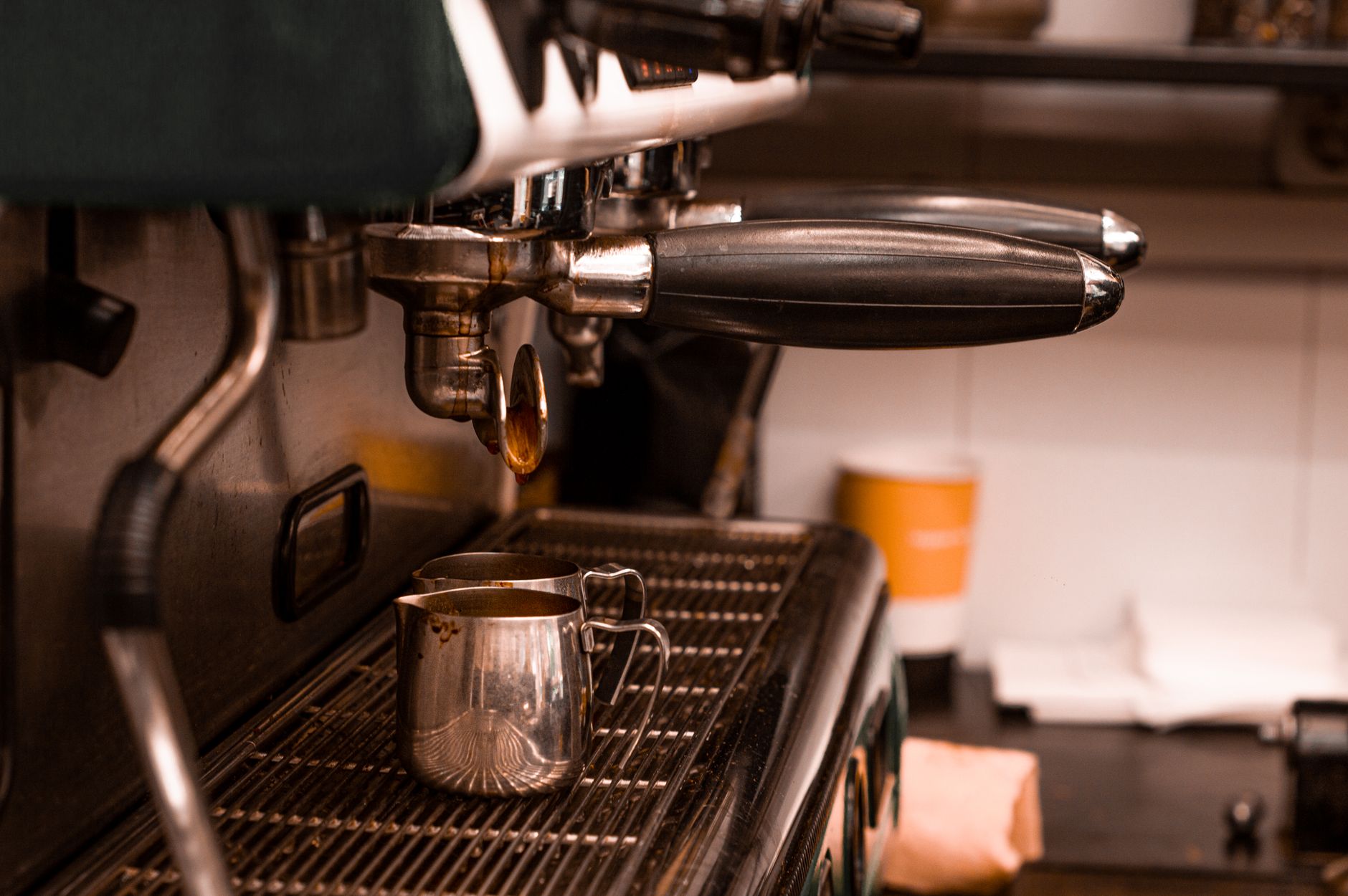
Drip machines are the most widely purchased category, and the quality gap between a ? model and a ? model is genuinely significant — not just in build materials but in the cup itself. The technical factors that separate a mediocre drip machine from a great one are brew temperature consistency (ideally between 195°F and 205°F), bloom function (a pre-infusion pause that lets CO2 escape from fresh grounds), water distribution across the grounds, and whether the carafe is thermal or glass.
Specialty Coffee Association (SCA) certification is a reliable shortcut here. Machines that earn it have been independently verified to hit the correct brew temperature range and maintain it throughout the brew cycle. Not every good machine carries SCA certification, but certified machines have cleared a meaningful technical bar.
Budget Tier: Under ?
The Ninja 12-Cup Programmable Coffee Brewer at approximately ? is a strong entry point. According to CNET's drip machine comparison, it measures 8 inches deep by 10 inches wide by 14 inches tall, uses a glass carafe, and is programmable — a meaningful feature for anyone who wants coffee ready when they wake up. The Mr. Coffee Simple Brew 12-Cup at around ? is the floor of the market: functional, widely available, and appropriate if your only requirement is hot coffee with no fuss. Don't expect temperature precision or bloom functionality at this price.
Mid-Range: ?–?
The OXO Brew 8-Cup Coffee Maker sits at approximately ? and measures 10.5 inches deep by 7 inches wide by 13.5 inches tall — a relatively compact footprint for kitchens where counter space is limited. The Technivorm Moccamaster KBGV Select appears on both the r/workingmoms tested list and Eight Ounce Coffee's 2026 guide as the benchmark for dependability. It heats water quickly, brews at the correct temperature consistently, and has a track record of lasting a decade or more. It's not programmable, but its reliability is hard to match.
Precision and Luxury Tiers
The Fellow Aiden Precision Coffee Maker is named Best Overall by Eight Ounce Coffee's tested 2026 guide, and it earns that designation through genuine flavour control — adjustable bloom time, temperature, and flow rate give you meaningful influence over the final cup without requiring manual pour-over technique. The Breville Luxe Brewer, released in 2025 and priced around ?, competes directly in this space, offering bloom volume, bloom time, water temperature, and flow rate control, plus an overnight cold brew function, according to Bon Appétit's drip machine review.
At the top of the market sits the Ratio Eight at approximately ?. Bon Appétit describes it as "beautiful, functional, and built to last" while noting it sits in a luxury echelon not accessible to a wide enough audience to earn a top pick recommendation. It's a machine for people who want a countertop object as much as a coffee brewer.
Espresso Machines in 2026: What You're Really Signing Up For

Espresso machines make espresso, lattes, cappuccinos, flat whites, and Americanos. They do not make drip-style coffee. If that's the drink category you want, you're in the right section — but go in with clear expectations about what ownership actually involves.
Wirecutter states this plainly: when you're making espresso, a good grinder is just as important as a good espresso machine. Their recommendation for espresso grinding is the Baratza Sette 30, which provides the finer, more precise settings that drip grinders typically lack. Budget for a grinder when you budget for an espresso machine — it's not optional if you want good results.
Three Tiers of Espresso Machine
Manual machines give you full control over grind, dose, tamp, temperature, and milk. The Gaggia Classic Evo Pro is a representative example at the enthusiast entry level. These machines have the highest espresso potential and the best upgrade path, but they demand a real learning curve and more active involvement every morning. They're best suited to people who genuinely enjoy the process, not just the result.
Barista-assisted machines with integrated grinders balance control and convenience. The Breville Barista Express Impress is the most widely cited example in this category, appearing on the r/workingmoms list as a mid-range benchmark. You still use a portafilter and manage tamping, but the integrated grinder removes one major variable and one separate appliance from your counter.
Fully automatic bean-to-cup machines are the convenience end of the espresso spectrum. Add beans, press a button, and the machine grinds, doses, brews, and discards the puck. The De'Longhi Magnifica Evo One Touch is a strong representative in this category. As CoffeeKev's buying framework notes, you sacrifice some of the fine-tuning that manual machines allow, but you gain a genuinely low-friction morning experience.
For beginners who want to learn espresso without a steep financial commitment, the Sage Bambino Plus (sold as the Breville Bambino Plus in North America) appears in both Serious Eats' tested review and the r/workingmoms list as a consistently recommended starting point. It's compact, capable, and forgiving enough that the learning curve doesn't feel punishing.
Pod and Capsule Machines in 2026: Convenience Has a Cost — Here's What It Actually Is
Pod machines eliminate the three variables that trip up most home brewers: grind consistency, dose accuracy, and tamp pressure. Pre-measured capsules handle all of that before the machine even turns on. The result is a cup that's highly consistent shot to shot, brewed quickly, and requires almost no cleanup. For specific users, that's genuinely the right trade-off.
Consumer Reports evaluates pod machines on temperature consistency, cup size consistency, speed to first cup, speed of subsequent cups, and the degree of control the user has over size and strength. That last criterion matters more than it sounds — some pod machines give you meaningful control over brew strength and volume, while others lock you into a single output.
The honest downside is ongoing cost. Capsules cost meaningfully more per cup than buying whole beans, and that gap compounds over months and years. Environmental impact is a real consideration too: single-use plastic capsules generate waste, though some brands now offer recyclable or compostable options worth checking before you commit to an ecosystem.
The MORNING The Morning Machine is named Best Pod Coffee Maker in Eight Ounce Coffee's 2026 tested guide. The Nespresso VertuoPlus by De'Longhi appears in Serious Eats' testing as a benchmark for the Nespresso ecosystem. Pod machines are the right choice if you want zero learning curve, consistent results every morning, and minimal cleanup — and you're willing to pay the per-cup premium for those benefits.
If you're thinking about your overall grocery and consumables budget alongside capsule costs, the Food & Grocery Buyer's Guide 2026: Meal Kits, Delivery & More offers useful context for evaluating recurring subscription and consumable costs across your household.
Manual and Pour-Over Brewers: The Low-Budget, High-Reward Option Most Guides Overlook
Manual brewing methods are frequently absent from mainstream coffee maker roundups, which tend to focus on electric appliances. That's a real gap, because for quality-focused buyers — especially those on a tight budget — manual options often outperform electric machines that cost ten times as much.
The Hario V60-02 Dripper is named Best Low-Budget Pour-Over Coffee Maker in Eight Ounce Coffee's 2026 tested guide. The cost of entry is low, the learning curve is real but manageable, and the ceiling for cup quality is genuinely high. You control water temperature, pour rate, and total brew time, which means you can dial in a cup that no automatic machine at the same price point can match.
The AeroPress Original earns the Best Portable Coffee Maker designation in the same guide. It's compact enough to pack in a bag, tolerant of a wide range of grind sizes and water temperatures, and produces a clean, concentrated cup. It's also one of the best options for someone who wants to experiment with brew variables without investing in expensive equipment.
The Chemex Classic Coffee Maker is the Best Classic pick — an iconic design that produces a notably clean cup due to its thick paper filters, which remove more oils than standard filters. The Hario Switch Immersion Brewer and NextLevel Pulsar are highlighted specifically for flavour control; Eight Ounce Coffee describes the Switch as yielding an incredibly high rate of consistency, high extraction, and nuanced flavours without any agitation required.
Wirecutter treats pour-over drippers, French presses, and cold-brew makers as distinct best-in-category picks alongside electric drip machines — a recognition that manual methods aren't a compromise but a legitimate choice. If you already own a quality burr grinder, a Hario V60 and a gooseneck kettle will likely produce better coffee than an automatic drip machine at twice the combined cost.
All-in-One and Hybrid Machines: Do They Actually Deliver on the Promise?
The appeal of a hybrid machine is obvious: one footprint, multiple brew styles, less clutter. The honest reality, as Boma Kitchen's 2026 buyer's guide frames it, is that "to choose one is to prioritize a certain set of values over others." Machines optimized for everything are rarely best-in-class at any single method. That trade-off is acceptable for some users and genuinely frustrating for others.
The xBloom Studio Coffee Maker stands out as the Best All-in-One Brewer in Eight Ounce Coffee's 2026 tested guide. It integrates grinding and brewing in a single unit, which meaningfully reduces the number of decisions and pieces of equipment involved in a morning routine. For a household that wants quality without managing multiple appliances, it's a strong option.
The Café Specialty Grind and Brew appears on the r/workingmoms best drip coffee makers list as a mid-range integrated grinder-drip option — a more accessible price point for buyers who want the grinder built in but don't need the xBloom's premium feature set.
All-in-one machines work best for households with limited counter space, mixed preferences, or users who want to simplify their setup without fully sacrificing quality. They're a poor fit for dedicated espresso enthusiasts who want precise control over every extraction variable, or pour-over purists who prefer to manage each step manually. Boma Kitchen's five-archetype framework — drip, espresso, pod, manual, and hybrid — is useful precisely because it treats each category as a deliberate set of trade-offs rather than a ranked hierarchy.
The Variables Nobody Talks About: Water, Grind, and Maintenance

The machine is only one part of the equation. Water quality has a direct impact on extraction: heavily chlorinated tap water introduces off-flavors, while very soft water can produce flat, under-extracted coffee. Filtered water — not distilled — is the practical standard recommendation for most home setups.
Grind consistency is equally critical. A blade grinder produces uneven particle sizes that lead to simultaneous over-extraction and under-extraction in the same cup. A burr grinder, whether flat or conical, produces uniform particles that extract evenly. Wirecutter's guidance on espresso grinders — that the grinder matters as much as the machine — applies in a meaningful way to drip and pour-over brewing as well. A ? burr grinder paired with a ? drip machine will often outperform a ? drip machine paired with a blade grinder.
Maintenance is where many machines quietly fail their owners over time. Scale buildup from hard water reduces heating efficiency and eventually damages heating elements. Most machines require descaling every one to three months depending on water hardness. Taste of Home's expert testing explicitly includes maintenance requirements as a practical differentiator — a machine that's difficult to clean or descale will be cleaned less often, which directly degrades cup quality and machine longevity. Check whether your machine has a descaling indicator, how accessible the water reservoir and brew group are, and whether replacement parts are available before you buy.
Final Recommendation: A Decision Framework by Profile
Rather than a ranked list, here's a direct decision map based on the profiles established earlier:
- Convenience-first, espresso drinks: A fully automatic bean-to-cup machine like the De'Longhi Magnifica Evo One Touch, or a pod machine like the MORNING The Morning Machine. Accept the per-cup cost premium in exchange for zero-friction mornings.
- Convenience-first, black coffee: The Technivorm Moccamaster KBGV Select for reliability and consistent temperature, or the Ninja 12-Cup Programmable if budget is the primary constraint.
- Quality-first, espresso: Start with the Sage/Breville Bambino Plus and a Baratza Sette 30 grinder. Budget for both together. Graduate to the Breville Barista Express Impress or Gaggia Classic Evo Pro once you've developed technique.
- Quality-first, filter coffee: The Fellow Aiden Precision Coffee Maker for electric convenience with real control, or the Hario V60-02 Dripper with a gooseneck kettle if you want maximum quality at minimum cost and are willing to engage with the process.
- Flexibility, mixed household: The xBloom Studio for an integrated high-quality solution, or the Café Specialty Grind and Brew as a more accessible mid-range option. Accept that neither will be best-in-class for any single method.
- Travel or small space: AeroPress Original. No other option comes close for portability combined with cup quality.
One final point worth stating plainly: the best coffee maker is the one you'll actually use every day. A ? Mr. Coffee that produces a hot cup every morning beats a ? Ratio Eight that intimidates you into skipping the ritual.
Frequently Asked Questions
What is the most important factor when choosing a coffee maker?
The type of coffee you want to drink — filter/drip or espresso-based — is the single most important filter. Drip and espresso require fundamentally different machines, and no single machine does both equally well. After that, your tolerance for morning workflow complexity determines whether you should be looking at manual, semi-automatic, or fully automatic options.
Do I need a separate grinder?
For espresso, yes — Wirecutter states explicitly that a good grinder is as important as a good espresso machine. For drip and pour-over, a burr grinder meaningfully improves cup quality even if it isn't strictly required. Blade grinders are the weakest link in most home coffee setups.
Are pod machines worth it in 2026?
For the right user, yes. If you want zero learning curve, consistent results, and minimal cleanup, pod machines deliver on